Crockpot Mistakes: 5 Common Slow Cooker Habits That Are Making Your Meat Tough
There’s nothing quite as deflating as lifting that lid after eight hours of patient waiting, only to find meat that could double as a rubber doorstop. The slow cooker is supposed to be the easy path to dinner – low effort, big reward. So what keeps going wrong?
Honestly, the answer isn’t complicated, but it does require knowing a few things that most people never bother to look up. The mistakes that lead to tough, dry, or chewy meat are shockingly common, and nearly all of them are completely avoidable. Let’s dive in.
Mistake #1: You’re Using the Wrong Cut of Meat
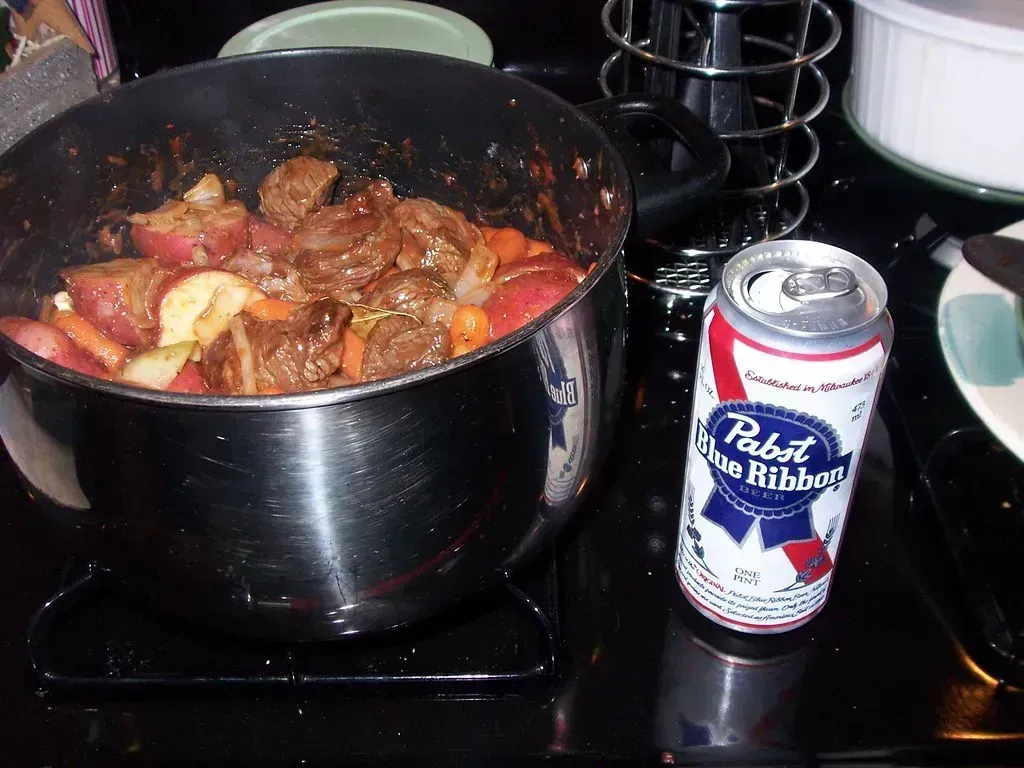
Here’s the thing – not all meat is built for the slow cooker. The best cuts of meat for a slow cooker are well-marbled and fatty. Think about it like choosing the right tool for the job. A sports car doesn’t belong off-road, and a filet mignon doesn’t belong in a crockpot.
Quick-cooking meats, such as tenderloin or chicken breasts, lack the fat and connective tissue that slow-cooking meats have. When cooked for extended periods in a slow cooker, they become tough and unpalatable. That’s not a matter of cooking skill – it’s just the wrong cut for the method.
The beauty of the slow cooker is that you can use cheaper cuts of meat, such as braising steak, beef shin and chicken drumsticks, which need to be cooked low and slow to become tender. Expensive cuts will just dry out and become tough if cooked for an extended time. So save those premium steaks for the grill. For your crockpot, reach for beef cuts like chuck roast, stew beef and brisket, or pork shoulder and pork ribs.
Mistake #2: You’re Cooking on High Instead of Low
We get it. Life is busy, and the temptation to crank the dial to “high” and cut the cooking time is real. But this single habit is one of the most common reasons meat comes out tough. Choosing the wrong setting can dramatically affect the outcome of your dish. Cooking on “high” when a recipe calls for “low” can lead to overcooked, tough meats and vegetables.
There’s a simple reason for this problem – you probably cooked it on too high a setting for an insufficient time. Remember, long and slow is the key here. It’s almost counterintuitive, but patience is literally the secret ingredient in slow cooking.
Plan for 6-9 hours of cooking time and set your cooker to “low.” This long, slow braise breaks down the connective tissue and fat, creating deliciously soft and juicy meat. Think of it as the difference between sprinting and taking a long, leisurely walk – both get you somewhere, but only one of them is good for the meat.
Mistake #3: You’re Not Allowing the Collagen to Break Down
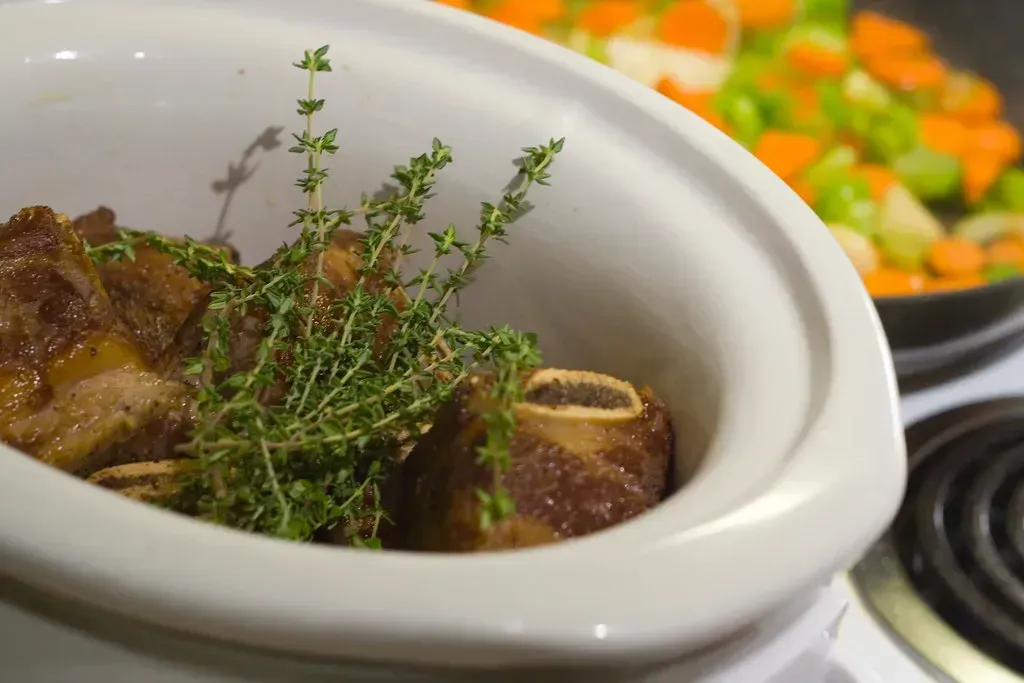
This is where the food science gets genuinely fascinating. Collagen is the connective tissue that runs through tougher cuts of meat, and it’s actually your best friend in the slow cooker – if you give it enough time. Tough cuts of meat, such as chuck roast or brisket, contain a lot of collagen and connective tissues that need to break down to become tender. These cuts require longer cooking times to allow the collagen to convert into gelatin, which results in a tender texture.
Usually, meat is tough when it hasn’t been cooked long enough. The collagen in the meat needs time to break down, and this is what makes the meat tender. I know it sounds crazy, but the very thing that makes cheap cuts of meat so tough initially is also what makes them so incredibly silky and rich when properly slow-cooked.
Six hours on low in most slow cookers is not enough time to gelatinize the connective tissues of most pot roast cuts and provide a tender result. Many people pull the plug right when the magic is about to happen. Slow cooking is a patience-rewarding process; extend your cooking time and you’ll notice the meat becoming more tender and succulent.
Mistake #4: Lifting the Lid Too Often
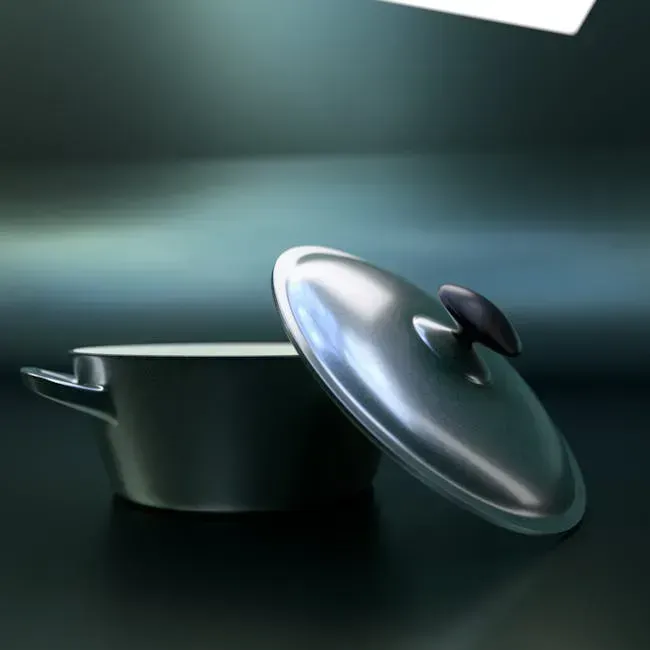
Few things feel more harmless than a quick peek. The aroma is incredible, curiosity is overwhelming, and surely one little look won’t hurt, right? Wrong. Every time you open the lid, heat escapes, meaning your food will take longer to cook. It’s like opening the oven door every ten minutes – the temperature just cannot stabilize.
In fact, each time you lift that lid, you add 30 minutes to the time you need to cook your food. Do that three or four times and suddenly your carefully timed dinner is running almost two hours behind, likely sitting in an unsteady temperature zone that does no favors for the meat’s texture.
Resist the temptation to lift the lid frequently, as this releases heat and extends cooking time. Most modern slow cookers come with glass lids for a reason. Use them. Look through the glass, trust the process, and let the heat do its work undisturbed.
Mistake #5: Getting the Liquid Level Wrong
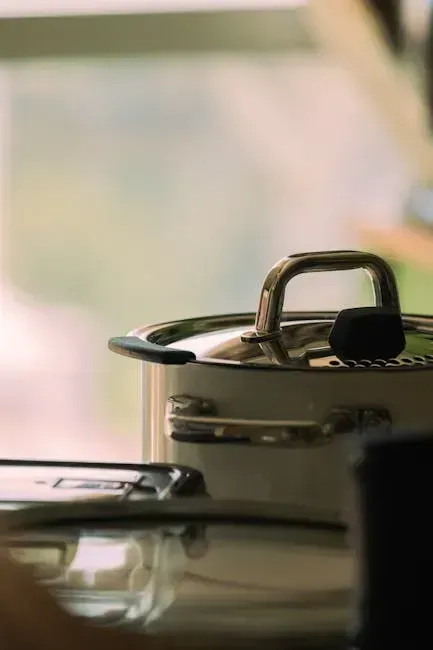
Liquid management in a crockpot is not as straightforward as it seems. Too little and your meat dries out or burns at the edges. Too much and you end up boiling the meat rather than braising it – and boiling is a very different, much less forgiving cooking method. This allows your meat to braise, not boil. Boiling creates tough meat.
If you add too little water, your meals will turn out dry and overcooked, while too much will literally drown your recipes or taste under-seasoned and underwhelming. There’s a sweet spot, and it’s more conservative than most people expect. To keep a pot roast from drying out, your slow cooker needs liquid to create a moist environment, but this doesn’t mean the meat should be submerged – a cup or two of liquid will be enough, since the cooker is covered and liquids stay trapped inside.
Also worth knowing: unlike traditional cooking methods, slow cookers do not allow for much evaporation. Therefore, using too much liquid can result in a watery, flavor-diluted stew or soup. It’s essential to reduce the amount of liquid specified in conventional recipes by approximately 20% to account for the slow cooker’s sealed environment.
Bonus Mistake: Skipping the Sear Before You Slow Cook
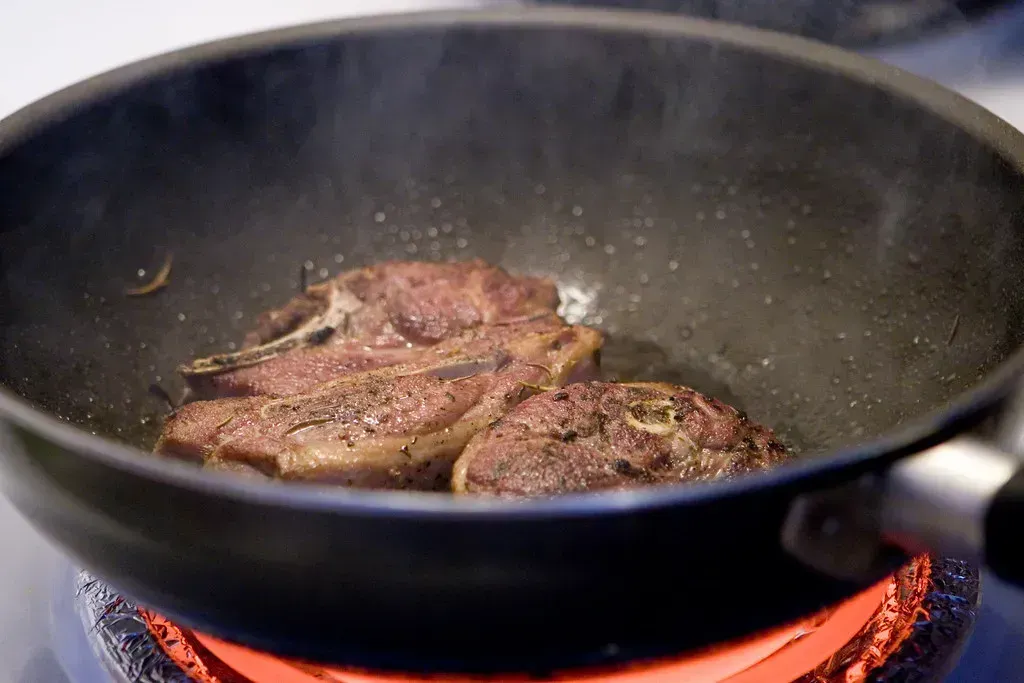
Let’s be real – this step gets skipped constantly, and it’s completely understandable. The whole point of a slow cooker is convenience, and pulling out a skillet feels like extra work. Still, skipping this step comes at a noticeable cost. Not searing meat before adding it to the slow cooker is a common mistake, especially if you enjoy cooking hearty stews. The process of searing and browning meat locks in the juices to allow maximum flavor during the slow-cooked process.
Searing your meat before slow cooking it caramelizes the outside of each piece of meat, adding texture and an extra layer of flavor. Think of the sear as building a flavored crust – a thin, beautifully browned shell that locks everything delicious inside before the long, slow cook begins. Without it, the outside of the meat can turn pale, soft, and a little flat in flavor.
Searing meat locks in flavors and improves texture, which can make a significant difference in the final dish. It takes maybe five minutes and a single pan. The payoff in flavor and texture is, without exaggeration, enormous. Give it a try once, and you’ll never skip it again.