Don’t Buy Yet: The 6 Popular Snacks Americans Regret Eating Regularly
We all know the feeling. You’re staring into your pantry around 3pm, stomach growling, and your hand instinctively reaches for that familiar package. It’s convenient. It’s comforting. You tell yourself it’s just this once.
Then you read the label and feel that twinge of buyer’s remorse.
In the US, the percentage of residents replacing meals with snacks has risen from 14% in 2023 to 17% in 2024, revealing just how deeply snacking has woven itself into our daily routines. Yet beneath this convenient habit, a growing number of Americans are beginning to question whether their favorite snacks are worth the trade off. From sodium bombs to sugar overloads, certain packaged treats are quietly making us regret our choices. Let’s dive into which popular snacks are leaving Americans with a bad aftertaste.
Instant Ramen Noodles
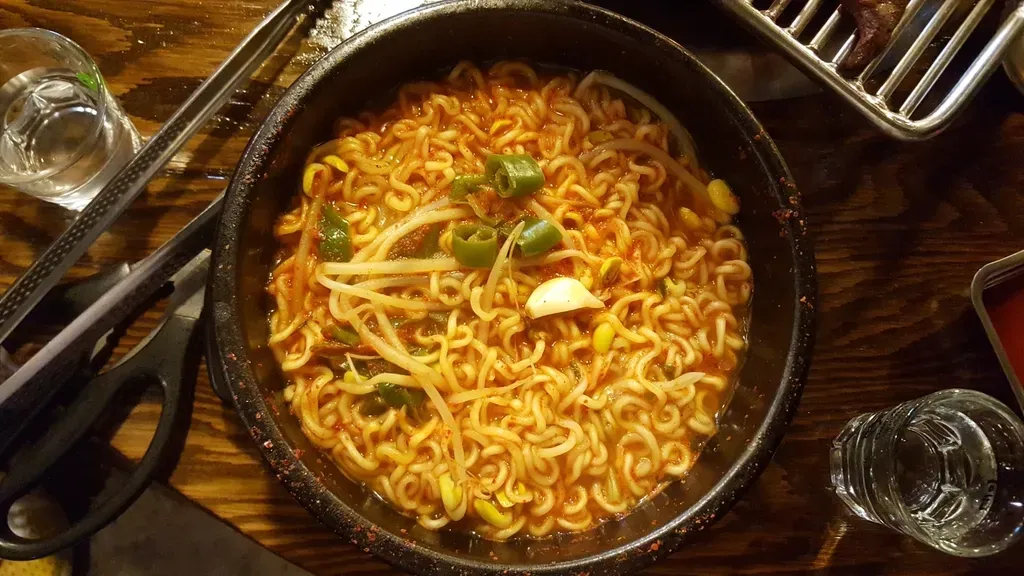
Let’s be real, instant ramen has carried more than a few college students through exam week. It’s cheap, it’s fast, and it hits the spot when you’re too tired to cook. The only problem? Those little flavor packets are basically sodium grenades.
Instant ramen noodles are very high in sodium, with one package containing 1,760 mg of sodium, or 88% of the 2-gram recommendation suggested by the WHO. That’s nearly an entire day’s worth of salt in one sitting. Ramen noodles have been shown to increase metabolic syndrome in women. The ones who eat instant noodles over two times a week, are 68% more at risk to develop metabolic syndrome, a cluster of conditions that includes high blood pressure and elevated blood sugar levels.
The issue goes beyond just salt. Ramen is preserved with Tertiary-butyl hydroquinone (TBHQ), a hard to digest petroleum-based product also found in lacquers and pesticide products. Think about that next time you’re slurping down those noodles. Frequent consumption of ramen may be associated with mortality risk in men under the age of 70, according to research from the Yamagata cohort study. It’s not that you need to swear off ramen forever, but making it a twice weekly habit might not be the best move for your heart or your waistline.
Potato Chips
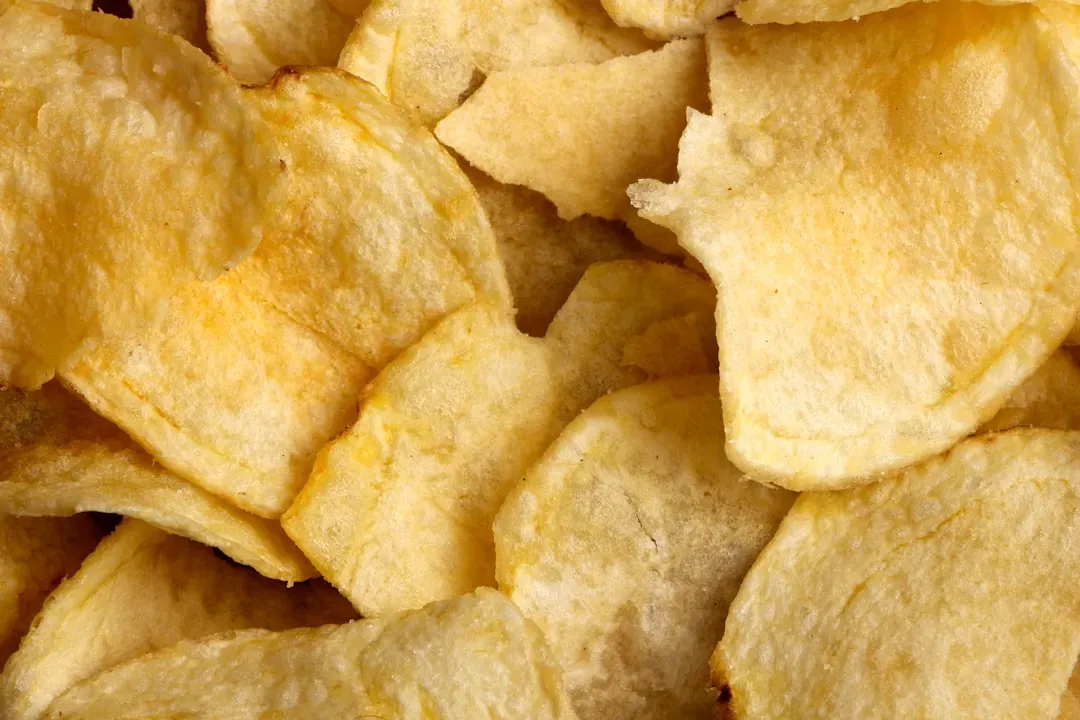
Potato chips are the ultimate mindless snack. You open a bag intending to have just a handful, and suddenly you’re scraping crumbs from the bottom. There’s a reason they’re so addictive, but that doesn’t mean your body is thanking you for it.
Fried potato chips (FPCs), are the most commonly consumed snack, especially by children. However, research in the field of nutrition demonstrated that FPCs encompass significant quantities of acrylamide, a known carcinogen and neurotoxin. Acrylamide forms when starchy foods like potatoes are cooked at high temperatures, and it’s not something you want accumulating in your system over time.
Then there’s the issue of fat and sodium. A typical serving packs in unhealthy oils and enough salt to make your blood pressure spike. A landmark 10-year study published in The American Journal of Clinical Nutrition tracked over 4,000 adults and found that those who ate potato chips more than twice weekly had a 33% higher risk of developing hypertension. Your taste buds might be celebrating, but your cardiovascular system? Not so much. The crunch might be satisfying in the moment, yet many Americans report feeling sluggish or bloated shortly after demolishing a bag.
Sugar Sweetened Beverages
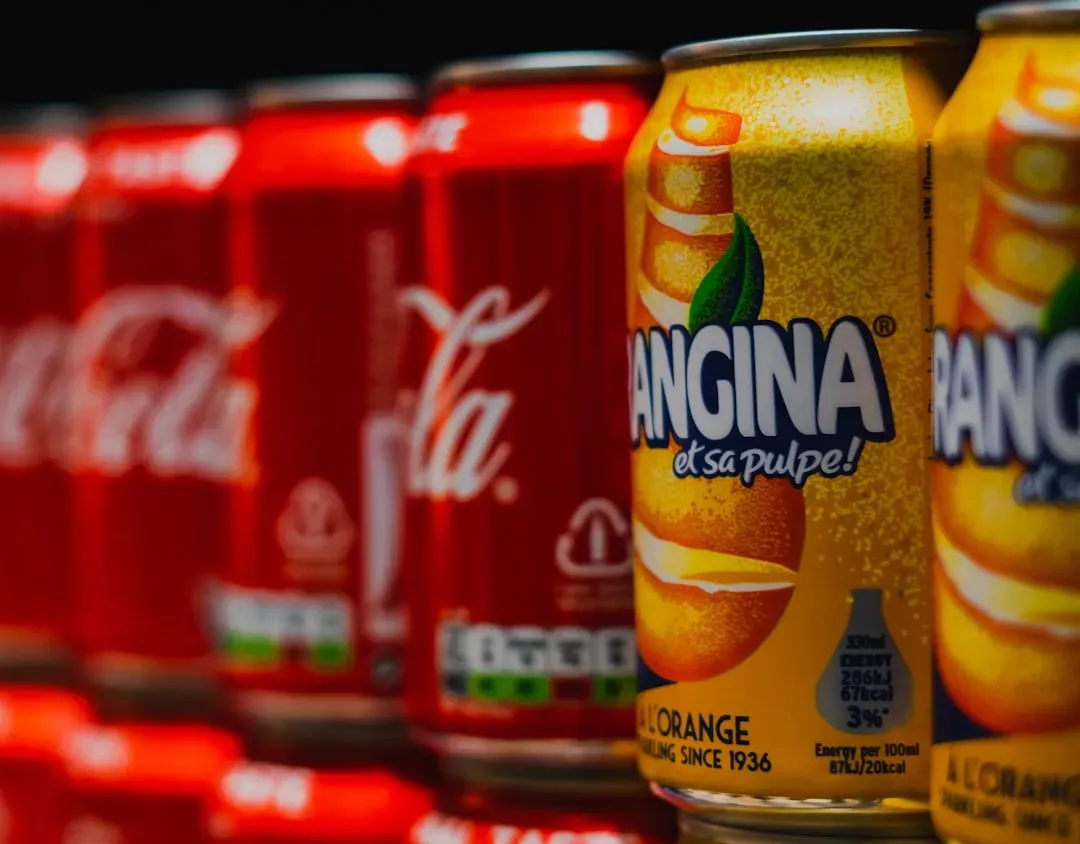
Soda, energy drinks, sweetened iced teas – these liquid calories sneak up on you faster than any solid snack. You don’t feel full from drinking them, so it’s easy to consume way more sugar than you’d ever eat in food form.
Nearly four in five US consumers (79%) say foods high in sugar are unhealthy, followed by high in saturated or trans fats (74%). Deep-fried (70%), fast food (68%), and salty snacks (68%) are also rated as unhealthy by a majority of respondents, according to a YouGov survey from 2024. Despite knowing this, Americans continue gulping down sugary drinks at alarming rates.
What makes these beverages particularly regrettable is their link to metabolic issues. Research consistently shows that high consumption of sugar sweetened drinks contributes to weight gain, insulin resistance, and type 2 diabetes. Non-Hispanic black adults had the highest intake of total sugar deriving from junk food sources of SSBs [26.7 g/d (43%)], highlighting how these drinks have become a significant source of daily sugar intake across demographics. The short term energy boost they promise often leads to a crash that leaves you reaching for even more sugar. It’s a vicious cycle that many wish they’d never started.
Packaged Cookies and Sweet Bakery Products
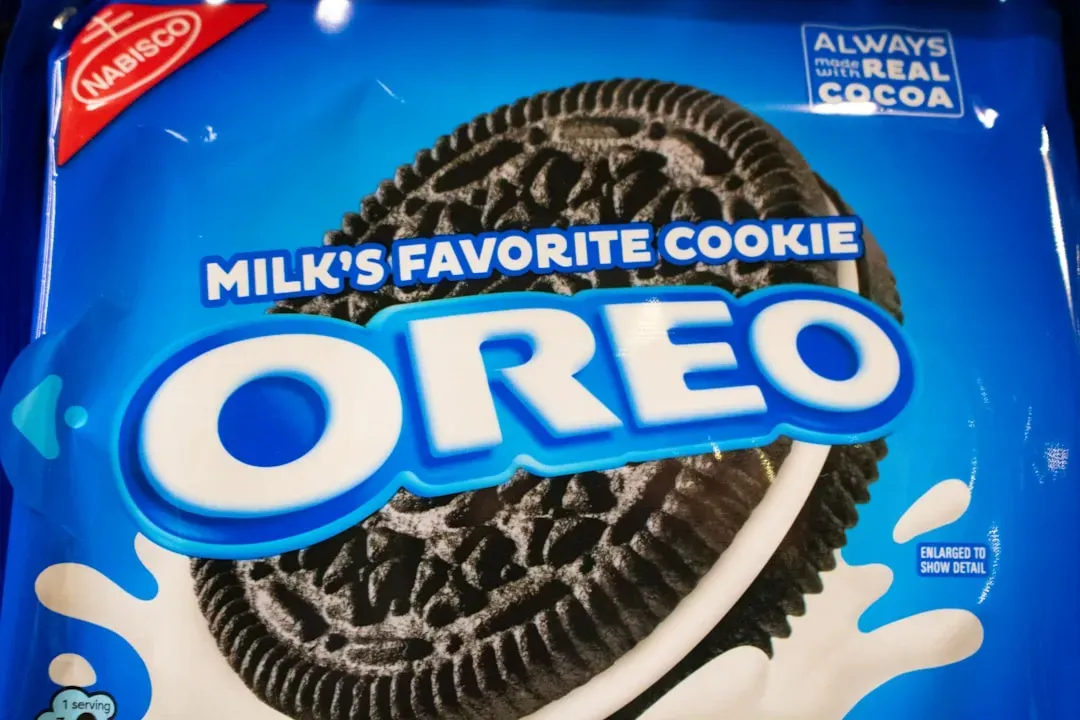
Store bought cookies might seem like a harmless treat, but the ingredient list reads like a chemistry experiment. Hydrogenated oils, high fructose corn syrup, artificial flavors – it’s a far cry from anything your grandmother would recognize as a cookie.
From 2001–2002 to 2017–2018, the %E from junk food among children was high (nearly 1 in 5 calories) and remained stable. The %E was modestly lower (nearly 1 in 7 calories) and decreased over this period among adults. The major subtype in both children and adults was sweet bakery products, making these items the single largest contributor to junk food calorie intake.
Beyond empty calories, these products often contain trans fats that food manufacturers sneak in to extend shelf life. Trans fats are notorious for raising bad cholesterol while lowering good cholesterol, essentially delivering a one two punch to your heart health. Mondelēz International, home to Oreo and Chips Ahoy!, saw a 4.1% net revenue drop in North America as of 2025, possibly reflecting a shift in consumer awareness. Many Americans report feeling guilty after indulging, knowing these treats offer virtually zero nutritional benefit while packing in excessive sugar and unhealthy fats.
Processed Meat Snacks
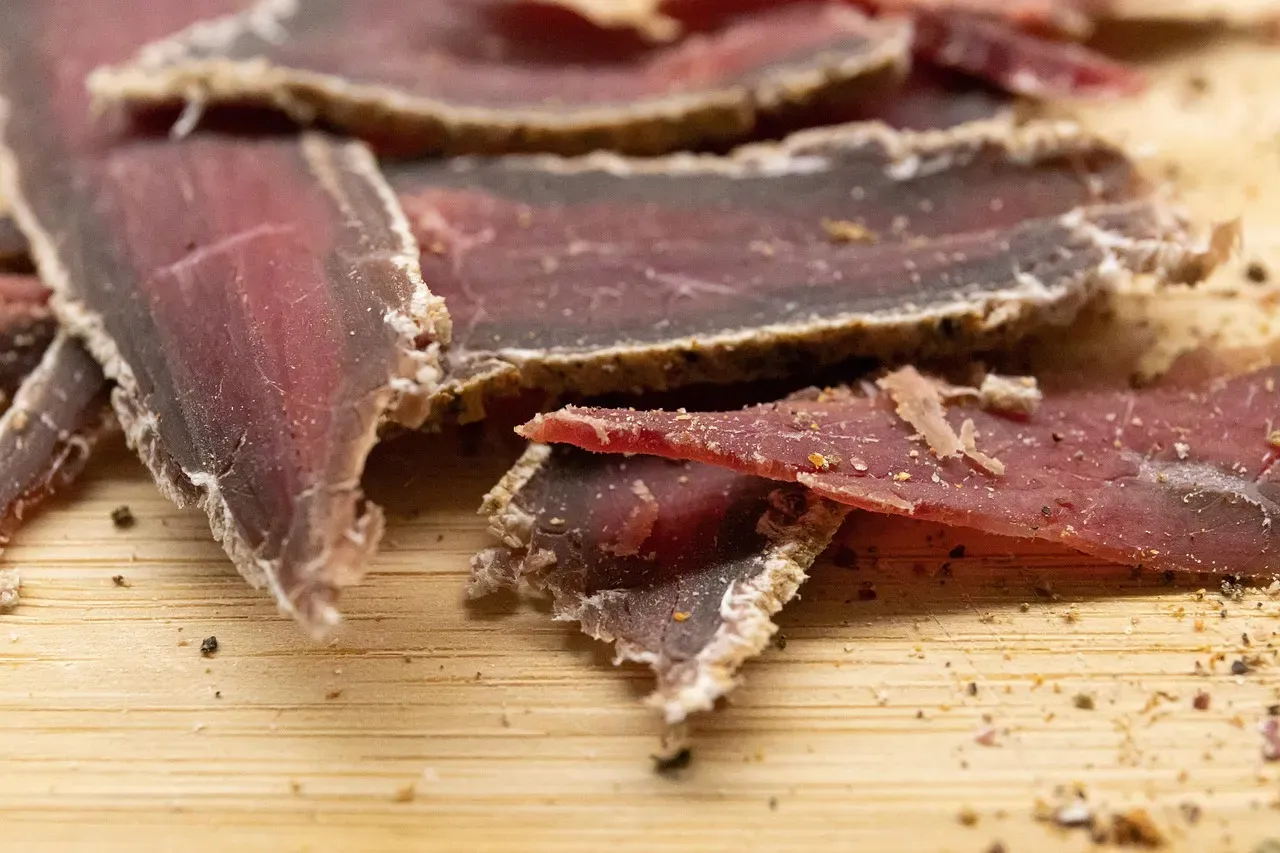
Beef jerky, pepperoni sticks, and those little meat and cheese snack packs might seem like a protein rich alternative to carb heavy snacks. Unfortunately, they come with their own set of problems that have people second guessing their choices.
The sodium content in processed meat snacks can be staggering. A single serving often contains more than half your daily recommended sodium intake. Couple that with preservatives like nitrates and nitrites, which have been linked to increased cancer risk, and you’ve got a snack that’s convenient but concerning.
It is not only foods commonly considered junk food (e.g., confectionery, snack foods, and SSBs) that were not considered healthy using the Chilean criteria but also foods from other categories, such as sandwiches, processed meats, ready-to-eat cereals, and bread products that contributed to junk food intake. These meat based snacks might deliver protein, but they also deliver a hefty dose of saturated fat and sodium that can contribute to heart disease over time. Health conscious consumers are increasingly regretting their grab and go meat snack habits as they learn more about what’s actually in them.
Sugary Breakfast Cereals
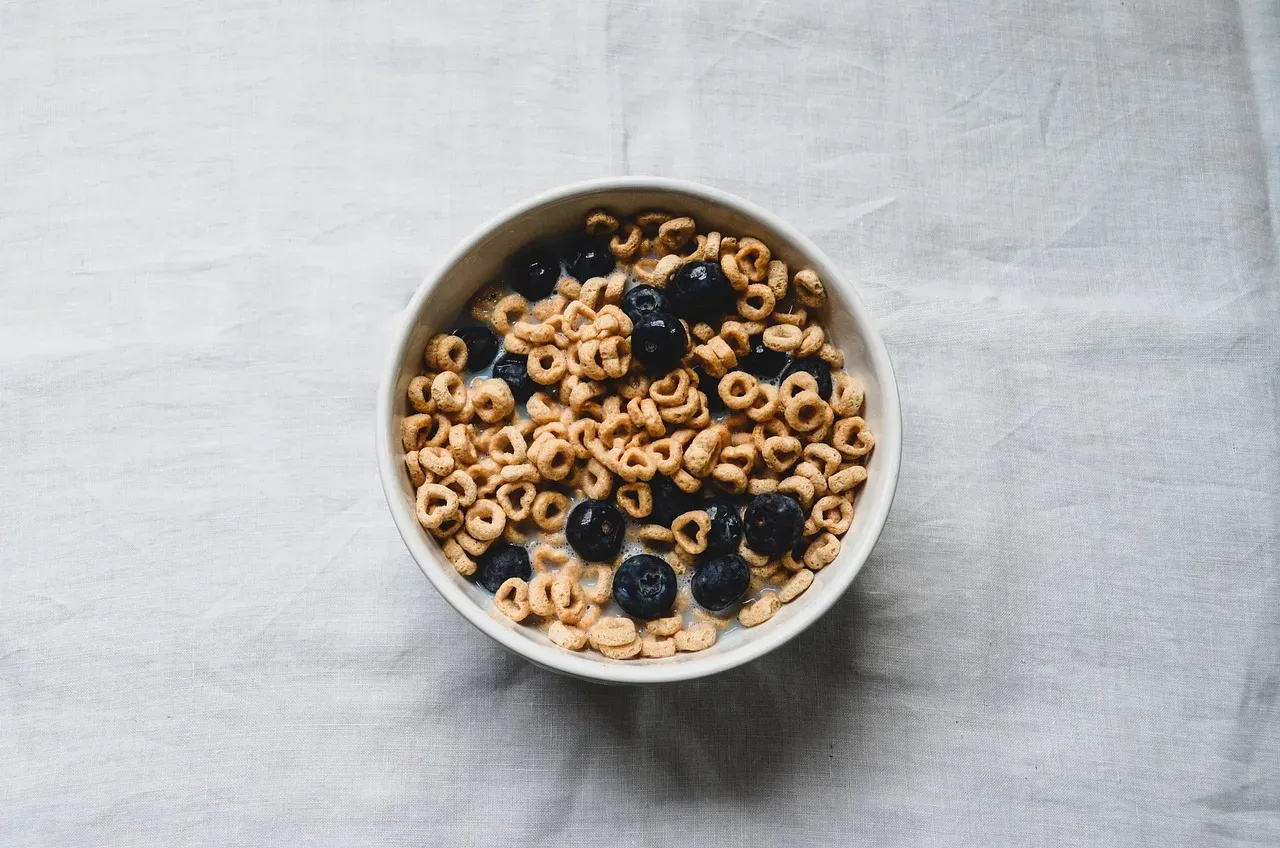
Remember those colorful, cartoon adorned cereal boxes you loved as a kid? Turns out they’re basically candy in disguise. Many popular breakfast cereals contain more sugar per serving than a glazed donut, yet we’ve been conditioned to think of them as a normal way to start the day.
Refined grain breads, rolls and tortillas were included as unhealthy, as were sugar-sweetened beverages (which included energy drinks), liquid cheese products, cookies, crackers, candies, gummy fruit snacks, ice cream, boxed macaroni, instant noodles, pizza, some canned or instant soups and canned fruits in syrup, according to American Heart Association guidelines released in 2025. This classification reflects growing awareness that these products contribute little beyond empty calories.
The glycemic impact of sugary cereals is particularly problematic. They cause blood sugar to spike rapidly, only to crash an hour or two later, leaving you hungrier than before you ate. New data released Thursday by the US Centers for Disease Control and Prevention found Americans over the age of 1 get 55% of their daily calories from ultraprocessed food. That number jumped to 62% for children between 1 and 18 years old. Many adults report feeling sluggish and foggy headed after starting their day with these cereals, wishing they’d chosen something more nourishing instead. The regret hits especially hard when you realize you could have had actual food instead of what amounts to a bowl of sugar milk.