7 Ways Homeowners Accidentally Lower Their Property Value, Experts Say
Most homeowners would be shocked to know that some of their favorite home decisions – things they spent real money on, things they genuinely love – are quietly draining their property’s worth. It’s not always neglect that kills a home’s value. Sometimes it’s enthusiasm. Sometimes it’s a well-intentioned renovation that turns into a financial mistake nobody saw coming.
The real estate market in 2025 and 2026 has been unforgiving to sellers who ignored these risks. The average American household spent $9,322 on home improvement projects in 2024, according to Angi’s annual State of Home Spending report. Yet not every home renovation project will increase the resale value of a home. What follows are seven of the most common ways homeowners accidentally chip away at what should be their biggest financial asset. Let’s dive in.
1. Ignoring Routine Maintenance Until It Becomes a Crisis
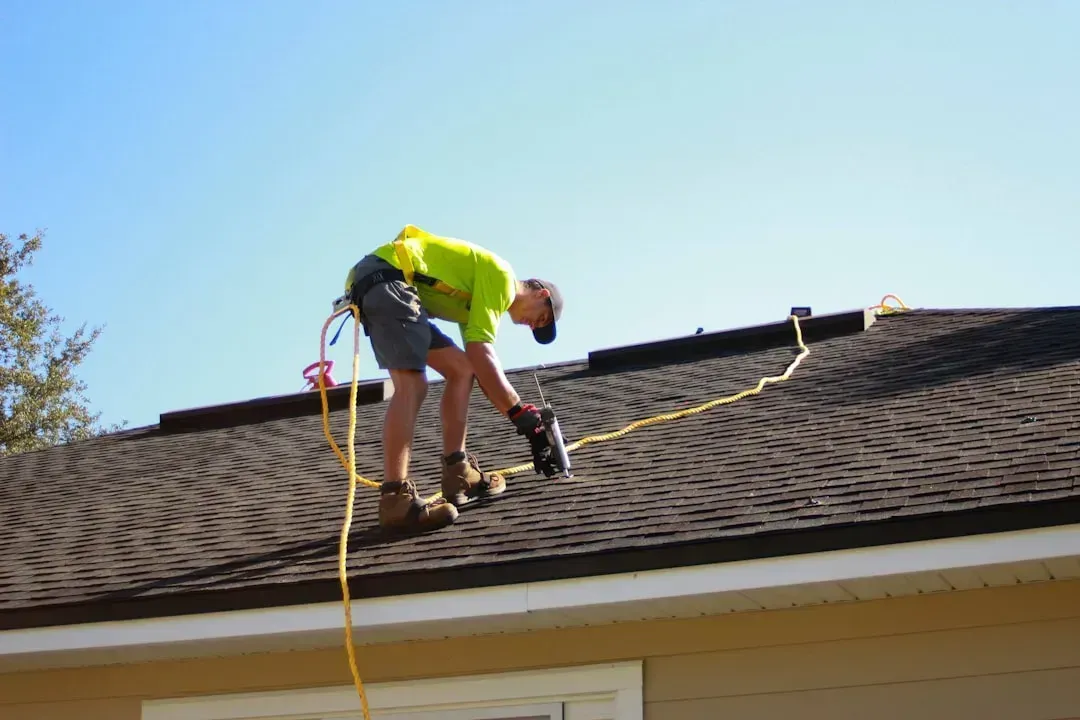
Here’s the thing – a small leak under the kitchen sink or a cracked tile in the bathroom seems harmless. Life is busy. You ignore it. Then six months later, it’s a structural problem. Deferring routine maintenance is one of the easiest ways to lower your home’s value, and small issues like a leaky faucet, a peeling paint job, or a cracked tile can signal to potential buyers that you have neglected the property.
A small leak in the plumbing may not seem like a big deal at first, but over time it can cause structural damage, high water bills, or mold. Mold is especially catastrophic for value. Environmental hazards such as mold, asbestos, or radon can pose health risks and decrease the value of your home, and these issues often require professional remediation to be addressed properly.
Ignoring necessary repairs like a leaky roof, faulty plumbing, or damaged windows can lead to more extensive damage over time. Homes that have fallen into disrepair are difficult for homebuyers to secure lending for. In addition, they appear to be expensive red flags from the buyers’ point of view. Think of deferred maintenance like ignoring a check engine light – it never fixes itself, and the final bill is always bigger than the original problem.
Buyers will automatically default to thinking that there is more wrong than meets the eye and will eliminate a home just based on the obvious lack of maintenance. It’s a trust issue as much as a structural one.
2. Over-Personalizing Your Home’s Interior
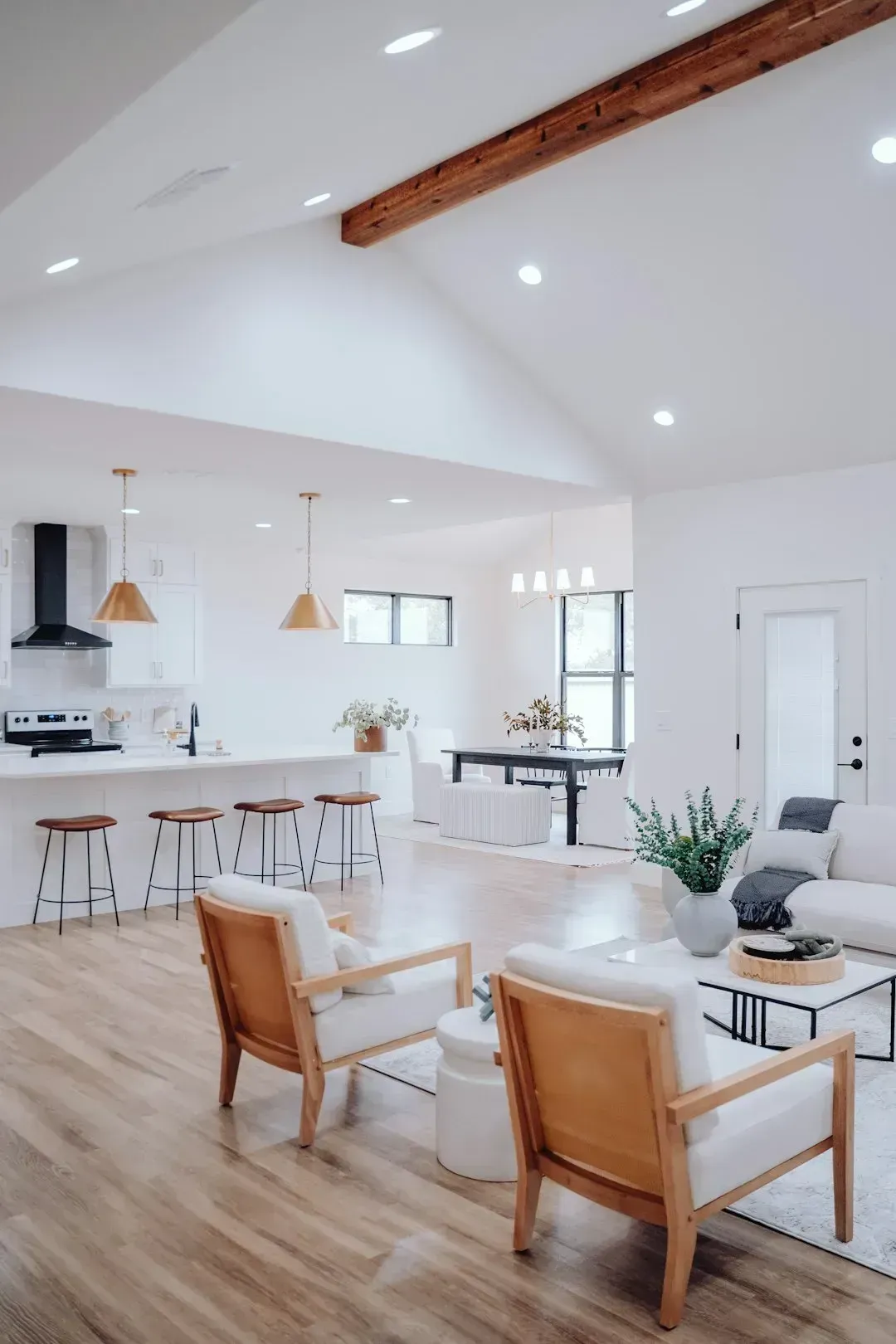
Honestly, this one is painful to write because personal expression is what makes a house feel like a home. That bold red accent wall, the themed kids’ bathroom with the pirate decor, the custom bar built into the living room wall – these things bring joy. They just don’t bring buyers. While you should make your home your own, highly specific renovations can deter future buyers. An overly customized kitchen with unusual colors or a backyard converted into a skate park might not appeal to the average person. These unique features often mean the new owner will need to spend money to undo your work.
When a buyer tours a house, they quickly take note of all the projects they’ll need to do. Topping their lists are things like removing quirky wallpaper, painting over unusual colors and replacing unconventional fixtures. Every item on that mental checklist translates to a lower offer.
The reason luxury home improvements do not add value is because these remodels are often highly personal. Homeowners tend to splurge on high-end materials and finishes based on their personal preferences. When buyers tour the home, they view the luxury upgrade as a “nice to have” rather than an essential feature and often are unaware of the total project cost or significance of material choices.
The fix is simpler than you’d think. To protect your investment, focus on practical upgrades that most buyers want – think durable hardwood floors, neutral paint colors, and well-maintained essential spaces.
3. Converting the Garage Into Something It Was Never Meant to Be

Converting a garage into a home gym, a bedroom, or a hobby workshop makes perfect sense for your lifestyle. It makes almost zero sense for your resale value. Garage conversions, such as turning the space into an office, bedroom, or gym, are practical in some cases but can backfire at resale.
Most buyers prefer a functional garage to an extended living area. In a recent survey by the National Association of Home Builders, roughly a quarter of homeowners rated garage storage as “essential” while another majority rated it as “desirable.” That’s a massive portion of your potential buyer pool who will walk away.
Listings that mention garages are associated with a slight sales premium of 0.3%, according to Zillow’s 2024 analysis of listings data. Parking is often tight in urban areas, and with the high price of cars, homes that allow for safe parking could have an edge over homes without a garage. That edge disappears the moment you install a foosball table where the car used to go.
4. Renovating Without the Proper Permits
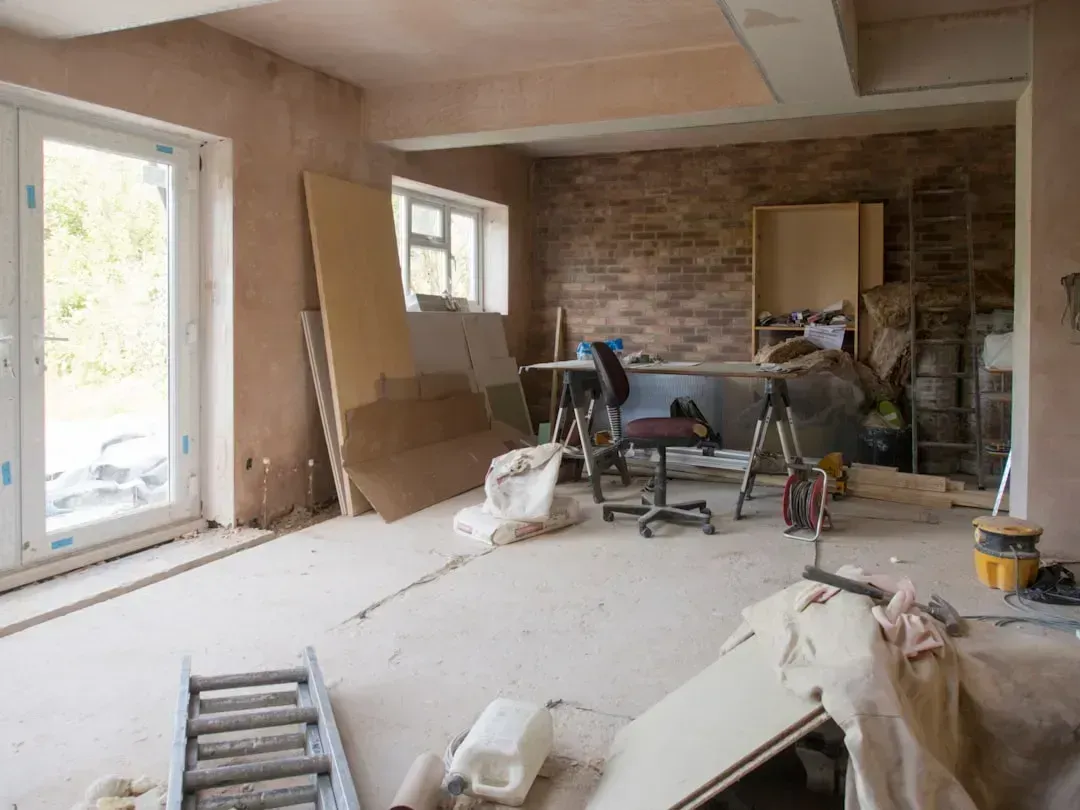
This is one of those mistakes that sneaks up on homeowners. You hire someone affordable. The job gets done. It looks great. Then five years later you’re listing the house and a buyer’s inspector finds that the finished basement or the added bathroom was never permitted. Suddenly your deal is in serious trouble. Unpermitted work refers to any construction, renovations, remodels, or additions made without the required local building permits. Examples include unpermitted additions or DIY electrical and plumbing upgrades. Without proper approval, these changes can be unsafe, cause legal complications, and even reduce the property’s fair market value.
Reduced property value is a real consequence – appraisers and buyers often discount homes with undocumented work because of the risk and uncertainty. You might have to open walls, upgrade wiring, or replace plumbing to meet current code. You may also be forced to legalize or remove the unpermitted work before selling, delaying your transaction and lowering resale appeal.
Many lenders are hesitant to finance a home with unpermitted work since it can affect the property’s value. If you knowingly buy a home with unpermitted work and don’t disclose it, you may be violating the terms of your loan. Unpermitted work can significantly decrease a home’s resale value and desirability for buyers, who often look for a home that is safe, up to code, and free from any potential legal issues.
5. Installing Overly Elaborate Landscaping

Let’s be real – a gorgeous garden is a wonderful thing. The koi pond, the custom stone pathway, the towering topiaries trimmed into the shape of swans. You’ve poured love into that yard. The problem? Most buyers see dollar signs and weekends lost to maintenance, not beauty. Elaborate landscaping or a koi pond can also put a dent in your property value since many homeowners don’t want to handle the extra maintenance.
Going overboard with elaborate landscaping or high-end outdoor additions like fountains, koi ponds, or deck remodels with custom stonework rarely offers a good return on investment. These items may be unnecessary or not valued by buyers, as upgrades can be costly to maintain, and may be seen as burdens rather than benefits. Most potential buyers prioritize low-maintenance yards that are easy to personalize.
The simple contrast here is striking. Improving your home’s curb appeal could significantly increase its value by at least 7%, according to a study from The Journal of Real Estate Finance and Economics. The trick is keeping it tidy and welcoming, not turning it into a botanical garden that requires a part-time groundskeeper. To get the most value from your landscaping at selling time, keep it tidy and simple with easy-to-care for flowers, plants and trees.
6. Installing a Swimming Pool Without Thinking It Through
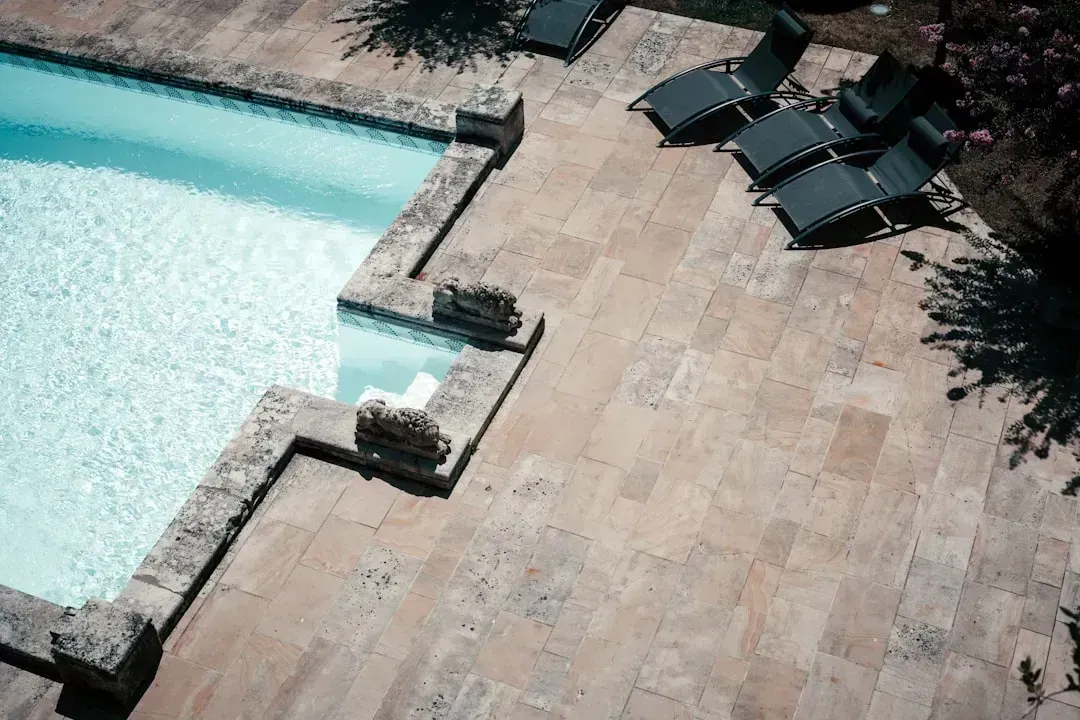
Few home decisions feel more exciting in the summer heat than deciding to put in a pool. It’s the dream. But the financial reality is often much cooler. A swimming pool may sound like a dream addition, especially in warmer climates, but it’s not always a value booster. Installing a pool can cost upwards of $30,000, with yearly maintenance running between $3,000 and $5,000. In some areas, particularly those with cooler climates or family-oriented neighborhoods, a pool can be seen as a safety hazard or an expensive maintenance burden.
The high cost of pools does not end after installation. Routine maintenance is also expensive, and a Kiplinger report shows the average expense to maintain a standard pool is $177 a week, which doesn’t include repairs and insurance it may require. That’s a significant ongoing commitment that many buyers simply don’t want to inherit.
It’s worth noting that the picture isn’t entirely negative everywhere. A Zillow analysis of 2024 home sales found that homes with saltwater pools sell nearly three days faster and sell for about 2% more than comparable homes without one. Still, that modest premium rarely covers the upfront installation cost and the years of maintenance fees. It’s hard to say for sure whether a pool helps or hurts in every market, so local research is essential before you start digging.
7. Cluttering Your Space and Underestimating Its Impact
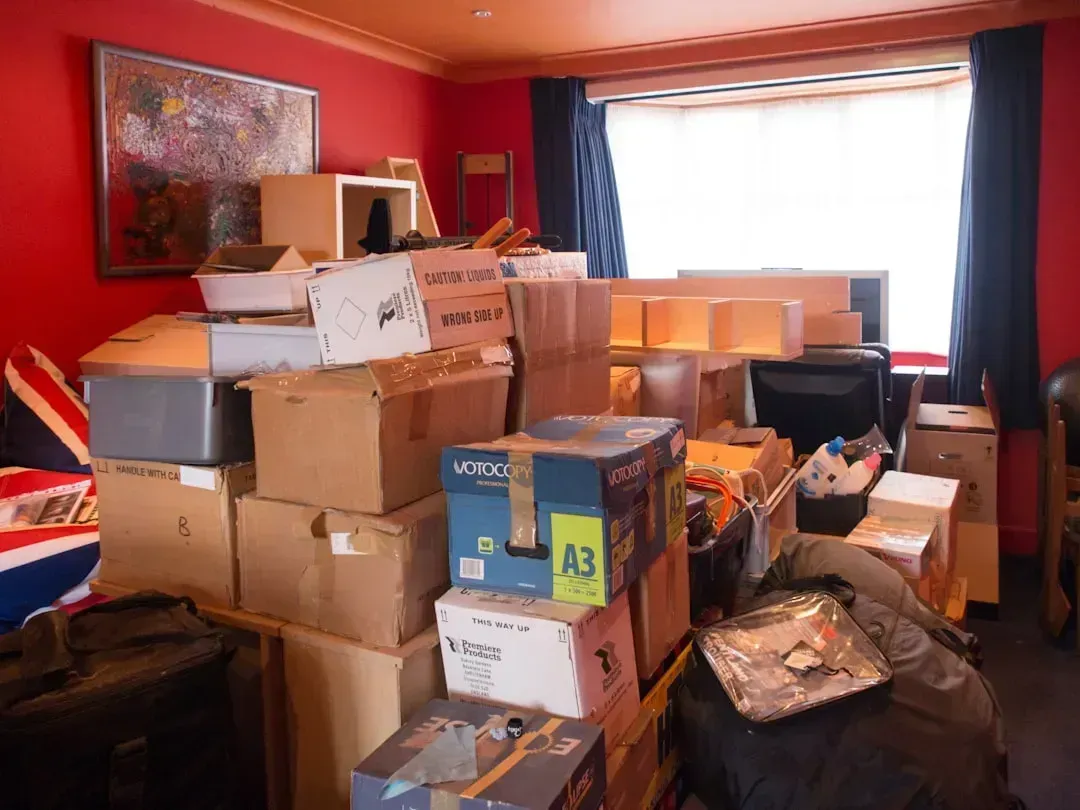
This one might be the most underrated mistake on this entire list. Clutter isn’t just an aesthetic problem – it’s a psychological one for buyers and a genuine financial one for sellers. Clutter overwhelms rooms, making spaces feel smaller and masking true square footage, and it can even affect the mental well-being of residents.
When it comes to selling a cluttered home, expect buyers to mentally discount the price. Piles of boxes in garages or stuffed closets suggest poor organization and hidden problems like pest infestations. Additionally, hoarding personal items distracts from architectural strengths and leaves viewers fixated on “stuff” rather than potential. It’s the real estate equivalent of a first date where someone won’t stop talking about their ex – the good things about the house simply don’t register.
Mistakes made during the construction of your home or during renovations can affect your property value, especially when it comes to the final appraisal. These errors are often the result of a contractor or DIY homeowner trying to save money or time during a build, but shoddy workmanship compromises quality and can reduce the value of your home in the long run. Decluttering costs nothing but time, yet it’s consistently one of the highest-ROI steps a homeowner can take before listing.
DIY projects can save a lot of money upfront, but only if the job is done right. When repairs or remodeling projects aren’t done well or up-to-code, they may cause issues or result in code violations later on. A clean, organized, well-maintained home tells a story of pride and care – and buyers pay a premium for that story every single time.