11 Spots Most People Forget to Clean – But Guests Notice Instantly
You scrub the countertops, you vacuum the rugs, you wipe down the stovetop right before people show up. You feel pretty good about the place. Then your guest walks in, glances around, and something shifts – just slightly – in their expression.
Nearly half of Americans confess they don’t notice how dirty their home is until they have guests over. Once company is in the house, they can’t unsee their cleaning blind spots. Honestly, that’s a little unsettling, right? The dirt was always there. You just needed someone else’s eyes to find it. So let’s take a walk through your home – the real walk, the one your guests are secretly taking every time they visit.
1. Baseboards: The Forgotten Ledges at Your Feet
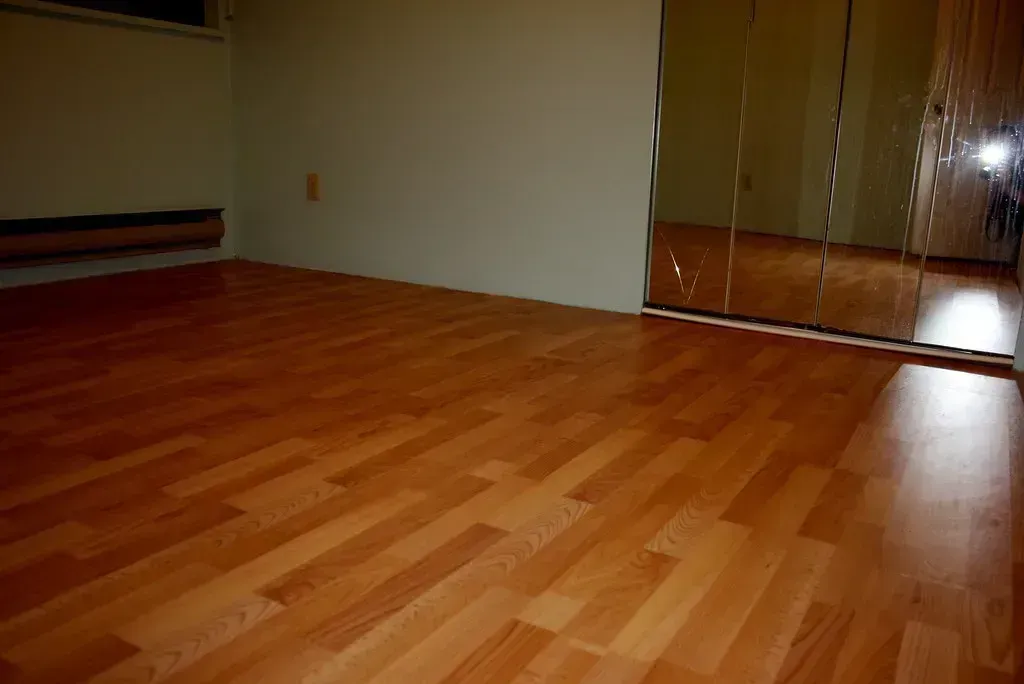
Think about the last time you actually got down and wiped your baseboards. If you’re struggling to remember, you’re not alone. According to a survey of 2,000 Americans commissioned by BISSELL and conducted by Talker Research in December 2024, baseboards rank among the least-cleaned places in the house, with roughly one in four people skipping them regularly.
When most people learn to clean, nobody tells them to clean baseboards too. It’s easy to overlook this chore, but over time, baseboards will show wear. The sad irony is that guests who sit on your couch or stand near the wall are looking straight at them. Regularly cleaning your baseboards makes a huge difference in the cleanliness of your home, and people often won’t realize just how much of an effect they have on the overall aesthetic until they wipe them down.
2. Window Blinds: Dust That Everyone Can See Except You
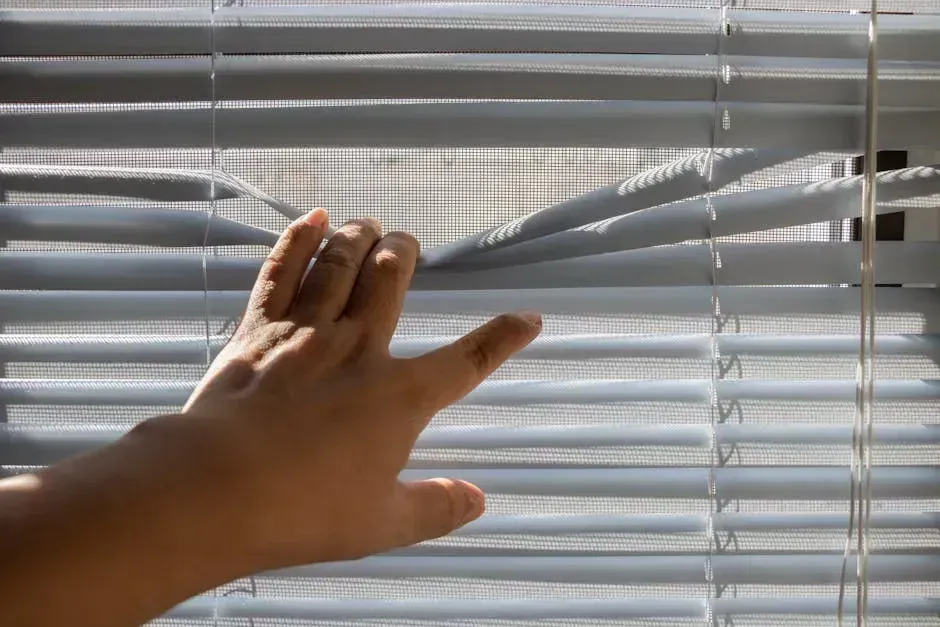
Window blinds are skipped by roughly three in ten Americans. This task is often missed because it requires a ladder or extended reach, and blinds don’t show dirt or dust as easily as floors or countertops. But here’s the thing – when light streams through them, guests see every single layer of grime.
Window blinds can be a bit of a pain to clean, but they make a huge difference in the overall cleanliness of your home. They cover a large area and dust accumulates quickly on them, so it’s important to wipe them down regularly. Wipe each slat individually, top and bottom, to make sure they’re completely clean. Think of each slat like a little shelf. If you had a shelf that dusty anywhere else in your home, you’d clean it immediately.
3. Light Switch Plates: Touched a Thousand Times, Cleaned Almost Never
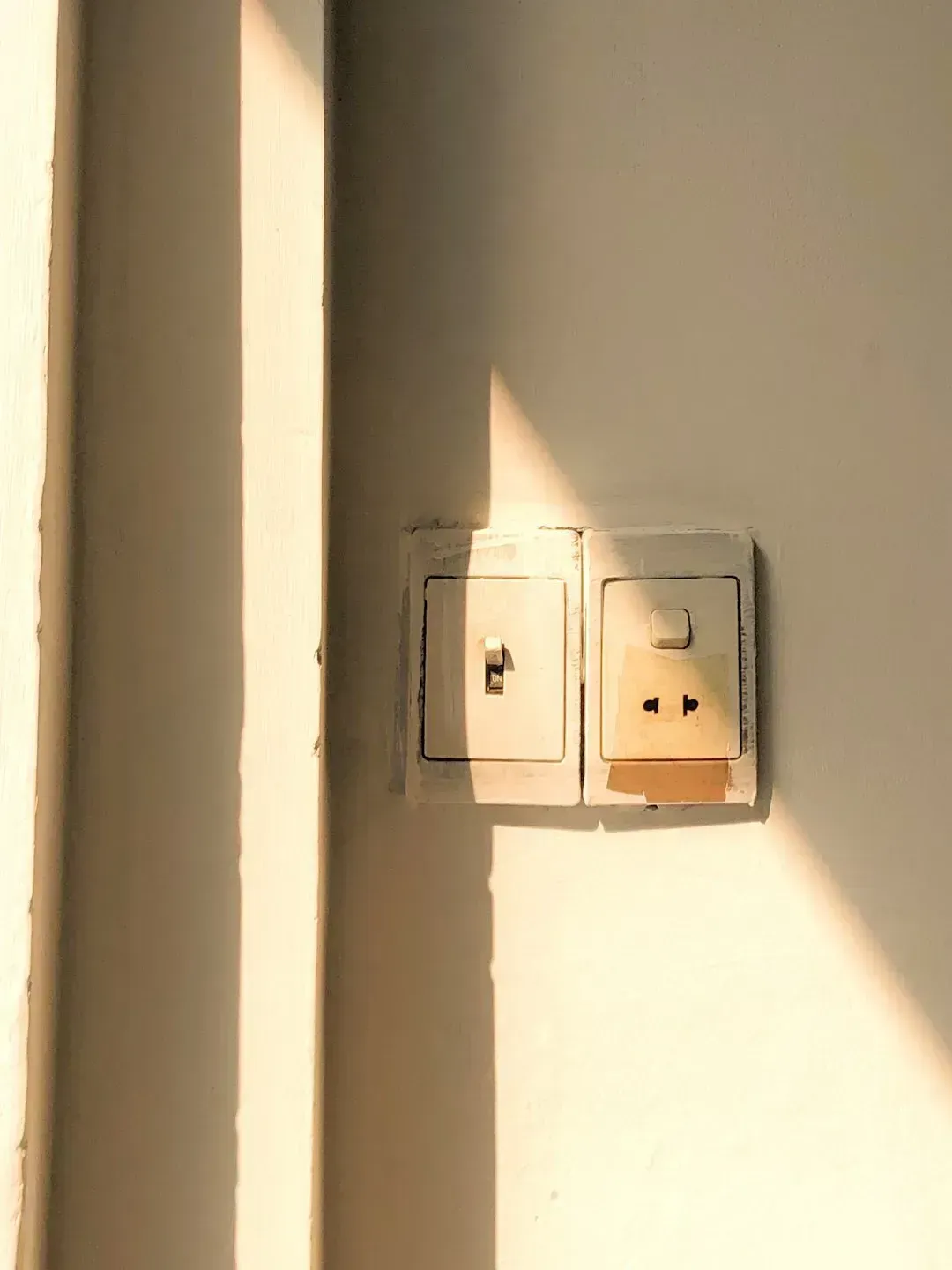
As one online community member put it, “The devil is truly in the details – like the lip of your light switch.” Multiple guests brought up light switch covers, with one observer noting, “People touch them all the time and I see them grungy at people’s houses that are otherwise clean.” That’s a stinging observation, and it rings completely true.
Light switches and doorknobs are some of your home’s most frequently touched surfaces, making them hotspots for germs and bacteria. Wiping them down regularly with a disinfectant keeps them clean and hygienic. I think most people avoid this one simply because it’s so easy to ignore – until, of course, you see it under harsh lighting at someone else’s house and immediately look away.
4. The Top of the Refrigerator: A Surprise for Taller Guests
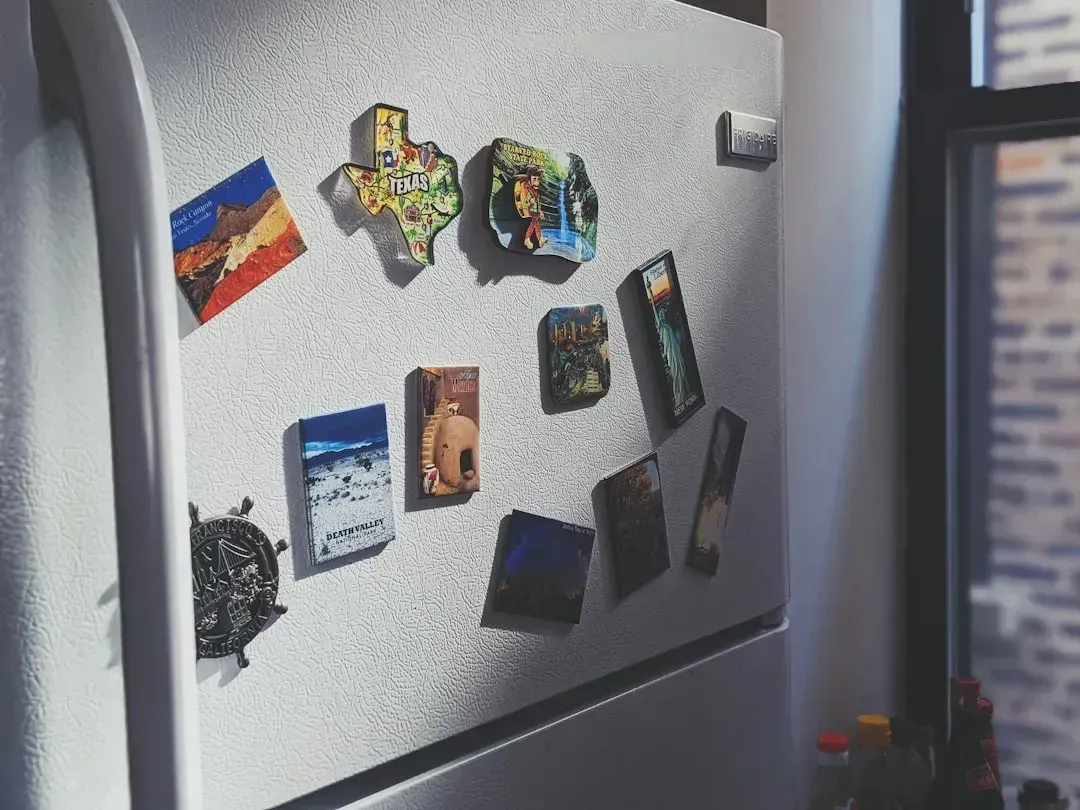
If you’ve got tall friends, the top of your fridge may be on full display. One observer commented, “Tall guy here – clean the top of your fridge,” adding that it’s common to see spotless homes where the top of the fridge has what looks like “years of lint, pet hair, and food crumbs all stuck together.” That’s genuinely hard to come back from, image-wise.
In the kitchen, it’s easy to forget to clean the top of the refrigerator, under the sink, and inside cabinets. The top of the fridge is basically an invisible shelf to most people under a certain height. It collects grease vapor from cooking, dust from the air, and whatever crumbs drift up from nearby food prep. A quick wipe once a month takes thirty seconds. Guests with a height advantage will absolutely notice if you skip it.
5. Ceiling Fans: Spinning Dust Into Your Air
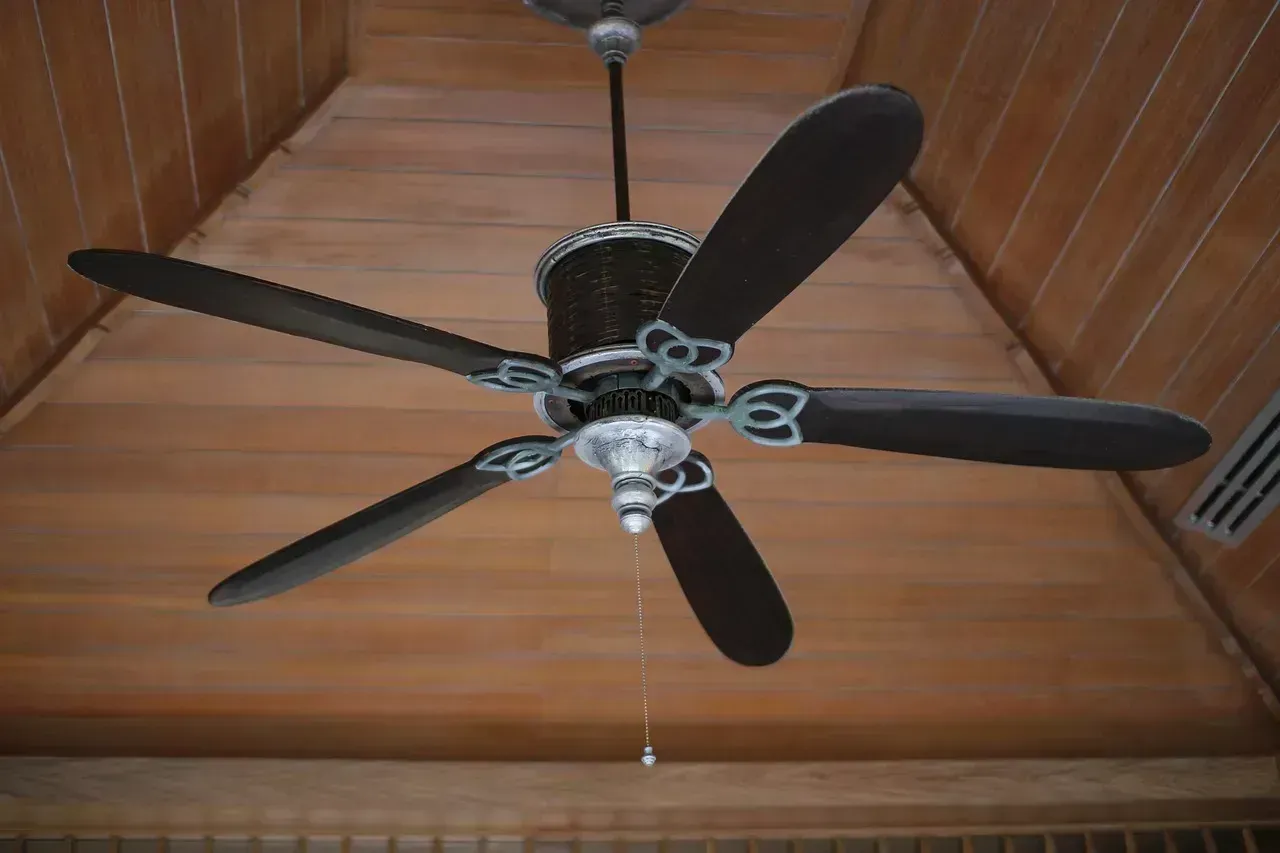
Ceiling fans are some of the biggest offenders for collecting layers and layers of dust. When you turn them on, some of the loose dust gets redistributed back into the air, which is very unhealthy. So not only does the fan look grimy up close, it’s also blowing that same dust directly onto your guests and your food.
According to the same Talker Research and BISSELL survey, ceiling fans are among the least-cleaned places in the home, with roughly one in four homeowners regularly skipping them. Ceiling fans and light fixtures can collect a surprising amount of dust and cobwebs, and it’s worth making a habit of cleaning them regularly using a long-handled duster or a microfiber cloth to reach high spots safely.
6. Behind the Toilet: The Spot Guests Definitely Check
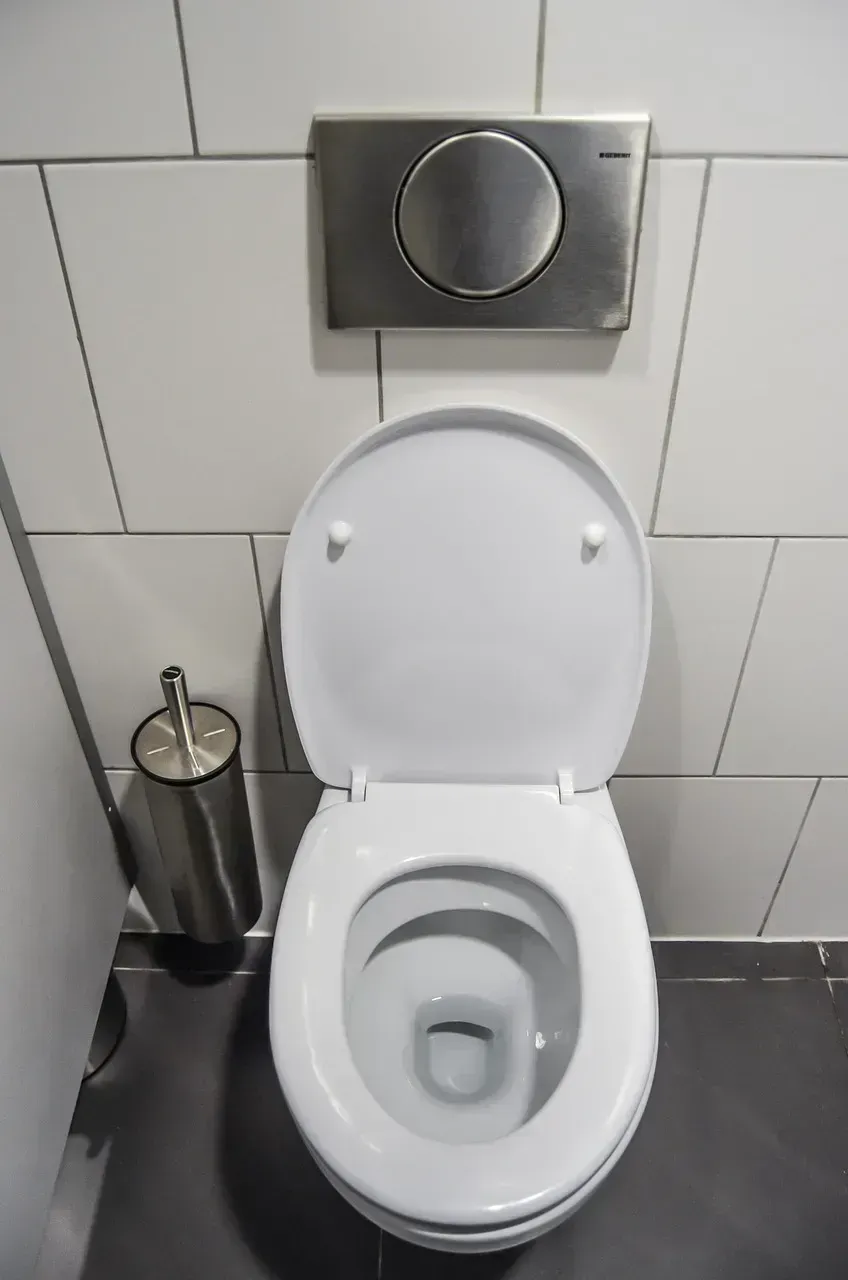
In the bathroom, the area behind the toilet is one of the classic blind spots that demands attention. Most people do a surface-level bathroom clean before guests arrive – scrubbing the bowl, wiping the sink, maybe mopping the floor. The back and sides of the toilet base, though? That area collects dust, hair, and grime in ways that are genuinely shocking when you finally look.
Whether your house guests are just stopping by for a few hours or staying for a few days, it is essential for your bathroom to be as clean as possible. Not only are unclean bathrooms a haven for germs and bacteria, but guests will absolutely notice the grime and dirt. Guests spend time in bathrooms alone, with nothing to look at but the actual bathroom. They will look behind the toilet. They always do.
7. Interior Doors and Door Frames: Smudges in Plain Sight
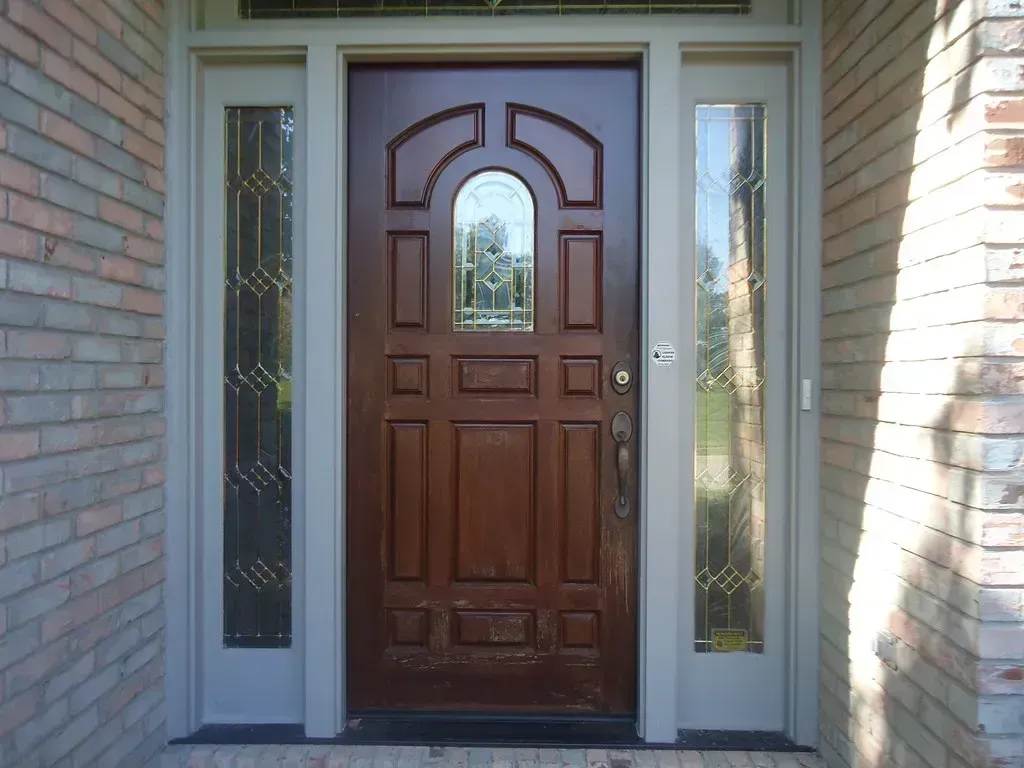
Although doors are high-traffic surfaces, it can be surprisingly easy to forget to clean them. If you do forget, it can be glaringly obvious to guests. Some guests gauge a home’s cleanliness by its doors, with specific mentions of the knobs, frame, and floor area behind the door. Doors work like a scuff magnet. Hands, shoulders, feet – everyone touches them.
Interior doors are magnets for dust, dirt, and scuffs that happen over time. These things can make your home feel worn down. To combat them, wipe down the doors at least once a month, paying extra attention to any details such as molding or insets where dust will be particularly apt to gather. It’s one of those things that, once you see a clean door versus a dirty one, you can’t un-notice it anywhere.
8. The Trash Can Itself: Not Just What’s Inside
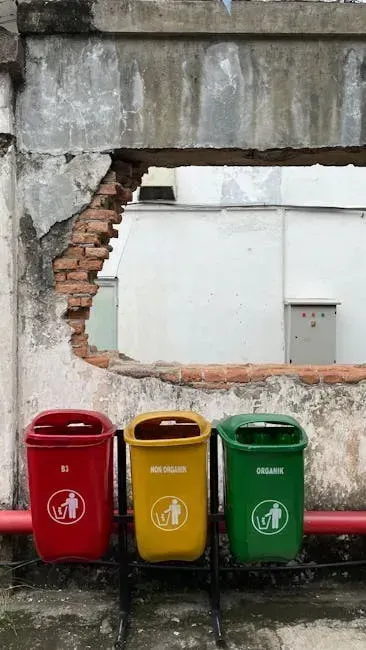
If there’s one object you might not be cleaning on the weekly, it’s the trash can – and yes, people do notice. We empty the bag and consider the job done. The inside walls of the bin, though, quietly breed bacteria and smells that drift into the room in ways that guests pick up on even if they can’t immediately identify the source.
Even with regular trash removal, the inside of your trash can is a breeding ground for bacteria and unpleasant odors. Every once in a while, it’s important to disinfect the bottom and sides of your trash can to prevent mold and other contaminants from growing there. In some cases, it may be easier to use an outdoor hose to loosen the debris, followed by disinfectant spray and a scrub with a clean toilet brush.
9. The Toothbrush Holder: A Germ Factory Nobody Talks About
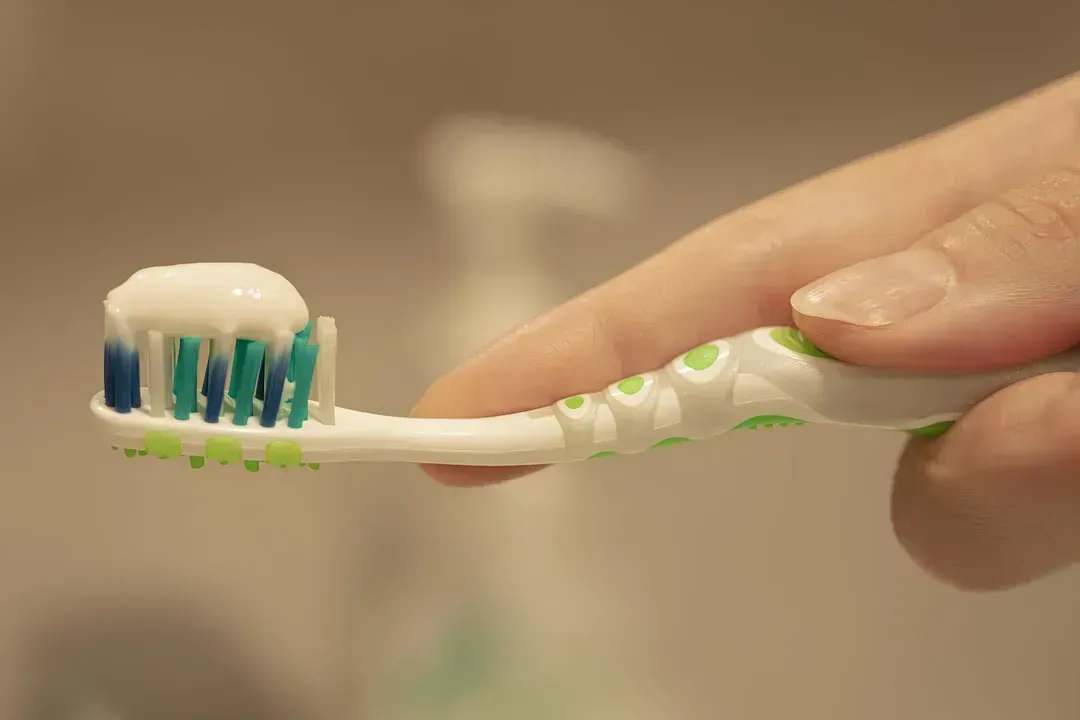
There’s likely a small spot in the bathroom you’re forgetting: the toothbrush holder. According to an NSF study, it’s the third-germiest place in the home. You wouldn’t think that something that cleans your teeth could create such a germy environment between uses, but it’s true. Factor in the food particles that may cling to bristles and the moist, dark environment they pool in, and you have the perfect recipe for breeding germs.
Guests who use your bathroom see the toothbrush holder sitting right there on the sink. If it’s crusty around the base or discolored inside the holes, it registers immediately. If the toothbrush holder is dishwasher safe, wash it once or twice a week, either in the dishwasher or by hand in hot, soapy water. Then rinse it, wipe it dry, and wipe it one more time with a disinfectant wipe.
10. The Shower Curtain Liner: Guests in the Bathroom Notice Everything
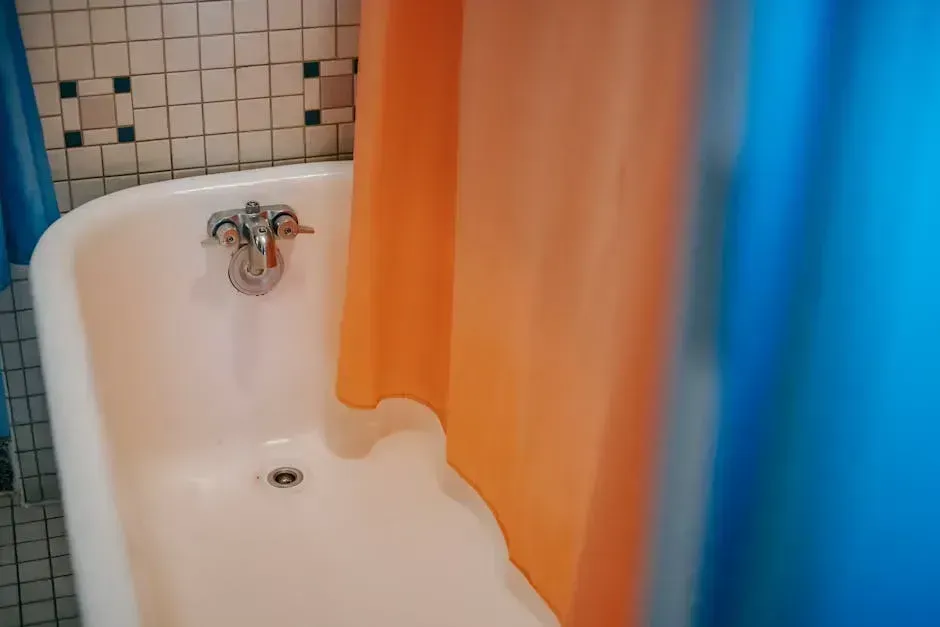
As one observer put it, “the bottom of the inside shower curtain gets really grimy after a while.” Someone dropping by isn’t likely to notice, but overnight guests are sure to spot it if it’s mucky. Soap scum, mildew, and pink buildup at the base of a liner are among the most visually arresting things a bathroom can display. It basically screams neglect, even if the rest of the room is spotless.
Dealing with dirty shower curtains collecting mildew, dirt, or soap scum is a real issue. Instead of living with the dirt, clean the stains off your shower curtain by running your liners and curtains through the washing machine. Toss it in with some baking soda or white vinegar, run it on a gentle cycle, and rehang it to dry. The whole process takes about five minutes of actual effort. Worth every second.
11. Floor and Wall Corners: Where Dust Goes to Retire
As one commenter observed, “the corners of the floor and wall love to accumulate hair debris” – and unfortunately, this is another thing that guests will likely notice. Corners, both upper and lower ones in a room, came up continuously in guest complaints about cleanliness. It’s a bit like the home’s version of a junk drawer. Out of the central vacuum path, out of sight, quietly building up a small mountain of debris.
Many of these areas require more time and effort to clean compared to visible spaces like countertops or floors. However, neglecting them can result in dirty air, allergic reactions, or a generally unkempt appearance, even if the more obvious areas look clean. A quick pass with a vacuum attachment along every corner of the room – floor meets wall, wall meets ceiling – takes maybe ten minutes and transforms how a room feels to walk into. Guests may not name what changed. They’ll just feel it.