7 One-Liners Grandpas Often Use That Can Suddenly Silence the Room
There is something about a grandpa mid-sentence that makes the whole room lean in. Maybe it is the deliberate pause. Maybe it is that slightly mischievous grin. Or maybe it is because everyone secretly knows that whatever comes next is going to be either surprisingly wise, oddly funny, or both at the same time.
Grandpas have a rare gift. They have seen enough of life to distill decades of experience into a single devastating sentence. And every now and then, one of those sentences lands so perfectly that the entire room goes quiet. Forks stop mid-air. Kids look up from their phones. Even the dog tilts its head. So let’s get into it.
1. “I Was Your Age Once. It Goes Faster Than You Think.”

Honestly, this one should come with a warning label. It sounds like small talk, almost like something you’d brush off at a family dinner. Then it stays with you for three days.
Research on intergenerational wisdom-sharing suggests that this kind of life advice from an older person is a genuinely potent mechanism for beneficial effects in younger people, and the body of research around this has been growing for decades. There is something uniquely powerful about hearing it not from a podcast or a self-help book, but from someone who is literally living proof of its truth.
Studies on intergenerational transmission of values show that this exchange is not just about presenting universal values, but also about comparing what mattered in the past and what matters now. Close relationships, time spent with others, and care for the common good are values that seem increasingly replaced in modern life by self-care and the pursuit of money and success. When grandpa says it casually over dessert, the contrast hits harder than any lecture ever could.
2. “We Didn’t Have That Back Then, and We Turned Out Fine.”
Let’s be real, this one gets an eye-roll every single time. And then, about two seconds later, everyone quietly reconsiders.
There is something about grandpas that makes them credible messengers. They have seen the good and the bad and managed to pull through. They know some handy facts about stuff you never knew existed. No matter their age, they are generally good-hearted and good-humored, if not a tad bit aloof. That lived experience gives lines like this one a weight no younger person can replicate.
Humor is a powerful tool that transcends generational barriers, creating connection bridges that bind people of different ages. The role of humor in intergenerational connection is significant, and humor can serve as a common language that unites grandparents, parents, and children, promoting mutual understanding and strengthening family and social ties. The joke lands. Then the truth behind the joke lands. Then the silence.
3. “I’ve Buried People Who Said They’d Start Tomorrow.”
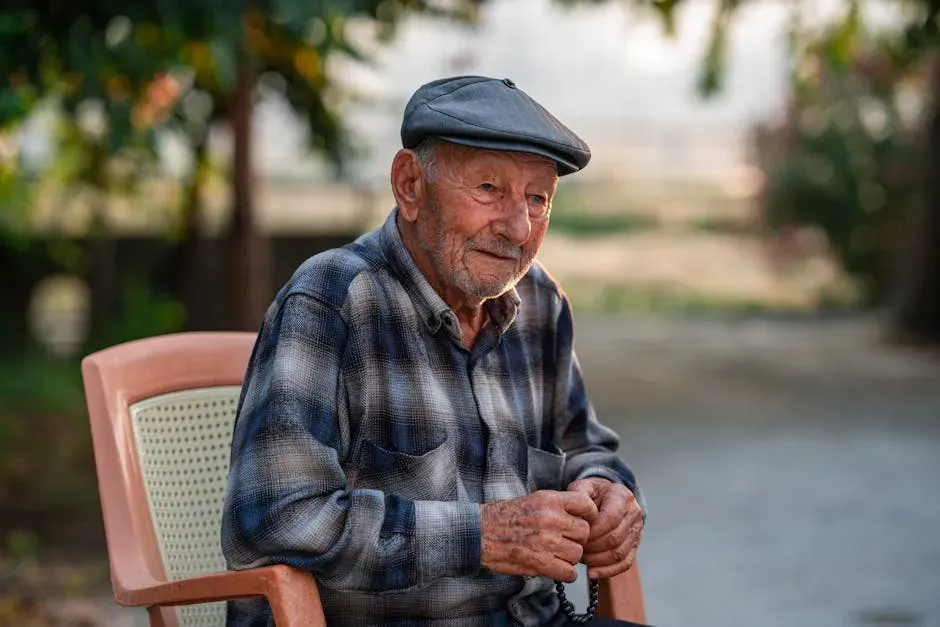
No one expects this one. That is precisely why it works. It is the conversational equivalent of someone pulling out a royal flush at a casual card game. The room does not just go quiet. It goes deeply, uncomfortably, meaningfully quiet.
Advice-giving is considered a potential mechanism for powerful intergenerational effects because it is perceived as a very meaningful transfer of experiential knowledge. When grandpa delivers it in one line, without drama or elaboration, it carries the full weight of however many years he has been watching people choose procrastination over action.
I think this might be the sharpest one-liner on this entire list. No pun. No wordplay. Just pure, unfiltered observation from someone who has had enough time to notice the pattern. The silence that follows is not awkward. It is respectful.
4. “I Used to Worry About What People Thought of Me. Then I Got Old.”

Here is the thing about this line. It sounds funny. It is funny. Then you realize it is also the most liberating sentence a human being can utter.
Aging is not always the most fun thing in the world, but it can be remarkably funny if you approach it with an easygoing attitude. Joking about getting older and the assorted complications that come with it can take some of the sting out of aging. It reframes age as something rare and valuable rather than something to dread. This one-liner does exactly that, except it also quietly challenges everyone in the room to ask themselves why they are still so worried about other people’s opinions.
Research suggests that as individuals age, they may actually become more skilled in the subtleties of using humor because of the perspective that accumulated years provide. Grandpa is not just making a joke. He has genuinely arrived somewhere emotionally that most of us are still working toward. That gap between where he is and where everyone else in the room is? That is what creates the silence.
5. “Money Can Be Earned Again. Time Cannot.”
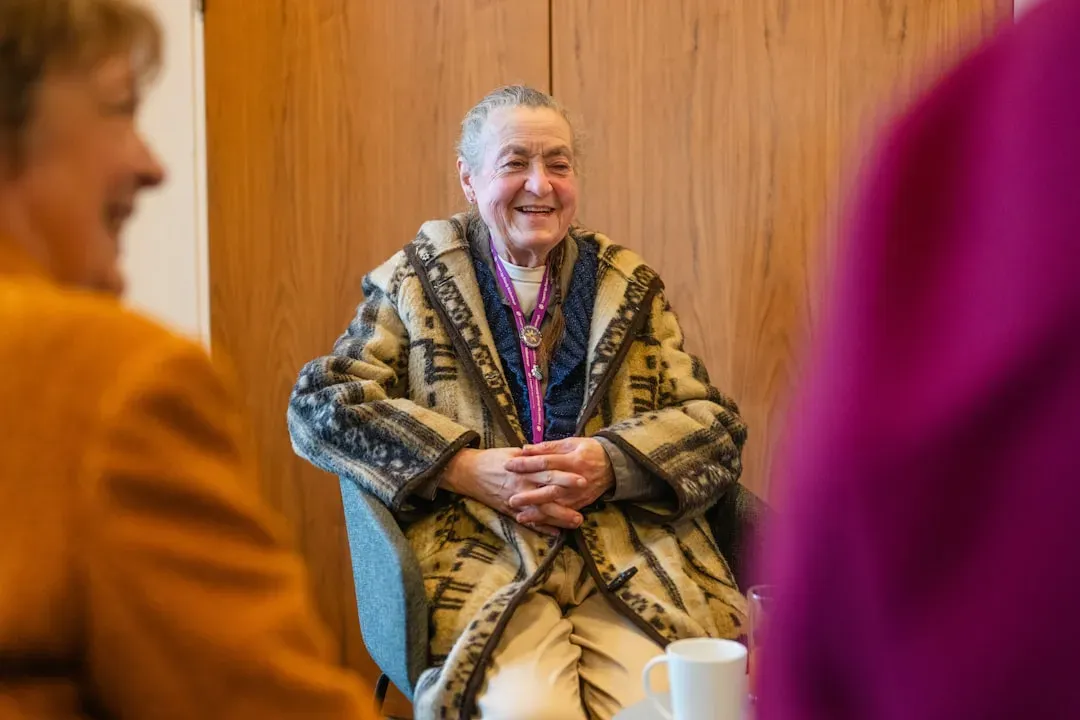
Five words. That is all it takes. And yet somehow this sentence has ended arguments, redirected careers, and caused grown adults to cancel meetings and go home to their families.
The intergenerational model emphasizes that older adults not only receive companionship and care in family settings, but are also offering wisdom, life experiences, and guidance, which reinforces a sense of purpose and self-worth. When grandpa delivers this line in the middle of a conversation about overtime or weekend work, it is not a lecture. It does not feel like one either. It feels like someone who has run the experiment for seventy-odd years handing you the results.
The silence that follows this one tends to linger a bit longer than the others. People look at their plates. Someone might clear their throat. It is not sadness exactly. It is more like recalibration. Think of it as a gentle reset button delivered in the form of a single, undeniable sentence.
6. “The Loudest Person in the Room Is Usually the Least Confident.”

This lands best at family gatherings where at least one person has been holding court for twenty minutes. Grandpa waits. He picks his moment. Then he says it quietly, almost to himself, and the effect is surgical.
A critical component that makes grandpa-style humor and wisdom so effective is the use of phrasing that rewards the listener for paying attention. Lines like this one turn a cliché into a punchline through a single unexpected delivery. They sound like wisdom until the grin gives it away. Except in this case, there is no grin. He means it. And everyone in the room knows exactly who he is talking about.
Humor plays a key role in intergenerational connection by providing a communication path that transcends age barriers. Through humor, people of different generations can find points in common and build meaningful, lasting relationships. This line does something even more specific. It uses wit disguised as observation to create a moment of absolute clarity. The room goes quiet because the room knows he is right.
7. “I Don’t Know Much, But I Know That Always Works Out in the End.”
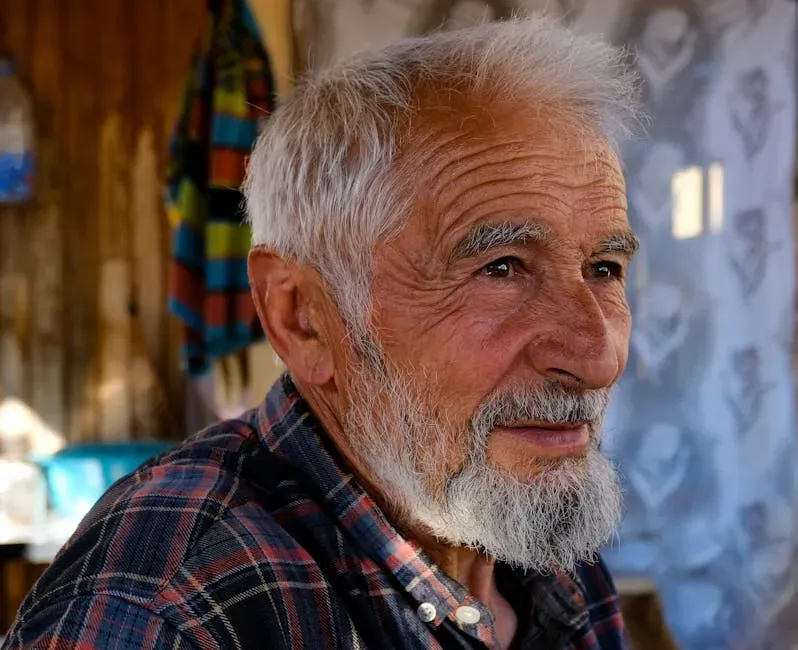
This one might be the most disarming of them all. It sounds so simple. Almost too simple. There is no sharp edge to it, no dramatic pivot. Just a quiet, seasoned certainty that somehow carries more weight than any elaborate reassurance.
Research suggests that laughter and humor generally enhance well-being in older adults, but what is less often discussed is how gentle, understated wisdom from older adults does the same for everyone around them. Studies show that the emotional response to intergenerational interactions is generally positive, with a measurable positive shift in mood, and research indicates that interventions inducing positive feelings can be associated with improvements in mental health.
When grandpa says this one, it is not dismissive. It is not platitude. It is the distilled conclusion of a man who has personally survived enough “worst case scenarios” to know how they usually end. That combination of lived experience and gentle mischief is what makes lines like this one hit differently than a regular joke. The room goes quiet because, honestly, everyone desperately wants to believe him. And the remarkable thing is, most of the time, they do.
The Science Behind Why These Lines Hit So Hard
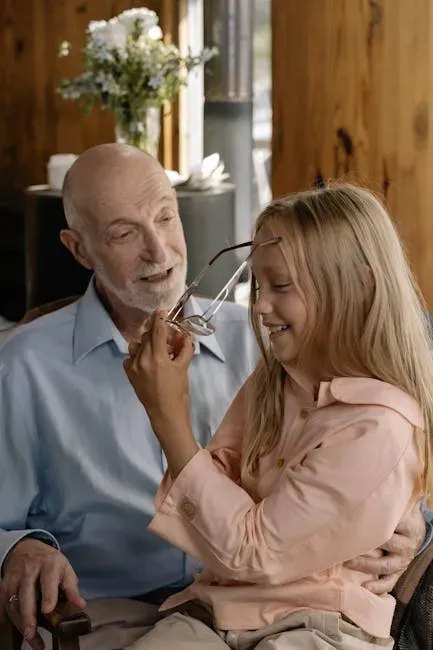
It is not just poetry. There is actual science here. Research suggests that humor often stems from the unexpected. Grandpa jokes work because they set up an expectation, only to deliver a punchline that is simple, clever, or unexpectedly truthful. This surprise triggers a small release of dopamine, the brain’s feel-good chemical.
The social benefit of laughter is among its most effective health benefits. While laughing alone is one thing, laughing with another person and sharing jokes and memories can really help support social relationships. When a grandpa one-liner creates shared silence, it is doing something remarkably similar.
Laughter stimulates immune cells, improves endorphin production, lowers cortisol levels, and contributes to resilience. Studies show laughter’s effectiveness in reducing symptoms of depression, anxiety, and stress, with significant benefits observed in elderly populations. It is hard to say for sure, but it seems like grandpas have been quietly practicing the best possible medicine for generations without ever calling it that.
What would you do if someone in your life said one of these to you this week? Would you sit in the silence, or would you change something? Drop your thoughts in the comments.