Why Selling Rural Land Could Leave You Broke: The “Water Day Zero” Few Anticipate
Drought-Driven Water Scarcity Arriving Earlier Than Expected
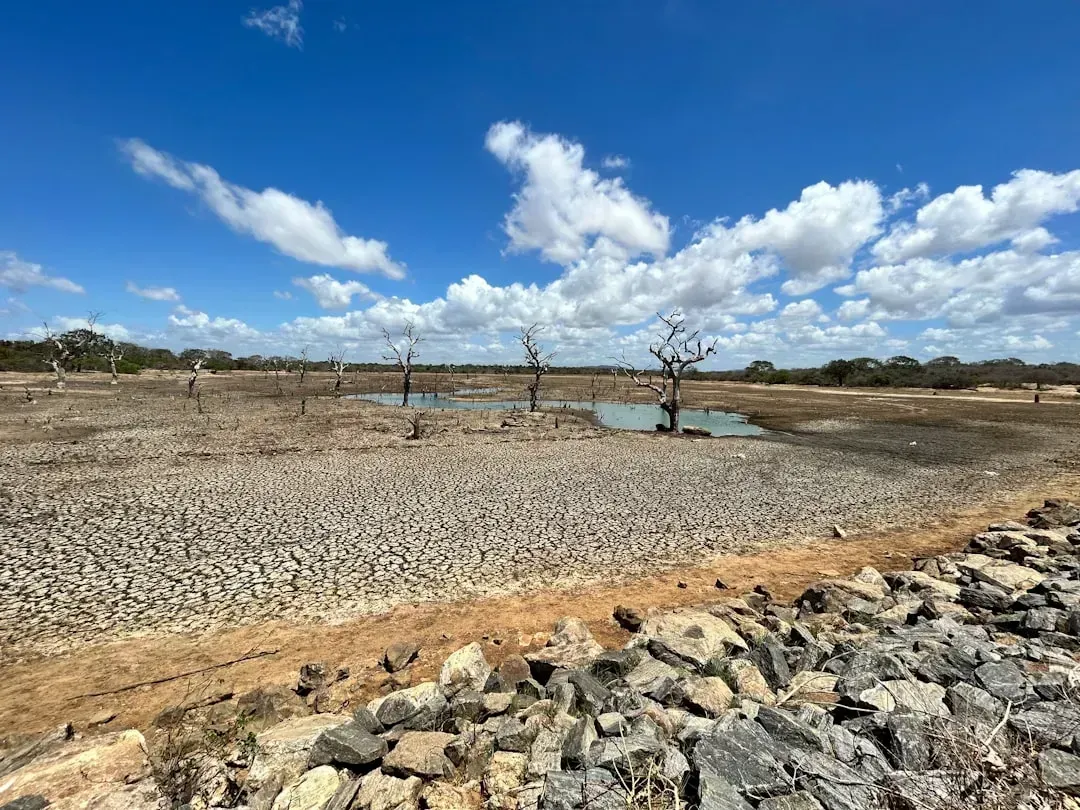
Many regions, including major reservoirs, may face high risk of Day Zero Drought by the 2020s and 2030s, with consistent hotspots emerging across the Mediterranean, southern Africa, and parts of North America. Here’s the thing: while urban water crises grab headlines, rural landowners face a quieter catastrophe. Three-quarters of the world’s drought-prone areas are at risk of extreme water shortages known as “day zero droughts” this century, and almost a third of these regions could be hit before 2030. The financial implications for anyone holding rural property are stark.
Researchers call these events Day Zero Drought when long multi-year droughts collide with rising water demand and shrinking reservoirs, and nearly three-quarters of drought-prone land areas could face unprecedented drought-driven water scarcity by 2100 under a high emission scenario. If you’re considering selling rural land soon, you might already be too late to capture its peak value.
Groundwater Depletion Decimating Property Values
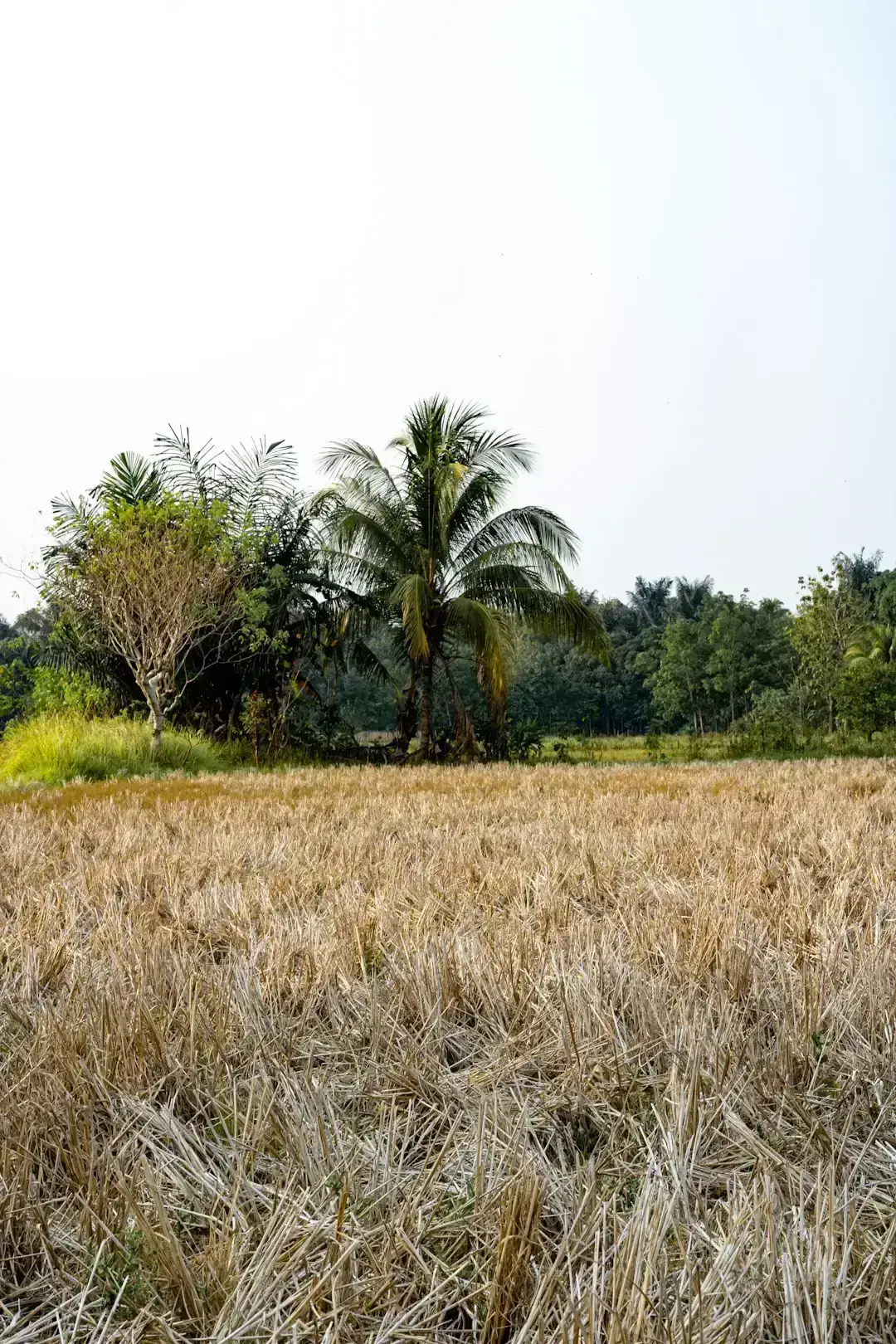
The value of farmland in parts of the San Joaquin Valley has fallen rapidly in 2024, and within the past several months those values have plummeted, with vineyards and nut tree orchards declining in value by 25 to 50 percent within eight months. Let’s be real: this isn’t just about fluctuating crop prices. Properties that have multiple sources of water diverge significantly in value from properties reliant on wells only, which is California’s groundwater management law influence, and the sharp drop came a decade after the law was adopted as implementation ramped up.
Rapid groundwater-level declines exceeding half a meter per year are widespread in the twenty-first century, especially in dry regions with extensive croplands, and groundwater-level declines have accelerated over the past four decades in 30 percent of the world’s regional aquifers. Think about what that means for anyone who bought rural land assuming water access would remain constant. Groundwater is dropping in 71 percent of aquifers examined globally. Your “investment” could become a liability faster than you imagined.
The Hidden Cost of Water Rights Confusion
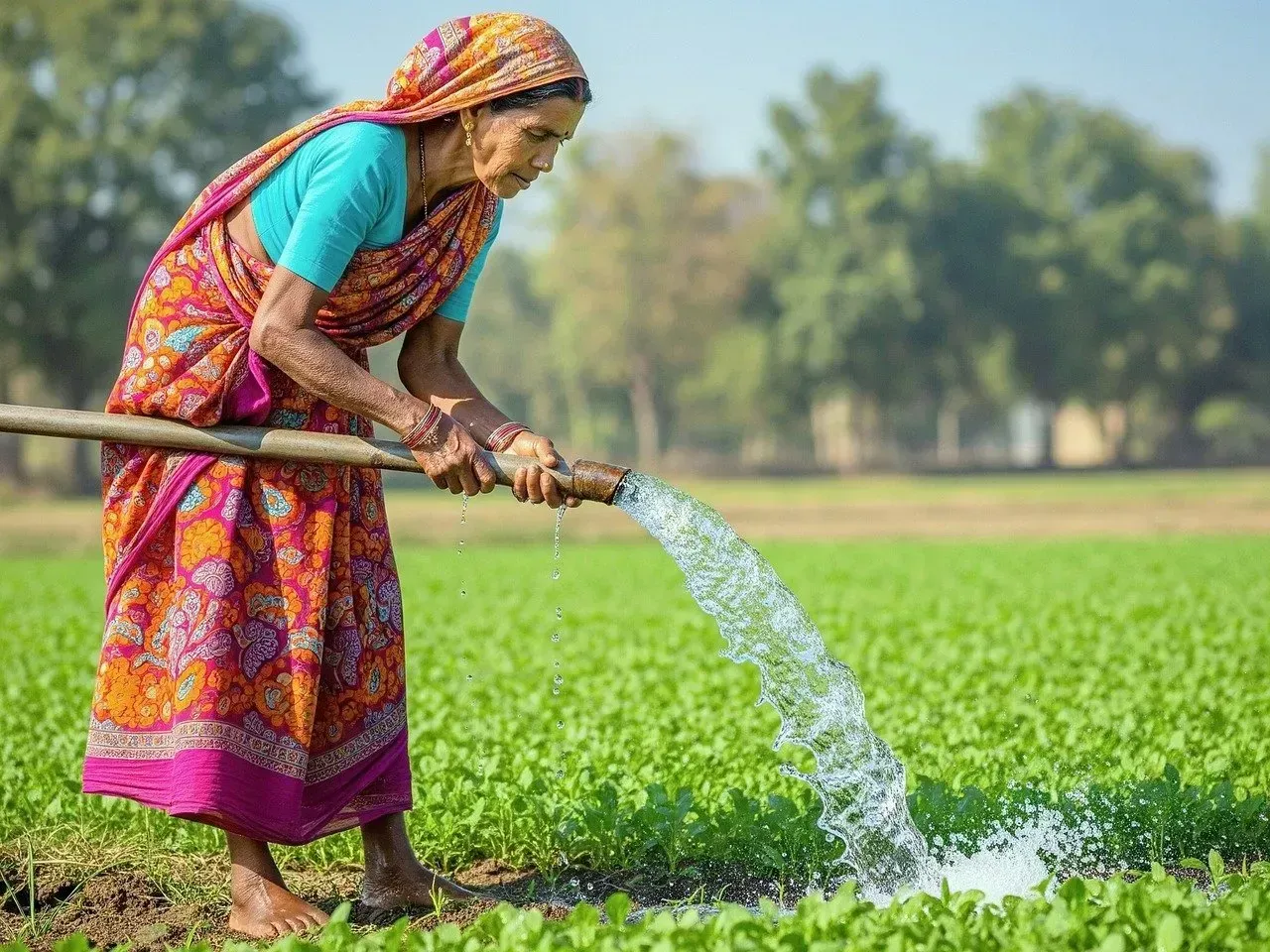
Failing to adequately address water rights can hinder the sale and potentially lead to disputes after the transaction, though ensuring clear legal ownership of water rights before listing land can add significant value. I know it sounds crazy, but many rural landowners don’t actually understand what water rights they possess. Property owners can’t “own” water but they may have the right to use, sell, or divert water resources depending on state laws, with riparian rights transferred when land is sold, while appropriative rights based on seniority can be lost if they aren’t used on a regular basis.
Water lawyers warn that people are ripe for the picking in terms of speculation as people try to get their hands on water rights, with many now thinking they are sitting on pots of gold and have every intention of selling their water rights when they no longer need them. The cruel irony? Without secure water access, land may become a liability and impossible to sell. Honestly, the window for maximizing land value might already be closing for properties without documented, reliable water sources.
Investment Firms Extracting Water Wealth From Rural Communities
Private investors are buying up water rights betting on escalating prices, with the New York-based hedge fund Water Asset Management spending more than $16 million to acquire 2,000 acres of farmland on Colorado’s Western Slope, and investing more than $300 million in water-rich farms across multiple states. What would you have guessed happens to local property values when outside money targets your region’s water? Investment firms often lack personal connections or community ties where they own water rights, and dealing with them means facing entities looking to cash in rather than farmers who are humans and care about other humans.
The investment firm Greenstone bought 485 acres of farmland in Cibola, Arizona for $9.8 million, leased it back to farmers for four years, then sold the water rights to Queen Creek, a Phoenix suburb located 175 miles away that needed new water sources for its development boom. Rural landowners selling today compete against billion-dollar entities that can afford to wait decades for returns. Your family farm? It’s hard to say for sure, but that’s not playing the same game anymore.
The Ogallala Apocalypse and What It Means Everywhere
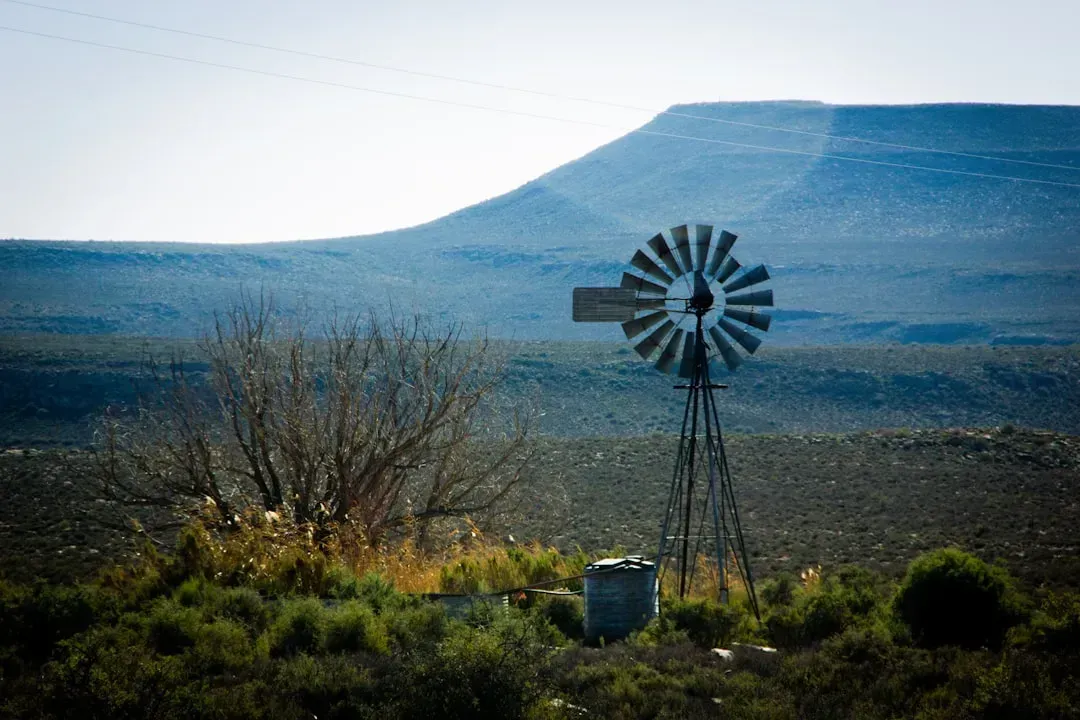
A University of Texas projection in 2025 indicated that up to 70 percent of the Texas Panhandle would become unusable within 20 years if pumping rates continued at the same level. In Kansas, “Day Zero” has already arrived for about 30 percent of the aquifer, with the entire system expected to be 70 percent depleted within fifty years. We’re not talking hypotheticals here. The Kansas Geological Survey predicts groundwater will be depleted in less than 25 years, with the river likely to follow suit, as will the ecosystems reliant on that river water.
In Kansas, over 2.6 million acres of land no longer have enough groundwater to support large-scale agriculture, with the western part seeing some of the worst declines in groundwater levels, and corn yields have plummeted to levels last seen in the 1960s, erasing decades of gains. For those holding rural land believing agricultural production guarantees value, think again. Extrapolation of the current depletion rate suggests 35 percent of the southern High Plains will be unable to support irrigation within the next 30 years. Selling before this becomes common knowledge in your market could be the difference between solvency and financial ruin.
The brutal reality is that by the end of this century, Day Zero Drought conditions could threaten about 750 million people globally including 470 million city residents and 290 million people in rural areas, with the Mediterranean region projected to have the highest urban exposure while Northern and Southern Africa and parts of Asia face the most severe rural impacts. What do you think happens to rural land values when nearly a billion people face unprecedented water shortages? Have you checked whether your property sits in one of the vulnerable zones before listing it? Tell us your thoughts in the comments.