Quiet Homeowners: Signs Someone Has Put More Money Into Their House Than They Admit
You know that neighbor who casually mentions they “just updated a few things” in their house? Then you walk inside and realize their entire home looks like it could be featured in Architectural Digest. Let’s be real, some homeowners are surprisingly modest about the serious cash they’ve sunk into their properties. Maybe it’s humility, maybe it’s privacy, or maybe they just don’t want everyone knowing about their financial decisions.
Either way, there are telltale signs that someone has invested far more than they’re letting on. Walk through any recently renovated home, and you’ll start noticing details that quietly scream big budget. From seamless smart technology to those perfectly temperature-controlled wine cellars, the evidence is everywhere if you know what to look for.
The Garage That Looks Better Than Most Living Rooms

Walk into some garages and you’ll forget you’re standing where cars belong. Luxury garages feature finished flooring such as epoxy or polished concrete, garage doors that match the home’s exterior for elevated curb appeal, and even custom cabinetry with smart technology to control the climate and doors. When someone has heated floors, custom storage systems, and lighting that rivals a showroom, they’ve dropped serious money. Most folks just park their car and call it a day, but homeowners who treat their garage like an extension of their living space have clearly made it a priority.
These spaces often include workstations with built-in shop vacuums, power outlets galore, and even charging stations for electric vehicles. It’s hard to miss the difference between a standard two-car garage and one that feels like a high-end workshop.
Smart Home Technology That Actually Works Seamlessly
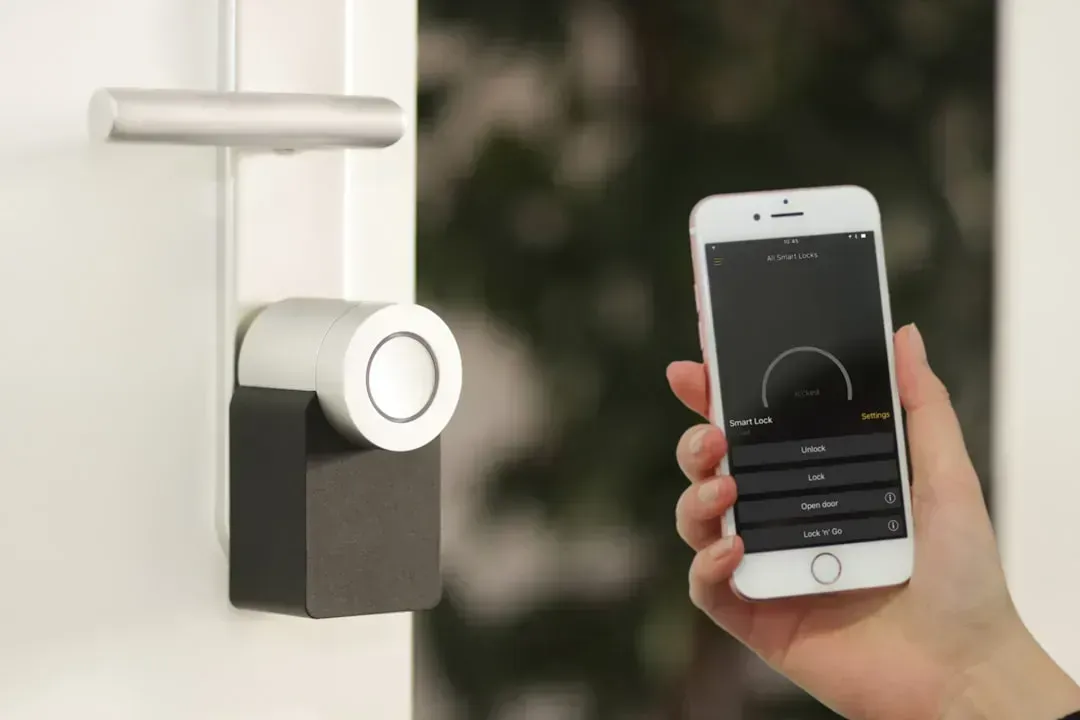
The cost of a smart home averages around $849, but homeowners might spend between $201 and $1,597 for basic setups, while fully automating a four-bedroom home can reach up to $15,000, and luxury connected homes range from $10,000 to $150,000. When every light, thermostat, security camera, and door lock responds instantly to voice commands or a single app, someone has invested heavily. We’re not talking about a couple of smart bulbs from the hardware store.
Smart home technology has transformed from an optional upgrade to an essential component of luxury features, with over half of American homes now incorporating some form of smart technology, and integrated systems becoming the new standard for discerning homeowners. True integration requires professional installation, compatible devices across every room, and ongoing maintenance that all adds up quickly.
Kitchen Upgrades That Go Beyond IKEA Cabinets
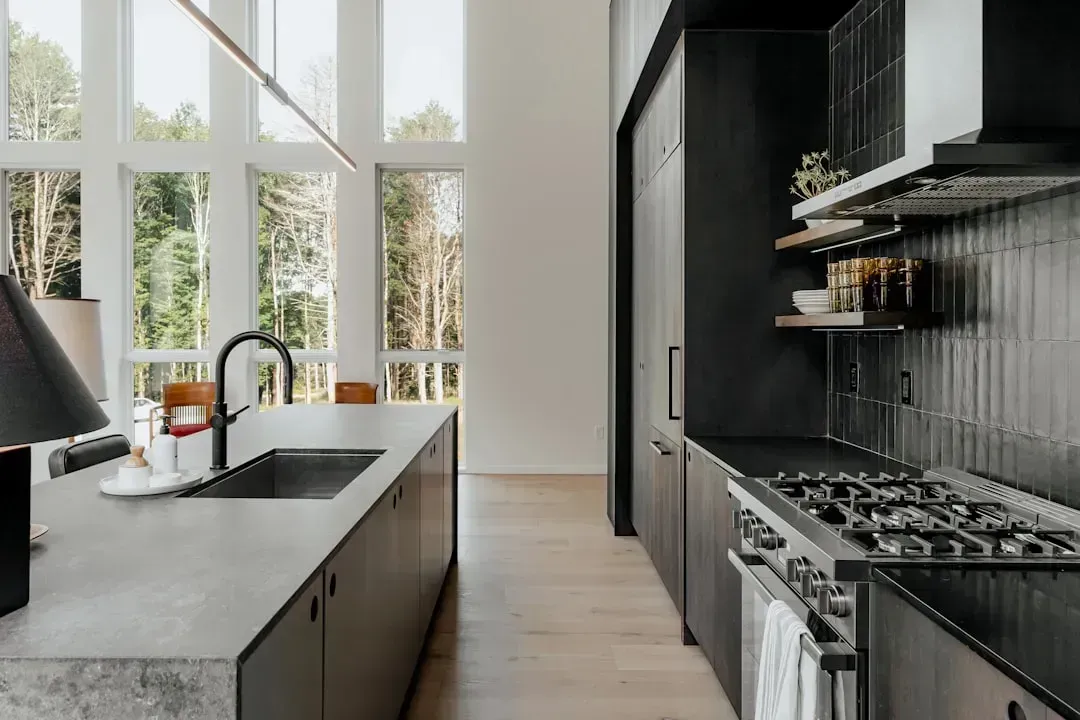
The median spend on kitchen renovations rose by 20 percent to reach an average of $24,000 in 2023, while bathroom spending increased to $15,000. When you spot professional-grade appliances, custom cabinetry that extends to the ceiling, and countertops made from materials like quartzite or marble, you’re looking at someone who went all in. Honestly, the difference between a basic kitchen update and a gourmet chef’s paradise is staggering.
For major remodels of kitchens 200 square feet or smaller, the median spend rose 9 percent year over year to $35,000 in 2024, up significantly from $30,000 in 2022, while the 90th percentile of spending remained at $90,000. Some homeowners sink close to six figures into their kitchens alone, especially when they’re adding features like dual islands, built-in wine refrigerators, or butler’s pantries.
Bathrooms That Feel Like Private Spas
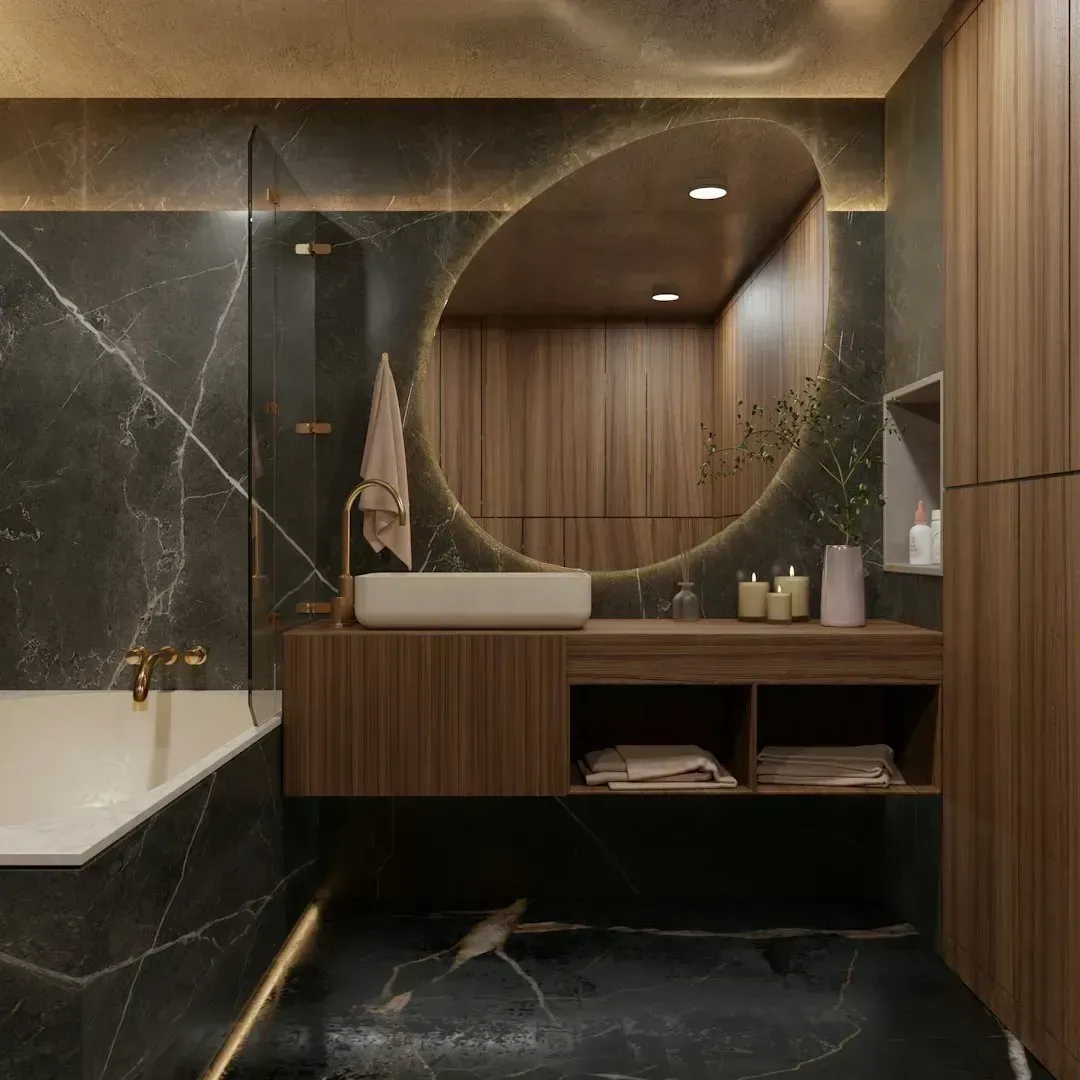
The telltale signs are everywhere in these spaces. Statement fixtures like oversized freestanding soaking tubs with sculptural designs, rainfall showers with digitally controlled temperature and pressure settings, and heated floors ensure feet never touch cold surfaces. When someone has installed steam showers, chromotherapy lighting, or towel warmers that cost more than most people’s monthly rent, they’re clearly not cutting corners.
Seniors nearly doubled their typical bathroom renovation cost, rising from $8,500 in 2023 to $15,300 in 2024, while Millennials dropped from $12,000 to $7,500, and Gen Xers scaled down from $15,000 to $13,000. The age and priorities of homeowners definitely influence how much they invest, but premium bathroom upgrades remain one of the most popular places to splurge.
Energy Efficiency Upgrades No One Talks About
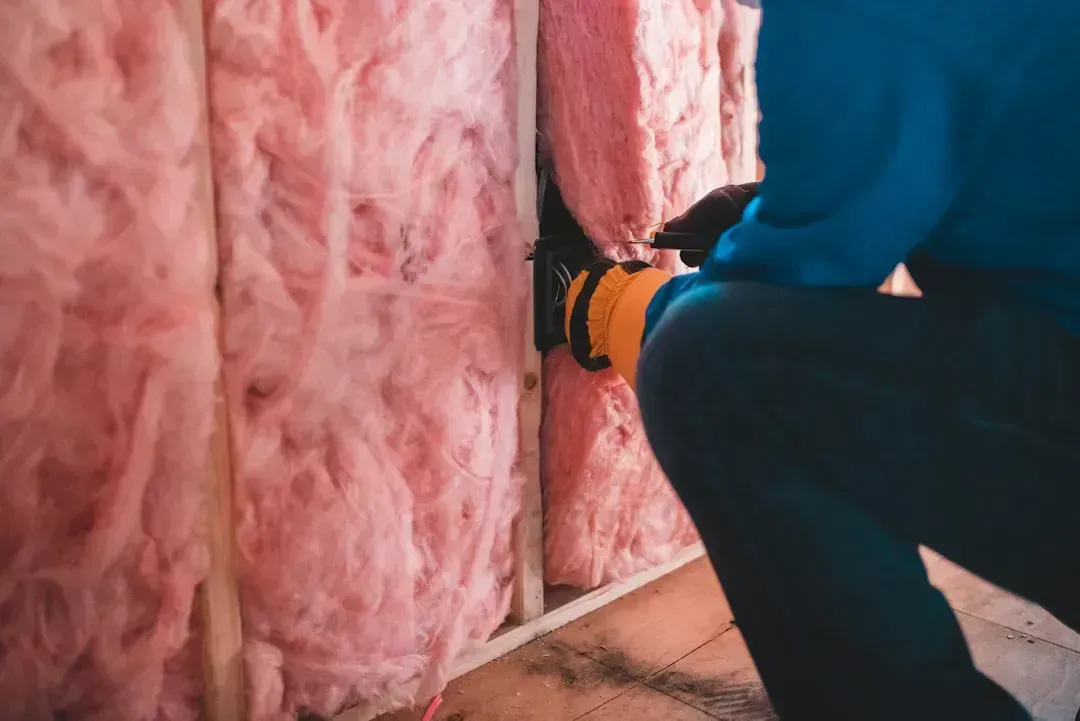
Insulation isn’t sexy, which is exactly why people rarely brag about it. Proper insulation is essentially invisible, hidden behind walls, in basements, and up in attics in spaces people don’t see often, yet buyers today prioritize move-in ready homes and reliable utilities, making proper insulation key. When homeowners have upgraded to spray foam insulation, replaced all their windows with energy-efficient models, or installed solar panels, they’ve made substantial investments that most guests will never notice.
Replacing old windows with more efficient ones can increase property value and offer greater efficiency, with people in certain regions saving an average of $568 a year when upgrading from single-pane to energy-efficient windows. These improvements pay off over time through lower utility bills, but the upfront costs are significant and often go completely unmentioned during casual home tours.
Outdoor Living Spaces That Rival Resort Amenities
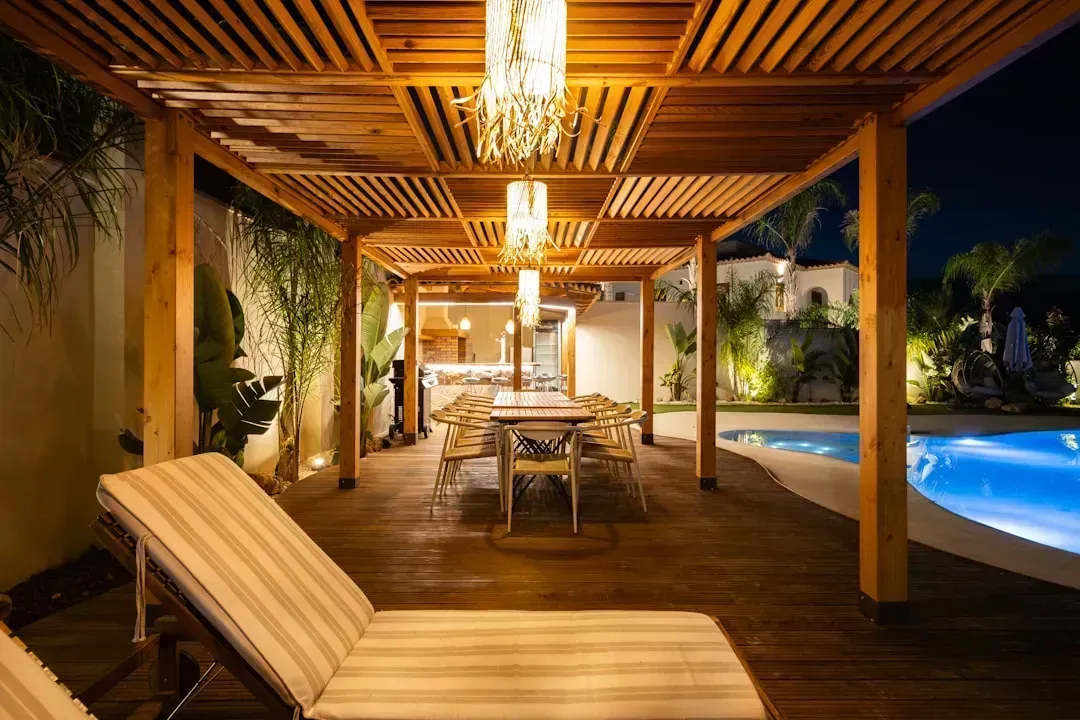
Resort-style water features represent the pinnacle of outdoor luxury, with custom pools featuring infinity edges, swim-up bars, or beach entries, while saltwater pools offer a gentler swimming experience, and hot tubs or spa areas create dedicated relaxation zones. When you see outdoor kitchens with built-in grills, pizza ovens, and full bar setups, someone has spent a small fortune creating an entertainment paradise. These aren’t weekend DIY projects.
The outdoor spaces that truly impress include things like automated irrigation systems, landscape lighting that would make a theater designer jealous, and covered patios with retractable screens. Some homeowners even add outdoor fireplaces, heated patios, and sound systems wired throughout the yard. All of this screams serious investment.
Hidden Infrastructure No One Sees

Homeowners remain focused on replacement projects such as roofing, windows, and HVAC, which accounted for 49 percent of improvement expenditures in 2023, with homeowners spending almost $4,700 on improvements, nearly 9 percent above the previous market boom in 2007. New HVAC systems, updated electrical panels, whole-house generators, and repiped plumbing aren’t glamorous, but they’re incredibly expensive. When someone mentions they “just had some mechanical work done,” they might have dropped twenty thousand dollars without anyone noticing.
These behind-the-scenes upgrades are often the most costly because they require professional installation, permits, and sometimes tearing into walls or ceilings. Homeowners who invest in these essentials are thinking long-term, even if their friends never realize the work was done.
Custom Built-Ins and Specialty Storage

Luxury homes transform ordinary closets into stunning organized spaces with custom built-in shelving and cabinetry, ample storage, and deluxe finishes that evoke high-end boutiques, plus motion-sensor lighting, elongated mirrors, and even automated storage solutions like motorized closet rods. When every closet has custom organization systems, mudrooms feature dedicated cubbies for each family member, and pantries look like something out of a magazine, substantial money has changed hands.
These aren’t the wire shelving units you pick up at the big box store. Custom cabinetry is measured, designed, built, and professionally installed, which means the costs multiply quickly. Homeowners who invest in these details are creating functional luxury that makes daily life easier but definitely doesn’t come cheap.
Flooring That Costs More Per Square Foot Than You’d Believe
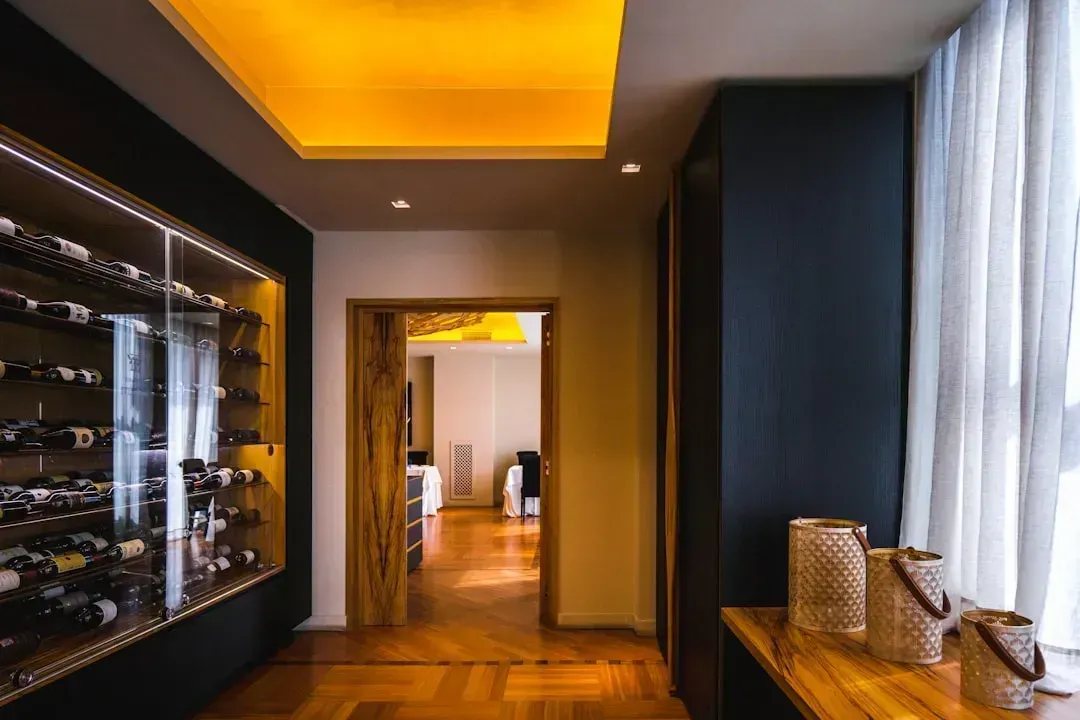
Premium flooring materials such as rich hardwoods, luxurious marble, or custom-designed tiles impart a feeling of refinement and grandeur throughout homes, with many luxury flooring materials being durable and easy to clean. Wide-plank hardwood, imported tile, or stone flooring installed throughout an entire home represents a massive expense. I know it sounds crazy, but some homeowners spend more on their floors than others spend on entire room renovations.
The quality difference is immediately noticeable to anyone who knows what to look for. Cheap laminate feels and sounds different underfoot compared to real hardwood or high-end luxury vinyl. When someone has radiant heated floors beneath natural stone tile, they’ve made a choice that reflects both comfort and budget.
Specialty Rooms That Serve Single Purposes
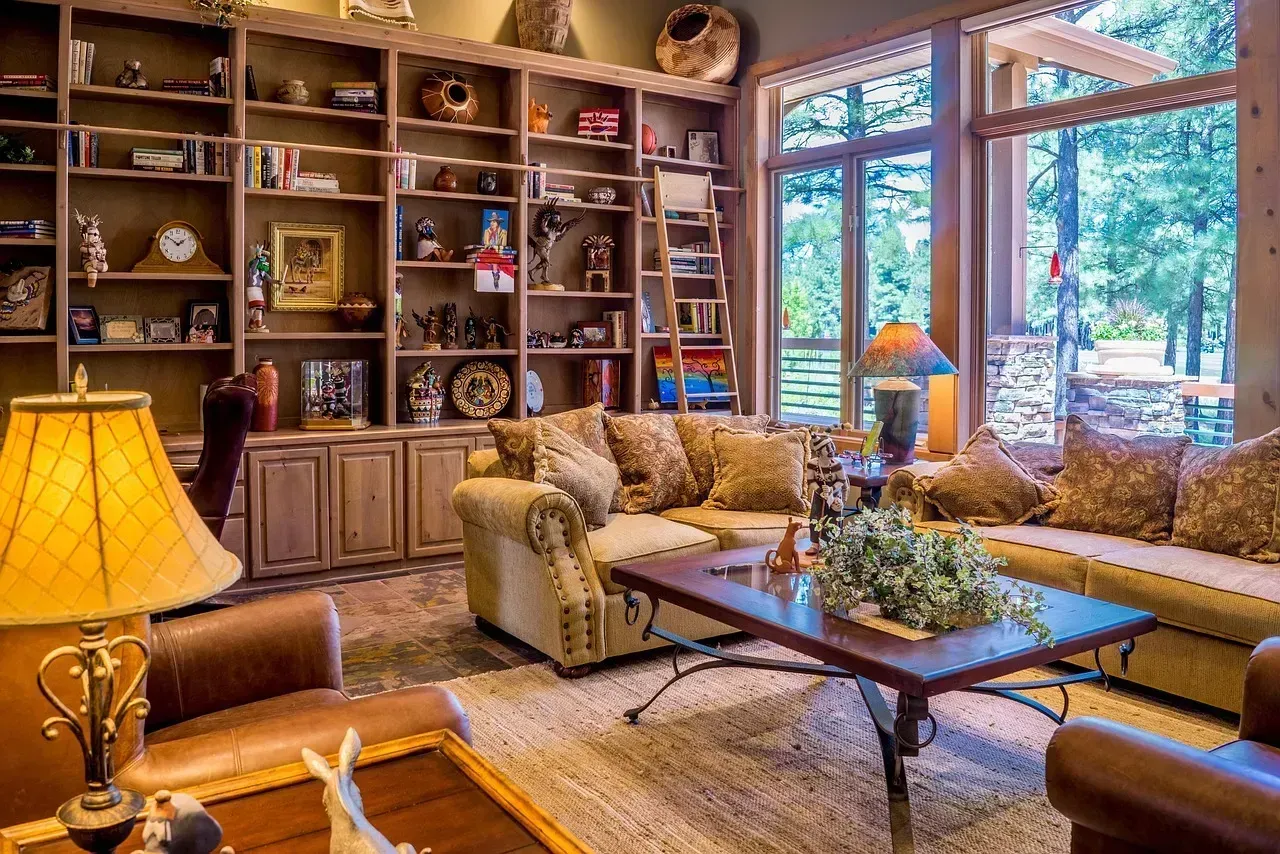
Luxury homeowners have the power to include special-purpose rooms like libraries or billiards rooms, with popular specialty additions including wine cellars, home theaters, home gyms, and audio and video recording areas increasingly requested for producing online content. When there’s a dedicated home theater with actual cinema seating, a climate-controlled wine cellar, or a fully equipped home gym with commercial-grade equipment, someone has clearly prioritized these spaces over financial restraint.
These rooms don’t just appear. They require dedicated square footage, specialized equipment, climate control, soundproofing, and often custom design work. Almost two-thirds of U.S. homeowners budgeted at least $20,000 for home improvements in 2025, while in 2024 Americans spent an average of $6,453 on home improvements, but those with specialty rooms are spending far above average.
What surprises me most about all these upgrades is how quiet people stay about them. Maybe it’s because they don’t want to seem like they’re showing off, or perhaps they’re just being strategic about privacy. Either way, the evidence is always there if you’re paying attention. From the seamless technology to the hidden infrastructure improvements, these homeowners have clearly made their houses a priority.
The real question is, what would you invest in if money weren’t an issue? Would you go for the smart home setup that anticipates your every need, or would you pour everything into a backyard oasis? Share your thoughts in the comments.