The Grocery Store Illusion: The Real Reason Behind 2026 Food Shortages
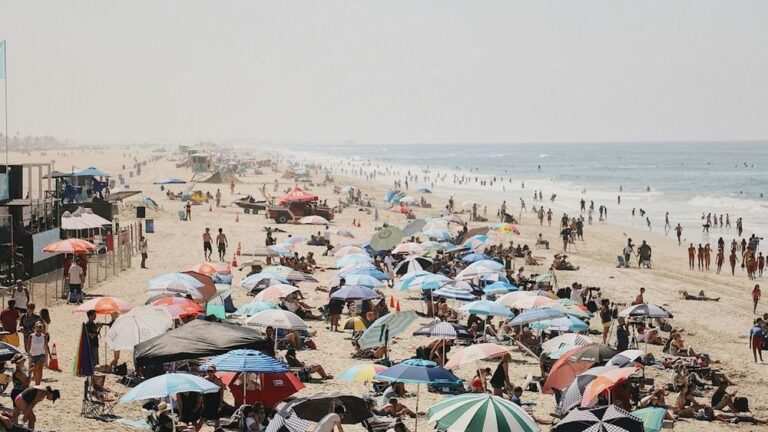
Walk into nearly any grocery store today and the shelves look full. Produce is stacked high, aisles overflow with products, and everything feels normal. That’s the illusion. Behind those neatly arranged displays, a crisis has been building for years, one that’s hitting its breaking point right now in 2026.
The number of people facing acute food insecurity has increased by 20 percent since 2020, according to recent World Food Programme data. What most shoppers don’t realize is that the cracks in our food system aren’t about scarcity in the traditional sense. The world produces enough to feed everyone. So what’s really going on?
Climate Change Is Destroying Crops Faster Than Anyone Expected
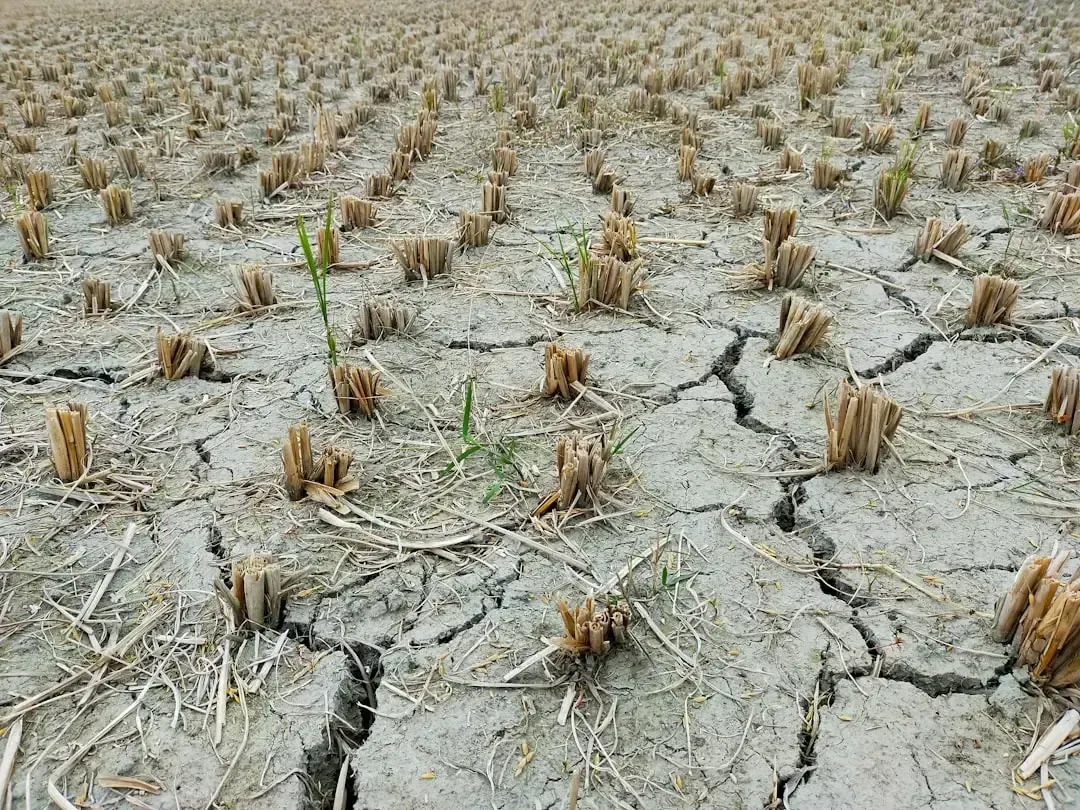
Global yields of barley, maize, and wheat are estimated to be 4 to 13 percent lower than they would have been without climate trends, and by 2100, global crop yields could be dragged down by 24% if emissions continue to rise unchecked, according to Stanford research. Here’s the thing most people miss: it’s not just about heat. Warming and air dryness have surged in nearly every major agricultural region, with some areas experiencing growing seasons hotter than nearly any season 50 years ago.
In East Africa, the damage is already devastating. Wheat yields have declined by up to 25% in certain areas over recent decades due to increasing frequency of droughts and heatwaves. The U.S. isn’t immune either. The U.S. Southwest and Texas alone reported over $11 billion in crop losses in 2024, severely impacting cotton, wheat, and forage crops.
Let’s be real here: farmers are adapting. They’re switching crop varieties, changing planting dates, using different fertilizers. These adjustments offset about one-third of climate-related losses, but the rest remain. That’s not enough when we’re racing against time.
Conflict Is Weaponizing Food Supplies

Over 70% of the world’s acutely food-insecure population lives in conflict zones, highlighting a brutal connection between violence and hunger. This isn’t a coincidence.
In the last year, armed violence fueled 20 food crises that affected nearly 140 million people, including confirmed famines in Sudan and Gaza. In Sudan specifically, the situation has reached catastrophic levels. The country has become one of the most severe food crises in history, with widespread destitution and a major surge in acute malnutrition, grappling with the world’s worst internal displacement crisis and severely disrupted domestic food production.
The pattern is clear and disturbing. Insecurity, armed conflict and violence, siege conditions and blockades have turned food into a weapon of war. When aid workers can’t reach people who need help, when crops are deliberately destroyed, when supply routes are blocked, hunger becomes a strategic tool. That’s not a distant problem anymore, it ripples through global markets and affects prices everywhere.
The Labor Crisis No One Wants to Talk About
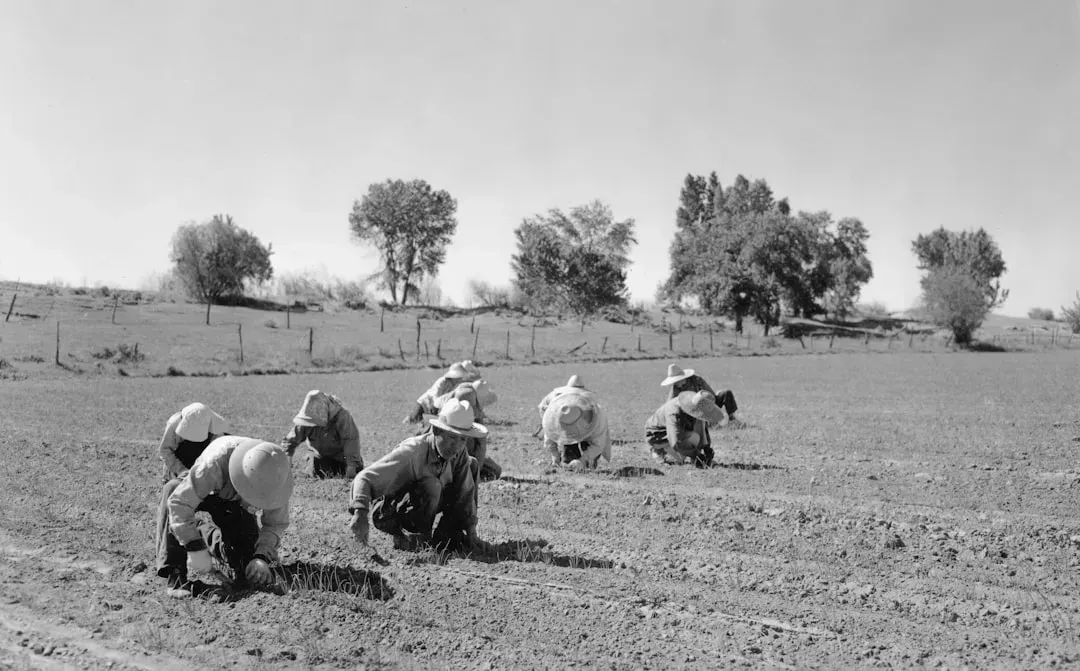
American agriculture is bleeding workers, and it’s worse than most realize. Agricultural employment has fallen by 155,000 workers since March 2025, according to the U.S. Bureau of Labor Statistics. Think about that for a moment.
There were an estimated 2.4 million open agricultural jobs in the United States in 2024, with 56% of farmers reporting labor shortages, and labor costs surged 17% in 2023 with another approximately 7% increase expected in 2024. The math is brutal for farmers. Fruit and vegetable producers spend up to 40% of their production expenses on labor alone, while continuing to compete with imports from countries that pay as little as one-tenth the hourly wage.
Honestly, the financial pressure is crushing farms. A 2.94% increase in food prices due to labor shortages would equate to an increase of nearly $3.4 billion in specialty crop costs, based on research from Michigan State University. Many multi-generational farms are simply giving up. The work is backbreaking, the pay struggles to compete with other sectors, and younger workers aren’t stepping in to fill the gap.
Supply Chain Fragility Behind Store Shelves
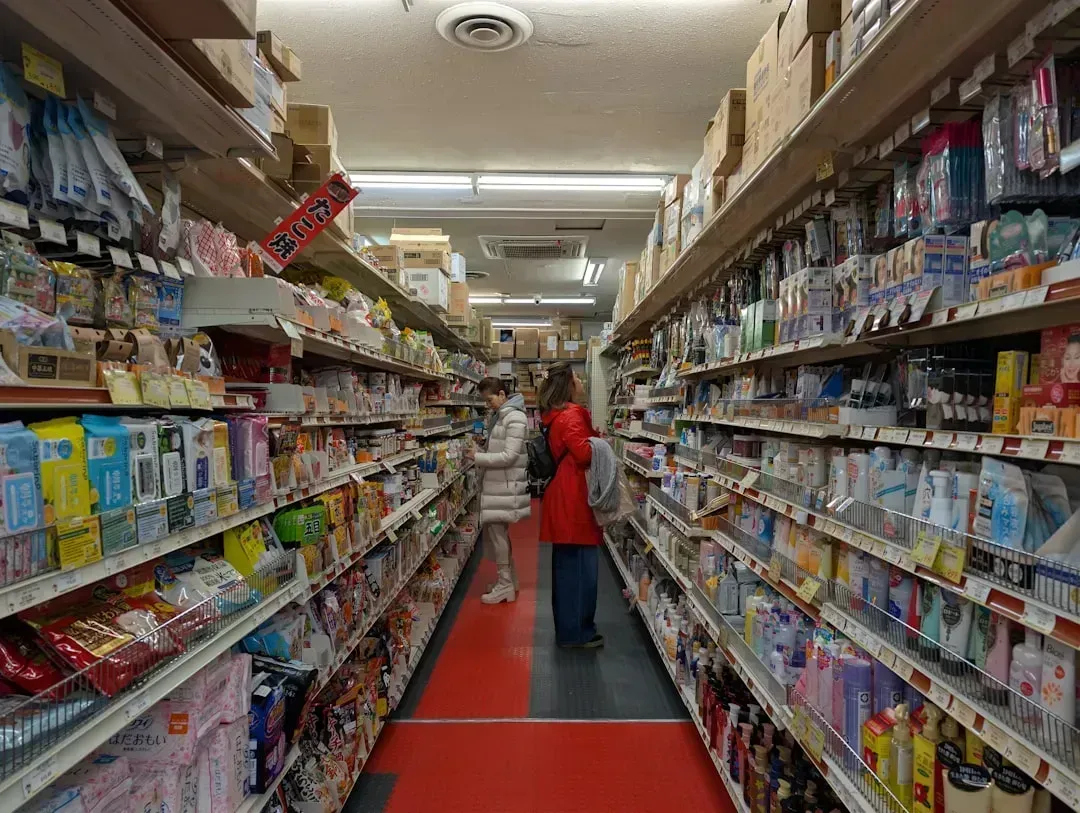
Large market participants accelerated and distorted the negative effects of supply chain disruptions during the 2020 pandemic, and dominant firms used this moment to come out ahead at the expense of their competitors, according to a Federal Trade Commission report. The grocery industry isn’t as competitive as it looks.
Food and beverage retailer revenues increased to more than 6% over total costs in 2021, and in the first three quarters of 2023, retailer profits rose even more with revenue reaching 7% over total costs, casting serious doubt on claims that rising prices simply reflect rising costs. Meanwhile, smaller grocery stores got squeezed hardest. Smaller firms, especially smaller grocery retailers, disproportionately faced difficulties obtaining products compared to larger firms who were better able to protect their product supply.
The transportation issues that peaked in 2022 have improved somewhat. Still, vulnerabilities remain everywhere. The Red Sea Crisis in late 2023 and early 2024 forced vessels to reroute around the Cape of Good Hope, adding weeks to transit times and significantly increasing costs. One disruption anywhere in the chain creates ripples that shoppers eventually feel, whether through higher prices, limited selection, or both.
Economic Pressures Crushing Access to Food
Food price inflation exceeded 5% in 45% of low-income countries, 43.5% of lower-middle-income countries, and 41.9% of upper-middle-income countries as of late 2025, according to World Bank data. For families already struggling, these aren’t just numbers. They’re impossible choices between eating and paying rent.
Years of persistent inflation and supply chain disruptions have driven up cost structures, food prices continue to increase faster than historical norms, and the potential for increased tariffs on key inputs could significantly impact operational expenses. The compounding effect is staggering. Tariffs could add up to $1,300 per household in 2026 on goods, including food imports, according to the Tax Foundation.
What gets lost in policy debates is the human reality. Approximately 2.4 billion people, nearly 30% of the world’s population, experience moderate or severe food insecurity. That’s not happening in some far-off place. It’s happening now, in communities across the globe, including wealthy nations where millions face hunger despite living surrounded by apparent abundance.
The shelves might look full today, but the systems keeping them stocked are under unprecedented strain. Climate shocks are accelerating. Conflicts show no signs of ending. Labor shortages are worsening. Supply chains remain brittle. Prices keep climbing beyond what many can afford. The grocery store illusion works until suddenly it doesn’t. What will it take before we acknowledge that the real crisis isn’t about producing enough food but about ensuring everyone can actually access it?