The 5 Most Dangerous Hiking Trails in America, Ranked by Fatality Rate
Let’s be real. When you picture hiking in America, you’re probably thinking scenic views, fresh air, maybe a few switchbacks. What doesn’t usually come to mind? The very real possibility that the trail might actually kill you. Yet some of the nation’s most beloved hikes are also its deadliest, claiming lives with startling regularity through extreme weather, fatal falls, and deceptive terrain that lures unprepared adventurers into danger zones.
5. Bright Angel Trail, Grand Canyon National Park
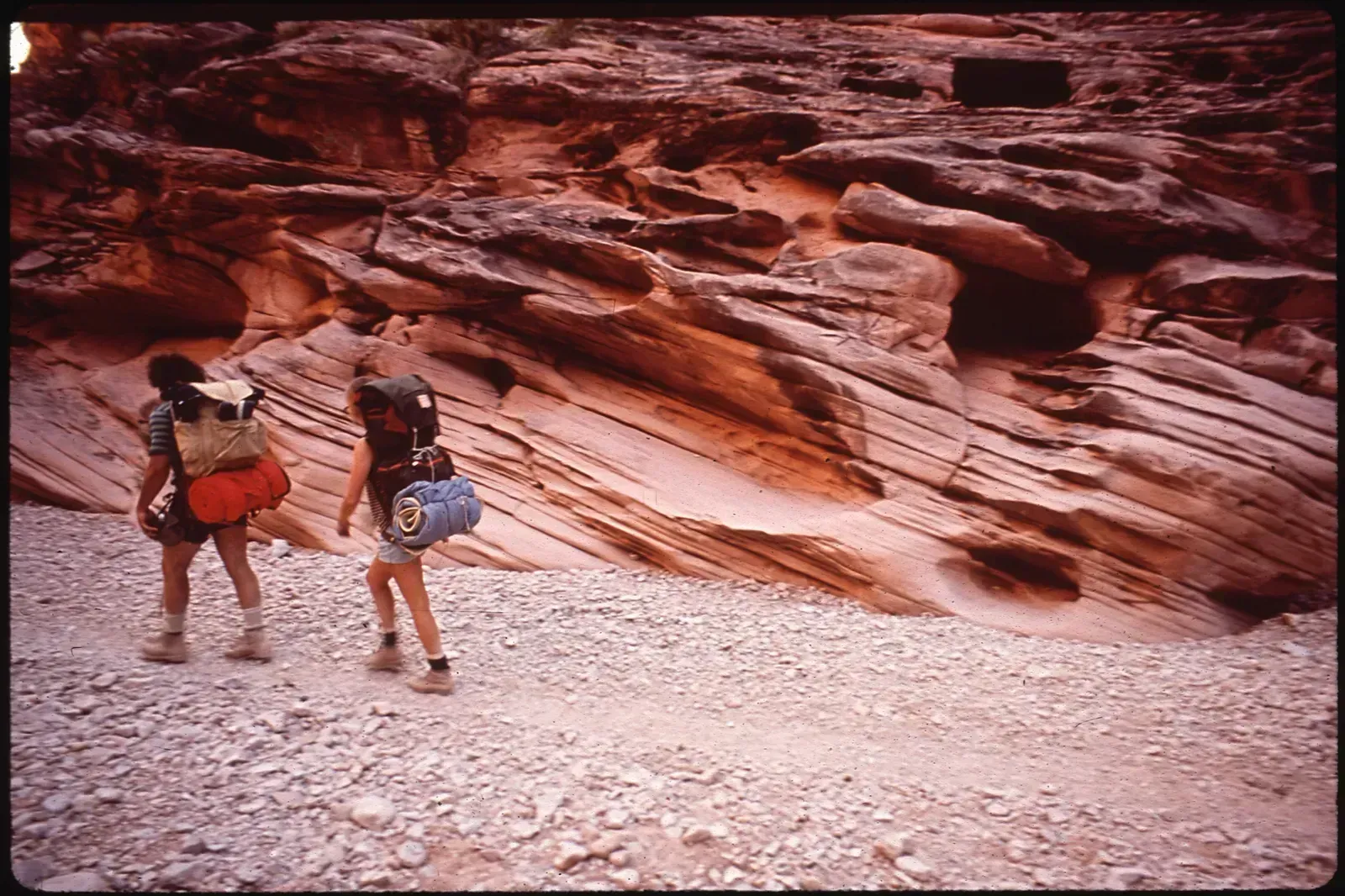
Around 17 people die every year at the Grand Canyon, and the Bright Angel Trail is ground zero for many of those tragedies. At least four deaths in the park in 2023 were hiking-related, three of which happened along Bright Angel Trail. Honestly, the danger here isn’t what most people expect. In the summer months, temperatures on exposed parts of the trail can reach over 120°F in the shade, turning the steep descent into a furnace that sucks the life out of hikers attempting the roughly sixteen-mile round trip to the Colorado River and back.
The real killer? Deceptive simplicity. The trail is relatively wide and well-maintained, and there is no question of where to go – you can follow others. People show up in flip-flops with a single water bottle, never realizing that going down is the easy part. Wide views of the inner canyon often distract hikers from just how far down the trail they’ve walked, and the return hike back up is far more difficult and requires much more effort. Heat exhaustion, cardiac arrest, and hyponatremia take their toll on those who underestimate the brutal Arizona sun radiating off canyon walls. Multiple hikers in recent years have collapsed and died despite emergency interventions, proving that even immediate medical response isn’t always enough.
4. Kalalau Trail, Na Pali Coast, Hawaii
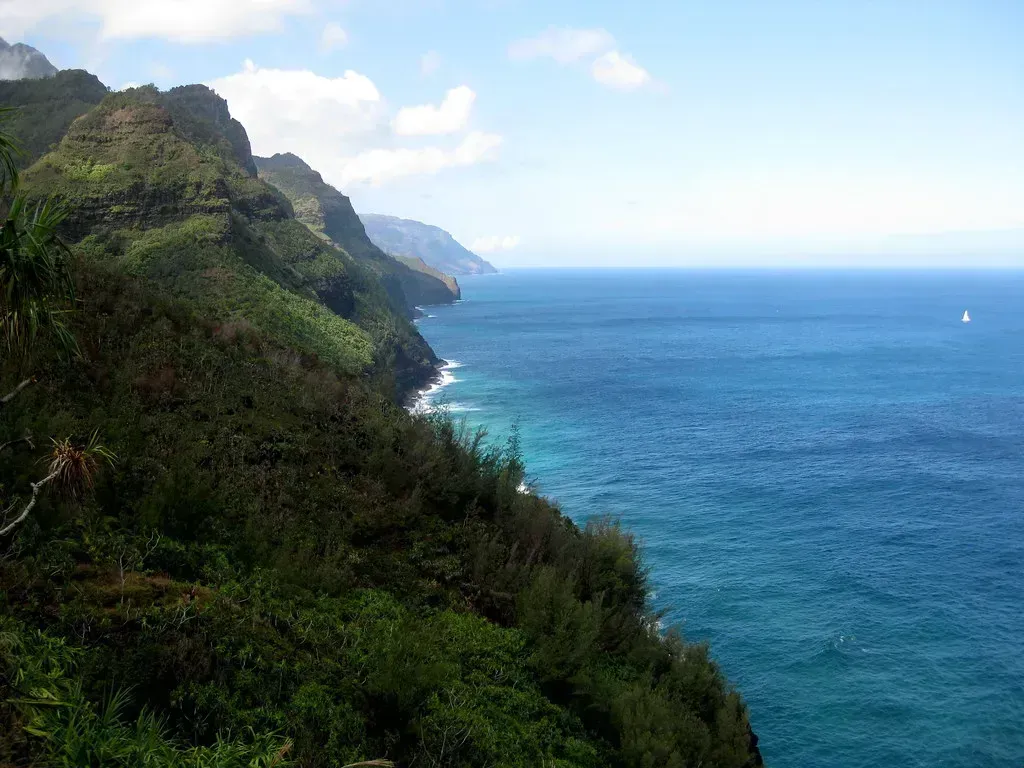
Hawaii might sound like paradise, but the Kalalau Trail is a different story altogether. This eleven-mile coastal trek along sheer cliffs has racked up a grim toll, with close to 30 deaths since 1971. Due to the large volume of rainfall in the valley, both slips and falls on the wet rocks and drowning due to the undercurrents beneath the waterfalls are the primary risks. I think what makes this trail particularly terrifying is how the danger multiplies with weather. One minute you’re admiring pristine coastline views, the next you’re navigating Crawler’s Ledge in a downpour with nothing between you and a fatal plunge into the Pacific.
The trail follows narrow ledges carved into sea cliffs, and tropical storms and rainfall happen frequently, triggering flash floods that can turn stream crossings into impassable torrents. The isolation compounds every risk. There’s no cell service, no quick helicopter rescue to the beach, and if you’re caught between swollen streams and cliff edges, your options vanish fast. In 2024 alone, multiple rescues required air and foot operations due to weather and poor preparation. The trail’s beauty is undeniable, yet that beauty comes with a price that roughly one hiker per year since the seventies has paid with their life.
3. Mount Washington, New Hampshire
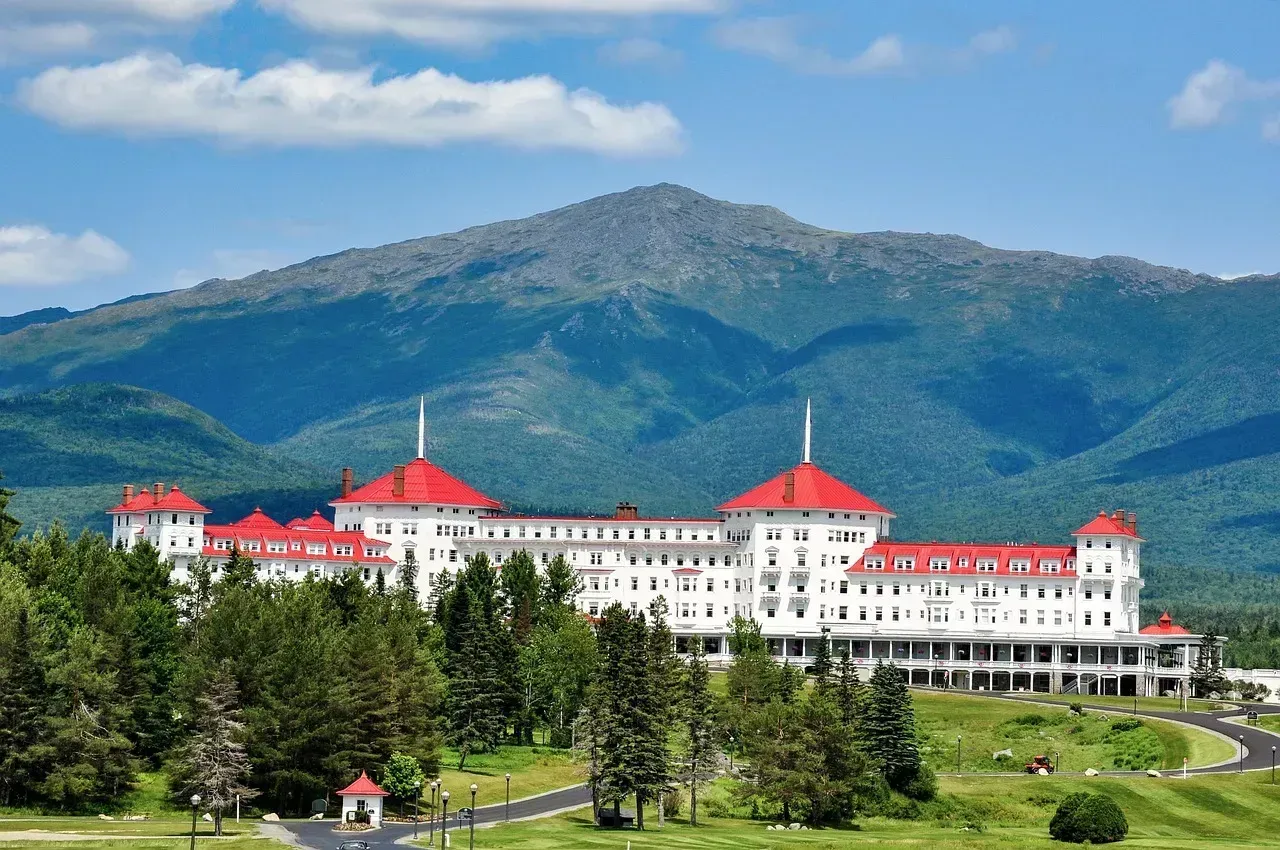
Mount Washington has had more deaths per foot of height than any other mountain in the world, and it is even listed among the ten deadliest mountains globally. Here’s the thing. At just over six thousand feet, Mount Washington shouldn’t be this deadly. The highest wind velocity ever recorded at any surface weather station – 231 mph – was logged here, and nearly 150 fatalities have occurred since 1849. The Presidential Range has recorded 178 known fatalities and missing persons, with hypothermia being the consistent killer even during summer months.
The mountain’s notoriously violent weather can shift from pleasant to life-threatening within minutes. More than 160 people have died on the peak since 1849, with many victims caught off guard by conditions that would feel at home in the Arctic. Recent incidents underscore the danger: a 72-year-old hiker found dead in 2024 was wearing jeans, a navy raincoat, and carrying a small backpack, appearing to have died from environmental exposure. The lesson? This small mountain with world-class weather extremes doesn’t care about your hiking resume. Snow year-round, hurricane-force winds, and whiteout conditions make it a proving ground where preparation isn’t optional – it’s the only thing standing between you and becoming another statistic.
2. Half Dome, Yosemite National Park
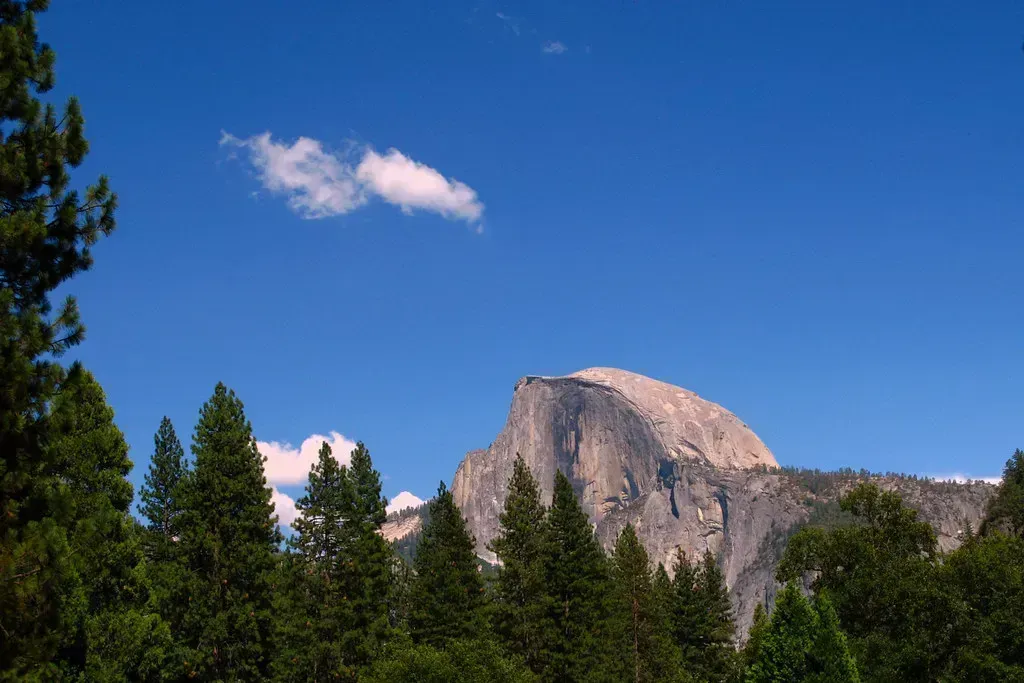
The iconic granite dome draws hundreds of daily visitors, yet since 2005, Half Dome has had 13 fatalities and, in 2023 alone, reported 20 incidents requiring rescue. Some estimates based on national park data point to 40 deaths on the Mist Trail alone, which would put the current total for all of Half Dome at 65 deaths as of 2025. The cable section – those final four hundred feet to the summit – is where most deaths occur. In the almost 100 years since cables were installed, 10 people have died from falling on that stretch, with at least six occurring when the rock was wet.
What surprised me researching this is how recent deaths have happened. In 2024, 20-year-old Grace Rohloff slipped from the cables and fell 250 feet during a storm, despite being an experienced hiker who had conquered Angels Landing in snow. The polished granite becomes essentially a slip-and-slide when wet, and even the permit system limiting daily hikers hasn’t stopped the fatalities. Thunderstorms roll in with little warning, lightning strikes the exposed summit, and suddenly that bucket-list hike turns into a survival scenario. The cables help, sure, yet they also give a false sense of security on terrain where one wrong step means there’s no second chance.
1. Angels Landing, Zion National Park
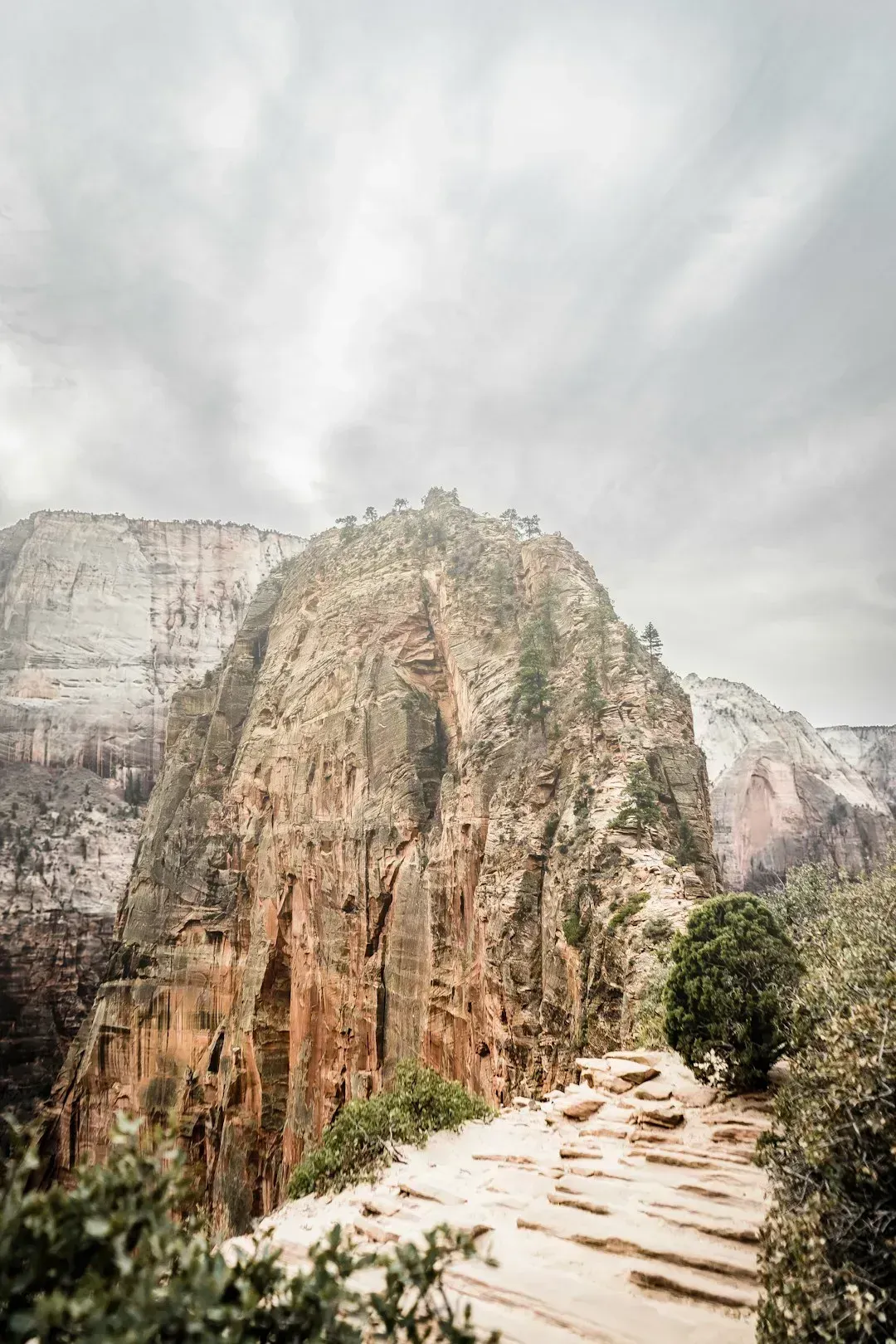
Taking the top spot for sheer fatality numbers relative to hiking traffic, Angels Landing is America’s most consistently deadly trail. There have been 18 confirmed deaths on the Angels Landing hike as of 2026, with 16 deaths from falling and 2 from health-related issues. Between 2007 and 2024, Zion National Park recorded a total of 59 fatalities, averaging approximately 3.3 deaths per year, with Angels Landing responsible for a substantial portion.
The knife-edge ridge with thousand-foot drops on both sides tests every hiker’s nerve. The trail ascends 454 meters and is lined with slippery edges and steep drop-offs along its 8-kilometer roundtrip, where the most minor mistakes will easily result in death. Here’s what’s particularly striking: there were no falling deaths on Angels Landing from 2022 to 2024, and none so far in 2025, likely because the National Park Service now requires day use permits via lottery for the Angels Landing chain section. Before permits, over twelve hundred hikers crowded the narrow spine daily, creating human traffic jams where one stumble could trigger a domino effect of disaster.
Social media has made it worse. Social media has played a very big part in the increase of visitation to Zion in general, with the park getting under 3 million visitors per year up to 2010, then exploding as Instagram influencers posed dangerously close to precipices. The permit system has genuinely saved lives, proving that sometimes the best safety measure is simply keeping people off the most lethal sections. Still, with eighteen confirmed deaths and possibly more unreported, Angels Landing remains the benchmark for American trail danger.
What would you have guessed topped this list? The statistics don’t lie, yet they also can’t capture the split-second decisions, the unexpected weather turns, or the simple overconfidence that transforms adventure into tragedy. These trails aren’t just difficult – they’re genuinely deadly, demanding respect, preparation, and the wisdom to turn back when conditions deteriorate. Did any of these surprise you?