7 Countries Still Largely Unspoiled, Research Suggests
When you think about pristine wilderness and untouched natural beauty, most people imagine destinations already overwhelmed by tourists. However, recent research and data from tourism organizations reveal something surprising. There are still remarkable countries where nature reigns supreme and human impact remains minimal.
These destinations offer something increasingly rare in our connected world: authentic solitude and landscapes that have remained largely unchanged for millennia. What makes these places special isn’t just their remoteness, but their commitment to preservation over profit.
Kiribati: The Pacific’s Most Isolated Paradise
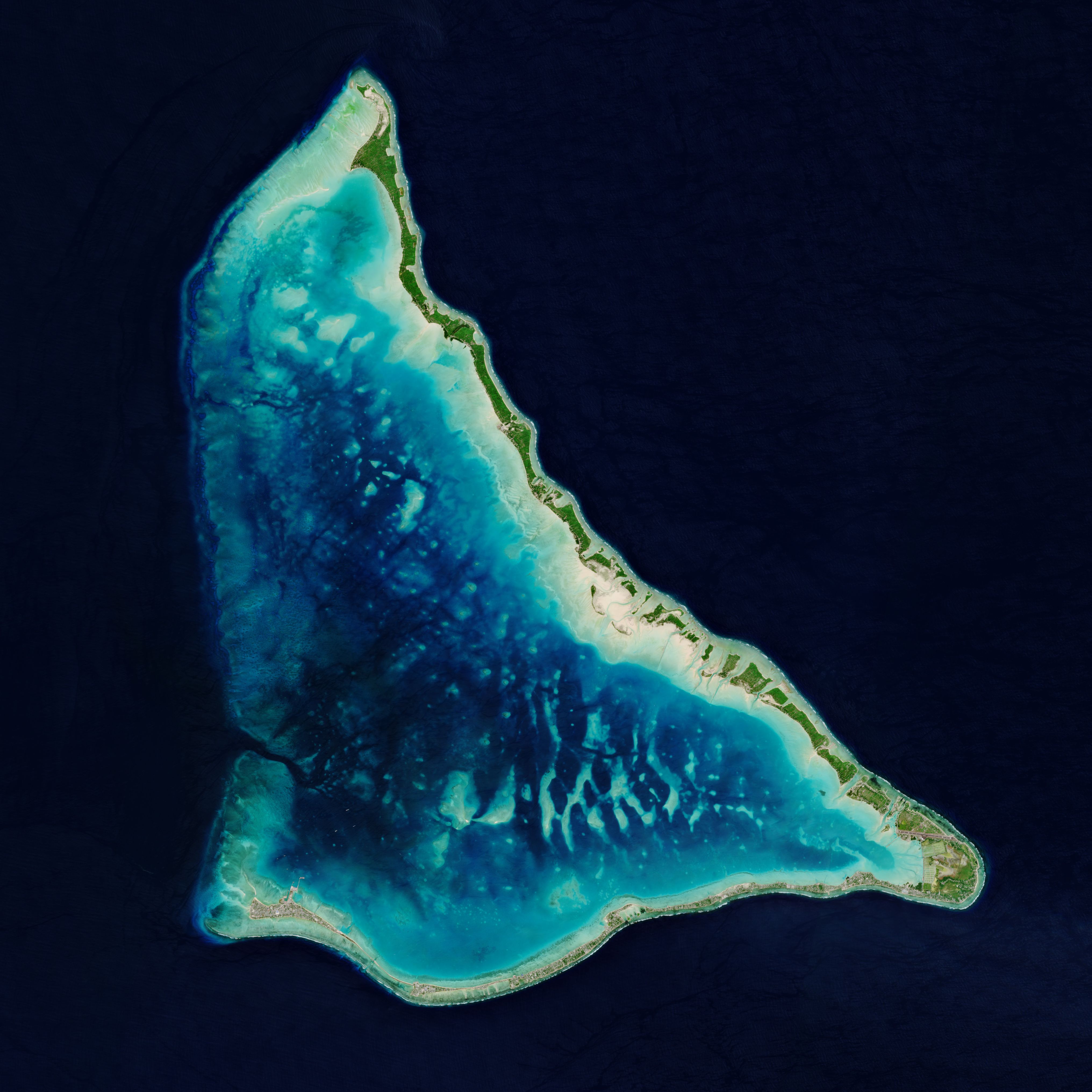
Kiribati, correctly pronounced “kiri-bas,” is among the least-visited countries globally, with this Pacific island chain being the only country in the world to touch all four hemispheres. This small island nation of 131,000 people welcomed only about 2,000 visitors in 2022. The Phoenix Islands Protected Area (PIPA), part of Kiribati, is one of the largest marine protected areas on Earth and represents an untouched wilderness home to rare seabird colonies, giant clam gardens, and healthy coral ecosystems.
The isolation that keeps tourist numbers low also preserves Kiribati’s natural splendor. Known for its idyllic beaches, clear lagoons, and rich cultural heritage, Kiribati is a haven for those seeking a peaceful escape where visitors can explore pristine coral reefs and enjoy a slower pace of life.
Papua New Guinea: One of Earth’s Last Frontiers
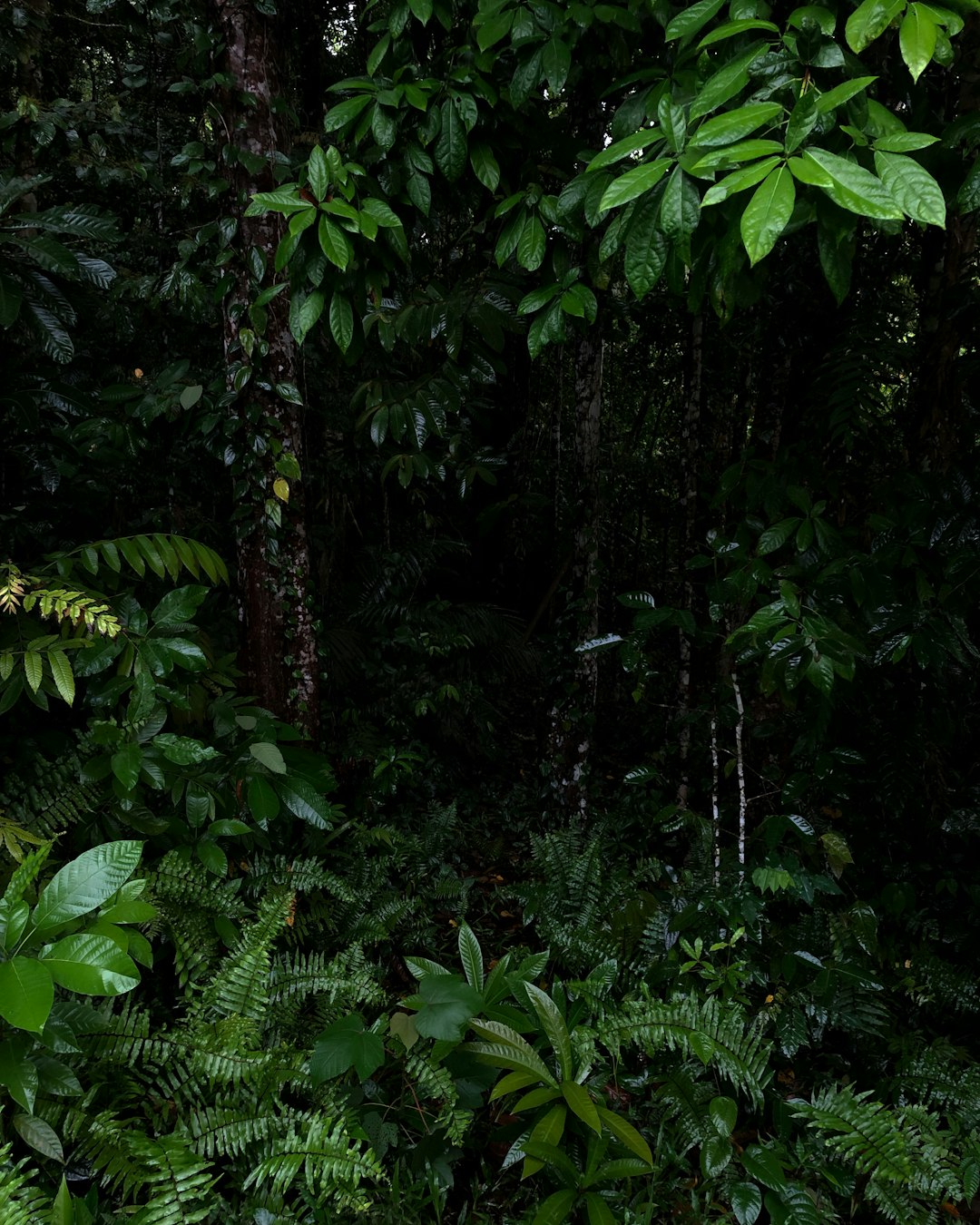
Papua New Guinea is one of the most rural and least explored places in the world, where scientists believe that many of the world’s undiscovered species of plants and animals exist in the jungle interior of the country. Exploitation of the country’s vast natural resources has been hampered by rugged terrain, as well as the difficulties with the legal system and the high cost of developing infrastructure. Because of all these human problems, the landscape remains largely tough and untouched.
With more than 70% of the country blanketed by tropical rainforests, Papua New Guinea (PNG) is a megadiverse country home to more than 5% of the world’s biodiversity, including charismatic tree kangaroos, egg-laying echidnas and flightless cassowaries. However, since 1972, an estimated 20-30% of the country’s rainforest has been lost or degraded due to logging, road construction, agricultural expansion and mining. Still, vast wilderness areas remain completely untouched by modern development.
Tuvalu: Polynesian Culture Preserved
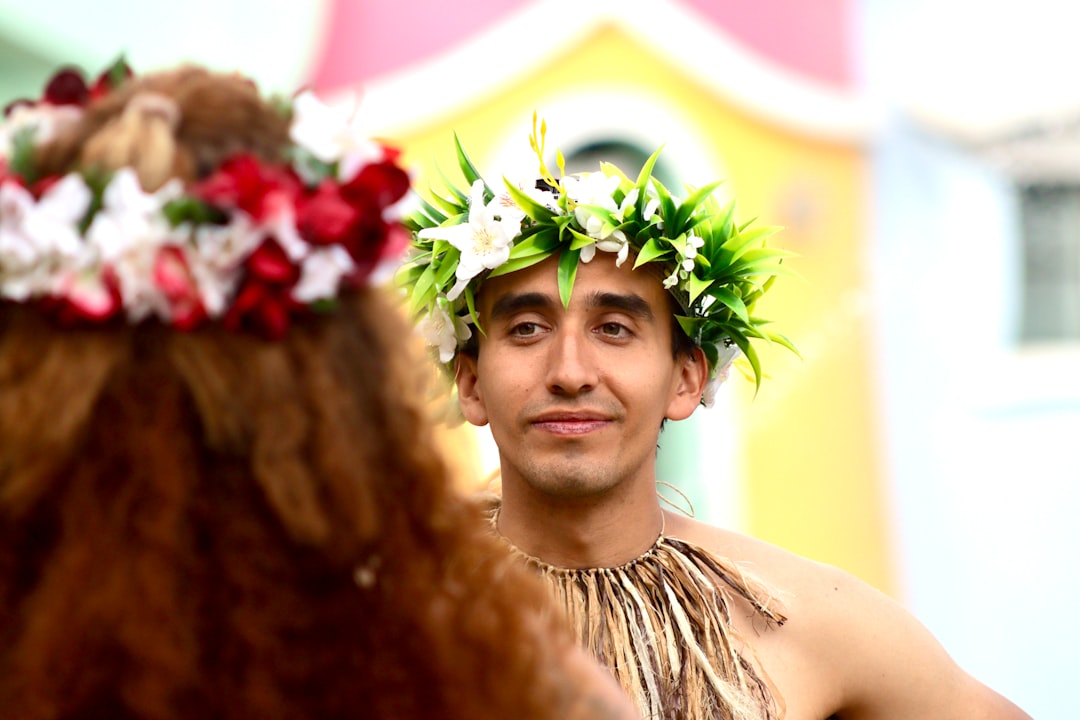
Tuvalu, another Pacific island nation, is renowned for its stunning lagoons, vibrant marine biodiversity, and rich Polynesian culture. With a population of just over 10,000 people spread across nine small islands, Tuvalu offers a glimpse into a way of life that remains largely untouched by the outside world. Visitors can immerse themselves in traditional island culture, learning to dance the fate, weaving intricate handicrafts, or feasting on fresh seafood caught by local fishermen.
For nature enthusiasts, Tuvalu’s pristine coral reefs and abundant birdlife offer endless opportunities for exploration and discovery. The country’s commitment to maintaining its traditional ways while protecting its marine environment makes it a remarkable example of sustainable living.
Namibia: Africa’s Untouched Wilderness
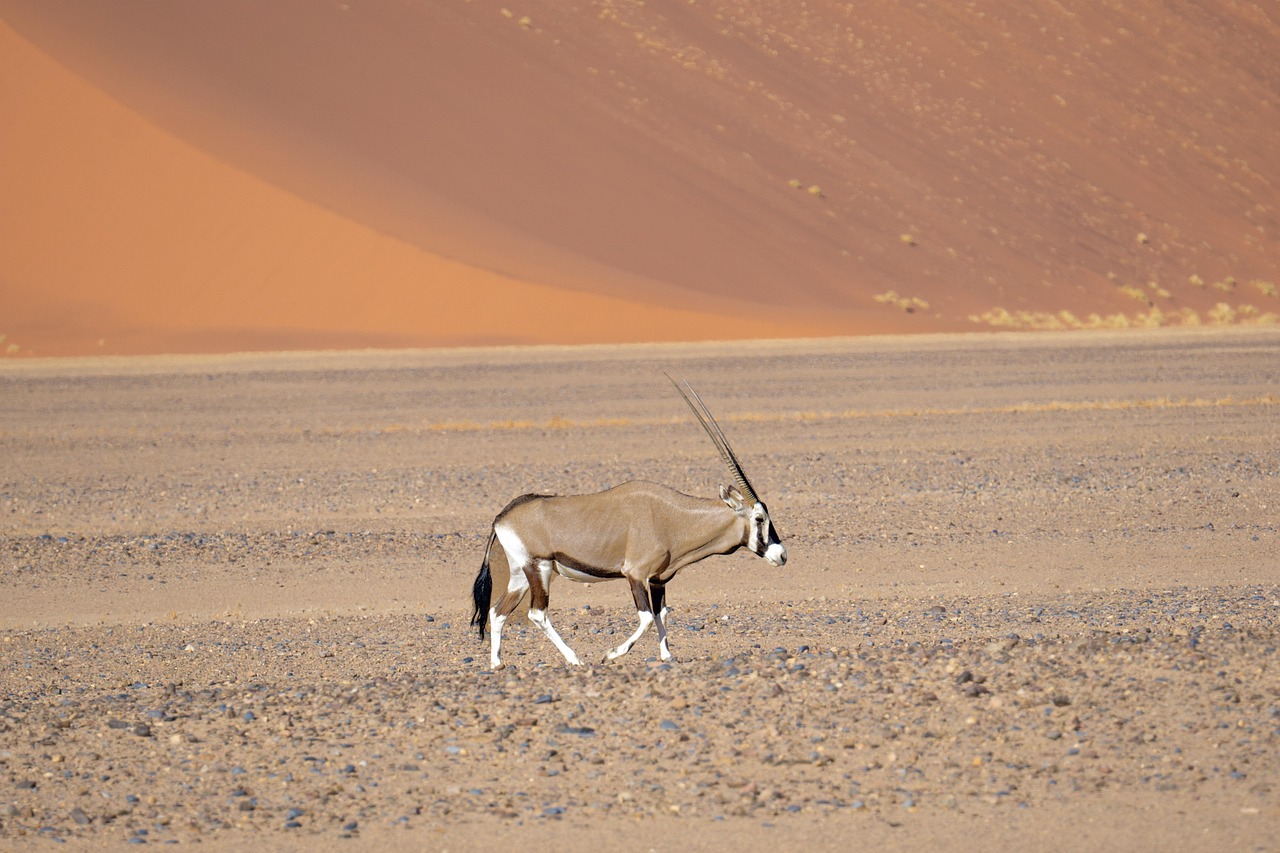
Namibia is one of the most sparsely populated countries in the world, where the southern African country gets its name from the Namib Desert and is home to an estimated 2,500 cheetahs, representing approximately a quarter of the world’s cheetah population. With giant dunes, ancient petroglyphs, craters and waterfalls, Namibia is one of the most untouched landscapes in Africa. It’s also one of the only countries to preserve the health of its ecosystem in its constitution.
The vast Namib Desert, stretching along the Atlantic coast, remains virtually unchanged from its ancient state. Wildlife roams freely across enormous reserves, and indigenous communities maintain their traditional relationships with the land.
Nauru: The World’s Smallest Island Nation
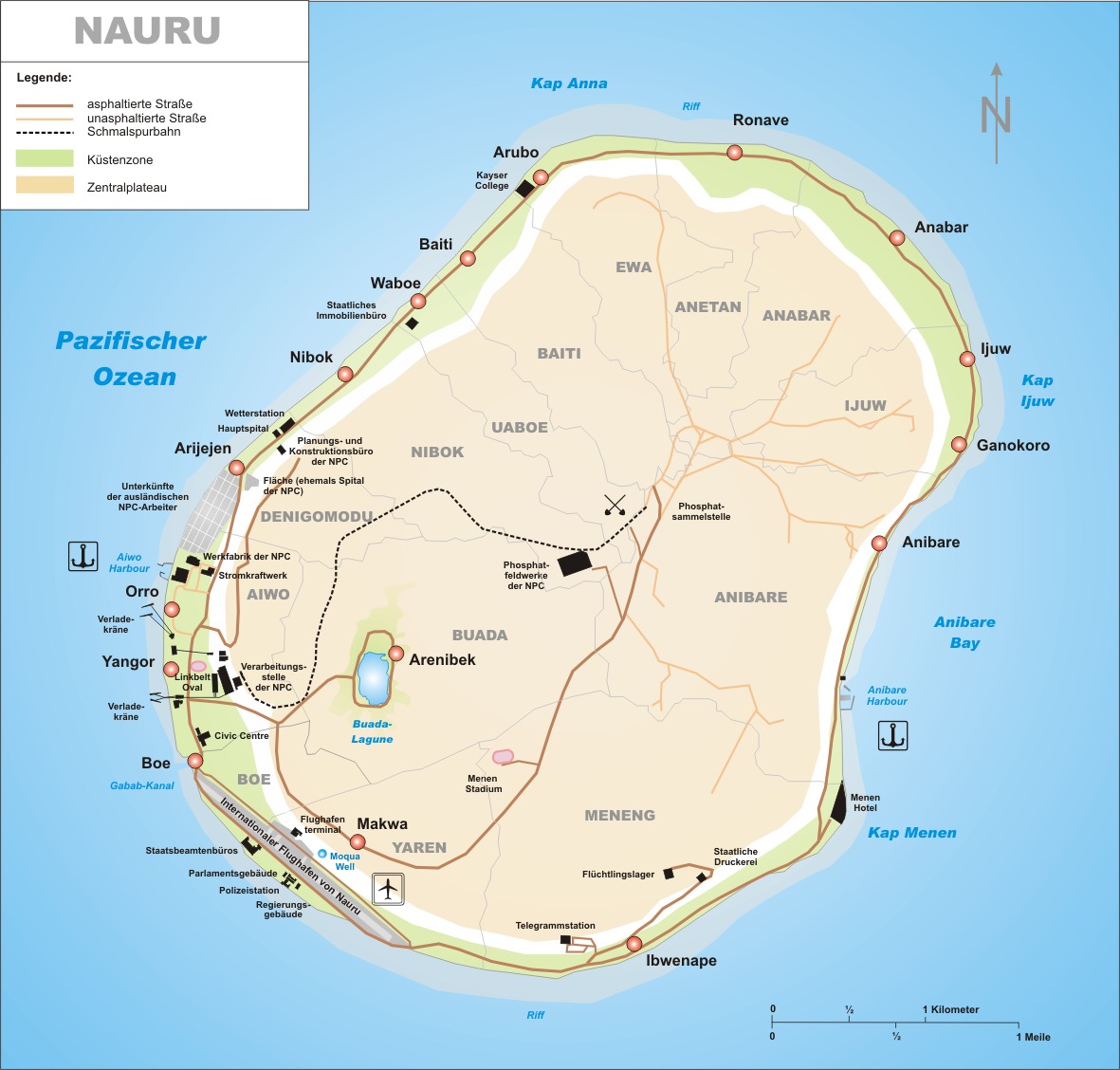
Nauru, a tiny island nation in the Pacific Ocean, is among the least visited countries in the world. Despite its diminutive size, this coral island offers a wealth of natural beauty, with pristine beaches, crystal-clear waters, and a laid-back atmosphere that beckons weary travelers seeking respite from the hustle and bustle of modern life.
Though Nauru has faced environmental challenges from past phosphate mining, significant portions of the island remain untouched. Its isolation in the Pacific ensures that mass tourism has never taken hold, preserving its authentic island atmosphere.
São Tomé and Príncipe: Gulf of Guinea’s Hidden Gem
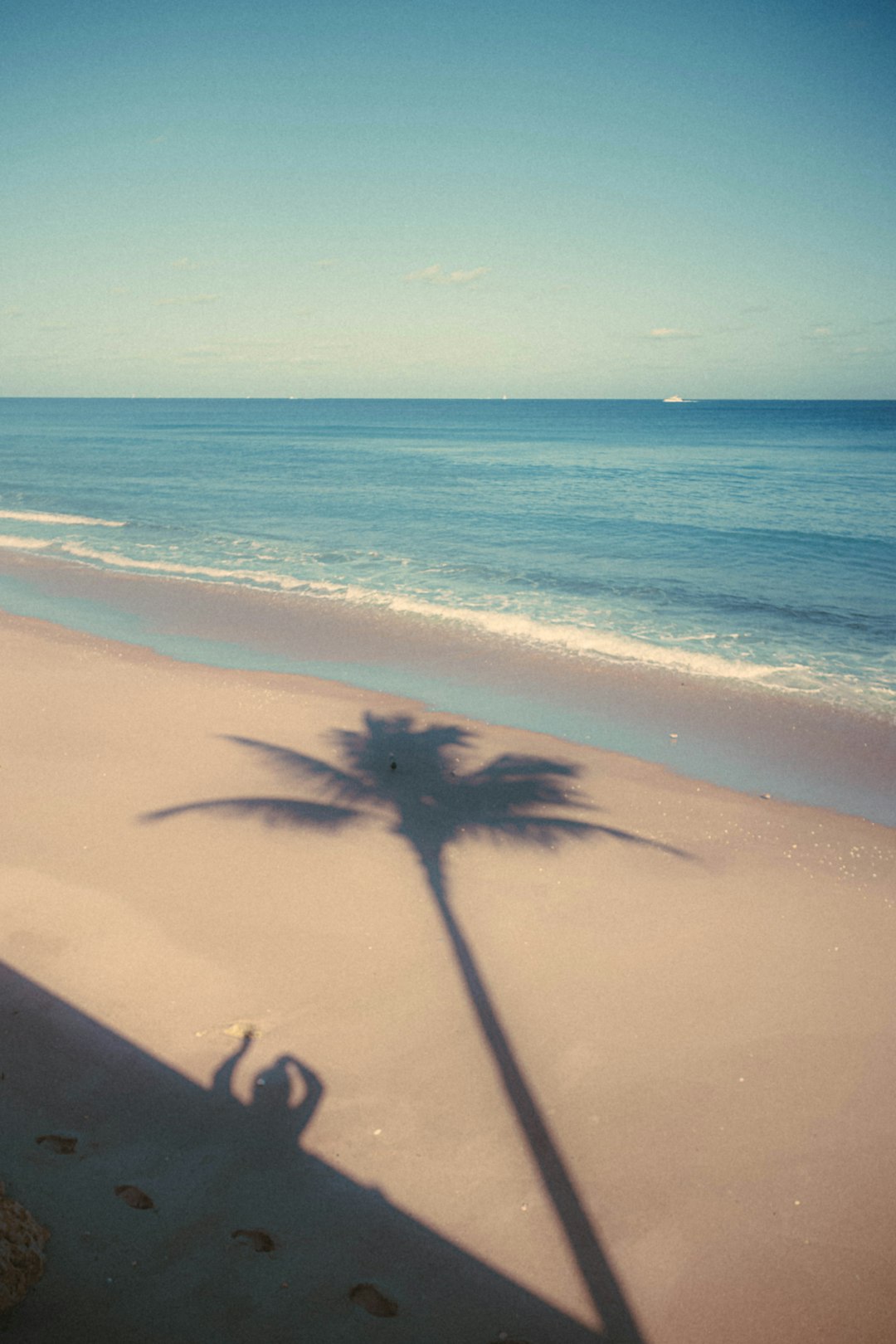
São Tomé and Príncipe, nestled off the coast of Central Africa, is a tropical paradise waiting to be explored. With lush rain forests, cascading waterfalls, and secluded beaches, this island nation offers a perfect blend of adventure and relaxation. Visitors can trek through dense jungle trails in search of rare wildlife, swim beneath towering waterfalls hidden in the heart of the island, or simply unwind on pristine beaches fringed by swaying palm trees.
The volcanic islands remain largely undiscovered by mainstream tourism. Dense rainforests cover much of both islands, harboring endemic species and pristine ecosystems that scientists are still studying.
Comoros Islands: Volcanic Paradise
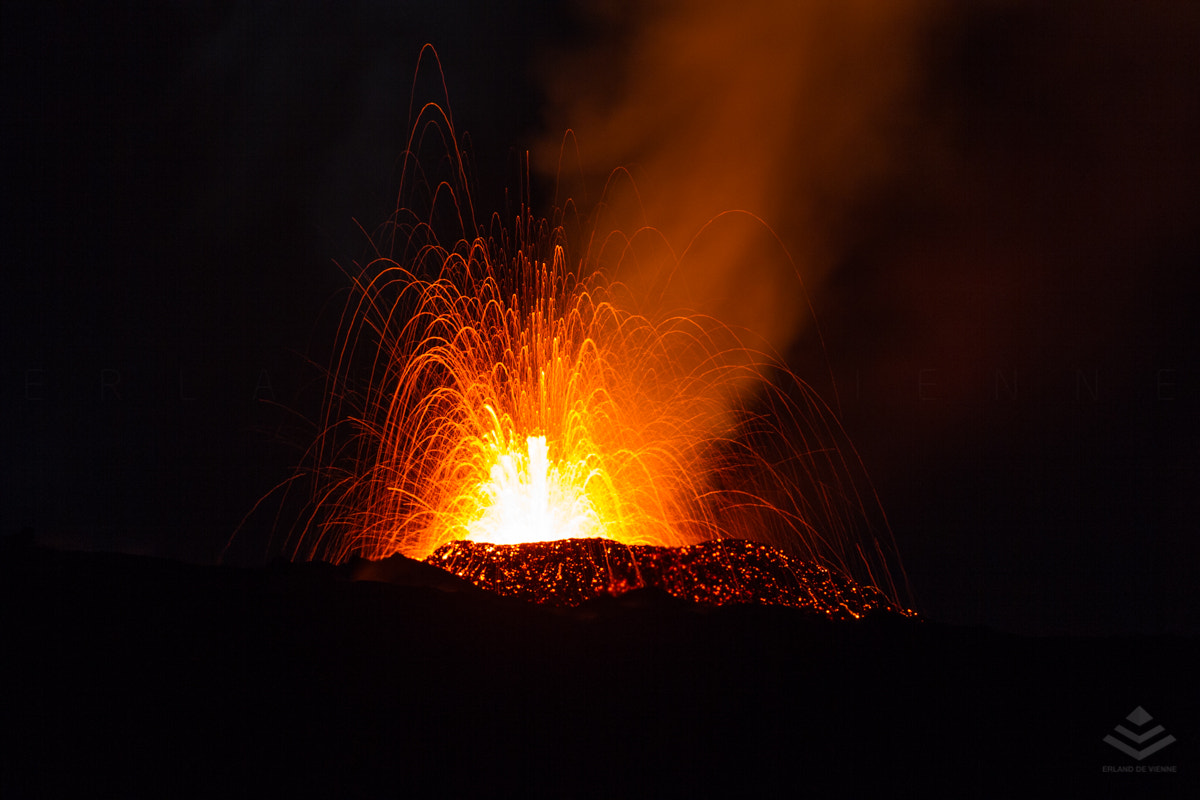
Located off the east coast of Africa, the Comoros Islands are a hidden gem waiting to be discovered. With their volcanic landscapes, lush tropical forests, and turquoise waters, these islands offer a paradise for nature lovers and adventure seekers alike. Visitors can hike to the summit of towering volcanoes, explore ancient lava tunnels, or snorkel among vibrant coral reefs teeming with life. For those seeking cultural immersion, the Comoros’ blend of African, Arab, and French influences provides a unique and enriching experience, from bustling markets to traditional music and dance.
The limited tourism infrastructure actually works to preserve the islands’ natural character. Active volcanoes, pristine coral reefs, and dense forests remain largely undeveloped, offering glimpses of what tropical islands looked like before modern tourism.
These seven countries represent some of our planet’s last unspoiled frontiers. Lesser-visited countries offer unspoiled natural beauty and authentic experiences. In 2025, travelers are increasingly looking to avoid overtourism and opt for destinations that offer authentic experiences away from the crowds. While the countries listed above might be among the least visited, they provide unique opportunities to experience unspoiled beauty, cultural immersion, and peaceful surroundings.