5 Essential Home Appliances You Should Swap Out Before the 10-Year Mark
Refrigerators: The Silent Energy Hog in Your Kitchen
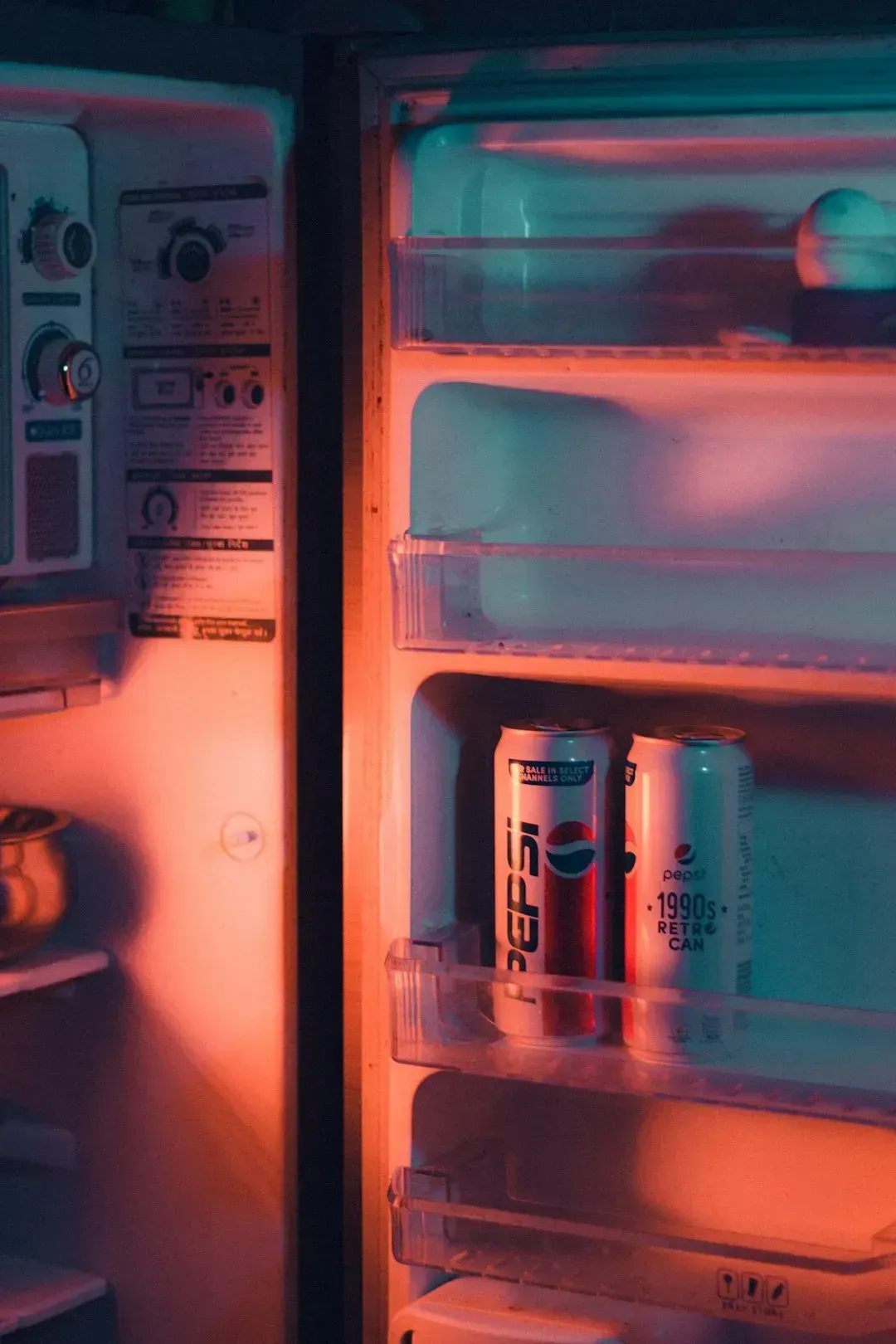
Your refrigerator runs day and night, every single day of the year, quietly keeping your food fresh while you barely notice its presence. Yet most homeowners have no clue when their fridge is starting to fail them. According to the Department of Energy, the average life of a refrigerator is 12 years, but waiting that long can cost you dearly. Lifespans for many major appliances have shortened in recent years, mainly due to the additional bells and whistles in today’s electronically-controlled models, according to industry sources.
Here’s the thing most people miss: refrigerators don’t just suddenly die one day. They gradually lose efficiency, forcing them to work harder and consume more electricity. American households reportedly spent more on appliances in 2023 than in 2013. The most reliable refrigerator brands maintain failure rates below 15% over 10 years, while the worst brands see up to 33% of units requiring repairs within just 5 years of purchase.
If your fridge is approaching the eight to nine year mark, you should seriously consider replacement rather than waiting for catastrophe. Food spoiling faster than expected, excess condensation inside the unit, and unusually warm exterior surfaces are telltale signs your refrigerator is struggling. Upgrading before total failure means you avoid the emergency rush and the risk of losing hundreds of dollars worth of groceries.
Washing Machines: Before They Flood Your Laundry Room
On average, washers last about 10-12 years and the exact lifespan depends on usage, maintenance, and the model’s build quality. Yet that decade mark isn’t some magical number where your washer peacefully retires. Reality is far messier. According to Consumer Reports surveys of more than 100,000 washers, around 20 percent had significant issues soon after purchase between 2011 and 2021.
Let’s be honest about what happens when washing machines age poorly. They leak. They make ungodly rattling noises that wake the entire household. They leave clothes soaking wet after the spin cycle finishes. Technicians report that modern appliances often require repairs sooner than expected due to their complexity, painting a starkly different picture than manufacturer claims. The complexity of modern washers, packed with sensors and electronic controls, creates countless failure points.
Replacing your washing machine around the seven to eight year mark makes practical sense. You beat the odds of catastrophic failure and water damage to your floors. More importantly, newer models use drastically less water and electricity, which means real savings on your monthly utility bills month after month.
Water Heaters: The Ticking Time Bomb in Your Basement
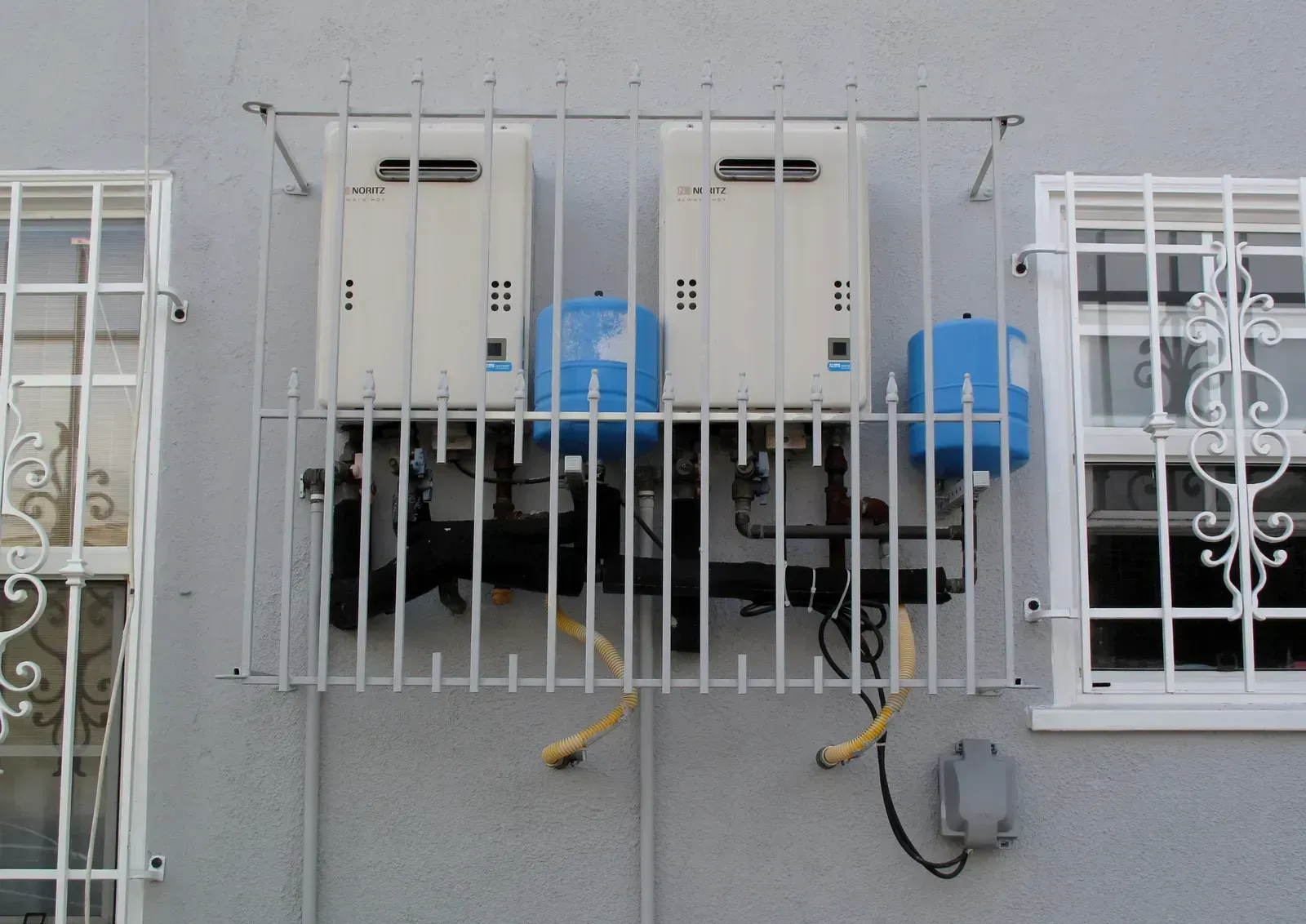
As a general rule, a conventional water heater with a tank will have an average lifespan of 8 to 10 years. They can even live up to 12 with a mixture of attentive maintenance and sheer good luck. Most people never think about their water heater until it fails, and when it does, the results can be devastating. A ruptured tank doesn’t just mean cold showers; it means flooding that can damage your entire basement or utility closet.
With regular inspection, draining, and flushing, you can expect a gas water heater to last anywhere from 8-12 years and an electric water heater to last anywhere from 10-15 years. The problem is that hardly anyone performs this regular maintenance. Sediment builds up at the bottom of the tank over years of use, causing the metal to become brittle and vulnerable to cracks. Rust colored water coming from your taps should immediately alarm you.
Smart homeowners replace water heaters proactively around the eight year mark for tank models. Any single repair costing over $450 on a water heater over five years old should be a clear sign that it’s time to ask your plumber about buying a new one. Tankless models offer even better value with lifespans extending beyond 20 years, though they require higher upfront investment. The peace of mind knowing you won’t face emergency replacement during winter is absolutely worth the proactive approach.
Dishwashers: When Clean Dishes Become a Memory
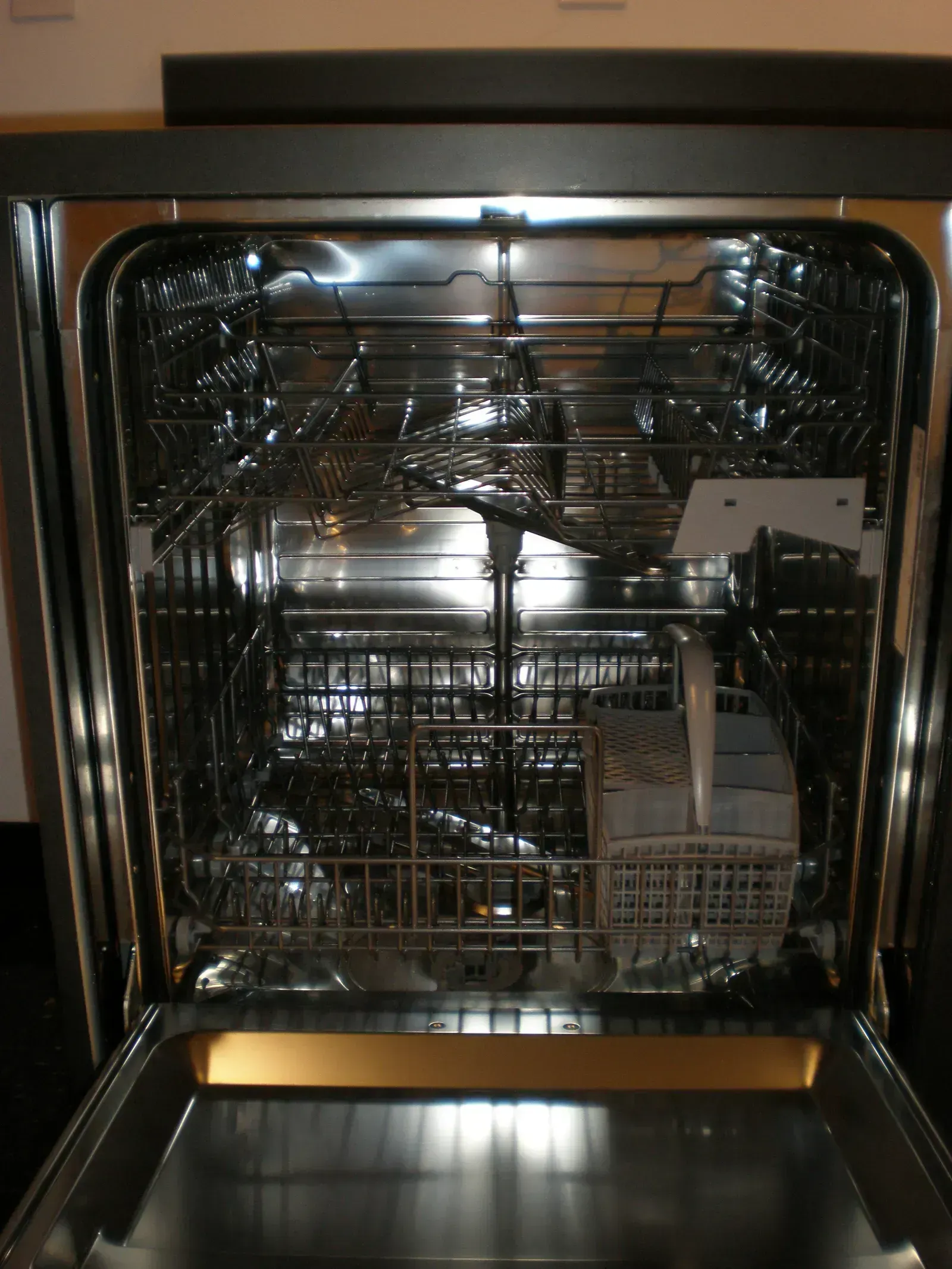
Exceeding the average 10-to-12-year lifespan is also a warning sign even with exemplary maintenance. Most parts experience wear after a decade of cycles that result in frequent problems down the road no matter the TLC provided. Your dishwasher works harder than you realize, cycling through extreme temperature changes and water pressure variations multiple times per day in busy households.
Dishwashers usually last around 7 to 12 years, though this varies significantly based on brand quality and usage patterns. The frustration of running a full cycle only to open the door and find food particles still clinging to your supposedly clean plates signals declining performance. Water pooling at the bottom after cycles complete, strange grinding noises during operation, and dishes emerging still wet after the dry cycle all indicate your dishwasher is approaching its end.
Replacement around the eight to nine year mark prevents the headaches of repeatedly washing dishes by hand while waiting for repairs or emergency replacements. Miele dishwashers are some of the longest-lasting on the market with performance made to last 15–20 years, though premium models command significantly higher prices. Mid-range reliable brands offer solid 10-year performance at reasonable costs, making strategic replacement far more economical than nursing an aging unit along.
Clothes Dryers: Before They Become Fire Hazards
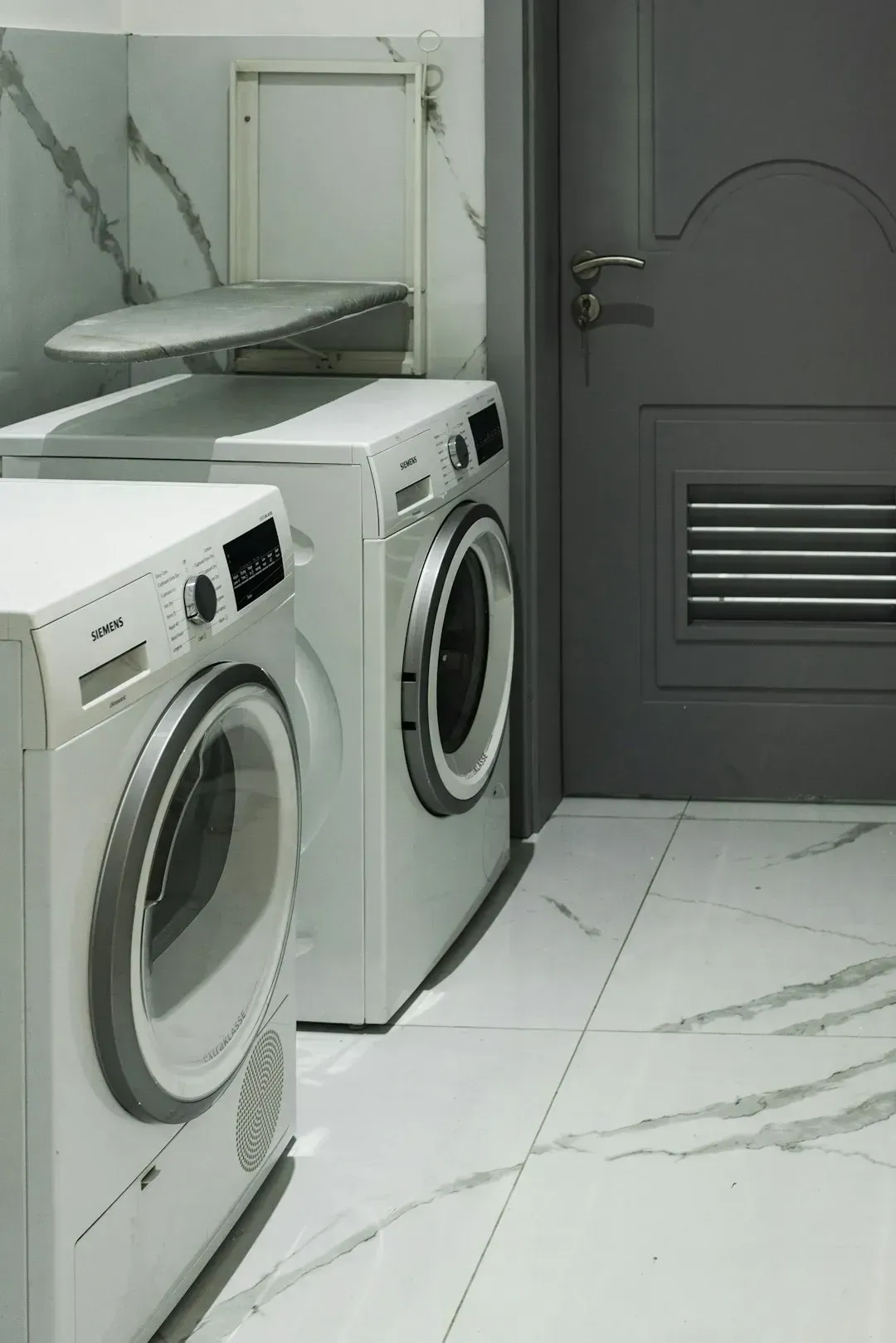
Dryers tend to last longer than washing machines, typically seven to 12 years. That longer lifespan creates a false sense of security that can turn dangerous. Dryers generate intense heat cycle after cycle, year after year. Lint accumulation in vents and internal components creates serious fire risks that worsen as machines age. Dryers contend with high heat for long periods of time and venting challenges. In a busy family home, the appliances both run as often as several times a day, so these machines work and work with very little respite.
Clothes taking noticeably longer to dry signals declining heating element performance or restricted airflow from lint buildup. Excessive heat on the outside of the machine, burning smells during operation, or loud thumping noises all indicate components wearing out. The Consumer Product Safety Commission reports thousands of dryer fires annually, many involving older units with compromised safety features.
Replacing dryers around the nine year mark balances maximizing appliance value with minimizing fire risk. Newer models incorporate better safety features and far superior energy efficiency. The extended drying times of aging dryers waste both electricity and your valuable time. When your dryer shares the same age as your washer, replacing both simultaneously often nets package deal savings from retailers eager to move inventory.