Wait Before You Fly: 10 Airlines Americans Say They Will Never Fly Again
Air travel in America is in a peculiar state right now. On paper, more people are flying than ever. In practice, the frustration is equally record-breaking. Complaints lodged against U.S. airlines hit another record in 2024, rising by nearly 9%, even though passenger volume rose by only 4% compared with 2023, according to U.S. PIRG Education Fund’s analysis of U.S. Department of Transportation data.
For years, the top three complaint categories have been refunds, cancellations and delays, and baggage, comprising nearly three-fourths of all complaints filed. It’s not a pretty picture. Some airlines keep showing up on these lists year after year, and passengers have had enough. Here are 10 airlines Americans say they simply will not fly again, backed by the latest data.
1. Frontier Airlines: The Undisputed Champion of Complaints
Let’s be real. When an airline leads the nation in passenger complaints three years in a row, it’s not a coincidence. It’s a pattern. For the third year in a row, Frontier had the most complaints per 100,000 passengers among the 10 largest airlines, considerably worse than the carrier with the second-highest ratio, Spirit.
Frontier again had the worst ratio of complaints to boarded passengers, the benchmark the DOT uses, with a complaint ratio of 23.3 per 100,000 passengers – more than 10 points higher than the next worst airline, Spirit, at 12.8. That gap is staggering when you put it into perspective. It’s like failing a test while everyone else is at least scraping by.
Frontier’s controversial hidden fees for everything from baggage, including carry-ons, to in-flight beverages quickly make it far less affordable than it appears, and the airline is also frequently ranked low in customer satisfaction due to its poor performance. Frontier sits at the bottom of the pack regarding customer dissatisfaction with an ACSI score of 65, down six percent from the prior year, a decline attributed to increased competition in the budget sector and service quality issues.
In the Wall Street Journal’s 2025 airline rankings, American and Frontier tied for last place, making it a return trip for Frontier. Honestly, at this point, Frontier’s reputation precedes it in a way that no marketing budget can fix.
2. Spirit Airlines: A Bankruptcy-Shaped Nightmare
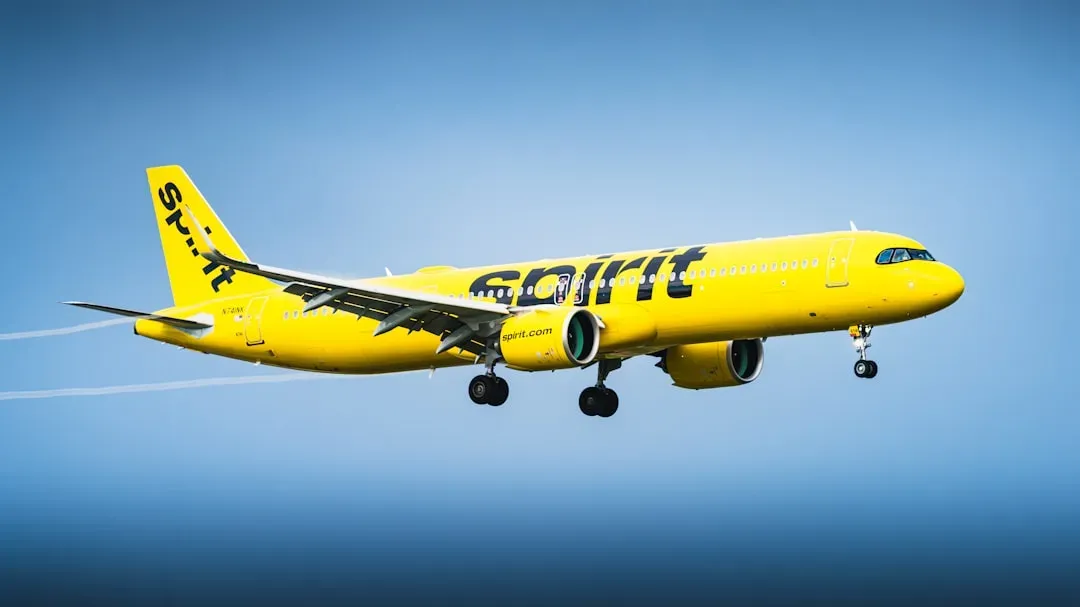
Spirit has had a turbulent few years, and that’s putting it very gently. Spirit’s financial challenges stem from mounting debt, rising costs, a failed merger attempt with JetBlue, and intense competition, and after initially filing for Chapter 11 in November 2024 and exiting that restructuring in early 2025, unresolved financial pressures led the airline to seek bankruptcy protection again in August 2025.
Passengers of Spirit Airlines, which has filed for Chapter 11 bankruptcy twice, have faced cancellations, delays, and headaches as the budget airline has struggled to retain crews and flight attendants, with its bankruptcy proceedings leading to over 250 flight cancellations in February alone, creating chaos for passengers at Fort Lauderdale, Palm Beach, and Orlando airports.
According to flight data from Las Vegas’s Harry Reid Airport, Spirit Airlines saw a 46 percent decline in arrivals and departures in September compared to a year prior, with the airline’s year-to-date flights marking a 34 percent drop from the same period in 2024. Its complaint ratio sat at 12.8 per 100,000 passengers, making it the second-worst carrier in the country. Passengers who once tolerated its stripped-down model have clearly reached their limit.
3. American Airlines: The Giant That Keeps Stumbling
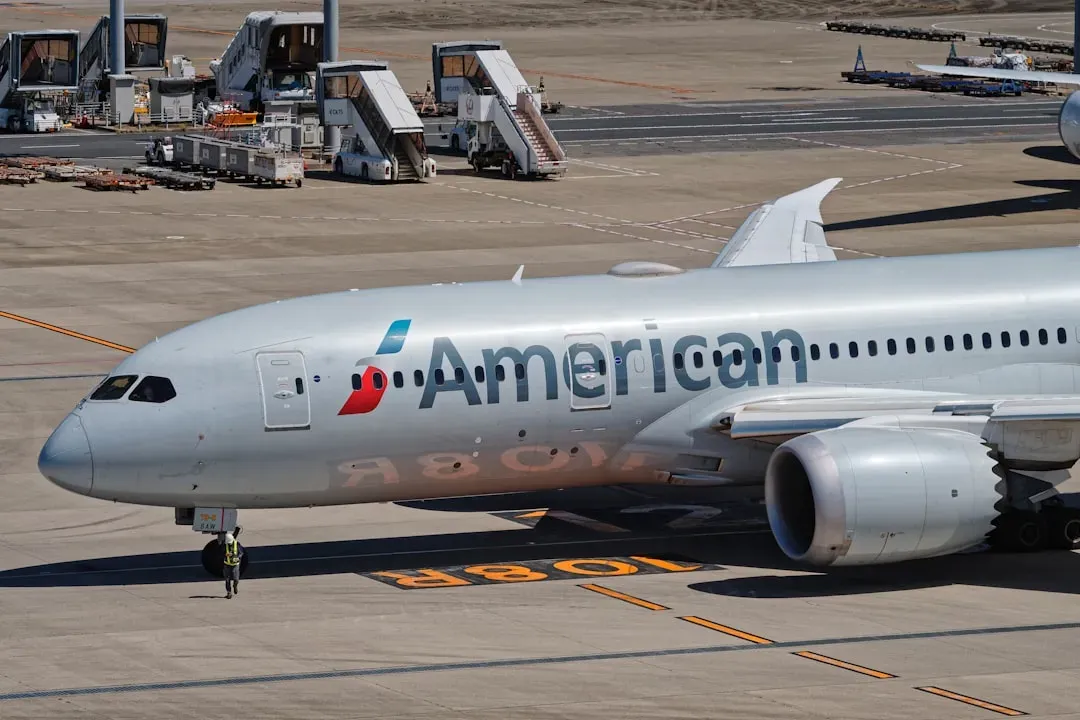
American Airlines is the kind of carrier you expect more from. It’s one of the largest airlines in the world, after all. Yet the gap between its size and its service quality has become almost impossible to ignore. American and Frontier no doubt were happy to say goodbye to 2025, as both had serious reliability problems, and early in the year, an Army helicopter collided with an American Airlines regional jet, killing 67 people.
During the first week of November 2025, American Airlines canceled over 400 flights on several domestic and international routes, with most cancellations on domestic routes though international travelers were affected as well. At major hubs such as Dallas-Fort Worth, Miami, Chicago, and Charlotte, travelers were left stranded in airports for hours.
Most reviewers were let down by their experience overall, with many customers expressing significant dissatisfaction with the service provided, highlighting issues with staff behavior and customer support, and frequently encountering unhelpful and rude employees with a tendency to deflect problems rather than resolve them. American Airlines also canceled 2.2% of its flights, more than any airline in the Wall Street Journal’s scorecard.
4. JetBlue: The Promise That Faded
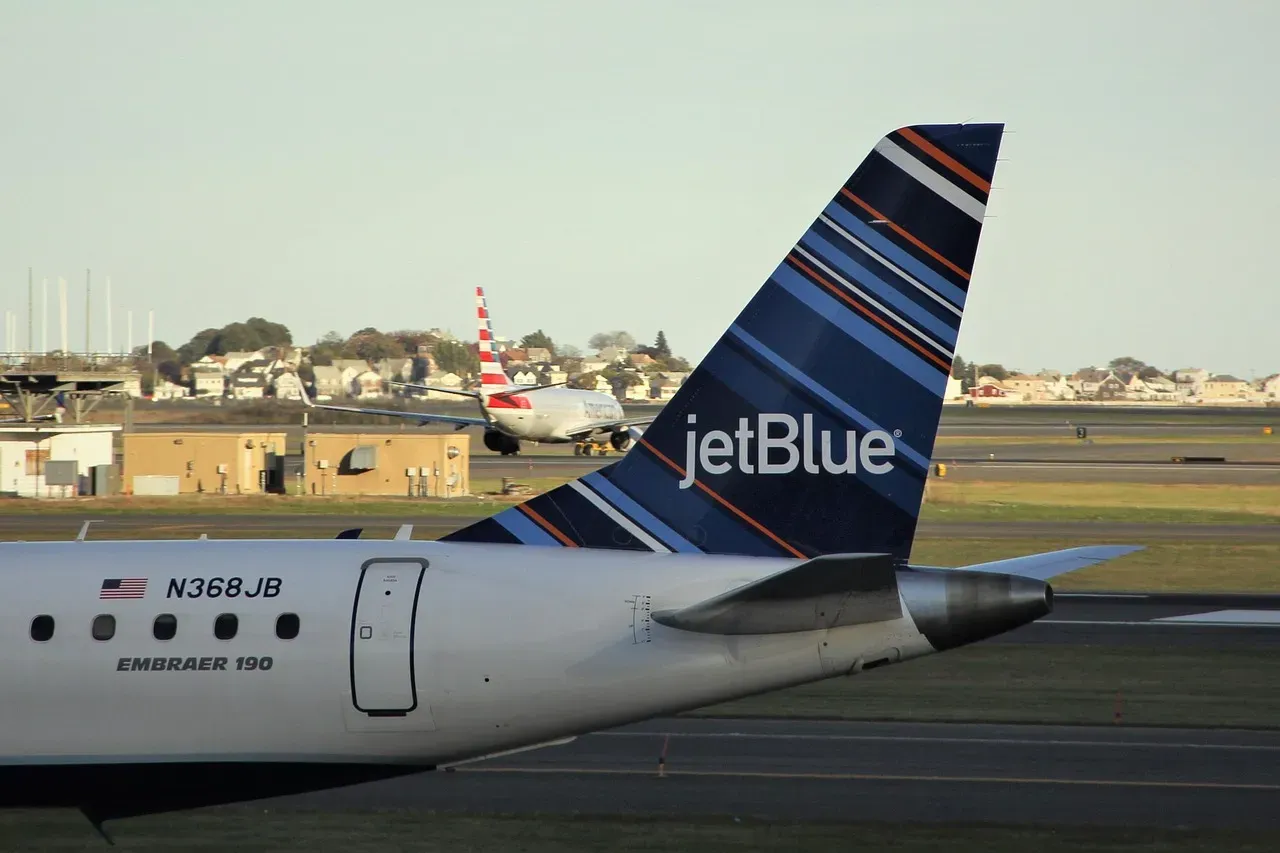
JetBlue once had a reputation that rivaled the best in the industry. Nice seats, solid entertainment, decent snacks. It felt like the airline that actually tried. Somewhere along the way, something changed. JetBlue recorded the third worst complaint ratio among U.S. airlines, coming in at 10.4 per 100,000 passengers in 2024.
A close call at Boston Logan involved a chartered jet taking off as a JetBlue flight was arriving on an intersecting runway, with the planes getting within about 400 feet of one another before the JetBlue flight landed safely after a go-around. That incident alone rattled a lot of nerves. Safety incidents and service declines together are a particularly toxic combination for passenger trust.
JetBlue did rank second after Allegiant in baggage handling, posting a mishandled-bag rate of 3.06 per 1,000 passengers, which is actually better than the industry average. Still, a complaint ratio nearly 50% above the industry average is hard to overlook. The brand equity JetBlue built over years is draining fast.
5. United Airlines: Lost Bags and Lost Trust
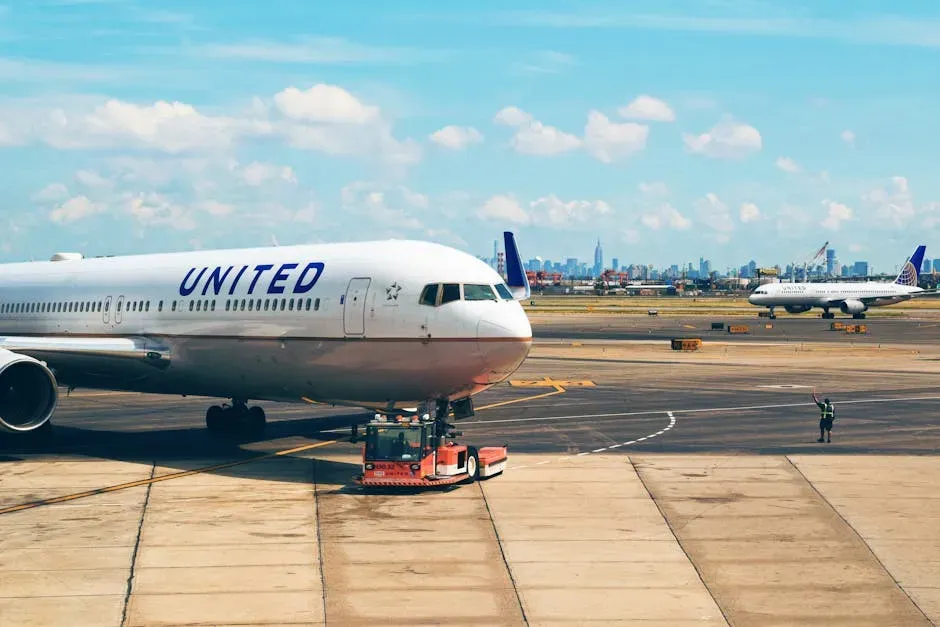
United Airlines is a carrier with a deeply divided fan base. Some passengers swear by it; others have vowed never to return. The data lately leans toward the latter camp. United had the worst showing among the nine airlines surveyed in the Wall Street Journal’s scorecard for baggage, with a mishandled-bag rate of 7.07 per 1,000 passengers, compared to an industry average of 5.11.
Think about that for a moment. A bag check is essentially a promise. You hand over your belongings and trust the airline to get them where you’re going. United is breaking that promise at a rate significantly above what any traveler should accept. United’s passenger reviews sit at just 3.3 out of 10, with 3 out of 5 on Skytrax, and high complaint search volume for such a large network.
United has friends who swear by the carrier, yet over a decade of experience for many travelers has been one of seeing rude, unhappy staff giving poor customer service. There are also real operational concerns. A Delta Air Lines flight and a United Airlines flight came within a couple thousand feet of each other near Phoenix Sky Harbor Airport in January 2025, before collision warnings sounded and pilots maneuvered apart safely.
6. Allegiant Air: Cheap Tickets, Expensive Surprises
Allegiant is an interesting case. On some metrics, it actually performs well. Allegiant Air reported the nation’s lowest number of bag mishandling complaints in 2024 according to an extensive PIRG study, and the same study found that Allegiant didn’t bump a single passenger all year. That sounds almost too good to be true. In a sense, it is.
Hidden fees for baggage and a general lack of services inevitably decrease customer satisfaction, with snacks coming at additional cost on this budget carrier, and Allegiant even made headlines when it was priced out of LAX due to rising operating costs. It’s a bit like a hotel that makes the bed perfectly but charges you extra to use the shower.
Allegiant’s passenger reviews sit at 2.8 out of 10, with persistent value-carrier complaints around comfort and add-on fees, and frequent complaints tied to fees, punctuality, and customer contact hurdles. For travelers who have been burned by unexpected charges at the gate, Allegiant lands firmly on the “never again” list.
7. Southwest Airlines: A Loyalist’s Heartbreak
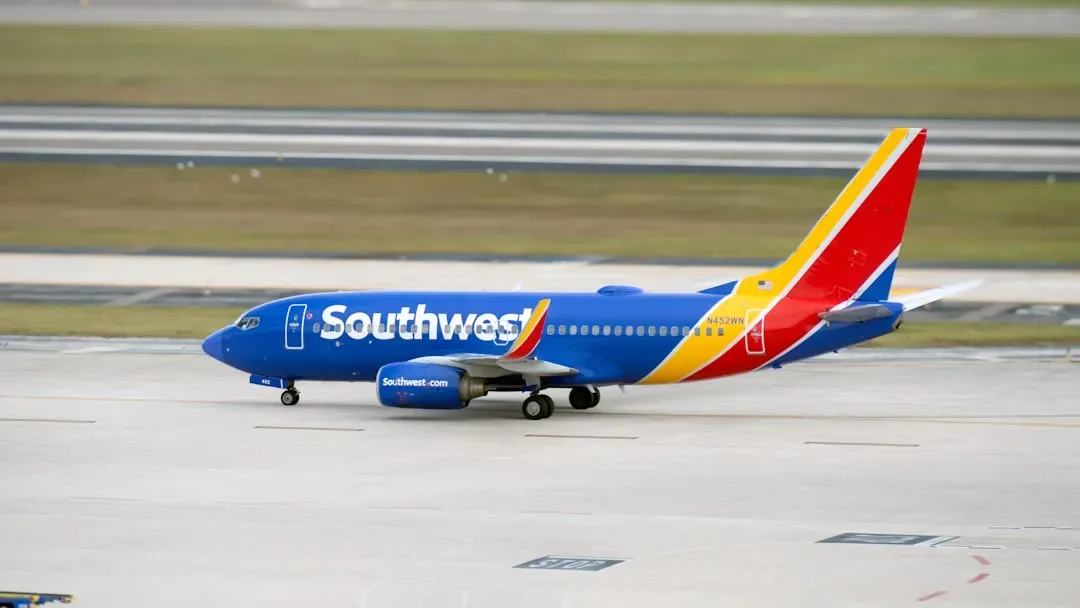
This one is complicated, and honestly, a little sad. Southwest used to be the people’s airline. Bags fly free. Open seating. A genuinely friendly vibe. Then 2022 happened, and a catastrophic holiday meltdown stranded hundreds of thousands of passengers. That holiday collapse left scars that took years to heal.
Then came the policy changes. Since Elliott Investment Management acquired an 11% stake in the airline, Southwest has started making substantial changes to its policies, including converting to assigned seating while charging fees for selected seats, redesigning aircraft to offer premium seating options, dismissing hundreds of management staff, and decreasing loyalty point rewards across most fare types.
A lot of flyers aren’t too happy with Southwest right now for phasing out its iconic open seating and bags-fly-free policy, and the airline even counted one passenger’s single photograph as a personal item. That said, Southwest had the best complaint ratio at 1.5 per 100,000 passengers, suggesting that operationally, it still outperforms most. The bitterness here is less about broken planes and more about a broken promise to loyal customers.
8. Delta Air Lines: A Meltdown That Americans Remember
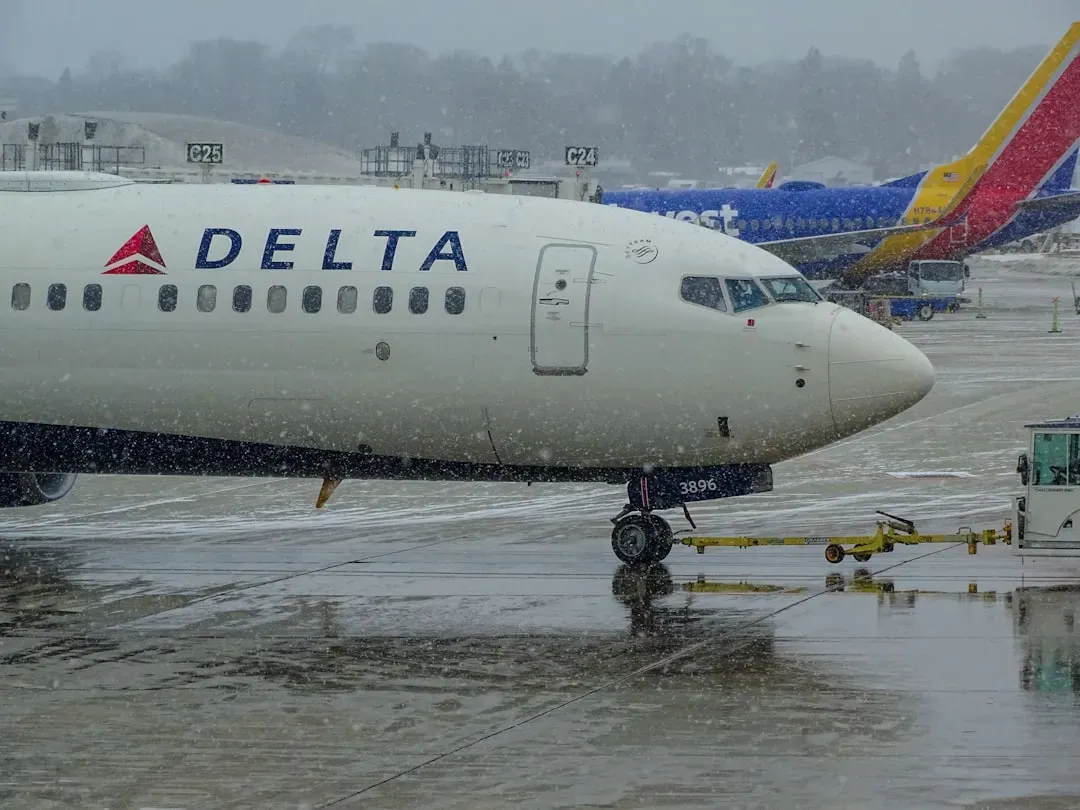
Delta has long held the crown as America’s best major airline. But the summer of 2024 reminded everyone that even the top performers can fall spectacularly. Perennial winner Delta was tops in on-time arrivals again but landed in third place overall because of an increase in flight cancellations, tarmac delays, and submissions to the Transportation Department, with data since the CrowdStrike tech outage in summer 2024 showing a surge in complaints in July and August.
Here’s the thing about a tech outage that grounds an entire airline. It’s not just a bad day. It’s a systemic trust issue. Thousands of passengers stranded. Families separated. Vacations destroyed. Delta’s stock plummeted more than 38% in 2025, a signal that investors, like passengers, were losing confidence.
Airport workers surveyed the site of a Delta Air Lines plane crash that injured at least 18 passengers at Toronto Pearson International Airport in February 2025. Combined with the CrowdStrike fallout, Delta faced a reputational mountain in 2025 and 2026. Delta vows to return to the top spot in 2026, but for a segment of passengers, the damage may already be done.
9. Alaska Airlines: A Safety Scare That Shook Everyone
Alaska Airlines had been a quiet success story for years. Low complaints. Loyal following. Strong regional reputation. Then January 2024 brought something nobody was ready for. A door blew off an Alaska Airlines jet mid-flight, and more recent incidents have lingered in the public consciousness. That is not a minor operational hiccup. That is a nightmare with wings.
Alaska was number one in customer satisfaction the prior year, but due to the MAX 737 accident in early 2024, its rating dropped 7% from 82 to 76 according to ACSI data. A seven-point drop in one year is significant. It reflects genuine, measurable passenger fear. You can’t market your way out of a door blowing off a plane at 16,000 feet.
To be fair, Alaska still performs reasonably well on DOT complaint metrics, with a complaint ratio of just 2.6 per 100,000 passengers, second only to Southwest. For many Americans, though, the visual of that door-plug incident is burned into memory in a way that no recovery effort can fully erase. It is hard to say for sure how long that reputational shadow will linger.
10. Sun Country Airlines: The Under-the-Radar Disappointment
Sun Country doesn’t generate the same viral headlines as Frontier or Spirit, but it collects its share of frustrated passengers quietly. The Minneapolis-based carrier operates as a leisure-focused, hybrid low-cost airline, primarily targeting vacation travelers. That’s exactly the demographic that tends to have the highest emotional investment in a trip going smoothly.
In recent years, the top customer complaints across the industry have been related to cancellations and delays, refunds, lost or damaged baggage, reservations, fares, customer service, and problems faced by those with disabilities. Sun Country has drawn fire across nearly all of these categories from passengers who describe feeling abandoned when things go wrong. When a budget carrier doesn’t perform, there’s rarely a backup plan offered.
The broader industry picture amplifies Sun Country’s weaknesses. Airlines in 2024 experienced 437 tarmac delays of more than three hours on domestic flights, the most in one year since the Tarmac Delay Rule took effect in April 2010, up from 289 domestic tarmac delays in 2023. Smaller carriers like Sun Country lack the network redundancy of larger airlines, meaning a delay is far more likely to cascade into a full cancellation with no easy rebooking option. For a one-shot vacation traveler, that can be utterly devastating.