6 Beach Towns That Visitors Say Were a Major Letdown
Not every beach trip ends with a sun-soaked smile. Across the globe, millions of travelers arrive at famous coastal destinations clutching high expectations built up by glossy travel magazines, viral TikTok clips, and friends who swear a particular stretch of sand changed their life. Then reality hits. The crowds are suffocating, the prices are absurd, and the authentic charm everyone talked about has been quietly replaced by a strip of chain restaurants and souvenir stalls. The gap between promise and experience has become one of modern tourism’s defining frustrations, and a growing body of review data and research shows that certain beach towns keep disappointing visitors, year after year.
1. Cancún, Mexico
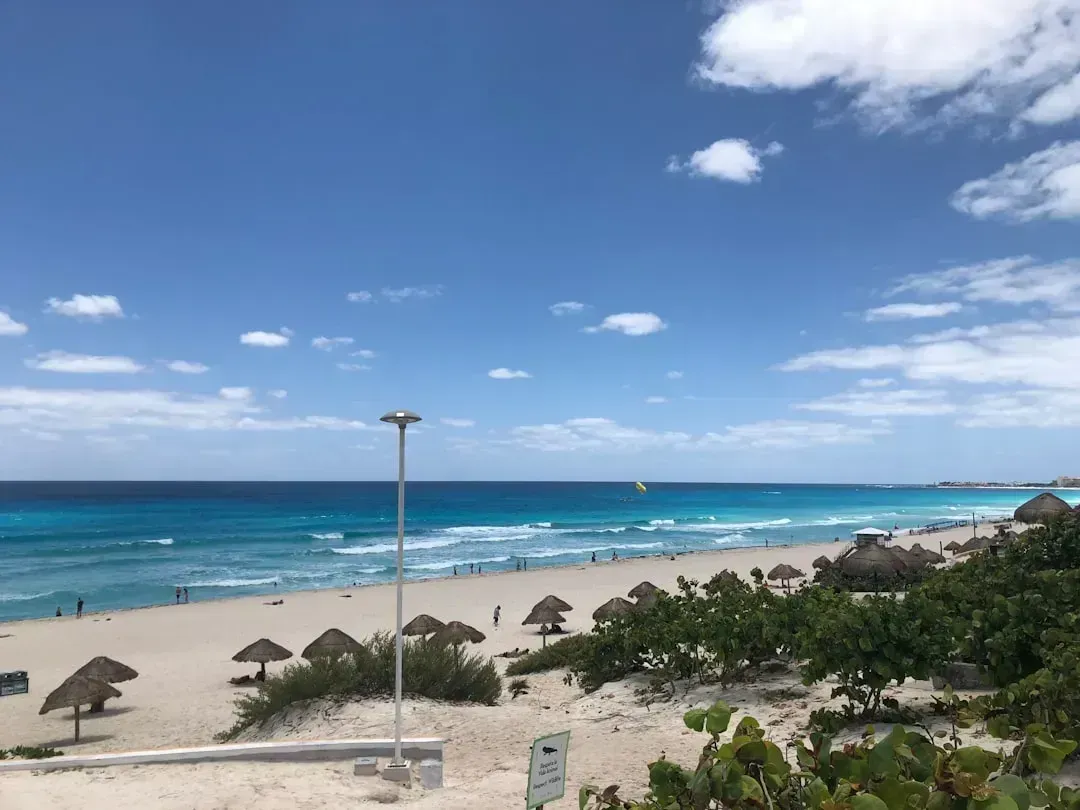
Cancún topped the 2025 ranking of the world’s most disappointing tourist destinations, compiled by the international platform Radical Storage, a luggage storage specialist with a presence in more than 500 cities, based on an analysis of 97,409 reviews from travelers who visited 100 popular cities. Radical Storage found that 14.2% of Cancún’s reviews were negative, the highest of all cities analyzed, beating out the second-worst-rated city, Antalya, Turkey, by two whole percentage points.
The main causes of dissatisfaction include excessive prices, insecurity, overcrowding, overcrowded beaches, poor customer service, loss of authenticity, and excessive commercialization. Endless rows of all-inclusive resorts have made the area feel less like Mexico and more like a corporate playground, while environmental worries are also mounting, with snorkelers noticing bleached coral and a declining fish population, making the underwater experience far less magical than advertised. On the numbers front, Grupo Aeroportuario del Sureste reported Cancún’s international passenger numbers saw a dip, with the airport reporting 3.76 million passengers in early 2025, down from 4.13 million in the same period of 2024, representing nearly a 9% decline.
2. Waikiki Beach, Hawaii
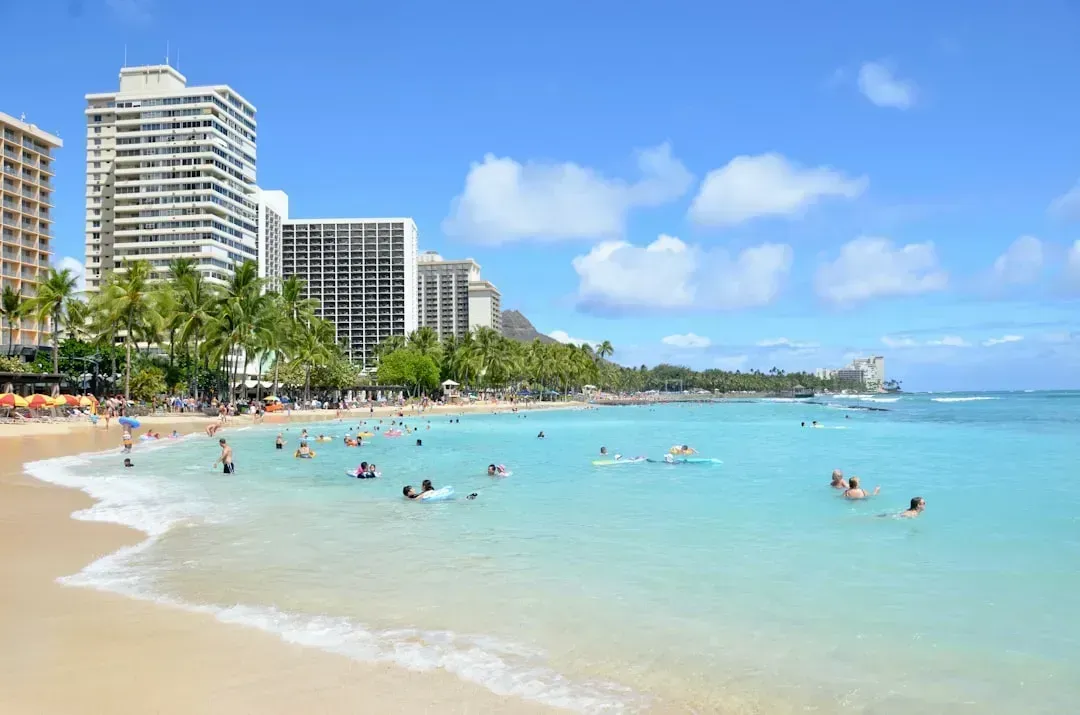
Cloudwards analyzed TripAdvisor reviews for 200 of the world’s most popular beaches, using complaint-related keywords to create a “Complaint Score” out of 100. Waikiki Beach earned a flawless 100, but not in a good way. The bulk of the complaints are about overcrowding. Nearly seven in ten negative reviews slam Waikiki for being jam-packed, while others mention litter and the occasional headache-inducing noise.
This once-idyllic stretch in Honolulu is now swamped with tourists, high-rises, and surf schools crammed shoulder to shoulder. Noise from traffic and nightlife doesn’t help, and the sand is often trucked in to combat erosion, while ocean views are increasingly obstructed. Perhaps most surprising is the dominance of American beaches in the overall complaint rankings, with four U.S. beaches featuring in the top ten for overall complaints and U.S. states claiming 39 of 100 spots on the list.
3. Bondi Beach, Australia
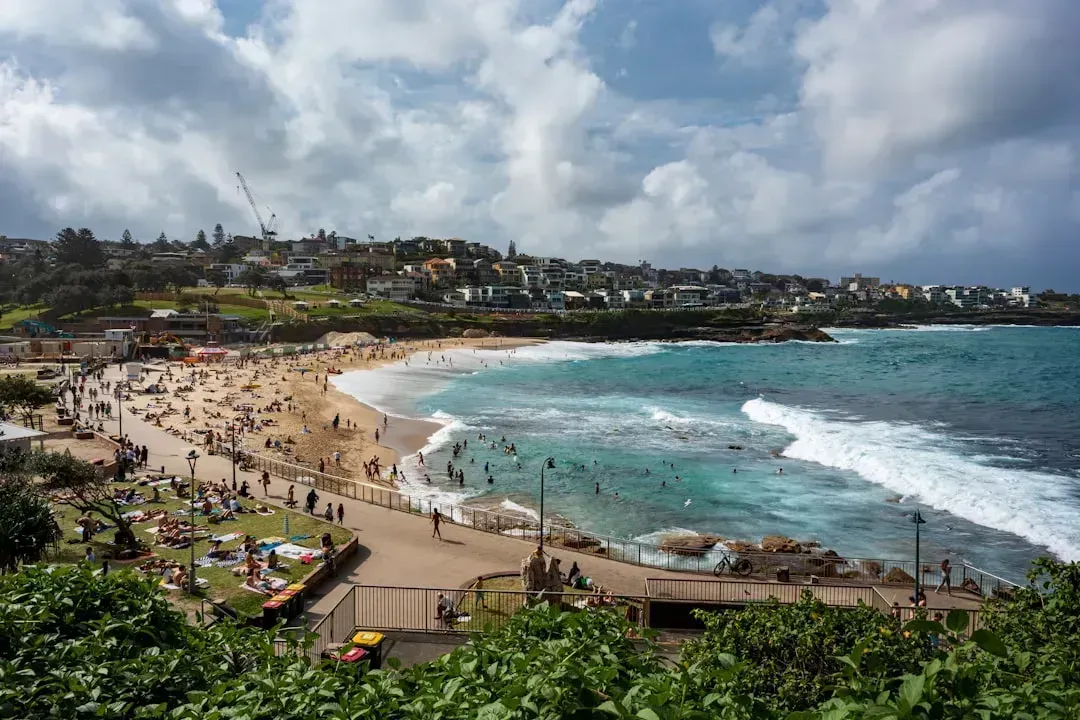
Research that examined over 100 internationally celebrated beaches by analyzing tourist reviews, search engine data, social media interest, and environmental conditions found that Bondi Beach ranked at the top for disappointment. Although only a small percentage of reviews described it as “disappointing” or “overrated,” this figure was significant when weighed against the beach’s immense online popularity, including over 447,000 TikTok searches. Australia’s most famous beach faces significant overcrowding issues, with 75.9% of complaints mentioning the massive crowds that can make finding space extremely challenging.
The disconnect between the beach’s glamorous reputation and the actual visitor experience appears to stem from a combination of excessive crowding, high levels of commercialization, and a loss of authentic local charm. Instead of the peaceful paradise many expect, travelers often encounter packed sands, long queues, inflated prices, and a highly commercial environment that lacks the tranquility and untouched natural beauty typically associated with world-class beach destinations. Others pointed to the overwhelming presence of commercialization, describing the area as feeling more like a bustling tourist trap than a serene seaside escape, with chain retailers, selfie spots, and non-stop foot traffic leaving some visitors saying the beach lacked untouched charm or tranquility.
4. Venice Beach, California
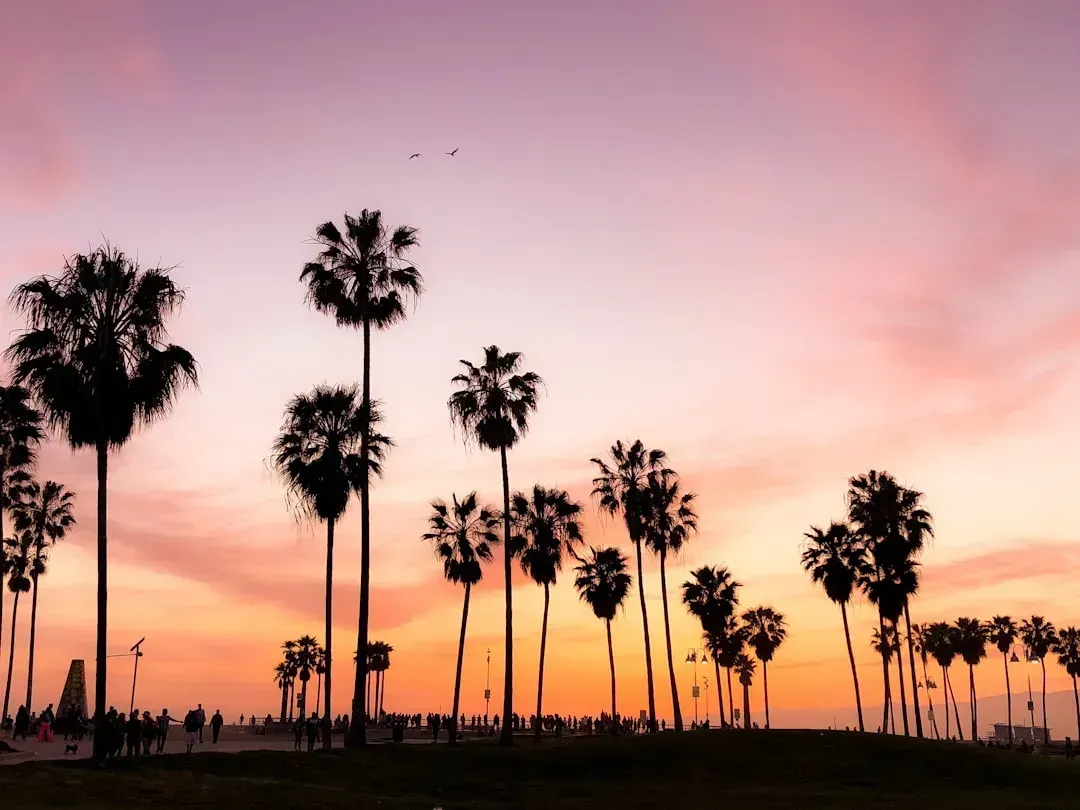
Venice Beach in Los Angeles took second place worldwide on Cloudward’s complaint rankings with a score of 89.7. While people still love its murals and boardwalk energy, over 60% of the complaints zeroed in on cleanliness issues, including trash-strewn sands, funky smells, and murky water. It was considered the dirtiest of all beaches surveyed, with nearly 61% of dissatisfied TripAdvisor reviewers noting the lack of cleanliness.
Some visitors note that Venice Beach doesn’t really work as a spontaneous wander destination, and that the famous tourist locations there are described plainly as “disgusting” in online traveler forums. The cleanliness category proved particularly damning for U.S. destinations, with American beaches occupying half of the top ten dirtiest spots globally. The boardwalk atmosphere, once considered a counterculture gem, has morphed into something that many first-time visitors find jarring, chaotic, and far removed from the sun-kissed California fantasy they were sold.
5. Mallorca, Spain
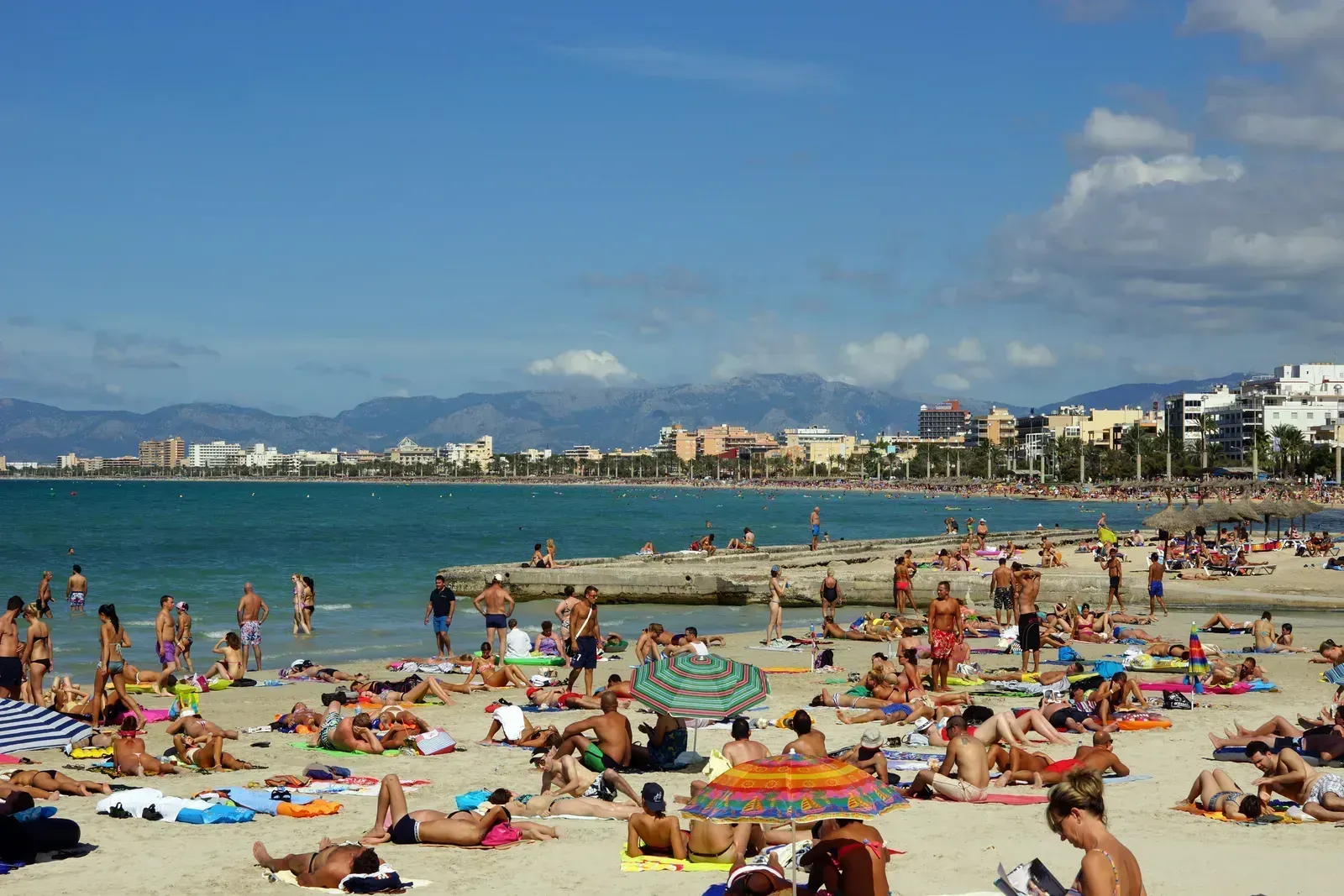
Mallorca’s stunning beaches and lively nightlife draw millions of visitors, but the surge in tourism has made housing unaffordable for many locals. In 2024, protests erupted calling for stricter limits on tourist numbers, while overcrowded beaches and traffic jams have started to tarnish the island’s charm, and waste and water usage strain the environment. In 2023 alone, Mallorca received a record-breaking 14 million foreign visitors.
By 2024, about 1,000 residents of Mallorca were living in their vehicles as housing costs had skyrocketed because homes were being diverted to the short-term rental market. Mallorca was also included in Fodor’s “Fifteen destinations to reconsider in 2025” list, a notable signal for travelers weighing a trip. For visitors, the experience increasingly mirrors the frustration of locals: beaches packed wall to wall during peak months, inflated restaurant prices, and a palpable tension between tourists and residents that can make the entire stay feel unwelcome.
6. Koh Samui, Thailand
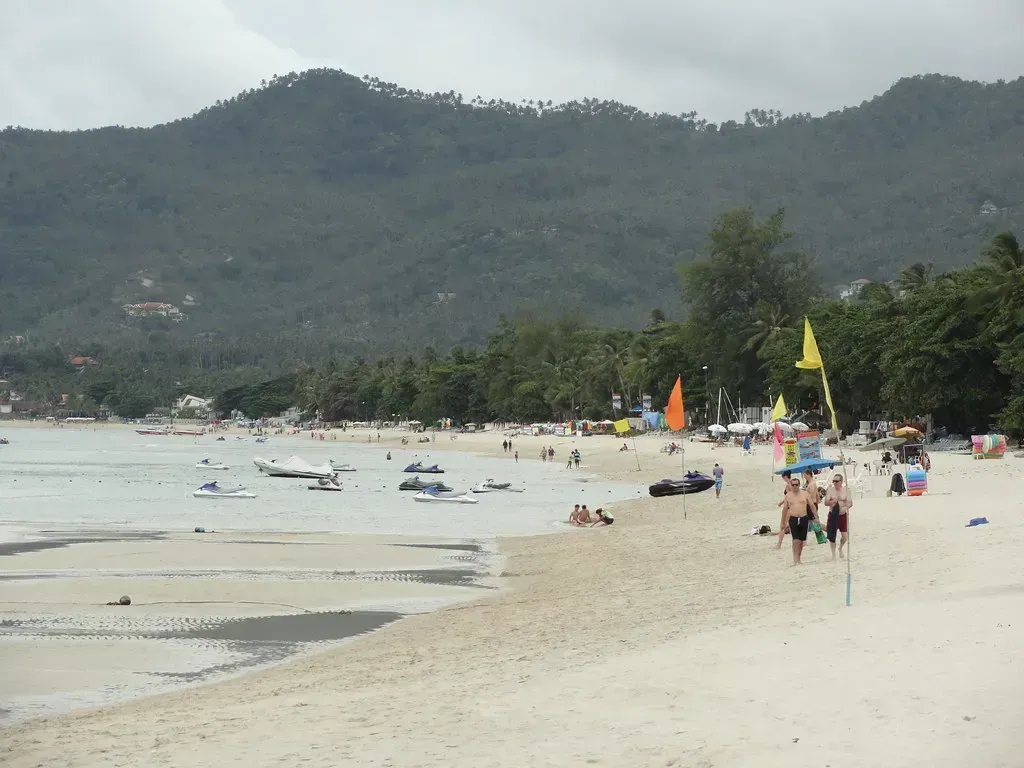
Koh Samui has long suffered from overtourism. The seemingly pristine, 95-square-mile mountainous island in the Gulf of Thailand has attracted visitors to its ultra-luxury resorts and villas for decades, and the destination had already returned to pre-pandemic tourism levels with 3.4 million tourists arriving in 2024. The White Lotus marketing partnership with Four Seasons has significantly increased tourism interest in Koh Samui, risking overtourism and infrastructure strain, while media coverage has been largely uncritical, focusing more on luxury experiences than sustainability challenges.
Travelers looking for an authentic Thai experience will be disappointed at Koh Samui, which is one of Thailand’s most developed islands. Rapid development has caused environmental concerns, and the island has seen overcrowded beaches, plastic pollution, and water shortages. Longtime residents have been displaced inland as property prices along the beaches have soared and are converted into hotels and Airbnbs. Approximately 200,000 tons of waste also sit in landfills beyond tourist sight lines, alongside rapid mountainside development that increases the risk of landslides. The island’s inclusion on Fodor’s No List back to back in recent years underlines just how serious the situation has become for both visitors seeking an escape and locals trying to hold onto their home.