10 Countries Where Getting Citizenship Is Easiest – and 7 Where It’s Nearly Impossible
Getting a second passport used to feel like something reserved for the ultra-wealthy or the well-connected. A dream for diplomats and billionaires, not for the average person looking for more freedom, security, or simply a plan B. But the world has changed. Fast.
Today, millions of people are actively exploring what it truly takes to become a citizen of another country, whether through ancestry, investment, residency, or marriage. Some countries are genuinely welcoming. Others? They have built walls so high you’d need a miracle – or a 25-year residency – to get in. Here’s the full picture, country by country. Let’s dive in.
1. Dominica – Caribbean Citizenship Made Surprisingly Simple
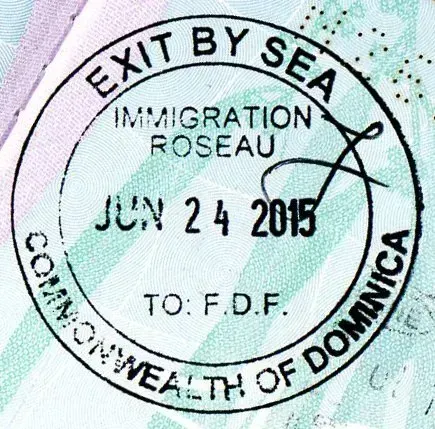
Dominica is widely regarded as one of the most accessible countries in the world for acquiring citizenship through investment, and its Citizenship by Investment program, established in 1993, is one of the oldest and most reputable of its kind. That’s not a marketing gimmick – it’s a three-decade track record.
Applicants can qualify by making a contribution to the government’s Economic Diversification Fund or by investing in approved real estate, with the process typically taking between three and six months from application to passport issuance – and there is no requirement to reside in Dominica before or after citizenship is granted.
Dominican citizenship provides visa-free or visa-on-arrival access to more than 140 countries, including the Schengen Area, the United Kingdom, and Singapore. The country allows dual citizenship and does not impose taxes on worldwide income for non-residents, making it particularly attractive to entrepreneurs and globally mobile individuals.
2. Argentina – The World’s Fastest Naturalization Timeline

Here’s a stat that genuinely surprises people. Naturalization in Argentina takes just two years of residence and is considered one of the fastest such processes in the world. To compare, the period of naturalization in neighboring Paraguay is four years, while in the EU it takes five years in countries like Portugal or Sweden, and eight years in Germany.
Argentina has fairly simple requirements for naturalizing individuals, and the state does not require foreigners to integrate into local society by demonstrating knowledge of Spanish, Argentine law, culture, or history. Honestly, that’s almost unheard of.
In May 2025, Argentine President Javier Milei issued Decree 366/2025, which significantly revised immigration policy. Now all foreign applicants must live in Argentina for two continuous years on a legal status without leaving the country, and any departure resets the residency requirement. So the rules have tightened slightly, but the timeline is still among the shortest anywhere.
3. Ireland – Your Grandparents’ Passport Is Your Passport
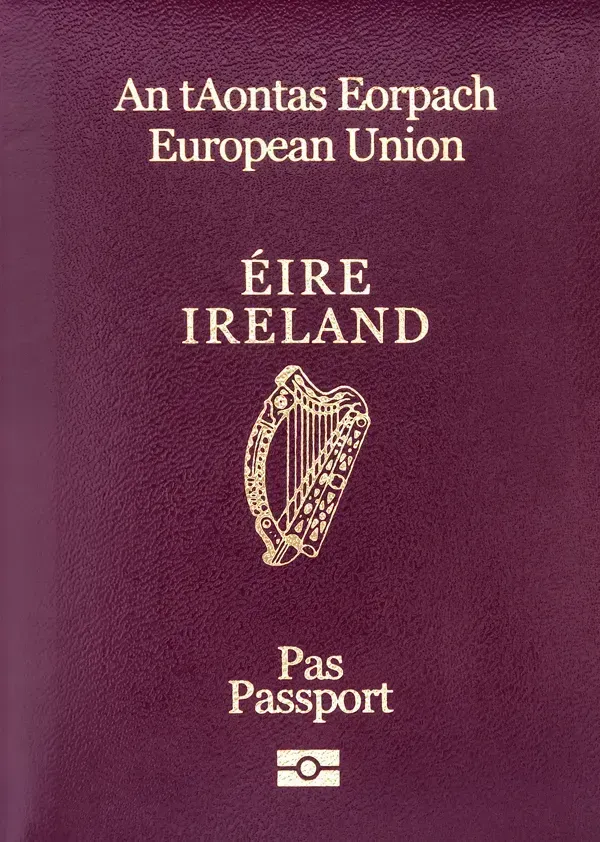
If your parent or grandparent was born in Ireland, you can apply for citizenship with no need to relocate, and Ireland also permits dual citizenship, making it a perfect fit for Americans with Irish roots.
Irish citizenship offers incredible freedom of travel worldwide. As of 2025, an Irish passport allows you to travel visa-free or obtain a visa upon arrival to 191 destinations, including most European nations, most South American countries, Australia, China, Israel, Singapore, Hong Kong, South Korea, and the United Arab Emirates.
Because nearly one in ten of America’s citizens can claim Irish heritage, getting an Irish passport is a popular route to dual citizenship for many Americans. That’s tens of millions of people who potentially qualify without ever having set foot in Ireland.
4. Portugal – Europe’s Golden Ticket
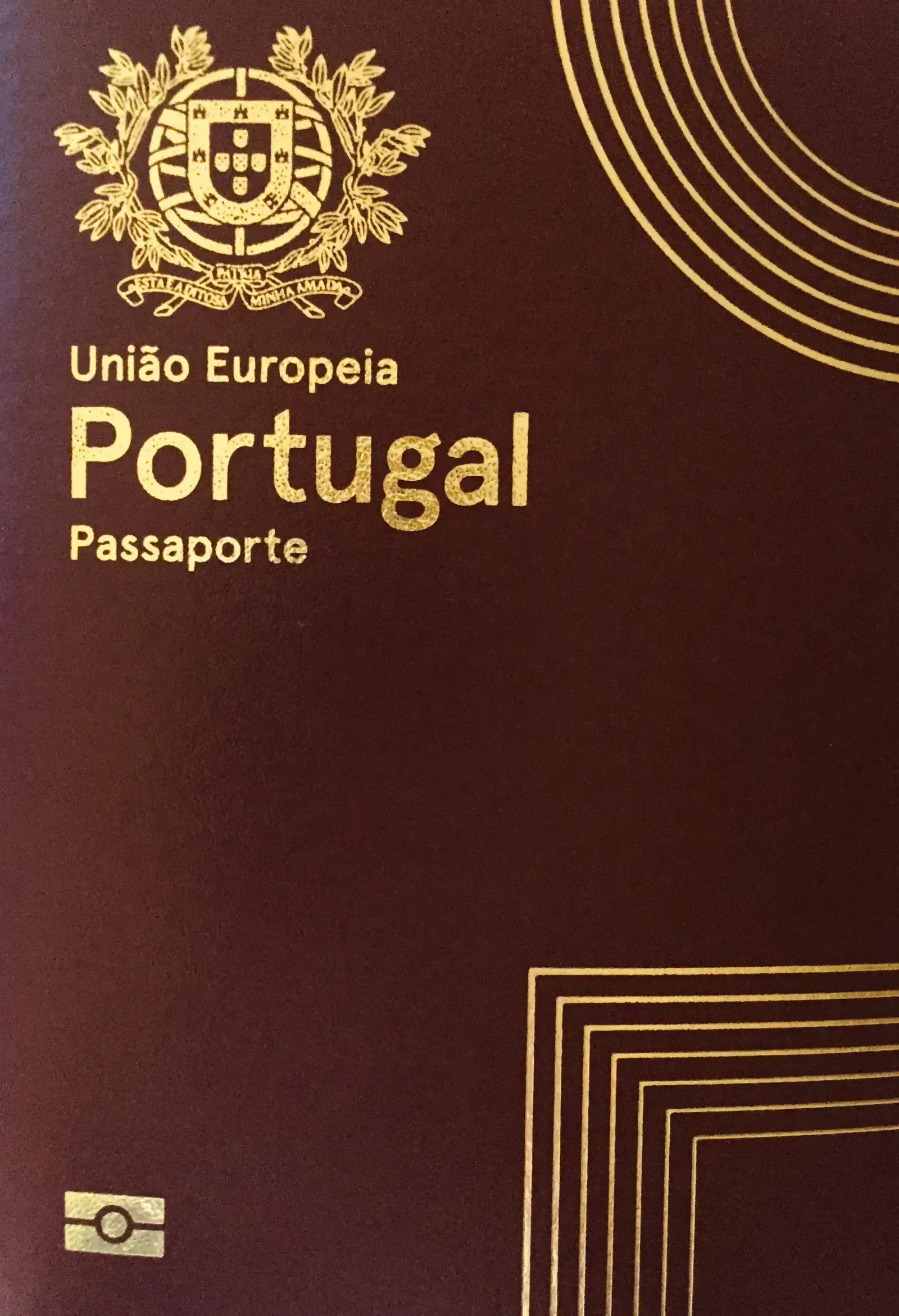
Portugal’s Golden Visa remains one of the world’s most popular Residency by Investment destinations, structured to provide a residence permit through qualifying investments in cultural or scientific projects, investment funds, or job creation and business activity.
As one of the easiest countries to get citizenship for Americans, Portugal received 567 US investors in 2023, accounting for a 162.5% increase – reflecting the program’s long-term trust and popularity in the US.
According to the Global Passport Index 2025, Portuguese citizenship ranks 28th globally. Portugal also ranks high in the OECD Better Life Index for safety and work-life balance, making it one of Europe’s most practical destinations for long-term settlement and mobility. Not just a great passport – a great life.
5. Italy – The Ancient Right of Blood
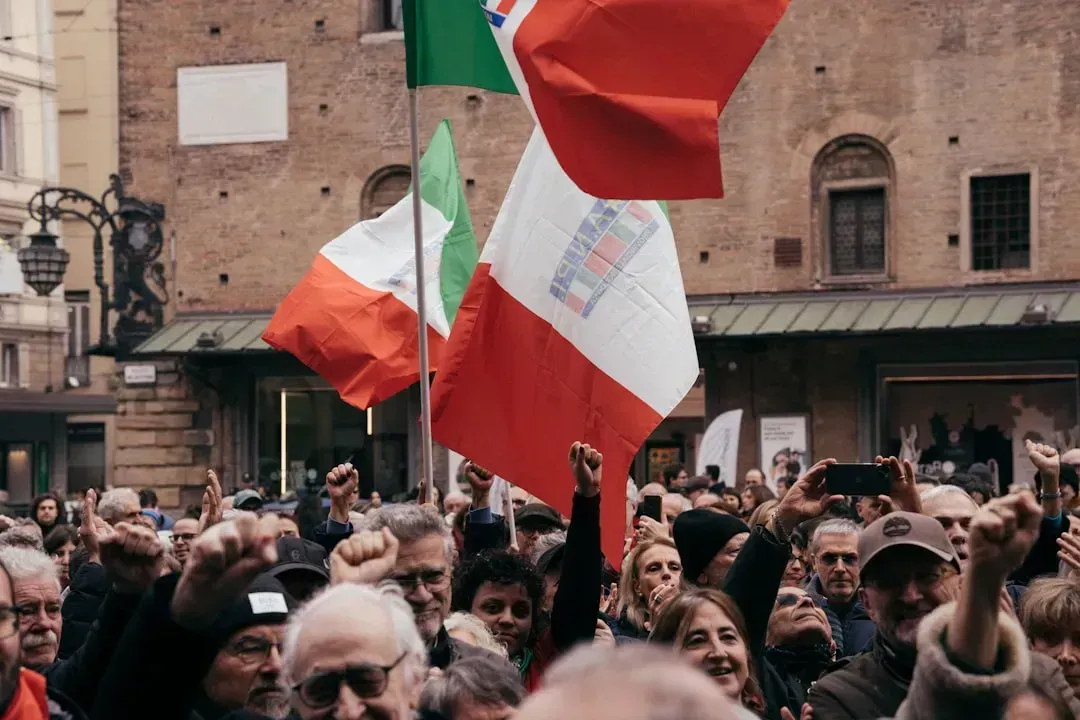
Italy allows descendants of Italian citizens to claim citizenship through jure sanguinis, with no generational limit in many cases, as long as your Italian ancestor did not naturalize before the next birth in your lineage. Think about that – your great-great-grandparent’s citizenship can be yours today.
Male ancestors can pass on citizenship with few limitations. However, to qualify for citizenship through a female ancestor, the applicant must have been born after January 1, 1948, when the Italian constitution entered into force. Additional limitations exist for ancestors born in Trentino Alto-Adige, Venezia-Giulia, and Veneto, where you can only obtain citizenship through ancestry if your ancestor left Italy after July 16, 1920.
It’s a complex process with plenty of fine print, I’ll be honest. Still, for millions of people with Italian roots worldwide, the door is genuinely open – no residency, no language test, just genealogical proof.
6. Vanuatu – The Fastest Passport on Earth (If You Can Pay)

Vanuatu offers the fastest route to citizenship by investment, with approval in as little as 60 days. Sixty days from application to full passport. That’s faster than some countries process a simple visa.
The Vanuatu Citizenship by Investment program requires a minimum donation of $130,000 to a government fund, with a processing time of six to eight weeks, and perks that include visa-free travel to roughly 94 countries.
Most CBI programs do not require residency, making them some of the fastest and easiest citizenship pathways available. Vanuatu takes this to its logical extreme. You invest, you wait two months, you hold a new passport.
7. Turkey – Europe’s Bridge to a Second Passport

The Turkish Citizenship by Investment Program was launched in January 2017 to attract foreign direct investment and boost growth in the country’s real estate sector.
The minimum investment requirement for Turkish citizenship is $400,000 in real estate, making it one of the most accessible citizenship by investment programs available, with alternative investment routes including government bonds and bank deposits. The program allows investors to retain their original nationality while gaining access to Turkish citizenship benefits.
The process is fast, usually taking three to six months, and you can include your spouse and dependent children in the same application. Investors are not required to pass a language or cultural knowledge test. For entrepreneurs who want a foothold between Europe and Asia, this is one of the most strategically positioned passports available.
8. Paraguay – The Quiet Latin American Option
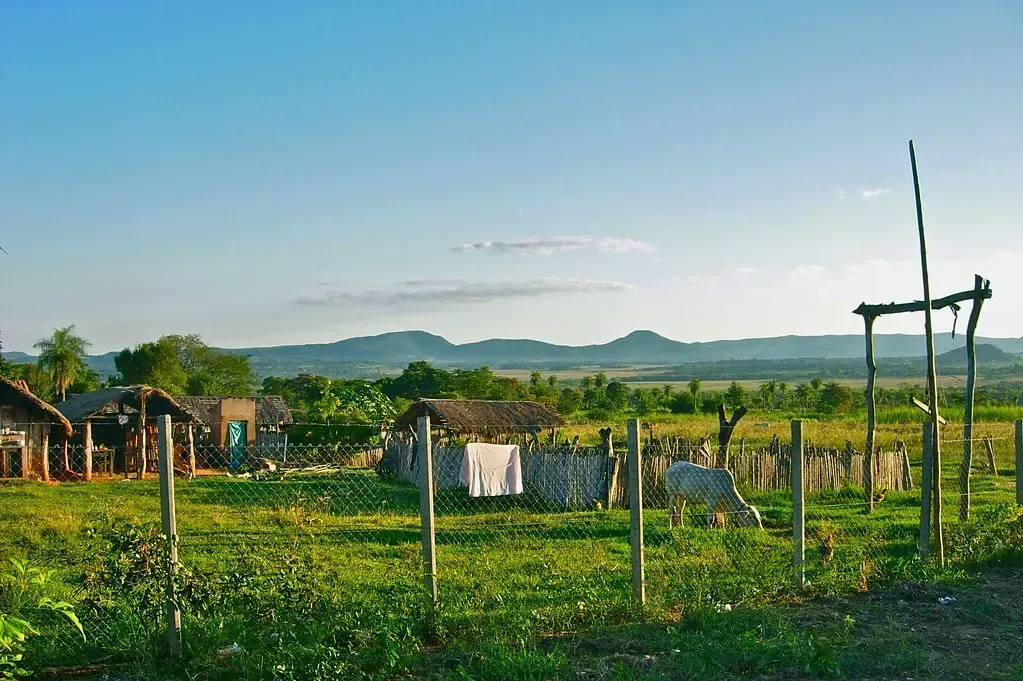
Paraguay allows citizenship after three years of residency, with flexible physical stay requirements, making it popular among retirees and remote workers. It offers low taxation, a stable economic environment, and is considered one of the safest and most affordable countries in Latin America, with a cost of living about 28% lower than Argentina.
The country flies well under the radar compared to its neighbors, which is exactly what makes it appealing. It’s quiet, practical, and genuinely open to foreign residents.
Compared to neighbors like Brazil, which requires four years of residence, or Chile, which requires five, Argentina’s and Paraguay’s timelines are among the most favorable in South America. For those who want a Latin American base without the noise, Paraguay consistently delivers.
9. St. Kitts and Nevis – The Caribbean Gold Standard
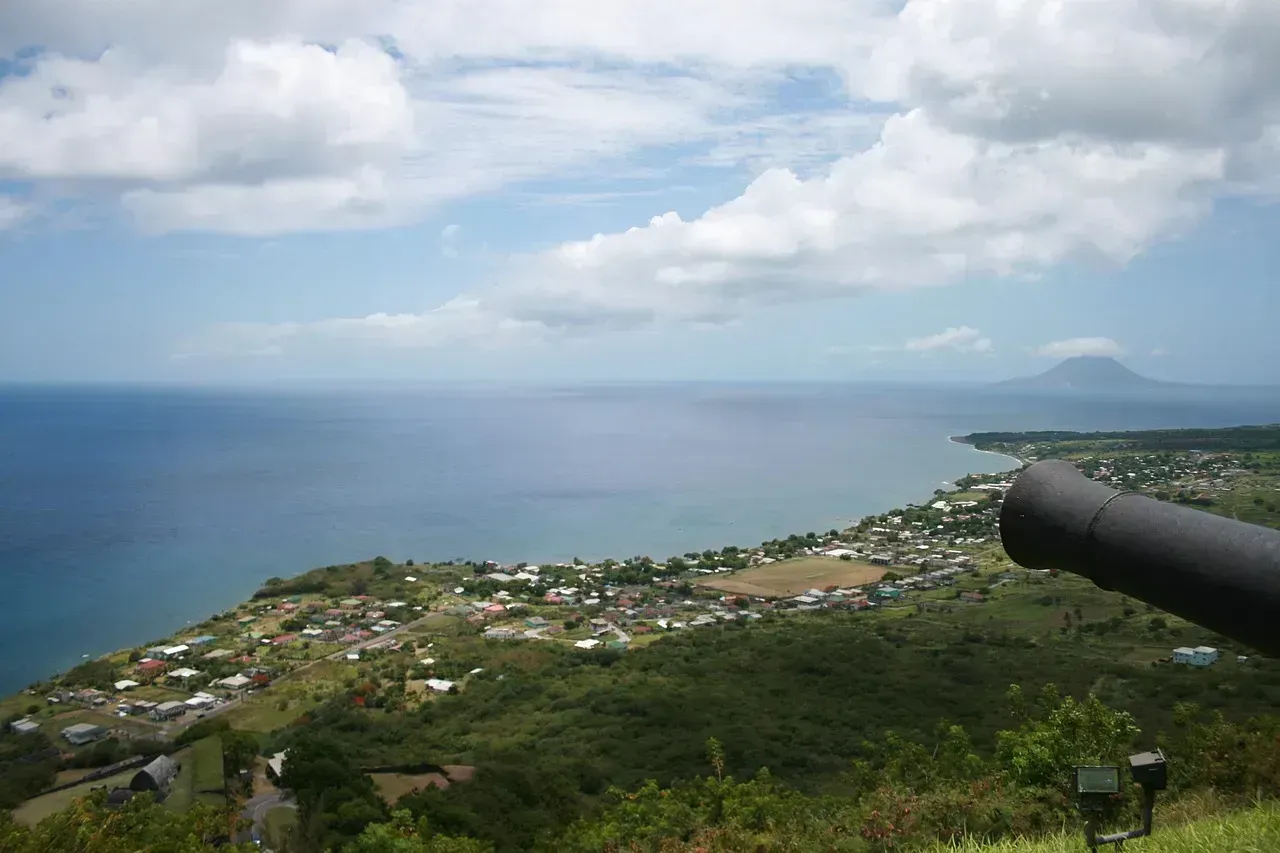
St. Kitts and Nevis grants Citizenship by Investment in around six to twelve months. It is widely considered the original gold standard of Caribbean citizenship programs, having launched its scheme back in 1984 – decades before anyone else was doing it.
St. Lucia, Dominica, and Vanuatu stand out because of their Citizenship by Investment avenues and fast processing times, with no renunciation of prior citizenship required and visa-free or visa-on-arrival access to over 100 destinations.
St. Kitts and Nevis has refined its process through four decades of operation. That institutional experience matters. The due diligence is rigorous, but the outcomes are predictable and reliable.
10. Spain – Marriage Opens the Door Fastest

Unwed immigrants can often access a quicker path to citizenship by marrying a citizen of their new home country, and Spain offers citizenship to immigrants after a single year of marriage to a national. One year. That’s remarkable by any global standard.
Beyond marriage, Spain also has a rich diaspora citizenship pathway. Descendants of Spanish citizens who emigrated during the civil war era or the Franco regime can in many cases apply for nationality. It’s a historical program with very real present-day outcomes.
Spain’s passport, meanwhile, offers some of the strongest travel benefits in the world, with access to more than 190 countries. For anyone with Spanish family roots or a Spanish partner, this country is worth serious consideration.
11. Qatar – 25 Years and Still Not Guaranteed
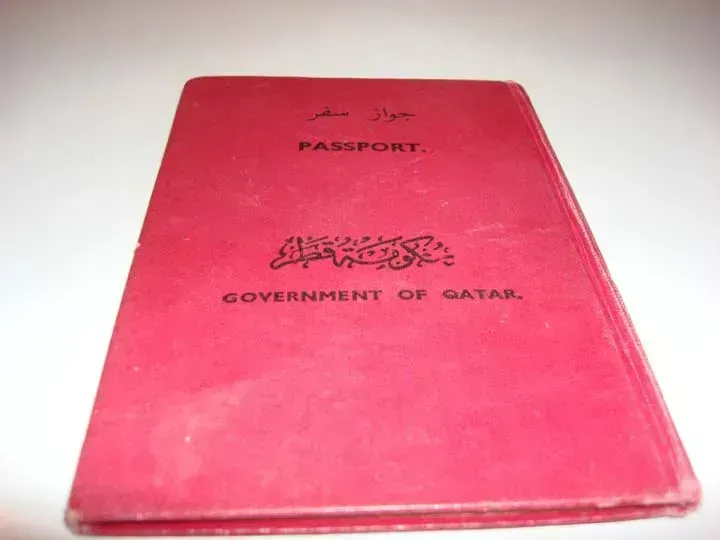
Now we shift gears. Hard. Qatar ranks as the world’s most difficult country for obtaining citizenship, requiring 25 consecutive years of legal residence before applying. Applicants must demonstrate legitimate income sources, maintain good conduct with no criminal convictions, and many sources indicate conversion to Islam is expected. Renouncing previous nationality becomes mandatory upon approval.
Foreigners seeking naturalization must reside in Qatar for at least 25 years, after which the government may still choose to deny approval. Let that sink in. A quarter of a century of your life – and they can still say no.
Only about 100 permanent residency permits are issued annually from Qatar’s Ministry of Interior. Qatar is one of the wealthiest countries on earth, and it has no interest in sharing that status.
12. Vatican City – Citizenship for Clergy Only

As the world’s smallest sovereign state, Vatican City does not grant citizenship based on birth, residency, or investment. Citizenship is granted only to those serving in religious roles, such as cardinals, clergy, or Swiss Guards, and is strictly functional – once the role ends, so does the citizenship. No naturalization process exists for civilians or long-term residents. Vatican City is, without question, the hardest country to get citizenship, as there is no pathway open to the general public.
With fewer than 1,000 residents, Vatican City is the world’s smallest country and offers citizenship only under very narrow circumstances. It is granted primarily to cardinals residing in Vatican City or Rome, diplomats representing the Holy See, and individuals whose work directly serves the Catholic Church. Citizenship is often temporary and typically ends when the individual no longer holds their qualifying role, unless special permission is granted.
13. Liechtenstein – Three Decades and a Neighborhood Vote

This tiny alpine principality is known for its stable economy and picturesque setting, but its citizenship laws are among the strictest in Europe. Thirty years of legal residence is required to apply for citizenship, and applicants must demonstrate deep integration, including language proficiency and cultural assimilation.
Here’s the part that genuinely blows people’s minds. Liechtenstein demands thirty years of continuous residency for standard naturalization, though this reduces to five to ten years through marriage or exceptional community approval. The unique barrier involves municipal referendums where existing citizens vote on each naturalization application individually. This democratic process resulted in only 189 naturalizations in 2023 from a population of 39,584 residents.
Your neighbors literally vote on whether you belong. It’s either charmingly democratic or absolutely brutal, depending on your perspective. Probably both.
14. Bhutan – “Gross National Happiness,” Zero National Access

Bhutan is famous for measuring national success in terms of Gross National Happiness – but when it comes to citizenship, the doors are tightly shut. Citizenship by birth is not recognized unless both parents are Bhutanese, marriage to a Bhutanese citizen does not guarantee naturalization, and residency for over 15 years may only lead to a discretionary review, not a guarantee.
Both parents must be Bhutanese citizens for automatic citizenship by birth, and dual nationality is strictly prohibited. The emphasis on Buddhist cultural heritage and the “One Nation, One People” policy create insurmountable barriers for non-ethnic Bhutanese, making this one of the world’s most ethnically exclusive citizenship regimes.
Applicants must demonstrate good conduct, pass tests in the Dzongkha language as well as Bhutanese culture and history, and provide references from Bhutanese citizens. Bhutan guards its identity fiercely. The country that charges tourists a daily fee just to enter takes the same approach to citizenship.
15. Saudi Arabia – Ambitious Economy, Closed Doors
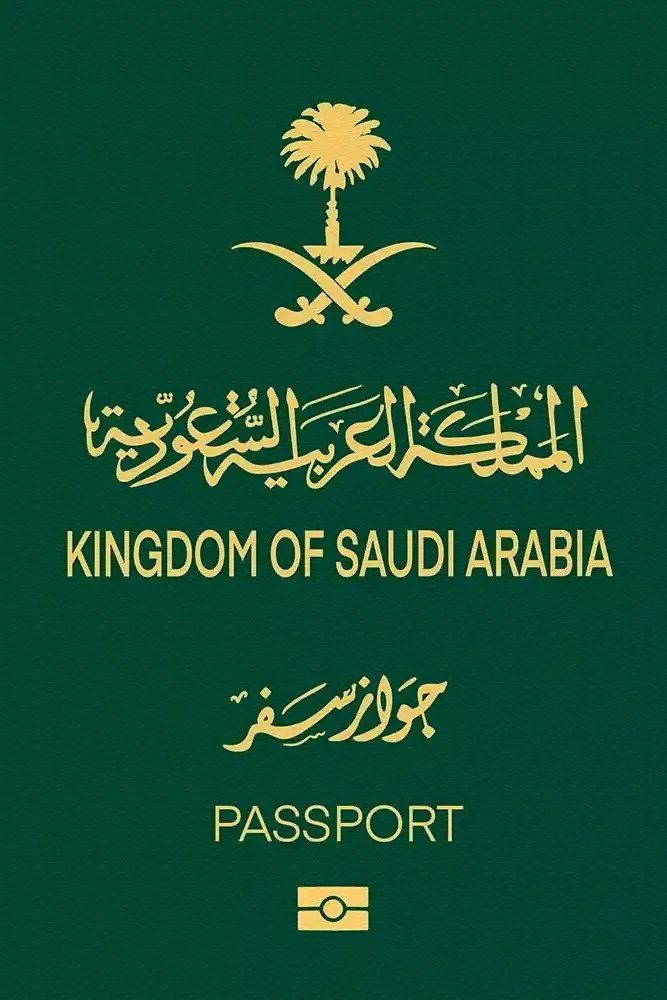
Saudi Arabia presents an intriguing contradiction: ambitious economic diversification plans alongside highly restrictive citizenship policies.
Saudi Arabia mandates at least ten years of continuous residence, Arabic language proficiency, and impeccable character references before citizenship consideration. Applicants must renounce previous nationality, and the Ministry of Interior maintains absolute discretion over approval decisions.
While Saudi Arabia introduced reforms in 2021 to allow some professionals to apply for citizenship, the country remains largely closed. Naturalization is rarely granted, except for distinguished individuals in science, medicine, or culture. Saudi Arabia continues to be one of the hardest countries to get citizenship in 2025, especially for non-Muslims and non-Arabs. Billions in economic ambition, but the passport stays locked away.
16. Japan – Language, Culture, and No Dual Passport

Japan is one of the most difficult countries in which to obtain citizenship. The process is long and arduous and requires a significant investment of both time and money. Prospective citizens must have lived in Japan for at least five years as per the Nationality Law of 1950. During that time, they must have held a valid work visa and maintained a clean criminal record. They must also pass a rigorous Japanese language test.
Recent changes lowered the age requirement from 20 to 18 in 2022, but dual citizenship remains prohibited, with mandatory renunciation. Japanese citizens who voluntarily acquire foreign citizenship automatically lose Japanese nationality.
Special naturalization for exceptional contributions exists in law but has never been used as of 2024. Japan offers one of the most powerful passports on earth, but accessing it as a foreigner is genuinely formidable. And giving up your original passport to get it? That’s a commitment very few are willing to make.
17. China – One of the Lowest Naturalization Rates on the Planet
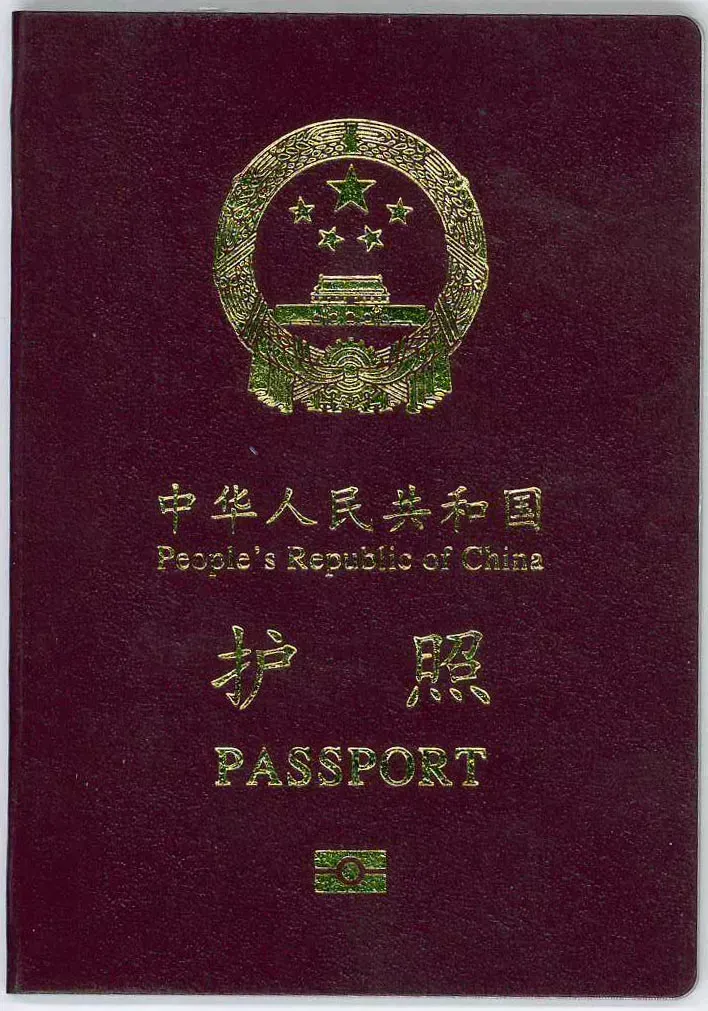
Despite being the world’s second-largest economy, China maintains one of the lowest naturalization rates globally. The 2010 census recorded only 1,448 naturalized citizens among 1.34 billion people – a rate of 0.0001%. That number is staggering. It means for every million residents of China, roughly one person had ever been naturalized.
Requirements include permanent residency, itself difficult to obtain, close relatives who are Chinese nationals, or “other legitimate reasons” interpreted at official discretion. Recent reforms have introduced more systematic approaches in cities like Shanghai, where PhDs can obtain permanent residency immediately, and created 13 immigrant categories.
Some Asian countries like Japan and China impose complicated rules surrounding naturalization, often discouraging potential applicants. China’s economic gravity pulls millions of foreign workers in, but the door to citizenship remains, for most, permanently sealed.
—
The gap between the easiest and hardest countries on this list is almost hard to believe. On one end, Vanuatu hands you a passport in sixty days for a donation. On the other, Qatar makes you wait twenty-five years and still has the right to say no. The world of citizenship is, in many ways, the starkest possible illustration of how unequal global access really is. What would you do with a second passport – and which path would you consider taking?