Why I Stopped Traveling to Cancún – and Why Others Are Reconsidering It
Cancún. Just the name used to send a warm rush through me – turquoise water, cold drinks, and a beach chair so comfortable it felt illegal. For years it was the default vacation for millions of North Americans, a kind of tropical shortcut that delivered paradise on a predictable schedule. Then things started to shift.
The headlines got darker. The price tags got steeper. The beaches started smelling like low tide in July. And somewhere between a third trip and a fourth, I quietly decided to stop booking flights to the Yucatán’s crown jewel. I wasn’t alone. But here’s what’s genuinely surprising: the data tells a more complicated, more nuanced story than the doom-and-gloom narrative suggests. Let’s dive in.
The Numbers Behind the Crowd – Cancún’s Tourism Reality in 2024 and 2025
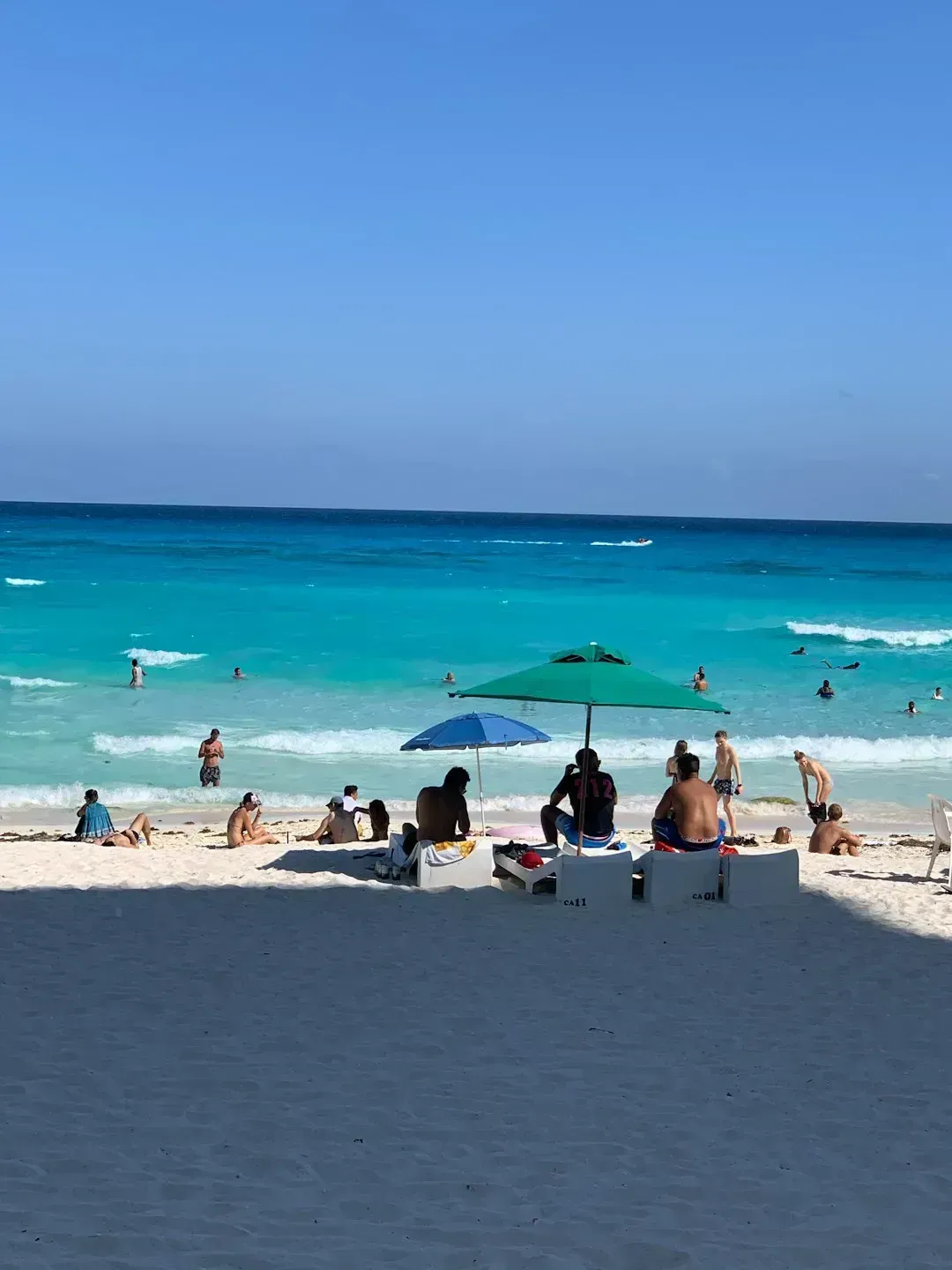
Let’s be real – Cancún is not some fading ghost town. Quintana Roo’s premier vacation spot is the most visited destination in Mexico, with over 20 million tourists touching down in 2024, making Cancún International Airport the busiest in the country. That is a staggering number, the kind that puts things in perspective real fast.
The United States alone accounted for 12.7 million visitors to Cancún’s beaches in 2024, up by 4.7% from the previous year. Canada came in a close second, with 2.3 million visitors. So when we talk about “people reconsidering” Cancún, we are not talking about a mass exodus. We are talking about a subtle, slower recalibration happening underneath record-breaking headline numbers.
Cancún’s hotel occupancy rate averaged 80.3%, positioning it among Mexico’s top three destinations with the highest occupancy levels, alongside Los Cabos and Puerto Vallarta. Still, cracks were quietly forming by late 2024 and into 2025, and those cracks matter regardless of the impressive totals.
The Safety Question Everyone Asks – and No One Fully Answers

Honestly, this is where the conversation gets genuinely complicated. The violence is real, it has touched tourist zones, and pretending otherwise feels dishonest. A young boy fell victim to cartel crossfire on the beach in Cancún in the summer of 2024. Authorities say gunmen on jetskis approached and opened fire on a rival drug dealer who was at the beach. A stray bullet hit the 12-year-old, killing him. That kind of incident does not simply disappear from your memory when you are packing your suitcase.
Concerns about safety have risen in recent years, prompting the U.S. Department of State to issue a Level 2 advisory for the state of Quintana Roo, which includes Cancún. The advisory encourages travelers to “exercise increased caution” due to rising crime rates, particularly petty thefts and occasional violent incidents. However, context matters enormously here.
One study from February 2024 found that the most common crime in Cancún was robbery, accounting for nearly 25% of crime in the city for that month. In 2024, Cancún’s homicide rate was about 64 per 100,000 residents – for the sake of comparison, the 2024 homicide rate in St. Louis, Missouri was 69.4 per 100,000 residents. That comparison does not make everything fine. It does, however, make the conversation more honest.
Cartel Activity – The Elephant in the Hotel Zone

Cartel violence does occur in Cancún, but it is overwhelmingly targeted – cartel members against rival cartel members – and concentrated in the outskirts of the city rather than tourist zones. When incidents have spilled into tourist areas, such as the April 2023 incident where four bodies were found near hotel beaches, the victims were linked to cartel activity, not foreign visitors. That distinction is important, even if it doesn’t fully soothe the nerves.
Drug groups move goods across Mexico and they do work in Quintana Roo. The good news is that they aim at rivals, not tourists. Fights often happen in suburbs or rural zones, not on the sandbar with the high-rise resorts. Still, it would be naive to pretend that a destination with active cartel presence carries zero risk for visitors.
The 2024 ENVIPE report by INEGI reveals a long-term decline in victimization rates within Quintana Roo, which has dropped from 42.1% in 2010 to 26.5% in 2023. This independent national data confirms that the state’s security strategies are delivering consistent, measurable results for both residents and visitors. Progress is real. The journey is not over.
Mexico’s Security Response – Troops, Cameras, and a Command Center

The Mexican government has not exactly been sitting on its hands. One of the cornerstones of Cancún’s safety is the C5 Command Center, a cutting-edge facility that integrates AI-driven surveillance and real-time monitoring. With over 1,200 cameras in the Hotel Zone and more than 450 strategically placed “Panic Buttons,” Cancún offers an unmatched level of security. By coordinating with local police and the Federal National Guard, the C5 ensures a gold-standard response time of under 7 minutes for any security concerns.
According to the latest 2025 reports from the National Security System (SESNSP) and the official transparency portal of the Municipality of Benito Juárez, Cancún has seen a remarkable 68% drop in high-impact crimes in areas frequented by tourists. That is a genuinely impressive figure, and it reflects the scale of investment being made.
The federal government has deployed over 7,000 members of the Tourist Security Battalion. This specialized force ensures visible, reassuring protection for tourists at the beach, in public areas, and on major roads. Official reports confirm the 2025 summer holiday season in Quintana Roo concluded “incident-free,” even with record-breaking visitor numbers. Whether that security presence actually feels reassuring, or just jarring, probably depends on the individual traveler.
The Sargassum Crisis – When the Beach Smells Like Rotten Eggs
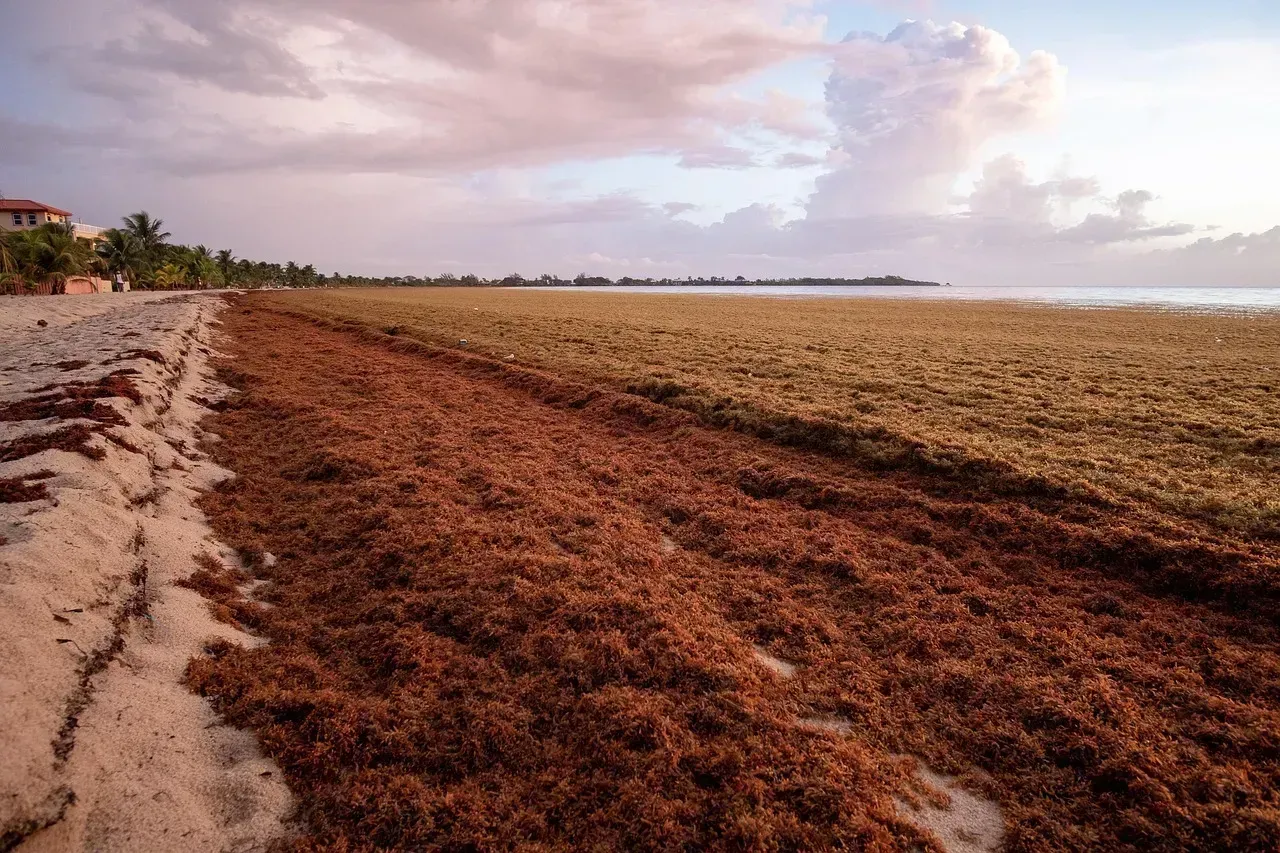
Here is a reason to reconsider Cancún that has nothing to do with crime, and everything to do with what you actually came for: the beach. Large quantities of seaweed float on the surface of the water, wash up on beaches, trap marine life, and use up the oxygen that fish need to breathe. Various strategies – from raking it manually to using barriers – have been devised to deal with unprecedented waves of seaweed that have engulfed regions of the Caribbean and Mexico in 2015, 2018, 2019, 2020, 2021, 2022, 2024, and 2025.
The municipality is expected to close the 2025 season with over 16,500 tons of sargassum collected, far higher than the 2024 level of 3,000 tons. That is not a small blip. That is a dramatic, troubling escalation. Think of it like this: imagine booking a suite at the finest hotel in the world, only to find the swimming pool filled with damp hay that smells like something died in it.
Large-scale sargassum blooms in the Caribbean and across the Atlantic have been increasingly linked to a combination of nutrient pollution from agricultural runoff and wastewater, rising ocean temperatures driven by climate change, and shifting ocean currents. Together, these factors accelerate sargassum growth, resulting in significant environmental disruption and economic strain for affected coastal communities. This is not going away on its own anytime soon.
The Price Shock – Cancún Is No Longer the Budget Paradise It Once Was
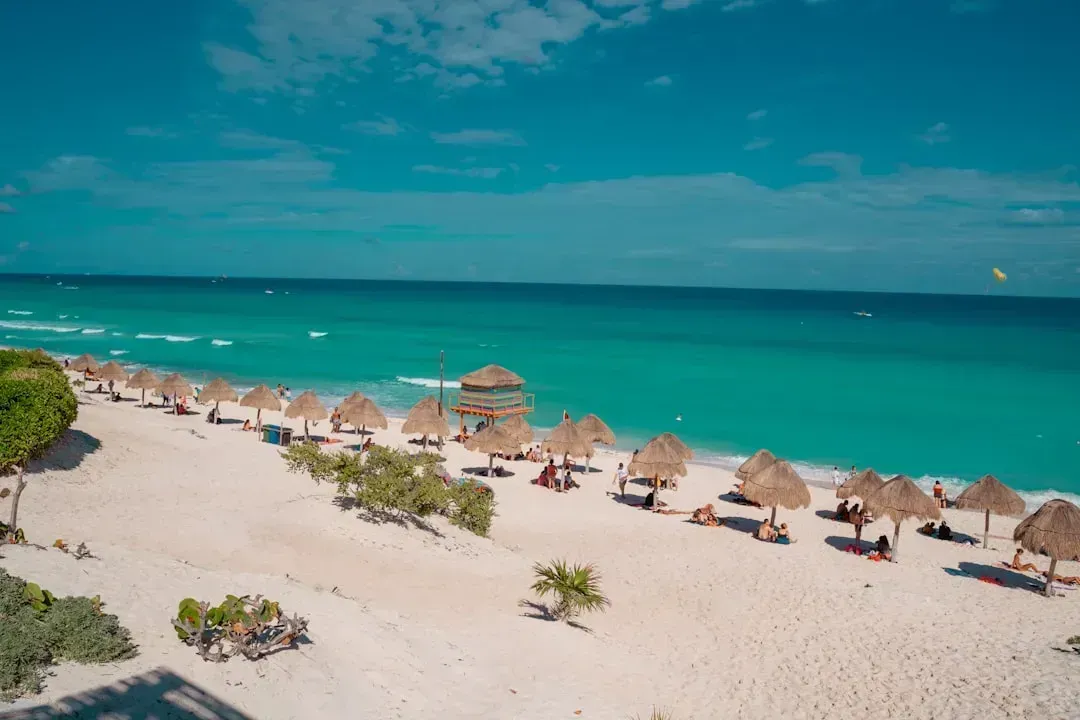
I think this is the issue that actually changed the most minds, quietly and without dramatic headlines. Inflation and demand have driven up hotel rates, especially in Cancún, Tulum, and Riviera Maya. Flights have increased in price due to reduced capacity on key routes, and dining costs in tourist-focused areas now rival prices in major U.S. cities. That last part is worth sitting with for a second.
The United States saw a rate of inflation of 2.9% for 2024, compared to Mexico’s rate of 4.72%. Inflation in Mexico rose into double digits for food and energy in late 2024. Add in the fact the minimum wage was raised by 12% on January 1, 2025, and you can see the pressure businesses face to pass those extra expenses on to customers. Those costs travel directly to your hotel bill and restaurant check.
Cancún is actively repositioning itself as a luxury destination. This strategic shift involves attracting higher-spending tourists by offering more upscale accommodations, fine dining experiences, and exclusive amenities. That strategy might work brilliantly for investors and high-end resort brands. For the couple who once booked Cancún as a relatively affordable tropical getaway, it’s a different story entirely.
Scams, Taxis, and Timeshares – The Tourism Fatigue Nobody Talks About Enough

One of the top complaints from visitors to Cancún involves taxis. From the moment you arrive at the airport you are confronted by taxi workers. Since there are no official taxi prices from the airport nor meters, prices fluctuate to whatever drivers want to charge. That kind of first impression sets a tone that is hard to shake off.
The rip-offs and scams don’t stop there. They continue during your vacation. Everything from restaurants adding tips into the bill, beach clubs overcharging, or stores offering fake tax-free shopping – there are a lot of scams and not-so-honest people trying to make a buck. It all adds up and tourists get tired of it.
Persistent issues such as timeshare solicitation in key tourist areas contribute to a negative experience. Aggressive sales tactics and overcrowding detract from the vacation environment, affecting overall satisfaction and destination appeal. After enough trips, the magic fades when the hustle never stops.
The Arrival Drop – Early Signs of a Shifting Tide
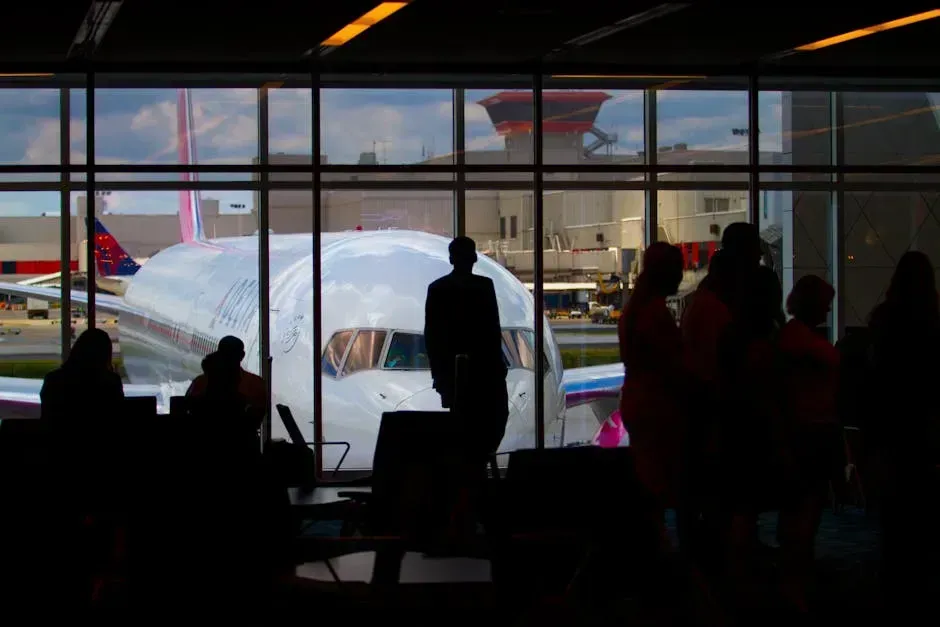
Despite the overall 2024 annual figures looking solid, something began shifting noticeably in early 2025. Both the Cancún and Cozumel airports were down a combined 22.3%, or 617,773 fewer passenger arrivals over the first quarter of 2024. If you added the arrivals together of three airports (including the new Tulum Airport), the area still lost 432,328 passengers arriving to the region. That is a meaningful real-world signal.
Hotel stays in 2024 were down 3.5%, with 2.3 million fewer visitors compared to 2023. This downward trend in hotel bookings indicates that even with economic stimulus efforts, tourism is still struggling to regain the momentum it once had. It’s hard to say for sure whether this represents a permanent recalibration or just post-pandemic noise settling.
Yet, travelers are not disappearing. They are simply diversifying. American tourism to Mexico increased by 5% between January and March 2025 over the same period in 2024. In July 2025 alone, air capacity between Mexico and the U.S. reached 4.6 million scheduled seats, another 5.5% increase from the same time last year. The big picture numbers remain resilient, even as specific destinations like Cancún experience turbulence.
Why Travelers Are Reconsidering – and What the Data Says About Coming Back

Here is the thing: many people who stepped away from Cancún are not gone forever. They are watching. In early 2024, the homicide rate dropped nearly 65% compared to 2018, owing to enhanced patrols, surveillance cameras, drones, and military presence in popular spots. That kind of improvement is genuinely hard to ignore if you loved the destination before things got messy.
The city had one of the highest increases of global tourist demand in the world when comparing flight bookings from summer 2019 to 2024. The underlying love for Cancún has not evaporated. What has shifted is the level of tolerance for its growing list of complications – from safety anxieties to seaweed seasons to price hikes that make you question whether you couldn’t just fly to the Mediterranean instead.
The Hotel Zone and major resort areas are well-patrolled and most visitors have entirely incident-free trips. Petty theft and tourist scams are the primary concerns, not violent crime directed at visitors. For travelers who approach the destination with open eyes and smart preparation, the experience can still absolutely deliver on its original promise.
The Outlook for 2026 – Paradise Evolving, Challenges Persisting

So where does Cancún stand in 2026? I think the honest answer is: at a crossroads. The sargassum seaweed season in the Cancún area appears to be starting earlier than previously forecast in 2026. Satellite data analyzed by researchers at Florida Atlantic University indicate that sargassum concentrations in the Atlantic are already increasing, raising concerns that this year’s influx could rival the severity of last season. Early indicators suggest that coastal areas in the Mexican Caribbean may once again face significant environmental and economic challenges in the months ahead.
Cancún’s enduring popularity, coupled with specific economic and global factors, is driving up prices significantly in 2025. It’s not simply a matter of inflation, but rather a confluence of global trends, local economic realities, and a strategic repositioning of the destination toward a more affluent clientele. That repositioning will likely accelerate, pricing out some loyal visitors while attracting a newer, wealthier segment.
The state of Quintana Roo, Mexico has invested $200 million pesos (about $10 million USD) to combat the seaweed problem, with some creative plans to deflect the seaweed before it hits the beaches, making the daily beach cleaning faster and easier. Combined with the massive security deployments and AI-powered surveillance upgrades, the infrastructure for a better Cancún is being built, piece by piece. Whether it arrives fast enough to stop the tide of hesitation, well – only time will tell.
Cancún is not broken. It is complicated. And complicated destinations have a way of surprising you, for better or worse, when you least expect it. Would you still book that flight? Or has something in this story made you pause? That choice says a lot about what kind of traveler you’ve become.