Ordering These 10 Menu Items Could Be Irritating Fellow Diners
You’ve probably been there. You sit down at a restaurant, excited for a great meal, and then someone at the next table – or worse, at your own table – does something that quietly ruins the whole experience. Sometimes it’s not even about how they behave. Sometimes it’s literally just about what they order.
Honest truth: certain menu choices create ripple effects that go way beyond the person placing the order. They slow down the kitchen, generate overwhelming smells, derail the pacing of an entire table, and leave nearby diners regretting they sat down. Some of these ordering habits are surprisingly common. Let’s get into it.
1. Dishes Loaded With Extremely Pungent Ingredients
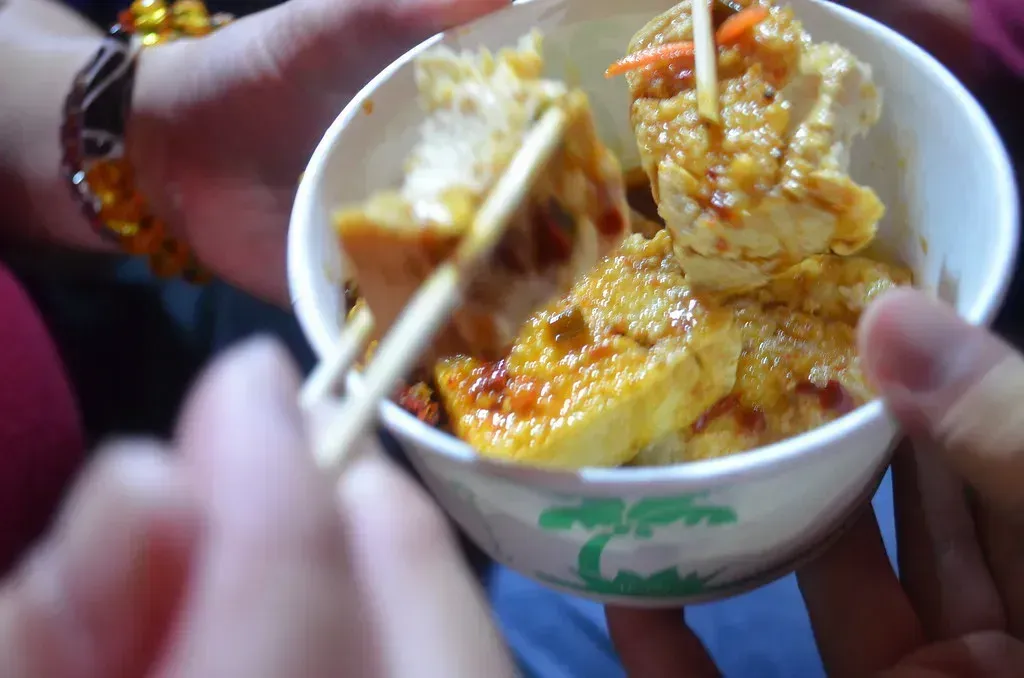
Smell is one of the most powerful senses at the table, and not always in a good way. When someone orders a dish packed with intensely pungent ingredients like fermented fish sauce, blue cheese, or heavily garlicked preparations, that aroma doesn’t stay politely at their table. Overpowering scents can compromise the meal of other diners, who may find their own food’s taste affected by aromas drifting through the air.
This is especially pronounced in smaller, more intimate dining rooms where tables are closely packed together. Think of it like someone blasting music on a shared speaker at a library. The pleasure is entirely one-sided. Upscale restaurants are increasingly aware of this dynamic, and it’s become more common for upscale restaurants to even request patrons minimize strong fragrances for exactly this reason.
2. Ordering With an Endless List of Modifications
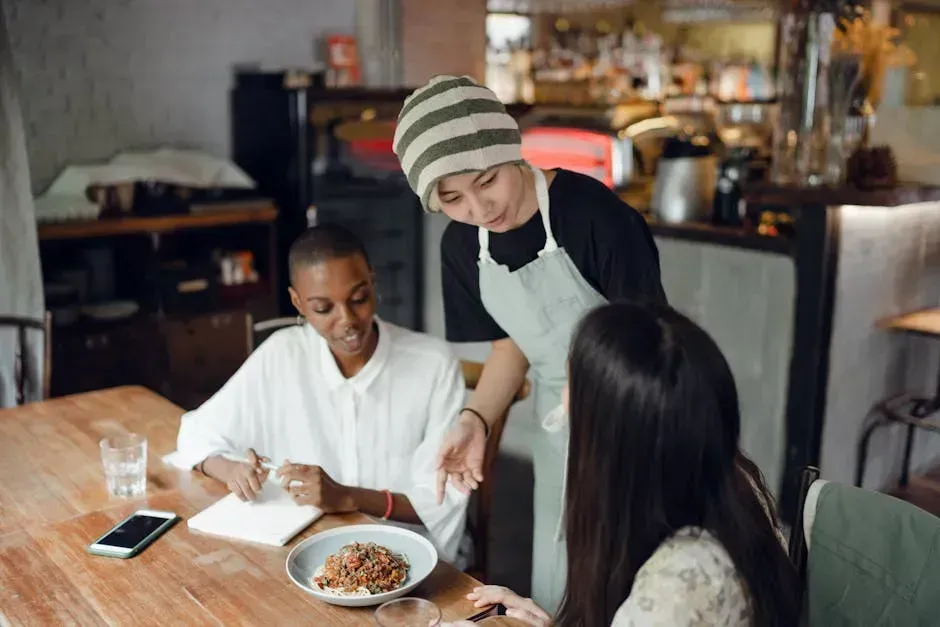
Asking for multiple modifications to a menu item is one of the most divisive customer behaviors in restaurants, according to a 2024 YouGov poll of over 1,000 Americans. There’s a meaningful difference between asking for dressing on the side and completely reinventing a dish. Excessive modification behavior monopolizes the time of one busy server, breaks the flow of kitchen staff behind the scenes, and creates a ripple effect throughout the entire restaurant.
A restaurant’s menu is constructed by a chef who believes each dish is the best and tastiest presentation they have to offer. Asking for sweeping modifications not only causes problems for the cooks, it also shows a lack of respect for what a chef has created. For every minute a server spends negotiating a dramatically customized order, other diners at nearby tables are quietly waiting longer for their own meals. It’s a domino effect most people never consider.
3. The “Deconstructed” or Off-Menu Invention
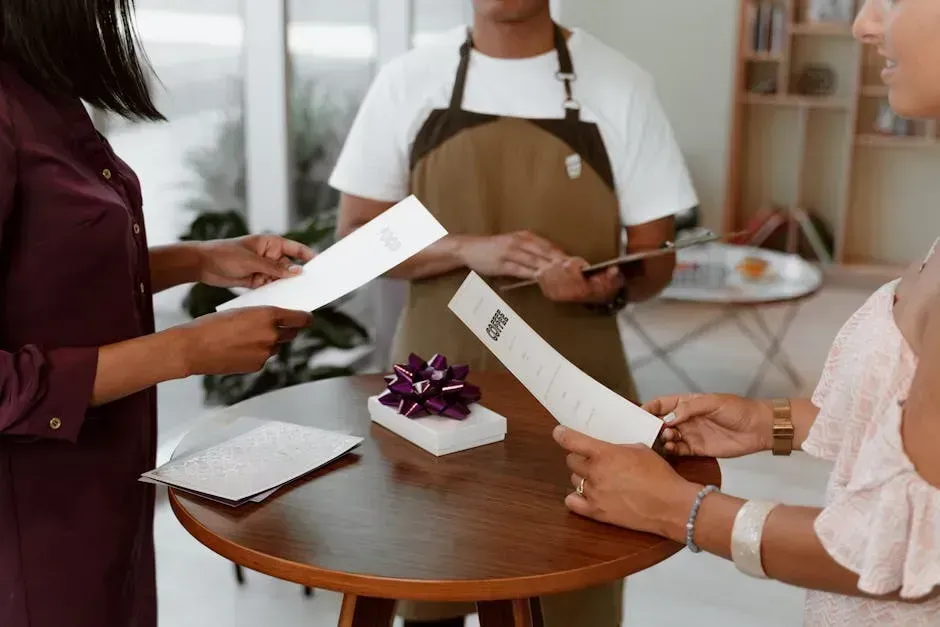
Some diners treat a restaurant menu like it’s a suggestion rather than a carefully designed offering. Ordering a dish that essentially doesn’t exist – asking for paella without rice, or a prawn roll replaced with chicken tenders, or a poke bowl swapped for mashed potatoes – is more disruptive than it seems. While most modifications are fine, completely changing something essential to a dish – like replacing prawns in a prawn roll with chicken tenders, or swapping rice in a poke bowl for pasta – pushes too far.
Asking for big modifications begs the question: why order it in the first place? When the kitchen has to essentially invent a new dish on the fly, it throws timing off for the whole service. The diner waiting on a simple pasta at the next table may find their order gets delayed because someone else is essentially requesting a custom meal during a Friday night rush. That’s not just a kitchen problem – it’s a shared problem.
4. Insisting on Ordering Just as the Kitchen Closes
Ordering just as the kitchen is closing puts undue pressure on both the staff and the cook. This is often seen as disrespectful of employees’ time, and many restaurants communicate last order times specifically to prevent this scenario. Still, some diners ignore closing times entirely, squeezing in a full multi-course order minutes before service ends. It’s one of those things that feels harmless to the person doing it and genuinely frustrating to everyone else involved.
Ordering right before the kitchen closes is a lose-lose situation. It makes the restaurant staff’s jobs harder, results in rushed service, and means a server who is probably already annoyed. Fellow diners who arrived earlier and ordered on time may suddenly find their desserts deprioritized while the kitchen scrambles. The whole room feels the tension, even if nobody can quite put their finger on why.
5. Overly Alcoholic Orders That Lead to Loud, Disruptive Behavior

There’s nothing wrong with ordering drinks at dinner. The problem starts when the drinks begin ordering the person. Drinking too much can lead to loud and unruly behavior that affects other diners’ experiences. Servers are trained to handle such situations discreetly by limiting further alcohol service. The uncomfortable reality is that the chain starts with the order itself, not the behavior – and other diners often feel the consequences long before management steps in.
A restaurant is not a library, and it’s perfectly acceptable to laugh and talk. But when you’re all but yelling or being rowdy, you’re not being respectful of other diners. It sounds obvious, yet it happens constantly. Ordering round after round at a close-quartered table is the kind of choice that starts affecting strangers well before the bill arrives.
6. Giant “Challenge” or Oversized Portion Orders
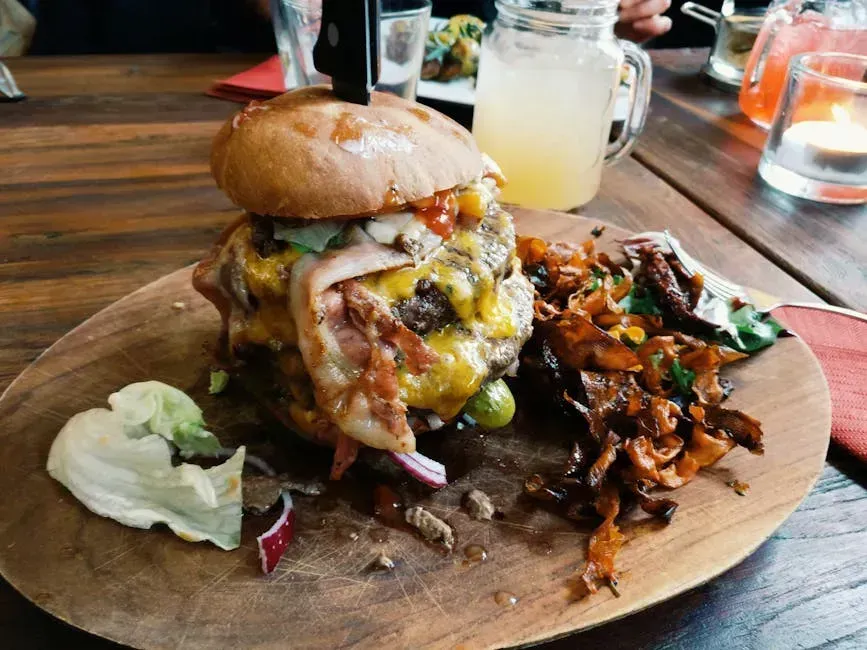
The social media era has given rise to something that frustrates a surprising number of diners: the enormous, theatrical meal ordered purely for spectacle. Oversized portions like enormous burritos piled high with multiple servings of meat, whole corn on the cob, and four avocados create a situation where people eat roughly one-eighth of the dish just to get the picture and the thrill of ordering it. The waste alone is enough to make nearby diners uncomfortable.
Beyond the visual disruption, challenge orders frequently require extra preparation time that throws off the kitchen’s rhythm for everyone else dining that evening. The table that ordered a normal entrée ends up waiting an unexpectedly long time because one person decided tonight was the night for a food stunt. It’s harmless in isolation, genuinely annoying in practice.
7. Bringing Outside Food Into the Restaurant
Bringing outside food into a restaurant can be seen as a breach of dining etiquette and can raise health and safety concerns. Exceptions are sometimes made for dietary restrictions or infant food, but these should be discussed with the establishment in advance. The problem is that most people who do this don’t ask in advance. They simply arrive, pull out a bag of something they picked up elsewhere, and start eating like it’s perfectly normal.
Etiquette experts are clear on this one: that to-go cup of coffee you grabbed while waiting for your table? Leave it before you go in. Many restaurants have signs asking patrons not to bring in food or drink from elsewhere, and it’s a rule that polite restaurant guests follow. For fellow diners, watching someone unwrap outside food at a table you’re paying full price to enjoy is, well, a little irritating. Honestly, it just is.
8. Demanding Substitutions That Rewrite the Entire Dish
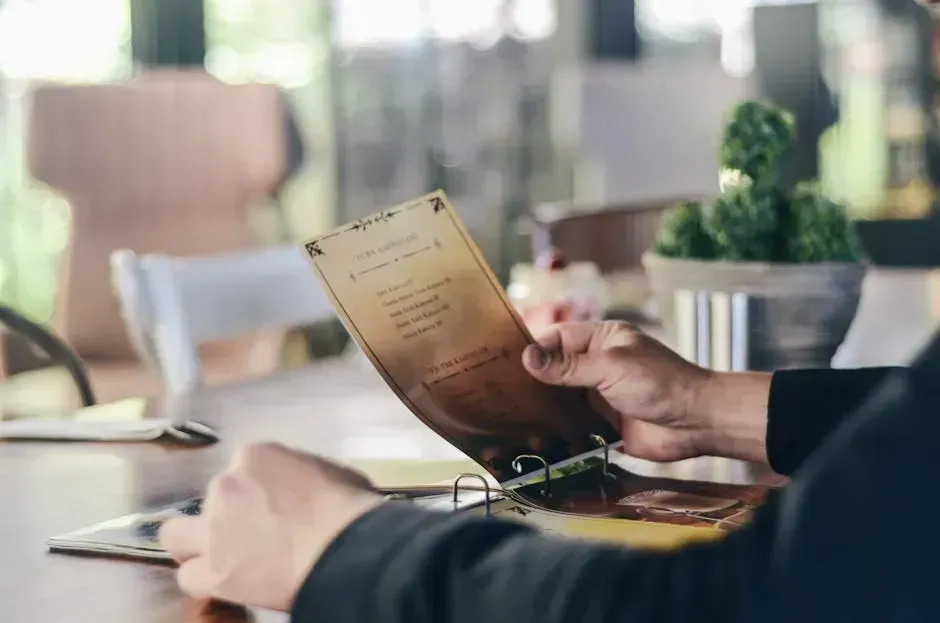
There’s a difference between a reasonable accommodation and a full rewrite. Asking for a low-fat Eggs Benedict with no yolks – the primary ingredient in Hollandaise sauce – or ordering a French onion soup without onions are the kinds of requests that genuinely baffle kitchen staff. Restaurant websites often mention whether a restaurant can accommodate different dietary needs or if they’re willing to make changes. Some restaurants have a strict no-modifications policy, and if nothing on the menu seems appetizing without sweeping changes, it is perhaps better to choose a different restaurant altogether.
Other diners feel this too, because impossible substitution requests create delays and confusion that trickle outward. The kitchen slows. The server disappears for longer stretches. Asking for multiple modifications to a menu item remains one of the most divisive customer behaviors in restaurants, dividing public opinion precisely because people genuinely can’t agree on where the line should be drawn. That ambiguity alone causes tension at tables everywhere.
9. Ordering the Most Time-Consuming Item During Peak Hours
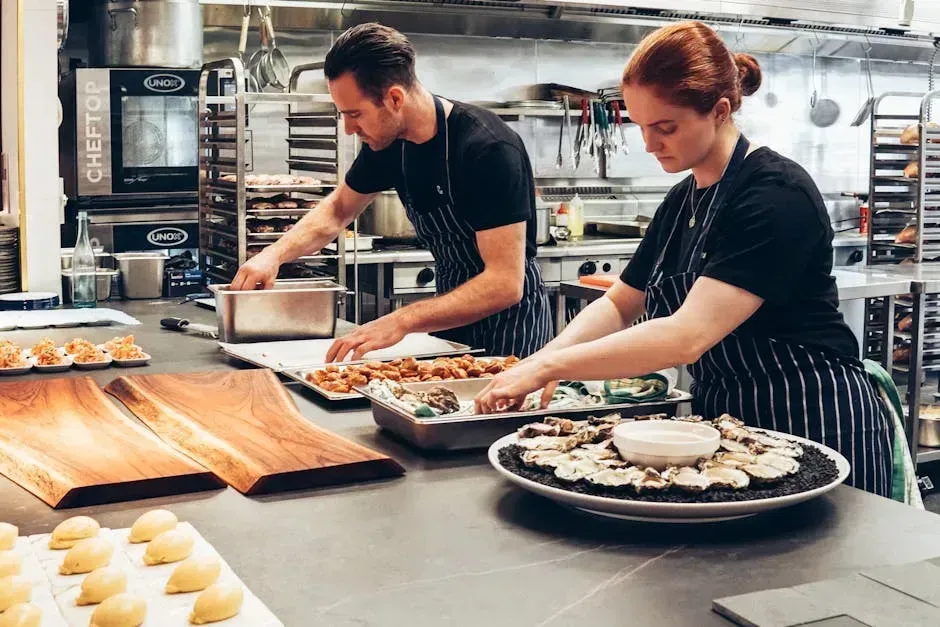
Some dishes are just inherently slow to prepare. A whole roasted fish, a soufflé, a slow-braised short rib – these aren’t items you order at 7:30 on a Saturday when the restaurant is packed wall to wall. Restaurant professionals note that customers have become so accustomed to ordering food online that they expect their fare to come out instantaneously – as one co-owner put it, they “expect the food yesterday.” Ordering a time-intensive dish during peak service amplifies the wait for every other table in the room.
Last-minute changes to large party orders throw the kitchen into disarray, especially during peak dining hours. Effective communication between the dining party and restaurant staff can minimize these disruptions. The same logic applies to solo diners who order something that demands 45 minutes of preparation time without flagging this to their table companions. The whole group ends up sitting in an awkward state of half-finished plates while one dish slowly materializes from the back. I think we’ve all been that person waiting at the table. Not fun.
10. Repeated “One More Thing” Add-On Orders
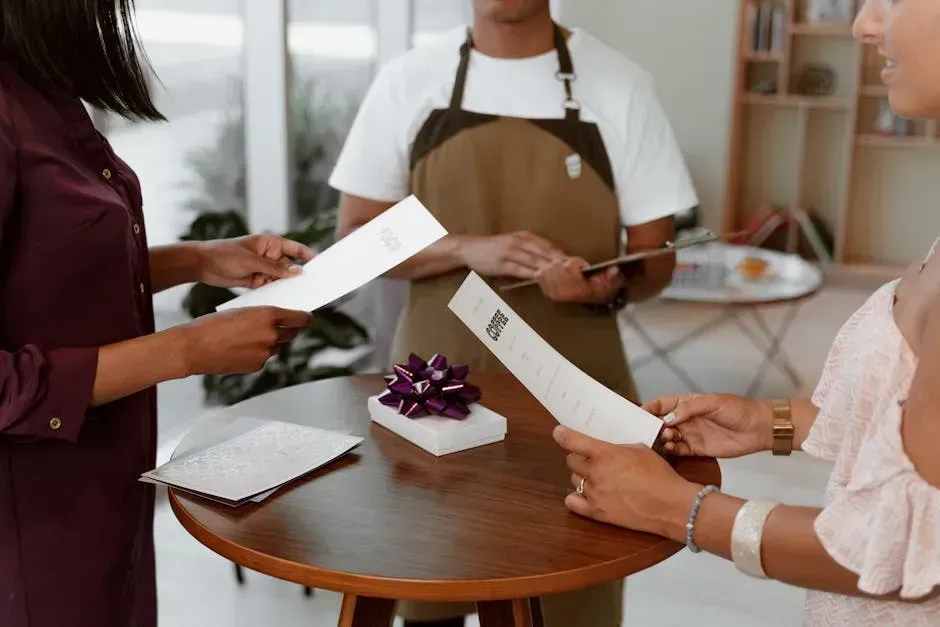
This one has a name. It’s called “one-timing,” and it’s remarkably common. One-timing happens when a diner calls the server over repeatedly, asking for just one more thing each time – extra napkins, then a side of ranch, then a lemon for the water, then a spoon for the soup, more ice in their drink. In isolation, each request is reasonable. Together, it’s the restaurant version of death by a thousand cuts.
This habit is particularly disruptive when servers are relatively inexperienced, because it really slows everything down. The server is pulled away from other tables repeatedly, leaving fellow diners feeling neglected and frustrated without really understanding why service has deteriorated. A YouGov poll of more than 1,000 Americans found that many survey respondents were split on certain behaviors, but the disruption caused by repeated demands on server attention consistently emerged as a shared frustration. Consolidating your requests into one clear, thoughtful order is one of the most considerate things you can do for everyone in the room – including yourself.
A Final Thought
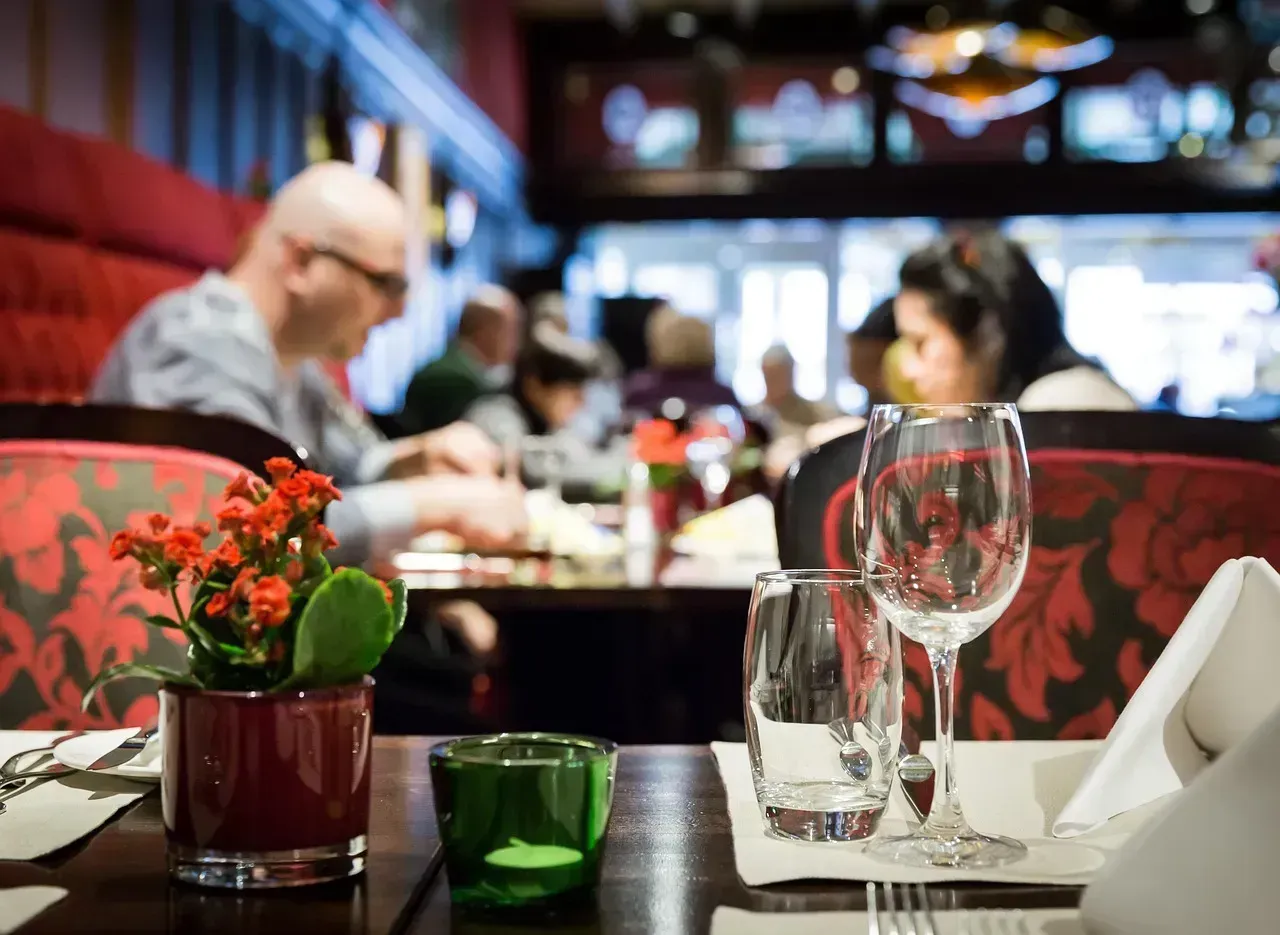
Dining out is, at its core, a shared experience. The choices you make at your table rarely stay entirely at your table. At least eight in ten Americans agree that certain restaurant behaviors are simply unacceptable, and the food orders listed here sit right on that blurry line between personal preference and collective irritation. Most people causing disruption aren’t trying to be inconsiderate. They simply haven’t thought about the downstream effects of what they’re ordering.
The next time you sit down to order, take a beat. Think about whether your choices might be making life harder for the kitchen, the server, or the people sitting two feet away from you. Small adjustments in ordering habits can make a genuinely meaningful difference to everyone’s evening. Worth thinking about, isn’t it?