The Do-Not-Eat List: 7 Items Professional Food Critics Never Order at a Seafood Shack
Picture this. You’re sitting at a weathered picnic table, salty breeze in your hair, staring at a menu filled with seemingly innocent seafood offerings. You’ve just paid for parking, you’re hungry, and everything looks tempting. Here’s the thing though: not every item on that menu is created equal, and those who eat at seafood joints for a living know exactly what to skip.
Professional food critics have seen it all, from pristine catches to questionable kitchen practices. They’ve developed a sixth sense for spotting trouble before it hits the plate. Let me tell you, their insights might completely change how you order next time you visit your favorite coastal eatery.
The Monday Special
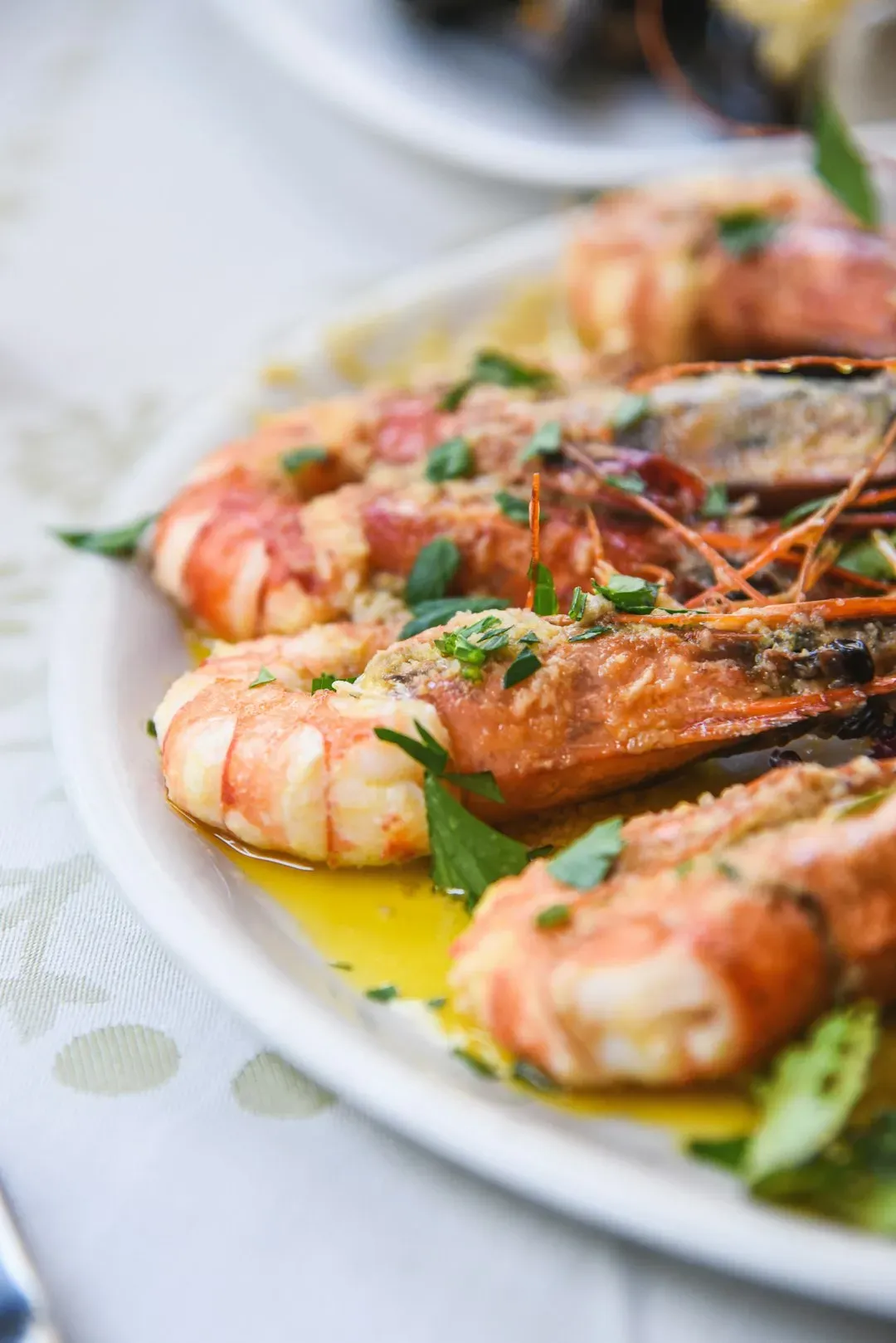
Let’s be real: seafood specials can be a way for a chef to move a certain ingredient, and when it comes to fish, an ingredient that relies on freshness for its quality, timing matters. Walk into any seafood shack on a Monday and you’ll probably see an enticing “catch of the day” special scrawled on a chalkboard.
Many diners unknowingly order seafood early in the week when it’s least fresh, since most restaurants receive their fish deliveries on Thursday or Friday for weekend service. Fish sitting since the previous week has deteriorated in quality, texture, and flavor, making even well-prepared dishes taste off. The specials may seem enticing, but they could be made with ingredients that are a little less than fresh, and in a bad restaurant, these dishes may be composed of seafood that the chefs have to throw out in the next few days.
Smart diners order their seafood from Thursday through Sunday when restaurants have the freshest inventory available.
Farm-Raised Tilapia
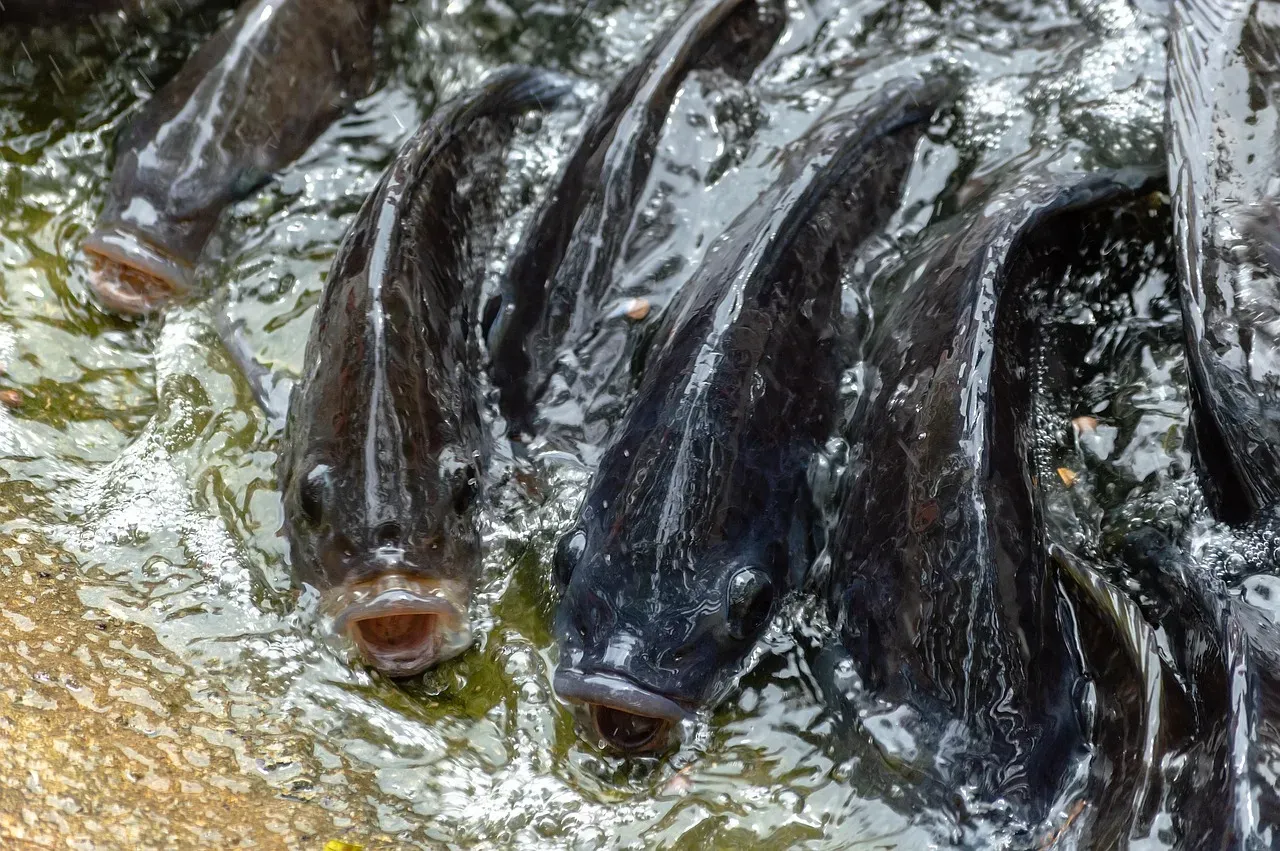
The high demand for tilapia has led to some slightly less-than-savory farming of it around the world, and standards can differ in certain countries. Tilapia farmed in China, for example, should be avoided, as antibiotics can often make its way into the fish. Honestly, it’s a bit shocking how much debate this mild-flavored fish causes among professionals.
Chefs avoid ordering tilapia in restaurants because since the farms grow all the fish in the same vicinity, the fish aren’t able to be raised in a clean environment. It’s a bland, flavorless fish usually farmed with irresponsible farming methods. Beyond the farming concerns, there’s another issue: tilapia is low in omega-3 fatty acids yet high in omega-6 fats compared to other types of fish, and this poor omega imbalance can drive up inflammation in the body and may contribute to the development of chronic conditions.
Deeply Discounted Seafood
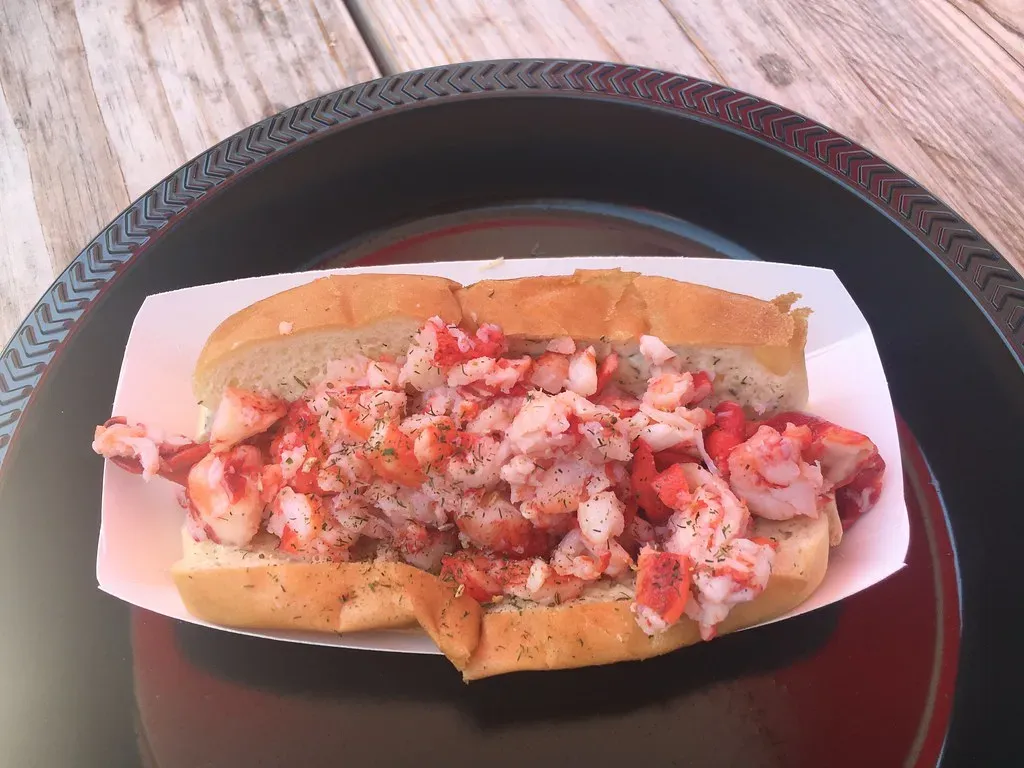
I know it sounds crazy, but when you see lobster rolls for half the price of everywhere else, run. Extremely low prices can be a red flag for freshness and sourcing, as quality seafood is costly from the start, and cutting corners on price often means it is frozen for long periods or lower-grade imports.
If pricing is too low or not what you would expect then it could be lesser quality products, inferior products, or an issue with truth in the menu. Think about it: fresh seafood requires careful handling, quick transportation, and proper storage. All of that costs money.
Any catch that hasn’t been properly refrigerated can induce a particularly pesky type of food poisoning called scombroid, which can cause itching, face redness, nausea, diarrhea, heart palpitations, and blurred vision, so the credibility of your chosen restaurant can have a profound effect on your seafood eating experience.
High-Mercury Fish
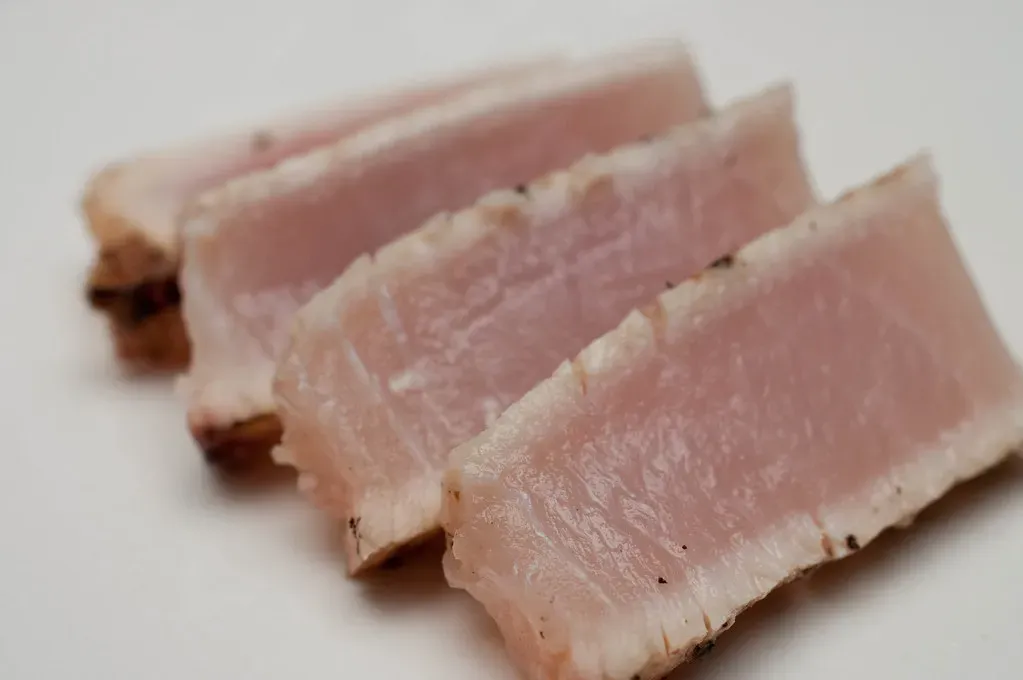
Swordfish steak might sound impressive and meaty, yet there’s a significant downside. For many experts, swordfish is not worth ordering in restaurants due to its potentially high mercury content, with a mean concentration of 0.995 parts per million, making it one of the highest mercury loads out there.
Mercury is toxic for humans, and when it accumulates in the body over time, it can lead to major health concerns, including an increased risk of cardiovascular disease. The same warning applies to shark, which carries similarly dangerous mercury levels.
Experts recommend eating high-mercury fish no more than three times a month, or avoiding them entirely. Seafood like scallops, clams, and sardines fall into the low mercury category, while swordfish and shark top the avoid list. Your nervous system will thank you.
Cheap Atlantic Salmon
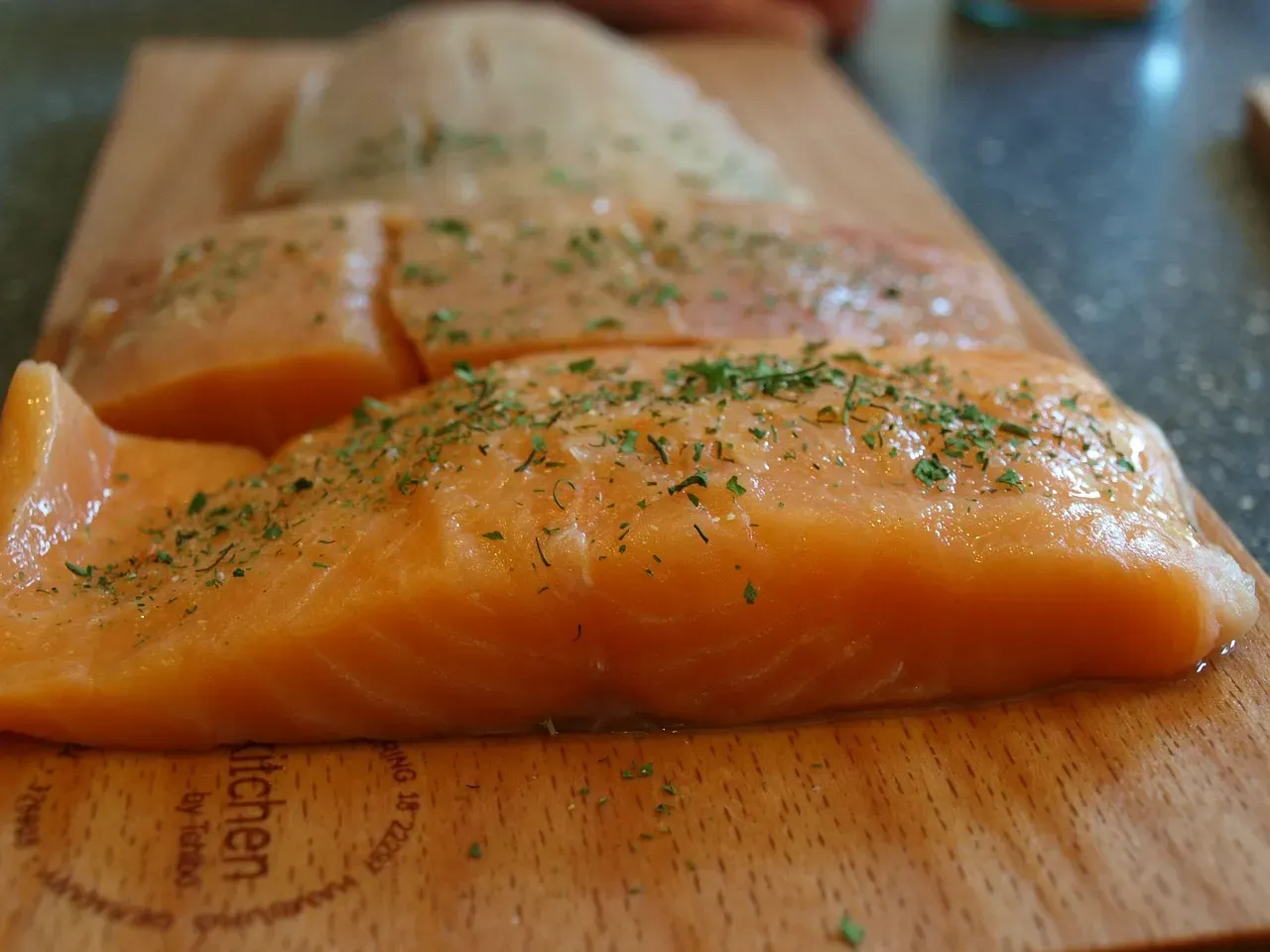
Some restaurant menus feature salmon at stunningly low prices, and for experts, this deal just isn’t worth it, as if you buy salmon at a fast-casual or just fast restaurant, it’s likely going to be Atlantic salmon, which is probably the lowest farming standard of all salmon. The quality difference is striking when you compare it to wild-caught varieties.
Salmon farming began in earnest in the 1960s and the industry swiftly became rife with controversy. These days, about 70 percent of the world’s salmon is farmed, but salmon farms have historically been linked with poor stewardship practices like overcrowding or overuse of antibiotics.
I think it’s worth spending a bit more for Pacific or Alaskan wild-caught salmon if you’re going to order it at all. The flavor alone makes it worthwhile, not to mention the cleaner production methods.
Anything Drowning in Sauce
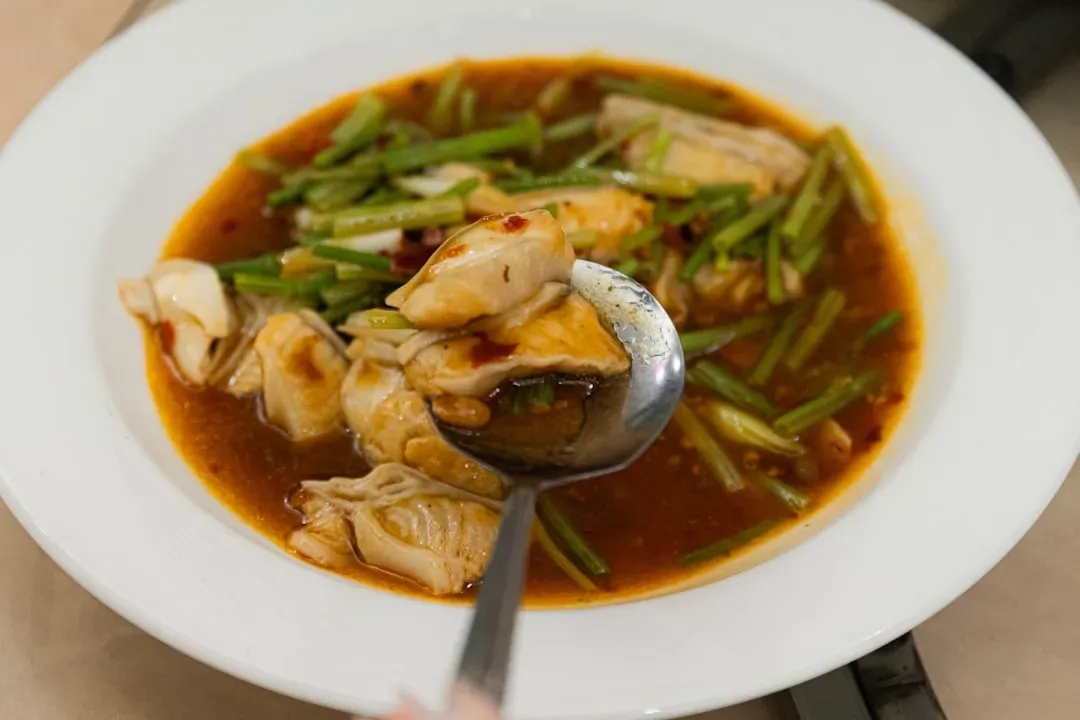
Here’s the thing about quality seafood: it doesn’t need much help to taste amazing. An excessive amount of sauce across a range of the menu’s seafood offerings may sometimes be used to conceal issues with the quality or freshness of the seafood, as if the fish is covered by a lot of things, they are trying to hide either low quality ingredients or mishandled food.
Chefs advocate for simplicity in seafood preparation, stating that the simpler, the better to let the protein shine on its own, and personally, simple is best with seafood with simple sauces and simple vegetables. When you see menu items like blackened redfish smothered in heavy cream sauce or fried grouper buried under thick tartar and cheese, be skeptical.
The heavy types of frying oil and the batter used can really detract from a great piece of seafood, and restaurants pairing seafood with heavy, cream or tomato-based sauces raises concerns. Fresh fish prepared simply with lemon, butter, and herbs should be the standard.
Live Tank Seafood
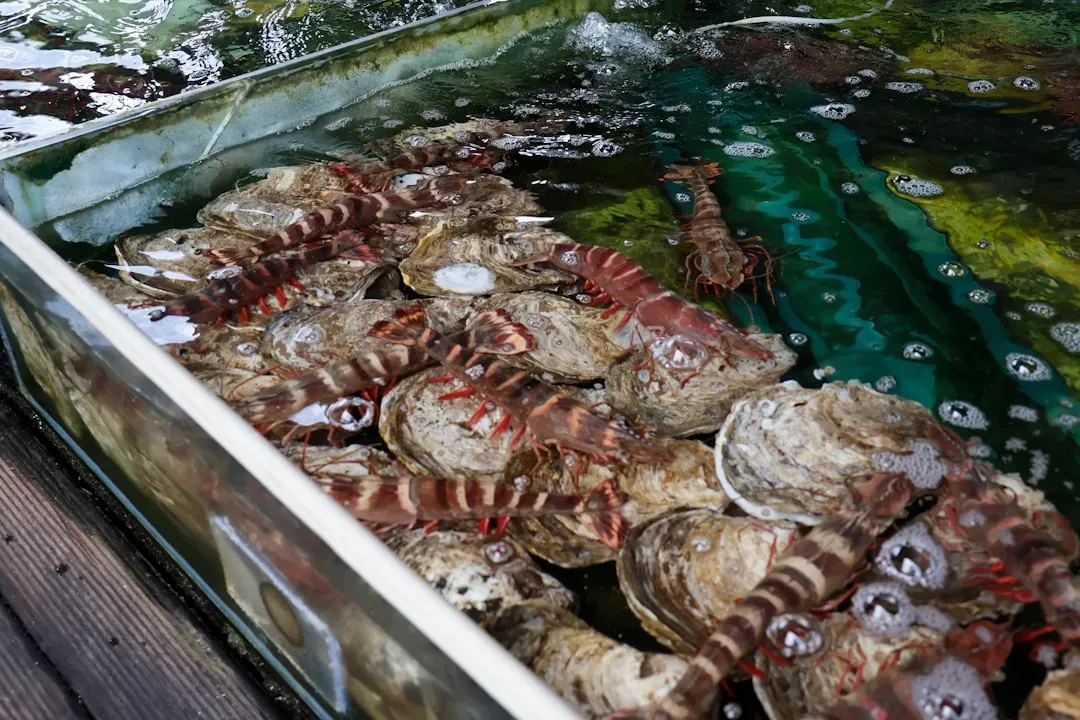
This one surprised me too. Live seafood tanks can seem like a classy touch, and while some people take issue with restaurants displaying a live version of food they’re about to eat, it can often be a marker of quality, with the school of thought being that if a restaurant can afford to keep a live seafood tank, it’ll also be able to afford the best produce and staff. Sounds logical, right?
Wrong. These tanks are way more problematic than you might think, as not only are they arguably pretty inhumane, but any contamination in them can affect the fish you’re about to consume, and seafood that’s been reared and kept in large aquafarms will likely have better access to clean, fresh water. You don’t know when someone last cleaned the filter or tested the water quality.
Critics know that a pristine tank requires constant maintenance and monitoring, and many smaller seafood shacks simply don’t have the resources or expertise to manage them properly. Better to order from the cooler where you know the fish arrived fresh that morning.