Blacklisted Homes: 8 Features That Can Make a Property Nearly Impossible to Sell
Think you can sell any house if the price is right? Think again. Some features send buyers running before they even step inside. Real estate professionals said buyers in 2025 were more informed and selective, paying attention to energy efficiency, layout flow, and long-term maintenance costs. Certain property characteristics create serious roadblocks that go way beyond outdated wallpaper or a cramped kitchen. Let’s be real, homes with these features sit on the market longer and often sell for significantly less than similar properties without them. Here’s what sellers are discovering the hard way about features that can make their homes nearly unsellable.
Power Lines Looming Overhead
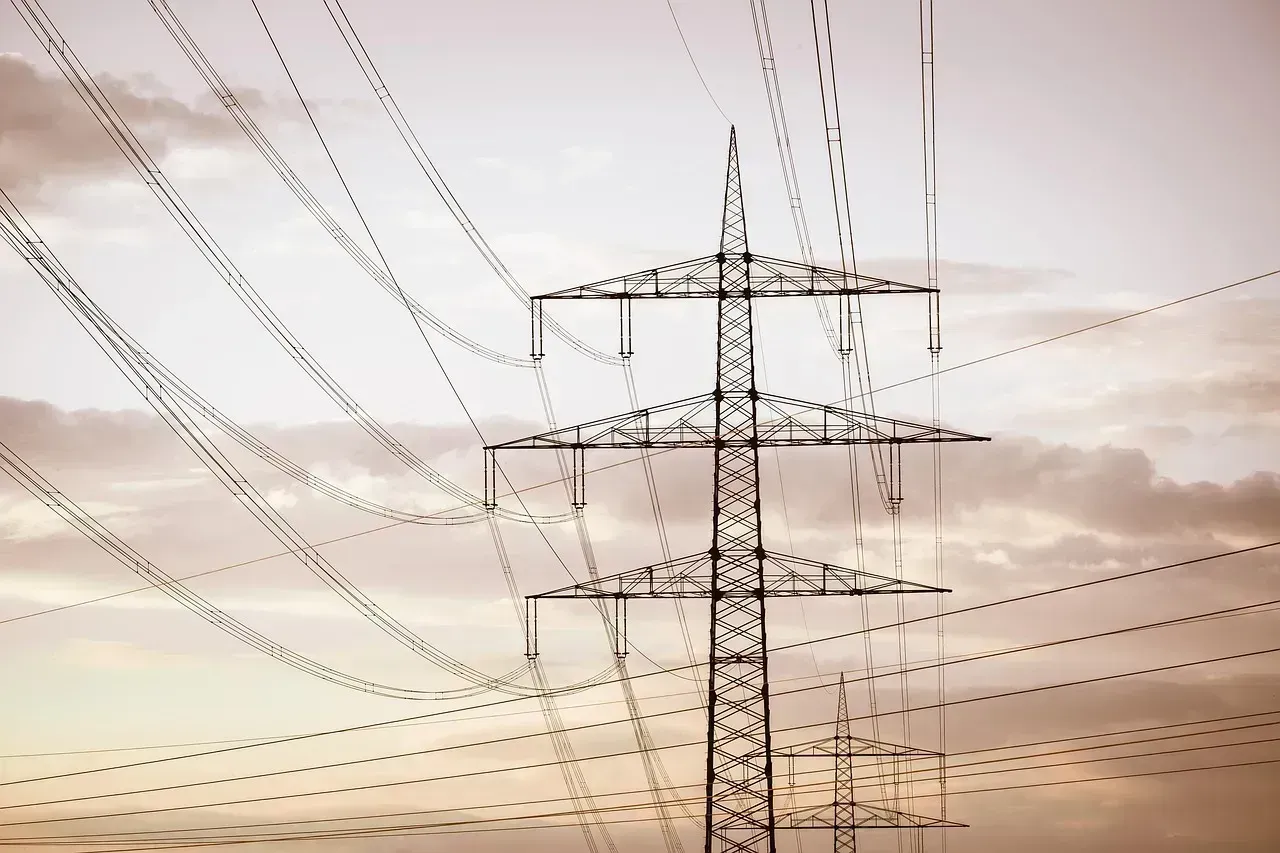
A 2018 study from the Journal of Real Estate Research found that vacant lots near high-voltage power lines sell for 44.9% less than equivalent lots that aren’t located near power lines. That’s a massive discount buyers demand. If you take a step back, a lot that is located within 1,000 feet of transmission lines tends to sell for 17.9% less. The issue isn’t just about aesthetics, though those towering metal structures certainly don’t enhance curb appeal. The main reason why power lines make your property worth less is simply because most people don’t like how they look. Not only are power lines not super aesthetically pleasing, but they tend to block views. Even though scientific research hasn’t conclusively proven health risks, the perception alone tanks property values. In the case of CREZ, my paper shows that properties within half a kilometer fell by ten percent on average (about $12,000 for the typical affected property).
In-Ground Swimming Pools in Cold Climates

Swimming pools sound like a luxury feature, right? Turns out they can be a deal-breaker for many buyers. However, if you live where the pool can’t be used year-round, the level of maintenance and space the pool occupies on the property may deter buyers. The financial burden is considerable too. According to Houselogic.com, the National Association of Realtors’ online magazine for homeowners, the average cost to install, equip, and fill a 600-square-foot concrete pool starts at $30,000. But here’s the kicker: ongoing costs never stop. Experts say this could cost anywhere from $80 to $150 a month on average, depending on the services. “It’s a feature, definitely,” Cox says, “but it will be an obstacle to some buyers because not everyone wants to take care of a pool.” Many buyers, especially first-time homeowners, see pools as expensive liabilities rather than attractive amenities. In warm climates like Florida or Arizona, pools may add value, but anywhere else, they can seriously limit your buyer pool.
Homes Near Cemeteries or Funeral Homes

Location matters, and proximity to death-related businesses creates a psychological barrier many buyers can’t overcome. Real estate site Trulia found homes near graveyards, funeral homes and mortuaries often have a lower value – up to 13.6% – even when controlling for other factors. This isn’t about superstition alone. The constant reminder of mortality, combined with potential traffic from funeral processions and visitors to gravesites, makes these properties harder to market. Some buyers worry about resale value down the line, creating a cycle where these homes stay on the market longer. The stigma is real, measurable, and difficult to overcome even with aggressive pricing.
Stigmatized Properties with Violent Histories
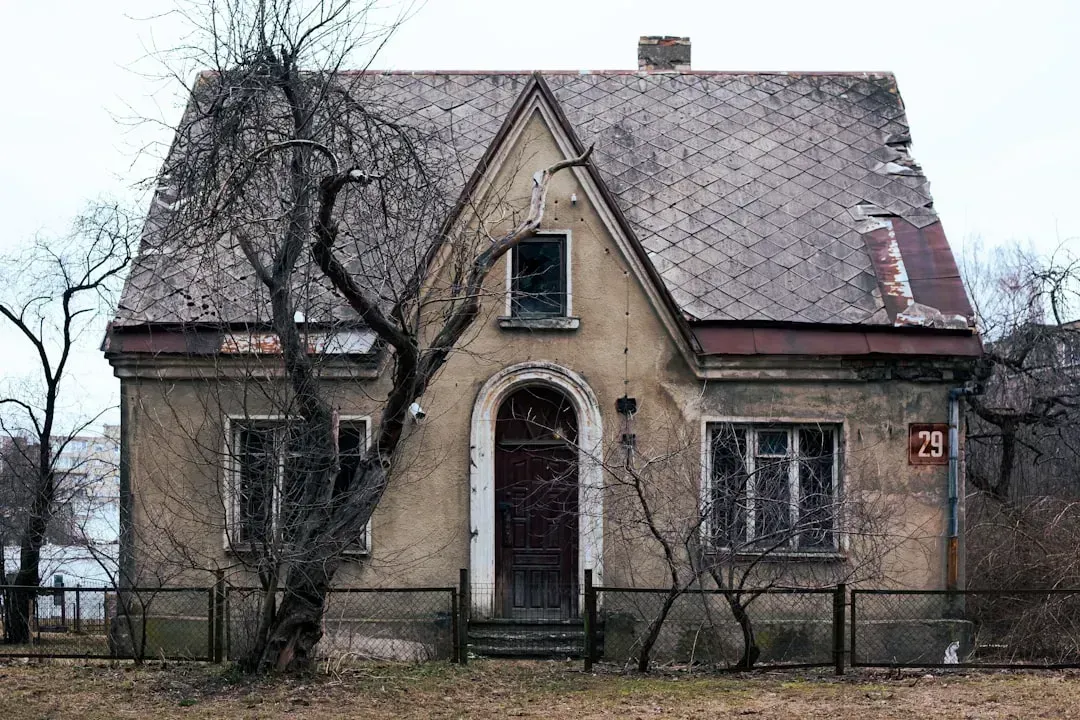
Non-natural deaths – such as a homicide or suicide – in a house can decrease the property’s value by 10% to 25%, according to Randall Bell, an expert in real estate damage economics and valuation with Landmark Research Group LLC in Dana Point, California. These so-called murder houses face serious marketability challenges. The stigma can lead to a longer time on the market and a lower selling price, often by 15-25%, depending on the market and the severity of the event. Let’s be honest, most people don’t want to live where a tragedy occurred. The Los Angeles condo where owner Nicole Brown Simpson and friend Ron Goldman were murdered sat on the market for two years before finally selling at a loss of $525,000. He says that generally a year or two after the event, the stigma may start to somewhat fade. Disclosure laws vary wildly by state, making navigation tricky. Some buyers specifically search for these properties hoping for deep discounts, but the majority steer clear entirely.
Elaborate Outdoor Features Requiring High Maintenance

Elaborate gardens, expansive pools, or outdated hot tubs may appeal to a niche audience but discourage average buyers. Many see them as expensive to maintain or repair. Think about it: today’s buyers want low-maintenance lifestyles. They’re busy, often dual-income households who’d rather spend weekends relaxing than pruning hedges or cleaning koi ponds. Real estate agents report that homes with low-maintenance exteriors and efficient irrigation systems sell faster, especially in suburban and semi-rural areas. Buyers do the math quickly. If your property features ornate landscaping, waterfalls, or complex outdoor lighting systems, they’re calculating years of weekend labor or thousands in annual maintenance costs. Those grand features you lovingly installed might actually be scaring away qualified buyers who want simplicity.
Outdated Kitchens Stuck in Past Decades
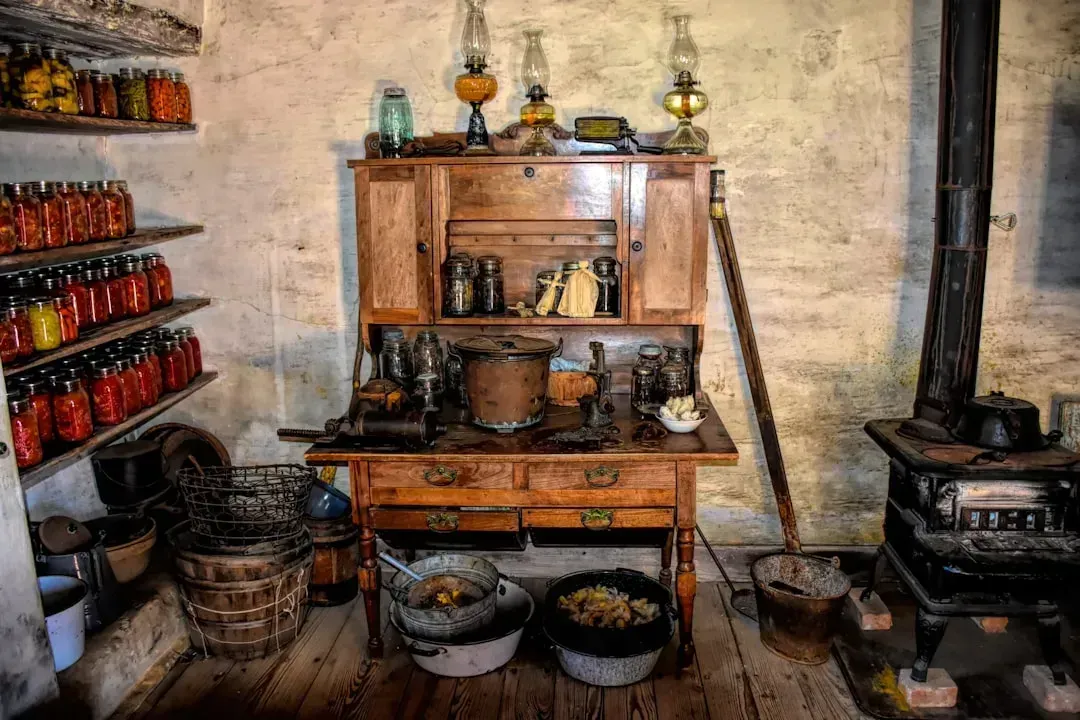
A slightly outdated kitchen is one thing, but an overly outdated kitchen that is clearly stuck in decades previous is a huge red flag. Outdated cabinets, appliances from 30 years ago, tile countertops, these are all huge dealbreakers for a majority of homebuyers. The kitchen remains the heart of the home, and buyers scrutinize this space intensely. Avocado-green appliances from the 1970s or laminate countertops from the 1980s send a clear message: this house needs serious money invested before it’s livable. Most buyers today lack the budget or desire to tackle major kitchen renovations immediately after purchase. They’re looking for move-in-ready or at least cosmetically acceptable spaces. Real estate professionals said buyers in 2025 were more informed and selective, paying attention to energy efficiency, layout flow, and long-term maintenance costs.
Choppy Floor Plans and Poor Layout Flow

Those big cookie-cutter homes in the suburbs were not going to move quickly or easily in 2025, according to Donovan Reynolds, Georgia real estate agent for Redfin. “Oversized homes with dated finishes and choppy floor plans are struggling, especially those built during the early 2000s housing boom. Open-concept living has dominated buyer preferences for years now. Homes with numerous small, disconnected rooms feel claustrophobic and outdated. Buyers envision knocking down walls, which translates to construction costs, permits, and disruption. Poor traffic flow between rooms creates functional headaches nobody wants. You might love your cozy, compartmentalized layout, but modern buyers are searching for sight lines, natural light flow, and spaces that accommodate contemporary living patterns. These architectural issues are expensive to fix and impossible to hide during showings.
Homes with High HOA Fees and Special Assessments
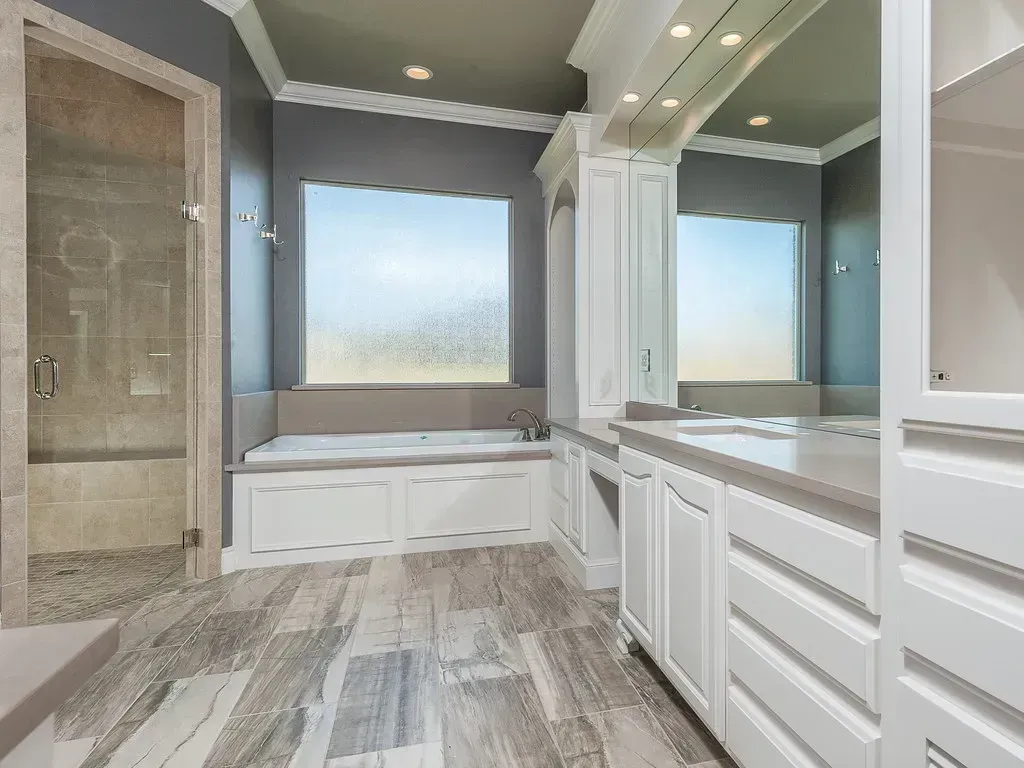
“With rising insurance premiums and maintenance costs, buyers are wary of getting stuck with a monthly bill that rivals a mortgage,” Reynolds said. This especially affects condominiums and planned communities. When HOA fees climb into the hundreds monthly and special assessments loom for major building repairs, buyers rightly hesitate. These fees represent mandatory expenses that don’t build equity or offer flexibility. 41% of properties have seen a decrease in price; 2% of properties have seen a price increase. Younger buyers particularly resist properties with expensive HOA obligations. They’re already stretching budgets for mortgages and prefer controlling where their money goes. Communities with deferred maintenance facing large special assessments become virtually unsellable until those issues resolve. Smart buyers research HOA financial health thoroughly, and weak associations tank property values significantly.
Some features create such significant barriers that even aggressive price cuts barely help. Even in a strong housing market, certain property features can slow a sale or drive offers below asking price. Understanding these blacklisted features helps sellers set realistic expectations and potentially address issues before listing. Would you have guessed that features you considered amenities might actually be driving buyers away?