Hold Off on Buying: 10 Home Renovation Trends Realtors Say Are Losing Value
Millions of homeowners are pouring money into renovation projects right now, convinced they’re investing wisely in their biggest asset. The numbers are staggering. The average American household spent $9,322 on home improvement projects in 2024, according to Angi’s annual State of Home Spending report. That’s a lot of cash on the table.
The problem? Not every renovation is a smart bet. In fact, some of the most popular trends realtors are seeing in 2025 and 2026 are quietly draining home value instead of building it. Here’s what the data actually says, and it might surprise you. Let’s dive in.
1. The Over-the-Top Kitchen Gut Job
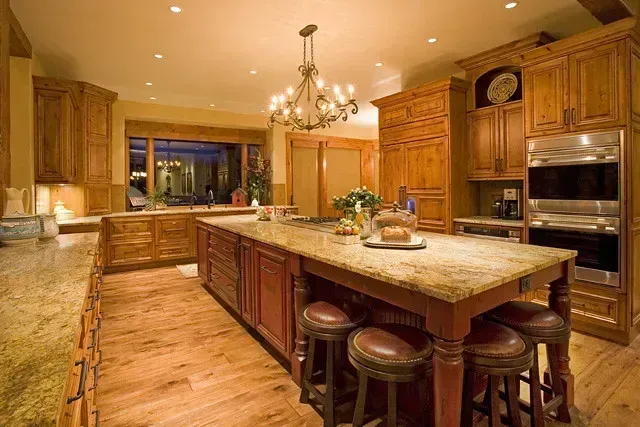
There’s a reason the kitchen gets called the heart of the home. It sells. Buyers walk in, look around, and make emotional decisions in seconds. But here’s the thing: going all-in on a luxury kitchen renovation is one of the most financially damaging moves a homeowner can make.
Major kitchen remodels often yield a lower ROI, recovering only about 50 to 60 percent of the investment. Think about that. You spend $80,000 tearing out walls and installing custom cabinetry, and you walk away with maybe $48,000 back. That’s not an investment. That’s an expensive hobby.
Major kitchen remodels only return 38 percent on average, with an $85,000 cost returning just $32,300. Realtors consistently recommend focusing on smaller, strategic updates instead. Experts recommend spending no more than 15 percent of your home’s total value on a kitchen renovation to ensure you maximize your return without over-investing beyond your property’s market value.
2. Luxury Bathroom Overhauls That Buyers Don’t Want
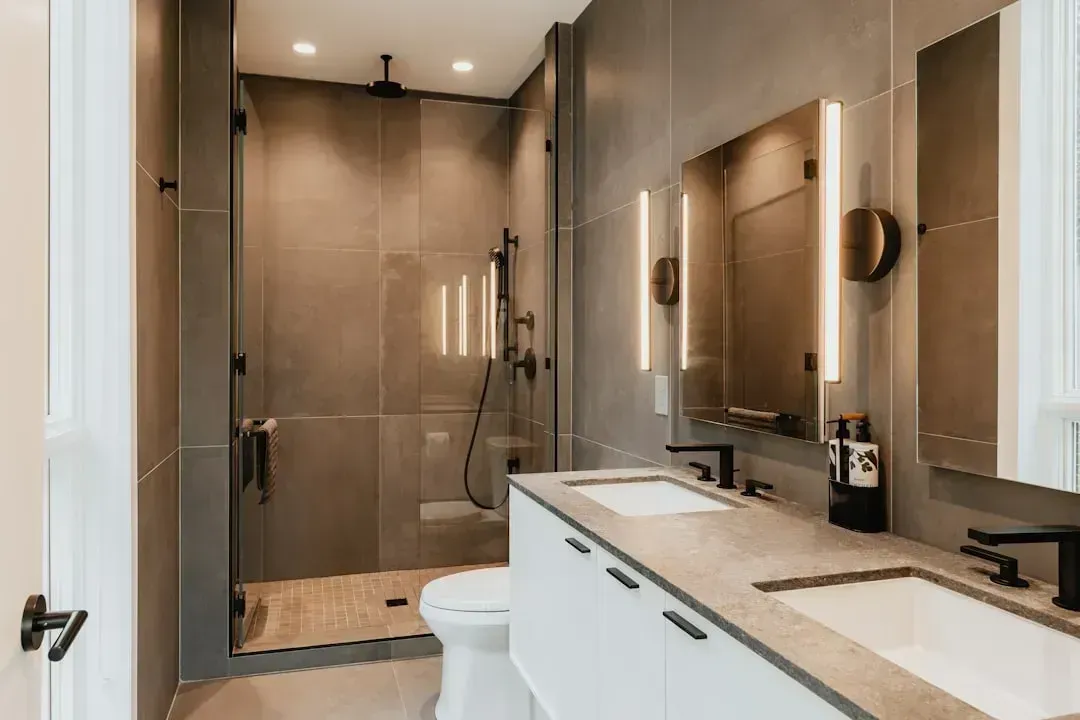
Spa-like bathrooms are everywhere on social media. Steam showers, heated floors, rainfall fixtures – all stunning, all incredibly expensive, and increasingly losing their shine in the resale market. Honestly, it’s one of the most misunderstood renovation traps out there.
The worst-ranking luxury project is an upscale bathroom remodel. The average cost is roughly $29,200, and the average expected value added clocks in at just under $14,300. This means homeowners will recoup less than half their upfront investment.
One potential reason luxury upgrades see a lower ROI is that appraisals rely on comparisons between similar properties. If the rest of the homes on your street have standard bathrooms, your over-the-top spa suite simply won’t pull the numbers you’re hoping for at appraisal time.
3. Installing a Swimming Pool
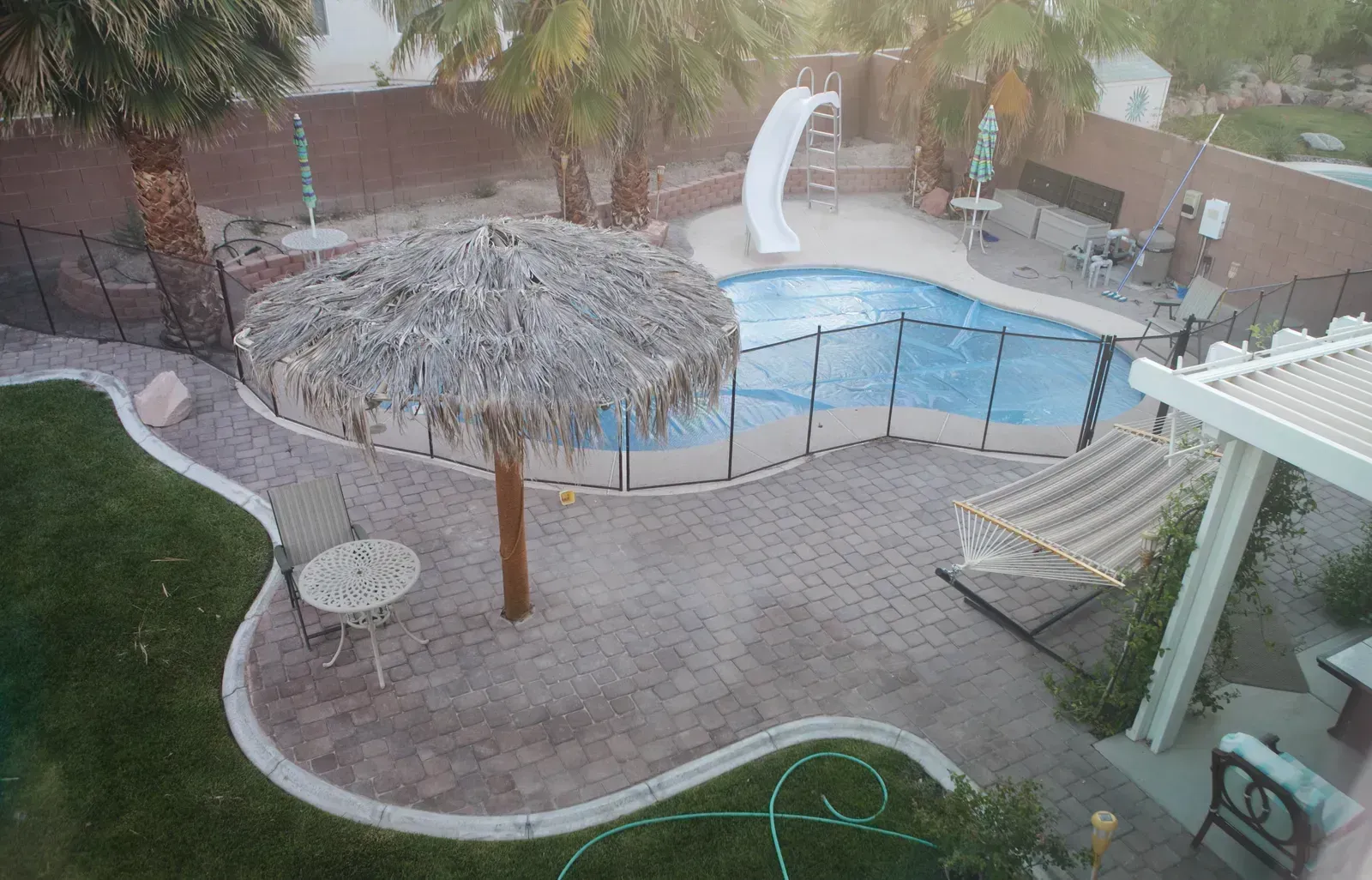
I know it sounds like a dream. A backyard pool, summer afternoons, the whole vision. But from a pure investment standpoint, pools are one of the riskiest renovations you can make in most U.S. markets.
If a pool typically increases a home’s value by about 7 percent, homes with pools sell on average for an additional $30,485. Considering that an average pool costs $65,000 to build, it usually is not worth it solely as an investment. That’s a gap of more than $34,000 you’re simply writing off.
In states such as Illinois, Oregon, Minnesota, and much of the Northeast, a pool may add little to no value at resale. In some cases, it can even be viewed as a liability, prompting buyers to factor in removal, maintenance, or insurance costs when making an offer. Location matters enormously here, and most markets simply don’t reward the investment the way homeowners expect.
4. Converting the Garage Into Living Space
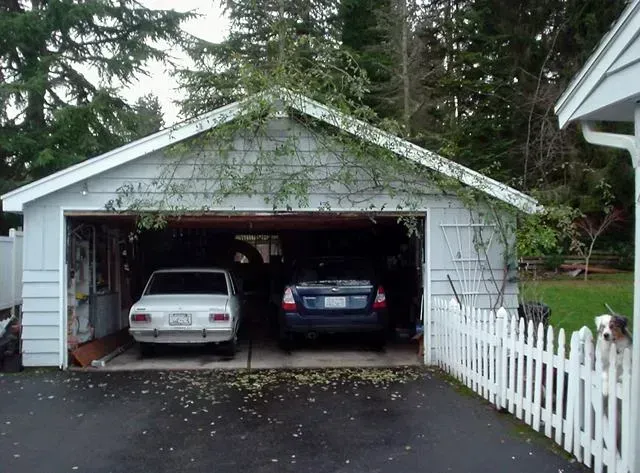
Converting your garage into a home gym, office, or playroom feels clever. You’re creating usable space without building an addition, right? In theory, yes. In practice, it tends to backfire badly with buyers.
Garage conversions, such as turning the space into an office, bedroom, or gym, are practical in some cases but can backfire at resale. A converted garage removes valuable parking and storage, which are often high on buyers’ priority lists.
Zillow’s data shows that homes with garages sell for a 0.3 percent premium. In cities or neighborhoods where off-street parking is scarce, a garage is a huge asset. Think of the garage like a universal currency in real estate. Converting it means spending that currency on something far less broadly appealing.
5. Adding a Sunroom
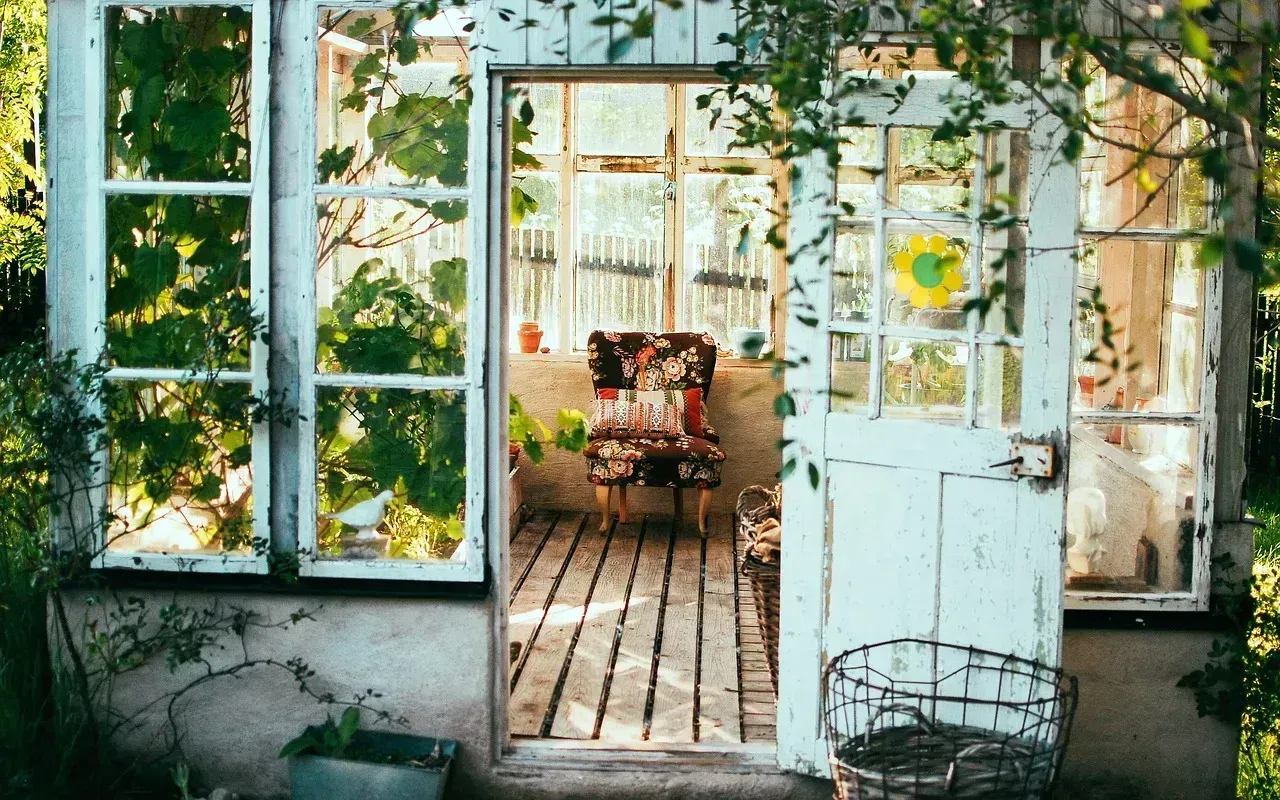
Sunrooms look beautiful in listing photos and feel amazing on a cool spring morning with a cup of coffee. The problem is that the cold, hard math rarely supports the cost. This one catches a lot of homeowners by surprise.
Unlike kitchen remodels, which typically recoup 70 to 80 percent of their cost, sunrooms don’t always offer a high return on investment. While a sunroom can enhance your living experience, the financial return upon selling your home may not fully recoup the initial investment, with some estimates suggesting a recoup of only about 50 percent of the investment.
Adding an enclosed sunroom will return only about 45 percent of your investment. Overall, you will be better off with just a deck, which is less expensive but has a similar added value. The lesson here is that the appeal is real, but the ROI simply doesn’t hold up compared to simpler outdoor additions.
6. Walk-In Closet Conversions
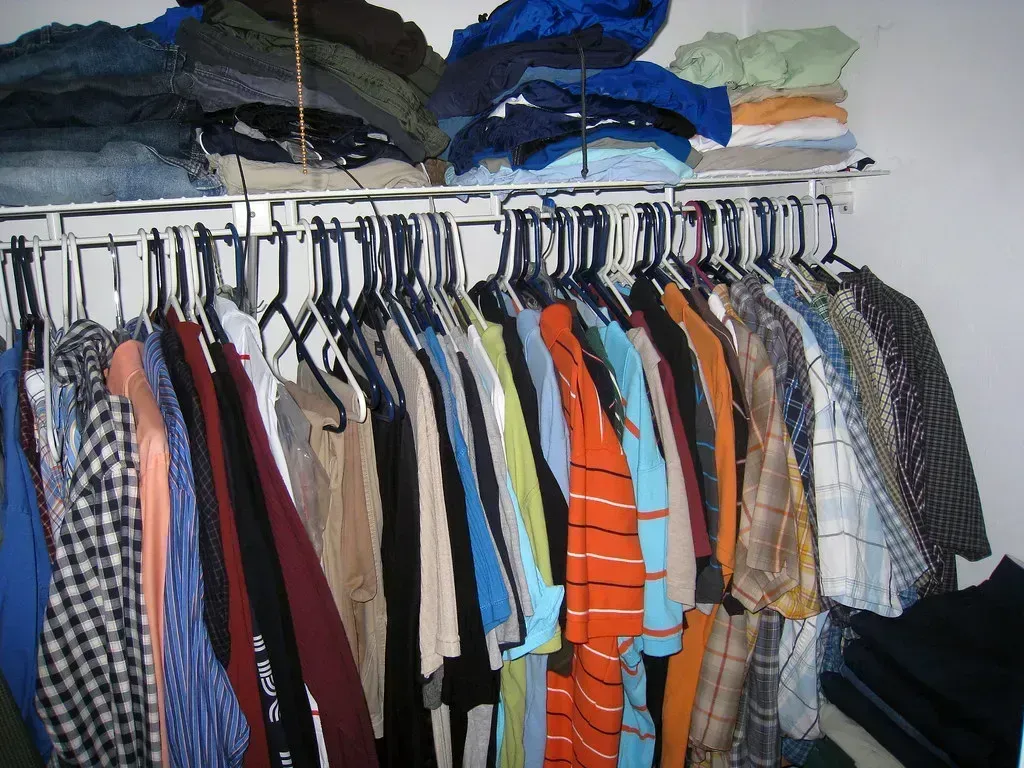
Here’s one that genuinely surprises people. Walk-in closets feel like luxury. They feel like something buyers want. In some cases, they’re even marketed as a selling point. The data, however, tells a different story.
Zillow’s 2024 research into home listings showed that walk-in closets can hurt a home’s value by 0.5 percent, which is a relatively small amount but an indication that it might not be worth the cost. If you’re tempted to turn a small bedroom into a closet, think twice before doing so. Home shoppers usually search for homes based on the number of bedrooms, and a home’s value is derived in part from the number of bedrooms it has. A bedroom is going to be more valuable to most buyers than a walk-in closet.
It’s a bit like trading a sports car for a minivan and expecting to get the same price at resale. Bedrooms are functional, marketable, and directly tied to how buyers filter their home searches online. Closet space, no matter how gorgeous, simply doesn’t outrank square footage with doors.
7. Bold, Trendy Wallpaper and Personalized Color Schemes

Wallpaper is having a major moment in interior design right now. Bold prints, textured panels, maximalist patterns. They look incredible in the right hands. The trouble is, “the right hands” rarely extend to the next buyer walking through your front door.
Wallpaper is making a comeback, but a pattern and color scheme that you love may not appeal to a majority of buyers. On average, installing wallpaper costs homeowners $800 to $1,200, but most spend about $1,000 for a 12-by-18-foot room with standard vinyl wallpaper, according to Fixr.
All-gray floors, walls, and finishes can feel cold and impersonal, especially when overused. What buyers prefer instead are warm neutrals like soft beiges, taupes, and earthy tones. Renovation trends move fast. What looks cutting-edge today can look dated within three years. Zillow research shows that buyer preferences change over time, meaning a trendy home update made today for the sole purpose of adding value can seem dated or even detract from value in five or ten years.
8. Built-In Electronics and Over-Personalized Tech Setups
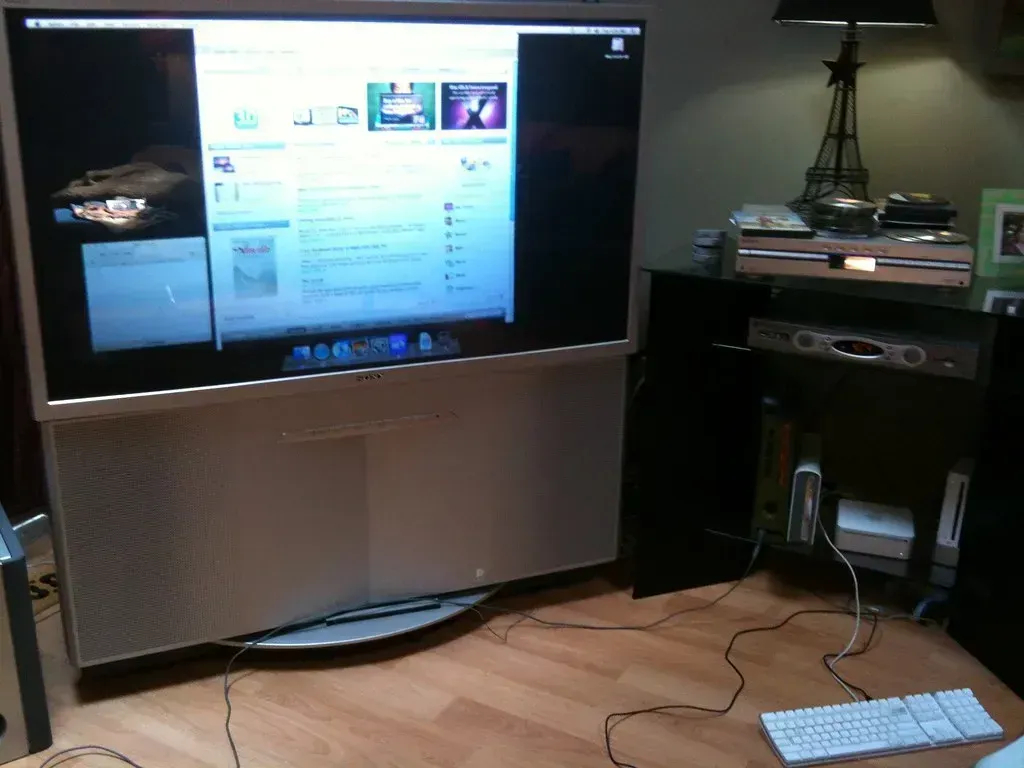
A whole-home theater with built-in screens and integrated control panels sounds genuinely impressive. If you’re a tech enthusiast, it’s basically a dream. As a resale strategy, though, it’s one of the quieter value destroyers hiding in renovation budgets.
While built-in electronics may be perfect for your home theater, they could turn away prospective buyers. Gadgets eventually become outdated or even obsolete, meaning this type of personalization can decrease home value.
Technology ages faster than almost anything else in a home. A media room wired for 2022’s top-of-the-line equipment becomes a costly mess to update by 2027. Buyers either see a maintenance headache or something they’ll need to tear out entirely. Highly customized upgrades often fail to deliver a return on investment. The broader the appeal, the better the return. That’s the rule that keeps getting ignored.
9. New Carpet Over Hardwood Floors
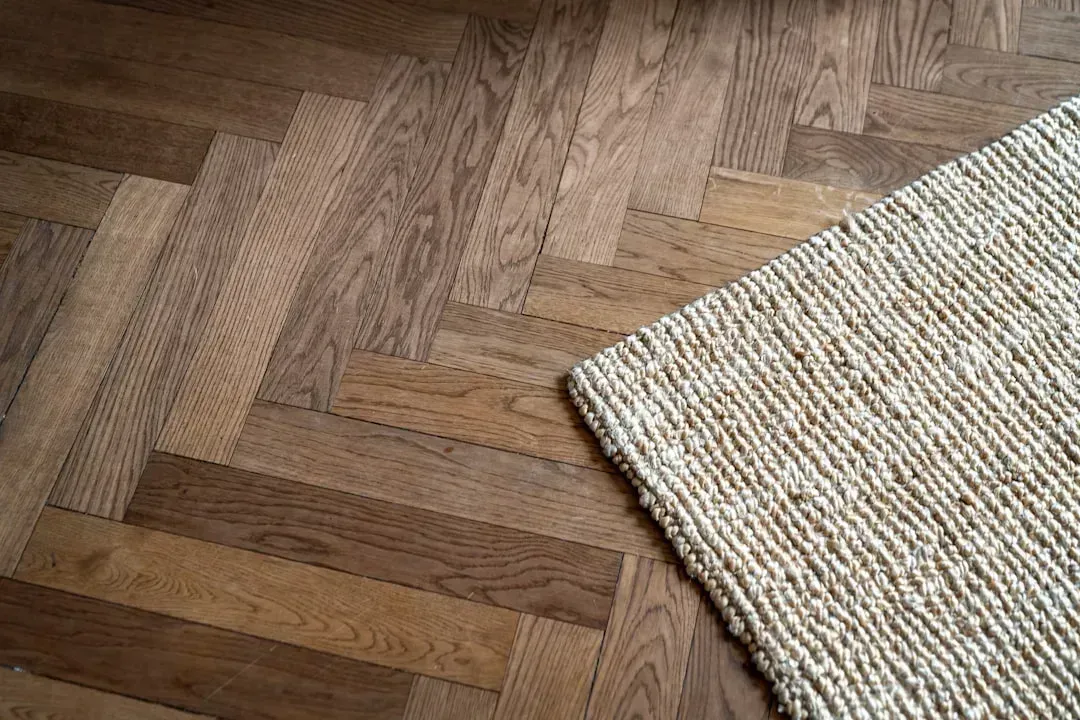
This one might be the most stubborn mistake in home renovation history. Homeowners still, in 2025 and 2026, occasionally lay carpet over original hardwood floors. Sometimes for budget reasons. Sometimes for comfort. Either way, it’s one of the most damaging moves you can make in terms of resale value.
Real estate professionals are clear: if you have existing hardwood floors, don’t cover them with carpet. Most new homeowners prefer to remove carpets if they are of poor quality, and carpeting adds no value to a property.
According to the National Association of Realtors 2022 Remodeling Impact Report, the highest percentage of cost recovered for interior home projects was from refinishing hardwood floors, at 147 percent, and new hardwood flooring, at 118 percent. Hardwood floors are not just popular. They are, consistently and across nearly every market, one of the highest returning improvements a homeowner can make. Covering them up is essentially burying treasure.
10. The Upscale Primary Suite Addition
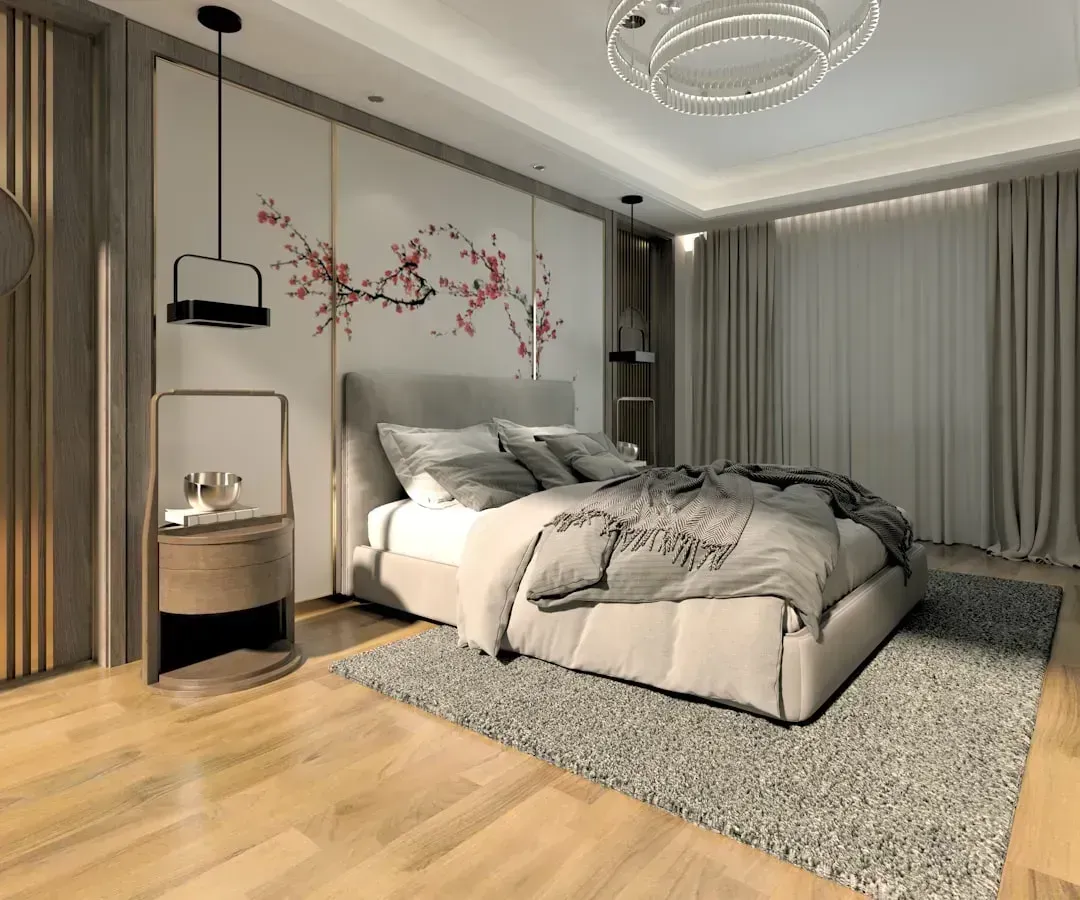
Adding a primary suite sounds like an obvious win. More square footage, more luxury, more market appeal. The reality is that oversized, high-end suite additions rank consistently among the lowest-return projects in the entire renovation industry. It’s hard to say for sure why so many homeowners still pursue them, but the data is not kind.
An upscale primary suite addition ranks among the projects with the lowest ROI at just 50 percent. An upscale primary suite addition is the most expensive remodel in available studies at about $148,000, but the average expected value added is only about half of that figure, around $74,000.
The 30 percent rule suggests not spending more than 30 percent of your home’s current value on renovations, as you risk over-improving for your neighborhood. A massive primary suite addition can easily push a home’s total renovation spend past the point where any market comp can justify the price. Buyers simply won’t pay for what the neighborhood doesn’t support, no matter how beautiful the finishes are.