Chefs Say Diners Are Moving Away From These 6 Overpriced Steakhouse Dishes
Something has shifted in how Americans approach the steakhouse menu. The white tablecloth, the sizzling cast iron, the parade of add-ons and luxury upgrades – it all still exists, but the enthusiasm for certain items is cooling fast. The price of beef was up 14.7 percent in 2025 compared to 2024, while overall food costs have increased by just 3.1 percent year over year, according to data from the Consumer Price Index. That kind of gap gets noticed. According to the James Beard Foundation report, 91 percent of independent restaurants raised prices in 2024 to offset rising labor and ingredient costs, and steakhouses were no exception. Chefs across the country are watching specific dishes fall out of favor, and the reasons range from sticker shock to a growing sense that certain items simply don’t deliver on their promise.
1. The Wagyu Upcharge That Nobody Ordered
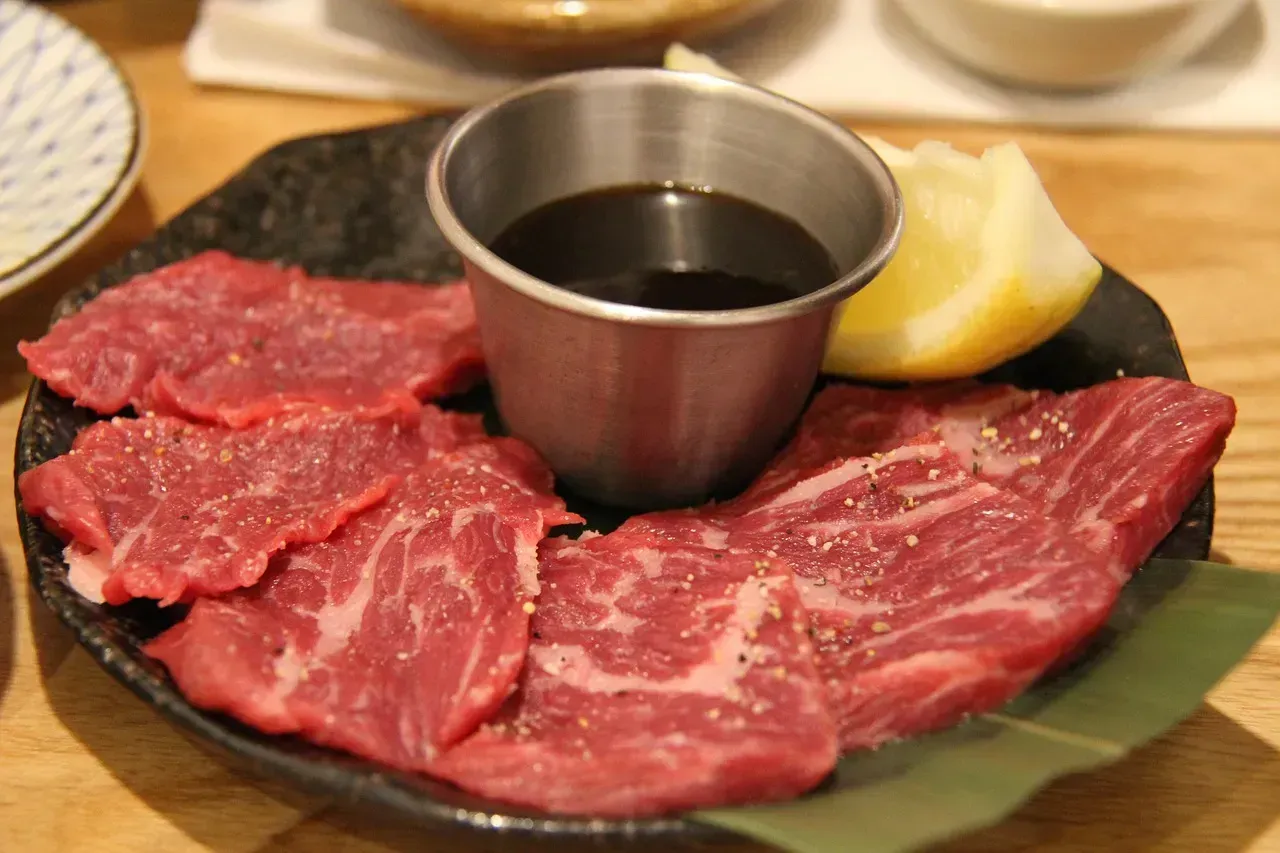
New steakhouses have been adapting, finding ways to serve better meat, better sides, and what critics have called “way too much wagyu” at prices that feel disconnected from reality. For a while, the word “wagyu” on a menu was enough to make diners reach for their wallets without hesitation. That reflexive ordering is fading. The 16-ounce New York Wagyu strip at Ocean Prime, sourced from Westholme Farms in Australia, is priced at $129, and similar cuts are appearing at comparable price points across fine dining steakhouses nationwide.
At Steak 48, the bone-in wagyu tomahawk reaches $285 – and there are diners who don’t feel the eatery lives up to its prices. The issue isn’t the quality of the beef itself; it’s the perception that the premium is no longer justified by what arrives on the plate. Critics have noted that this all represents an obvious, uniform approach to luxury that makes otherwise diverse restaurants feel like the same bland business class airline cabins. Chefs who once championed wagyu as the pinnacle of the steakhouse experience are now watching guests hesitate, ask questions, and, increasingly, order something else entirely.
2. The Lobster Tail Add-On
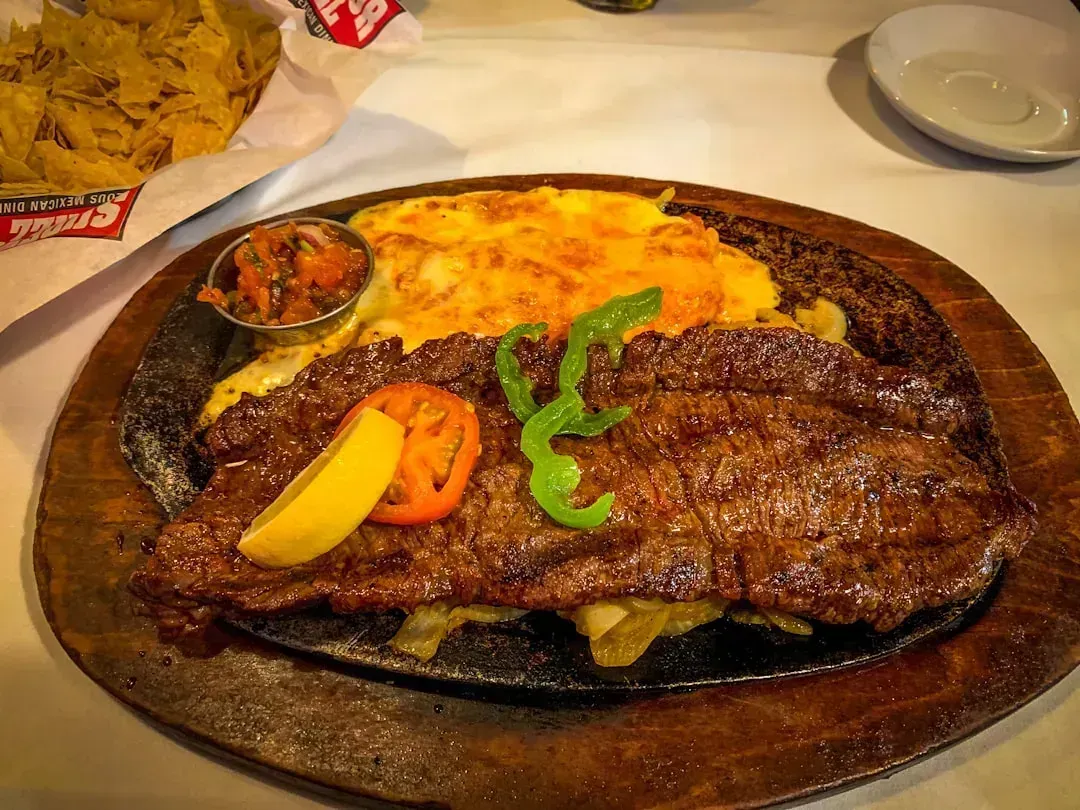
The problem is that diners may be spending way more than they need to. Steakhouses have a canny way of pricing some of their items to be far more expensive than they have any right to be – and hoping that their customers don’t notice. The surf-and-turf lobster tail is a perfect example. It has long served as the ultimate steakhouse splurge, positioned as a natural companion to a ribeye or filet. At McCormick & Schmick’s, the West Australian lobster tail comes in at $52 and isn’t even listed as an entrée – it’s considered an “enhancement” that can be ordered alongside a steak, similarly to how one might upgrade with truffle butter.
Fleming’s parent company, Bloomin’ Brands – which also owns Outback Steakhouse, Carrabba’s Italian Grill, and Bonefish Grill – was forced to close restaurant locations down across the nation due to a lack of foot traffic. Analysts have pointed to the high-ticket add-on culture as a contributing friction point. One restaurant owner recently bumped the price of an eight-ounce filet mignon to $61 while rib eye steaks increased from $82 to $85 – and other restaurants are seeing diners adjust their habits. The lobster tail, once an impulsive yes, is increasingly being reconsidered mid-order.
3. Truffle Everything – Especially When It’s Not Real Truffle
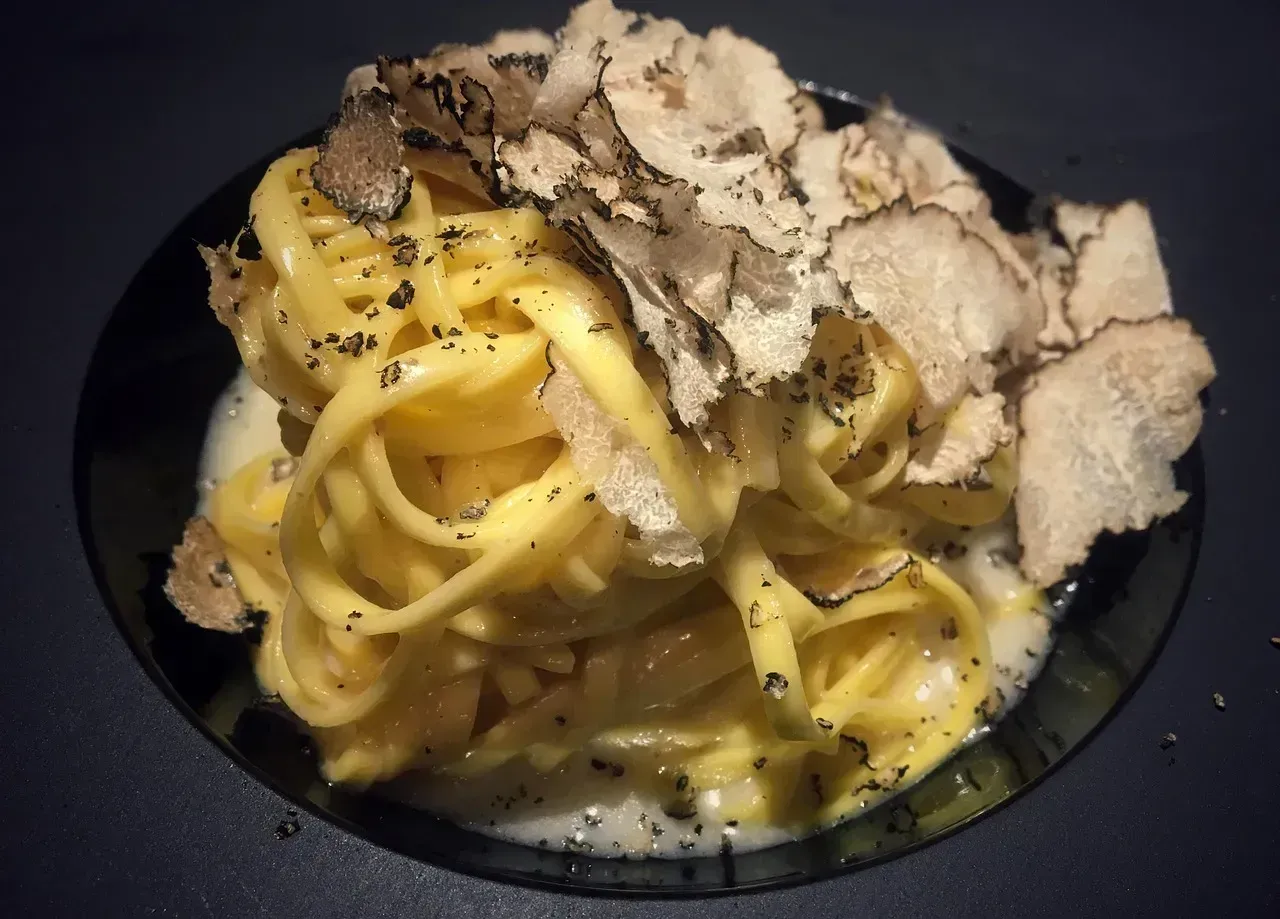
Chef Chuck Valla, owner of Valla Table, noted that he doesn’t think truffles taste any better than dried shiitake mushrooms, while chef Sarabjit Singh Assi of Sanjh Restaurant and Bar warned that “the obsession with truffle mushrooms, especially when synthetic truffle oil is being used, overpowers dishes, lacks nuance and often masks what could have been great ingredients.” That kind of candor from working chefs is striking. For years, truffle fries, truffle butter, and truffle risotto were steakhouse menu staples with an almost magnetic pull on diners seeking luxury. High-end steakhouses like Fleming’s feature sides such as lobster macaroni and cheese at $36 or black truffle risotto at $25, items that once felt aspirational and now feel like easy targets for value-conscious guests.
When chefs themselves are calling a signature menu move overrated, diners tend to agree and stop ordering it. The truffle backlash has been building quietly, but it is now landing loudly in reservation patterns and side dish sales. According to Technomic’s 2025 annual outlook, roughly three out of four consumers wish more restaurants would offer better value meals, and paying $25 for a risotto that smells more of synthetic oil than genuine fungi is not most people’s idea of value. Chefs who have quietly swapped real truffle for truffle-flavored oil may find that savvier diners have noticed – and moved on.
4. The Overpriced Steakhouse Side Dish
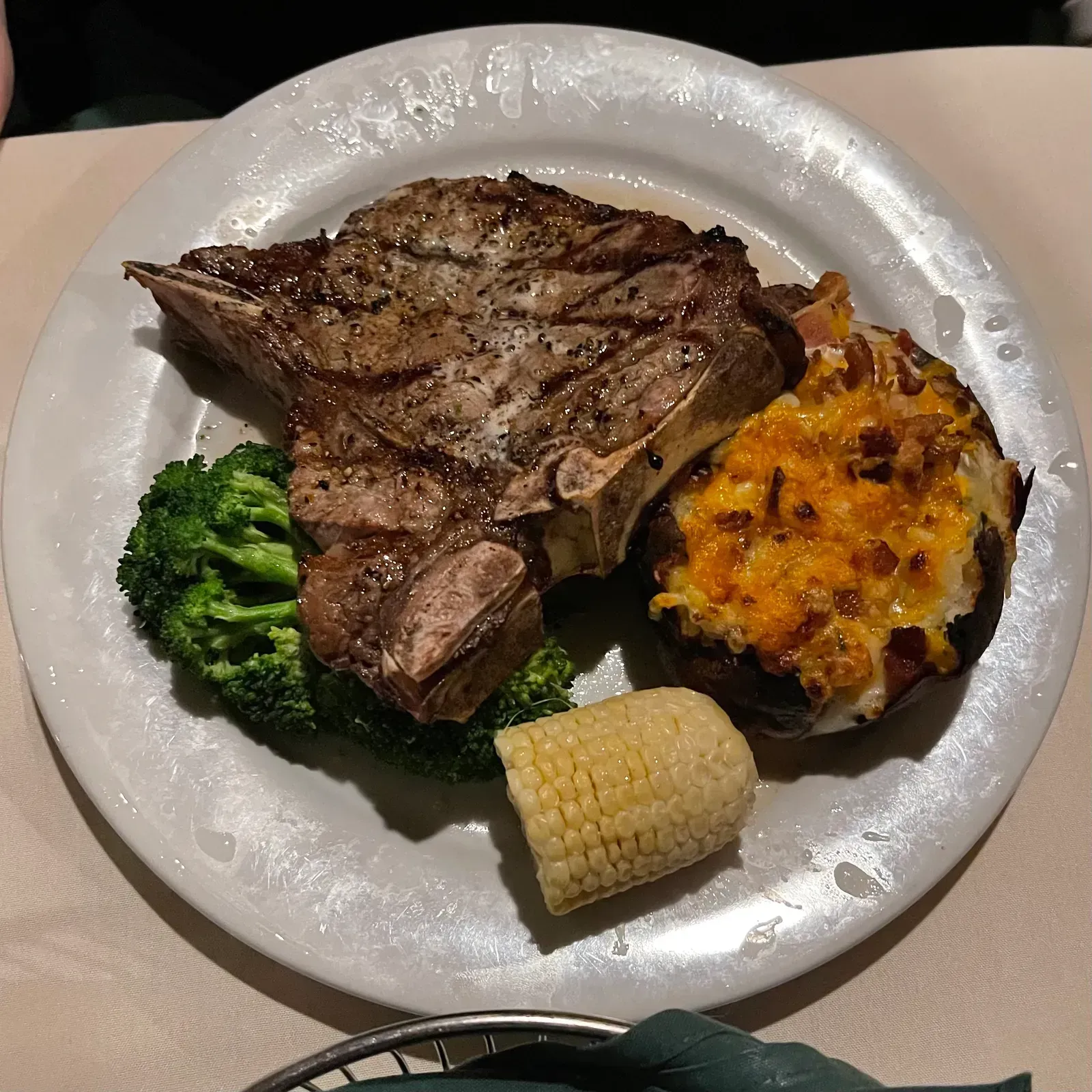
The math frustrates diners: why pay almost $20 for a side like steamed spinach or a baked potato if the ingredients would normally cost just a few dollars at a grocery store? It’s a fair question, and it’s being asked with growing frequency. Steakhouse sides have historically operated on the assumption that the ambiance and experience justify the markup. That logic is losing ground. The food-away-from-home consumer price index increased 4.1 percent higher than in December 2024, according to USDA data, meaning restaurant dining costs more across the board – and diners are scrutinizing every line of the check.
When consumer confidence drops, restaurant spending doesn’t stop – it shifts. Fast-casual spots, with their lower costs and high-turnover models, are holding steady, providing a dining-out experience without the steep price tag and making them a safer choice for cost-conscious diners. A $18 plate of creamed spinach at a white-tablecloth steakhouse is increasingly hard to justify when the same diner can source premium ingredients at home for a fraction of the price. Chef Jesse Moore, Cargill Corporate Chef, notes that the 2020 pandemic gave rise to a generation of home cooks who learned how to prepare restaurant-quality dishes, putting new pressure on today’s steakhouses – where “chefs and operators must contend with a higher expectation for both quality and something new at reasonable prices.”
5. The Chilled Shellfish Tower
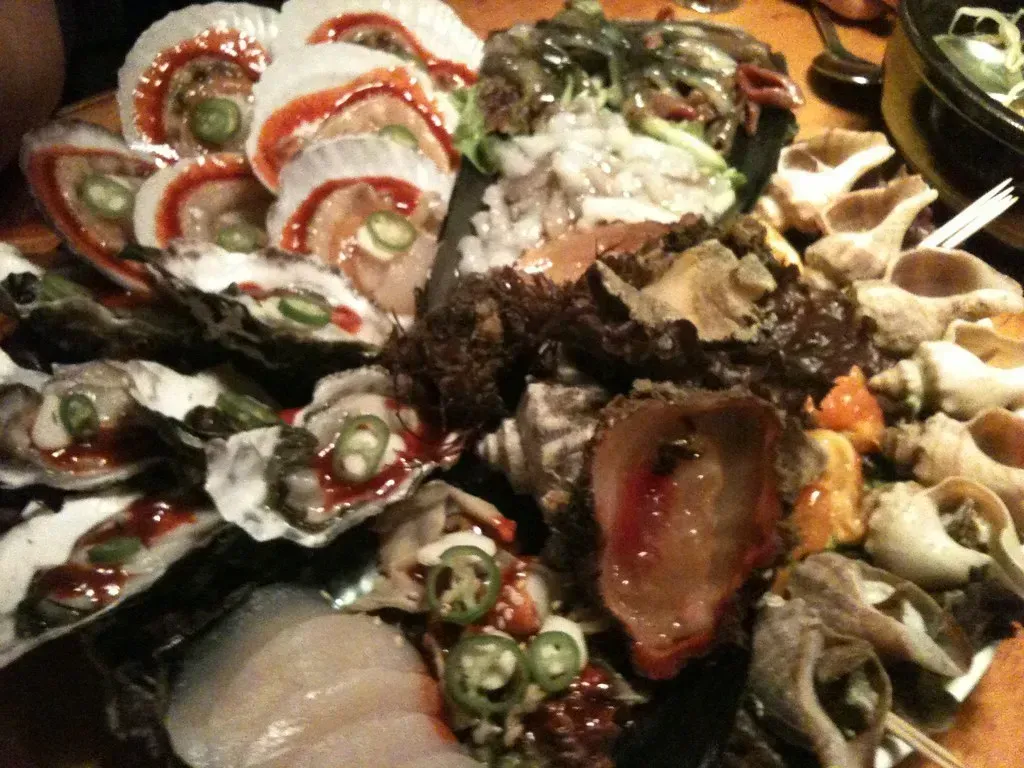
Few steakhouse items signal excess quite like the chilled shellfish tower. It arrives dramatically, stacked high, and costs more than most people’s grocery bill for the week. At Fleming’s, the chilled shellfish tower – served with multiple sauces and stacked high with North Atlantic lobster, colossal shrimp, Alaskan golden king crab legs, and fresh oysters – is priced at $170. For a certain type of occasion, that still works. But as a casual steakhouse opener? Chefs are reporting a noticeable dip in how often it’s being ordered. Diners are redefining what feels worth it and seeking value where they can find it – one reason why happy hour is back in a significant way as guests look for more return on their dining dollar.
Executive chef Marc Sheehan noted that “higher-end restaurants are leaning into high-cost ingredients and more elaborate experiences to justify their price point,” but acknowledged that this approach could face pressure if guest volume declines. The shellfish tower sits at the center of that tension – a show-stopping centerpiece that works beautifully in a full-celebratory dining context but starts to feel gratuitous when diners are being careful with their spending. According to the US Consumer Price Index, “food away from home” rose about 6 percent from January 2024 to September 2025, driven by rising labor, rent, and ingredient costs – putting expensive, elaborate dishes under particular pressure.
6. The Filet Mignon at Any Cost
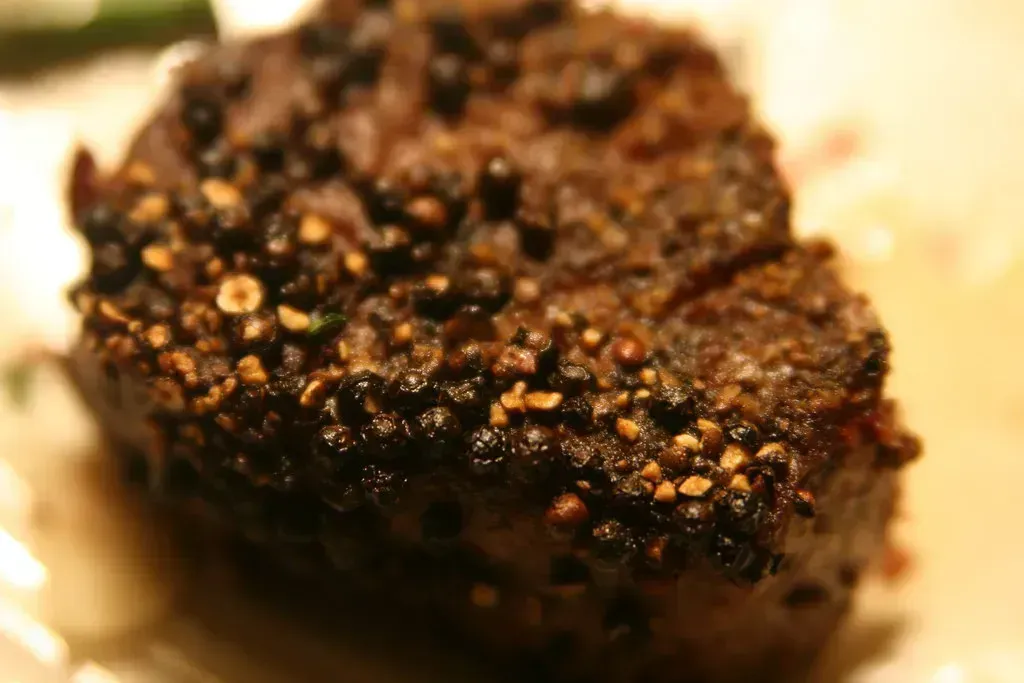
Filet mignon is often considered one of the safest choices at a steakhouse – not only familiar, but generally among the more affordable cuts on the menu. As such, it’s an attractive option for those who don’t feel like experimenting. But unfortunately, it’s a steak that can often leave a lot to be desired, with chefs routinely noting that it has a one-dimensional, flat flavor and can lack the richness of other cuts. Despite its reputation as the “safe” order, word is spreading that the filet mignon is not where steakhouse value lives. Data from the Bureau of Labor Statistics showed that USDA choice boneless steak prices have surged 20 percent in 2025, now averaging $14.13 per pound.
The U.S. has the fewest beef cows since 1961, with the total cattle inventory the smallest since 1951, meaning the country is producing fewer animals. That supply crunch is hitting every cut – but the filet, which was already priced at a premium for its tenderness, is now reaching price points that make diners reconsider. Beef and veal prices were 16.4 percent higher in December 2025 than in December 2024, with the U.S. cattle herd having decreased in size since 2019 – and beef and veal prices are predicted to increase a further 9.4 percent in 2026, according to the USDA Economic Research Service. For many diners, paying a premium for a cut that chefs themselves describe as lacking bold flavor is becoming harder to square with a rising restaurant check – and a ribeye or strip steak is increasingly winning the internal debate at the table.