The Skip List: 10 DIY Projects That Rarely Add Home Value
Every year, millions of homeowners roll up their sleeves, fire up YouTube tutorials, and dive headfirst into DIY projects they’re absolutely convinced will pay off big at resale. It’s a completely understandable impulse. The average American household spent $9,322 on home improvement projects in 2024, according to Angi’s annual State of Home Spending report. That’s serious money. And yet, a surprising number of those dollars quietly vanish with zero return.
Here’s the thing – not every improvement is an investment. Some are just expenses wearing a tool belt. Whether you’re planning to sell in two years or ten, knowing which projects to skip could save you thousands. Let’s dive in.
1. Converting Your Garage Into a Living Space

This one stings, because the idea sounds so logical on paper. You’ve got a garage you barely use, and you need extra room. Why not convert it? Well, buyers tend to disagree with that math. On average, homeowners spend around $10,000 to convert their garage into a living space, but unfortunately, this home improvement does not add value to your home.
The reason is simple and a little frustrating. Most buyers prefer a functional garage to an extended living area. In a recent survey by the National Association of Home Builders, 25% of homeowners rated garage storage as “essential” while another 56% rated it as “desirable.”
While bedrooms are certainly important, you might not want to sacrifice a garage to create one. Listings that mention garages are associated with a slight sales premium of 0.3%, according to Zillow’s 2024 analysis of listings data. Parking is often tight in urban areas, and with the high price of cars, homes that allow for safe parking could have an edge over homes without a garage. Honestly, a garage is one of those features buyers assume they’ll have – and noticing it’s gone is jarring.
2. Installing Wall-to-Wall Carpeting
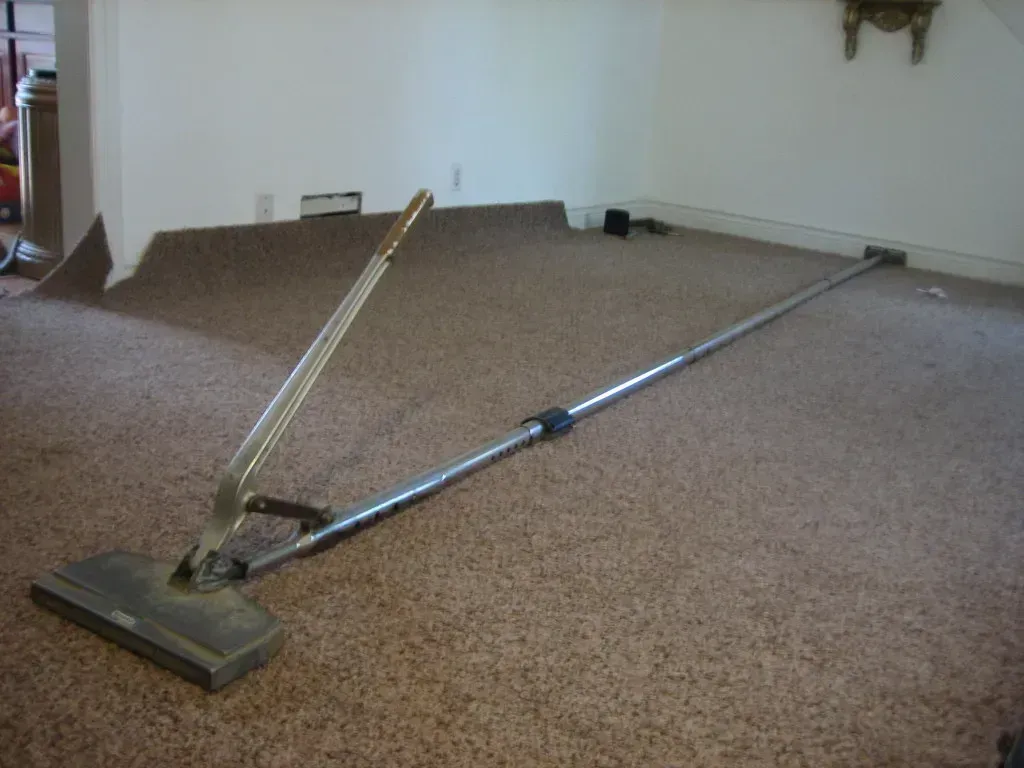
Wall-to-wall carpet feels cozy in a showroom. On the listing photos, though? Not so much. New carpet may feel fresh, but many buyers today prefer hardwood or luxury vinyl flooring. In fact, replacing hardwood with carpet can actually reduce perceived value, especially in higher-end homes.
In the best-case scenario, carpet floors only offer a return on investment of 20% to 40%. In comparison, other flooring options, like hardwood, can yield an ROI as high as 70 to 80%. That is a significant gap, and it’s why real estate professionals keep recommending against carpeting main living areas.
As one expert put it, “If you have existing hardwood floors, don’t cover them with carpet. Most new homeowners prefer to remove carpets if they are of poor quality. Carpeting adds no value to a property.” According to the National Association of Realtors 2022 Remodeling Impact Report, the highest percentage of cost recovered for interior home projects was from refinishing hardwood floors, at 147%, and new hardwood flooring, at 118%.
3. DIY Bathroom Remodels Done Poorly
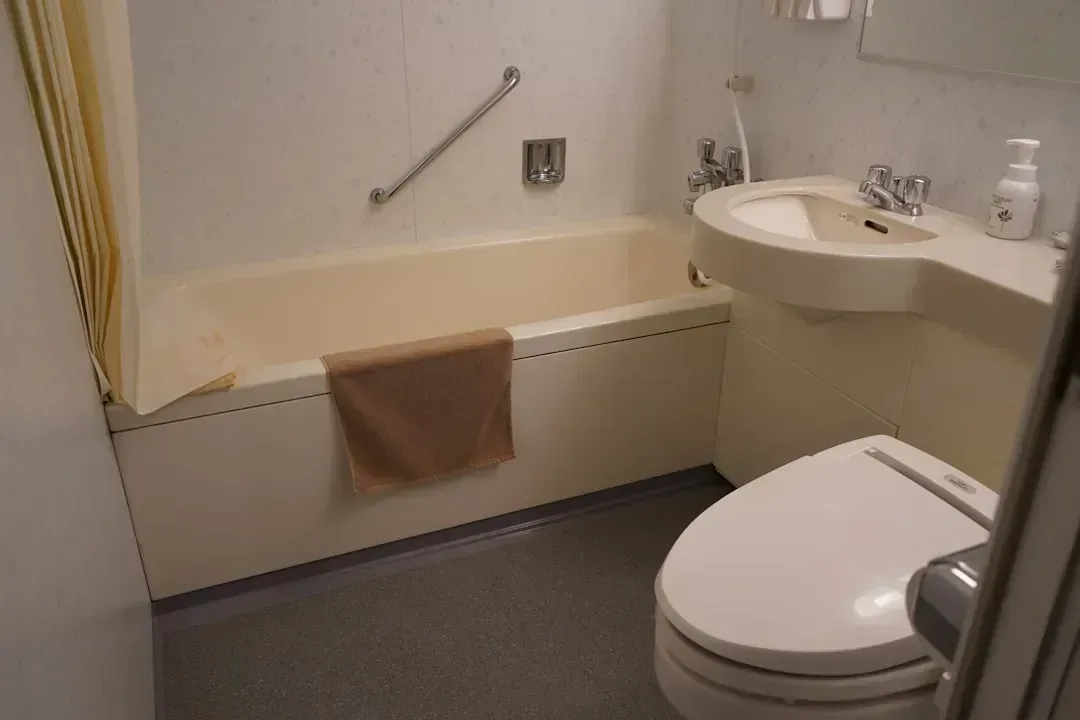
There’s a massive difference between a thoughtful bathroom update and a DIY bathroom remodel that screams “I watched three videos and winged it.” While it might be tempting to spruce up your space with DIY projects like a faux fireplace or hand-painted cabinets, don’t expect these upgrades to add value to your home. According to top-selling Atlanta agent Madalyn Suits, buyers notice DIY projects from a mile away – for all of the wrong reasons.
There’s a reason skilled tradespeople command high prices. Their expertise helps ensure beautiful outcomes that a new buyer isn’t going to have to spend money to redo. When you’re DIYing something for the first time, tiling a bathroom for example, or installing a hardwood floor, there’s a learning curve that you should account for.
Although an upgraded bathroom can add value to your home, steer clear of going too high-end if you’re planning on selling soon. That freestanding or whirlpool tub may be your pride and joy, but a buyer may see it as a waste of space. Overly opulent bathrooms definitely fit in the category of projects that will actually hurt your home’s resale value. A halfway-done bathroom remodel is perhaps worse than no remodel at all.
4. Adding a Swimming Pool
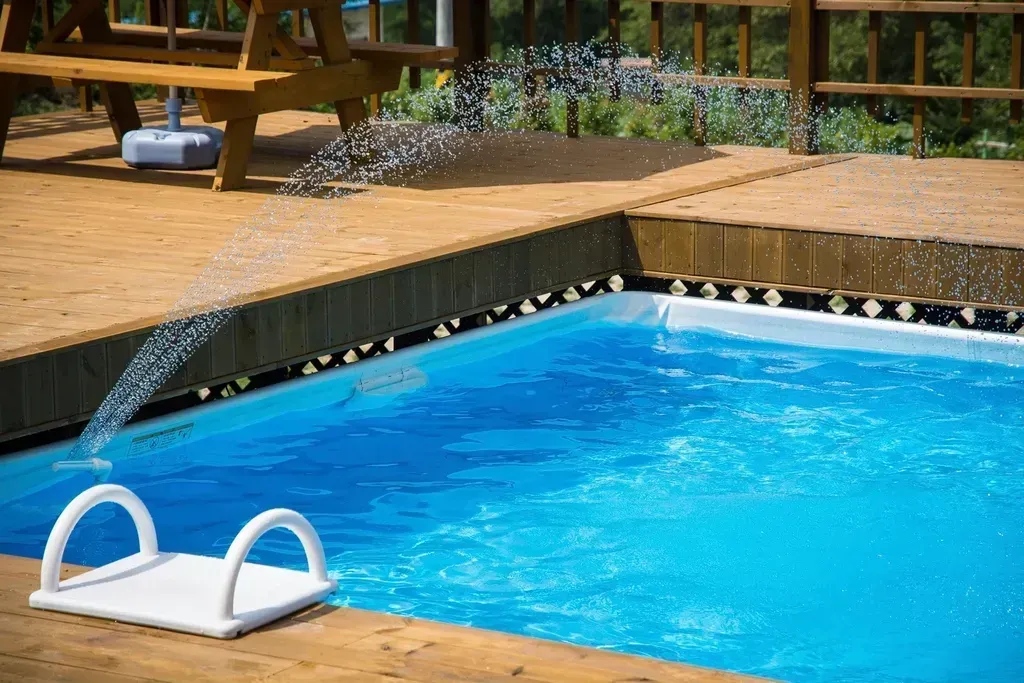
Few DIY dreams are as seductive as a backyard pool. Afternoons in the water, summer parties, the neighbors mildly jealous – it all sounds perfect. The financial reality, though, is considerably less dreamy. Installing an inground pool often costs $60,000 to $90,000, before factoring in maintenance, utilities, insurance, and repairs. In this scenario, the homeowner experiences a net financial loss, even under relatively favorable conditions.
In states such as Illinois, Oregon, Minnesota, and much of the Northeast, a pool may add little to no value at resale. In some cases, it can even be viewed as a liability, prompting buyers to factor in removal, maintenance, or insurance costs when making an offer.
Above-ground pools add no resale value. On the other hand, inground pools are a bigger investment, typically running anywhere from $35,000 to $65,000 or more. Pools require expensive maintenance, increase insurance costs, and limit your buyer pool. Unless you’re in a warm-weather market like Florida or Arizona where pools are practically expected, this is one DIY fantasy worth reconsidering.
5. Building a Sunroom Addition
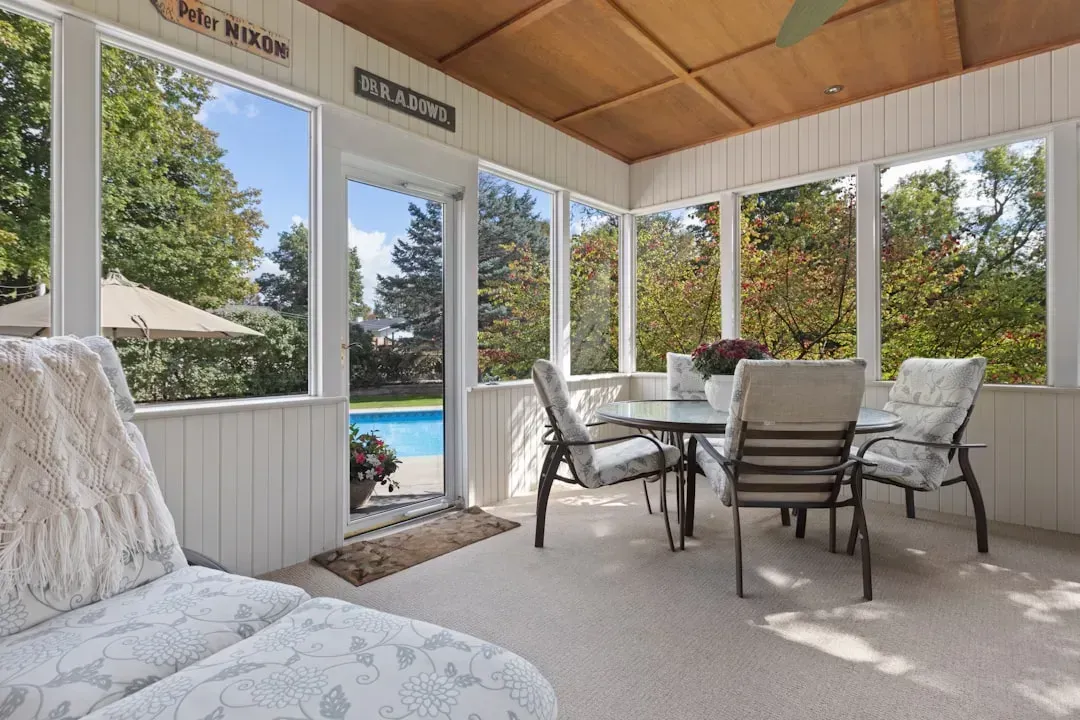
Sunrooms are genuinely delightful spaces to own. For resale purposes, though, they’re notoriously hard to justify. The cost to build a sunroom addition ranges from $5,500 for a smaller, prefabricated sunroom and as much as $120,000 for something on the luxurious side. A sunroom can seem like a good alternative to a larger home addition, but you won’t get the same return on investment. Unlike a full-room addition, sunrooms often aren’t included in a home’s square footage, which appraisers use to determine the value of a home.
A sunroom can be a prodigious space to enjoy the outdoors away from the noise, but according to remodeling companies, a sunroom addition is one of the worst home renovations when it comes to returning your investment, with the additional costs exceeding approximately $75,000 while only adding just over $35,000 to the value of the house.
Think of it this way – you’re essentially building a room that appraisers don’t fully count and buyers may not fully want. Adding a sunroom is a reasonably expensive home improvement, and many buyers will not be interested in paying enough for your home to cover that improvement. They might not imagine using the sunroom very much or prefer to put renovation money elsewhere. That’s a tough pill to swallow after months of construction.
6. Applying Bold or Trendy Wallpaper
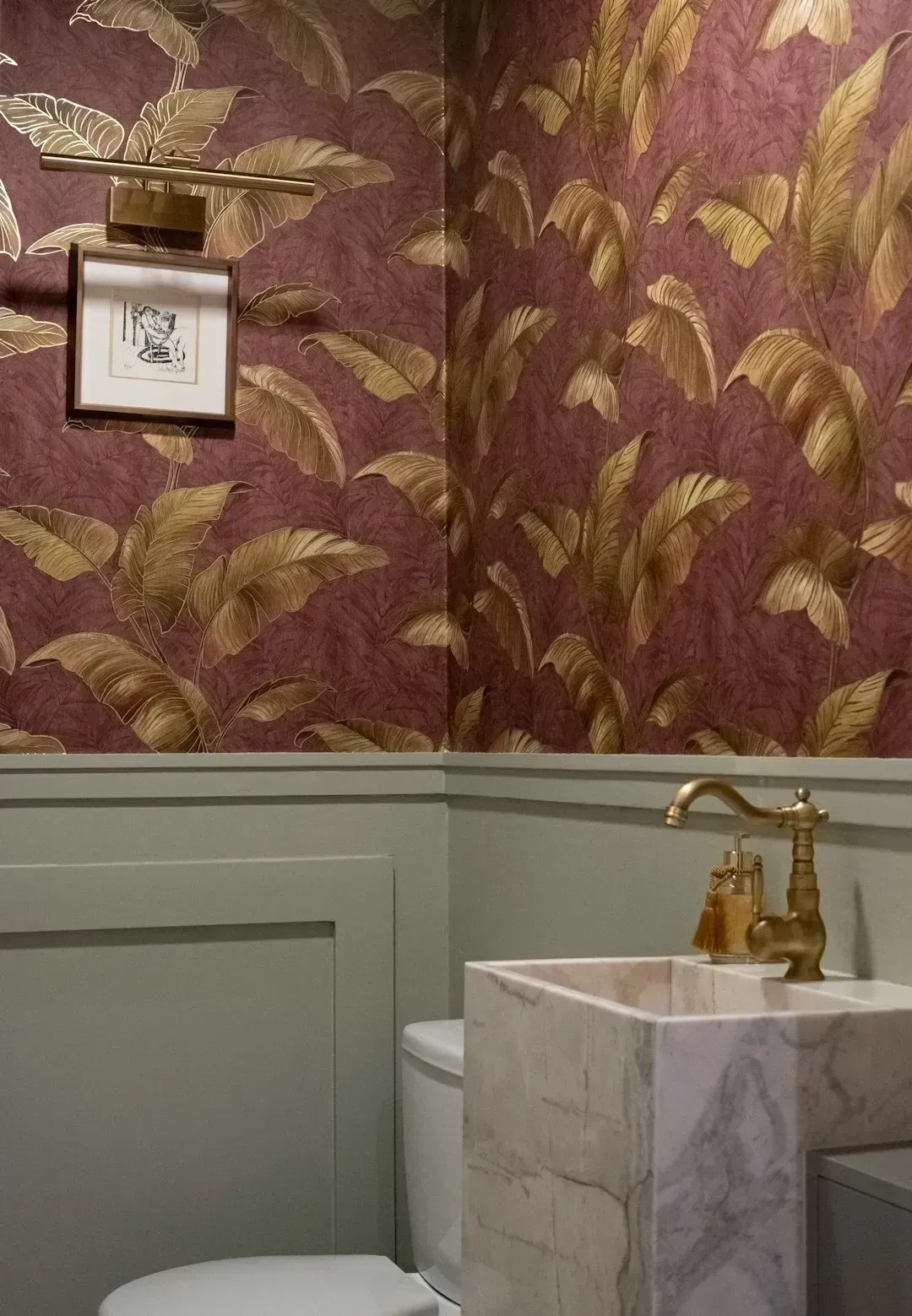
I get it. Wallpaper is genuinely having a moment. Design blogs, Instagram feeds, home décor stores – it’s everywhere right now. The problem was that what you love on a Tuesday in 2025 might feel like a nightmare to a buyer in 2027. Wallpaper is making a comeback, but a pattern and color scheme that you love may not appeal to a majority of buyers. On average, installing wallpaper costs homeowners $800 to $1,200, but most spend about $1,000 for a 12-foot-by-18-foot room with standard vinyl wallpaper, according to Fixr.
Buyers may accept some trendy wallpaper in your powder room or on an accent wall, but don’t go overboard. According to MSN, too much wallpaper and texture can be overwhelming to some home buyers who see it as just another project to add to the list if they buy your home.
Zillow research into home features that help homes sell for more, or less, than expected shows that buyer preferences change over time. So a trendy home update made today for the sole purpose of adding value can seem dated, or even detract from the value, in five or 10 years. Wallpaper is basically the living proof of that observation.
7. Installing a Home Theater

Nothing says “I love movies” quite like a dedicated home theater room. And nothing says “renovation money pit” to a prospective buyer who doesn’t share that passion. This is one of those highly personal renovations that buyers almost never pay a premium for. If you plan to sell the home in the next few years, you might not get your money’s worth. Many buyers will not be interested in paying for the theater. You can drop over $100,000 in a luxury home theater in a heartbeat. Don’t do it expecting to get all your money back.
If you want to make extravagant upgrades to your home, be warned that custom, luxury home improvements typically only recoup a fraction of project costs. For example, according to Remodeling Magazine’s Cost vs. Value data, a high-end kitchen remodel only recoups around 54% of the costs, significantly lower than a minor kitchen remodel, which recoups 77% of costs on average. Home theaters tend to fare even worse.
Think about how a buyer walks through your home. They see the room. They have to imagine converting it back to a bedroom or office. That mental math costs you money. Highly specialized rooms narrow your buyer pool the same way a custom car narrows the resale market – the more specialized, the harder the sell.
8. Over-Improving the Kitchen with Luxury Upgrades
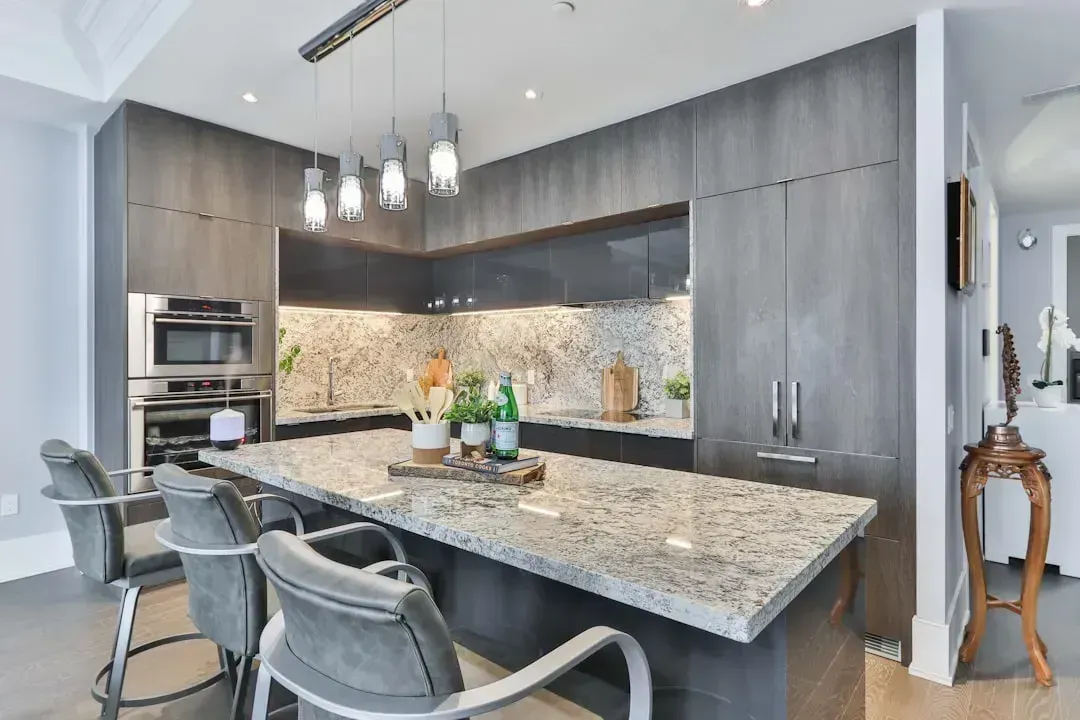
The kitchen is genuinely the heart of most homes, and it’s often called the single best room to invest in. That’s true – to a point. The moment you cross into luxury territory, the returns start shrinking fast. Buyers want an upgraded kitchen, but renovating your kitchen high-end won’t guarantee you’ll get your money back when it’s time to sell.
A high-end remodel in an area where home values are lower may not yield a high return, whereas in a competitive housing market, strategic upgrades can be more lucrative. The neighborhood sets the ceiling on what buyers will pay, full stop. Pouring $80,000 into a kitchen in a $300,000 neighborhood is simply money that won’t come back to you.
From 2021 to 2025, inflation has materially altered the ROI calculus for many renovations. High material and labor projects, such as upscale kitchens and major additions, see diminished ROI unless paired with strong market appreciation. A mid-range kitchen refresh? Smart. A chef’s kitchen with imported stone and restaurant-grade appliances in an average suburb? That’s a personal indulgence, not an investment.
9. Removing Popcorn Ceilings (DIY-Style)
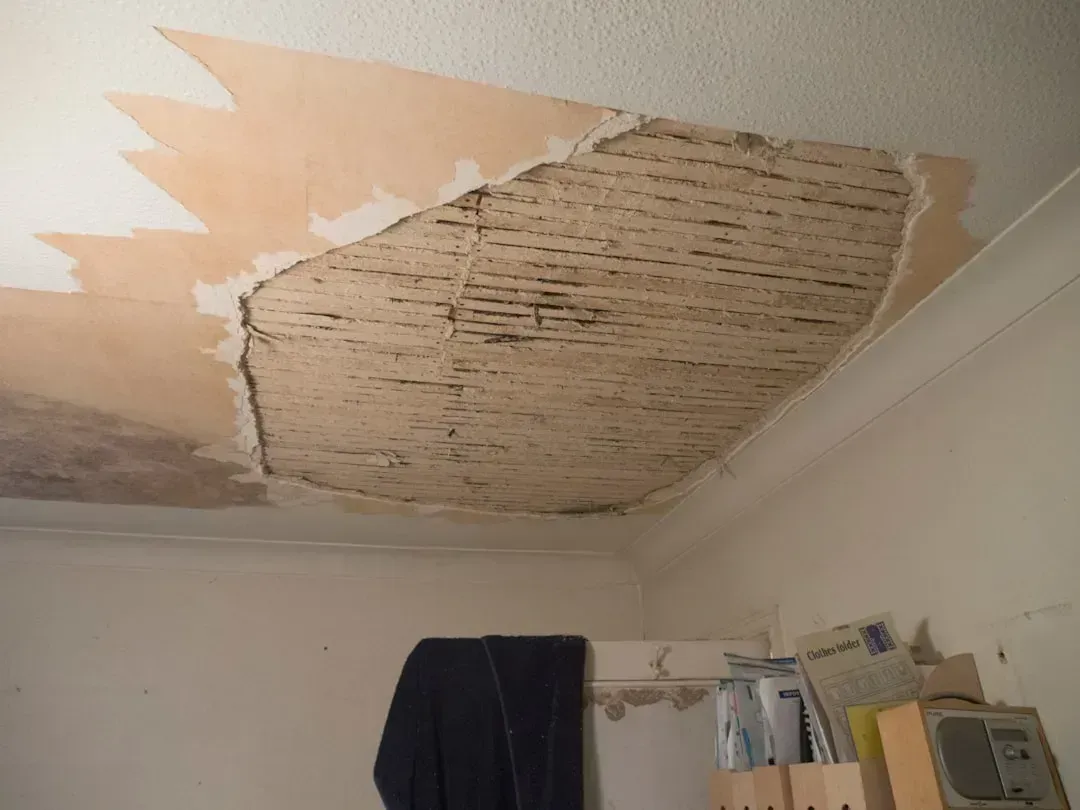
Here’s one that surprises people. Removing popcorn ceilings sounds like a universally good idea – those textured ceilings are dated, nobody loves them, and smooth ceilings feel more modern. The issue is in the execution, especially as a DIY project. Removing texture on walls and ceilings is a difficult project, which can potentially lead to lower offers when it’s time to sell. Removing a popcorn ceiling costs homeowners between $934 and $3,073, or around $6 per square foot, depending on the cost of labor and the size of the room, according to Angi.
When done badly – and DIY popcorn removal very often goes badly – you’re left with visible gouge marks, uneven patches, and a ceiling that looks worse than the original texture. Buyers notice imperfections on ceilings immediately because they’re looking up the moment they walk in. It’s like the first thing the eye travels to in an empty room.
DIY renovation projects can be a great budget-friendly option to add value, but if a buyer notices, it may not always be a good thing. Even simple DIY home improvement projects can go horribly wrong. Spending the extra money to have the job done well could get you a better return on your investment. This is one of those cases where “good enough” simply isn’t.
10. Converting a Bedroom Into a Walk-In Closet
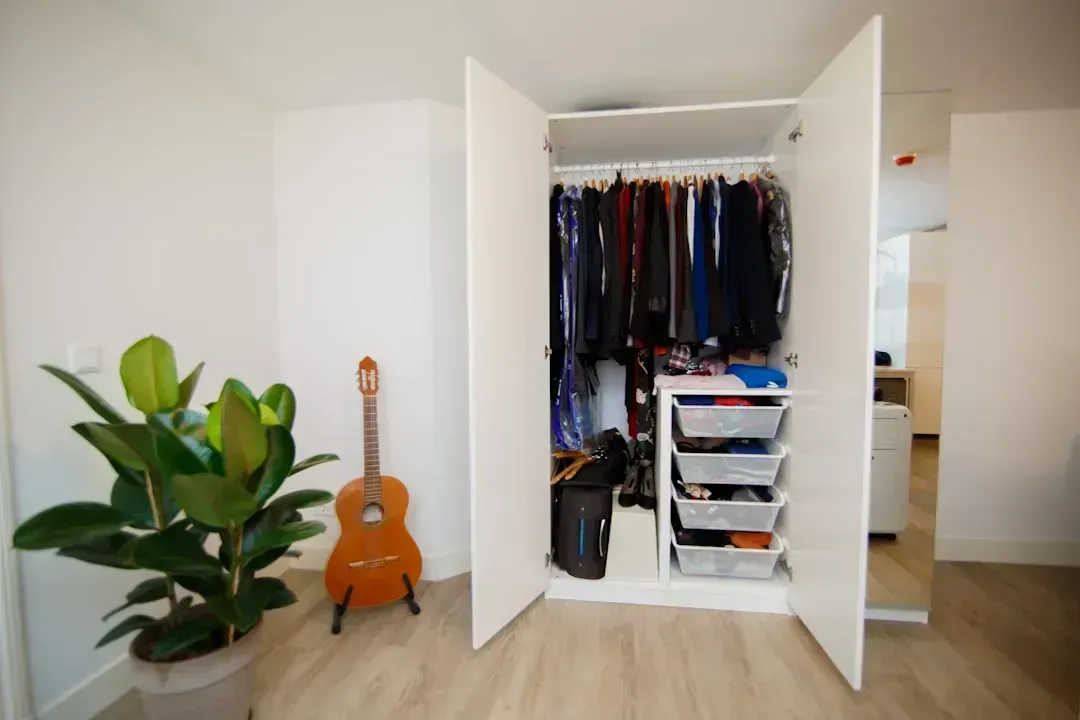
Walk-in closets feel glamorous. Having one is genuinely convenient. Creating one by sacrificing a bedroom, however, is one of the clearest ways to quietly hurt your home’s resale value. Zillow’s 2024 research into home listings showed that walk-in closets can hurt a home’s value by 0.5%. If you’re tempted to turn a small bedroom into a closet, think twice before doing so. Home shoppers usually search for homes based on the number of bedrooms, and a home’s value is derived in part from the number of bedrooms it has. A bedroom is going to be more valuable to most buyers than a walk-in closet.
It’s a surprisingly common move for homeowners who’ve been in their house a long time and prioritize personal comfort over resale logic. The closet feels amazing to them every morning. The buyer, browsing listings filtered by bedroom count, simply never sees the home at all.
According to the Remodeling 2024 Cost vs. Value Report, which estimated the return on investment on some common home improvement projects, only three improvements boosted value on resale: garage door replacement, replacing an entry door with a steel door, and installing manufactured stone veneer. Everything else is either a wash or a loss – and trading a bedroom for a closet is firmly in the loss column.