7 Grocery Staples That Have Doubled in Price Since 2020
It used to feel like a given – you walk into a grocery store, grab the usual items off the shelf, and leave without much thought about what it all costs. That era is over. Since 2020, the price of food in America has been on a relentless climb, reshaping budgets, habits, and dinner tables across the country.
From 2020 to 2024, the all-food Consumer Price Index rose nearly a quarter, a higher increase than the broader all-items index over the same period. Some staples, though, didn’t just nudge upward – they genuinely doubled or came shockingly close. Let’s dig into exactly which items have hit your wallet the hardest, and why.
1. Eggs: The Most Dramatic Price Shock in Decades

Let’s be real – no grocery item has captured the public’s attention quite like eggs. What was once an affordable everyday protein has become a symbol of everything that went wrong with post-pandemic food prices. The numbers are staggering, and they tell a story that goes well beyond ordinary inflation.
According to the U.S. Bureau of Labor Statistics, prices for eggs were nearly 90 percent higher in 2025 versus 2020 – meaning eggs costing $3.59 in 2020 would cost $6.79 in 2025. That is not a modest increase. That is a near-doubling of one of the most purchased items in the American kitchen.
The loss of egg-laying chickens from Highly Pathogenic Avian Influenza (HPAI) is the single biggest factor driving prices up. Since 2022, HPAI has affected over 166 million birds including 127 million egg layers – an average loss of roughly 42 million egg layers per year, or about 11 percent of the total layer inventory.
According to USDA’s Economic Research Service, the monthly national average price for large Grade A eggs hit a record-high $4.95 per dozen in January 2025, while the daily national average price surged to $8.15 per dozen as recently as March 4, 2025. That is the kind of number that makes you do a double-take in the dairy aisle.
2. Ground Beef: A 64-Year Supply Low Meets Unshakeable Demand
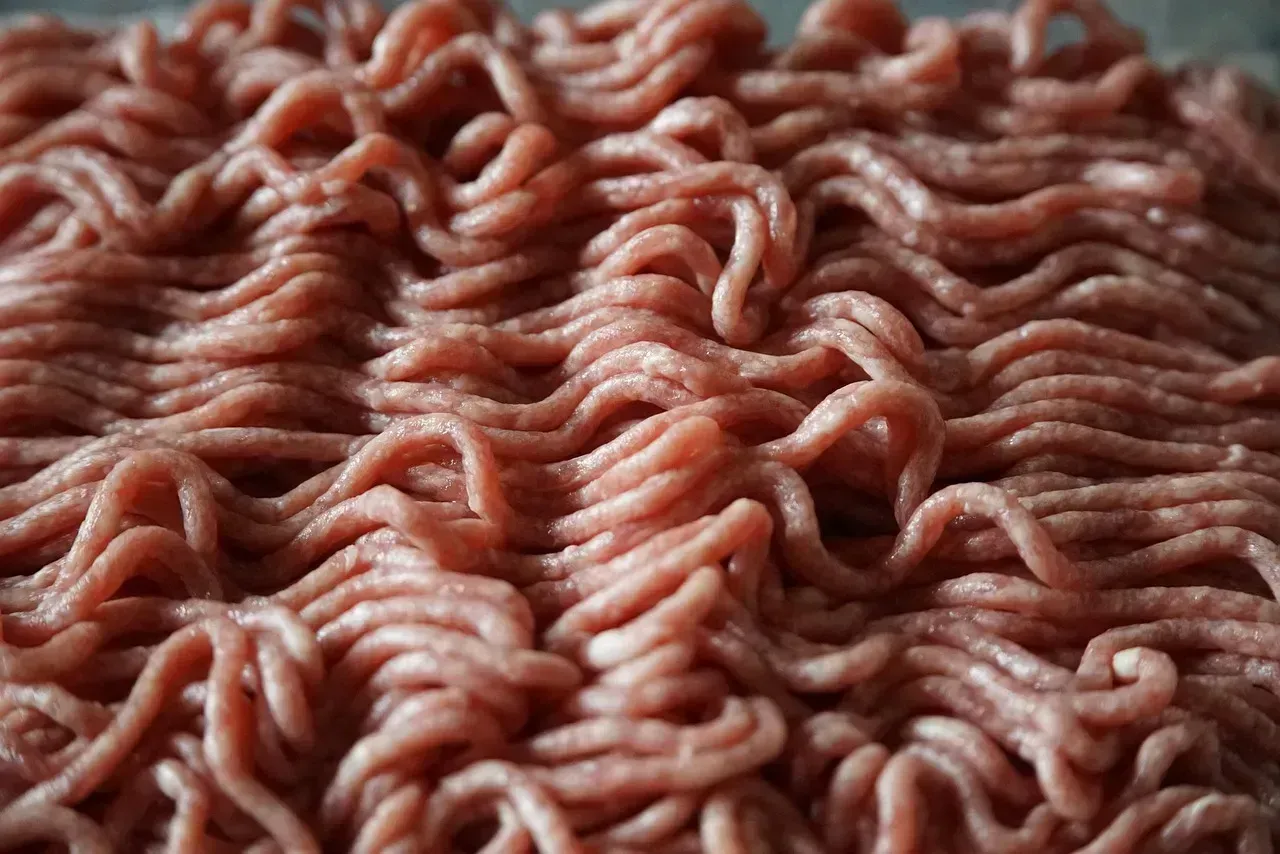
Americans love beef. That is not a controversial statement. What is shocking, though, is just how much more they are paying for it. Ground beef prices have been on a one-way street upward since 2020, and the structural reasons behind the surge are not going away anytime soon.
The average price of ground beef exploded by roughly 63 percent since the beginning of 2020, with prices holding near $6.32 per pound through late 2025. To put that in everyday terms, a pound of ground beef that cost you about $3.85 in 2020 now costs well over six dollars. That’s a meaningful hit for families cooking dinner five nights a week.
Years of drought, high grain prices, and rising interest rates made cattle farming so expensive that many U.S. farmers reduced the size of their herds – and some got out of the business altogether. Now, the U.S. cattle inventory is the smallest it has been since 1951, and that massive drop in supply has pushed prices for ground beef and sirloin steak to all-time highs.
Between March 2020 and December 2025, prices for beef roasts rose by nearly 74 percent, while beef steaks and ground beef climbed 57 percent and over 52 percent, respectively. The surge in beef prices is largely due to a historically low U.S. cattle inventory – driven by prolonged drought, high feed costs, and herd liquidation – which has tightened supply and pushed retail prices higher.
3. Coffee: Climate, Tariffs, and a Supply Chain Under Pressure
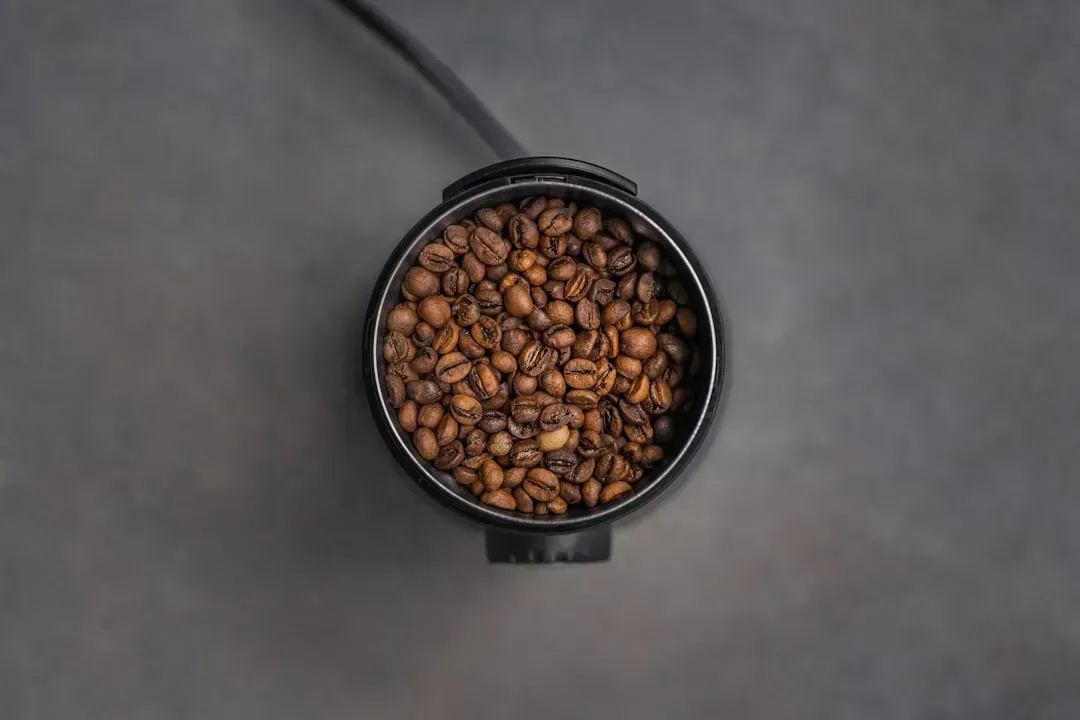
Your morning cup has never been more expensive. Coffee is one of those items people tend to buy out of habit and necessity – and producers know it. Honestly, it’s one of the most inelastic grocery purchases there is. That means when prices rise, you still buy it. You just wince a little more at checkout.
Over the past year alone, coffee prices outpaced all other major grocery items, rising nearly 19 percent from December 2024 to December 2025. According to a Food and Agriculture Organization report, adverse climatic conditions and reduced coffee exports have driven coffee prices to multi-year highs, with tighter global supply translating into higher costs for roasters and, ultimately, consumers.
Ground roast coffee prices in the U.S. hit a record $8.87 per pound in August 2025, up from $6.31 a year earlier. The surge has been fueled in part by volatile weather in Brazil and Vietnam, which has cut production forecasts in the world’s two largest coffee exporters. Unlike most foods that can be produced domestically, the U.S. is almost entirely dependent on imports for its coffee supply. A 50 percent tariff on Brazilian goods, including coffee, has added further upward pressure.
Coffee prices have jumped more than 20 percent in a single year, and while some of that is due to weather in coffee-growing countries like Brazil and Vietnam, double-digit import taxes have not been helping matters either.
4. Cocoa and Chocolate: A Once-Affordable Treat Becomes a Luxury

Here’s the thing about chocolate – it used to be the ultimate “affordable luxury.” Something you could reach for without guilt, without budget math. That relationship has fundamentally changed. The cocoa market has experienced something unprecedented, and chocolate lovers around the world are feeling it directly.
Cocoa prices soared to unprecedented levels, hitting a record high of $10.75 per kilogram – the highest price seen in 60 years. This followed a turbulent first half of the 2024/25 fiscal year, when prices nearly doubled compared to the same period the year before.
Cocoa futures, while somewhat eased from their peak, were still trading around $7,855 per metric ton in August 2025 – compared with just $2,374 three years prior. That is a price increase of well over 200 percent at the commodity level, and those costs flow directly downstream to the chocolate bars on store shelves.
Cocoa prices have been on a tear due to supply disruptions in the key producing nations of Ivory Coast and Ghana, which together represent about 60 percent of global cocoa production. Crops have been hit by black pod disease and swollen shoot virus, and many trees are past their maximum yield potential because there has not been a major round of planting since the early 2000s. Heavy rains exacerbated the disease issues, and the El Niño weather phenomenon also led to drier conditions resulting in lower cocoa yields.
5. Orange Juice: A 260% Shock That Forced Manufacturers to Improvise

If you have noticed that your carton of OJ seems to cost more than a decent bottle of wine, you are not imagining things. Orange juice has quietly become one of the most extreme examples of food price inflation in recent years – a story driven by disease, drought, and a supply chain that simply cannot keep up with demand.
In an analysis by The Kobeissi Letter, orange juice emerged as a standout with a staggering 260 percent price increase since 2019, representing one of the most dramatic commodity price shifts in grocery history. That is not a rounding error. That is a structural crisis in the citrus industry.
The orange juice supply has fallen short of demand due to a combination of adverse weather conditions affecting major producing regions, particularly in Brazil. Brazil is grappling with a devastating greening disease, which has severely impacted orange yields, resulting in a diminished supply of orange juice. Brazil accounts for roughly 75 percent of global orange juice exports – making any disruption there a global problem.
In response to soaring orange juice prices, some beverage makers have reportedly been using apple juice as a replacement ingredient – a sign of just how severe the supply problem has become. It’s hard to say for sure how long this will last, but with no quick fix for citrus greening disease, the pressure on OJ prices is unlikely to disappear soon.
6. Olive Oil: Mediterranean Drought Turns “Liquid Gold” Into an Actual Luxury

For years, olive oil was the health-conscious cook’s best friend – a reliable, reasonably priced staple in kitchens across America. Then the Mediterranean stopped cooperating. What followed was a dramatic price spiral that genuinely shocked consumers who had never thought twice about grabbing a bottle off the shelf.
The price of olive oil shot up dramatically over recent years, with figures from market insight firm Y Charts reporting a record high of $10,281 per metric tonne in January 2024 – a price level that would have seemed unthinkable just a few years earlier. Retailers passed those costs directly to shoppers, and the effects were immediately visible.
Drought conditions hit the Mediterranean region, the world’s largest supplier of olive oil, during the winter of 2022 to 2023, resulting in poor olive harvests. Long-lasting, above-average temperatures, warm spells, and poor precipitation led to severe drought conditions across the region. Think of it like a single faucet supplying the world’s olive oil being slowly turned off. Supply fell, prices skyrocketed.
The surge in olive oil prices across the USA and Europe has led to some calling it “liquid gold,” with price increases attributed to a combination of climate challenges, rising production costs, and supply chain disruptions. There is cautious optimism that prices could begin to stabilize or even decrease in 2026, much of which hinges on better weather conditions in the key producing regions of southern Europe.
7. Beef Roasts: The Single Biggest Price Jump of Any Grocery Staple
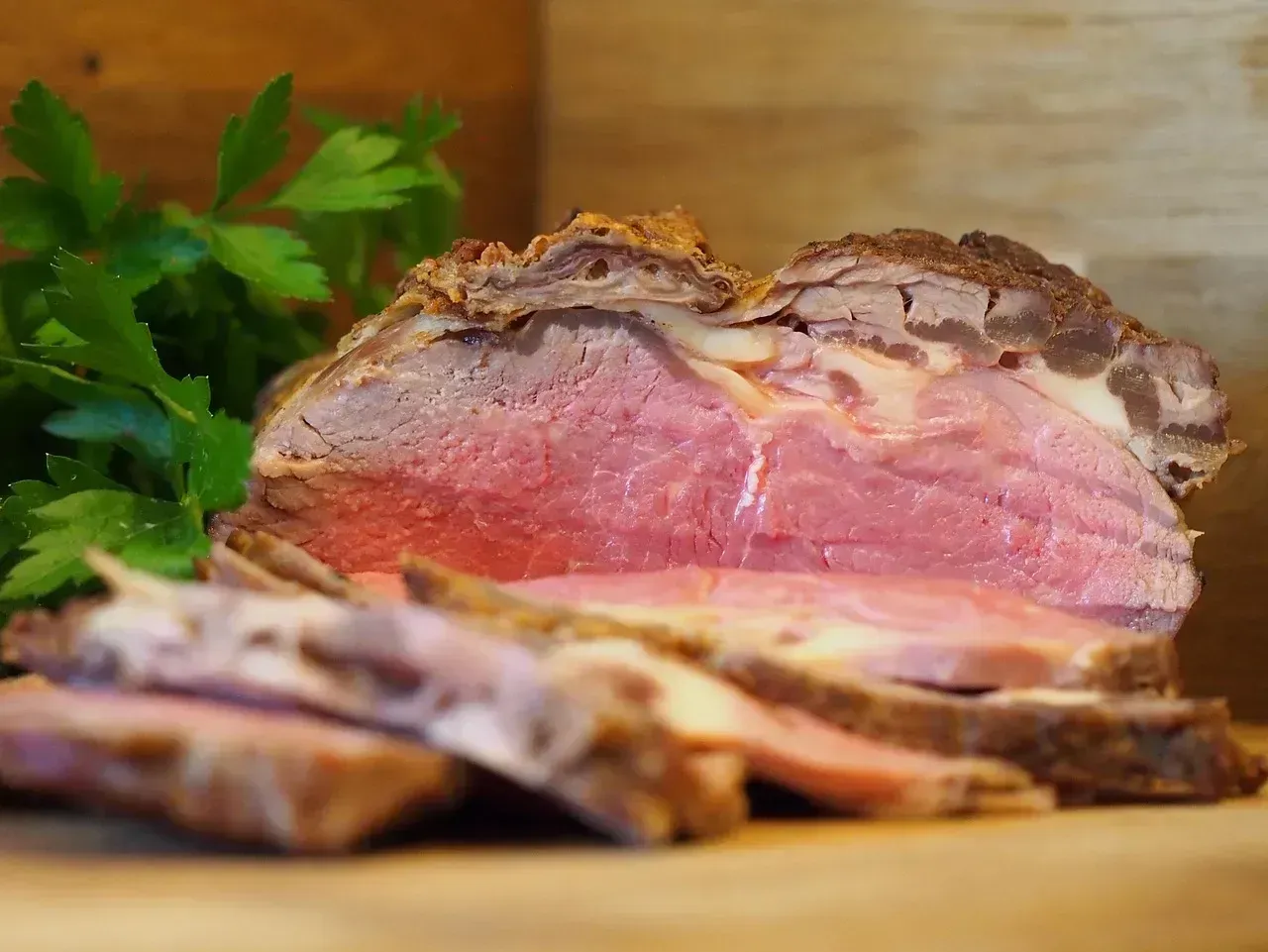
While ground beef gets most of the headlines, beef roasts have quietly racked up the most dramatic price increase of any major grocery item tracked since the pandemic. This is the category that catches people off guard – especially those who rely on roasts for family dinners, Sunday meal preps, or holiday cooking. The numbers genuinely surprise even those already braced for bad news.
Beef products have seen the sharpest price increases since the pandemic began. Beef roasts climbed nearly 74 percent, beef steaks rose 57 percent, and ground beef went up over 52 percent – ranking as the top three items with the largest price gains since the pandemic started. Nearly 74 percent. That is almost double. For a roast that feeds a family of four.
Beef and veal prices were more than 16 percent higher in December 2025 compared to December 2024. The U.S. cattle herd has been decreasing in size since 2019, yet consumer demand has remained strong in the face of tighter supplies – a classic supply-demand squeeze that pushes prices steadily upward.
American beef production is set to fall a further 4 percent in 2025 and another 2 percent in 2026, while today, the price of beef is at a record high as cattle inventory hits its lowest point in nearly 75 years. There is no quick fix here. Rebuilding a cattle herd takes years, not months. Until supply catches up with demand, beef in all its forms will remain one of the most expensive items in any American shopping cart.
Beef and veal prices are predicted to increase another 9.4 percent in 2026, according to USDA forecasts – meaning the pain at the meat counter is very far from over.
The Bigger Picture: How Did We Get Here?
According to the latest data from the U.S. Bureau of Labor Statistics, the price of food at home climbed nearly 30 percent between March 2020 and December 2025. Grocery inflation outpaced broader inflation since the pandemic began – the Consumer Price Index for food at home rose 29.4 percent, compared to 25.6 percent for all other items excluding food.
The pandemic initially snarled supply chains as restaurants were shuttered and consumers suddenly had to prepare three meals at home each day. The double-digit price hikes triggered by the pandemic and Russia’s invasion of Ukraine came as a shock after decades of relatively stable grocery prices. The world changed fast, and grocery shelves reflected that almost immediately.
This long-term increase reflects the sustained inflationary shock that began during the 2020 pandemic and continued through global supply chain disruptions, labor shortages, and increased input costs. While the pace of grocery inflation has eased in recent years, prices remain well above pre-pandemic levels. That last point is critical: slowing inflation does not mean prices are going back down. They are simply rising more slowly now from a much higher base.
What is perhaps most striking is that the items hardest hit – eggs, beef, coffee, cocoa, orange juice, olive oil – are not luxuries. They are the building blocks of everyday cooking. The question worth sitting with is this: how much more can household budgets absorb before behavior changes for good? What do you think – have these price hikes already changed the way you shop? Tell us in the comments.