Wendy’s to Keep Shutting Down Hundreds of Locations Through Mid-2026
Wendy’s is making headlines again, and not for a new Frosty flavor. The iconic fast-food chain is in the middle of one of the most significant domestic footprint reductions in its history, closing hundreds of U.S. locations as it battles declining sales, shifting consumer habits, and fierce competition. The closures are part of a broader reset strategy the company is calling “Project Fresh,” and the cuts are expected to stretch through the first half of 2026. For millions of Americans who have a Wendy’s down the street, it may be time to check if that location is still there.
The Scale of the Closures Is Significant

Wendy’s said it already closed 28 restaurants in the fourth quarter of 2025 and ended the year with 5,969 U.S. locations, with the company expecting to close between 5% and 6% of its U.S. restaurants – or 298 to 358 locations – in the first half of 2026. That’s a meaningful chunk of a domestic network that once hovered near 6,000 stores. According to the company’s fourth-quarter earnings report published in February, Wendy’s domestic business is lagging behind its international efforts, with total same-store sales falling 10.1% over the quarter, driven by low performance in the U.S., where same-store sales were down 11.3% compared to just 2% at international locations.
Overall, global systemwide sales were $3.4 billion, a decrease of 8.3% from the previous quarter. Those actions come on top of the closure of 240 U.S. Wendy’s locations in 2024. When you stack those numbers together, the picture is clear: Wendy’s has been shrinking its U.S. presence for two consecutive years, and the pace is accelerating. The company’s global same-store sales fell 10% in the October-December period, worse than the 8.5% drop expected by analysts polled by FactSet.
Project Fresh: Wendy’s Official Turnaround Plan
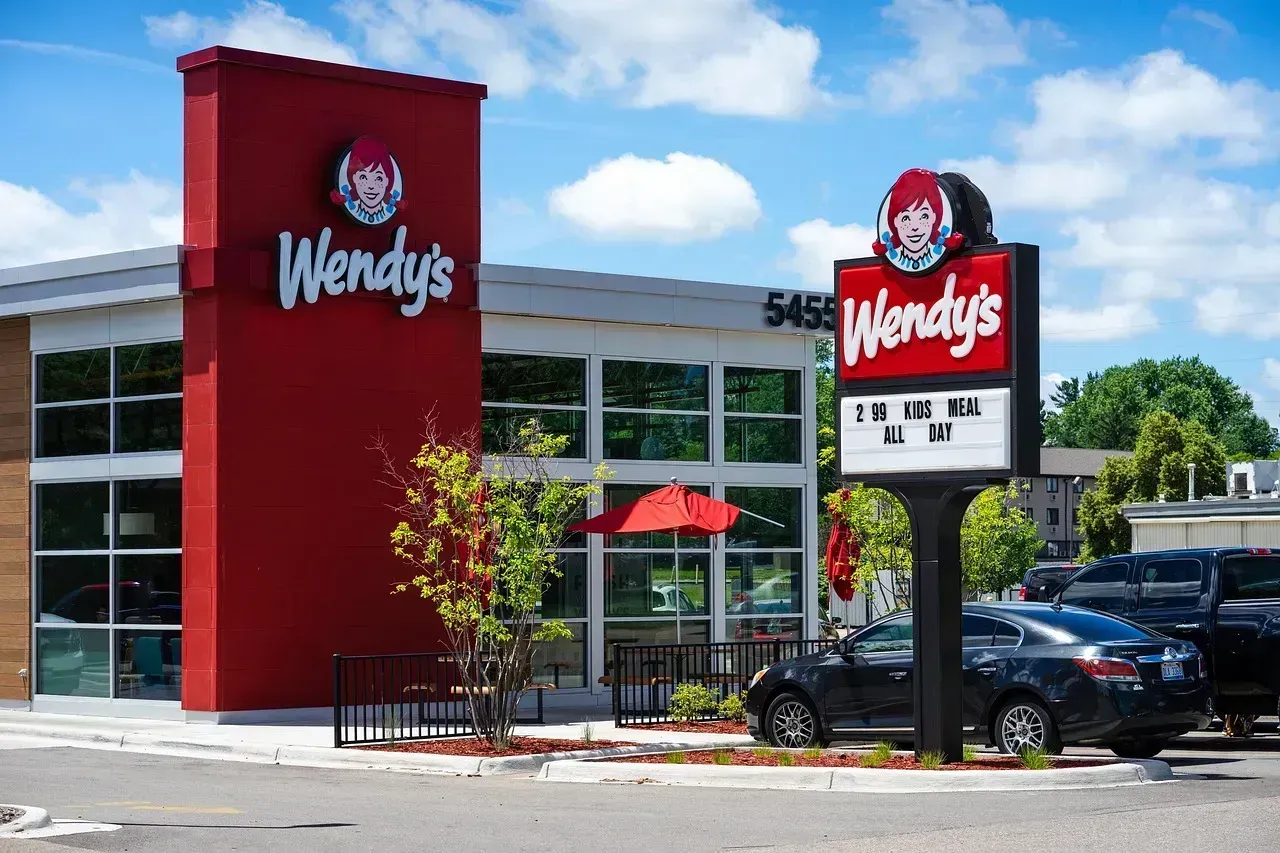
The planned closures are occurring as part of the fast-food giant’s turnaround plan dubbed Project Fresh, which was announced in October 2025 and described by the company as “designed to revitalize the brand, reignite growth, and accelerate profitability.” The new value menu launched under this strategy comes just months after Wendy’s shared Project Fresh, which focuses on brand revitalization, operational excellence, system optimization, and capital allocation, with the company also investing $20 million toward boosting its average unit volumes.
Project Fresh marks a clear reset for Wendy’s business model, with management prioritizing healthier unit economics over sheer store count, as closing 5% to 6% of U.S. restaurants concentrates franchisee capital and marketing behind locations with better return potential. Interim CEO Ken Cook said in a statement that “our fourth quarter performance was in line with our expectations, reflecting the challenges we anticipated,” adding that “we are making progress against our Project Fresh turnaround plan in the U.S. and continue to deliver strong growth internationally.” The plan is frank about the scale of work ahead, and Cook has publicly described 2026 as a “rebuilding year” for the entire organization.
Franchisees Are at the Center of the Closure Decisions
Decisions to close “consistently underperforming restaurants” have been made with Wendy’s franchisees, who can instead focus on stores that may return more profit, Cook said. A Wendy’s spokesperson told ABC News that “a key pillar of this strategy is system optimization, which is about having the right footprint in each market to improve franchisee economics and enhance the customer experience,” sharing that approximately 5% to 6% of U.S. restaurants are expected to close.
The company operates a largely franchised model, so decisions around closures and product changes can influence both corporate results and franchisee economics. The company expects that closing consistently underperforming restaurants will enable franchisee partners “to increase focus on locations with the greatest potential for profitable growth.” In practice, this means that some franchise operators are being encouraged to shed their weakest-performing units and redirect energy toward locations that still have strong customer traffic and profit potential. It’s a difficult trade-off, but Wendy’s leadership is betting it will strengthen the system in the long run.
A Permanent Value Menu Is Wendy’s Big Counter-Move
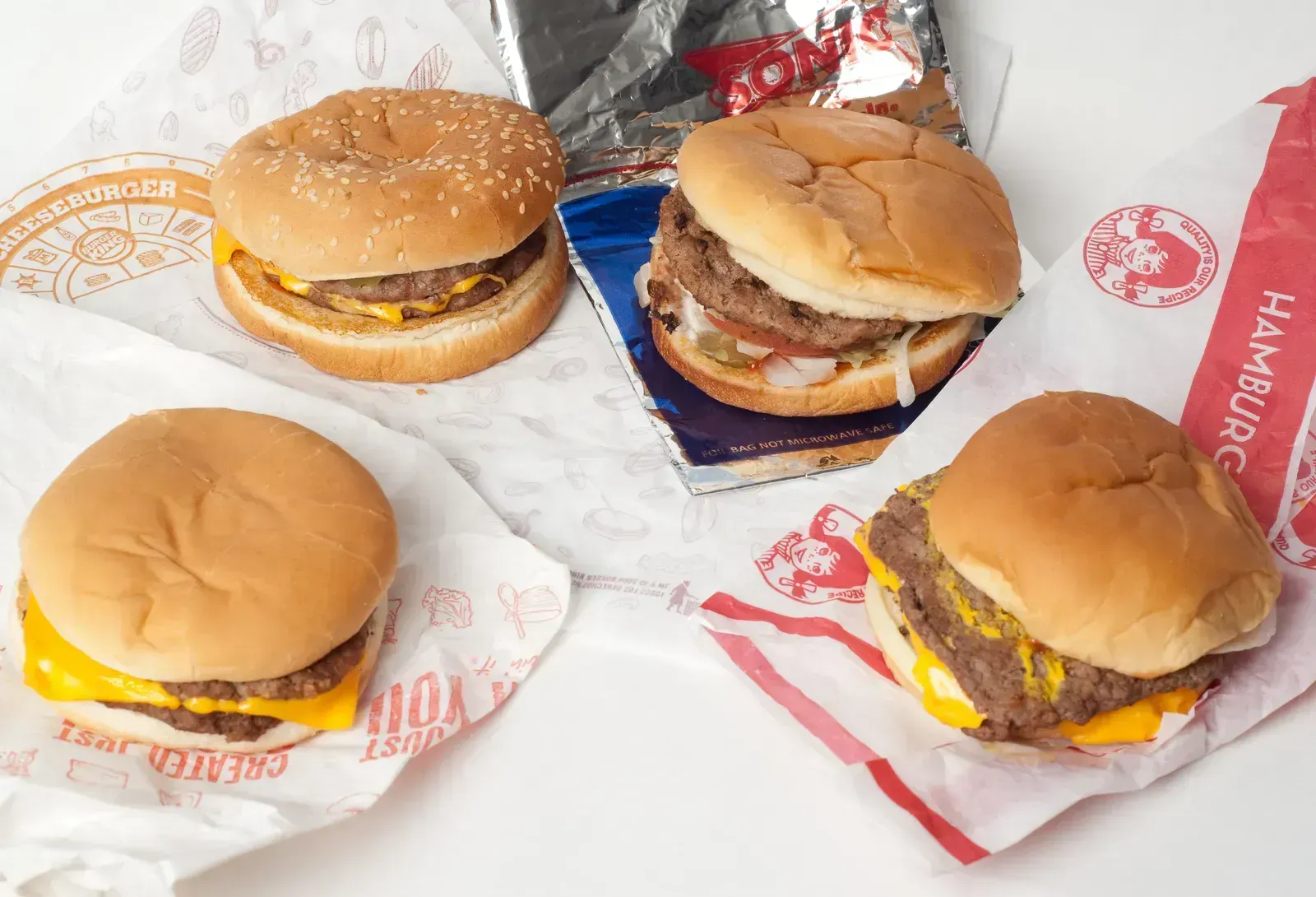
Wendy’s added Biggie Deals on January 14, 2026, rolling out a Biggie Deals menu with three combo tiers: $4 Biggie Bites, a $6 Biggie Bag, and an $8 Biggie Bundle. Cook acknowledged, “One learning from 2025 around value, we swung the pendulum too far towards limited-time price promotions instead of everyday value.” That admission is telling. The chain had been leaning hard on short-term discount deals to drive traffic, but it wasn’t working – customers weren’t coming back consistently.
A bright spot for the company has been the increase in digital sales through its app, which Wendy’s has been focused on during the past year, with digital sales growing 2% during the fourth quarter, bringing the U.S. digital sales mix to an all-time high of nearly 21%. Cook also noted the upcoming rollout of a new chicken sandwich and “cheesy bacon cheeseburger,” saying “our focus this year is restoring relevance and rebuilding trust with customers through disciplined execution and marketing.” Menu innovation, paired with a permanent value platform, is now the twin engine Wendy’s is hoping will pull it out of its sales slump.
The Broader Fast Food Industry Is Feeling the Same Pain
Inflation-weary consumers have pulled back their restaurant spending, choosing to eat at home or chasing deals when they go out for a meal, and while some restaurants have won over reluctant diners, the industry has largely struggled with the sales slump. Consumers will likely continue to pull back on spending in 2026, experts said, which would strain restaurant sales and traffic, with Black Box Intelligence measuring four consecutive months of comparable sales and traffic declines as of November 2025.
While previous pullback impacted mostly lower-income consumers, the slowdown grew worse with middle-income cohorts in the second half of 2025, with some consumers shifting spend to value grocers, convenience stores, and dollar stores, making the effort to win back cash-strapped consumers one of the defining features of 2026. Wendy’s has reported same-store sales declines even as rivals McDonald’s and Burger King see higher demand for their Big Macs and Whoppers. That competitive gap is precisely why Wendy’s is under so much pressure to restructure now rather than later.
What Customers Can Expect Going Forward
The company has not announced a list of affected stores. A spokesperson said a list of affected restaurants has not yet been made available. That uncertainty has left customers in many communities wondering whether their local Wendy’s will survive the cut. The planned closures are part of a broader trend of restaurant chains optimizing their footprints in response to shifting consumer behaviors and economic conditions, and while the full impact on local communities is unknown, the closures could affect jobs, real estate, and dining options.
Wendy’s is forecasting global system-wide sales to be approximately flat in 2026 compared to 2025, with adjusted earnings per share expected to be in the range of 56 to 60 cents, and Cook said, “We expect improvement in our performance as Project Fresh initiatives take hold.” The company plans to launch new, innovative menu items in the coming months, having already launched a chicken tenders ranch wrap and a cheesy bacon cheeseburger, while promising to “keep innovation fresh all year-round” as it seeks to stabilize traffic amid increasing competition across the fast food industry.