3 Grocery Staples That Are About to Skyrocket in Price Next Month
If your grocery bill feels heavier lately, you’re not imagining it. Food prices are expected to rise in 2026, with the USDA’s February 25 forecast projecting a general increase of roughly 3.1 percent across all food categories. That broad number, though, can mask dramatic spikes in specific aisles. Prices are projected to increase fastest for sugar and sweets, beef and veal, and non-alcoholic beverages compared to other food-at-home categories. For shoppers trying to plan ahead, the three items below deserve a closer look before next month’s checkout.
1. Beef – A Supply Crisis Decades in the Making
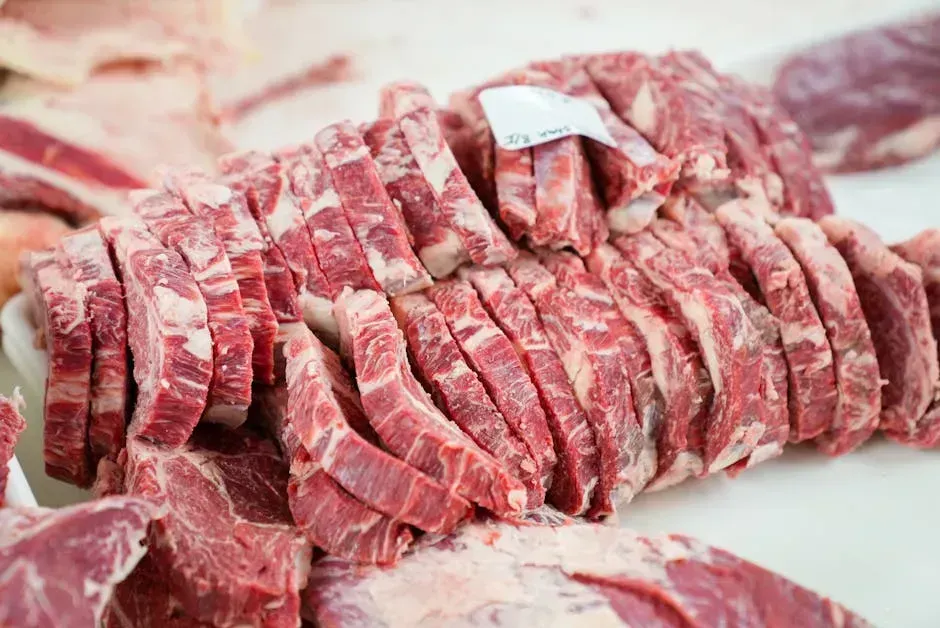
The U.S. cattle inventory has hit a 75-year low, tightening supplies and driving higher beef prices and market volatility. According to the USDA’s January 2026 inventory report, the total number of cattle and calves in the United States stands at just 86.2 million head – the smallest national herd in 75 years – and the beef cow herd has dwindled to 27.6 million head, its lowest point since 1961. This crisis began years ago with persistent droughts in the Southern Plains and was worsened by high interest rates throughout 2024 and 2025, which forced many ranchers to sell off heifers rather than retain them for breeding.
Ground beef hit $6.69 per pound in December 2025 – up roughly 19 percent year-over-year and about 72 percent since 2020 – with the USDA forecasting a further 6.9 percent wholesale increase in 2026. Compounding the domestic shortage, the U.S.-Mexico border has been closed to live cattle since July 2025 due to the spread of the New World screwworm, and the U.S. imported approximately 1.24 million head of cattle from Mexico in 2024 – effectively zero for 2026. If a farmer decides today to keep a heifer instead of placing it on feed for market, it will take 30 months before that heifer produces a calf that creates meaningful growth in the cattle herd, putting any real recovery out as far as 2028.
2. Coffee – Tariffs and Drought Squeeze America’s Morning Ritual
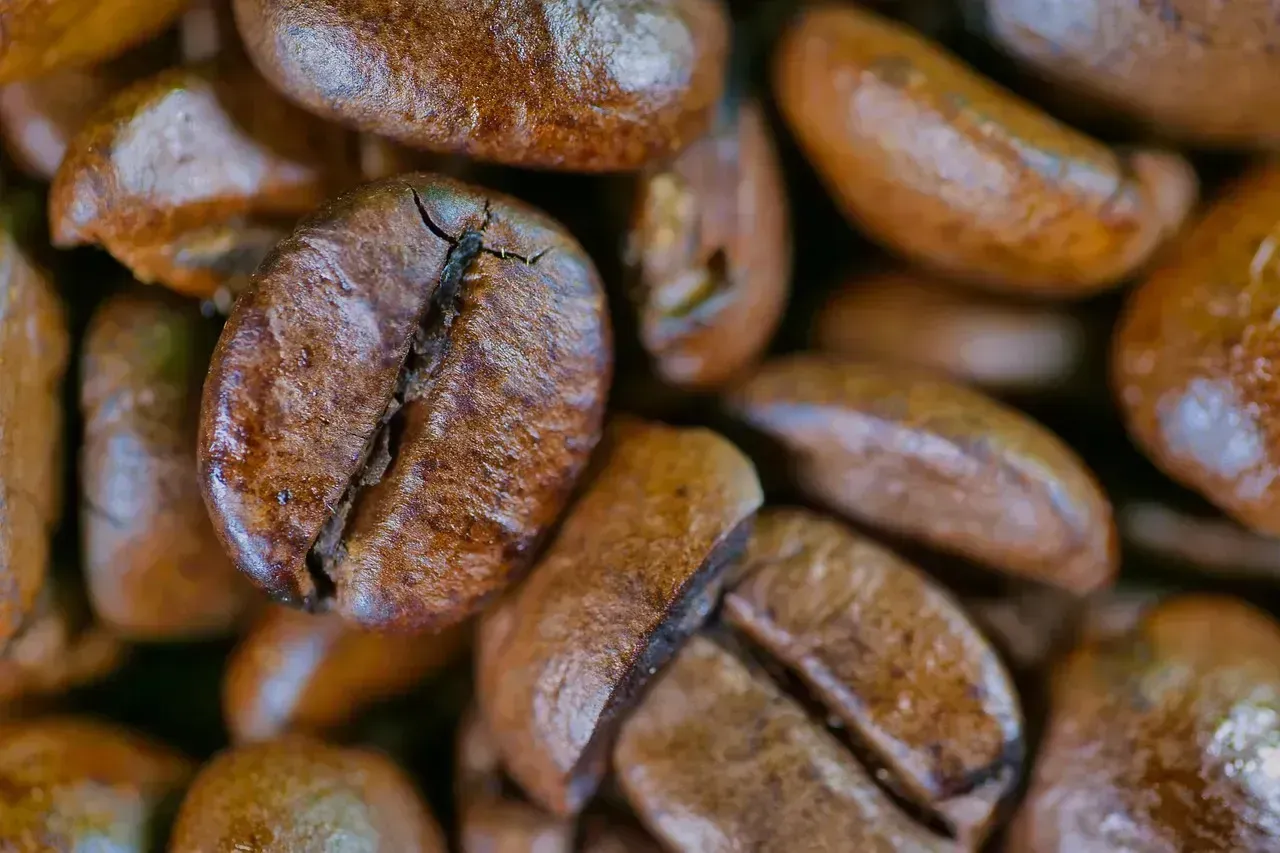
Prices for non-alcoholic beverages, including coffee, had increased by 1.6 percent from December 2025 to January 2026 and were 4.5 percent higher than in January 2025, with the USDA noting that prices were rising faster than the 20-year historical rate – partly because of the surge in coffee prices. The story behind that surge has two main chapters: weather and trade policy. A severe drought during Brazil’s last summer season devastated the harvest – and Brazil is the world’s top coffee producer, supplying roughly 40 percent of global volume. Vietnam, the world’s second-largest supplier, was also hit by a drought that caused coffee production to fall by roughly a fifth in 2024.
The Trump administration placed a 10 percent reciprocal tariff on imports including coffee, while also imposing a further 40 percent tariff on imports specifically from Brazil – the largest supplier of coffee to the U.S., making up around 32 percent of total U.S. imports – causing those trade flows to plummet. U.S. purchases of Brazilian coffee from August through October, during which the tariffs took effect, dropped by more than half compared to the same period the prior year. The latest Consumer Price Index data shows that coffee prices rose roughly 21 percent in August 2025 compared with a year ago – significant because coffee prices typically fluctuate only a few percentage points per year.
3. Sugar and Sweets – The Biggest Price Hike on the Shelf
According to the USDA’s report, the grocery items that will likely go up the most in 2026 are sugar and sweets. Prices for these groceries were already 5.7 percent higher in January 2026 than in January 2025, with candy and chewing gum experiencing the largest hikes, and the USDA predicted that prices for sugar and sweets will rise by 6.7 percent in 2026 – with a prediction interval as high as 10.2 percent. That would more than double the historical average increase of around 3.1 percent for the category. This makes sugar and sweets the single fastest-rising food category tracked in the USDA’s Food Price Outlook.
The U.S. is one of the world’s largest sugar producers, with sugarcane grown primarily in Florida, Louisiana, and Texas and sugar beets grown across the Midwest, Great Plains, and Northwest – but changing weather patterns are affecting production and leading to price increases. The U.S. also imports sugar from India, and tariffs and transportation costs are driving up the price of that imported sugar. Chocolate candy specifically could jump sharply in price in 2026, as it is being affected by both weather-related supply chain issues and tariffs. Chocolate prices have already more than doubled since 2024, and according to a Wells Fargo Agri-Food Institute report, cocoa prices are likely to remain high at least through the crop year ending September 2026 given the current record cocoa supply deficit.