9 Home Features Buyers Are Now Avoiding
The real estate market has always been a mirror of the times. What looked aspirational a decade ago can feel like a liability today. And right now, with buyers more selective than ever, certain home features are quietly killing deals before an offer is even made.
The real estate game is constantly evolving, and buyers are becoming more selective than ever. Whether driven by sustainability, convenience, or personal preferences, today’s shoppers are ditching once-popular amenities in favor of more modern living. Honestly, some of these shifts are surprising. Others? Completely predictable in hindsight. Let’s dive in.
1. Popcorn Ceilings: The Texture That Kills First Impressions
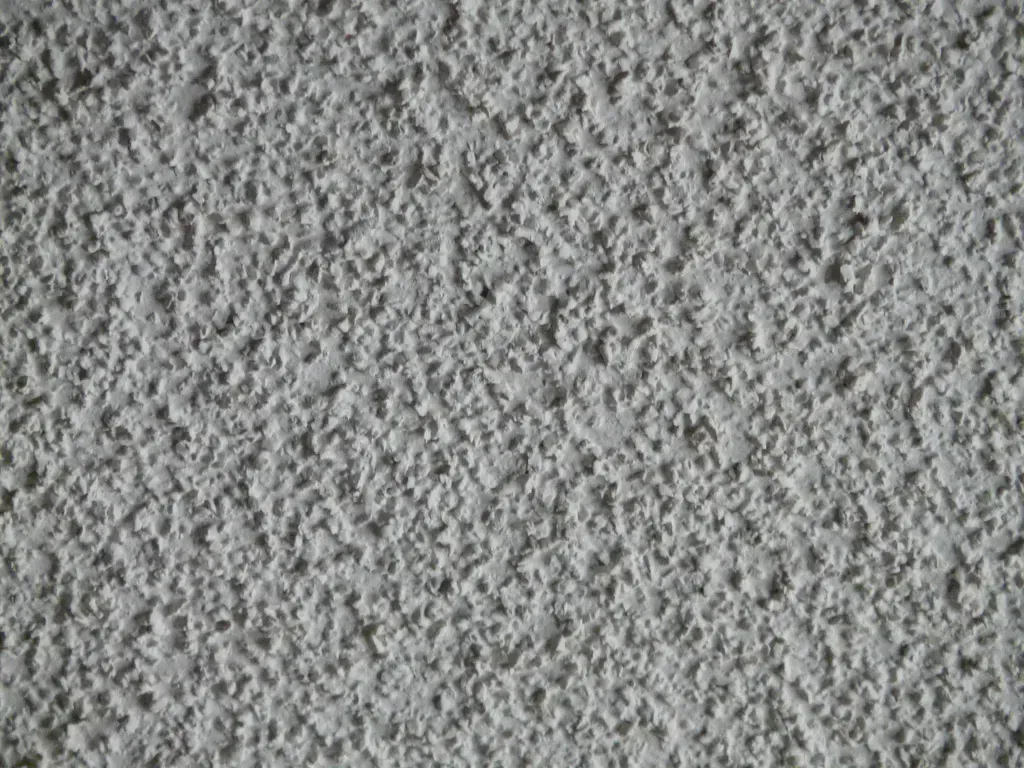
Popcorn ceilings instantly signal age to many buyers the moment they look up. Buyers associate this texture with older homes and potential asbestos concerns, even if the ceiling has been tested and cleared. It’s one of those things you can’t unsee once you notice it.
Popcorn ceilings were popular from the 1950s to the 1980s because they were cheap and effective at hiding imperfections. Today, they are just seen as ugly and a massive chore to remove. Beyond the dated appearance, these ceilings are difficult to clean, collecting dust and cobwebs in their many crevices. Worse, ceilings installed before the 1980s could contain asbestos, making removal a hazardous and expensive job.
Even when considered safe, popcorn texture often makes rooms feel darker and ceilings feel lower. Smooth ceilings now feel cleaner, brighter, and more modern. This single feature can prompt buyers to question how much updating and investment the home may need overall before making an offer, especially in competitive housing markets.
2. Carpeted Bathrooms: A Hygiene Red Flag No One Forgives
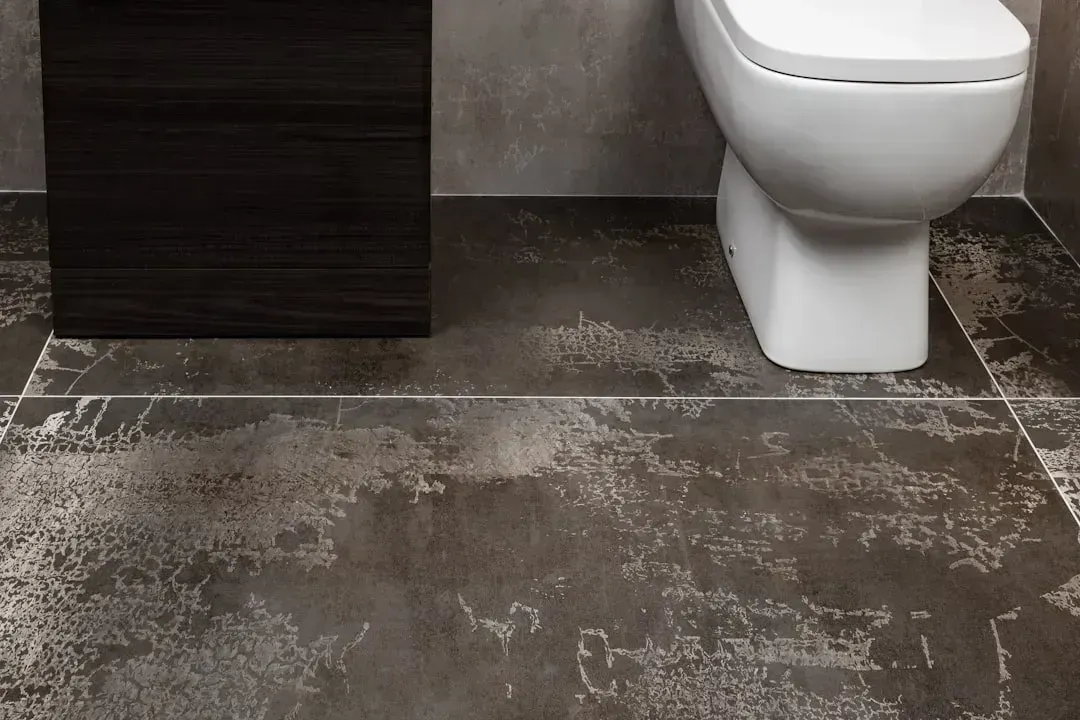
Let’s just take a moment to consider the concept: a soft, absorbent material on the floor of the wettest, steamiest room in the house. Carpeted bathrooms are a hygiene nightmare. They trap moisture, creating a perfect environment for mold and mildew. They are impossible to truly clean and absorb every splash, spill, and misfire.
Realtors say buyers worry about mold, mildew, and long-term damage, even when the carpet appears clean and well kept. Hard surfaces like tile, vinyl, or sealed stone now feel safer, cleaner, and easier to maintain. As buyers mentally calculate renovation costs, carpeted bathrooms often shift a home from charming to questionable within seconds during a showing.
Carpet in bathrooms makes modern buyers cringe. This questionable design choice traps moisture, harbors mold, and collects bathroom-related bacteria. Replacing bathroom carpet with ceramic tile, luxury vinyl, or even engineered hardwood provides an instant value boost. Waterproof flooring options have become more affordable and DIY-friendly than ever.
3. Formal Dining Rooms: Too Stiff for Modern Life
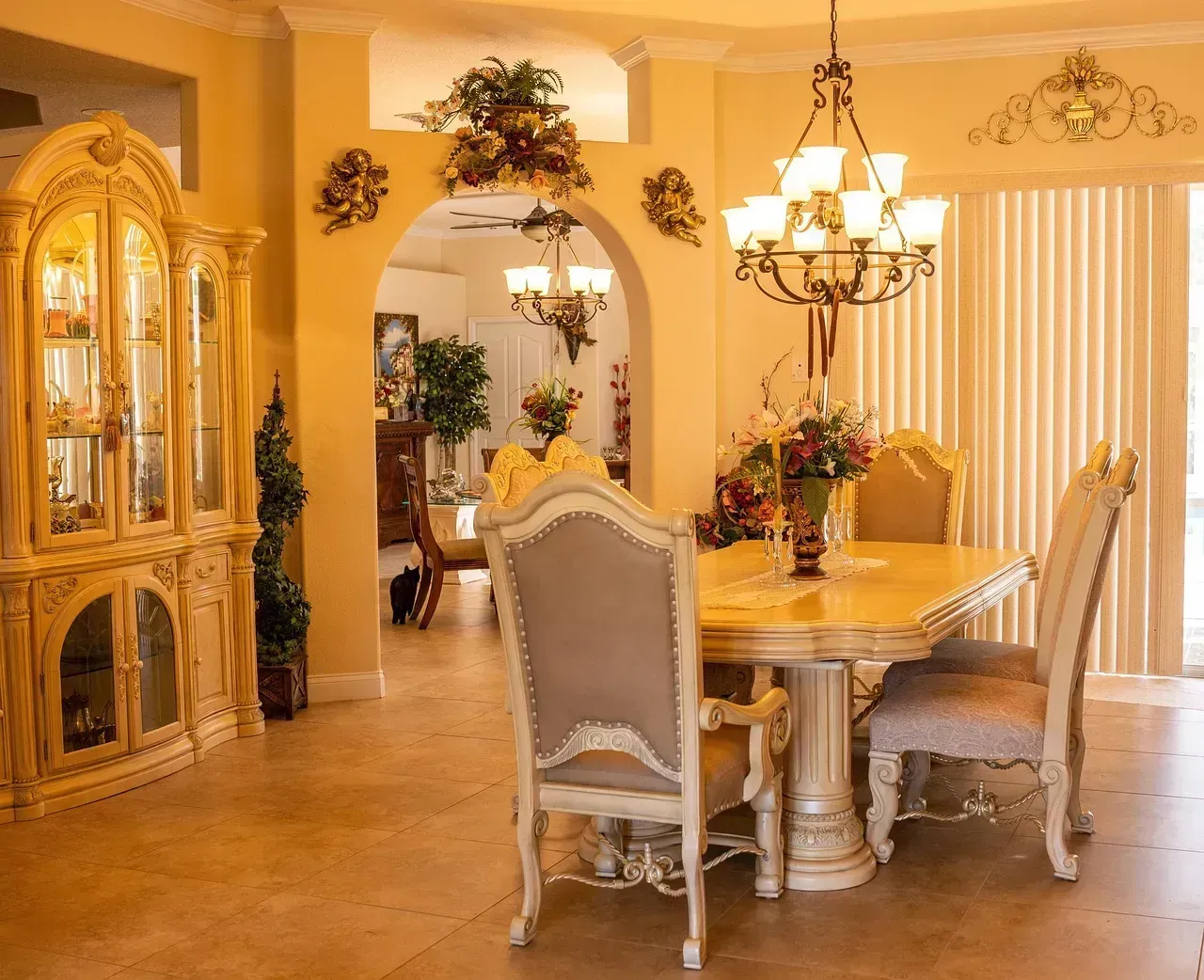
The once-coveted formal dining room is falling out of favor. Many buyers see it as wasted square footage, especially when open-concept kitchens with eat-in islands are more practical. With more families eating on the go or gathering casually, a closed-off dining room feels outdated. Buyers now prefer multipurpose spaces that can serve as offices, playrooms, or flex rooms.
By contrast, formal dining rooms with built-ins saw a 25.3% decline in year-over-year listing mentions, as buyers favor modern, natural, and right-sized design choices over ornate or oversized spaces. Think about it. When was the last time someone used their formal dining room for anything other than a holiday dinner or a temporary storage spot for Amazon boxes?
A trend report released by Realtor.com in late 2025 revealed that listings featuring formal dining rooms with built-ins saw a 25.3 percent year-over-year decline, signaling a massive drop in buyer interest. People are choosing multifunctional layouts over stiff, traditional floor plans.
4. Wall-to-Wall Carpet: A Dust Trap Buyers Are Done With
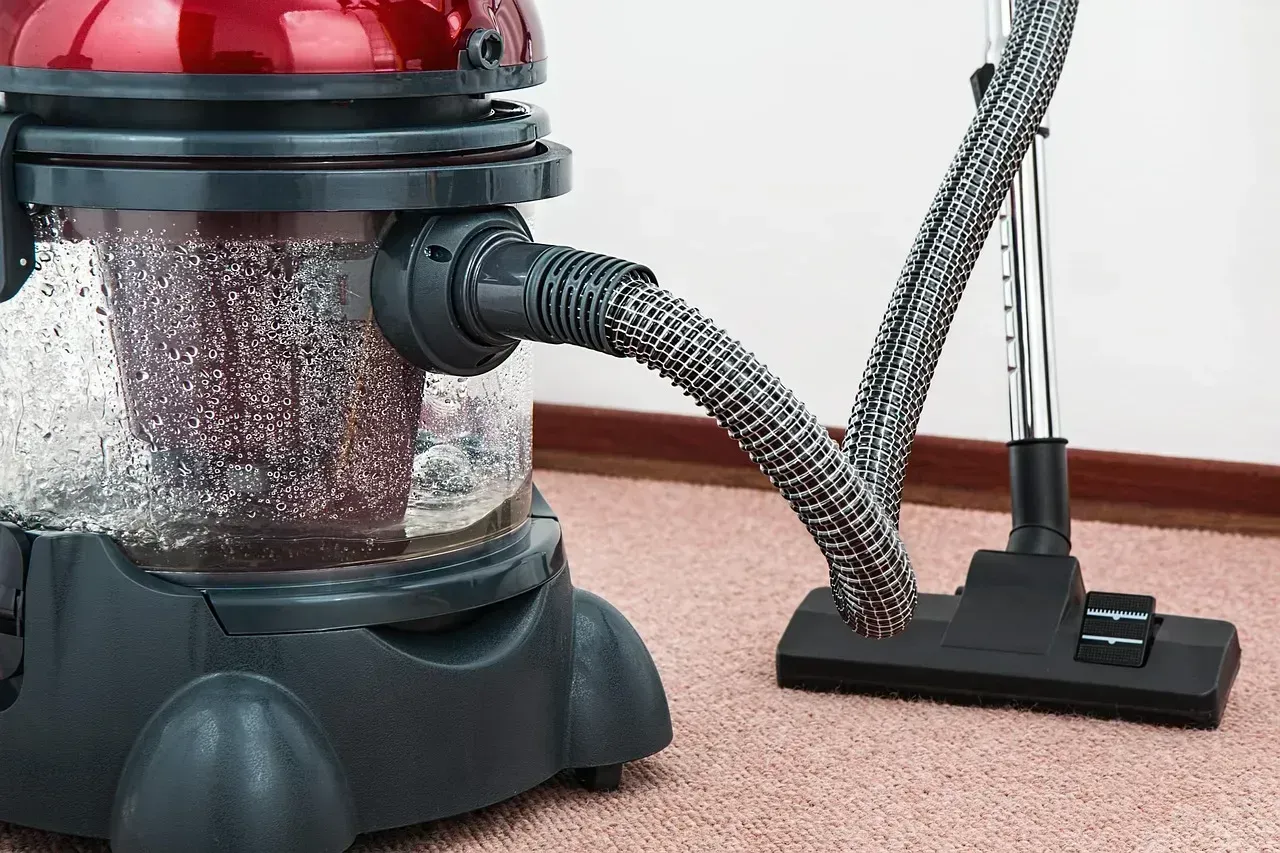
Carpet used to be the ultimate luxury, soft, cozy, and found in every room from the bedroom to the dining room. In 2025, this once-coveted flooring choice has become one of the biggest red flags for potential buyers. What was once considered a luxury is now widely regarded as a dust trap that’s a nightmare to keep clean.
Wall-to-wall carpeting is known for trapping dust, mites, and other allergens, not exactly a healthy breathing environment. Today’s health-conscious buyers prefer hardwood floors or luxury vinyl plank that’s easy to clean and doesn’t harbor allergens. According to Realtor.com, homebuyers prefer hardwood. Buyers with allergies tend to look for hardwood because it doesn’t harbor dust like carpet does.
The financial impact of this preference is stark when you look at resale-value data. According to the 2026 Cost and Value Guide by HomeGuide, carpet generally adds zero value to a home’s resale price and is often seen as a deduction, whereas hardwood floors typically yield a 70 to 80 percent return on investment. Sellers who refuse to pull up the carpet are essentially giving buyers a reason to lower their offer.
5. Converted Garages: Parking Over Perks
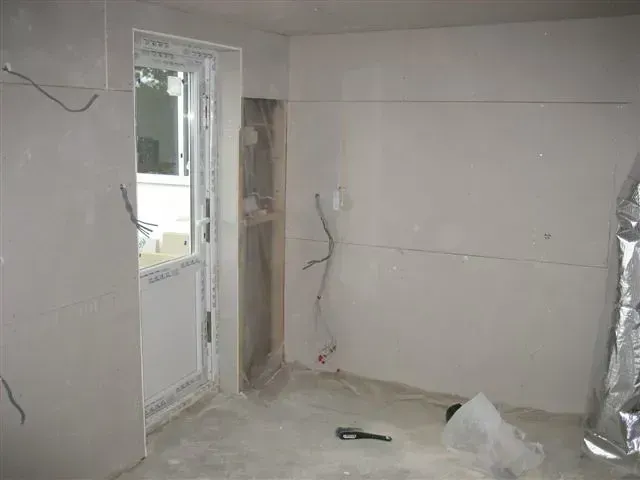
An ADU or home gym can be a perk for homeowners, but often not at the expense of losing the garage. Fitness-minded customers who converted a garage into a workout space at first sounded like a good move, but they struggled with their car situation. It turns out, most buyers want somewhere to put their car more than they want a private spin studio.
The conversion might not even count toward the official square footage in many appraisals, meaning you lose parking without gaining recognized living space. Additionally, converted garages often lack proper insulation, heating, and ventilation, making them feel like afterthoughts rather than integrated living areas. Buyers can usually tell when a space wasn’t designed as living area from the start.
Garage conversions are a bit more regional. Some buyers love the extra space, others want the parking, so resale value depends on local preferences. That unpredictability alone is reason enough to pause before picking up the sledgehammer.
6. Outdated Kitchens: Dark Cabinets and Dated Countertops
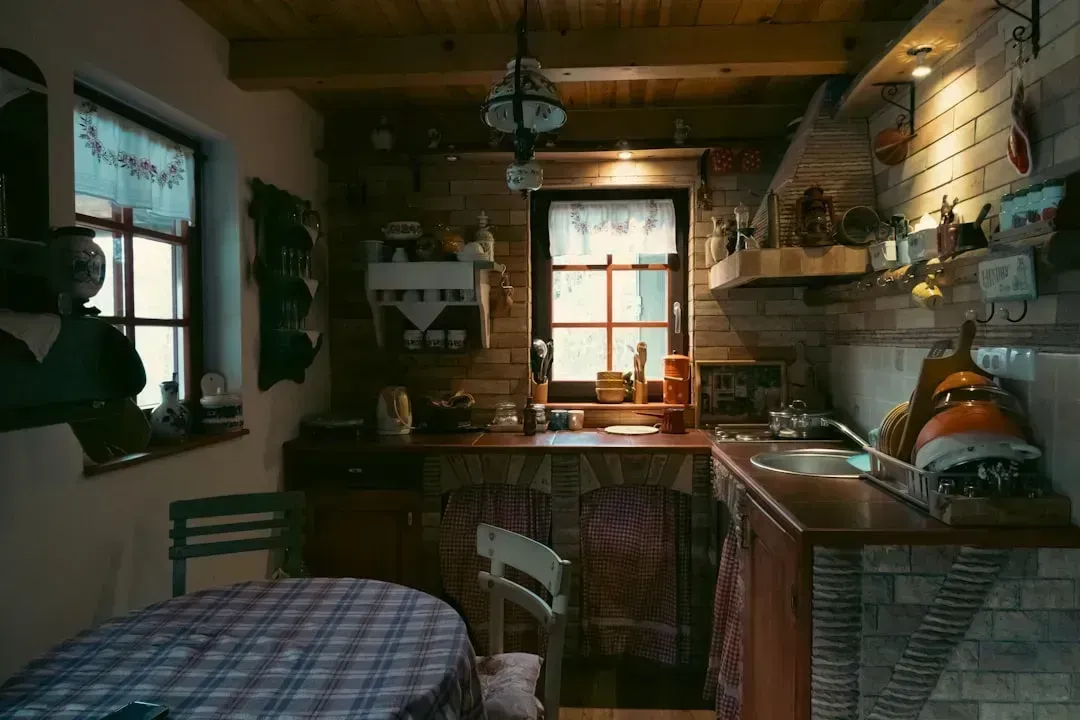
An overly outdated kitchen that is clearly stuck in decades previous is a huge red flag. Outdated cabinets, appliances from 30 years ago, and tile countertops are all huge dealbreakers for a majority of homebuyers. The kitchen is arguably the most evaluated room in any showing. Get it wrong and everything else suffers.
Dark or heavy wood finishes, once a staple in many homes, are becoming less desirable to today’s buyers. These finishes tend to make kitchens and other spaces feel smaller, more cramped, and less inviting. Dark cabinetry absorbs light, which can make the area feel dull and less welcoming, potentially turning off potential buyers. Dark wood finishes may lead to a 3 to 5 percent reduction in property value.
Granite was the undisputed king of kitchen renovations for decades, but its reign has officially ended. Buyers are now rejecting the busy, speckled look of granite in favor of cleaner, lower-maintenance materials that fit modern aesthetics. The requirement to seal natural stone annually is a chore that today’s low-maintenance homeowner is happy to leave behind. The industry numbers show a dramatic shift in kitchen design preferences. The National Kitchen and Bath Association’s 2026 forecast reported that roughly three quarters of professionals now favor quartz for its durability and consistency.
7. Oversized Jetted Tubs: The Bathroom Feature Nobody Uses
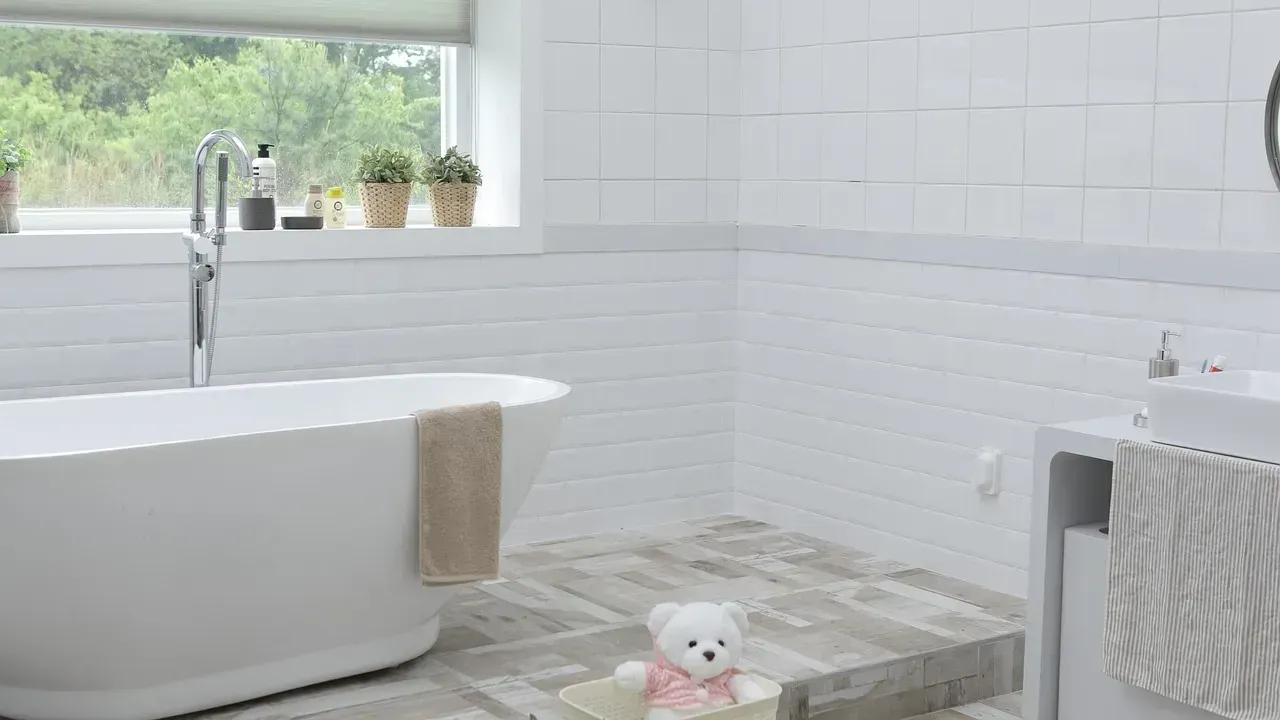
Oversized jetted tubs once suggested luxury and high-end living, but many buyers no longer feel impressed when they see one. They are viewed as bulky, rarely used, and costly to maintain over time. Realtors say buyers increasingly prefer spacious walk-in showers that support busy routines, accessibility, and aging-in-place needs.
A 2025 report from Houghton Contracting highlights that bathroom remodels focusing on walk-in showers and water efficiency are generating an ROI of 60 to 70 percent, outperforming the installation of large soaking tubs. Buyers are voting with their wallets for accessibility and speed over occasional relaxation.
Here’s the thing: a jetted tub sounds dreamy in theory. In reality, most people use it maybe twice a year, then spend the rest of the time cleaning the jets. Jetted tubs are maintenance nightmares that collect mildew and require special cleaning products. Most modern families prefer efficient showers over soaking tubs, especially in secondary bathrooms where space is at a premium.
8. Bold and Busy Wallpaper: Personality That Pushes Buyers Away
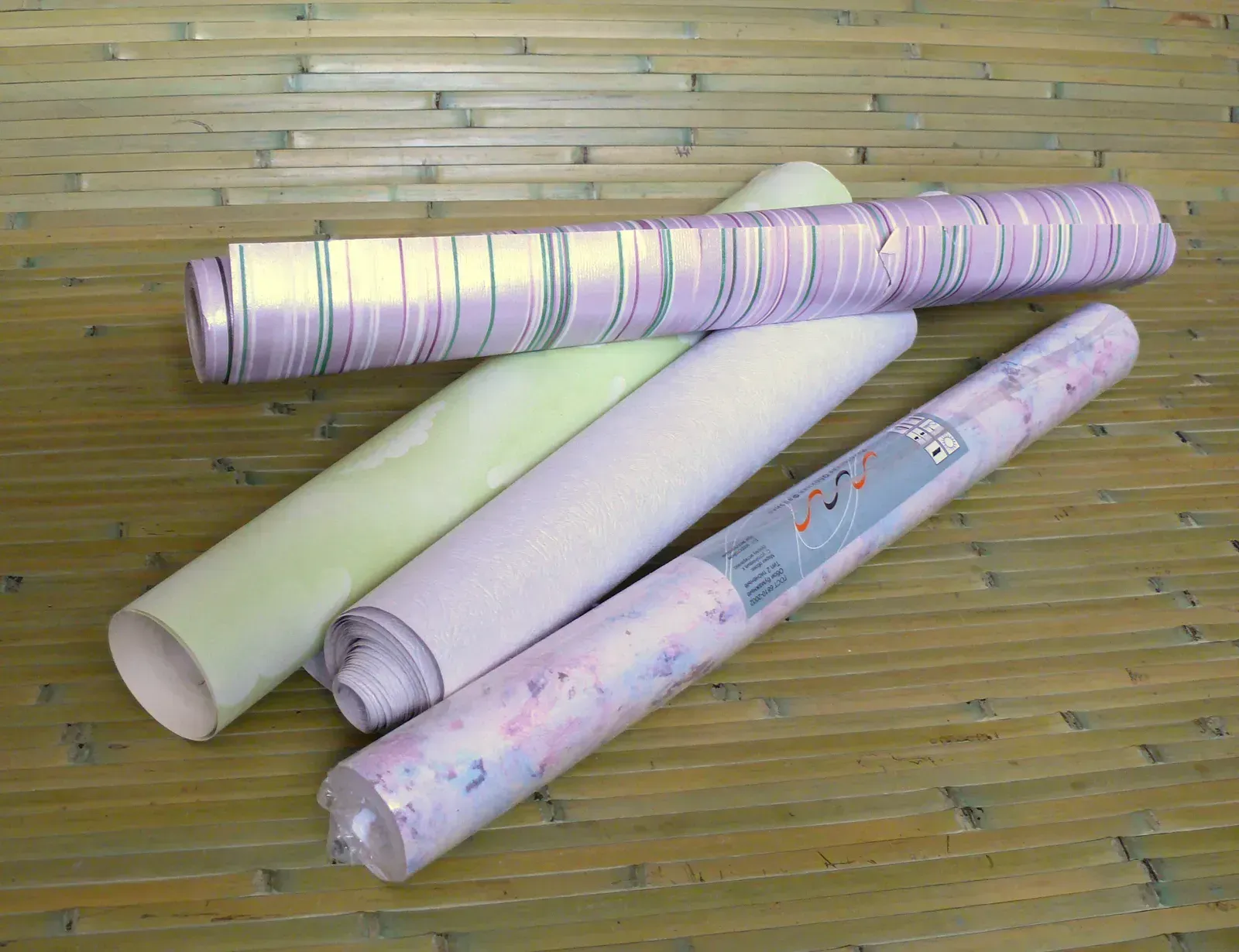
Large-scale wallpaper murals featuring botanical prints, landscapes, or abstract artwork became a major trend driven by social media interior accounts. A full mural is an intensely personal statement that aligns with a specific taste profile unlikely to match the next buyer’s vision. Removal is notoriously difficult, particularly with traditional wallpaper adhesives which can damage the underlying drywall. Peel-and-stick versions are easier to remove but still leave buyers uncertain about wall condition beneath the surface.
Wallpaper that has more than three colors and a bold pattern may not be to the taste of potential home buyers. Wallpaper in overly busy patterns or in bold colors could eventually date a home. That’s coming directly from professional home stagers who see the buyer reaction firsthand.
Removing old wallpaper is increasingly viewed as a necessary step to protect home value. According to a 2025 market analysis from Vancouver Home Hub, homes with outdated or damaged wallpaper can deter buyers, while removing it and applying fresh paint significantly improves buyer perception and offers a strong return on investment.
9. Extreme Open Floor Plans: Too Much of a Good Thing
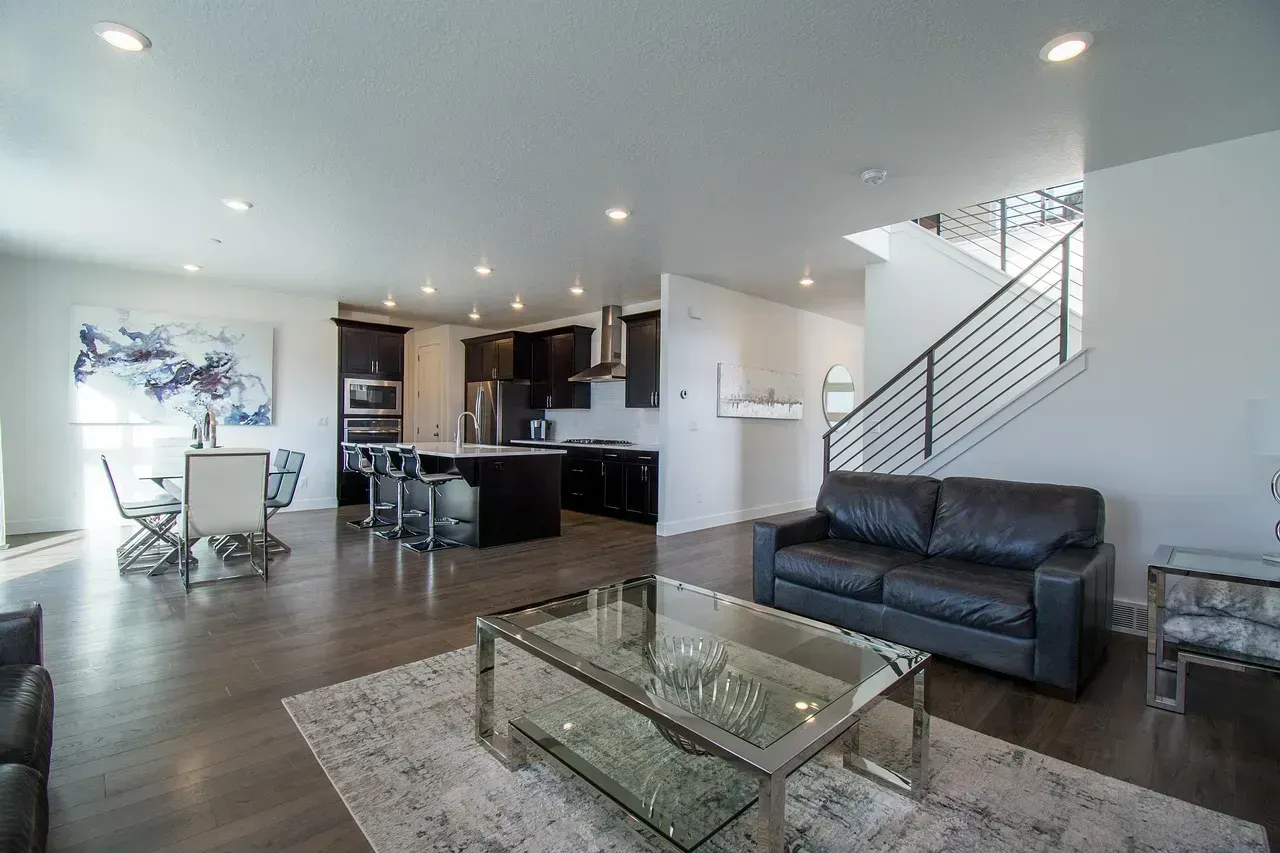
Open floor plans still appeal to many buyers, but too much openness now causes noticeable hesitation. Buyers want defined spaces that support work-from-home routines, better noise control, and personal privacy. Realtors say buyers often complain about sound traveling freely, limited wall space for furniture, and a lack of separation between daily activities.
After years of working from home, many buyers value rooms that close off when needed. A balanced layout with intentional openness and clear division now feels more realistic, comfortable, and functional for everyday life in modern homes today.
Homebuyers want designs that are more classic, so they can make them their own and not worry about them becoming out of style soon. Any overly trendy feature with a short design life span can represent a hurdle for some buyers. For every aggressive design choice, you reduce the number of buyers who will ultimately be interested. The same logic applies perfectly to floor plans. Extreme layouts narrow your buyer pool, and in a market where every offer counts, that’s a risk most sellers simply can’t afford to take.
What do you think? Are any of these features still in your home? It might be worth reconsidering before it costs you at the closing table.