I Was Set on Florida – Now 7 States Are Emerging as New “Climate Havens”
Florida was the plan. Warm winters, no state income tax, beach access, early retirement. For millions of Americans, it was practically a rite of passage. Then the hurricanes started hitting back to back. Then the insurance bills arrived. Then the headlines got louder, and suddenly the dream felt a lot shakier than the brochure suggested.
The ferocious back-to-back hurricanes of 2024, Helene and Milton, may have added to the numbers of out-migrants who decided there are less risky and more opportunity-rich places to live than Florida. Something shifted. Quietly but unmistakably, a new conversation began – one about “climate havens,” states that are safer, more resilient, and surprisingly livable. Let’s dive into the seven states drawing serious attention right now.
1. Michigan: The Great Lakes Powerhouse Nobody Talks About Enough
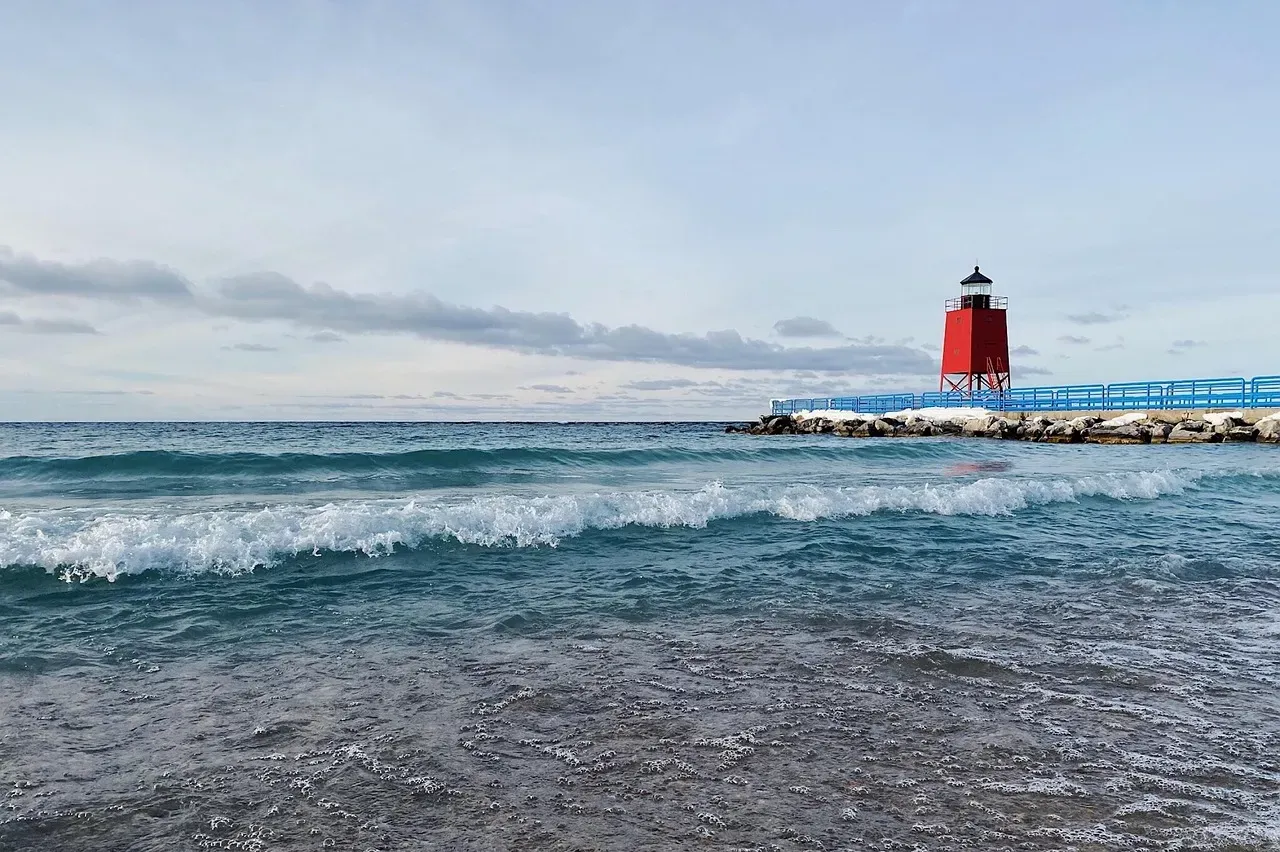
Honestly, Michigan surprises people. When you think of it, you might picture old factory towns or brutal winters. But here’s the thing – that image is outdated and the data tells a far more compelling story. Michigan looks increasingly attractive in a country where wildfires turn million-dollar mansions to ash in California, intensifying hurricanes sink homes along Florida’s coasts, and cities like Las Vegas and Phoenix face the alarming reality that the Colorado River will no longer sustain them.
Michigan’s two peninsulas have ample freshwater, the Great Lakes contain roughly ninety percent of North America’s supply, and the state also boasts lower temperatures and vast swaths of undeveloped land. That’s not a small selling point – freshwater security is increasingly treated as one of the most critical factors in long-term habitability. According to Cotality, Michigan ranks third best in the entire country for hardening properties against climate risks.
According to Zillow, the typical home value in Houghton on Michigan’s Keweenaw Peninsula stood at about $257,603 in mid-2025, a six percent year-on-year increase – compared to just 0.2% nationally for the same period. Real estate doesn’t lie. People are already moving with their feet, and their wallets are following.
2. Minnesota: Cold Has Never Looked This Appealing
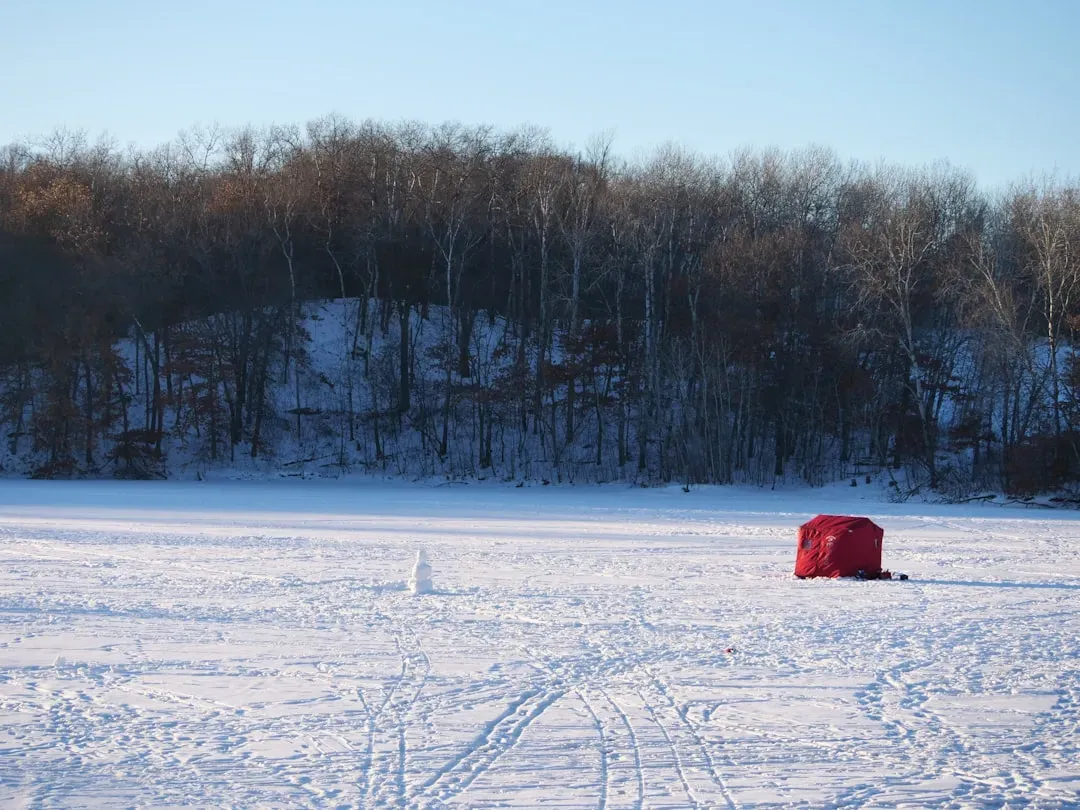
Duluth’s position on Lake Superior offers abundant freshwater and cooler weather, and the city’s renewable transition and community planning efforts make it one of the most frequently cited U.S. climate refuges. That reputation hasn’t appeared out of nowhere. Minnesota has been quietly building a case as a northern sanctuary for years.
The Midwest holds special appeal with its abundant fresh water, cooler summers, and comparatively little risk from hurricanes and wildfires. For people fleeing Phoenix-level heat or Florida-level storm anxiety, that combination is almost absurdly attractive. Minneapolis is investing in electrified public transit, green rooftops, and community-owned energy, and its strong governance and water resources make it a model of northern sustainability.
It would be misleading to call Minnesota entirely safe, though. Mega-rain events are expected to increase across the upper Midwest, and Minnesota has already seen sixteen so-called 1,000-year storms since 1973, eleven of them since 2000. Still, compared to Gulf Coast hurricane risk or Western wildfire exposure, Minnesota remains among the stronger bets.
3. Wisconsin: Quietly Resilient and Ready
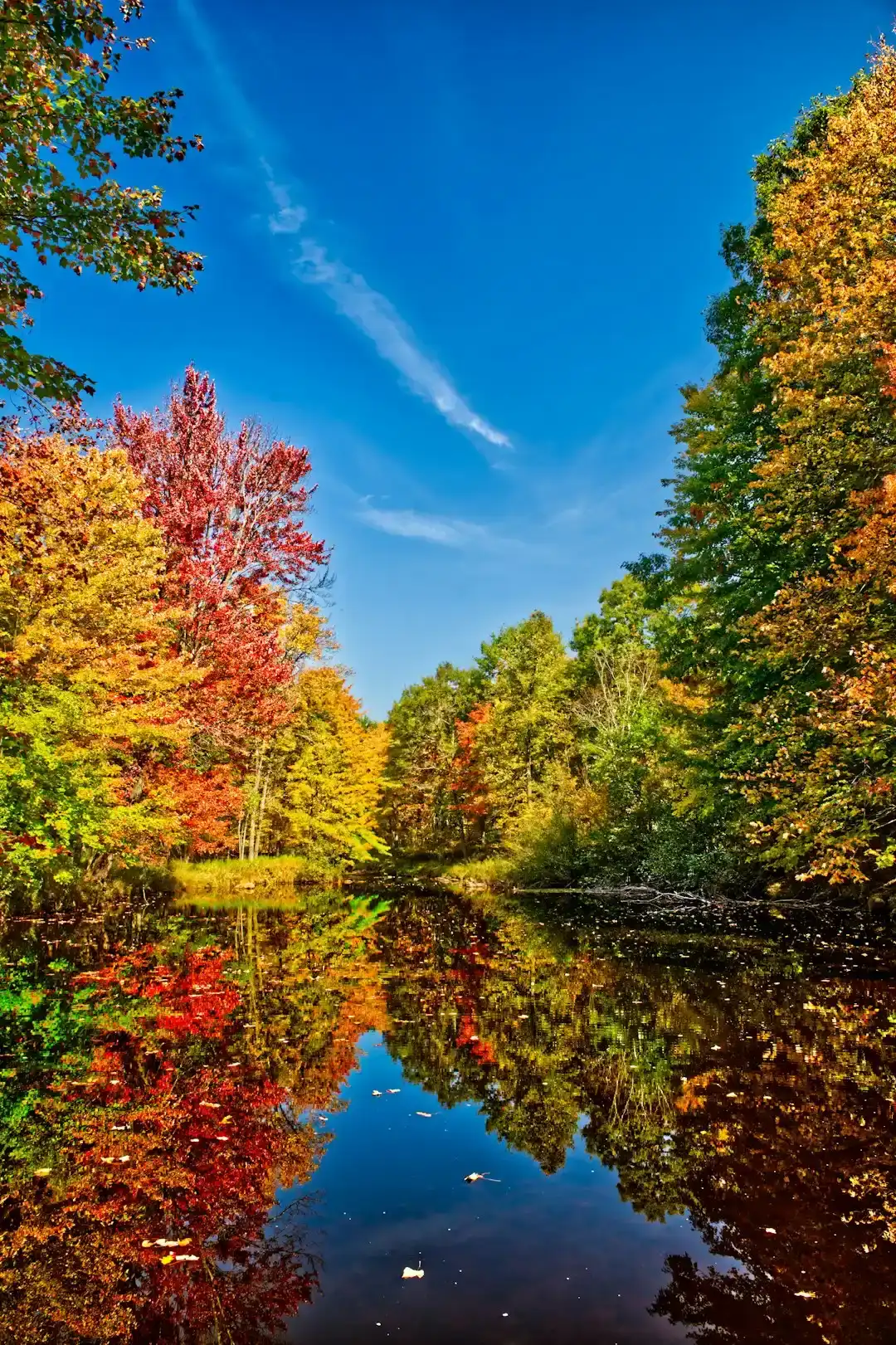
Wisconsin rarely makes the flashy headline lists, and I think that’s actually part of its appeal. No overcrowding yet, no inflated real estate rush – just a solid, water-rich state with a growing climate credibility. Some of the most cited climate havens in research by national organizations and news media include Madison, Wisconsin, alongside cities like Ann Arbor, Michigan, Duluth, Minnesota, Buffalo, New York, and Burlington, Vermont.
Madison stands out as a great Midwest choice on climate haven maps, the city leads with innovative environmental programs and research backed by its university, and builds its climate resilience through thoughtful planning and academic collaborations. That university anchor matters more than people realize – it drives policy, attracts talent, and keeps innovation cycles active even when federal funding shifts.
Let’s be real: Wisconsin winters are not for everyone. But as climate warming gradually moderates the harshest cold, the Great Lakes help moderate temperature extremes and global warming means the region’s infamous winters are getting less bitter. A trade-off that, for many, is starting to sound like a bargain.
4. Vermont: Small State, Giant Climate Credentials
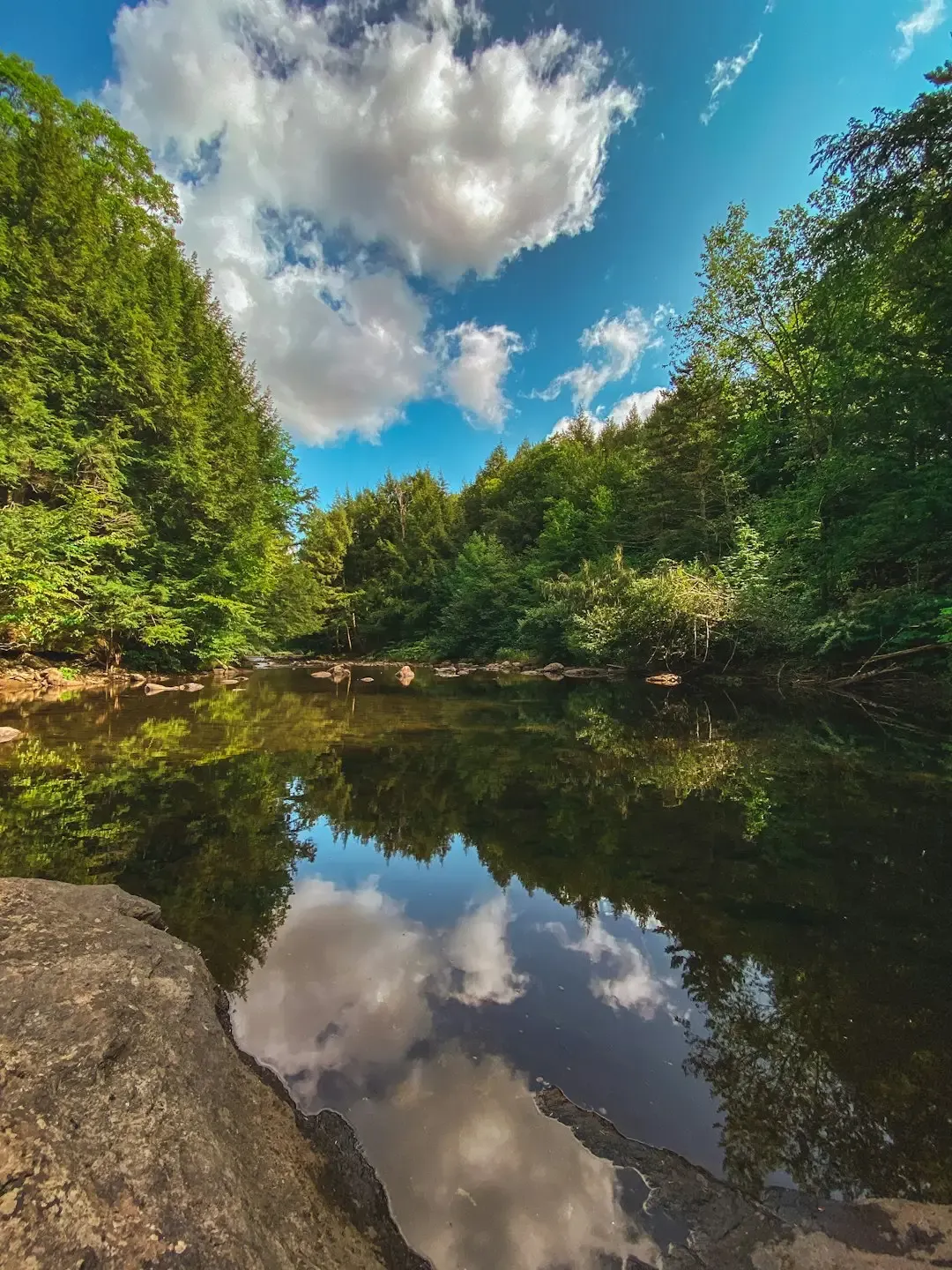
Vermont has an almost mythical quality in the climate conversation. It’s small, deeply green, and fiercely proud of its environmental identity. The Northeast offers better prospects, particularly Vermont and New Hampshire, which rank as the two safest states from climate change – Vermont stands out as a haven free from wildfires, extreme heat, and hurricanes.
However, Vermont is not untouchable. Burlington, Vermont, is often named as a climate haven, but surrounding areas flooded during extreme storms in July 2023. Vermont, home to six of the ten U.S. counties considered least vulnerable to the impacts of climate change, saw unprecedented flooding devastate river valleys in 2023. That’s a sobering reminder that no label is permanent and no geography is immune.
Still, relative safety counts for a lot. Once-chilly places like Minnesota, Michigan, and Vermont will become more temperate, verdant, and inviting as the climate shifts – a long-term trajectory that keeps Vermont firmly in the conversation as a serious contender for climate-conscious relocation.
5. New York (Upstate): Forgotten Cities Making a Comeback
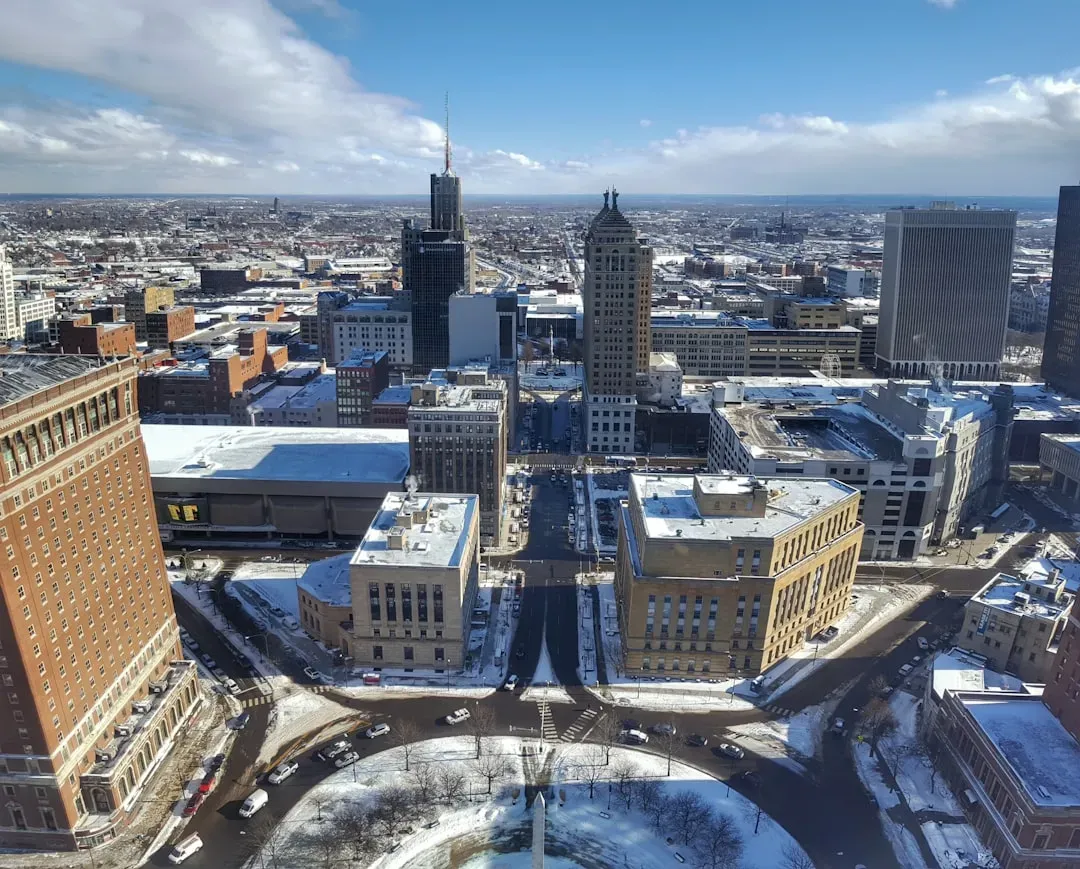
When people think of New York as a climate destination, they’re almost certainly not picturing Manhattan. They’re thinking Buffalo, Rochester, Syracuse. These legacy cities have been slowly rebuilding, and their climate position gives them an unexpected edge. Buffalo’s revitalized waterfront and moderate climate make it a future refuge, with access to Lake Erie ensuring freshwater security, while public investments in green buildings and affordable housing attract climate-conscious residents.
Cities like Detroit, Rochester, New York, Buffalo, and Milwaukee will see a renaissance, with their excess capacity in infrastructure, water supplies, and highways once again put to good use. Think of it like buying a house in a neighborhood before everyone else discovers it. The fundamentals are already there – the audience just hasn’t caught up yet.
Migration by Americans fleeing extreme weather changes gives cities like Rochester a chance for revitalization, and these climate havens have an opportunity to create better housing for current residents and greater opportunities for future migration. The bones are solid. What these upstate cities need now is the planning to match the moment.
6. Pennsylvania: Inland Safety with Urban Connectivity

Pennsylvania doesn’t scream “climate haven” at first glance. It’s gritty, industrial in places, and politically complicated. But geographically, it punches well above its weight in terms of climate resilience. With its higher elevation and low disaster frequency, Scranton provides stability and affordability, and the city’s shift from coal to clean energy represents a new chapter of resilience and regional revitalization.
Climate-resilient regions to consider include states like Minnesota, Wisconsin, Michigan, Illinois, Indiana, Ohio, and Pennsylvania, according to migration advisors focused on climate risk. Pennsylvania’s inland position shields it from the coastal flooding that increasingly threatens states like New Jersey, Delaware, and Florida. It also benefits from reasonable proximity to major economic centers along the Northeast corridor.
Erie benefits from Lake Erie’s cooling effects and steady water access, and its Cool City plan and sustainable waterfront redevelopment aim to reduce heat and improve public access to green spaces. Pennsylvania is playing a long game, and it’s one that deserves more credit than it typically gets in the climate migration conversation.
7. Maine: Rugged, Cool, and Increasingly Strategic
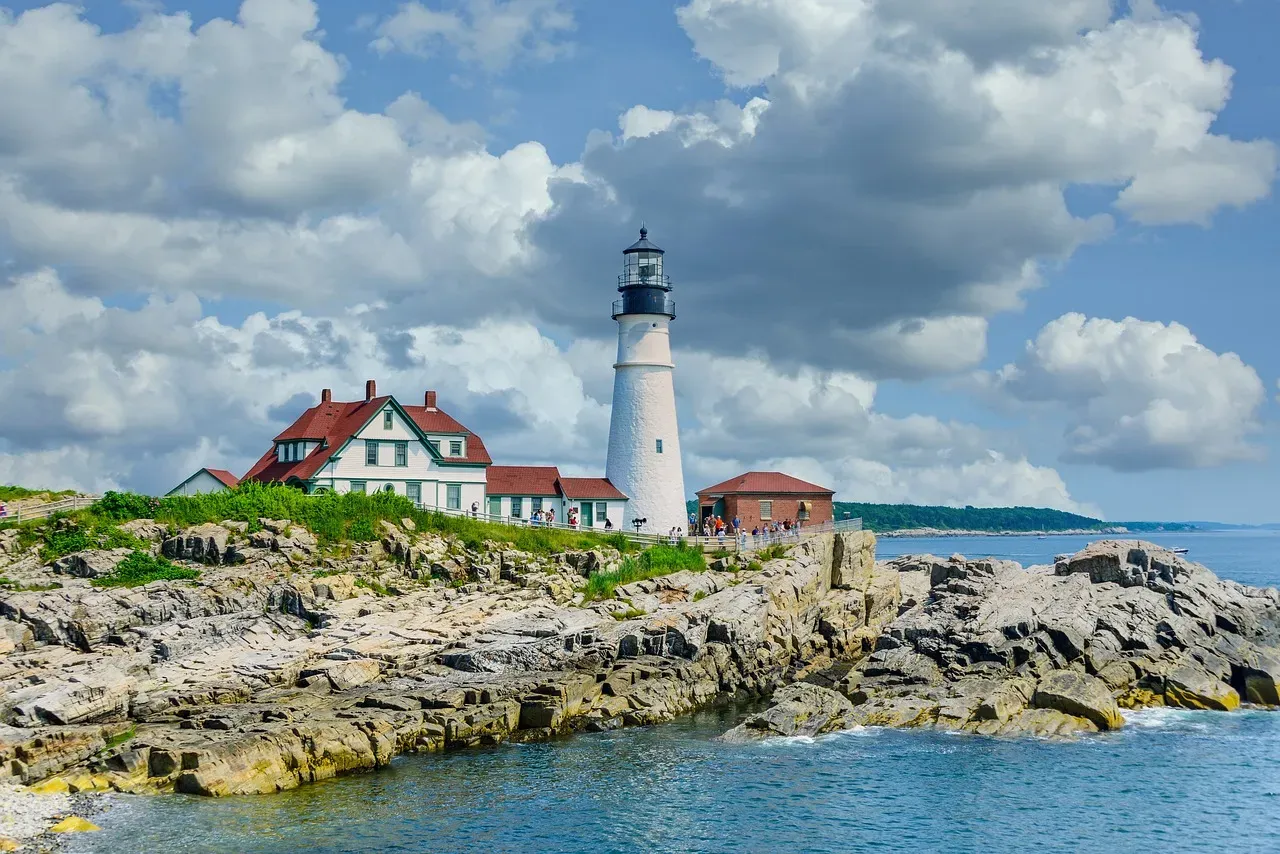
Maine is the kind of place that feels like a secret, except it isn’t anymore. Its combination of cool temperatures, coastal character, and proactive climate policy has pushed it firmly into the emerging haven category. While Maine’s rugged and harsh climate has caused problems for its power grid, the state has made great strides in mitigating its many climate risks, and in 2024, won a $69 million grant from NOAA under the Bipartisan Infrastructure Law to protect the state’s working waterfronts from the effects of climate change.
The Great Lakes region is considered especially attractive because it is spared both the storms of the East Coast and the wildfires of the West, and has no shortage of fresh water. Maine shares that northern logic – protected from the most extreme storm corridors and actively investing in coastal resilience rather than ignoring it. That proactive posture matters enormously when you’re thinking long-term.
It’s hard to say for sure how fast Maine’s appeal will translate into large-scale migration, but the trajectory is clear. Researchers now estimate tens of millions of Americans may ultimately move away from extreme heat and drought, storms, and wildfires. When that movement accelerates, Maine’s combination of coolness, coastline, and policy seriousness will make it one of the first places people seriously consider.