4 Vintage Cookware Pieces That Look Ordinary but Are Secretly Valuable
You might walk past them at a thrift shop without a second glance. They’re hanging on a rusty hook at an estate sale, covered in dust and forgotten among mismatched kitchen clutter. These pieces of vintage cookware look like nothing special. Plain pots. Chipped bowls. Tarnished pans. Yet for those who know where to look, these humble kitchen items could be worth hundreds or even thousands of dollars. The cookware your grandmother used to make Sunday dinner might be the same stuff collectors are hunting down today, eager to pay serious money for the right piece in the right condition. So before you pass by that old cast iron skillet or colorful casserole dish, take a closer look. You might be holding a small fortune in your hands.
Le Creuset Enameled Cast Iron in Discontinued Colors
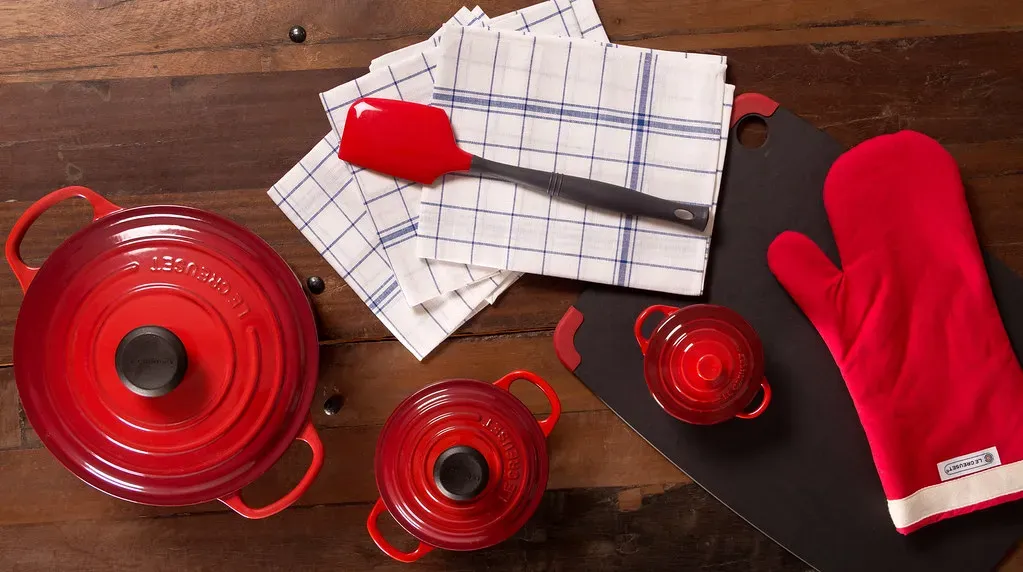
Let’s be real, Le Creuset has always been expensive. Even today, a brand new Dutch oven can set you back over two hundred dollars. What most people don’t realize is that certain vintage pieces, especially in discontinued colors, can fetch even more than that at auction.
In February 2024, a Cool Mint green Le Creuset cast iron cassadou with a glass lid sold for a whopping thirteen thousand nine hundred ninety nine dollars on eBay, while a Dutch oven with a Palm Leaf pattern sold for around one thousand seven hundred twenty five dollars. Discontinued shades like Cobalt Blue and Kiwi Green are considered rare and fetch higher prices, with a single pot in Cobalt Blue listing for over one hundred dollars and a skillet in Kiwi Green commanding nearly three hundred dollars. The brand has cycled through dozens of colors since its founding in 1925, and collectors obsess over tracking down every shade. The company has gone through many colors over time, with some discontinued colors making them rare and collectible. If you stumble upon a piece in an unusual hue at a garage sale, don’t assume it’s just another pot. Check the color carefully against known discontinued shades, and you might have struck gold.
Griswold Cast Iron Skillets with Rare Markings
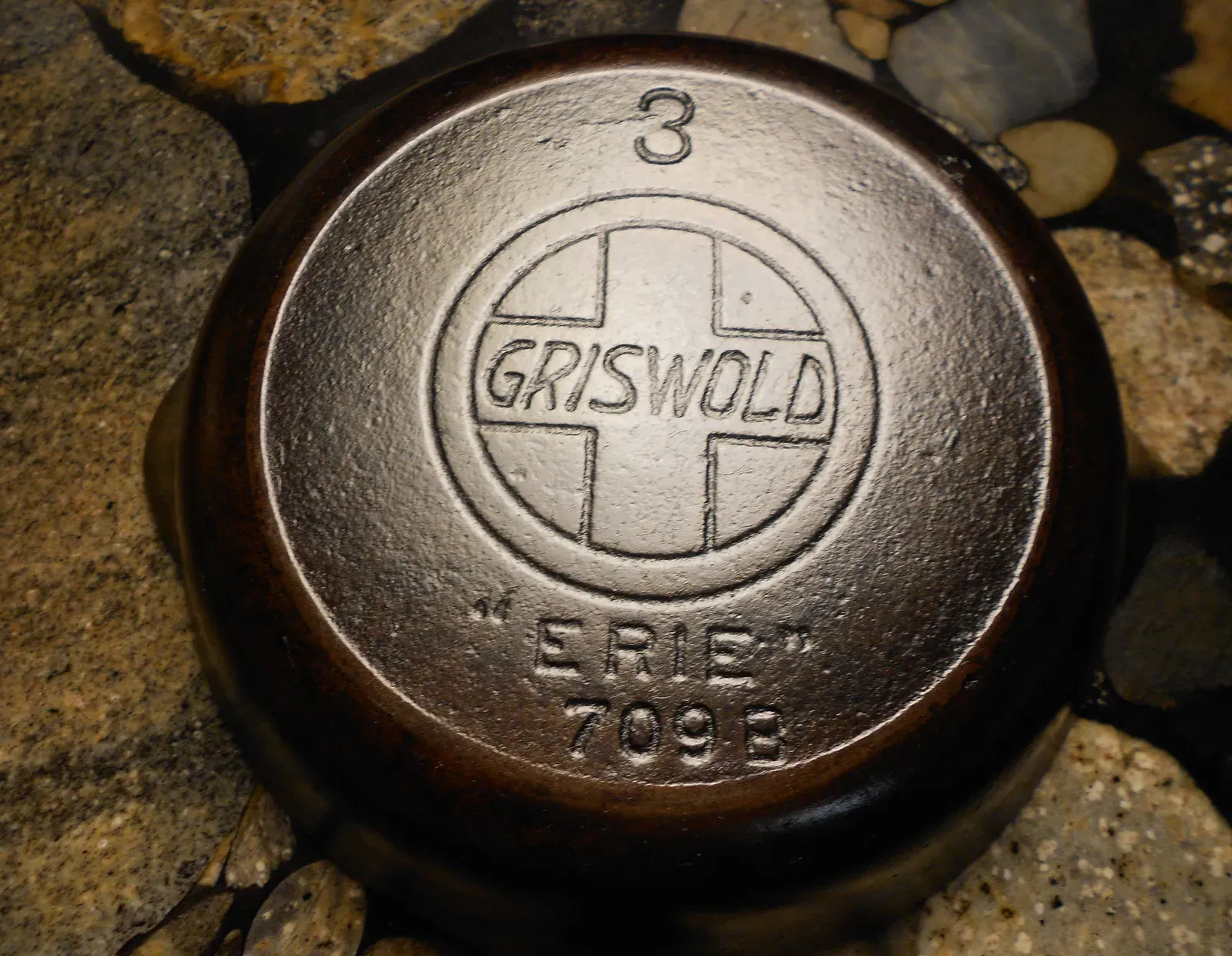
The Griswold brand began in Erie, Pennsylvania in 1865 as a manufacturer of door hinges and hardware before evolving into cast iron cookware production, with Erie printed boldly on the bottom of earlier pieces before the Griswold logo appeared, eventually becoming one of the more well-known makers with a cult following among collectors. Honestly, not all Griswold is worth a fortune. The sizes that were mass-produced for newlyweds, like the numbers three, six, and eight, are fairly common. Where things get interesting is with the rare sizes and unusual logos.
Some markings can help score extremely valuable pieces worth over five thousand dollars for a skillet, with Griswold pans marked with a thirteen being especially rare since not many were made due to negative connotations and associations with bad luck. Small Griswold skillets are among the rarest and most valuable, particularly number two and number four, with the number two often overlooked because they are so small, while the number four sits between two popular sizes making it challenging for collectors wanting to complete a full set. Brands like Griswold and Wagner are especially prized, with values ranging from a few hundred to several thousand dollars, and in 2019 a rare one of a kind Griswold skillet featuring a spider design was listed on eBay for eight thousand dollars. If you find one at a yard sale, flip it over and study the logo placement, size number, and any unusual markings. That plain old skillet could be hiding serious value underneath decades of seasoning.
Vintage Pyrex in Rare Promotional Patterns
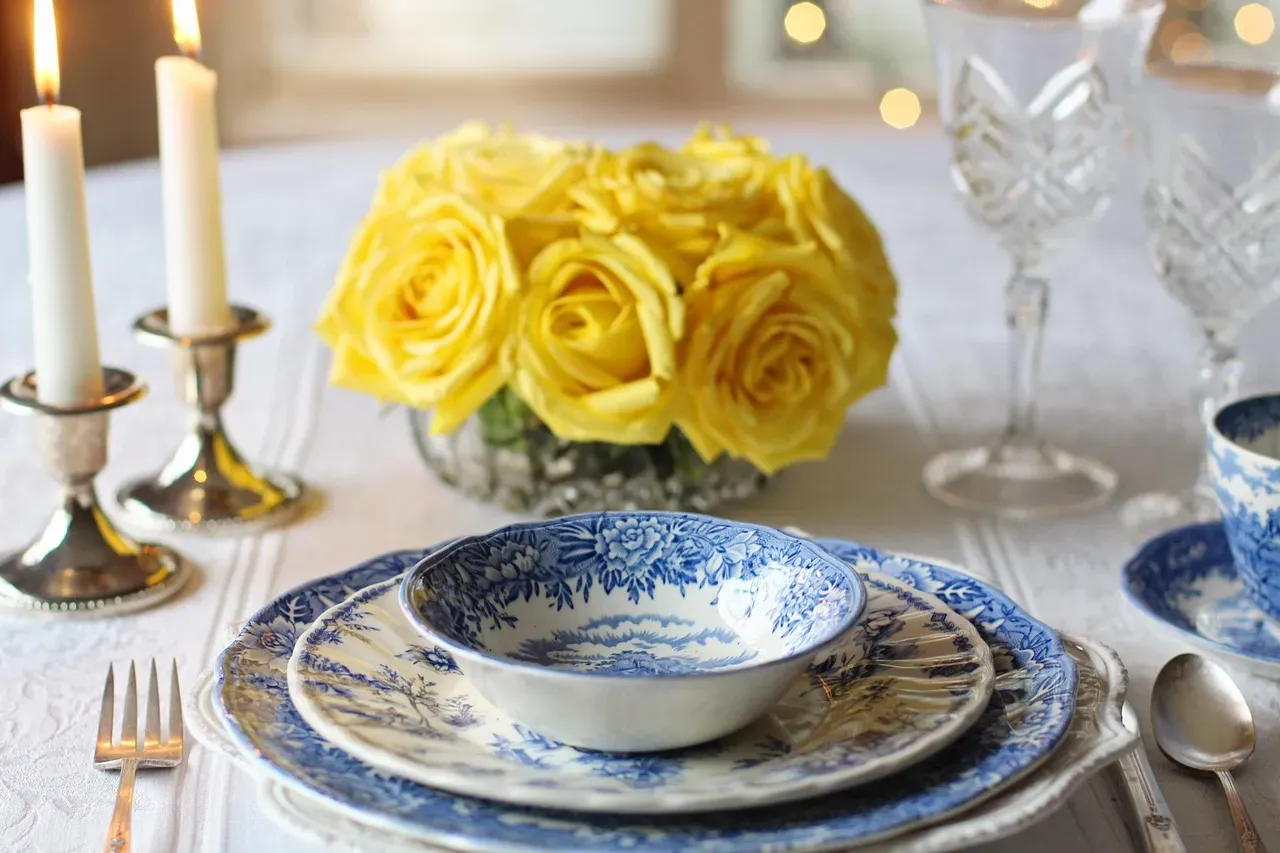
Walk into nearly any American kitchen in the fifties, sixties, or seventies, and you’d find Pyrex. The colorful glass dishes were everywhere. Most of them still are, which is why common patterns like Cornflower Blue aren’t particularly valuable. The real money is in the promotional patterns, the limited edition releases that most people never even knew existed.
The most rare Pyrex patterns are promotional pieces, sometimes called non-standard, usually offered for a limited time and often marketed as gifts for holidays. A major contender for most sought after pattern is Lucky in Love from 1959 featuring hearts, shamrocks, and green foliage on white background, with an incredibly rare casserole dish auctioned by Goodwill in 2017 selling for just under six thousand dollars. A rare orange Barcode casserole dish sold for one thousand nine hundred ninety five dollars in November 2024, while a rare Butterprint dish featuring the Lady on the Left sold for three thousand fifty dollars. The Lucky in Love pattern is the rarest Pyrex pattern ever released, with a piece featuring the pattern selling for four thousand dollars in 2015. These aren’t your grandmother’s everyday mixing bowls. They’re the ones she only brought out for special occasions, and now they’re the holy grail for serious collectors. Check the pattern carefully before you donate that old dish to the thrift store.
French Copper Cookware with Authentic Markings
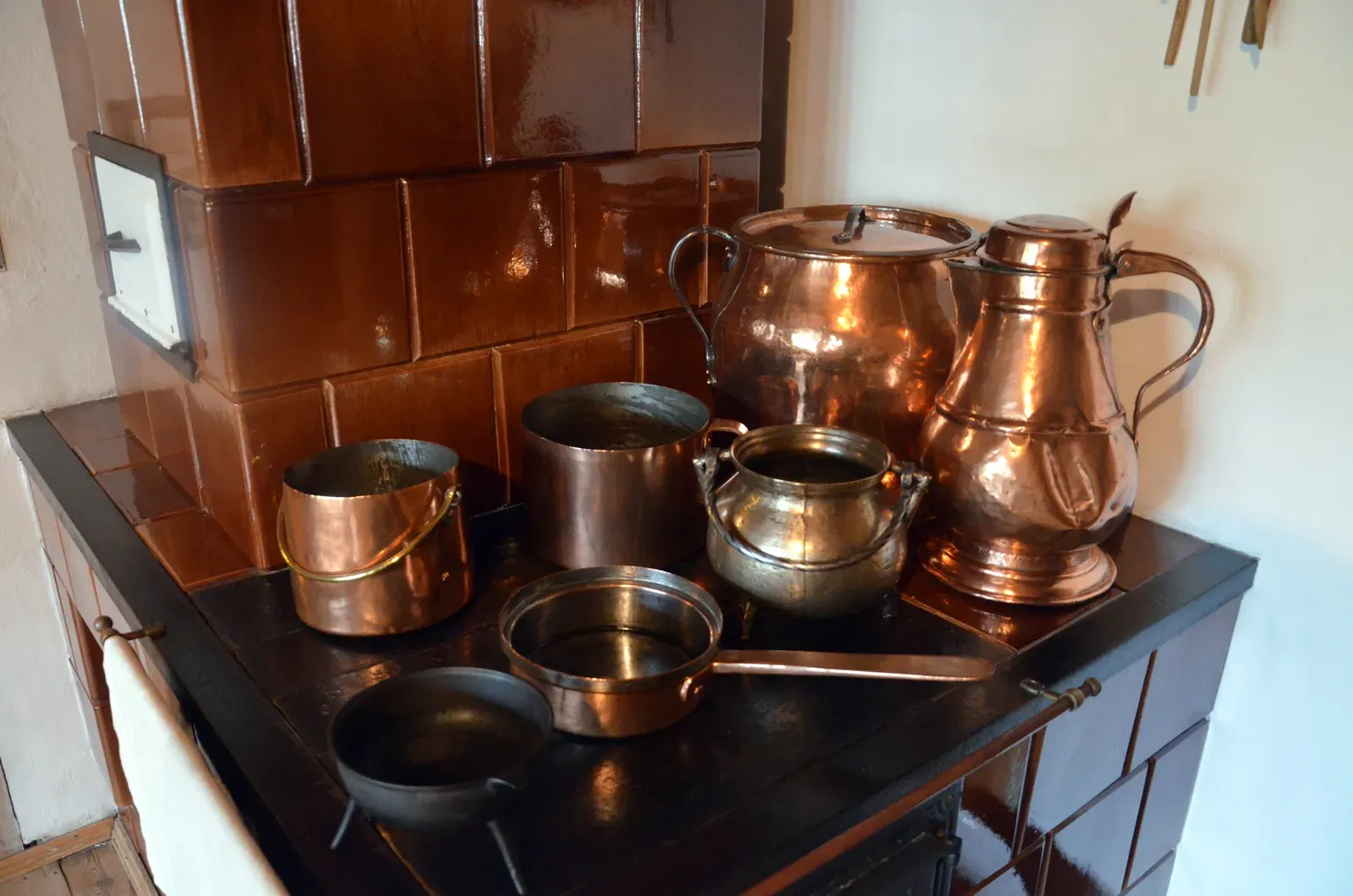
Copper cookware has always had a certain cachet in professional kitchens. Chefs love it for its heat responsiveness and durability. Vintage French copper, though, occupies a special place in the collectible cookware world. Vintage French copper cookware is popular both for the quality of materials and unique rustic aesthetic, with some items selling for upwards of two hundred dollars and larger items listed on some sites for two thousand dollars.
Modern copper pans are usually lined with stainless steel, which is why vintage tin lined versions can be more expensive, with French copper cookware online prices ranging from a couple hundred to thousands because the material itself is a high end choice. Stamps help determine if you’ve found authentic French copper, varying by make and store where pieces were sold, generally found next to or on handles showing logos, numbers, or words like France or Paris, though they might be rubbed down or hard to find. The thickness matters too. French pieces tend to be heavier and thicker than their English or American counterparts. The value of French copper cookware depends on marks and measurements including copper thickness, with some experts suggesting measuring in millimeters, since more copper means greater value and French pieces tend to be thicker than others. If you spot a beautifully patinated copper pot at an antique shop, examine it closely. That warm glow might translate into cold hard cash.
So next time you’re browsing a flea market or helping clean out a relative’s kitchen, pause before dismissing those old pots and pans. That battered skillet or faded casserole dish might be exactly what a collector has been searching for. The best finds often hide in plain sight, waiting for someone who knows what to look for. Did you expect everyday cookware to hold such surprising value?