8 Home Features Buyers Are Walking Away From, According to Realtors
Wall-to-Wall Carpeting
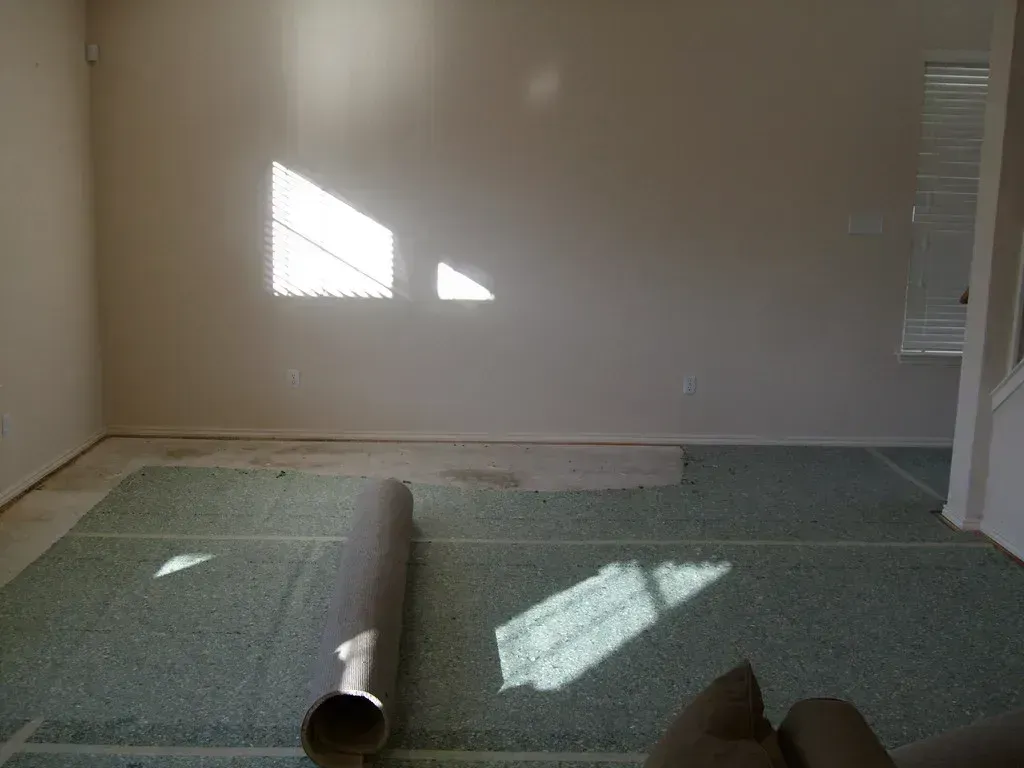
Wall-to-wall carpet is officially out, with today’s buyers overwhelmingly preferring hardwood, vinyl plank, or tile for easier cleaning and a more modern look. Carpeting is often associated with allergens, stains, and dated design. The thing is, homebuyers see carpeted floors as an immediate replacement project waiting to happen. Carpet has a relatively low return on investment compared to other types of flooring, with sellers only expecting to get back roughly a quarter to less than half of the amount they spend on new carpet.
Popcorn Ceilings
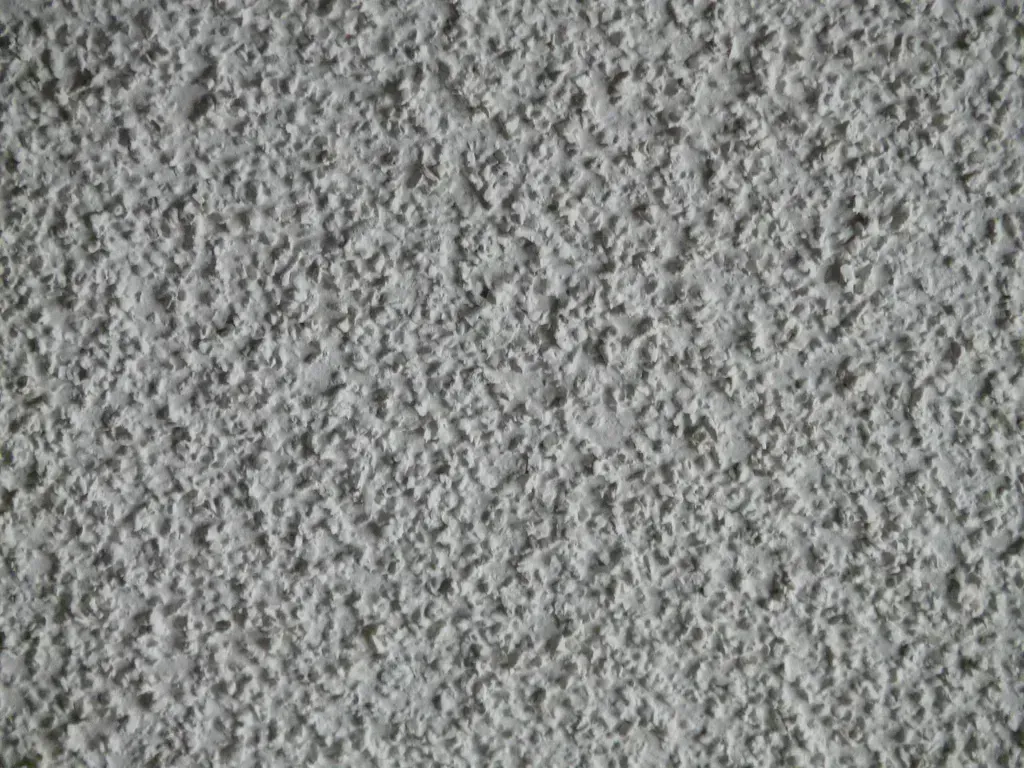
Not a single real estate agent surveyed reported having a buyer who was happy to see a popcorn ceiling, with most buyers and agents actively despising them. Some of the main reasons people didn’t like them were the uneven texture, which looked out of place by 2025, as homeowners had come to prefer smooth ceilings. Until the Clean Air Act of 1978, these distinctive ceilings commonly counted asbestos among their ingredients, with manufacturers permitted to clear out their stock of the hazardous material well into the 1980s. Removing popcorn ceilings will almost always increase a home’s value, as the design trend is no longer desirable and it also poses safety concerns for home buyers.
Swimming Pools

Here’s where things get controversial. While pools might seem like an attractive luxury feature, particularly in warm climates, they come with serious financial baggage. Swimming pools may seem like attractive luxury features, but they’re expensive to maintain and have safety risks, going straight to the “cons” section of a homebuyer’s list, with families with small children being less likely to be in the market for a house with a pool. Most homeowners can expect to spend somewhere between eighty to one hundred and fifty dollars per month on basic pool maintenance, with professional pool services typically ranging from one hundred to three hundred dollars or more monthly. Think about it from a buyer’s perspective: they’re not just inheriting a fun amenity but also thousands of dollars in annual maintenance obligations.
Built-In Shelving and Appliances
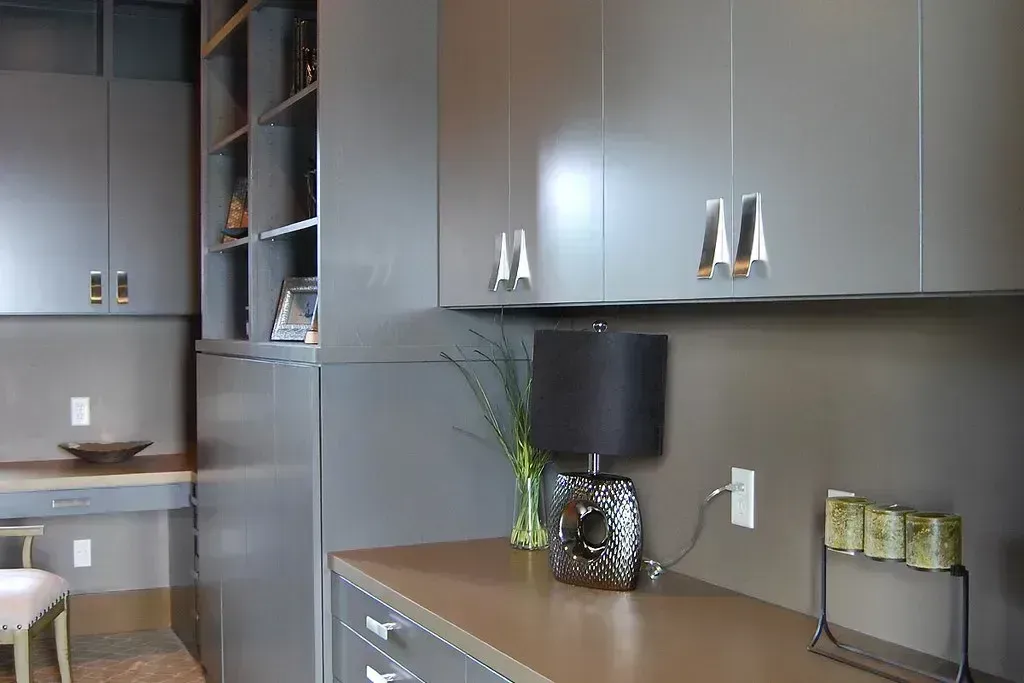
Built-ins may seem like luxurious features that everybody will love, but if these restrict space or appliance configuration options, they could be a hard pass for buyers, as built-in shelving has restrictions, even shelving for appliances. Despite the increase in working from home since 2020 pandemic, most homebuyers still prefer a bedroom over an office, with built-in shelving in an office restricting the next buyer’s ability to convert the room back into a bedroom. The problem isn’t the concept itself but rather the inflexibility. Once those custom shelves are installed, future buyers feel locked into using the space exactly as it’s configured, which limits their vision for the home.
Overly Personalized or Impractical Kitchens
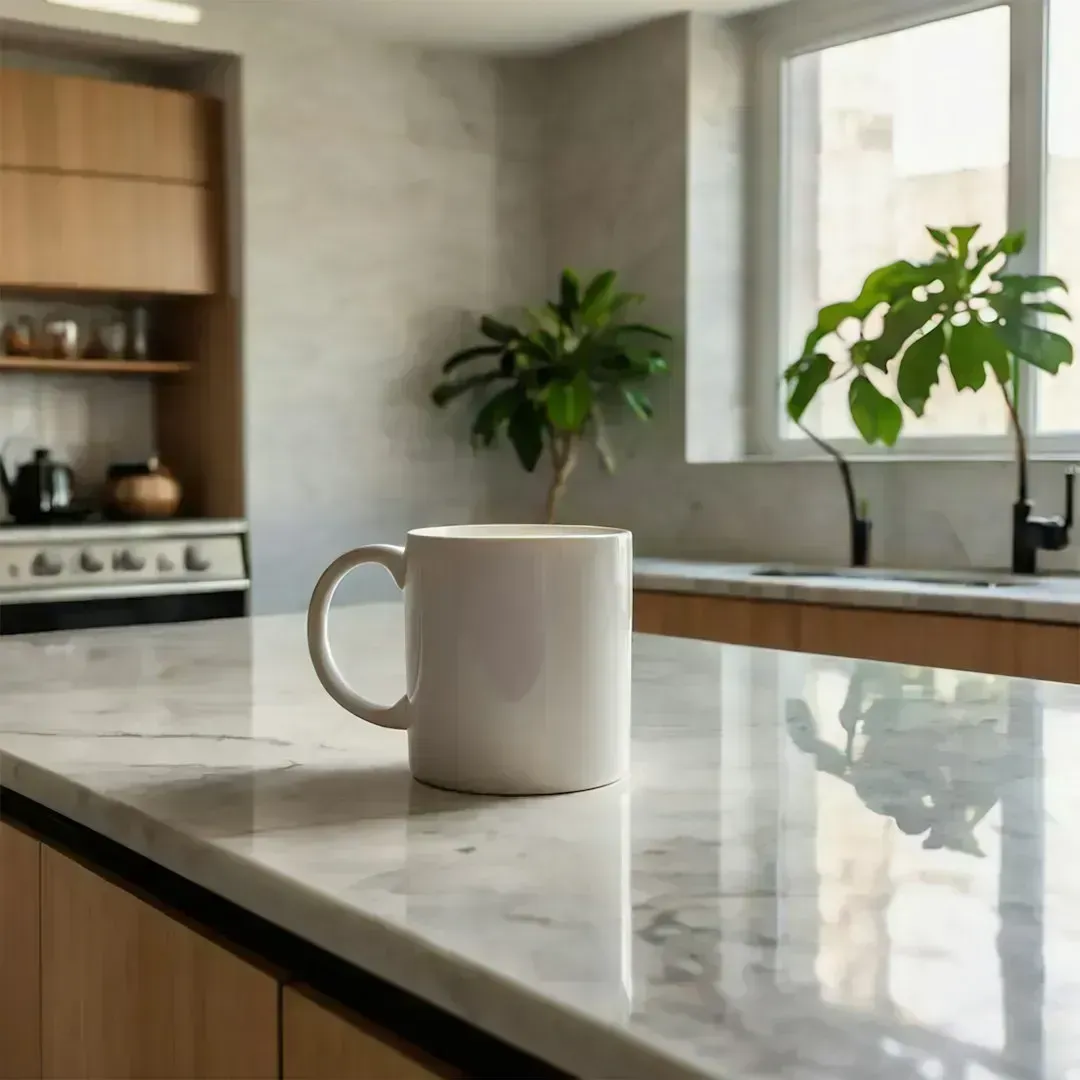
The kitchen is the heart of the home, with personalized kitchens that don’t highlight convenience and ease of use being a dealbreaker for many homebuyers who want kitchens that are exceedingly practical and that they can make their own. Buyers want neutral, functional spaces where they can imagine preparing meals and entertaining guests without needing major renovations. Homebuyers want something simple that doesn’t require extra maintenance or take up valuable space, so you should resist splurging on pricey appliances that can be an expensive headache for buyers to deal with. The takeaway for sellers is clear: keep kitchens classic and avoid trendy or overly customized features that might not appeal to everyone.
Open-Concept Floor Plans
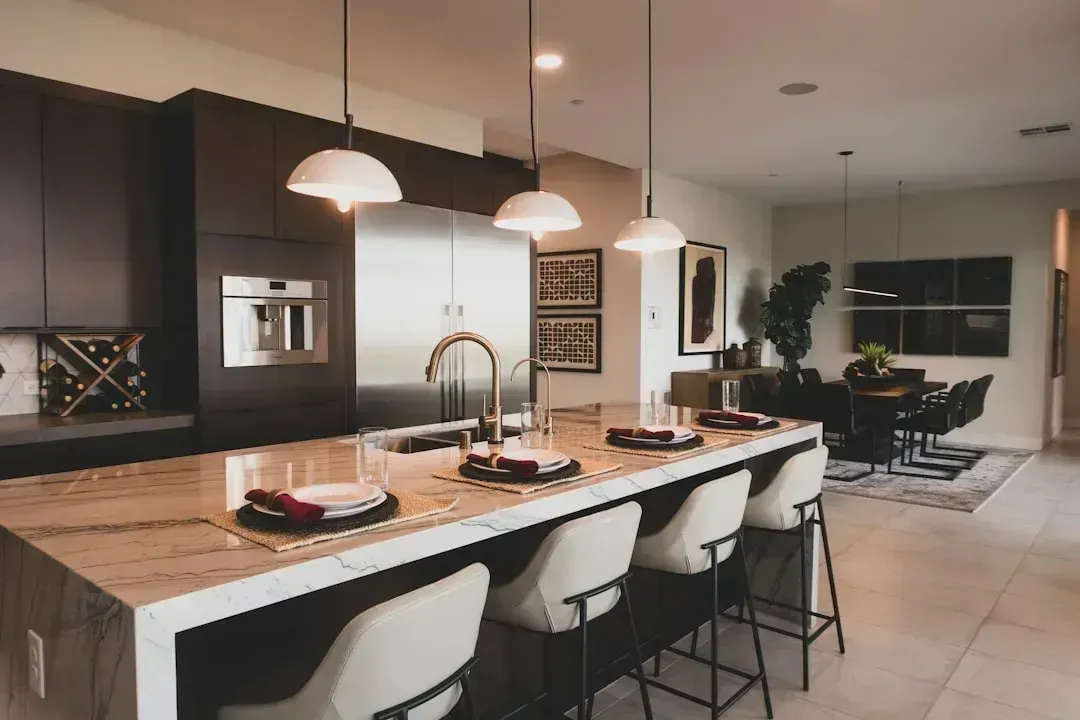
This one might surprise you. For years, open concept was the holy grail of home design, but the tide is turning. Open-concept living has dominated real estate for years, but a shift is underway, with open-concept kitchens starting to die out as buyers look for zone-layout kitchens. Since 2020, the rise of remote work and evolving lifestyles have prompted a reevaluation of how we use our homes, with the era of wide-open spaces giving way to a return of walls. In the years following the 2020 pandemic, people continue to spend more time at home, craving personalized spaces that reflect their lifestyle, with open-concepts having lost their luster a bit with clients. Buyers increasingly want privacy, noise control, and the ability to define different zones within their homes.
Formal Dining Rooms
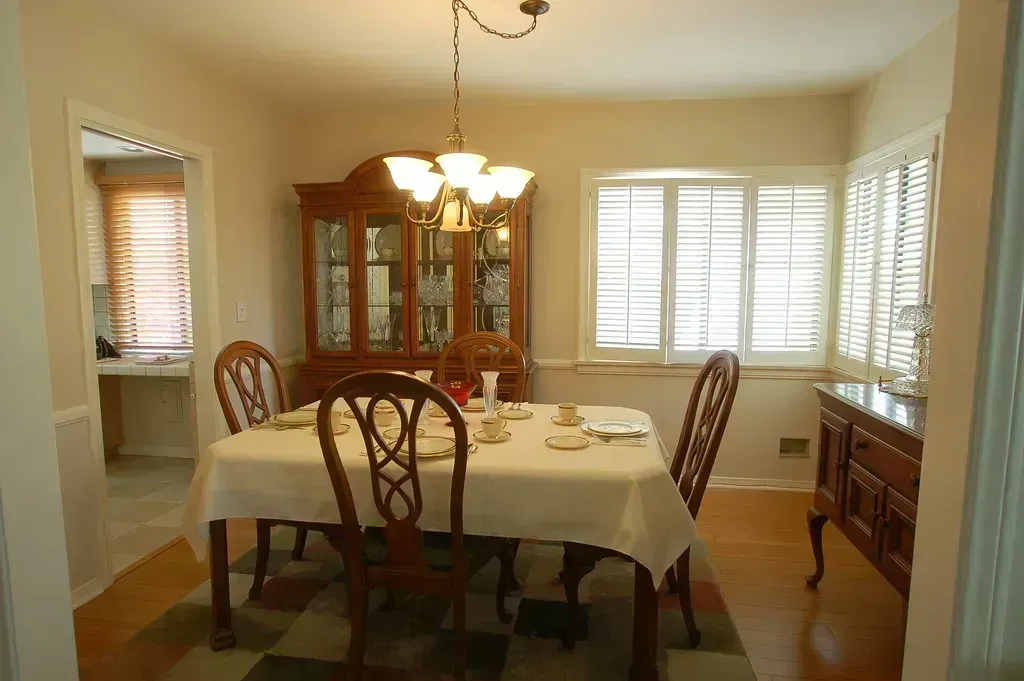
The once-coveted formal dining room is falling out of favor, with many buyers seeing it as wasted square footage, especially when open-concept kitchens with eat-in islands are more practical. With more families eating on the go or gathering casually, a closed-off dining room feels outdated, with buyers now preferring multipurpose spaces that can serve as offices, playrooms, or flex rooms. The reality is that modern lifestyles just don’t revolve around formal sit-down dinners the way they used to. Buyers would rather have versatile spaces that can adapt to their changing needs than a room that sits empty most of the year.
Outdated Brass Fixtures

Brass had its moment in the ’90s, but now it’s a turnoff for many modern buyers, with shiny brass light fixtures, door handles, or faucets screaming “dated” rather than “vintage charm,” as today’s buyers lean toward matte black, brushed nickel, or champagne bronze finishes. It’s one of those details that might not seem like a big deal, but when a buyer walks through a home and sees brass everywhere, it signals that the property hasn’t been updated in decades. Honestly, swapping out old brass fixtures is one of the most cost-effective ways to modernize a home before listing it. Small changes like this can make a surprisingly big difference in how buyers perceive the overall condition and style of the property. What would you have guessed were the biggest turnoffs? Tell us in the comments.
Sunken Living Rooms
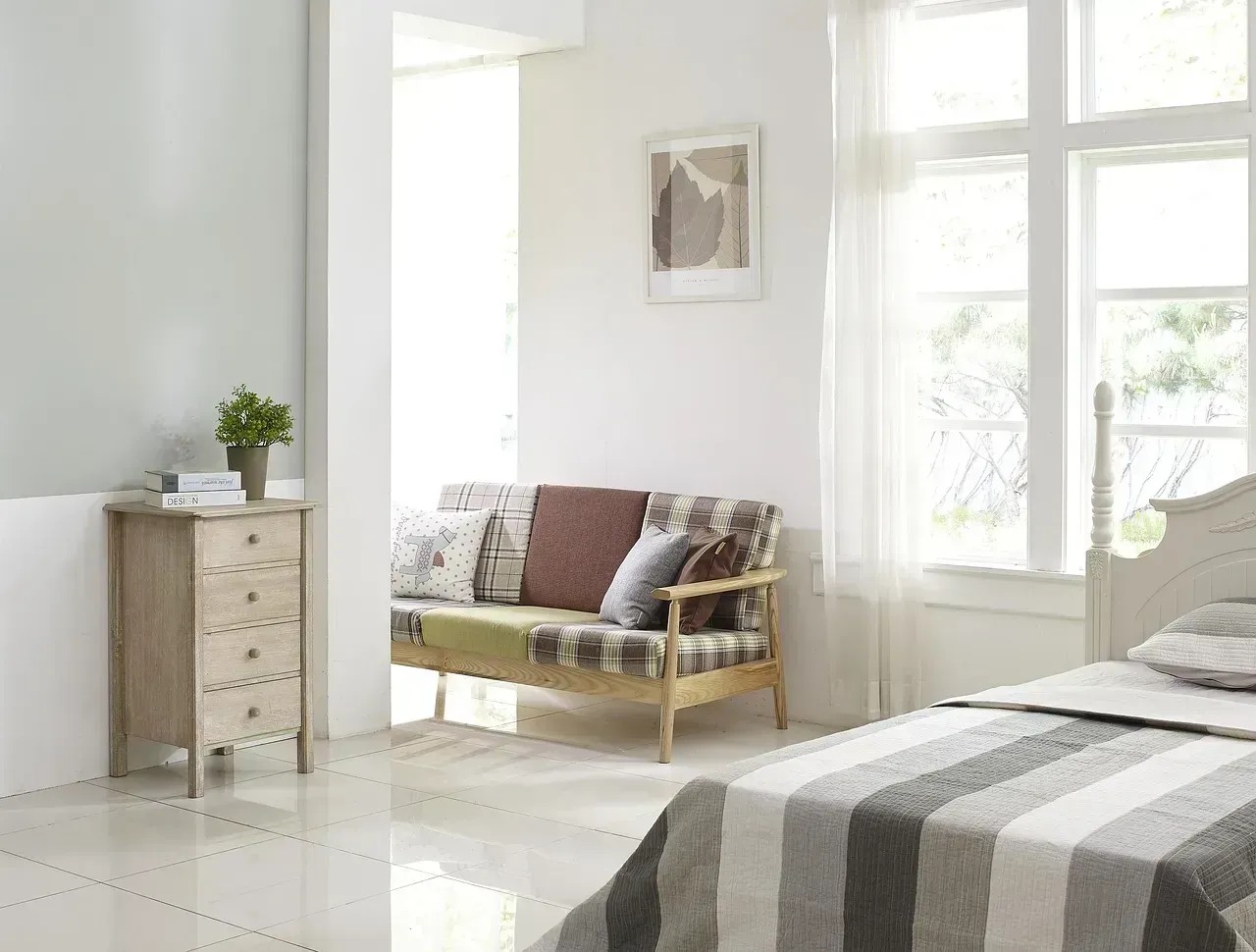
Sunken living rooms were once the epitome of luxury and architectural flair, but today’s buyers see them as a safety hazard and a design headache. That dramatic two-step drop into the conversation pit might have wowed guests in the ’70s and ’80s, but now it’s just a lawsuit waiting to happen – especially for families with young kids or elderly relatives who might trip. Real estate agents report that buyers instantly picture themselves stumbling down those steps with a plate of food or a cup of coffee, and that’s not a vision that inspires confidence. Beyond the safety concerns, sunken rooms create awkward furniture arrangements and make the space feel choppy rather than open and flowing. Plus, leveling a sunken room isn’t cheap – it can cost anywhere from $5,000 to $25,000 depending on the size and structural complexity. Many buyers would rather skip a home with this feature entirely than deal with the expense and hassle of renovation.
Textured Accent Walls

Remember when everyone was slapping up wooden pallets, stone veneers, or those trendy geometric wood designs on their accent walls? Yeah, buyers are over it. What seemed like an Instagram-worthy design statement just a few years ago now looks like a dated DIY project that screams “2015 Pinterest board.” Realtors report that these heavily textured feature walls – whether it’s reclaimed barn wood, faux brick, or those 3D wall panels – immediately turn off buyers who see them as just another thing they’ll have to rip out before moving in. The problem isn’t just aesthetic either; these installations often hide wall damage or were attached with industrial-strength adhesive that’ll take half your drywall with it when removed. Buyers today want clean, neutral walls they can personalize themselves, not someone else’s bold design choices permanently attached to the house. And let’s be honest, that rustic wood wall you loved in 2016 probably doesn’t match the sleek, minimalist look that’s dominating design trends now anyway.