7 Foods You Shouldn’t Wash, Soak, or Rinse – Even Though Most People Still Do
Most of us grew up watching someone in the kitchen turn on the tap and rinse practically everything before it hit the pan. It felt like common sense. It felt hygienic. Turns out, for a surprising number of foods, that deeply ingrained habit is not just unnecessary – it can actually make things worse.
Science and food safety authorities have been pushing back on some of these kitchen rituals for years, and the evidence keeps stacking up. Whether it’s spreading bacteria across your countertop or ruining the texture of a perfectly good meal, the risks of over-washing are real. Let’s dive in.
1. Raw Chicken – The One That Surprises Almost Everyone
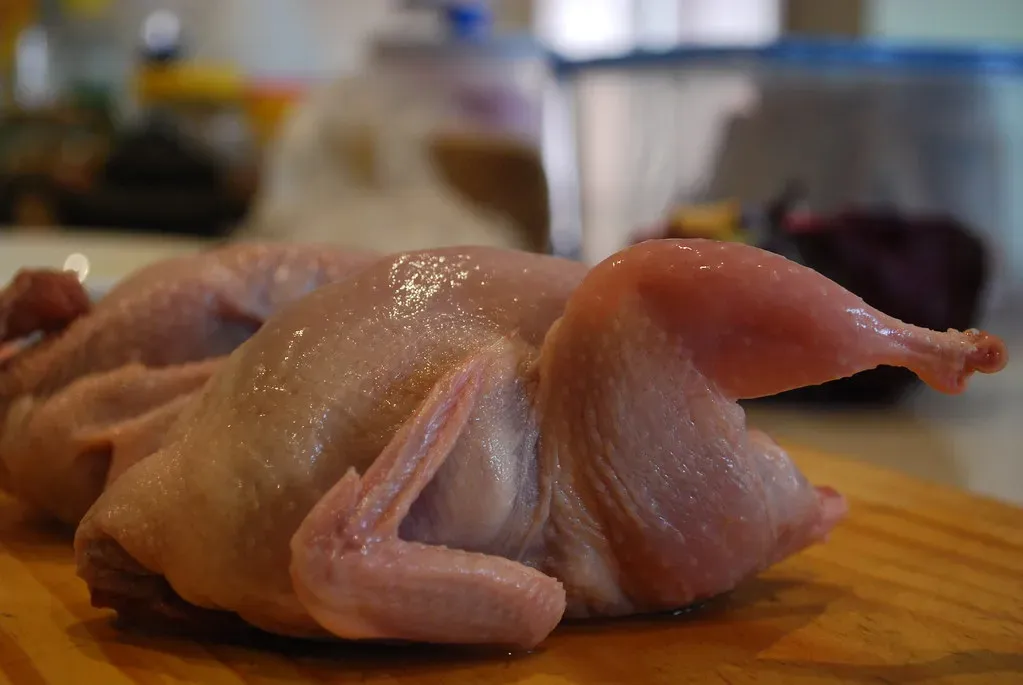
In 2022, an online survey found that among 1,822 consumers in the United States, nearly three quarters of respondents said they washed their raw poultry. That’s an enormous number of people doing something that food safety experts have been warning against for years. The habit runs deep – it’s been passed down through generations and even reinforced by old cookbook recipes.
When you wash or rinse raw chicken, you are likely splashing chicken juices that can spread pathogens in the kitchen and contaminate other foods, utensils, and countertops. Pathogens such as Campylobacter and Salmonella can survive on surfaces such as countertops for up to 32 hours, according to the USDA Food Safety and Inspection Service. Think about that the next time you casually rinse the sink after washing a chicken breast.
A 2019 USDA study found that roughly one in four participants who washed raw chicken transferred bacteria to their salad when they later used the same sink to wash their greens. The only way to properly remove and kill bacteria is by cooking poultry to a minimum of 165 degrees Fahrenheit. Washing it first does absolutely nothing to help, and quite a lot to hurt.
2. Store-Bought Eggs – The Protective Coating You’re Washing Away
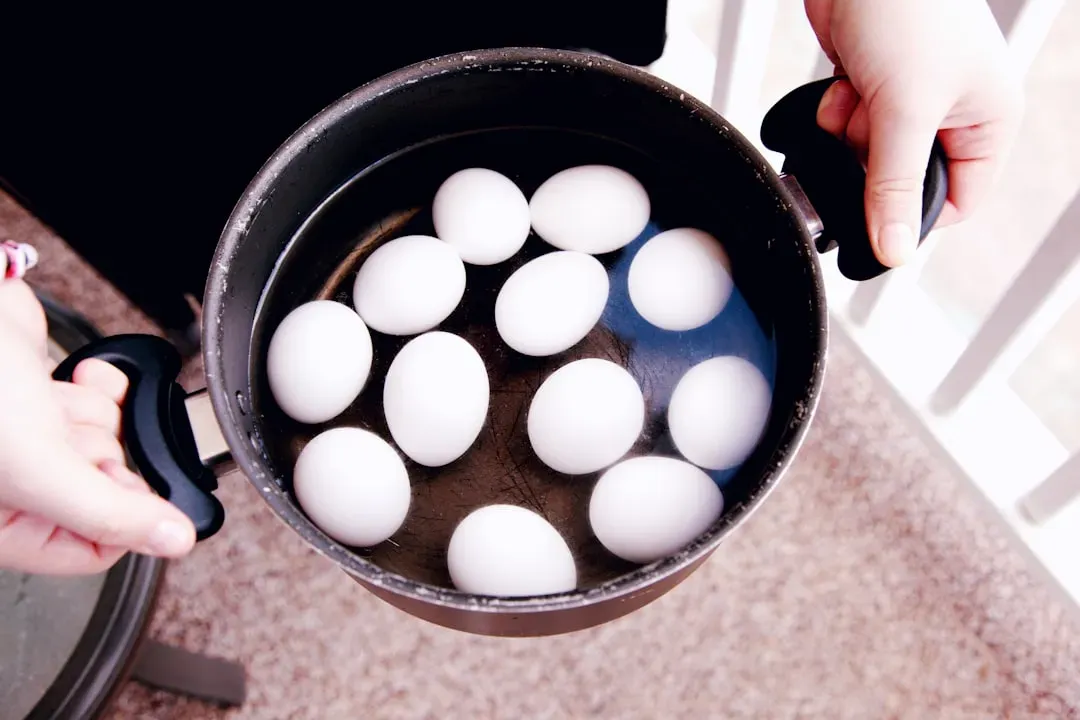
“Bloom,” the natural coating on just-laid eggs that helps prevent bacteria from permeating the shell, is removed by the commercial washing process and is replaced by a light coating of edible mineral oil, which restores protection for long-term home storage. In other words, by the time eggs reach your refrigerator shelf, the protective work has already been done for you.
By law, all USDA-graded eggs must be washed and sanitized before they reach consumers – though egg grading is not mandatory, so you should look for the USDA shield on your carton. An additional wash is not necessary and could do more harm than good. At worst, according to the USDA, you may actually contaminate the eggs yourself.
Extra handling of the eggs in your home, such as washing them, could increase the risk of cross-contamination, especially if the shell becomes cracked. A cracked shell is essentially an open door for bacteria. The irony is real – you rinse the egg to feel safer, and you end up doing the exact opposite.
3. Raw Red Meat – You Can’t Wash Out What’s Already Inside
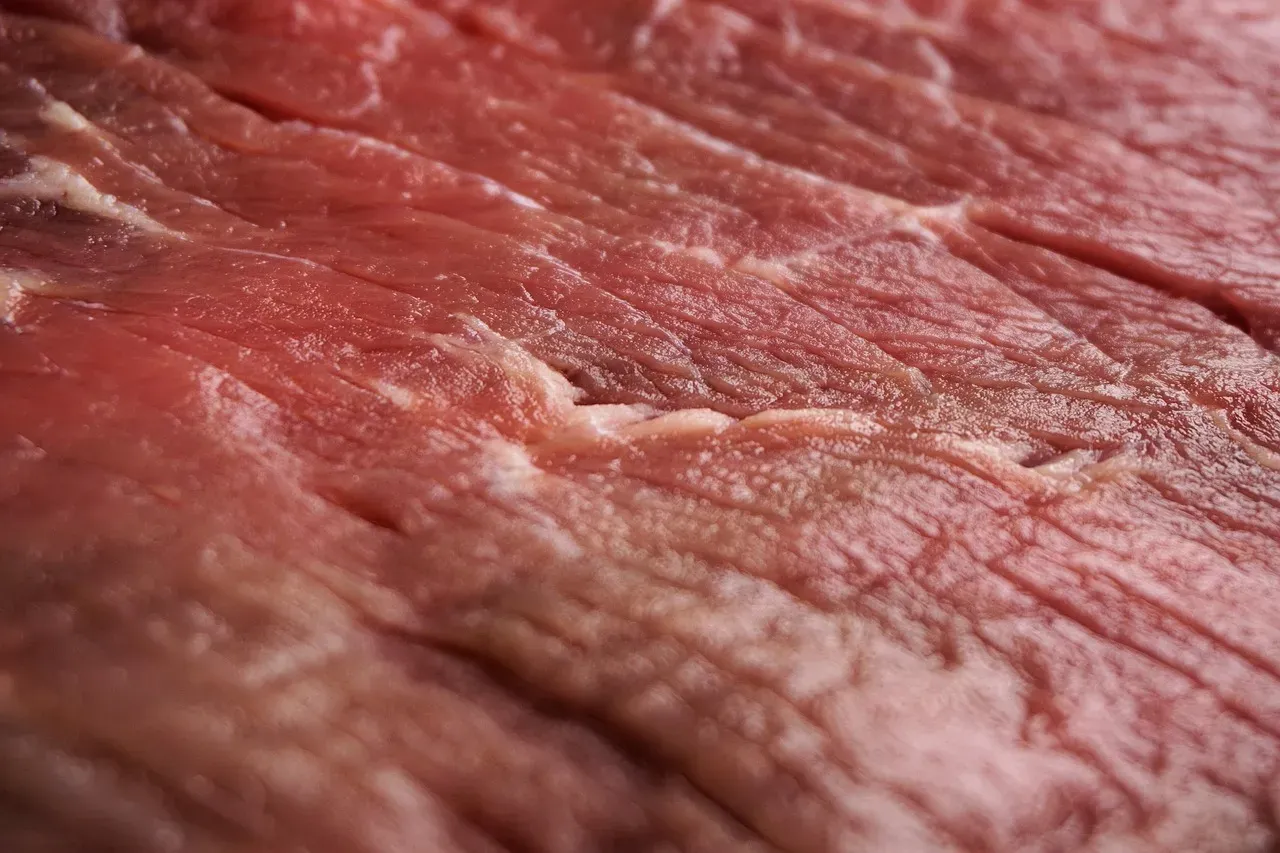
You can’t wash all the bacteria off red meat because some is deep in the fibers. Any bacteria that come off during washing will cross-contaminate your sink and everything in it. The surface of a steak or chop is porous and filled with microscopic crevices where bacteria hide – no amount of tap water is going to reach them.
Many consumers wash or rinse their meat or poultry before cooking it. Washing meat can mean different things to different people: some rinse it under running water or with a strainer, others soak it in containers full of water, and some use saltwater, vinegar, or lemon juice. Honestly, none of it works the way people hope.
USDA research has found that washing or rinsing meat or poultry increases the risk for cross-contamination in the kitchen, which can cause foodborne illness. The safest way to kill all the bacteria on red meat is to cook it to an internal temperature of at least 145 degrees Fahrenheit. That’s where the real kill step happens – not at the sink.
4. Mushrooms – Soaking Ruins More Than Just the Texture
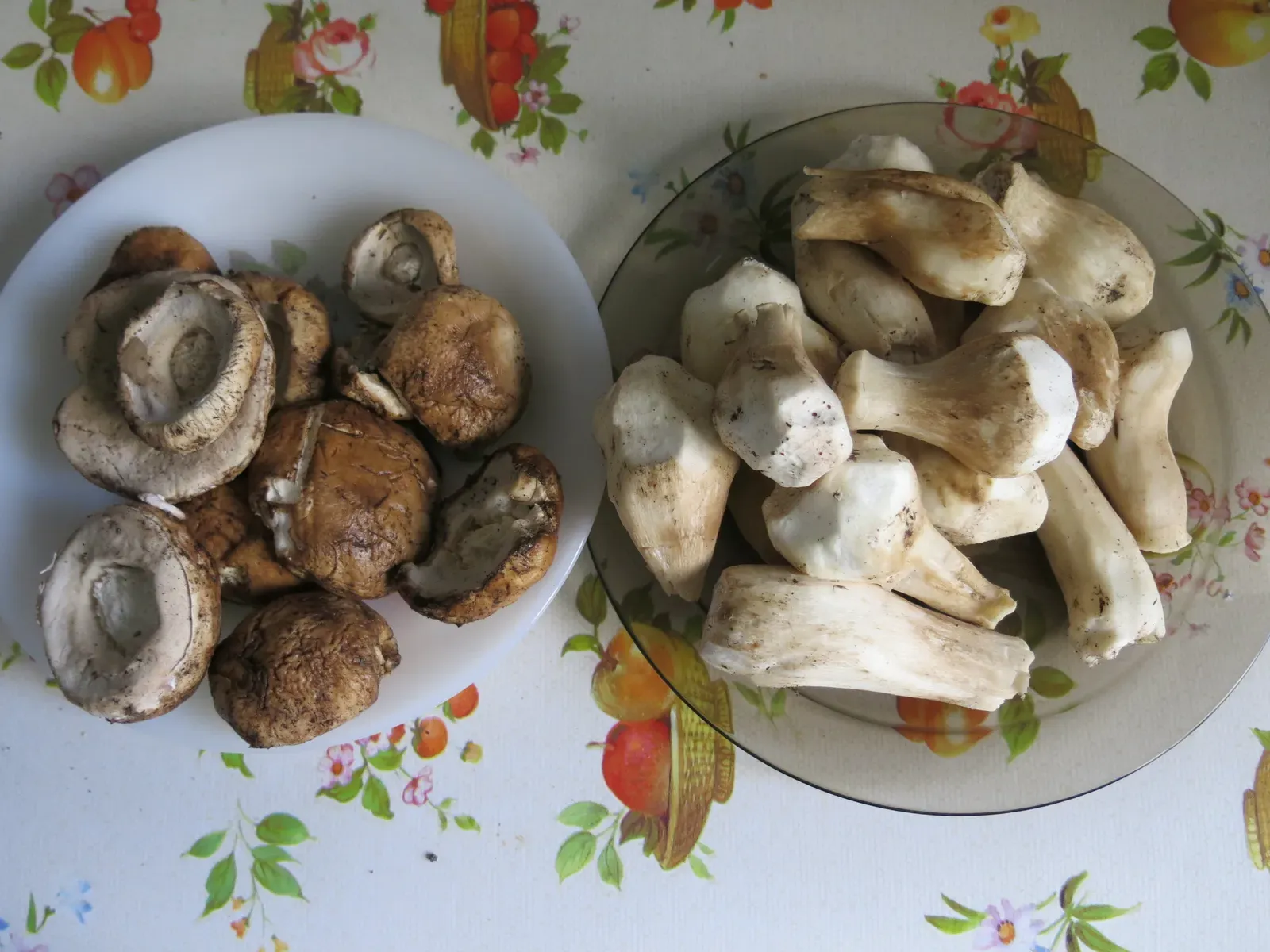
Mushrooms are one of the more porous ingredients out there, and this spongy consistency means that they soak up water they come into contact with. This water sticks inside mushrooms until they are cooked and gets in the way of the cooking process. When mushrooms are heated up, they release this additional water, leaving you with soggy mushrooms and potentially watering down other components of your dish.
Mushrooms, regardless of the variety you’re about to cook, have a particularly spongy and absorbent texture, and water makes them soft, rubbery, and decidedly unappealing. If you’ve ever tried to get a good sear or caramelization on mushrooms and failed spectacularly, excess moisture from rinsing is likely the culprit. It’s a flavor killer and a texture destroyer all at once.
The recommended method for cleaning mushrooms is to wipe them with a damp paper towel or clean them with a soft brush. Cleaning mushrooms is important, but washing them is a mistake – and in this case the risk isn’t food safety but the success of the dish. A gentle wipe is all they really need.
5. Pre-Washed Bagged Salad – Washing It Again Makes Things Worse
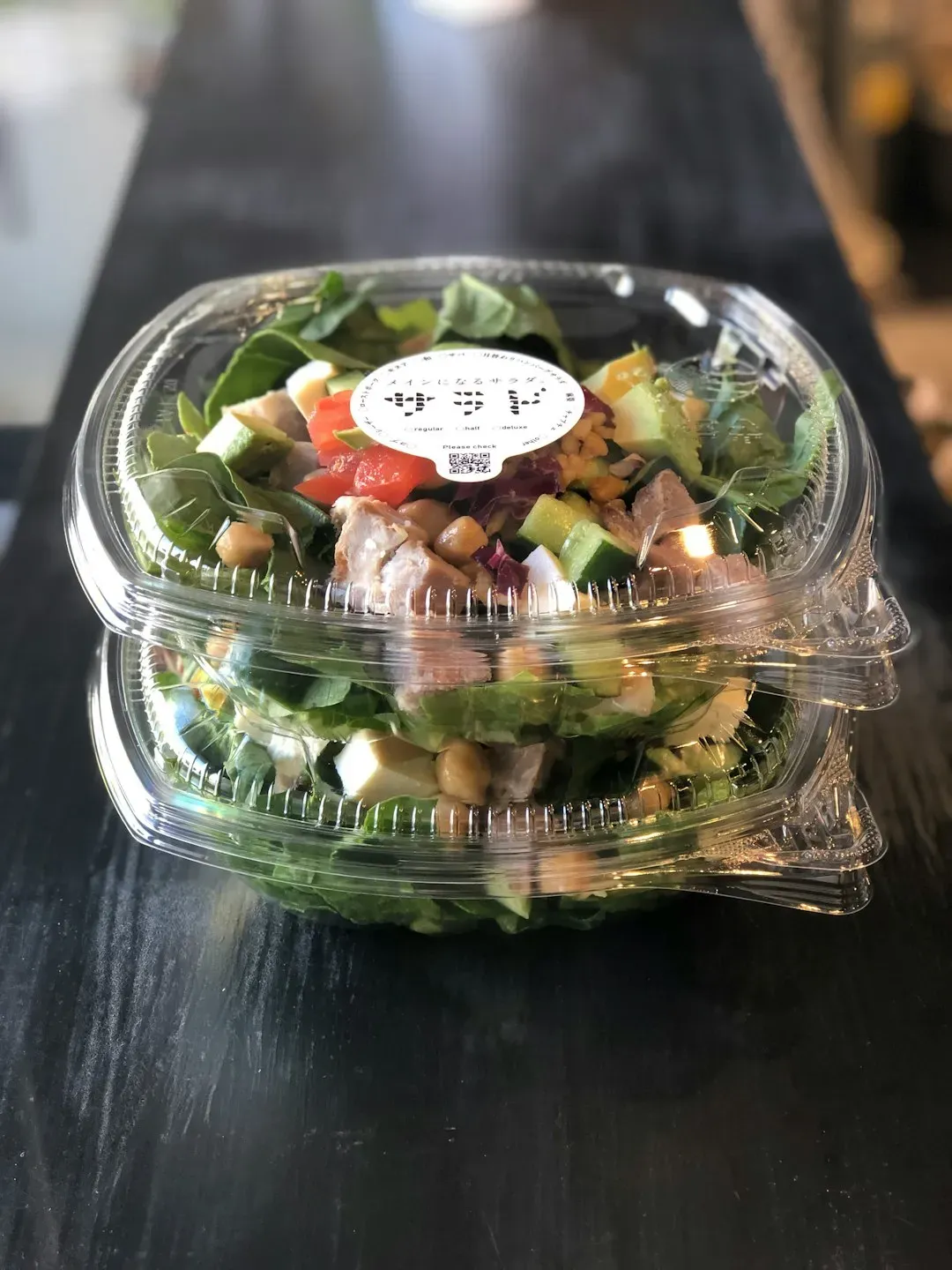
Washing prewashed bagged salad is not only adding needless labor to your meal, but it’s also actually pretty unwise. Salads labeled as prewashed are cleaned just before they’re bagged up, usually in a commercial setting designed to deliver the best sanitization possible. When you take the prewashed salad out of its bag and wash it in the kitchen sink, you could be introducing it to less-than-sanitary conditions. Unwashed hands, an unclean sink, and dirty strainers may all introduce bacteria to your salad.
If the bag says your greens have been pre-washed, there’s no need to send it through the salad spinner. Many prepared lettuces go through a triple wash system to remove natural debris. Let that sink in – industrial triple-washing systems versus your kitchen tap. The commercial process wins every single time.
Rinsing prewashed produce can actually increase the risk of contamination by introducing new bacteria. It’s a counterintuitive truth that trips people up constantly. Here’s the thing: if the bag says “pre-washed” or “ready to eat,” trust the label and put down the colander.
6. Dry Pasta – Rinsing Washes Away the Flavor
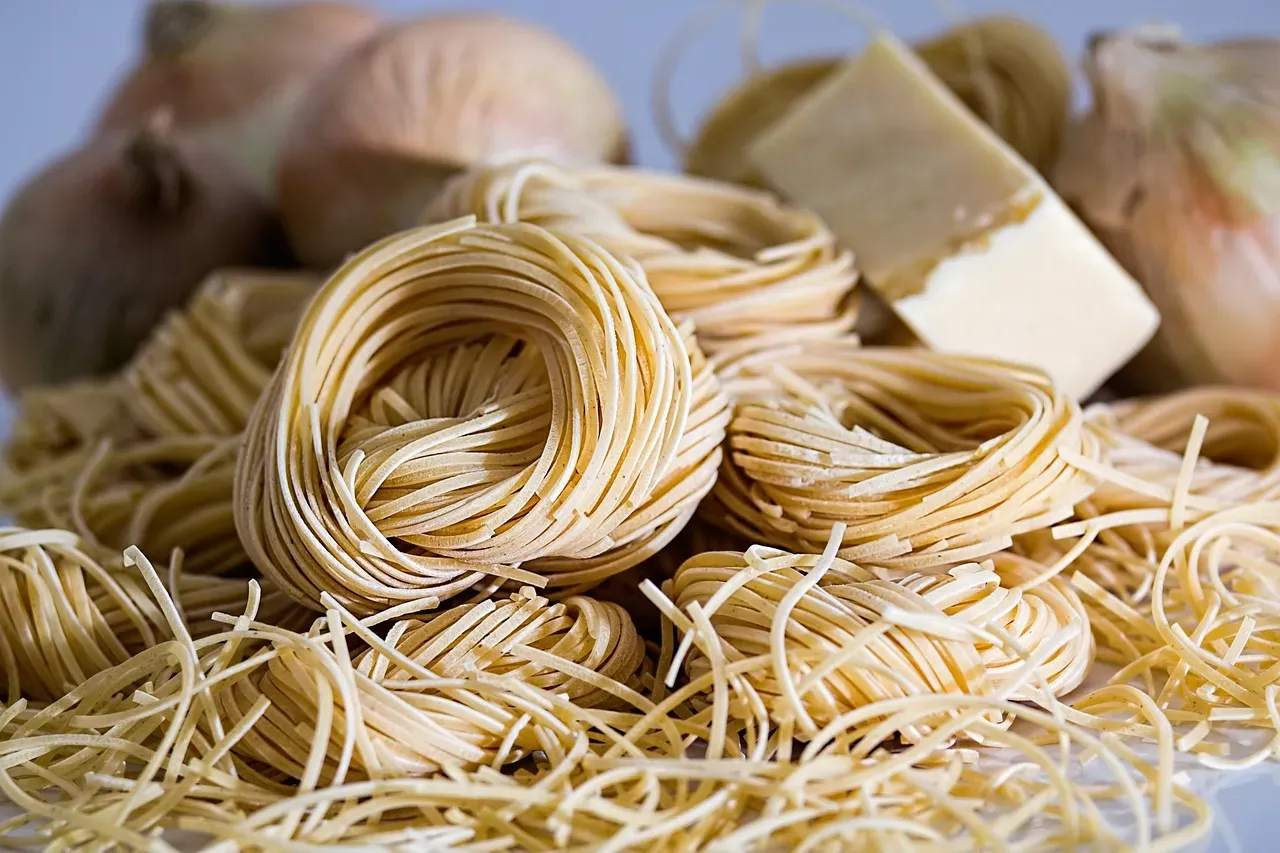
There’s no food safety reason to wash off your pasta, either before you cook it or afterward. Dry pasta from a sealed packet is about as clean as food gets. Yet plenty of home cooks rinse it – before boiling, after boiling, sometimes both – under the impression that it’s a good idea. It is not.
A huge part of what makes pasta so delicious is its high starch content, and when you wash it before boiling, you get rid of some of the starch on its surface. This means you’ll end up with less overall starch in your meal, and it’ll be harder for the pasta to hold onto any sauce you add. The same thing can happen when you rinse pasta after cooking it, with all of that starch making its way straight down the drain, along with any seasoning you added to the pasta water.
Some people rinse pasta after it’s cooked to remove some of the starch, but this makes it harder for sauce to cling to the noodles. Think of that starchy pasta water as liquid gold – chefs use it to thicken and bind sauces. Rinsing it away is like seasoning your food and then washing the seasoning off. Save it, don’t drain it.
7. Raw Fish – The Same Rules Apply, and Yet People Still Do It
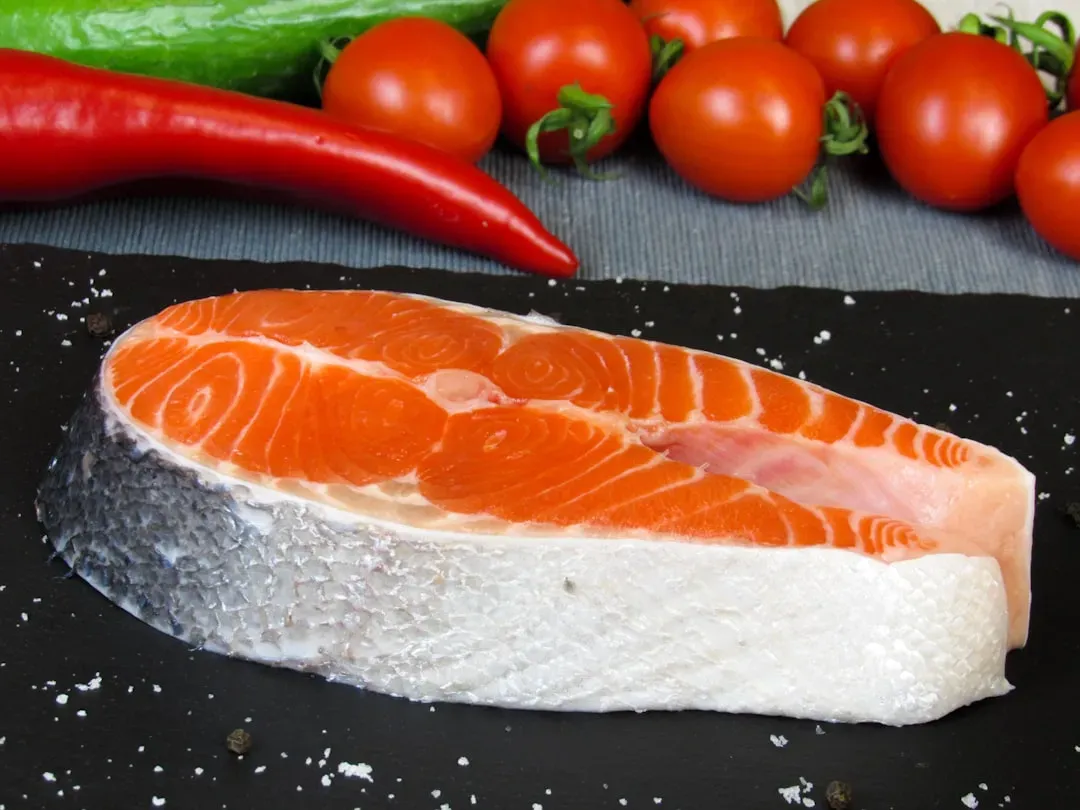
Just like with chicken and red meat, salmon should never be rinsed before cooking. While you may think you’re removing bacteria, rinsing salmon in your kitchen sink could spread bacteria to surfaces that other food may touch. To avoid this potential food-borne illness risk, skip the rinsing and prepare your salmon straight from packaging.
Fish is in the same category as poultry and red meat: if you wash it, you will spread bacteria around your kitchen. Cook it off instead. The logic is elegant in its simplicity – heat kills bacteria, water does not. Rinsing fish accomplishes nothing except giving harmful microbes a free ride to your sink, cutting board, and nearby surfaces.
To kill any remaining bacteria through the cooking process, make sure your salmon reaches an internal temperature of 145 degrees Fahrenheit. The only exceptions to this rule are clams, oysters, mussels, and scallops that you get fresh – they may need a rinse to get rid of sand and dirt. So if you’re working with shellfish, go ahead and rinse. For fish fillets, put the tap away.