I Moved to Florida to Retire – Hated It. Here Are 10 Reasons I Left
Everyone pictures it the same way. The palm trees. The endless sunshine. The morning coffee on the lanai with a view of something blue. Florida has been sold as retirement paradise for decades, and honestly, it’s a compelling pitch. No state income tax. Year-round warmth. Beaches within driving distance of almost everywhere.
I bought into it completely. So did millions of others. Then reality set in, slowly at first, then all at once. What follows are the ten reasons I eventually packed up, said goodbye to the Sunshine State, and never looked back. Some of them might surprise you.
1. Housing Prices Exploded – and Took My Budget With Them
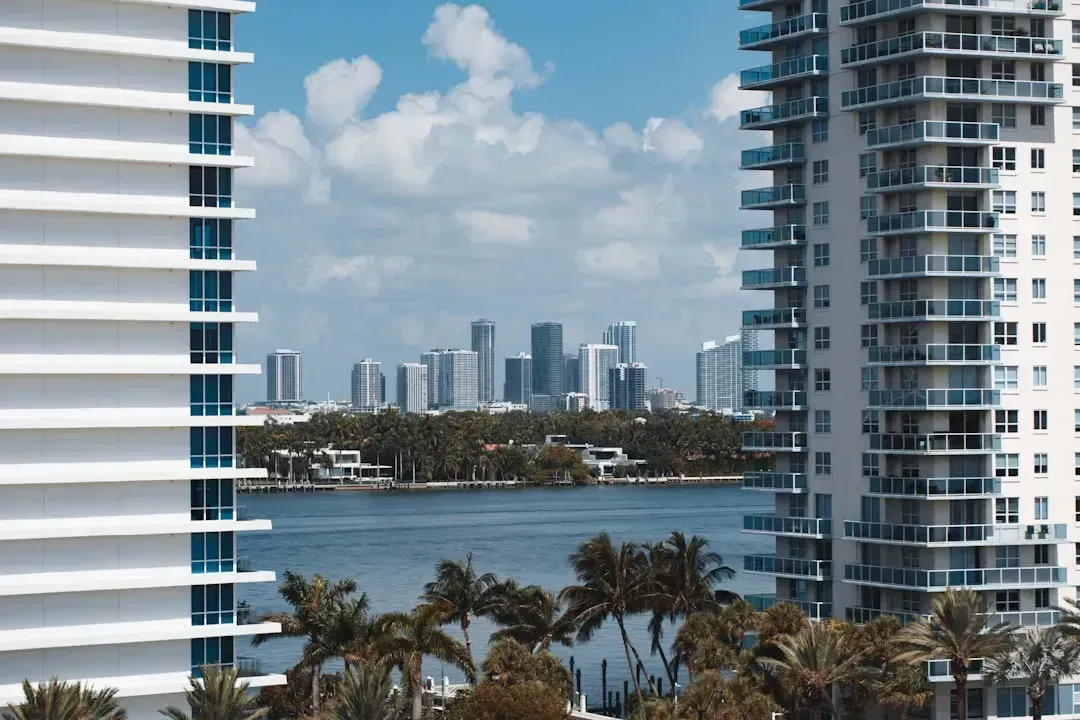
Let’s be real: Florida used to be affordable. That story is over. In just half a decade, the median price of a single-family house in Florida rose by roughly 60%. According to Redfin, the average cost of a home in March 2018 was approximately $250,000, and by July 2024, the median sale price had climbed to $409,700. That’s not a gentle rise. That’s a market that left fixed-income retirees in the dust.
Housing prices in Florida have jumped dramatically over the last few years, and places that used to be budget-friendly are now commanding big-city price tags. If you’re hoping to buy in a popular coastal area or a walkable retirement community, be prepared to pay top dollar. Even if you already own your home, rising costs for maintenance, HOA fees, and utilities can slowly chip away at your fixed income. I had owned my home outright, and I still felt the squeeze everywhere I turned.
2. The Homeowners Insurance Crisis Was a Financial Nightmare

Nothing prepared me for the insurance situation. Nothing. Increasingly frequent extreme weather events and rising reconstruction costs have made Florida the most expensive state for homeowners insurance, with average annual premiums of $9,462 – and premiums rose more between 2021 and 2024, in absolute dollars, than in any other state. Compare that to the national average of roughly $2,543, and you start to feel genuinely sick.
Around seventy percent of Florida homeowners have experienced rising insurance costs or coverage changes, such as their insurer dropping them, according to a 2024 Redfin survey. Since 2022, over 20 insurance companies have stopped writing new policies in the state, leaving fewer options for consumers. Studies show that about 15 to 20 percent of Florida homeowners are now uninsured, and experts say the trend is a direct result of the state’s property insurance market crisis. This is not a minor inconvenience. It is a full-blown financial trap.
3. Hurricane Season Never Felt Like “Season” – It Felt Like a Lifestyle
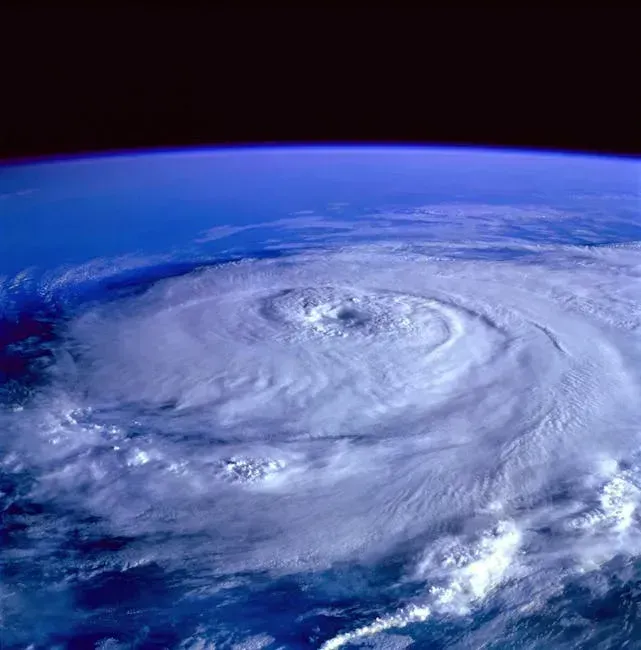
I knew about hurricanes before I moved. Everyone does. What I didn’t understand is what it actually feels like to live under that constant shadow. Most Floridians have to have a go-bag ready for last-minute evacuations and be prepared to leave behind what they can’t fit in their car. Just the stress of anticipating hurricane season can be enough to send people packing.
In September 2024, Hurricane Helene hammered Florida and the Southeast, killing more than 230 people, making it the deadliest hurricane to strike the U.S. since Hurricane Maria ravaged Puerto Rico in 2017. Some estimates put the economic impact of Helene, including property and infrastructure damage, as high as $200 billion. Power outages, evacuations, damaged homes, and flooded streets are no longer rare events. They are becoming part of the regular conversation. That’s not retirement. That’s survival mode, annually.
4. Traffic Congestion Stole Hours From My Days
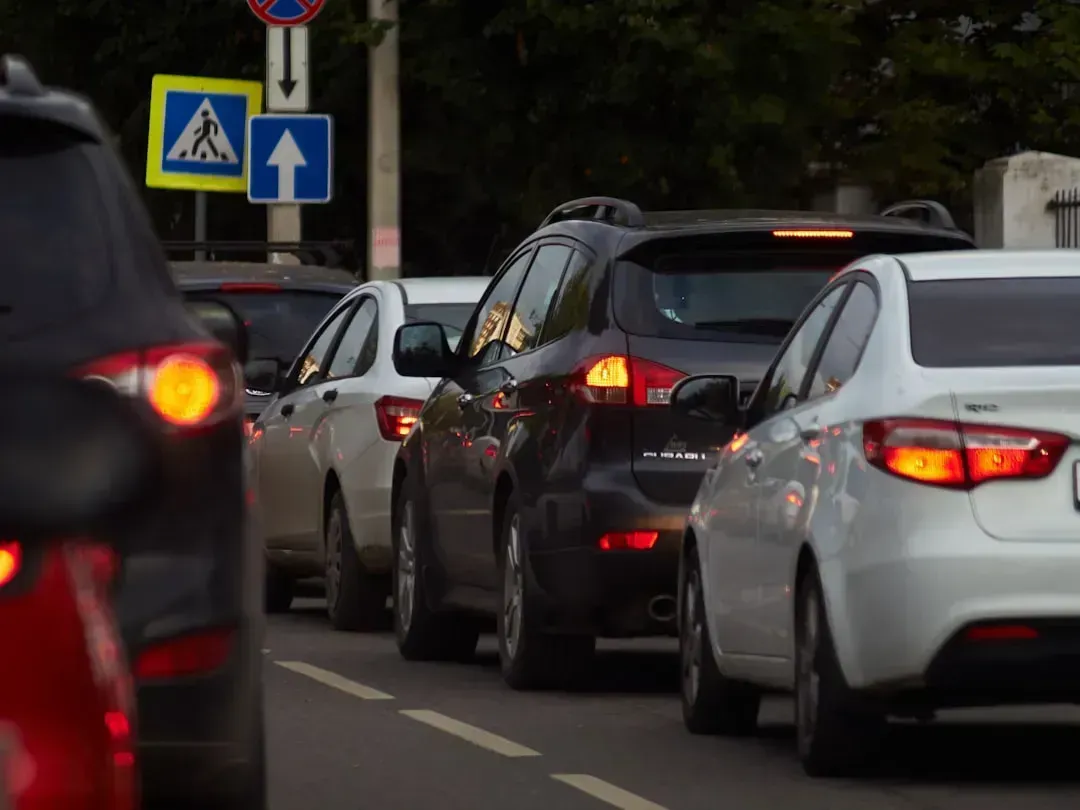
Here’s the thing about Florida traffic: it doesn’t get better. It gets worse every single year, because more people keep arriving. In 2024, Tampa drivers lost 34 hours to congestion, costing the city $800 million. Miami fared worse, with drivers wasting 74 hours annually at a cost of $1,325 each, totaling $3.4 billion in lost productivity statewide. Those are hours of your life. Gone. Sitting on a clogged interstate in 95-degree heat.
Florida’s rapid population growth has resulted in increased traffic congestion, overdevelopment, and a loss of the serene environment many retirees seek. The proliferation of strip malls and high-density housing has altered the state’s landscape, diminishing its appeal. Florida is the third most populous state, with between 300,000 and 380,000 new residents arriving each year, and its aging infrastructure is scrambling to keep up. I moved to Florida for peace and quiet. I got gridlock instead.
5. The Heat Was Relentless and Exhausting
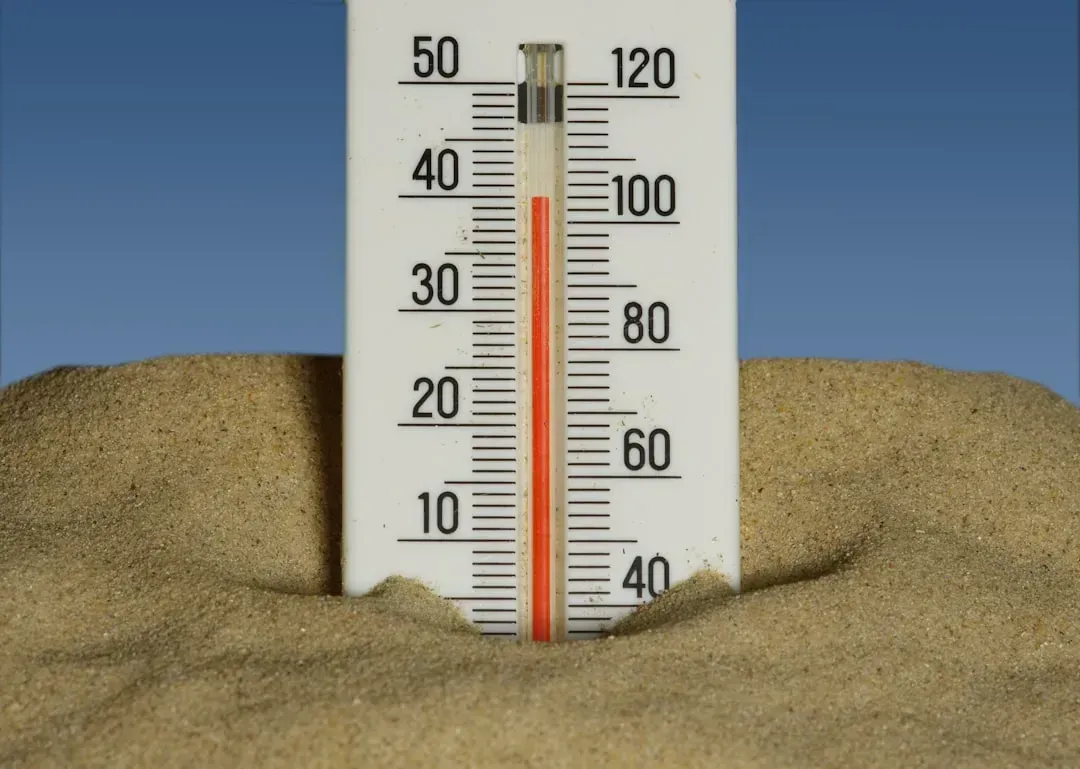
I honestly thought I’d love the warmth year-round. Two summers in, I understood why people miss actual seasons. Everyone knows that Florida is warm and humid, but people are often still surprised by how oppressive the weather can be. Retreating indoors doesn’t always bring relief, because air conditioning is drying and is often difficult to regulate. Many retirees don’t realize how much they’ll miss experiencing winter, spring, and fall until they find themselves in endless summer.
Florida’s warm climate results in heavy reliance on air conditioning, pushing electricity bills higher than the national average. Retirees should budget for estimated monthly utility costs, including electricity, gas, water, garbage, and internet, which on average hovers around $639.25 in 2025. Think of it like running a refrigerator the size of your house, twelve months a year. The bills don’t care that you’re on a fixed income. The state’s hot and humid climate, coupled with the threat of hurricanes, poses genuine health risks and discomfort for older adults.
6. The Real Cost of “Comfortable” Retirement Was Shocking

Before moving, I had done what I thought was solid financial planning. I had not planned for Florida’s actual costs. A single retiree can expect to pay an average of $73,646 a year to live comfortably in Florida, and if you add up what that costs over 30 years, you would need at least a $2.2 million nest egg. That number stopped me cold when I eventually ran the math properly.
Don’t confuse “no state income tax” with “no taxes at all.” State and local taxes in Florida can take a serious bite out of retirement savings, with the combined state and local sales tax averaging 7.00%, according to the Tax Foundation. That’s higher than the combined rates retirees from snowbird states such as Michigan, Pennsylvania, Massachusetts, and New Jersey are accustomed to paying. Nobody warns you about that part of the brochure.
7. Healthcare Access Was Overwhelmed and Uneven
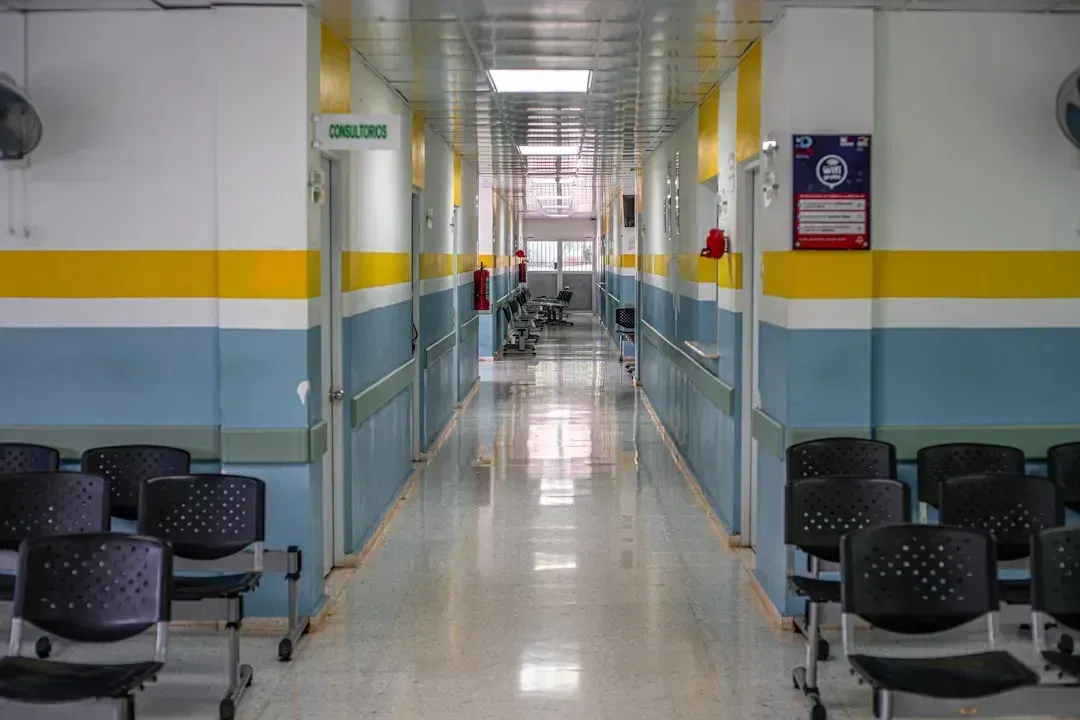
Florida has hospitals. It even has good ones. The problem is the system is completely overwhelmed. Rapid population growth is straining Florida’s schools, healthcare systems, and essential public services. Fast-growing districts face overcrowded classrooms, teacher shortages, and aging facilities, while hospitals and clinics see higher patient volumes and longer wait times. For a retiree who needs regular care, longer wait times are not an abstraction – they are a daily reality.
The quality and accessibility of care can vary significantly by region. While South Florida boasts a concentration of highly rated hospitals and specialists, more rural Florida cities may have limited facilities or longer wait times. Residents needing specialized medical treatment often must travel to larger cities, which is inconvenient for many aging retirees. I spent my retirement driving hours to appointments I should have been able to book locally. That wears on you, fast.
8. HOA Rules and Fees Were Suffocating

Nobody tells you about the HOA until you’ve already signed the papers. Suddenly there are rules about the color of your mailbox, the length of your grass, and whether your grandkids’ bikes can lean against the fence. One of the most frequently cited reasons for residents leaving retirement communities like The Villages is the strict and unyielding nature of HOA rules and the fees associated with them. While these regulations are intended to maintain the community’s upscale appearance, they can be restrictive for those who desire more personal freedom, with modifications requiring formal approval.
In addition to mortgage payments, many retirees face homeowners association fees, particularly in Florida’s numerous gated communities and retirement developments. HOA fees vary widely, but in 2025 they average between $400 to $600 per month in luxury or resort-style communities. In some buildings, maintenance fees for 2024 jumped by as much as 50% between special assessments and increased insurance costs. That is a serious monthly drain on a retirement budget that was never designed to absorb it.
9. Overcrowding Turned the “Paradise” Into a Pressure Cooker
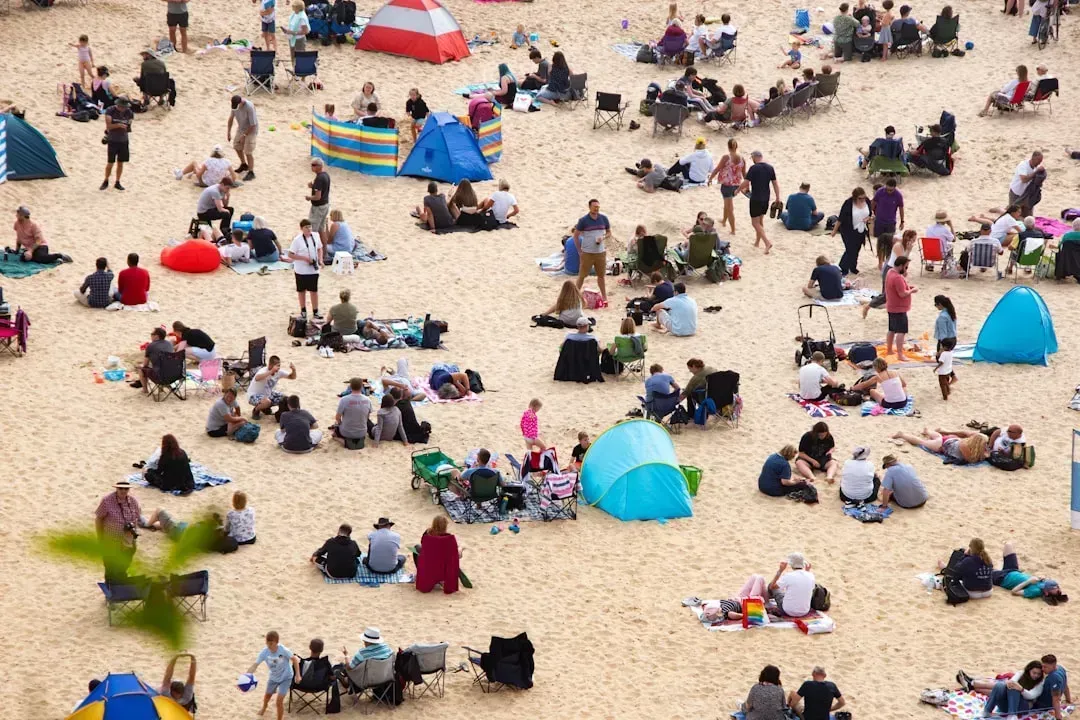
The Florida I imagined was quiet mornings, uncrowded beaches, and easy days. The Florida I found was packed with people at every turn. Data from the U.S. Census Bureau shows a steady decline in the number of 65-plus Americans moving to Florida since 2020, reflecting a growing awareness among retirees that conditions have changed. Ironically, everyone had the same retirement fantasy, and now the state is bursting at the seams from all of us chasing it simultaneously.
Florida recorded the second-highest population increase nationwide, adding 467,347 residents between 2023 and 2024. Much of Florida’s infrastructure was built decades ago and now struggles to meet modern demands, with roads, bridges, water systems, and drainage networks deteriorating faster due to heavy use and extreme weather. A place can only stretch so far. Once it crosses a certain threshold, it stops feeling like retirement and starts feeling like just another crowded city with better weather a few months a year.
10. I Realized I Needed to Be Closer to Family

Ultimately, this was the reason that cut deepest. I’d traded proximity to people I love for proximity to beaches. It sounds romantic until you’re sitting alone on a holiday because a flight was too expensive or the drive was too long. Florida is the most isolated, far-flung state in the contiguous United States. While there are plenty of airports to facilitate travel, road trips rack up more miles when you want to visit family in other regions. Those leaving Florida to be closer to family who are scattered around the country may want to live in a more central state for ease of travel.
Some retirees are heading to states like Tennessee, North Carolina, or even areas of the Midwest that offer a lower cost of living, more predictable weather, and less crowding. Georgia was the most popular destination for people leaving Florida, accounting for more than ten percent of outbound migration in 2024, with Texas coming in second at a similar share. I chose to follow the data – and my heart. I found a house near my daughter in North Carolina, and I’ve never once regretted packing those boxes.