I Was a Flight Attendant for 15 Years: 6 In-Flight Drinks I’d Skip
There is something oddly comforting about that moment the beverage cart rattles down the aisle. You’re finally cruising, shoes off, blanket tucked in, and someone is actually coming to bring you a drink. After 15 years in the cabin, working flights from quick hour-long hops to transatlantic overnights, I have watched thousands of people make their drink choices. Some are inspired. Some, honestly, I wish I could quietly redirect.
The thing is, what looks harmless on a menu can work against you at 35,000 feet in ways most passengers never consider. The cabin environment is unlike anything on the ground. Dry air, reduced pressure, temperature shifts, and biology all conspire to change how your body reacts to what you drink. So let’s get into the six drinks I’d personally skip, and why the science backs up every single one of them.
1. Coffee: The Morning Ritual with a Very Dirty Secret
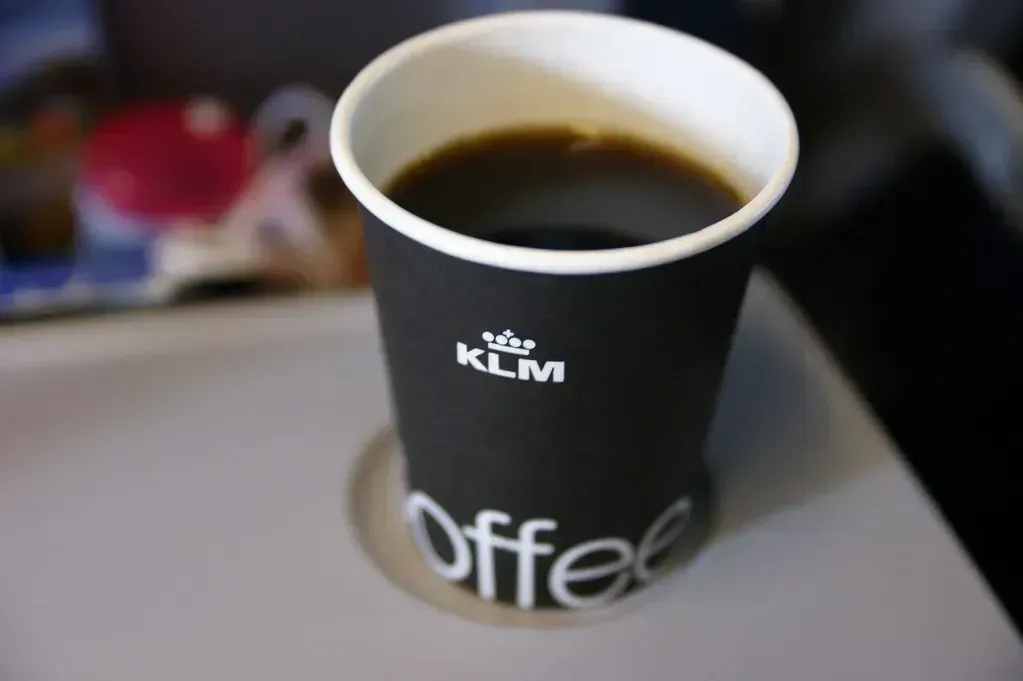
Let me be straight with you. I love coffee. On the ground, I cannot function without it. In the air, though, I almost never touched the stuff during my 15 years of service, and neither did most of my colleagues. Former flight attendant Alex Quigley strongly advises thinking twice before ordering a cup, explaining that airplanes use “potable” water tanks, where that water often sits for a very long time. “There’s no telling how often or when the tank has been cleaned last,” he noted, calling it “a beast for bacteria.”
It gets worse. The science is no longer just cabin gossip. According to the Center for Food as Medicine and Longevity’s 2026 Airline Water Study, which examined 10 major and 11 regional airlines using EPA Aircraft Drinking Water Rule data from October 2022 through September 2025, airplane drinking water was stored in onboard tanks and distributed through plumbing to galleys and lavatories. These systems can face stagnation, temperature fluctuation, and maintenance complexity, all of which can contribute to microbial contamination risk.
The study analyzed 35,674 total sample locations tested for total coliform bacteria across all airlines. Of these, 949 locations, which is about one in every 38 tested, came back positive for total coliform. Think about that the next time you wrap your hands around a little plastic cup of hot coffee at 30,000 feet. The bottom-line advice from the Center is unambiguous: never drink any water onboard that is not in a sealed bottle, and do not drink coffee or tea onboard.
2. Hot Tea: Different Cup, Same Problem
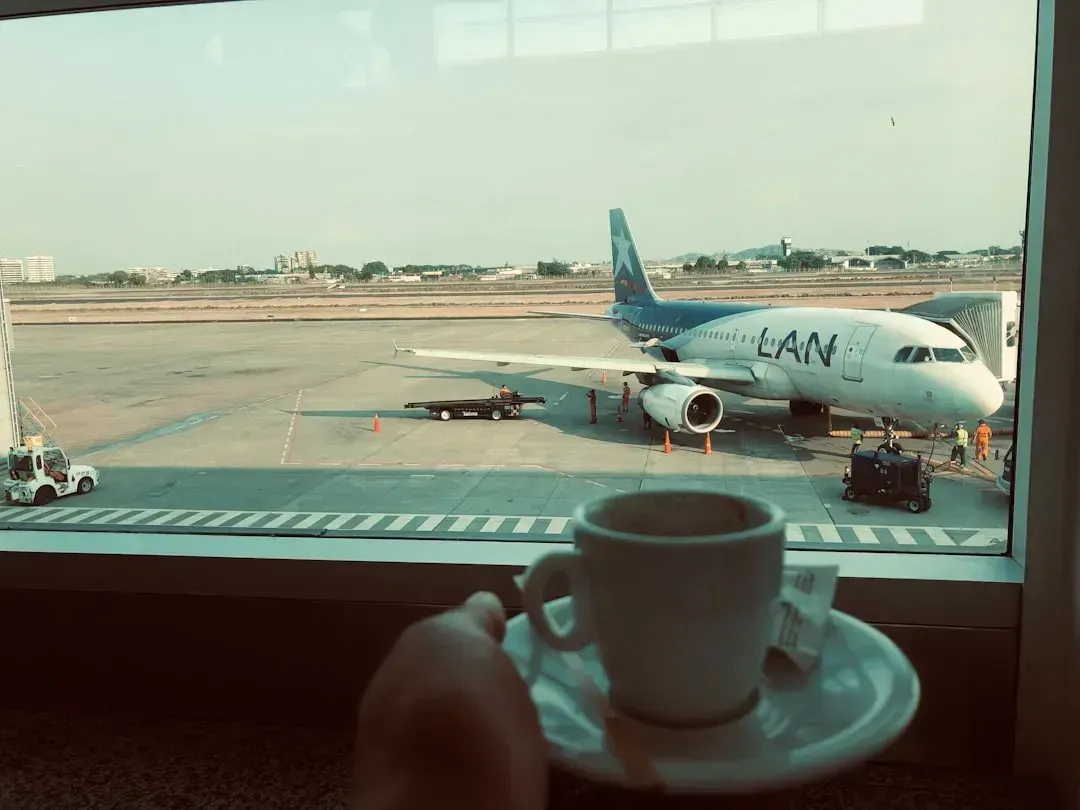
People assume tea is somehow a safer, more wholesome choice than coffee. Honestly, it really is not, at least not in the sky. Hot tea comes from the same unhygienic water tank as the coffee. The only difference is that a bag gets dunked in. The underlying water source is identical, and that is the actual problem.
While most airlines offer bottled water for drinking, coffee and tea are usually made from tap water, along with the plane’s ice, so experts have advised avoiding those brewed beverages. Multiple experienced crew members I flew with over the years would joke that the best rule was simple: if it didn’t come in a sealed bottle or a sealed can, leave it alone.
Research published by the Center for Food as Medicine and Longevity found that onboard water provided by roughly six in ten major U.S. airlines tested failed to meet federal safety standards. Ordering a cup of tea in the cabin is, in many cases, ordering a cup of water from a tank that nobody has cleaned since before you booked the flight. Skip it, and reach for sealed bottled water instead.
3. Diet Coke: The Drink That Quietly Drives Cabin Crews to the Edge
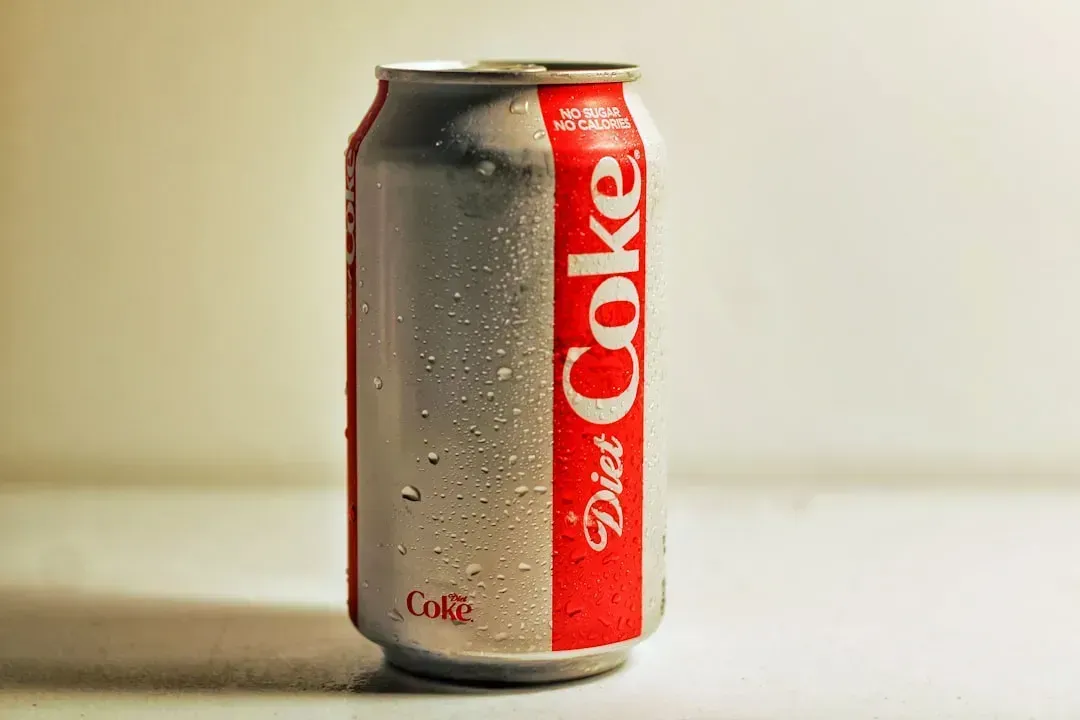
Here is something that might genuinely surprise you. Diet Coke is not dangerous in the way contaminated water is. It is just uniquely maddening to serve on an airplane, and here’s the thing: that fizzy nightmare actually slows down service for every single passenger on the flight. The average airplane cabin is pressurized to the equivalent of about 8,000 feet rather than sea level, which means soft drinks foam up significantly more when poured out of a can. The worst culprit is Diet Coke. A flight attendant has to sit and wait for the bubbles to fall before continuing to pour, and when several passengers all order it, attendants get them started, take other drink orders, serve those, and come back to finish the Diet Cokes.
According to McGill University’s Office for Science and Society, the sugar in regular carbonated beverages curbs fizziness, yet diet sodas lack this sugar, leading to more fizz and foam. Diet Coke also has a higher viscosity than standard sodas, which allows bubbles to linger longer. The result is a blanket of foam that takes time to die down.
Beyond slowing service, carbonated drinks on planes can also turn on your stomach. Low air pressure in the plane’s cabin can make gases in your gut expand, which causes bloating. The result can range from uncomfortably tight pants to stabbing pains. You may feel bloated before you even have a sip, and adding more gas with a drink’s bubbles isn’t going to make it better. If you absolutely need your Diet Coke fix, ask for the whole can. That way you can pour it yourself when the foam settles.
4. Alcohol: The Drink That Hits Much Harder Than You Think

Look, I am not here to lecture anyone about having a glass of wine on a flight. I have done it myself. What I will tell you is that after years watching passengers underestimate this one, I think everyone deserves to know what is actually happening to their body. Airplane cabins are notoriously dry, with humidity levels often below 20%. This low humidity can lead to dehydration, which is further worsened by alcohol consumption. Alcohol is a diuretic, meaning it increases urine production and causes the body to lose more fluids.
The reduced oxygen levels in pressurized cabins intensify alcohol’s effects, creating a situation many passengers fail to anticipate. One drink in the air can affect you like two drinks on the ground, and when combined with the dehydrating effects of the cabin environment, alcohol can quickly lead to increased lightheadedness and worsened jet lag upon arrival.
New research found that alcohol compounds the effects of high altitude on people’s bodies, putting an extra burden on the cardiovascular system, reducing blood oxygen levels, compounding dehydration, and impairing sleep quality. So the nightcap that was supposed to help you sleep on a red-eye? It might actually be the reason you land feeling absolutely wrecked. Flight attendants who regularly cross time zones, myself included, typically avoid or strictly limit alcohol while flying, opting instead for regular water intake to maintain hydration and arrive feeling refreshed.
5. Bloody Mary: The Most Dehydrating Drink at Altitude
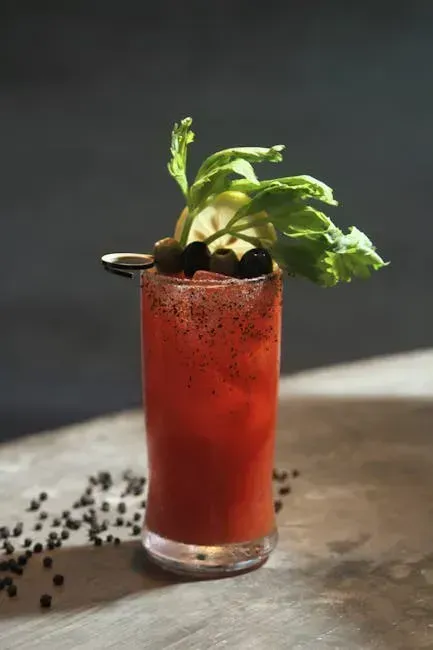
I get the appeal. There is something about a Bloody Mary at 30,000 feet that feels almost cinematic, like you are a globe-trotting adventurer. The reality is considerably less glamorous for your body. Salt-heavy cocktails like Bloody Marys, despite their popularity in flight, exacerbate the already dehydrating conditions of air travel. The combination of alcohol and high sodium content creates a perfect storm for feeling terrible upon landing.
It is also worth understanding why this drink is so wildly popular at altitude specifically. When flying, our taste buds are affected by high altitude and increased cabin pressure. This makes certain drinks taste different, some arguably better. Ginger ale’s sweetness is dulled in the air, giving it a crisper taste. Tomato-based beverages also benefit from these conditions, as their strong flavor profile still shines even with dulled taste buds. In short, your brain is tricked into wanting a Bloody Mary precisely because your taste receptors are compromised at altitude.
Flight attendants specifically call out Bloody Marys among the worst choices, noting they tend to be super salty, which further dehydrates you on the plane. It is also best to avoid anything mixed with orange juice, as it tends to be high in acidity, which can upset the stomach. Honestly, if you need something in that savory, tomato-forward ballpark, a plain tomato juice without the alcohol is a dramatically better call for how you’ll feel when you step off the plane.
6. Tap Water (Including Ice): The Risk Most Passengers Completely Overlook
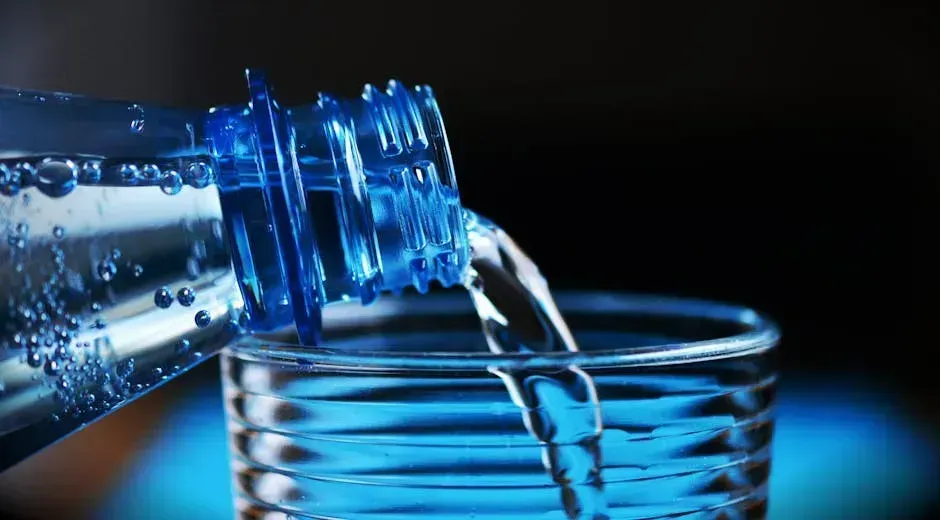
This one is probably the most important chapter in this whole list, and it is the one most people skip right over because plain water seems like the safe, responsible choice. It can be, but only if it comes from a sealed bottle. Water is loaded onto aircraft at varying airports, stored in onboard tanks under fluctuating temperature and pressure conditions, distributed through complex plumbing networks to galleys and lavatories, and consumed by passengers and flight attendants who have limited alternatives during flight. Unlike municipal water systems with continuous flow and regular monitoring, aircraft water systems experience periods of stagnation between flights.
The 2026 study found that 2.7% of samples tested positive for total coliform, a group of bacteria found in the digestive tracts of humans and animals. Testing for coliform bacteria is important because their presence in drinking water indicates that disease-causing organisms could be in the water system. That might sound like a small number, but across tens of thousands of sample locations, it adds up to a genuinely meaningful risk. E. coli was specifically identified 32 times across the 21 airlines analyzed.
And don’t forget the ice. If you’re having your drink on ice, there is one more thing to think about: the ice was probably made with the same tap water that many flight attendants avoid. The safest move, backed by current research, is the simplest one: never drink any water onboard that isn’t in a sealed bottle, skip onboard coffee and tea, and use alcohol-based hand sanitizer with at least 60% alcohol instead of washing hands with airplane sink water. After 15 years in the air, that is exactly how I traveled, and how I still travel today.