We Asked 8 Bartenders About the Most Underrated Cocktails – Here’s What Made the List
Most people walk into a bar and order the same thing every single time. A Margarita. A gin and tonic. Maybe an Espresso Martini if they’re feeling adventurous. Honestly, I get it – there’s comfort in the familiar. But here’s the thing: behind every bar counter, there’s a person who has mixed thousands of drinks and quietly watches guests overlook some genuinely incredible cocktails night after night.
The bar industry has been embracing innovation like never before, with a surge in creativity that’s pushing cocktail culture into exciting new territory. We went straight to the source and asked nine working bartenders which drinks they think are criminally underrated. The answers might just change what you order next time. Let’s dive in.
The Classic Daiquiri – Not What You Think
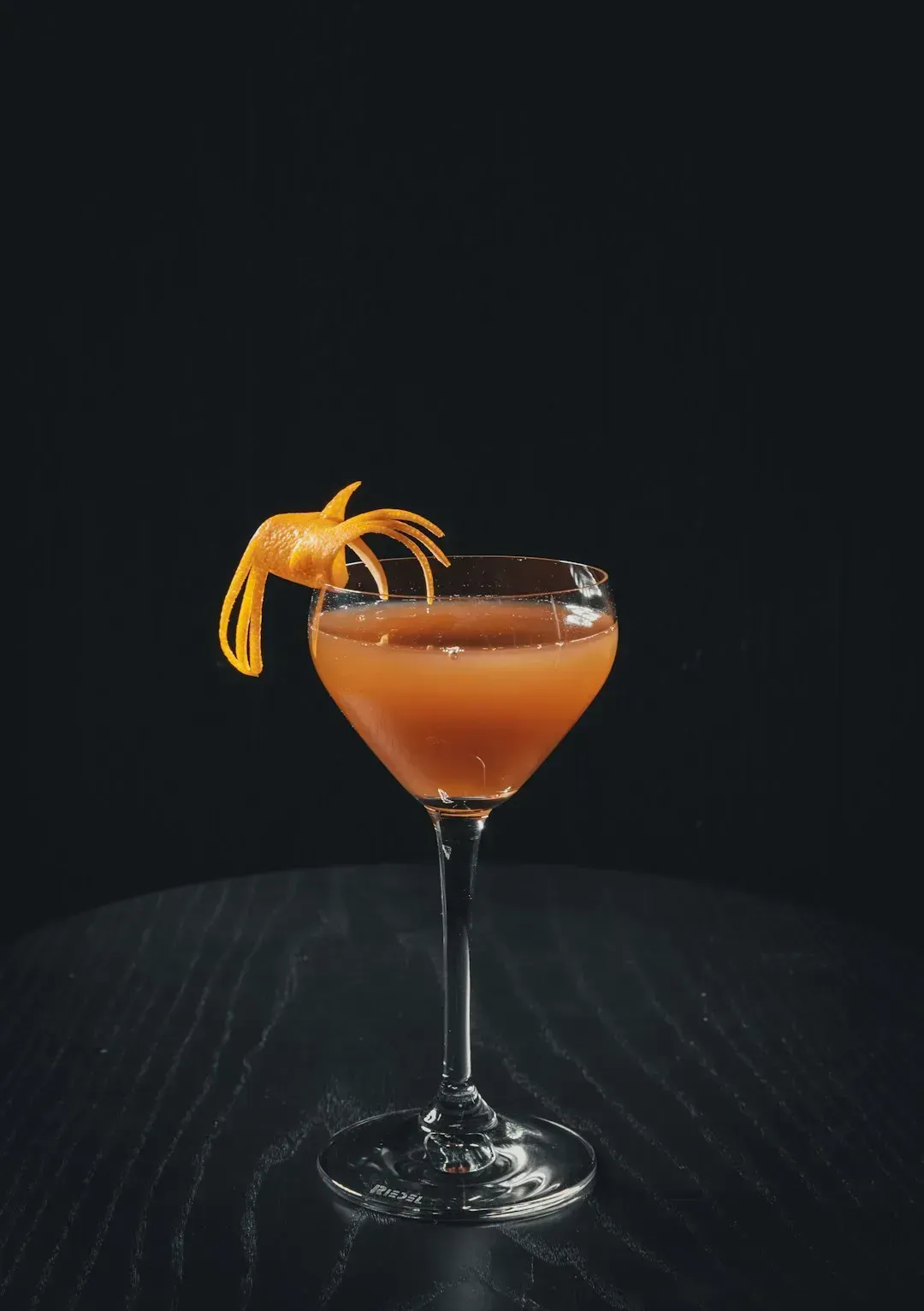
Let’s be real: when most people hear “daiquiri,” they picture a frozen slushy thing from a machine at a beachside bar. That image has done enormous damage to what is actually one of the most elegant cocktails ever created. A classic daiquiri in its intended form is well-balanced and delicious, and those who work in the bartending industry often order classic daiquiris themselves – though it shouldn’t be confused with the kind that comes from a frozen drink machine.
Think of it like comparing a handmade pasta to the stuff from a box. Same name, completely different experience. Made with rum, citrus juice, and sweetener, the daiquiri is a crowd-pleaser that’s particularly popular during brunch hours, and its fruity, refreshing profile makes it a versatile choice for both casual drinkers and cocktail enthusiasts alike.
At its core, this drink is a lesson in restraint. Three ingredients, perfectly balanced, nothing hidden. The bartenders we spoke with consistently pointed to it as a cocktail that reveals whether or not someone behind the bar actually knows what they’re doing. It’s that simple, and that unforgiving.
The Vieux Carré – A New Orleans Secret Worth Knowing
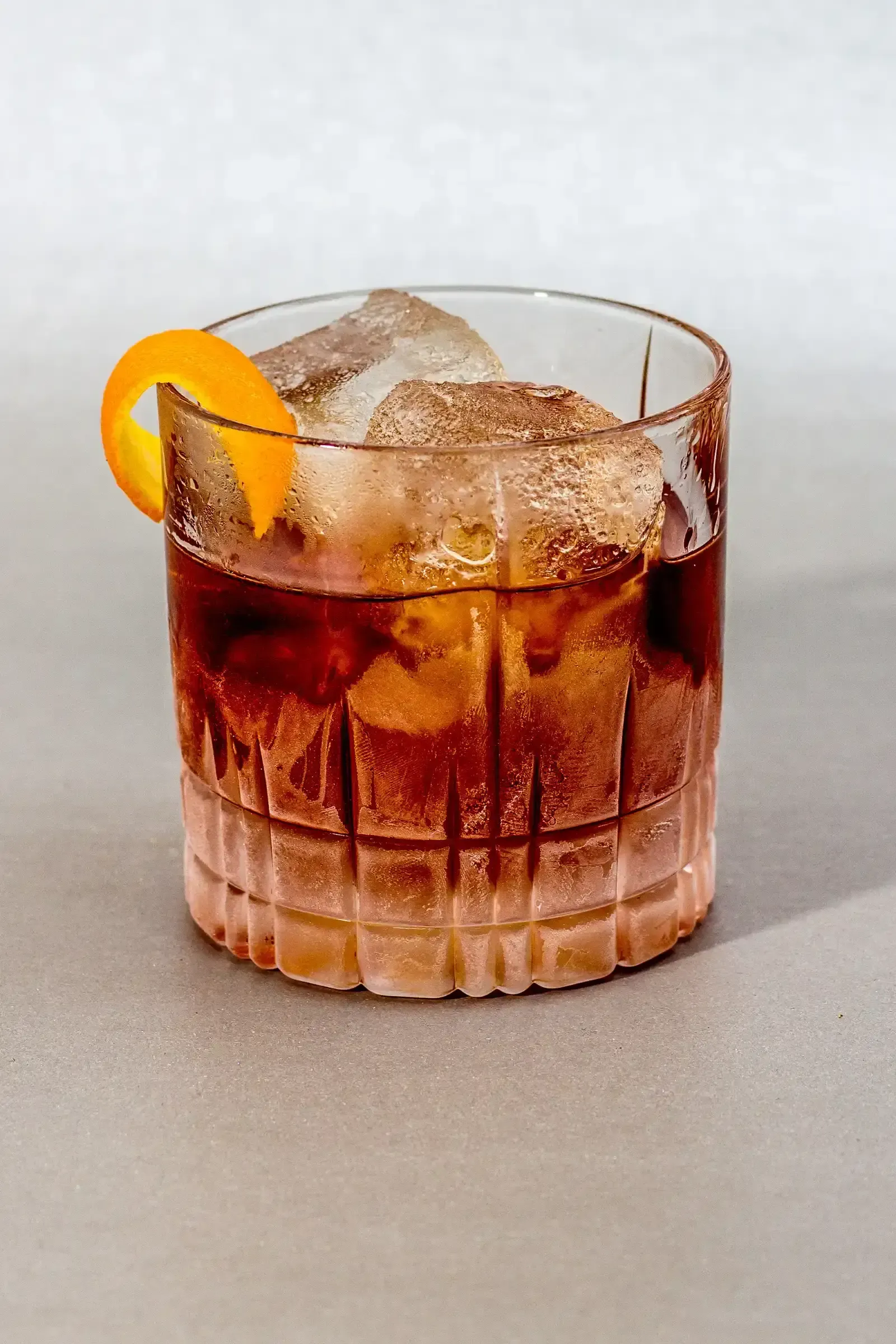
This one might be the most surprising entry on the list. The Vieux Carré is the kind of drink that makes people pause and say, “Wait, where has this been all my life?” Created in 1938 by head bartender Walter Bergeron at the Hotel Monteleone’s Carousel Bar, the cocktail was named for the surrounding French Quarter, and its equal-parts build and absence of citrus showcase New Orleans’ penchant for robust, spirituous mixtures.
The Vieux Carré is described by working bartenders as “a very underappreciated drink – a unique blend of whiskey, Cognac, vermouth, and Bénédictine, celebrating its origins from New Orleans’ French Quarter and lending a twist on the popular Old Fashioned.” That description alone should be enough to get anyone curious. It’s basically a Manhattan with a French passport and a philosophy degree.
Though the drink had fallen out of fashion for decades – even at its birthplace – when drinkers swapped whiskey for vodka, thanks to the craft cocktail movement and curious bartenders dusting off vintage cocktail books, the Vieux Carré has made a comeback. If you’re the kind of person who enjoys a Manhattan or an Old Fashioned, this is your next step up. Order one and prepare to feel very sophisticated.
The Martinez – The Martini’s Forgotten Ancestor
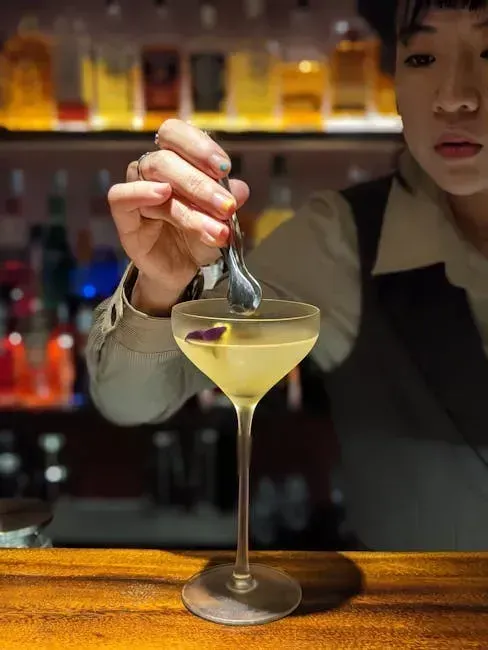
Here’s a cocktail that deserves its own documentary. The Martinez predates the modern Martini, and yet most bar guests have never even heard of it. Clay Sears, the head bartender at Virginia’s in New York City, said he wishes the Martinez wasn’t constantly overshadowed by the martini – dating back to the late 1800s, a Martinez is made up of gin, sweet vermouth, maraschino liqueur, and bitters.
The Martinez is a classic cocktail which most consider to be the reason we have modern gin martinis. What makes it especially compelling is the swap from dry to sweet vermouth and the addition of maraschino liqueur, which gives a bit of sweetness that is wonderfully comforting. Think of it as the original blueprint, before someone got scared of flavor and started ordering drinks “bone dry.”
It’s rich, layered, and carries an almost dessert-like quality without being sweet in an obvious way. I think it’s genuinely baffling that this drink doesn’t appear on more menus – or that more people don’t ask for it by name. If you want to impress a bartender and genuinely enjoy a spectacular drink at the same time, this is your move.
The Sloe Gin Fizz – Bright, Refreshing, and Wildly Overlooked
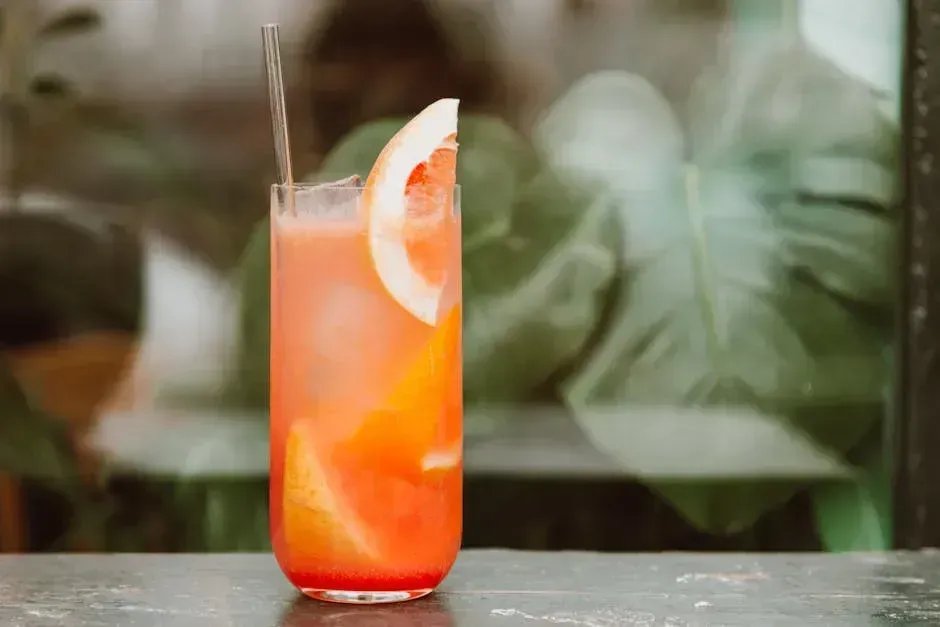
Sloe gin sounds intimidating. It’s one of those liqueurs that lives in the back of the bottle shelf and rarely gets touched unless someone specifically asks for it. That’s a genuine shame, because the cocktail it makes is one of the most approachable and joyful drinks around. Ben Pozar, the lead bartender at Hotel Vin, Autograph Collection in Texas, says more people should opt for a sloe gin fizz because of its bright, delicious flavors – the gin is mixed with lemon, simple syrup, and a bit of soda water.
Pozar notes that sloe gin fizzes work great as an aperitif – an alcoholic drink served before a meal to stimulate the appetite. This is the kind of drink you order in the first round, before dinner, when the evening still feels full of possibility. It’s fizzy, citrusy, and light enough to keep you going without overwhelming you straight out of the gate.
The Gin 50/50 Martini – For the Vermouth Believers
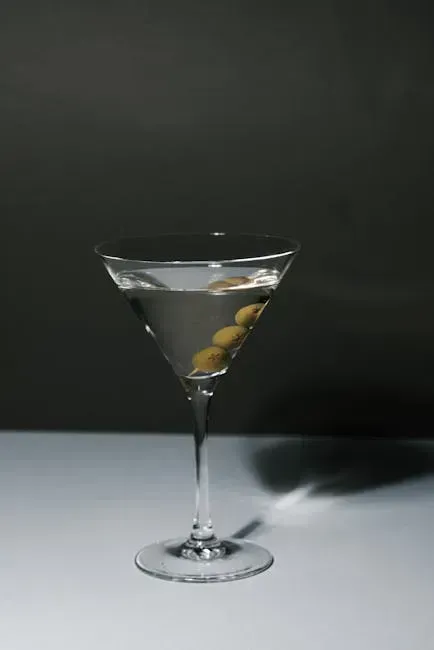
Ask most people how they take their Martini and you’ll hear a familiar chorus: “Extra dry, please.” The request for less and less vermouth has become almost a cultural reflex. Bartenders, privately, are exhausted by it. The 50/50 Martini is their quiet act of rebellion – and it’s genuinely brilliant. Evan Hawkins, a bartender who owns Romeo’s in New York City, recommends ordering a gin 50/50 martini, which consists of equal parts gin and dry vermouth.
Equal parts sounds radical to the “bone dry” crowd, but consider this: vermouth is wine. You wouldn’t ask someone to rinse a glass with wine and then throw the rest away, would you? The 50/50 is silkier, more complex, and actually lets both spirits breathe and shine. According to NIQ data, the cocktail landscape has been shifting toward more sophisticated drinking choices, with drinks showing greater complexity continuing to rise. The 50/50 Martini fits that movement perfectly.
The Boulevardier – Bourbon’s Answer to the Negroni
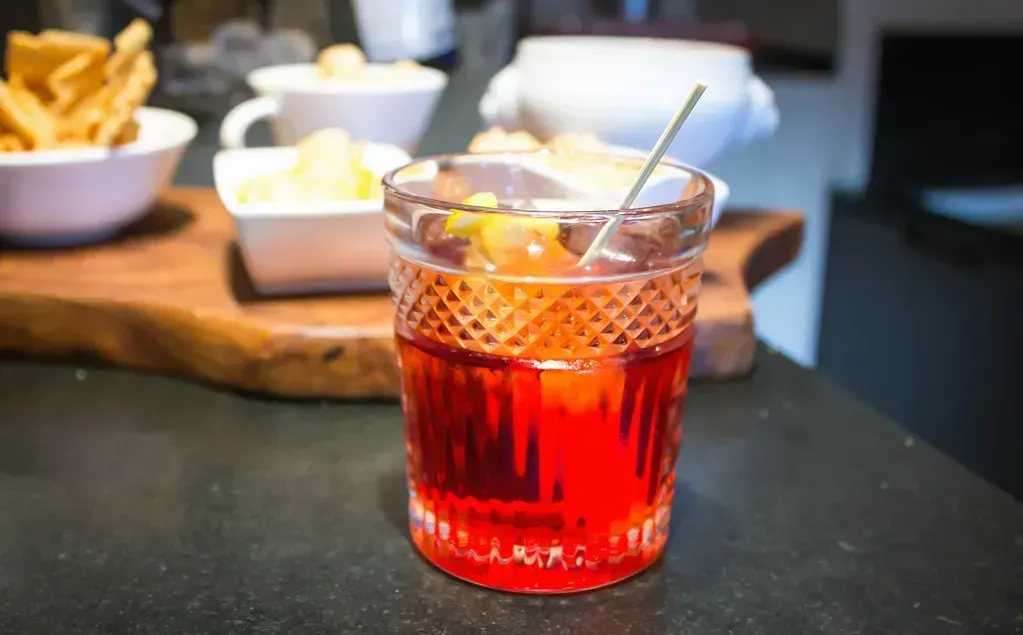
If you love a Negroni – and plenty of people do, given that the Negroni saw a surge in popularity throughout 2024 and its 100-year-old recipe continues to appeal to those seeking a perfectly balanced and slightly bitter cocktail – then the Boulevardier is the drink you’ve been missing. It’s essentially the same structure, just with bourbon swapped in for gin. The result is warmer, richer, and somehow even more satisfying in the evening hours.
An underrated whiskey drink that deserves more attention, according to multiple bartenders surveyed by VinePair, is indeed the Boulevardier. It’s not a complicated concept, but the shift from gin’s botanical sharpness to bourbon’s caramel depth changes the entire experience of the drink. Think of gin as a bright spring afternoon, and bourbon as a fireplace in late October. Same structure, completely different mood.
The Boulevardier is also incredibly flexible. Swap the bourbon for rye and it sharpens up beautifully. Use a sweeter Italian vermouth and it softens into something almost velvety. It rewards experimentation in a way that many classic cocktails simply don’t.
The Old Maid – A Cucumber Gin Drink That Deserves the Spotlight
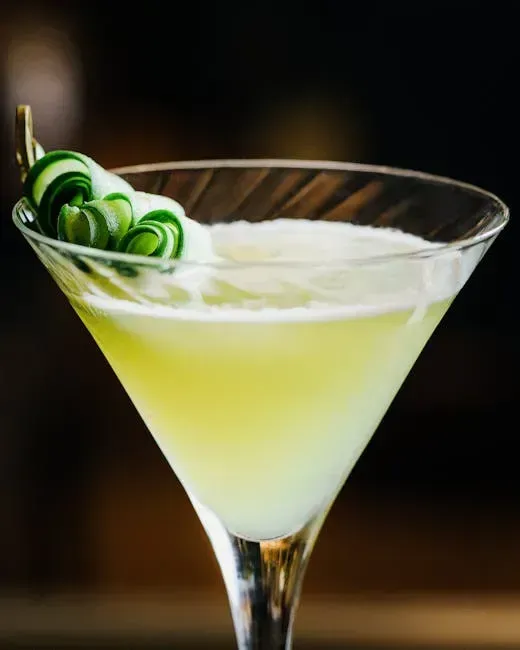
This one came up repeatedly among bartenders who specialize in seasonal menus, and honestly, it’s not hard to see why. The Old Maid is clean, refreshing, and hits that rare sweet spot between serious and fun. Created by bartender Sam Ross, the Old Maid is a mix of cucumber, mint, gin, and lime – a crushable crowd-pleaser with a refreshing edge. The cucumber and mint bring a cooling element that makes it ideal for patio season and warm-weather sipping.
It’s the cocktail equivalent of sitting in the shade on a hot day. It’s not trying to be clever or complicated; it’s just genuinely pleasant to drink. Some modern classic cocktails have risen to worldwide fame, while others haven’t quite caught on – and the Old Maid falls firmly into that second, quieter camp. That might change soon, though, because bartenders across the country have been quietly putting versions of it on their menus and watching guests fall in love with it on first sip.
The New York Whiskey Sour – A Study in Contrasts
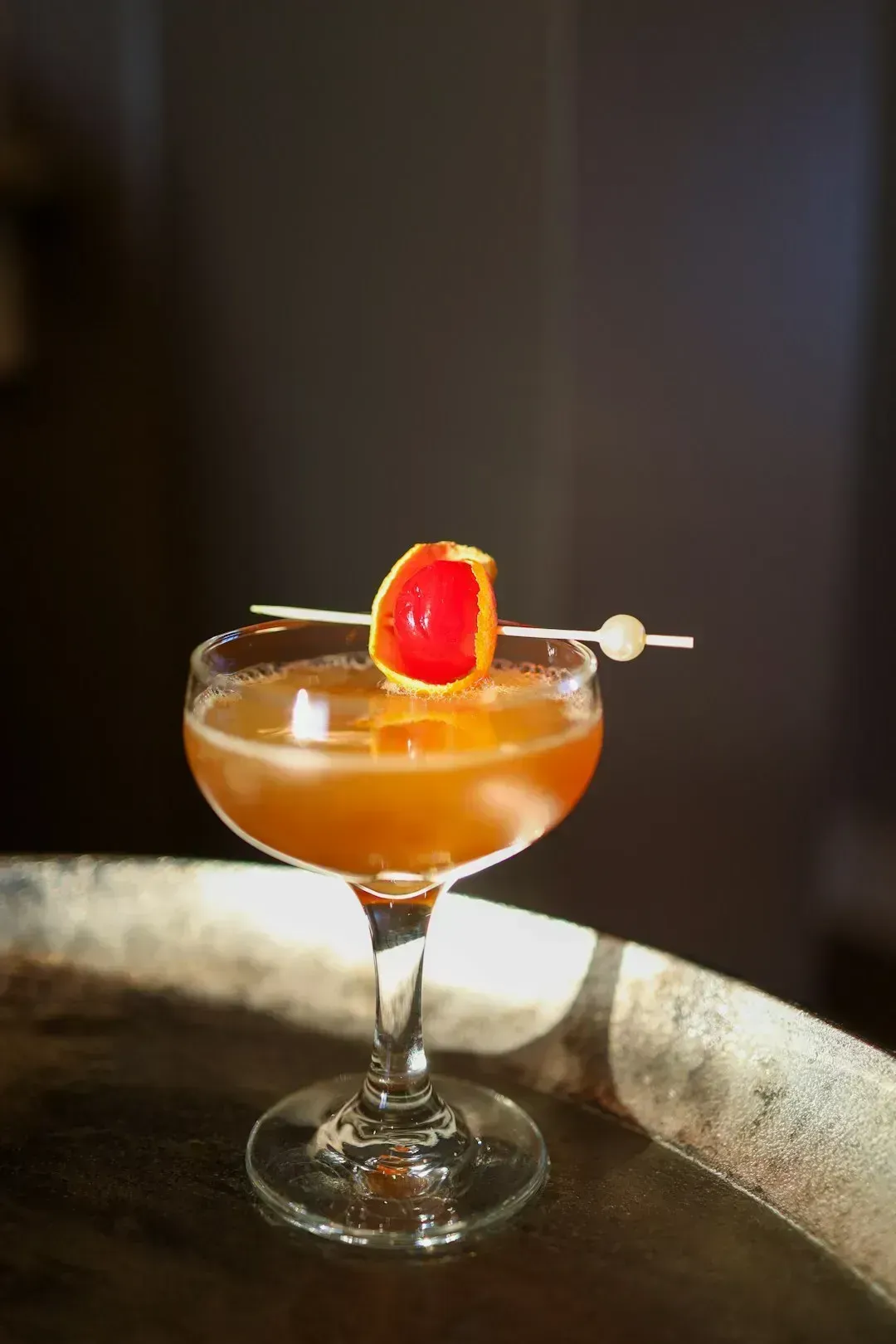
The standard Whiskey Sour is familiar territory. But the New York version? That’s a different story entirely. The New York whiskey sour deserves more attention for its stunning look and complex taste, offering a dynamic twist on the classic cocktail, according to Richie Mello III, the head mixologist and tasting-room supervisor at Heritage Distilling Company.
The key difference is a layer of red wine floated on top of the drink – deep purple against the amber of the sour below. It looks almost too beautiful to drink. Almost. The wine adds a dry, tannic note that plays against the citrus and sweetness of the sour in a way that feels genuinely surprising on the palate. It’s two drinks in one glass, and somehow they make each other better.
It’s hard to say for sure why this version hasn’t gone more mainstream. Maybe it’s the extra step. Maybe people are scared of the visual drama. But in a cocktail era where creative presentations are a significant trend – with the goal of turning a drink into an experience – the New York Whiskey Sour feels perfectly timed for its moment.