Wash Your Hands Immediately After Handling These 10 Items
We touch thousands of surfaces every day without thinking twice. Keys, phones, doorknobs, we grab them all without hesitation. Most of us know about basic hygiene, but how many of us actually connect the dots between what we touch and what ends up on our hands?
The truth is, some everyday objects harbor shocking levels of bacteria, viruses, and other microbes that can make you sick. I’m not talking about the obvious culprits like public toilet seats. The real troublemakers are items we handle constantly but rarely think to clean. Let’s dive into the ten surprising items that should send you straight to the sink.
1. Your Smartphone
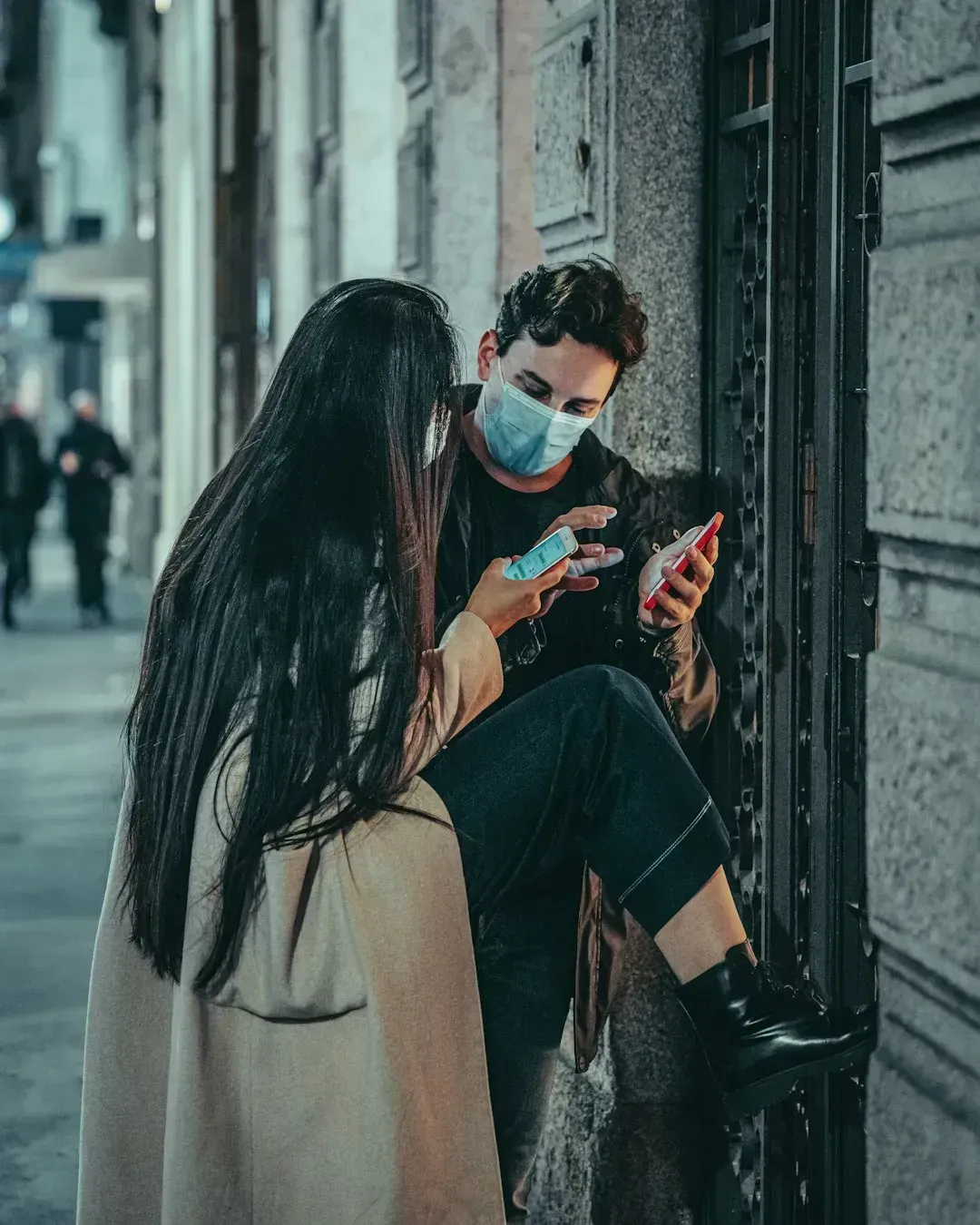
Think about it. Your phone goes everywhere with you. Bathroom, kitchen, subway, restaurant table. You press it against your face, you set it down on questionable surfaces, and then you touch it again. Studies tell a disturbing story about these devices.
Research from 2024 found that 20 mobile phones contained 882 bacteria, 1229 viruses, 88 fungi and 5 protozoa. Let that sink in for a moment. One study found that cell phones carry ten times more bacteria than most toilet seats. Researchers even discovered over 17,000 copies of bacterial genes on phones belonging to high school students.
A study from Rome found Staphylococci were present in roughly four out of five smartphones belonging to healthcare students, with Enterococci detected in more than a third. More than half of smartphones tested in April 2024 were heavily contaminated with microbial contamination, and one in four UK adults admitted that they never clean their smartphone. The warm surface and constant handling create an ideal breeding ground for germs that can cause skin infections, stomach issues, and worse.
2. Kitchen Sponges
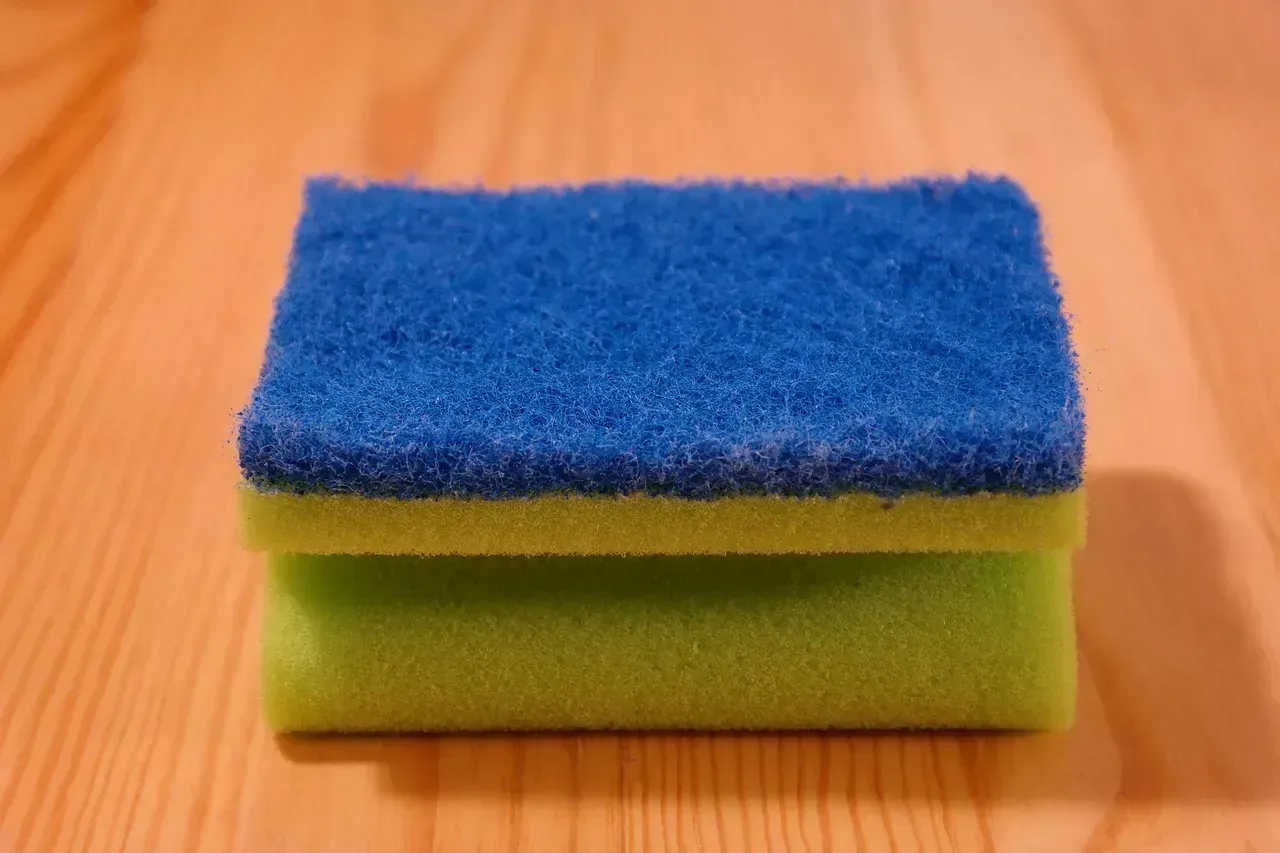
Here’s the thing. The very tool you use to clean your dishes might be the dirtiest object in your entire house. Scientists discovered that a single cubic centimeter of a kitchen sponge could be packed with more than 5 x 10¹⁰ bacteria, which corresponds to about seven times the number of people inhabiting Earth. That number is staggering.
Research found that as many as 200 million bacteria could be living in just 1 square inch of a sponge. The warm, moist environment creates perfect conditions for bacterial growth. Studies have shown that harmful bacteria like E. coli, Salmonella and S. aureus can survive for up to 16 days on kitchen sponges.
Honestly, it gets worse. Sponges that had been regularly sanitized actually teemed with a higher percentage of bacteria related to pathogens than sponges that had never been cleaned. Microwaving or boiling may kill some bacteria, but resistant strains quickly recolonize the abandoned territory. Experts recommend replacing your sponge weekly, not monthly.
3. Shopping Cart Handles

Every trip to the grocery store puts you in contact with one of the most contaminated public surfaces you’ll encounter. Coliforms were detected on 72% of shopping carts tested, and in a sample of 85 random shopping carts, a whopping 50 percent were found to carry E. coli.
When University of Arizona researchers sampled bacterial content on 85 grocery store shopping carts in various West Coast cities, they found that cart surfaces had exponentially more bacteria than what they measured in over 100 public restrooms. Think about that next time you’re wheeling around produce.
The contamination comes from multiple sources. Children with dirty diapers sit in the seats. People handle raw meat packages, then grab the handle. Bird droppings contaminate carts while sitting in grocery store parking lots. Those antibacterial wipes near the entrance? Use them. Your immune system will thank you.
4. Raw Meat and Poultry

This one seems obvious, but people still make mistakes. Raw meats can have invisible amounts of animal feces on them, and these kinds of germs can get onto hands after handling raw meats. Feces from animals is an important source of germs like Salmonella, E. coli O157, and norovirus.
Washing hands with soap and water after handling raw meat isn’t optional. It’s essential. Research indicates that washing hands with warm water and soap for 20 seconds is the most effective method investigated when hands are either dirty or greasy. The proteins and fats from raw meat create a film on your hands that water alone cannot remove.
Cross-contamination in the kitchen causes countless cases of foodborne illness each year. Your cutting board, your phone, your refrigerator handle, any surface you touch after handling raw meat becomes a potential vector for disease. Wash your hands immediately, every single time.
5. Cash and Coins
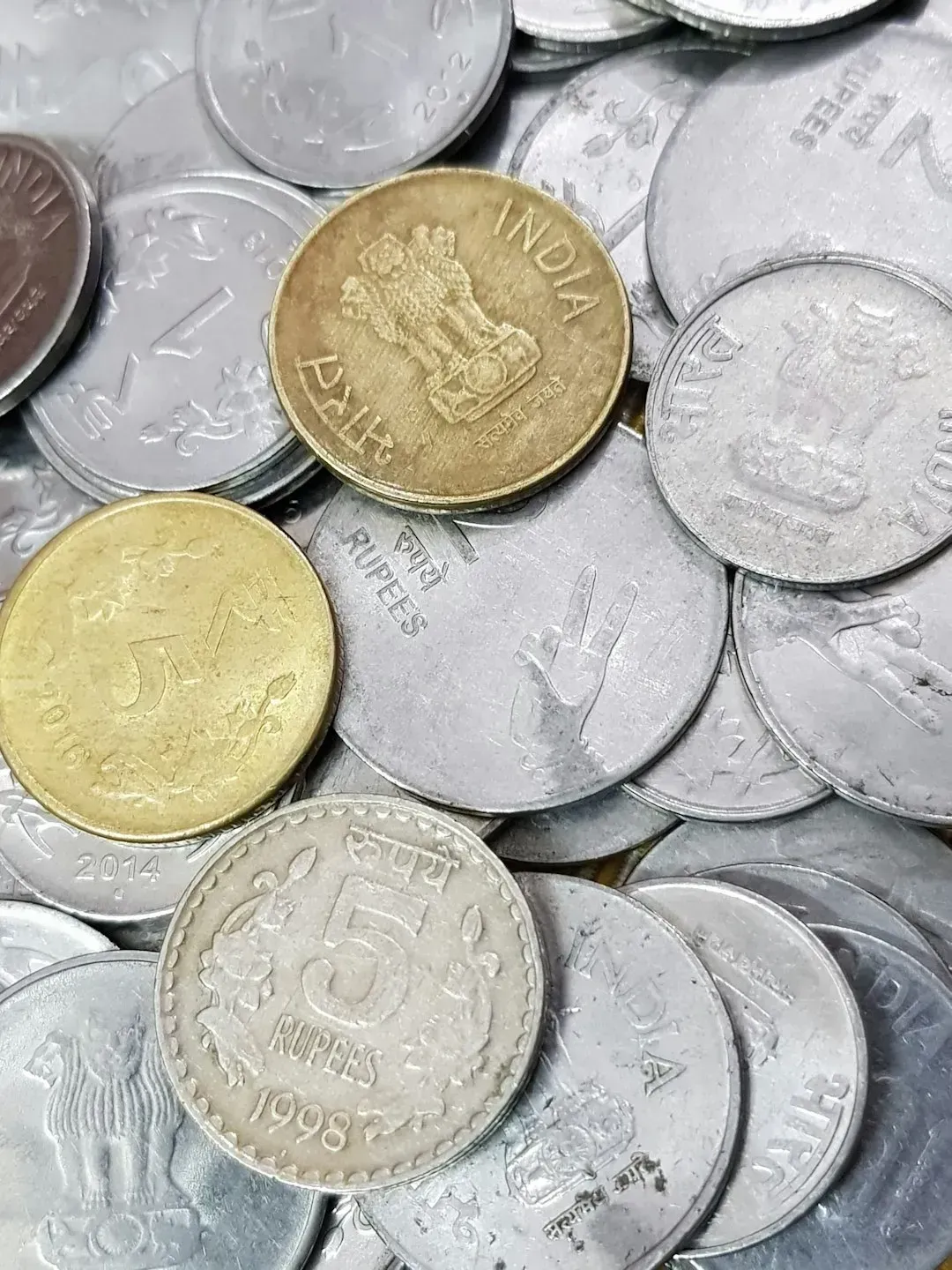
Money changes hands constantly, accumulating a diverse collection of microbes along the way. The average dollar bill in New York City is home to hundreds of species of microorganisms, including dermal bacteria, vaginal bacteria, oral microbes, pet DNA, viruses, and even drugs. That crumpled bill in your pocket has been everywhere.
According to government studies, more than 90 percent of dollar bills harbor bacteria, including some that can cause blood infections, diarrhea, pneumonia, urinary tract and respiratory system infections. Coins aren’t much better, though their metal surfaces may be slightly less hospitable to bacterial growth than paper currency.
Let’s be real, though. We can’t avoid handling money entirely in our cash-based society. The solution is awareness and action. Don’t eat before washing your hands after handling cash. Don’t touch your face. Consider mobile payment options when available.
6. Public Restroom Door Handles
You wash your hands thoroughly in the public restroom, feeling clean and virtuous. Then you grab the door handle to leave. Congratulations, you just undid all that good work. A study revealed that door handles in offices have 30 times more bacteria than a toilet seat.
The problem is simple. Not everyone washes their hands after using the restroom. Estimated global rates of handwashing after using the toilet are only 19%. That means the vast majority of people exit restrooms with contaminated hands, transferring whatever they picked up directly onto the door handle.
Smart people use a paper towel to turn off the faucet and open the door. If no paper towels are available, use your sleeve or elbow. Some newer facilities have foot-operated door openers or automatic doors. Until all restrooms adopt these features, that exit door remains a hygiene minefield.
7. Pet Waste and Food Bowls

We love our furry companions, but they’re also vectors for bacteria and parasites. Cleaning up after your dog or scooping the litter box exposes you to potential pathogens. Feces from animals is an important source of germs like Salmonella, E. coli O157, and norovirus that cause diarrhea.
According to a study conducted by the NSF, pet bowls placed fourth in spots with the most germs in a home. Pet toys also carried staph, yeast, and mold. The moist environment of food and water bowls creates ideal conditions for bacterial growth.
Even if you use bags or gloves when cleaning up waste, microscopic particles can still contaminate your hands. Wash them immediately with soap and water. Hand sanitizer alone doesn’t cut it for this level of contamination because soap and water are more effective than hand sanitizers at removing certain kinds of germs, like Cryptosporidium, norovirus, and Clostridium difficile.
8. Garbage Bins and Trash Bags
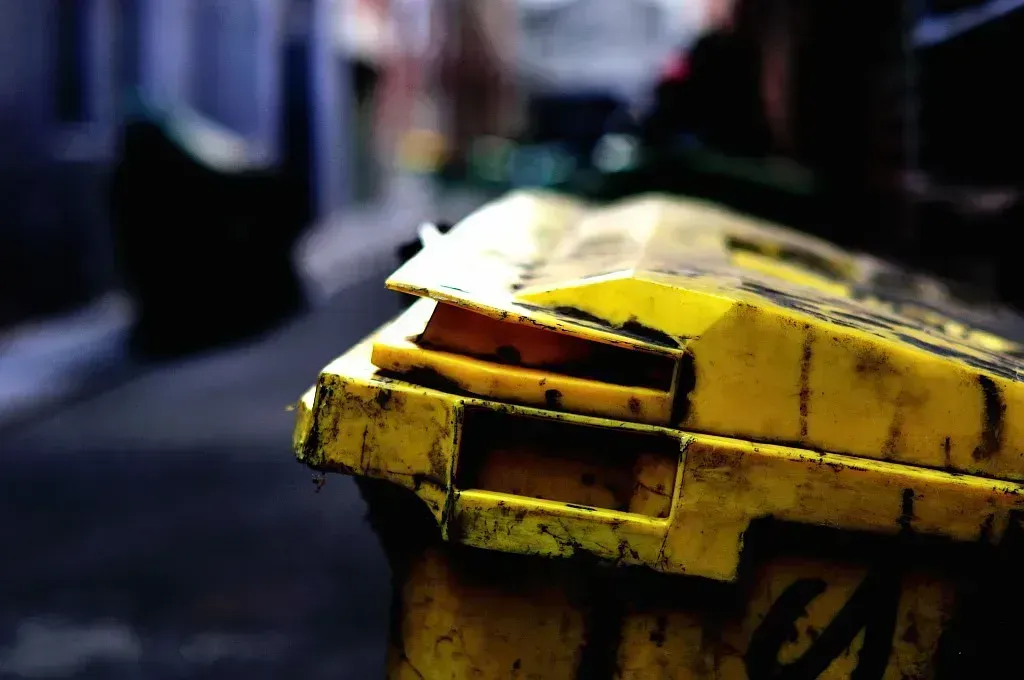
Taking out the trash seems like a quick chore. You grab the bag, tie it up, toss it in the outdoor bin, and you’re done. But consider what you just touched. Garbage bins harbor decomposing food, leaked liquids, and countless bacteria feeding on organic waste.
The handles of both indoor and outdoor trash bins get coated with bacterial films over time. Moisture from decomposing waste creates breeding grounds for pathogens. The smell alone should be your first clue that something biological is happening in there.
After handling garbage bags or touching trash bin lids, immediate handwashing is crucial. The bacteria found in waste can include harmful strains capable of causing infections, especially if they enter your body through your mouth, nose, or eyes. Don’t touch your face until you’ve scrubbed your hands thoroughly.
9. Keyboards and Computer Mice
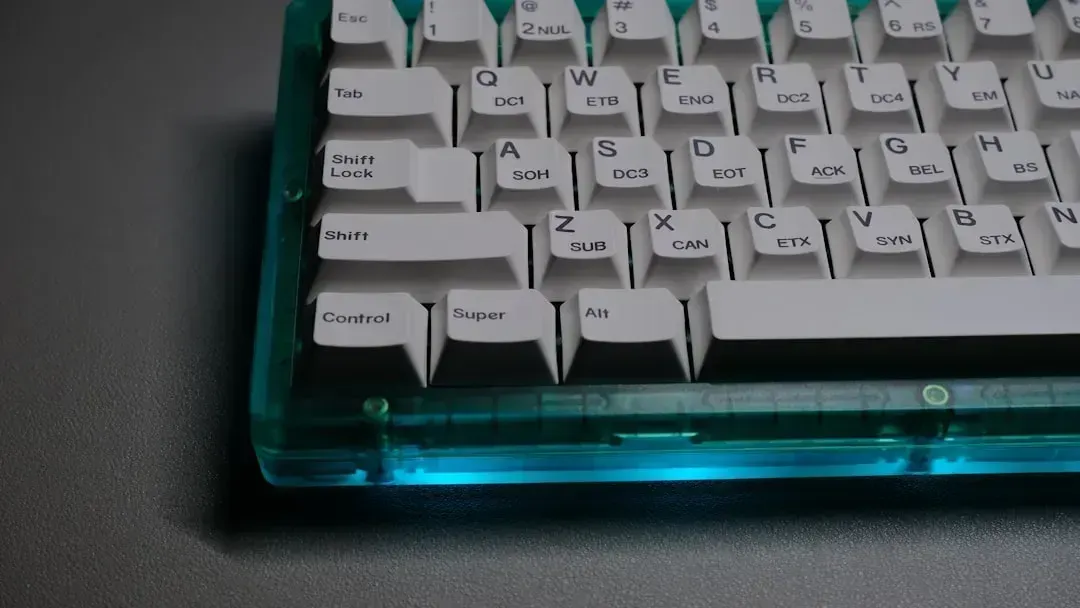
Your workspace might look clean, but appearances deceive. Computers can harbor up to five times the germs of a toilet seat. One study examined keyboards used in hospital settings and discovered they were colonized by bacteria in more than 98 percent of cases.
The tiny crevices between keys offer refuge to food particles, dust, and bacteria, making cleaning particularly difficult. Many of us eat at our desks, dropping crumbs that nourish microorganisms. We sneeze, we cough, we touch our faces, and then we type, creating a continuous cycle of contamination.
Computer mice present similar problems. Studies have identified the presence of Staphylococcus aureus and E. coli on computer mice. In shared office environments, the risk multiplies as devices pass from hand to hand, accumulating diverse bacterial populations.
10. Remote Controls
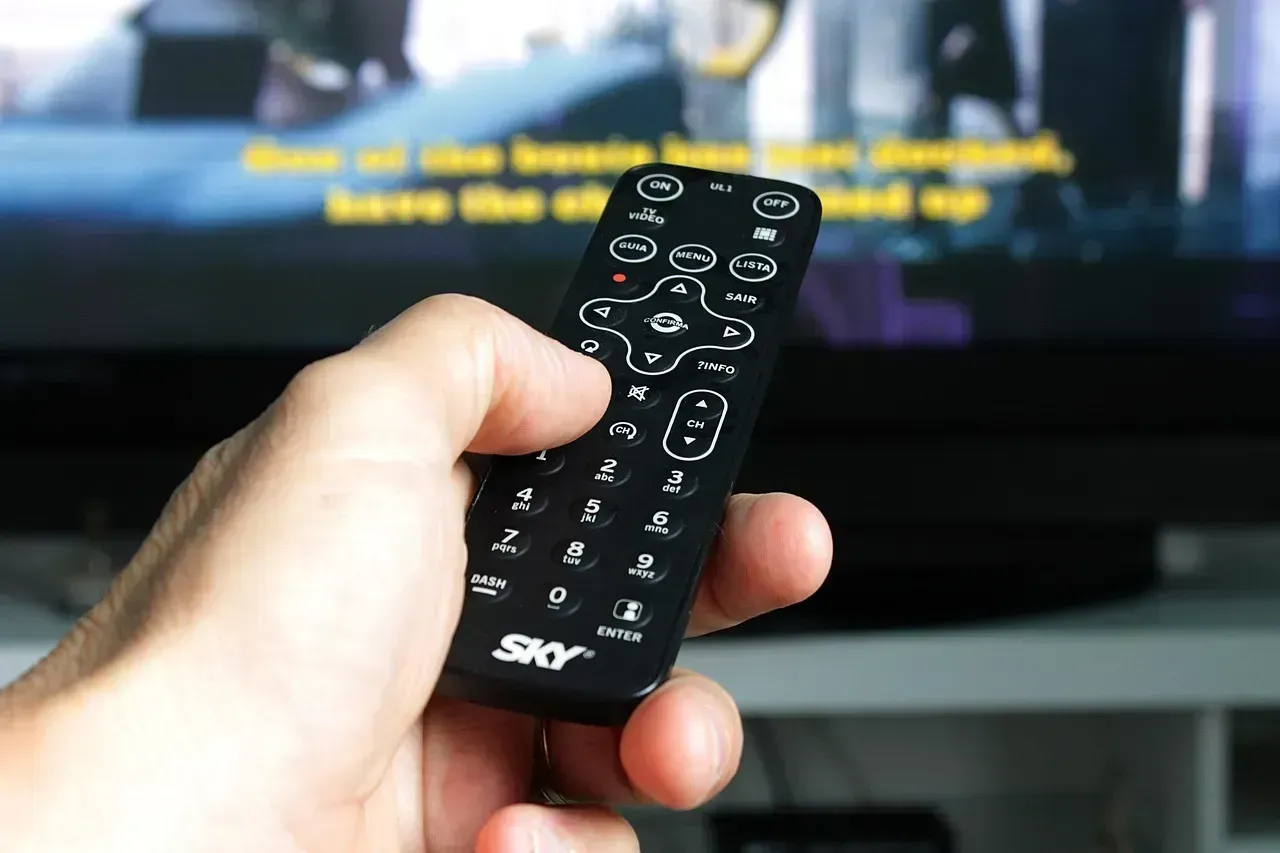
The TV remote sits on your coffee table, passed between family members, dropped on the floor, used while eating snacks. When did you last clean it? Laboratory research discovered that the average remote control carries very high levels of Enterobacter, a type of bacteria found in feces, 15 times higher than a toilet seat.
Each person touches the remote control about 5,475 times per year on average, and a good 25% of people never clean it. That’s thousands of opportunities for bacterial transfer. The buttons and crevices trap skin cells, oils, food particles, and whatever else was on your hands when you grabbed it.
The study also detected moderate levels of yeast and mold, along with Streptococcus. Enterobacter can spread diseases and infections, including bloodstream infections and pneumonia. Wiping down your remote weekly with disinfectant should become part of your cleaning routine.