8 Common Over-the-Counter Medications Doctors Are Now Cautioning Against
You walk into any drugstore today, and the shelves are packed with medications you can grab without a prescription. Seems harmless enough, right? After all, if they’re available over the counter, they must be safe. That’s what most of us assume, anyway. The truth is a bit more complicated. Medical researchers have been digging deeper into the risks lurking behind some of our go-to remedies, and what they’ve found might make you think twice before reaching for that familiar bottle.
Phenylephrine Decongestants: The Medication That Doesn’t Actually Work

In September 2023, an FDA advisory committee concluded that the evidence was clear that phenylephrine is ineffective at its typical oral dosage. Let’s be real, that’s pretty shocking news considering phenylephrine is found in products like Sudafed PE, Vicks DayQuil and Mucinex Sinus-Max. On November 7th, 2024, the FDA announced its proposal to remove oral phenylephrine as an active ingredient listed in over the counter drug product monographs for nasal decongestion due to a lack of evidence of efficacy. Studies revealed that researchers have conducted many more studies on the drug that have shown overwhelmingly that the oral formulation is clinically ineffective in reducing symptoms of congestion.
The interesting part? Nasal phenylephrine was not included in this review and is effective for nasal congestion. So the spray version works, but those oral pills you’ve been buying? They’re essentially placebos that pharmaceutical companies have been selling for years.
Ibuprofen and NSAIDs: Heart Dangers Hidden in Pain Relief

NSAIDs, including ibuprofen and naproxen, have been linked to elevated blood pressure and cardiovascular risks. This isn’t exactly news to the medical community, but the extent of the risk keeps getting clearer as more research emerges. Heart attack and stroke risk increase even with short-term use, and the risk may begin within a few weeks of starting to take an NSAID.
Ibuprofen and diclofenac were associated with the highest risk of stroke with relative risks of over three times normal. Ibuprofen can also raise blood pressure and has been associated with a higher heart attack and stroke risk, but not as high as diclofenac. The thing is, most people pop these pills without a second thought for headaches, sore muscles, or joint pain. The overall risk is very low for people taking OTC pain relievers on a short-term basis, but it rises with long-term, high-dose use.
Proton Pump Inhibitors: When Heartburn Medicine Harms More Than It Helps

In the United States, PPIs sold over the counter include lansoprazole, esomeprazole, and omeprazole magnesium used for treating stomach and esophagus problems. They work wonders for reflux and heartburn, honestly. The problem arises when people stay on them far longer than intended. Unfortunately, PPIs are often used off-label for extended periods of time.
PPIs are effective, but are tied to a gamut of side effects, including increased risk of osteoporosis, electrolyte imbalance, hip fractures, and vitamin B12 deficiency. Recent studies link them to infections too. The association between PPI use and infection, particularly Clostridium difficile and pneumonia, has been the subject of several studies. Research has associated these medications with an increased risk of fracture, cardiovascular disease, dementia, chronic kidney disease, vitamin and mineral deficiencies, and infection. What started as a quick fix for acid reflux can snowball into something far more serious.
Diphenhydramine: The Allergy Medication Affecting Your Brain

Benadryl is commonly misused, especially by adolescents, and teens often misuse the drug to experience a high or hallucinations. That’s not even the scariest part for everyday users. Over the counter diphenhydramine decreases acetylcholine activity, a prevalent ingredient in cold and cough products, can severely impair memory and thinking.
This becomes especially problematic for older adults. The prescription medications used to improve memory in Alzheimer’s increase acetylcholine, while over the counter diphenhydramine decreases acetylcholine activity. You’re essentially working against your own brain chemistry. The drowsiness you feel isn’t just a side effect, it’s a sign of what’s happening to your cognitive function.
Acetaminophen: Liver Damage Lurking in Your Medicine Cabinet

Most people think acetaminophen is the safer alternative to NSAIDs. It doesn’t cause the stomach problems or heart risks, so what’s the issue? The liver, that’s what. Acetaminophen overdose is the leading cause of acute liver failure. Here’s the thing that catches people off guard: Many people don’t realize that cold medicines contain acetaminophen, so if you take cold medicine in the morning and later reach for Tylenol to relieve a headache, you could unintentionally exceed the safe limit.
Acetaminophen can cause liver toxicity and interfere with blood thinning therapy. Acetaminophen can cause liver damage if the daily limit of 4,000 milligrams is exceeded, or if you drink more than three alcoholic drinks every day. It’s easy to accidentally overdose when it’s hiding in multiple products you’re taking simultaneously.
Naproxen: The NSAID That’s Slightly Better But Still Risky
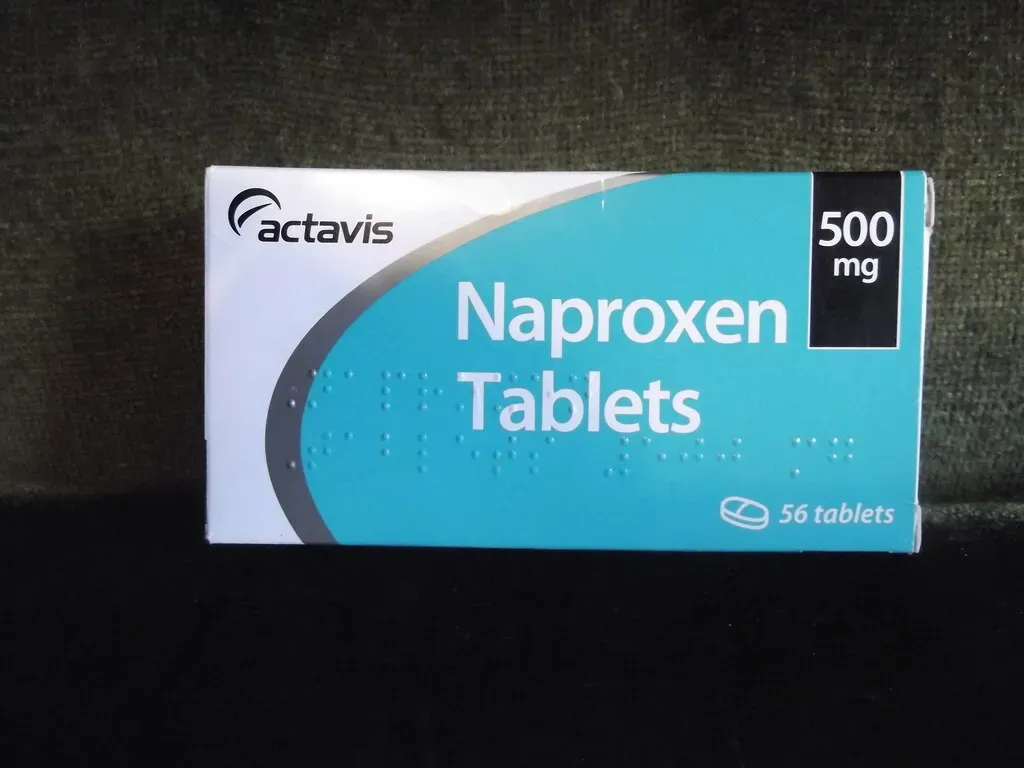
Naproxen carries a lower cardiovascular risk than ibuprofen or diclofenac, but is not entirely risk-free. Many doctors actually prefer naproxen when an NSAID is absolutely necessary because the cardiovascular dangers seem less pronounced. Naproxen seems to show less cardiovascular events than other commonly used NSAIDs, possibly because it mimics the activity of acetylsalicylic acid.
Non-steroidal pain relievers such as naproxen can impair kidney function, cause blood thinning and make heart failure worse. So while it might be the “safest” option in its category, that’s a relative term. The risks are still there, just potentially dialed down a notch compared to its cousins.
Laxatives: When Regularity Becomes a Problem

Laxatives are another OTC medication that people lean on far too heavily. Individuals with eating disorders often abuse laxatives as a form of weight control, and abuse of these medications can result in serious physical issues, including increased potential for stroke or heart attack, gastrointestinal issues, liver or kidney damage, significant issues with dehydration.
Even people using them as directed can run into trouble with chronic use. Your body adapts, and suddenly you can’t function normally without them. The digestive system becomes dependent, electrolyte balances get disrupted, and dehydration becomes a real concern. What seemed like a simple solution to occasional constipation transforms into a vicious cycle that’s hard to break.
Dextromethorphan Cough Suppressants: Recreational Misuse and Real Dangers
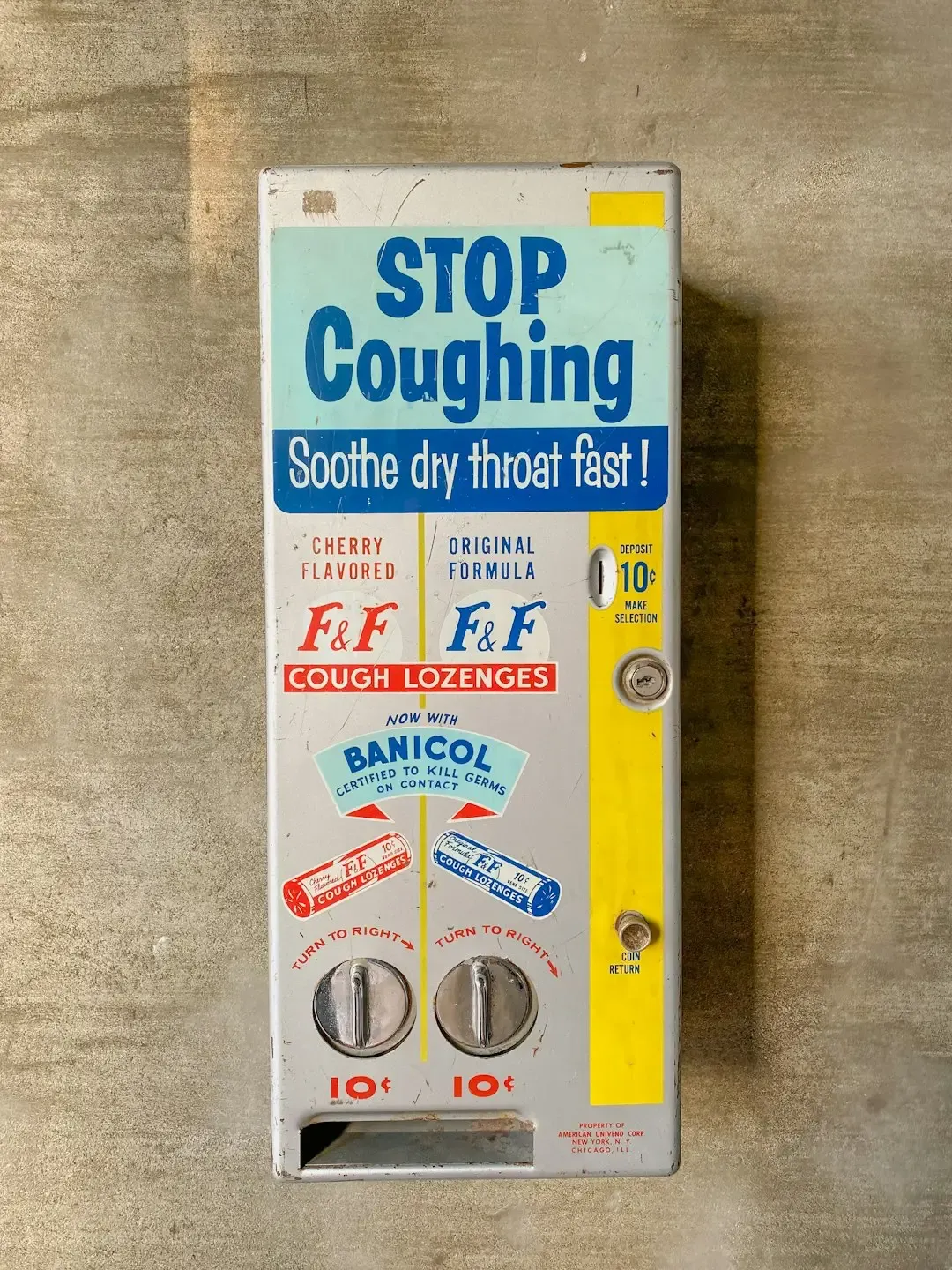
Cases of dextromethorphan abuse that were reported to poison control centers increased sevenfold from 1999 to 2004, with most reports involving teenagers aged fifteen and sixteen. The abuse potential is real, with kids calling it “robo-tripping” after the brand name Robitussin. Often DXM is sold in products that combine it with acetaminophen, which is known to produce liver damage at high doses, leading to brain damage and development of significant substance use disorders.
Estimates suggest that about one in ten teens have abused cough syrups. Even for those using it properly, When treating a patient for a drug overdose, it’s important to screen for multiple drugs, because many OTC cough and cold medications contain more than one active ingredient, and overdoses can occur with combinations of OTC, prescription, and illicit drugs.
The takeaway here isn’t to panic and throw away your entire medicine cabinet. It’s about being smarter with what we take. Read labels carefully, understand what you’re actually swallowing, and question whether you really need that medication or if you’re just reaching for it out of habit. Talk to your doctor or pharmacist, especially if you’re taking something long-term. These medications earned their place on pharmacy shelves for good reasons, but they’re not the harmless quick fixes we’ve been led to believe. What do you think about it? Tell us in the comments.