A Flight Attendant Shares 6 Simple Habits That Instantly Make Passengers More Likable
Most passengers board a plane thinking about one thing: getting to their seat as quickly as possible. What they rarely consider is the impression they’re making on the crew standing right at the door. Flight attendants notice everything – the subtle gestures, the tone of voice, even how you board the plane. It turns out, the gap between a passenger who crews genuinely enjoy helping and one they simply tolerate often comes down to a handful of small, repeatable habits. None of them require money, special status, or extra effort. They just require a little awareness.
1. Genuinely Return the Greeting at the Door
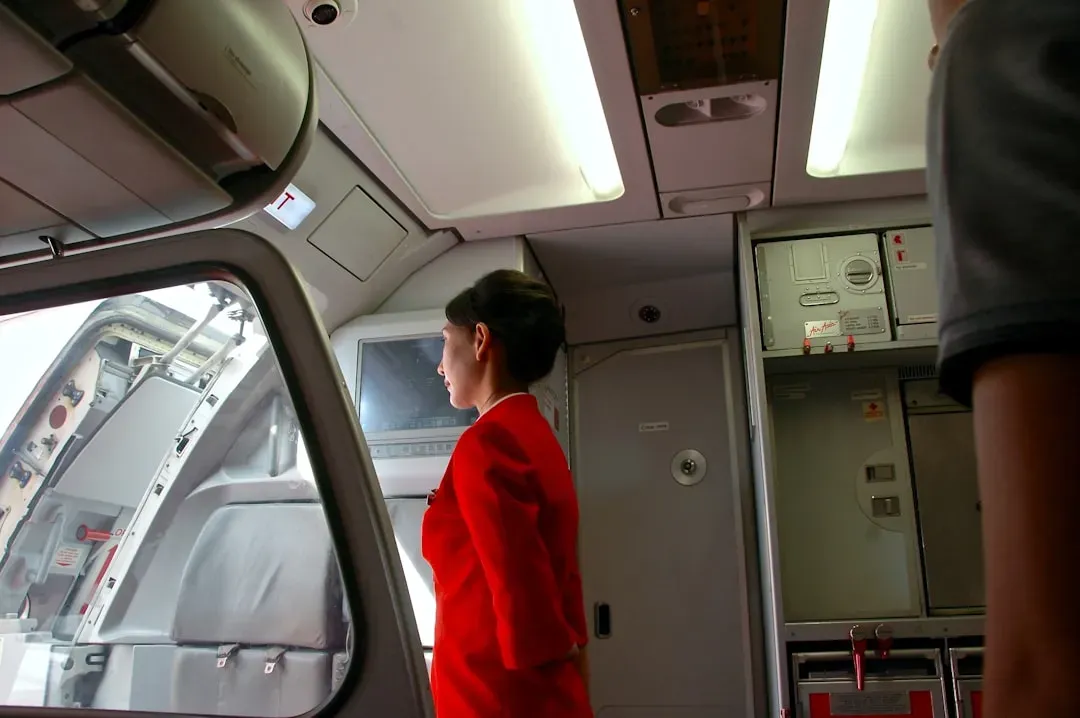
Flight attendants greet you not just out of politeness – they’re secretly assessing your safety and who can help in emergencies. That greeting is their first chance to read your demeanor and gauge if you might be a problem later. So when you walk past with your headphones in and your eyes glued to your boarding pass, you’re not just being rude – you’re also missing a moment that matters more than you’d think. When a crew member smiles and says hello as you’re boarding the plane, returning the sentiment with so many people filing past without acknowledgment makes your sincere hello stand out – in a good way.
Kindness can go a long way. Airline jobs have become more stressful than ever, and establishing yourself as someone other than “just another rude and annoying passenger” can add a little joy to the day of a flight attendant. The data backs this up too. 2024 was a difficult year for airlines, as they faced well over 1,000 unruly passenger incidents. According to the FAA, airlines reported over 2,102 cases of unruly passengers – up 1% from 2023, where 2,076 were reported. Against that backdrop, a warm hello genuinely stands out.
2. Pay Attention During the Safety Demonstration
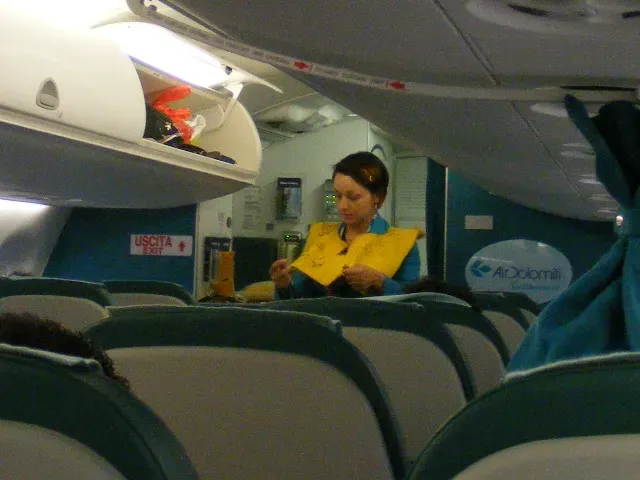
Paying attention signals something important: you respect the crew’s primary responsibility, which is your safety. Flight attendants take their duties very seriously, and it is very important to follow the instructions of the crew at all times. In fact, it is illegal not to, and can result in fines or even being banned from an airline. Most seasoned travelers tune out the moment the demo begins, reaching for their phones or sinking into their seat. That behavior is noticed, and not favorably.
Despite what you may think, a flight attendant’s job is to keep you safe, not serve you drinks. Listen to their briefings, respect their orders, and please take your headphones off when they’re talking to you. As a rule of thumb, just slide your headphones off while flight attendants talk you through safety protocols and whenever you see a cart approaching – that way, you won’t get frustrated when you miss out on snacks either. It’s a small act of respect that crews genuinely register.
3. Handle Your Own Luggage – or Ask Politely
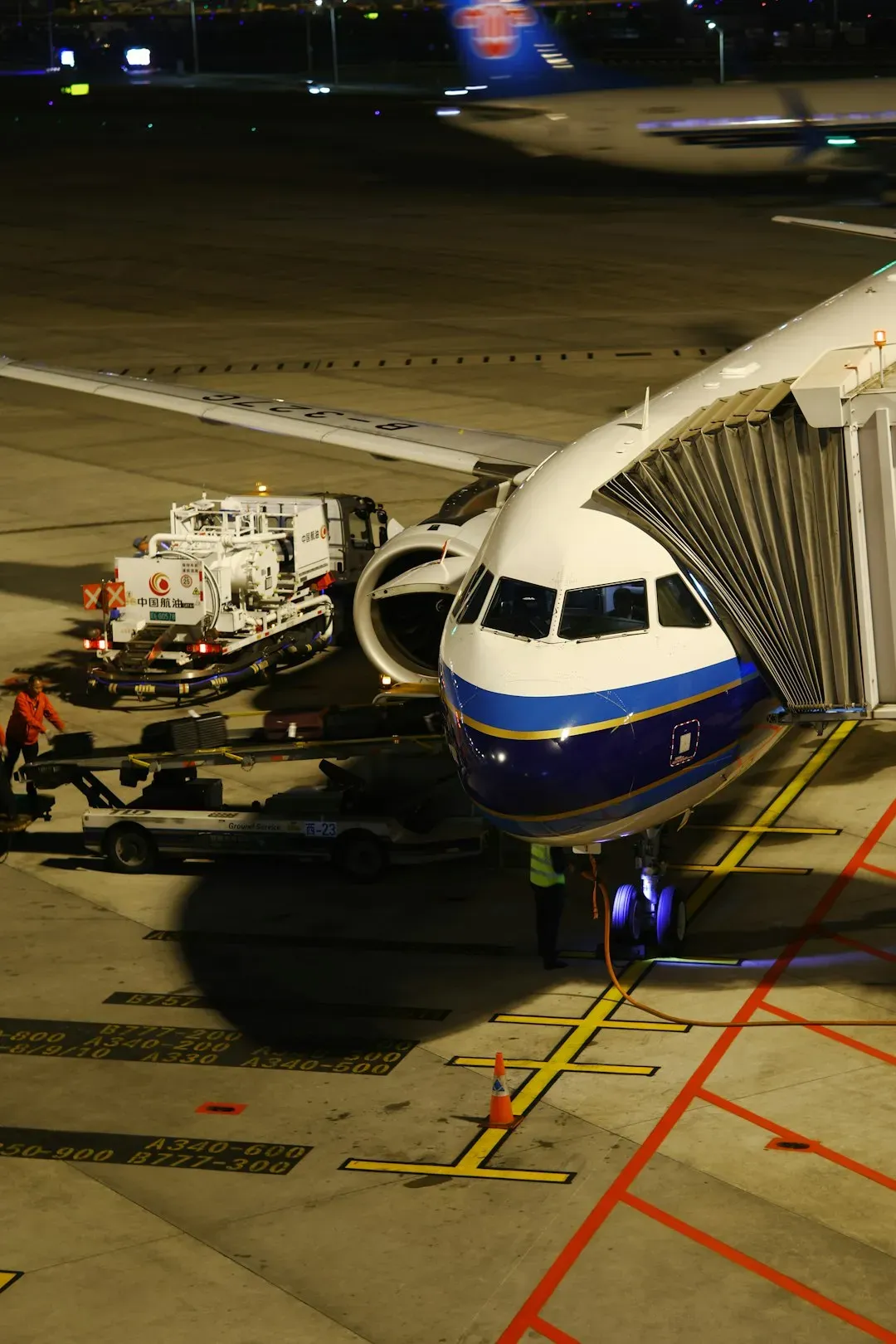
As the saying goes among crew members, “You pack it, you stack it” and “You bring it, you sling it.” Flight attendants are not required to lift bags for passengers, and if a bag is too heavy, they risk injury – without coverage for on-the-job injury. This is one of the most common friction points between passengers and cabin crew, and it’s almost entirely avoidable. One of the top complaints from cabin crew is that passengers bring on carry-on luggage that is way too heavy, and then they expect the crew to lift it over their heads into the overhead compartments.
If you genuinely need assistance, ask kindly. Don’t just stand there expectantly with your overstuffed roller bag, waiting for someone to swoop in. A polite “Would you mind helping me with this?” goes much further than a silent stare. The crew will help if they can, but respecting their physical limits shows consideration that doesn’t go unnoticed. The ask itself, when done with grace, can actually make you more likable rather than less.
4. Use Basic Manners When Ordering
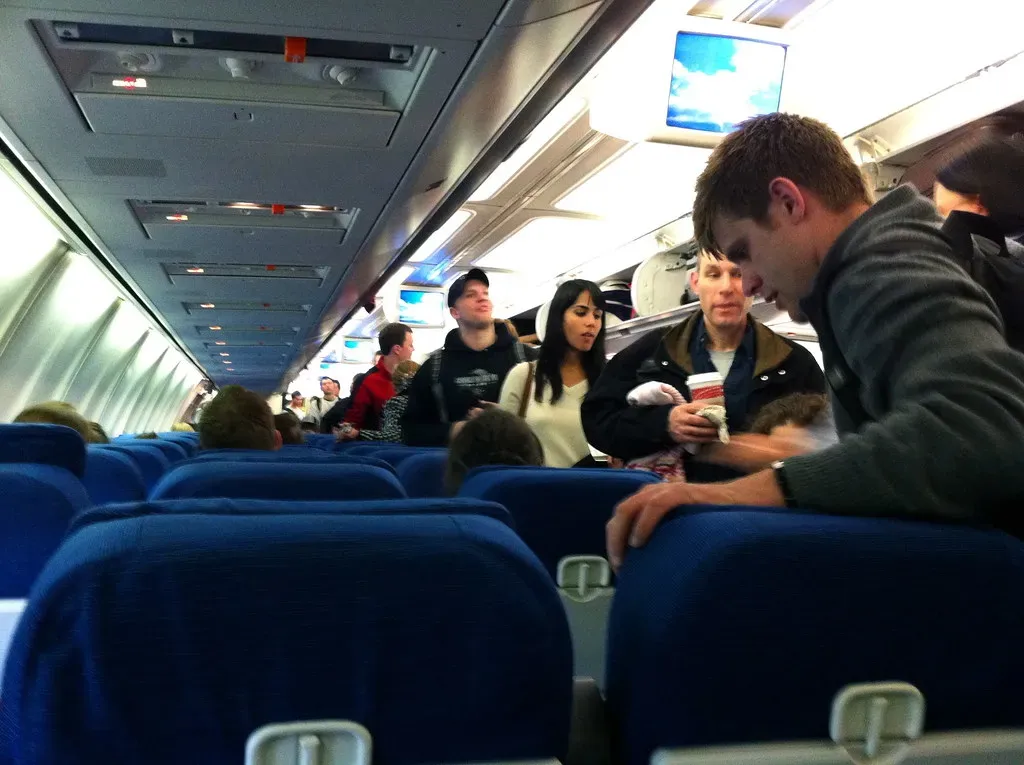
Simply put, manners matter. “People who actually speak to me when I ask them what they’d like to drink is beginning to become a thing of the past,” says Heather Poole, who has worked for a major U.S. carrier for 20 years. “So when a passenger says please and thank you to me, I want to give them more water and extra snacks.” The difference between barking “coffee” and saying “Could I have a coffee, please?” is about two seconds – but the impression it leaves lasts the entire flight.
Flight attendants love it when you say “Can I have a ginger ale, please” instead of just “ginger ale.” If you use basic kindness and manners, it is noted because not every passenger does. Flight attendants also appreciate when you ask for everything you want all at once, rather than pressing the call button repeatedly for one item at a time. Consolidating your requests and adding a please shows you understand their workload – and that alone sets you apart from the crowd.
5. Don’t Touch, Poke, or Pull to Get Attention
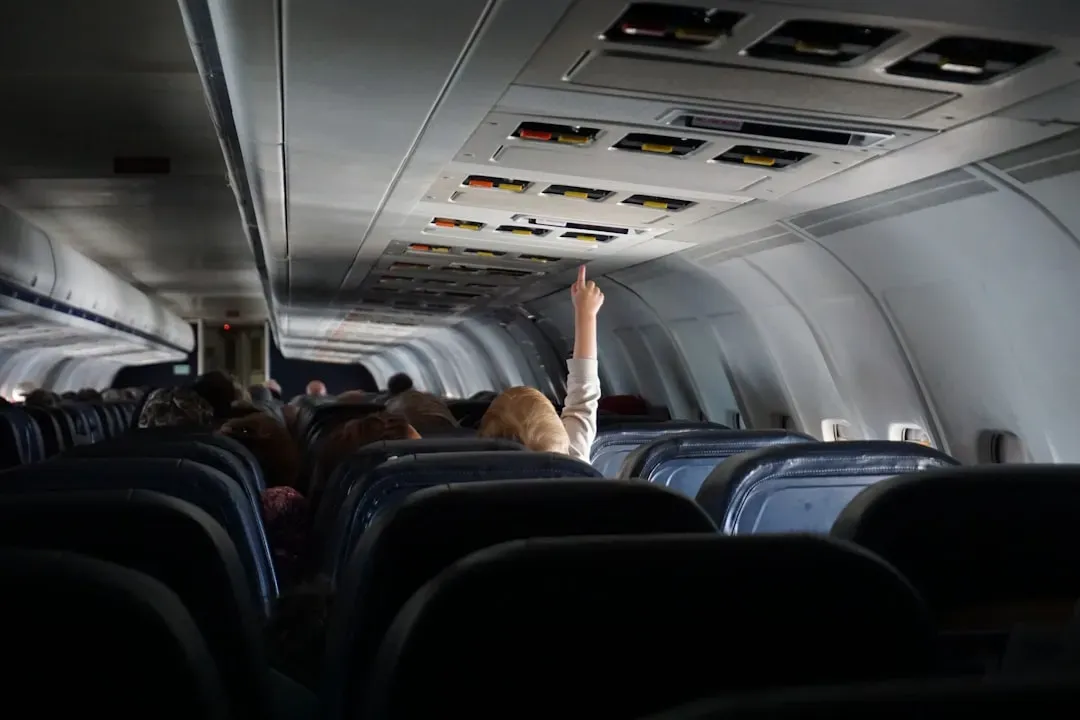
None of a flight’s delays or frustrations are the flight attendant’s fault, so don’t take it out on them. A “hello” or “good day” is always appreciated when boarding. But beyond that, there’s a physical boundary that passengers cross more often than they realize. You’d be surprised at how much physical intrusion happens on flights. Flight attendants get poked or have their aprons pulled pretty much every flight, and it’s one of the biggest pet peeves in the profession.
Dealing directly with passengers and standing for long periods can be stressful and tiring for flight attendants. Occasionally, flights encounter air turbulence, which may make providing service more difficult. Handling emergencies and unruly customers also may be difficult and stressful. Cabin crew are already managing a physically and emotionally demanding environment. They must possess strong communication skills and the ability to handle diverse and sometimes challenging passenger interactions while maintaining a positive demeanor. Respecting their personal space costs you nothing and earns you immediate goodwill.
6. Say Thank You When You Leave
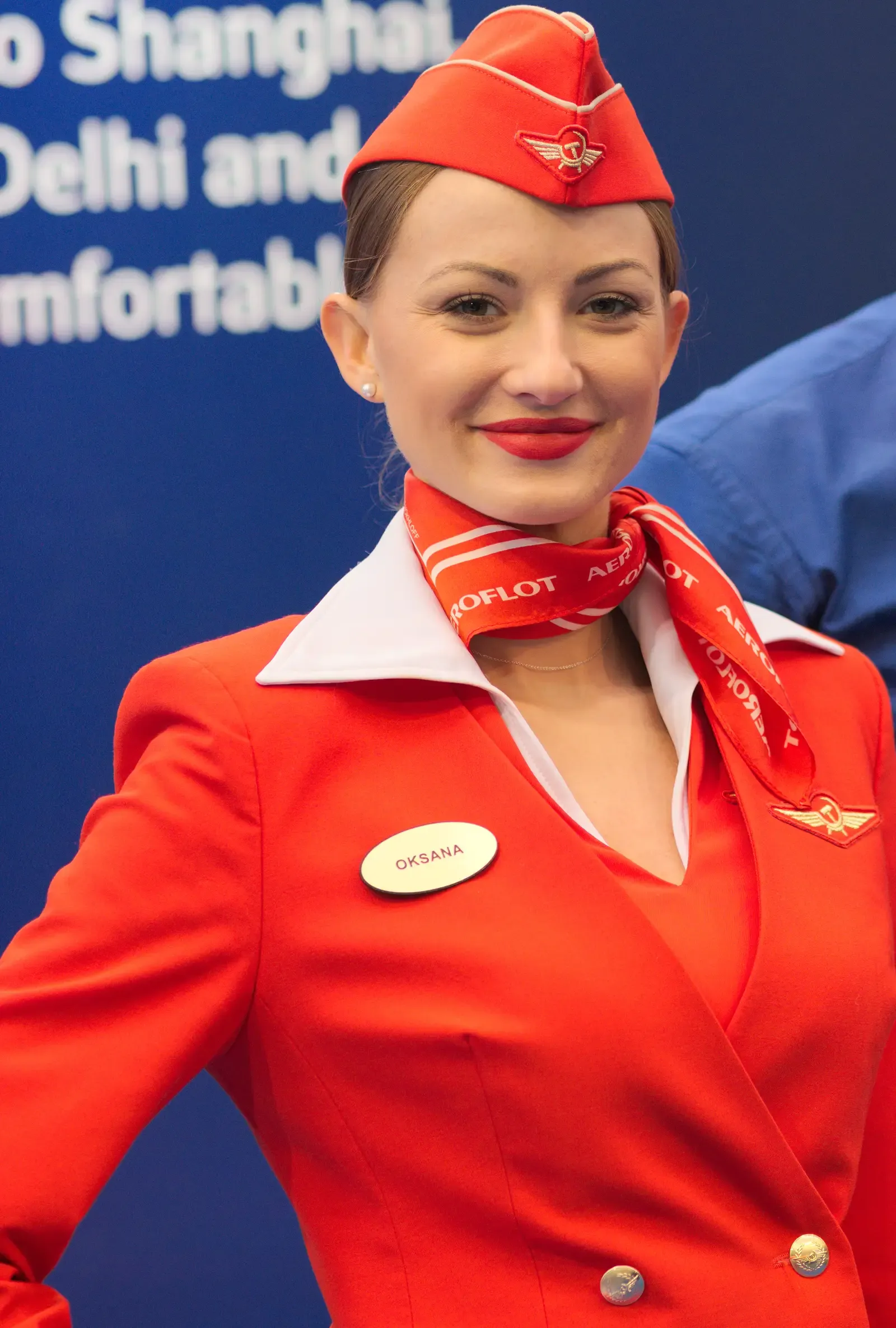
Even a simple “thank you” can mean a lot. Flight attendants work long hours and appreciate when passengers recognize their effort to provide a comfortable experience. Flight attendants often spend up to 14 hours in the air, managing hundreds of passengers across a single trip. A goodbye and a genuine expression of thanks as you deplane is something remarkably few passengers actually offer – which makes it all the more meaningful when someone does.
The median annual wage for flight attendants was $67,130 in May 2024, and flight attendants also want passengers to know that the flight crew doesn’t get paid on the ground. “So that flight attendant greeting you at the boarding door? Not being paid,” says veteran flight attendant Heather Poole. Knowing that, a two-second “thank you, have a great day” as you walk off the jet bridge carries real weight. It acknowledges a person doing a job that is far more complex and demanding than most passengers ever stop to consider.