Planning a Trip to Mexico in 2026? The Safer Places to Visit – and the Areas Many Travelers Avoid
Mexico draws tens of millions of visitors every year, and the reasons are obvious: colonial cities, white-sand beaches, ancient ruins, world-class food, and a warmth of culture that’s genuinely hard to match. But the country also carries a complicated reputation, one shaped by headline-grabbing violence, State Department warnings, and social media panic that often blurs into a single, distorted picture. The reality is far more nuanced. Mexico is large and varied, and threat levels are not uniform across the country. Places with the highest crime rates are often outside the most popular tourist zones; in particular, the dangers facing beachgoers in most resort areas remain fairly low. That said, some destinations genuinely warrant serious caution. Here is a clear-eyed look at where things stand heading into 2026.
The Overall Advisory Picture in 2026
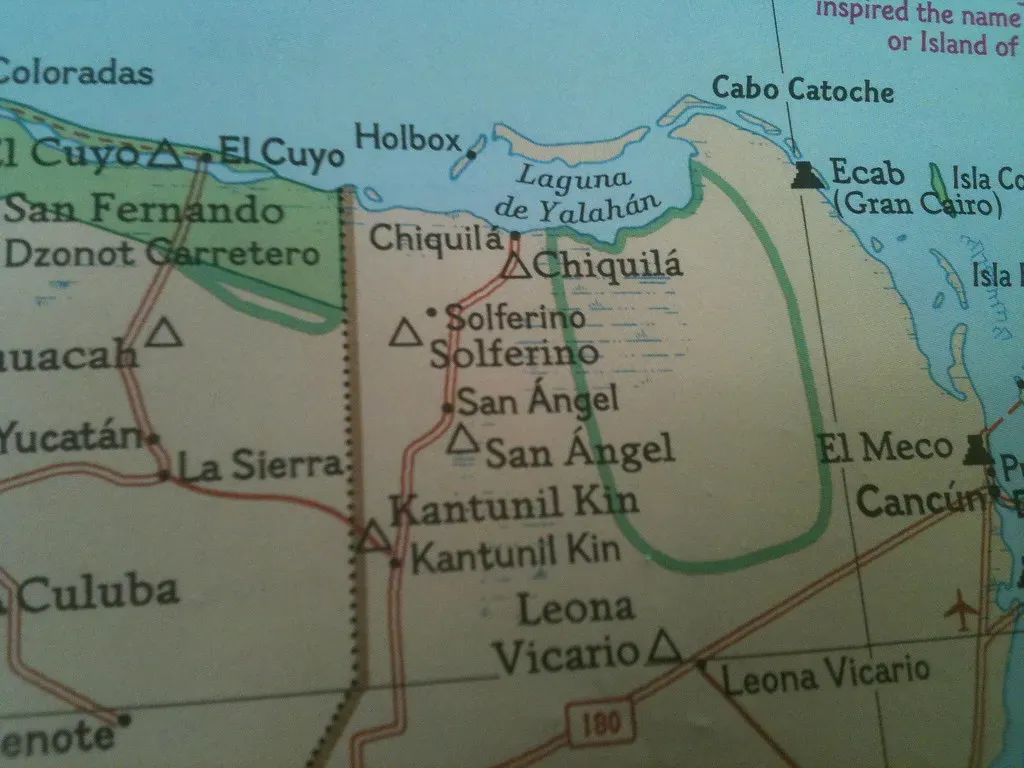
As of February 25, 2026, the overall travel advisory for Mexico sits at Level 2: Exercise Increased Caution. That sounds alarming until you consider the context. Level 2 is the rating for Italy, Spain, France, the UK, Germany, and most of Western Europe. It means “petty crime exists, be aware” – not “you might get kidnapped.” Where things get more serious is at the state level, because the U.S. State Department rates each of Mexico’s 32 states individually. The primary threats, according to the U.S. government, are terrorism, crime, and kidnapping. Though the Level 2 designation remains unchanged from the most recent U.S. assessments, the terrorism part is new. This addition came after six Mexican cartels were classified as foreign terrorist organizations by the United States government.
The State Department supplies an individual risk assessment for each of the country’s 31 states to give some nuance to Mexico’s overall Level 2 rating. It’s a critical distinction that many travelers miss. The advisory rates states, not cities. A state with 100 municipalities might have cartel activity in five of them and perfect safety in the other 95 – but it still gets one single rating. Travelers who understand this are far better equipped to make smart decisions about where to go. Homicides across Mexico declined almost 25% annually in the first nine months of 2025, according to data presented by Marcela Figueroa Franco, head of the National Public Security System – a meaningful trend that rarely makes international headlines.
The Safest Destinations: Yucatán and Campeche
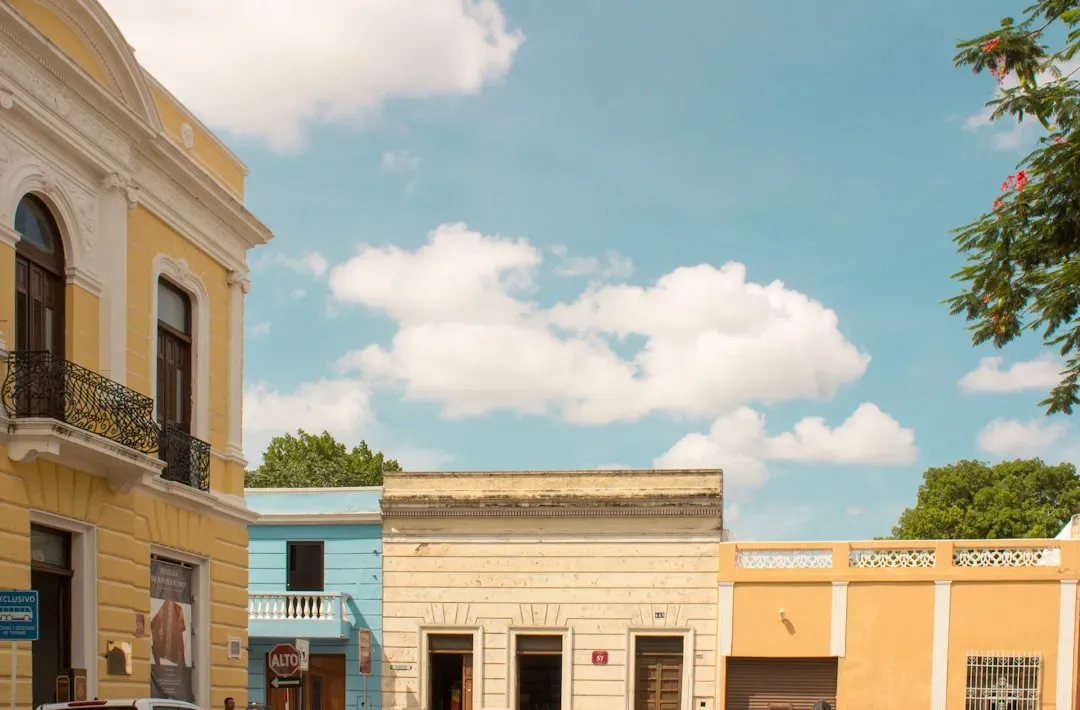
The State Department gives its mildest Level 1 safety advice – “Exercise normal precautions” – for travelers headed to two states bordering the Gulf of Mexico: Campeche and Yucatán. These are the only two states in all of Mexico to receive that designation. Yucatán remained Mexico’s most peaceful state for the eighth year in a row, followed by Tlaxcala, Durango, Chiapas, and Nayarit, according to the Mexico Peace Index 2025. The city of Mérida, the state capital, sits at the center of this story. In July 2025, the National Public Security System released crime statistics for Mérida, and the city’s crime rate is about 100 crimes per 100,000 people. Mexico’s average crime rate is 632.1 crimes per 100,000 people. Much of Mérida’s crime is minor, like pickpocketing, while the country overall deals with a larger number of more violent crimes.
Mérida sits away from major drug-trafficking corridors and smuggling routes – it is far from the borders with the U.S. where contraband is being smuggled, and it’s not a place with the same level of tourism and party scene like Tulum and Cancún where a young tourist presence drives up the demand for drugs and leads to territory wars between cartels. For travelers looking for colonial architecture, Mayan heritage, and genuine everyday Mexican culture, the Yucatán Peninsula is the gold standard. Yucatán state is the safest state in Mexico, culturally very different from other parts of the country, and home to Mexico’s safest city. Campeche is the least visited state in the tristate area, still fairly underrated and untapped, and also considered very safe.
Strong Tourism Corridors: Quintana Roo, Los Cabos, and Oaxaca
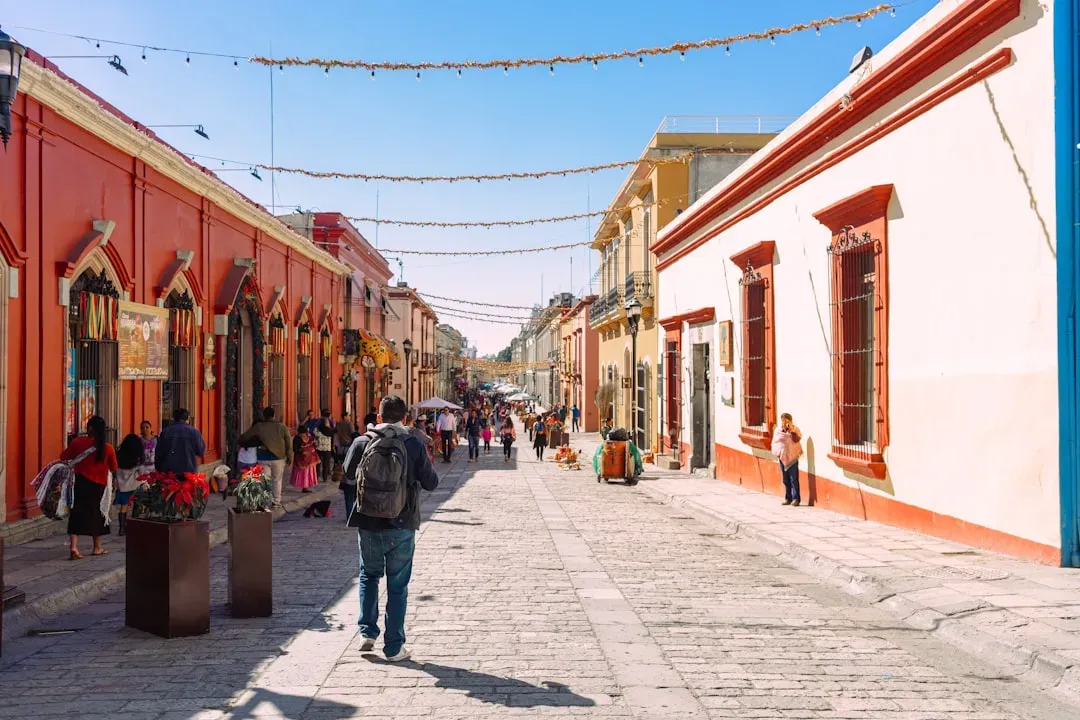
Mexican states with popular tourism destinations that fall under the “exercise increased caution” category include Baja California Sur (where Cabo San Lucas and San José del Cabo are), Mexico City, Nayarit, Oaxaca, and Quintana Roo (where Cancún, Playa del Carmen, Tulum, Isla Mujeres, and Cozumel are). These are Level 2 designations – the same rating applied to France and the UK. Located at the tip of Baja California Sur, Los Cabos operates almost like a bubble. Because it is geographically isolated from the mainland’s “hot zones,” it remains one of the most secure tourist corridors in the country. Security investment has been real and visible. One of the biggest examples was the statewide holiday deployment of roughly 7,000 personnel focused on tourist areas, highways, and high-traffic corridors in Quintana Roo, so travelers naturally noticed more patrols in places like the Hotel Zone and near nightlife hubs.
Cancún and the Riviera Maya remain enormously popular, and for most visitors, they remain safe. Still, nuance matters here too. There are criminal organizations in operation in parts of Quintana Roo, and in recent years, opposing groups have been fighting over the territory. While tourists are never the targets of these clashes, there have been a few fatal incidents where tourists were caught in the crossfire. Many of the clashes between crime syndicates have taken place in broad daylight, often in tourist areas and beaches. According to Numbeo, Tulum’s Crime Index sits at 41.67, with a Safety Index of 58.33 – placing it below larger destinations like Cancún (55.43) and Mexico City (67.5), and on par with other popular beach towns in the region.
Cities Worth Visiting That Carry a Higher State-Level Rating
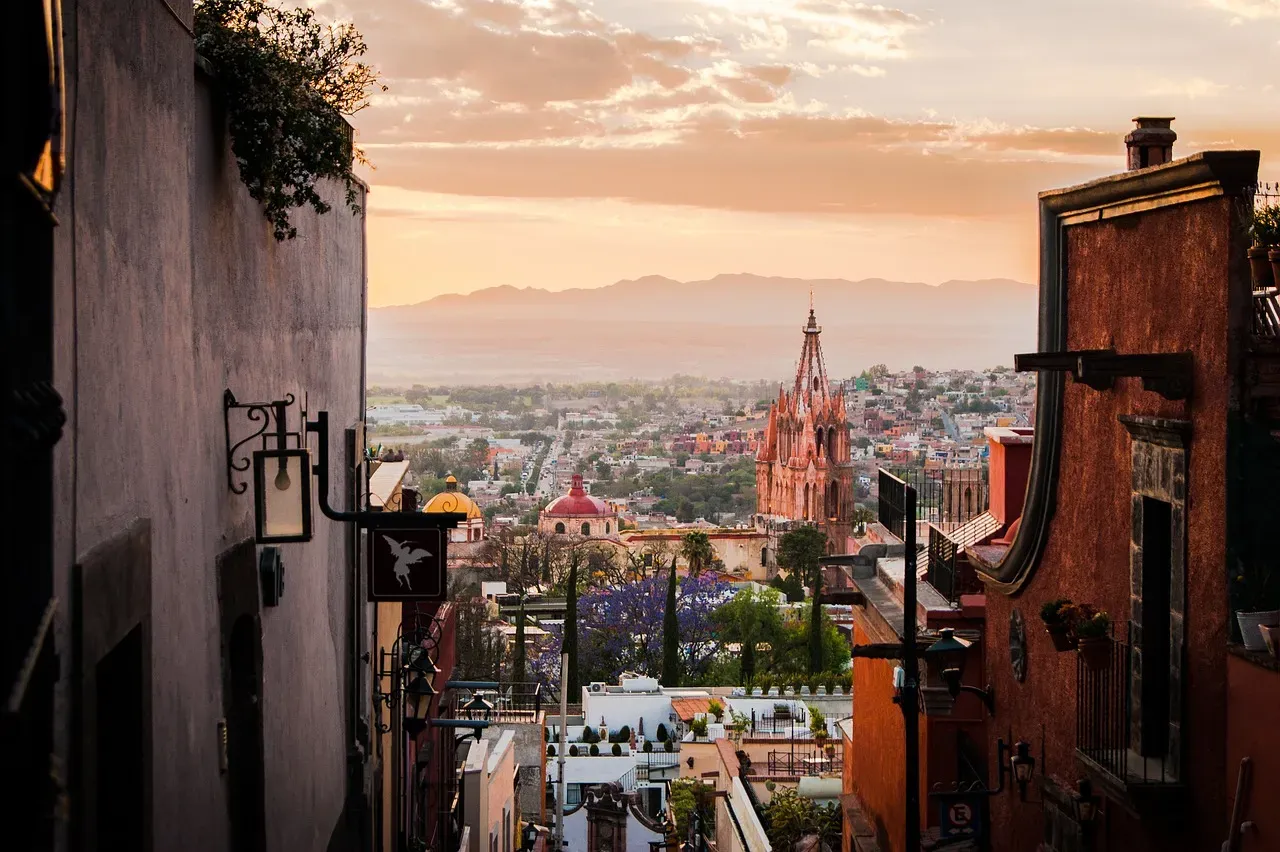
One of the most misunderstood aspects of Mexico’s travel advisories is that some of the country’s most beloved cities sit inside states rated Level 3 – “Reconsider Travel.” That rating reflects conditions in specific parts of those states, not the tourist cities themselves. Guanajuato state is Level 3 – but San Miguel de Allende is one of the safest cities in North America. Jalisco is Level 3 – but Puerto Vallarta has lower crime than most U.S. beach towns. San Miguel de Allende is a good example of the gap between state-level ratings and ground reality. A UNESCO World Heritage site, San Miguel de Allende offers cobblestone streets, vibrant art scenes, and a peaceful atmosphere. Loved by expats and solo travelers, the city has one of the lowest crime rates in Mexico’s central region.
That said, the Level 3 designations in Jalisco and Guanajuato do reflect real security challenges in specific areas, and the situation in early 2026 added fresh complications. Following the death of cartel leader “El Mencho” in February 2026, significant unrest was reported in Jalisco, Michoacán, Baja California, and Guanajuato. Airports in Guadalajara and Puerto Vallarta experienced temporary ground stops due to security concerns, though operations have since resumed. The Guanajuato Level 3 rating reflects fuel theft and cartel activity in specific municipalities including León outskirts, Celaya, and Irapuato. The tourist cities are in completely different areas. Travelers can visit San Miguel de Allende and Guanajuato City with confidence while simply avoiding the industrial corridor municipalities that have no tourist draw.
Areas Many Travelers Avoid: The Level 4 States
Six states have been given a flat “Do Not Travel” warning (Level 4) due to crime and terrorism, according to the State Department: Colima, Guerrero (where Acapulco is), Michoacán, Sinaloa, Tamaulipas, and Zacatecas. The data behind these ratings is stark. Based on homicides per capita, Colima was Mexico’s most violent state between September 2024 and August 2025. The small Pacific coast state recorded 89.2 homicides per 100,000 people. Morelos ranked as the second most violent state with 60 homicides per 100,000 people, followed by Sinaloa (59), Chihuahua (47.8), and Guanajuato (47.6). Acapulco, once one of Mexico’s most glamorous resorts, tells its own painful story. Acapulco recorded 560 homicides between September 2024 and August 2025 – more than 12 times the number in Tulum.
Sinaloa is home to one of the most powerful cartels in the world, and in 2024 the state recorded a homicide rate of 28.9 per 100,000 people. Despite its association with the notorious cartel, Sinaloa also faces violence due to internal power struggles within the organization, as well as conflicts with rival cartels. Tamaulipas carries similar risks along the U.S. border. In January 2025, the U.S. Government issued a Level 4 “Do Not Travel” alert for specific municipalities including Reynosa, Rio Bravo, and San Fernando in Tamaulipas due to cartel violence and kidnapping risks. Crime in Mexico is common and can be violent, ranging from petty street crime to attacks by cartels, criminal organizations, and terrorist organizations. There have been violent crimes in resort areas and tourist spots. In Level 4 states, the U.S. government also has limited ability to assist – government employees themselves are restricted from traveling in many of these areas.
Practical Safety Tips for Travelers in 2026
Regardless of destination, the habits that keep travelers safe in Mexico are consistent and well-established. Do not hail taxis on the street. Use trusted ride-sharing apps. Book taxis through your hotel or an authorized taxi stand. Ride-sharing apps like Uber and Cabify are available and generally safe to use. Drug-related risks deserve special attention. U.S. citizens have become seriously ill or died in Mexico after using synthetic drugs or contaminated prescription pills. Counterfeit pills are often advertised on social media and sold at small pharmacies near the border and in tourist areas. Pills represented as OxyContin, Percocet, Xanax, and others may contain deadly doses of fentanyl. These are not abstract warnings – they reflect documented deaths in recent years.
Pickpocketing and petty theft are the most common issues tourists face, particularly in crowded areas like markets and on public transportation. More serious and violent crimes are less likely to affect tourists who stay in safe areas and exercise caution. While kidnappings and drug crimes do occur in Mexico, they almost never involve American tourists who stay out of high-risk situations. The broader picture for 2026 is one of significant variation within a single country. A national survey at the end of 2025 found that 63.8% of respondents across 91 Mexican cities consider their place of residence unsafe – yet official statistics simultaneously show declines in the incidence of many crimes, including homicide. Traveling between cities only during daylight and using first-class or “executive” buses for inter-city travel remains among the most consistently recommended safety practices from official U.S. government sources.