The “Structural Red Flag”: 7 Signs Your Foundation Is Failing (That Most Buyers Miss)
Most people buying a home are obsessed with the kitchen, the backyard, the number of bathrooms. Totally understandable. Honestly, who walks into an open house and stares at the floor seams? Nobody. That’s the problem.
Your home’s foundation is the single most important structural element holding the whole thing together, and it’s also the easiest thing to overlook during a walkthrough. Some of the clearest warning signals hide in plain sight, dismissed as cosmetic quirks or seasonal wear. What you don’t catch before closing can cost you a fortune after. Let’s dive in.
Sign #1: Horizontal Cracks in the Foundation Walls
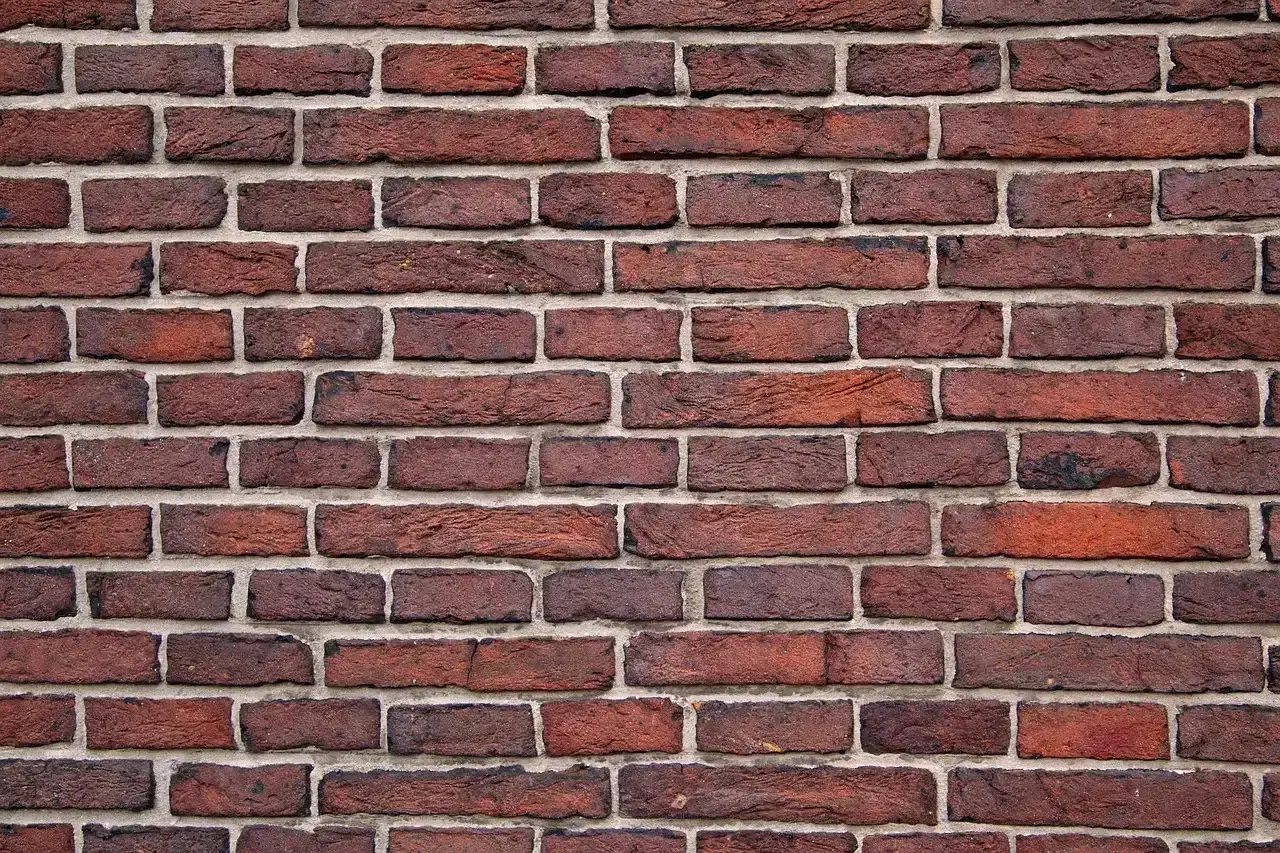
Here’s the thing about cracks: not all of them are created equal. A tiny vertical hairline crack in a poured concrete wall is usually the result of normal concrete curing. Fine. Walk away. But the moment you spot a crack running horizontally across a basement or foundation wall, that’s a different story entirely.
A crack running horizontally across a basement foundation wall demands immediate attention. Unlike narrow vertical shrinkage lines from curing concrete, horizontal fractures signal lateral soil or hydrostatic pressure forcing the wall inward. Think of it like squeezing a sponge from the outside. The ground is pushing inward on your wall, and the wall is starting to lose that fight.
Horizontal cracks are often more serious than vertical cracks, as they can indicate significant foundation issues or structural movement. Typically caused by lateral soil pressure, expansive soil, or water pressure against the foundation wall, horizontal cracks are frequently associated with bowing or bulging walls. A hairline horizontal crack is an early warning sign that soil pressure or moisture is starting to build. When it reaches up to one-eighth of an inch wide, it indicates moderate structural stress and the potential for progressive movement. Wider cracks combined with wall bowing represent a high-risk condition suggesting active lateral pressure and possible structural failure.
Sign #2: Stair-Step Cracks in Brick or Masonry
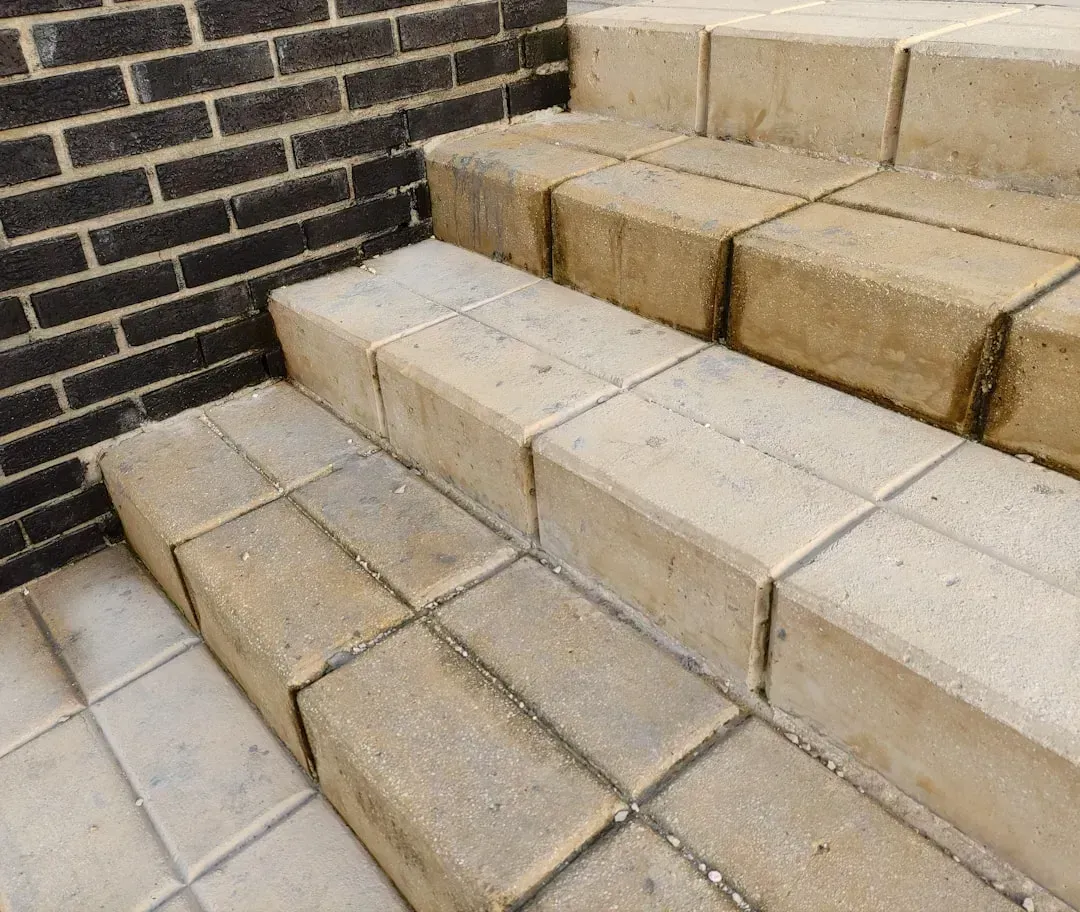
Walk around the exterior of any home you’re considering buying. Really look at the brickwork. That zigzagging crack that follows the mortar joints in a stair-step pattern? It’s not a quirky design feature. It’s the building’s way of telling you the ground beneath it is shifting unevenly.
Stair-step cracks follow a jagged, zig-zag pattern along mortar joints, showing clear evidence of the foundation shifting. If the crack exceeds one-eighth of an inch in width, continues deepening, or new segments appear, the situation constitutes an emergency and booking a licensed foundation engineer is essential.
Stair-step cracks in brick walls or gaps forming between sections of siding are strong indicators that your foundation may be settling unevenly. These cracks typically appear near corners, doors, and windows – areas where structural stress tends to show first. Over time, these visible separations can widen, leading to more extensive exterior damage and even compromising the structural integrity of your home. Most buyers glance at a wall, chalk it up to “old house character,” and move on. Don’t be that person.
Sign #3: Doors and Windows That Stick or Won’t Latch

Let’s be real: a sticking door can seem like the most trivial annoyance in the world. You nudge it, it opens. No big deal, right? Well, it depends. Humidity and aging hardware can cause a door to stick seasonally. Chronically sticking doors, however, are a sign that your foundation may need repair.
Sticking doors are also a common symptom of foundation problems. As the foundation moves, the door frame can become misaligned, making it difficult to open, close, or latch the door smoothly. Similarly, uneven gaps at the top or sides of your doorways can also be signs of foundation shift. The key word here is “multiple.” When windows and doors begin to jam or stick, especially when multiple ones are affected, it’s often due to foundation settlement causing frame distortion.
One of the most common causes of differential foundation settlement is expansive soil. Because expansive soil contains a lot of clay, it swells when it soaks up moisture and then shrinks when it releases moisture and dries out. This swelling-shrinking process, which usually happens seasonally, creates movement in the ground under the foundation and can easily lead to differential settlement and cause your doors to stick. If you notice this cluster effect in multiple rooms, do not just grab a plane and shave the door down. Get a structural engineer involved first.
Sign #4: Sloping, Bouncy, or Uneven Floors
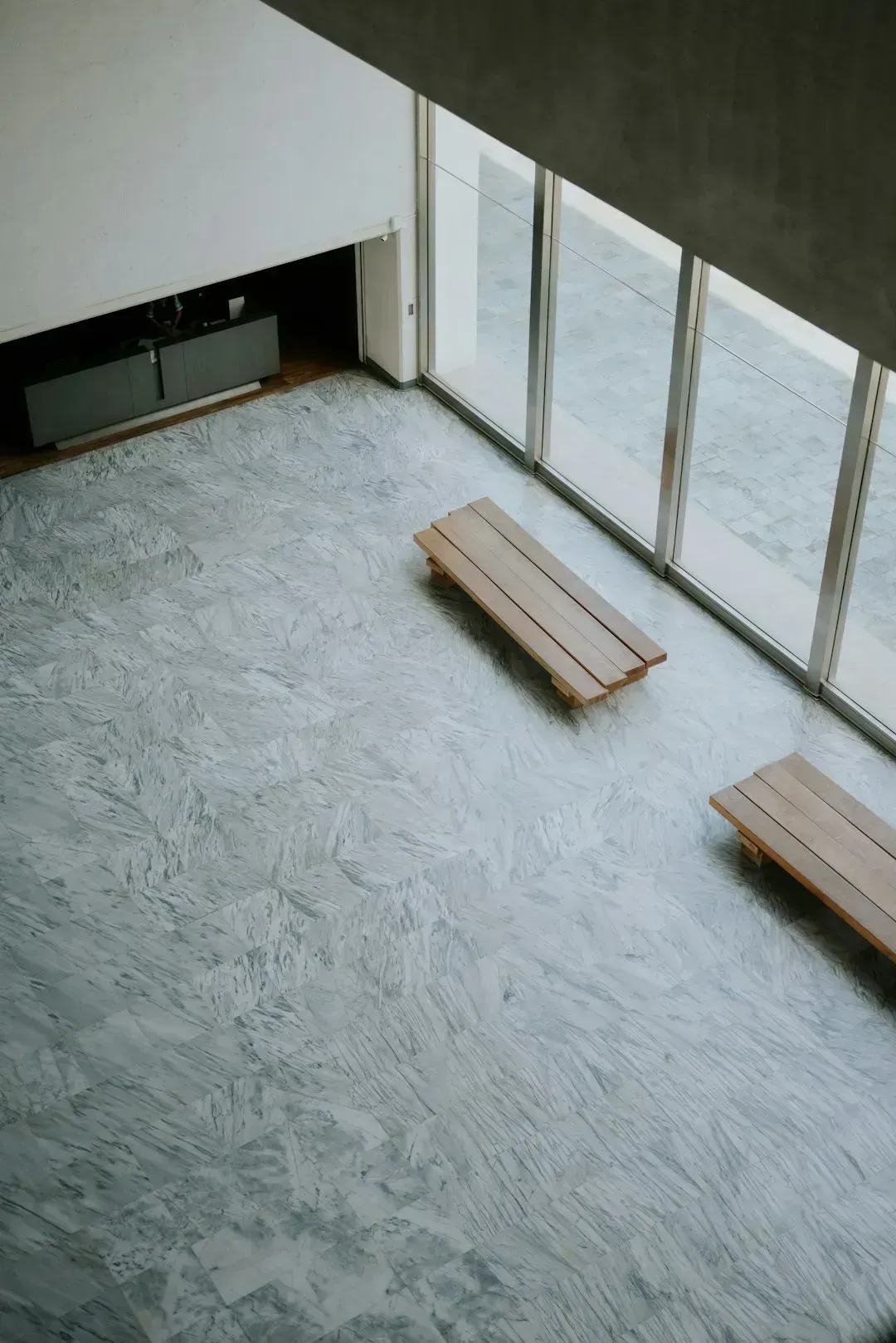
Here’s a low-tech test I genuinely love telling people about. Put a marble or a small ball on the center of the floor. If it rolls consistently toward one corner of the room, you’ve got a floor that isn’t level. It’s almost comically simple. It’s also a potentially expensive clue.
If you place a ball in the middle of the floor and it starts to roll, this seemingly minor observation can be an indicator of a more significant issue. Floors that slope or bounce are a classic sign of foundation movement or settling support beams. Floors that feel bouncy, sag, or slope noticeably may indicate weakened floor joists, foundation settlement, or inadequate support beams. This is a safety concern that requires expert evaluation to prevent further damage.
When a foundation begins to shift or settle, the effects often appear as sticking doors, cracked walls, or visible separation in concrete and surrounding concrete surfaces such as slabs, walkways, or garage floors. While these symptoms may seem minor at first, unresolved foundation movement can spread through framing, flooring, and plumbing, eventually affecting both safety and resale value. That “slightly bouncy” living room floor is not a feature. It’s a warning.
Sign #5: Cracks Radiating Around Door Frames and Windows Inside
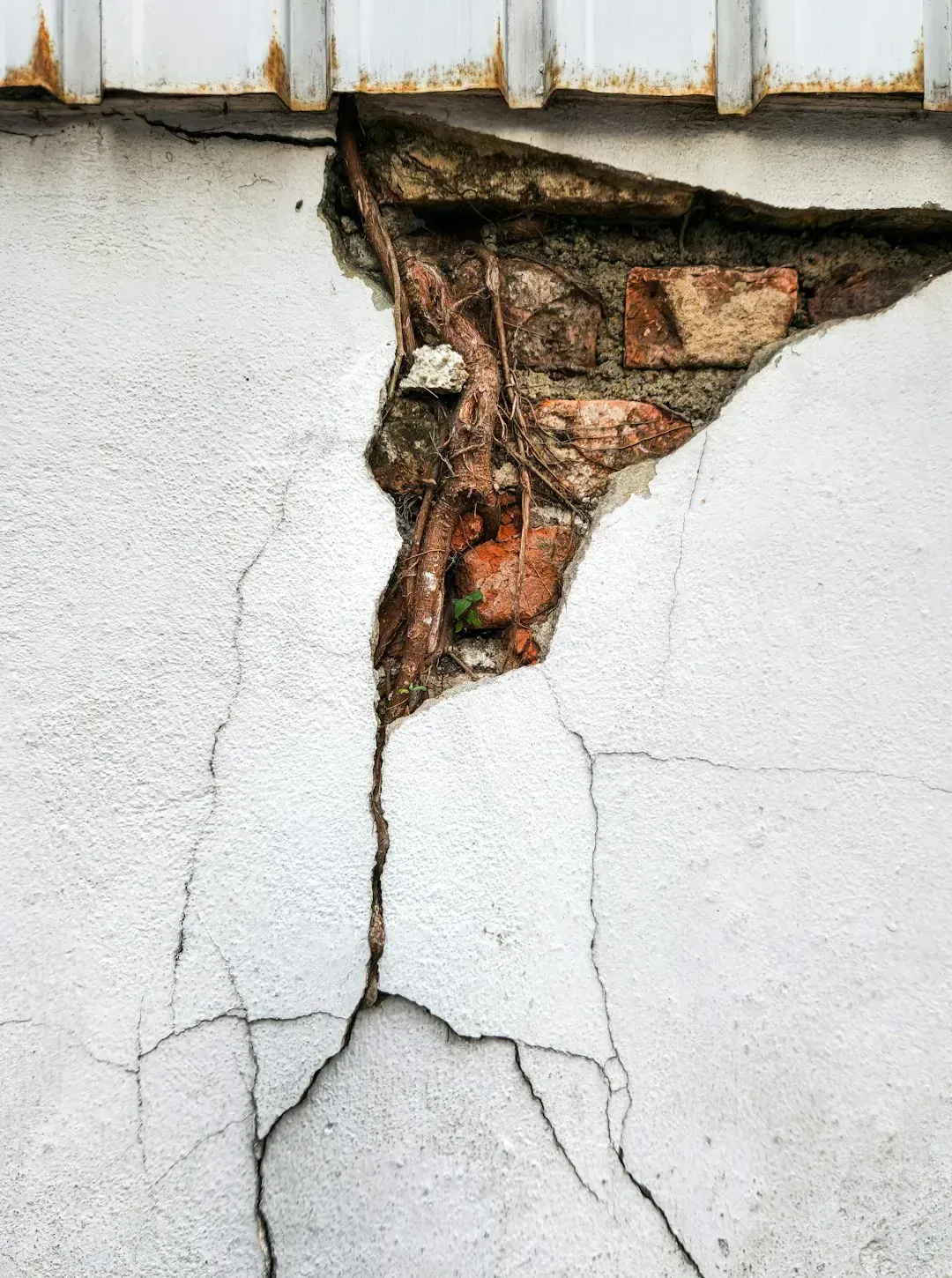
You’re doing a walkthrough, and you spot some diagonal cracks fanning out from the corners of doorways or window frames. The seller says the previous owners just had some drywall work done. It was “totally cosmetic.” Proceed with caution. This is one of the oldest cover-up moves in the book.
Often, home sellers fix things up around the house before they put their home on the market. There’s nothing wrong with this practice, except that it can sometimes mask signs and symptoms of issues. Diagonal cracks around doorframes, windows, or ceilings, especially if they reappear after patching, may signal foundation movement, weak framing, or stress in load-bearing walls.
If vertical cracks widen beyond one-sixteenth of an inch or diagonal cracks radiate from door and window frames, create a dated photo log and measure the width immediately. Cracks approaching one-eighth of an inch or extending over time warrant a structural engineer’s review within 60 days. These patterns signal structural stress from foundation movement, moisture swings, or shifting framing members. Fresh paint over suspicious areas, especially around openings, should raise your eyebrows every single time.
Sign #6: Water Intrusion, Efflorescence, and Persistent Moisture
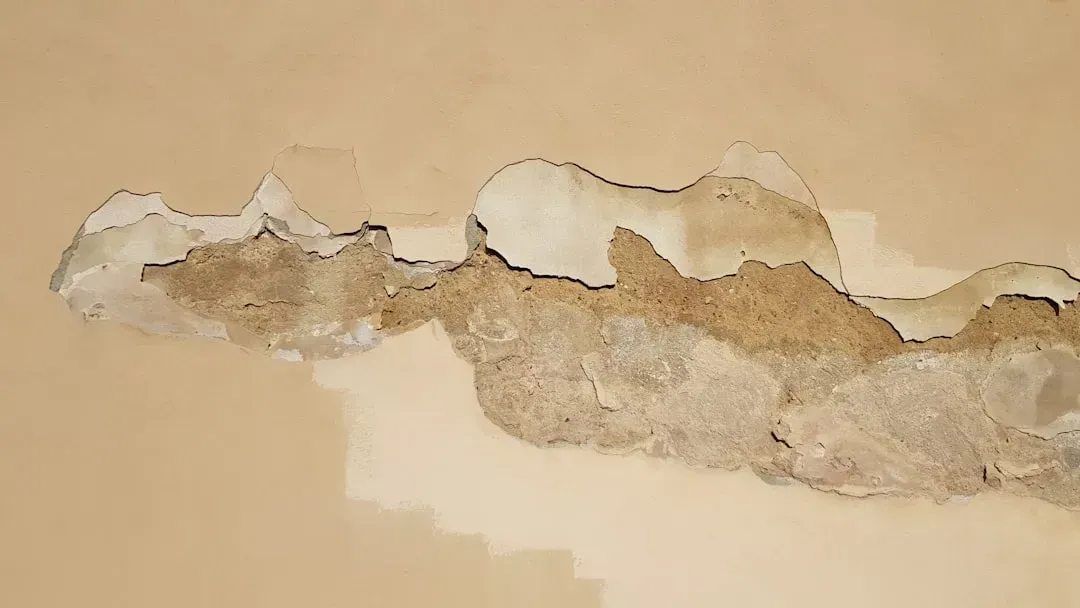
Water and foundations have a complicated relationship. A little moisture now and then isn’t catastrophic. But persistent, recurring dampness in a basement or crawl space is a flashing red light. It’s hard to say for sure just from a visual inspection, but white chalky deposits on concrete walls are a dead giveaway that water has been fighting its way through for a long time.
Early warning signs often accompany foundation cracks, including inward wall bowing, moisture seepage, efflorescence (white powdery residue), or a noticeable widening trend season after season. Persistent water seepage or flooding can weaken a foundation over time, especially if cracks allow water to enter. Homes near rivers or in coastal areas face higher risks due to poor drainage or hydrostatic pressure.
If left unaddressed, foundation problems can lead to serious structural issues like uneven floors, water damage, plumbing failures, and a drop in property value. Fixing foundation leaks costs anywhere from two thousand to seven thousand dollars. A leak or two can signal a huge problem with drainage and moisture around your home. The financial stakes go up dramatically the longer water damage goes untreated. Don’t let a seller convince you a damp basement is “just how old homes are.”
Sign #7: The True Cost Nobody Talks About
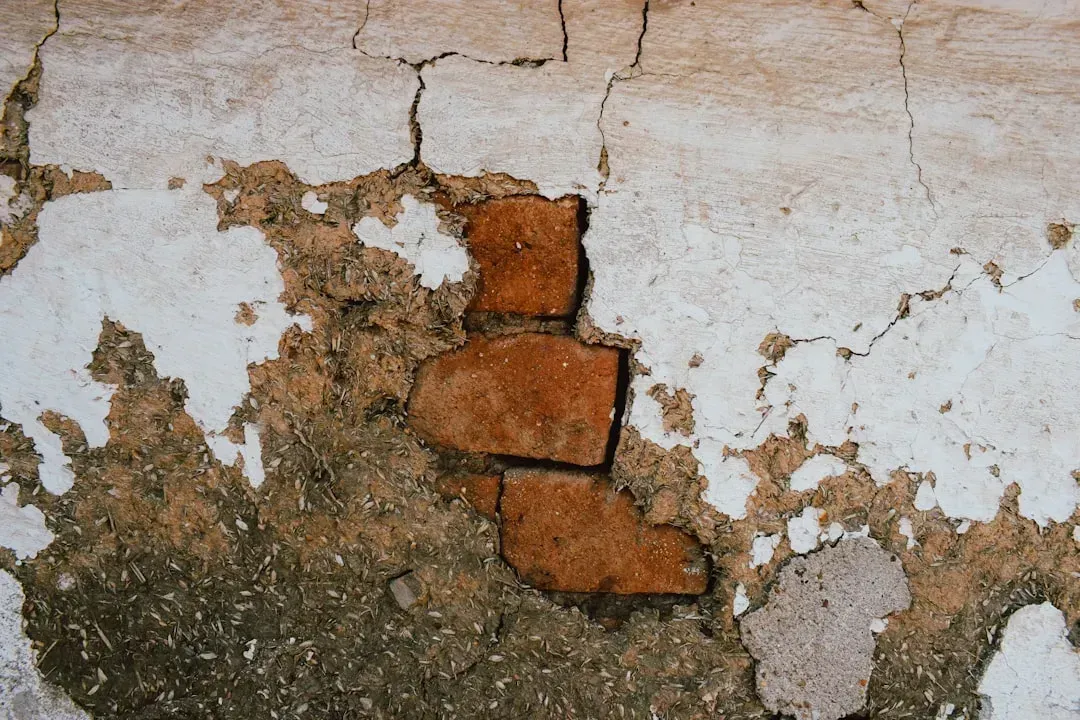
Most buyers focus on the purchase price. Understandable. But the real shocker comes later, after the keys are in hand, when a structural engineer delivers a number that makes your stomach drop. This is the sign that nobody literally sees with their eyes, yet it’s arguably the most important one: the financial reality of ignoring all the others.
Foundation repairs cost around five thousand one hundred dollars on average in the U.S., with most homeowners spending roughly twenty-two hundred to eighty-one hundred dollars for typical repairs. That’s the middle-of-the-road scenario. Minor fixes like crack sealing might cost only three hundred to eight hundred dollars, while major structural repairs involving piers or slab replacement can exceed fifteen thousand to thirty thousand dollars.
Costs have risen steadily over the past decade due to inflation in labor, concrete, and steel prices. In Texas, where foundation issues are common due to expansive clay soils, repair prices align closely with national averages, typically ranging from thirty-three hundred to seven thousand dollars depending on severity. Early intervention keeps costs lower, while delayed repairs can lead to much higher expenses. The math here is pretty unforgiving. If you’re concerned about the safety of a home with apparent foundation issues, you should hire a structural engineer to inspect the foundation. The engineer will diagnose any damage, including hidden problems the average person might miss, recommend repairs, and most importantly, tell you whether the home is dangerous in its present condition.
Foundations fail quietly. They don’t crash overnight. They whisper through sticky doors, stair-step cracks, and rolling marbles until one day the whispers become something much harder to ignore. The buyers who miss these signs are often the ones who end up spending tens of thousands on repairs they never saw coming. The ones who catch them? They either negotiate a better deal or walk away entirely. Both are smart outcomes. What would you have done if you’d spotted these signs during your last home search?