Do This on an Airplane: 10 Flight Attendant Tips That Make You a Favorite
Most people step onto a plane thinking they’re just another anonymous face in a long boarding queue. They grab their seat, plug in their headphones, and mentally check out. What they don’t realize is that by the time they’ve settled in, the crew has already formed a quiet, detailed impression of them.
Flight attendants are trained observers. Every glance, every gesture, every small social signal you give off during boarding gets filed away. The good news? Becoming someone the crew genuinely likes is far easier than you’d think. It doesn’t require charm school or a business class ticket. Let’s dive in.
1. Return the Greeting at the Door
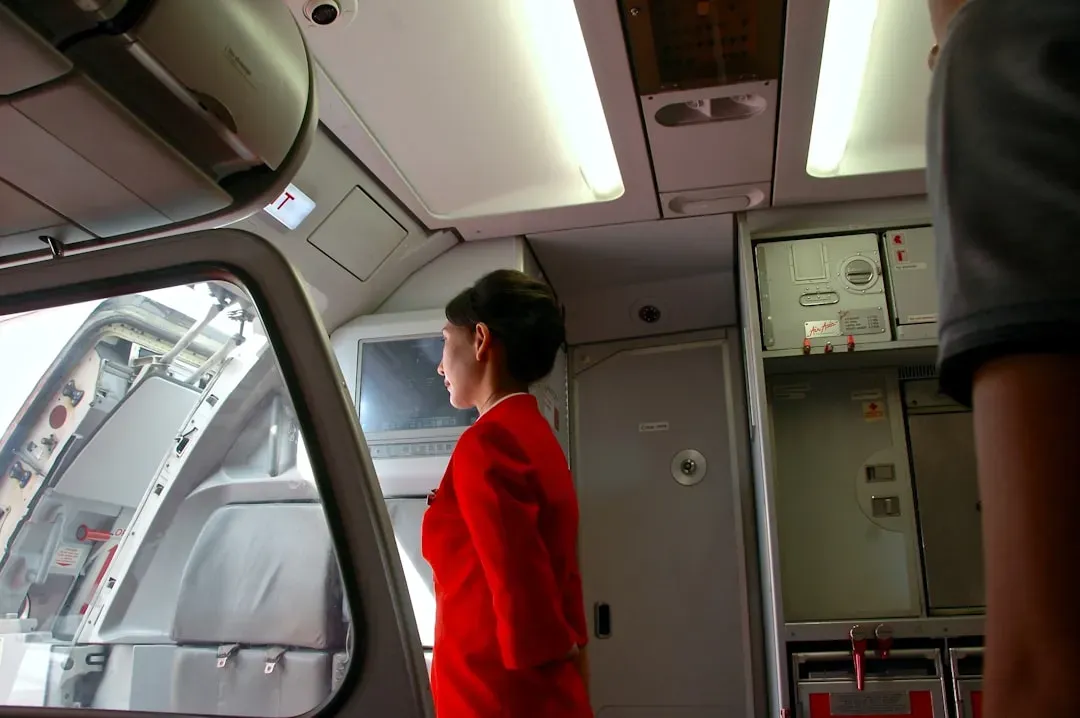
Here’s something most passengers never stop to consider: that greeting at the boarding door isn’t just courtesy. Flight attendants are onboard primarily for safety and are trained to deal with emergency situations. When they greet you at the door, they have just a few seconds to judge whether you’ll be compliant or helpful if something goes wrong mid-flight.
One of the first things crew notice is how you handle that initial greeting. It’s not about being charming – it’s about signaling whether you’re present and reachable. A passenger who refuses any acknowledgment at all tends to be the same one who later “doesn’t hear” safety announcements or seat belt instructions.
Flight attendants certainly appreciate a kind greeting or friendly smile. If you do return their greeting, you’re automatically going to make a better impression. Good airplane etiquette may even get you treated to a free drink or extra snack – just for being nice.
If a passenger is polite and responds to the flight attendant’s welcome and engages, the crew will likely look after them and give extra drinks and snacks. Think of it as the simplest investment you’ll ever make.
2. Handle Your Luggage With Consideration
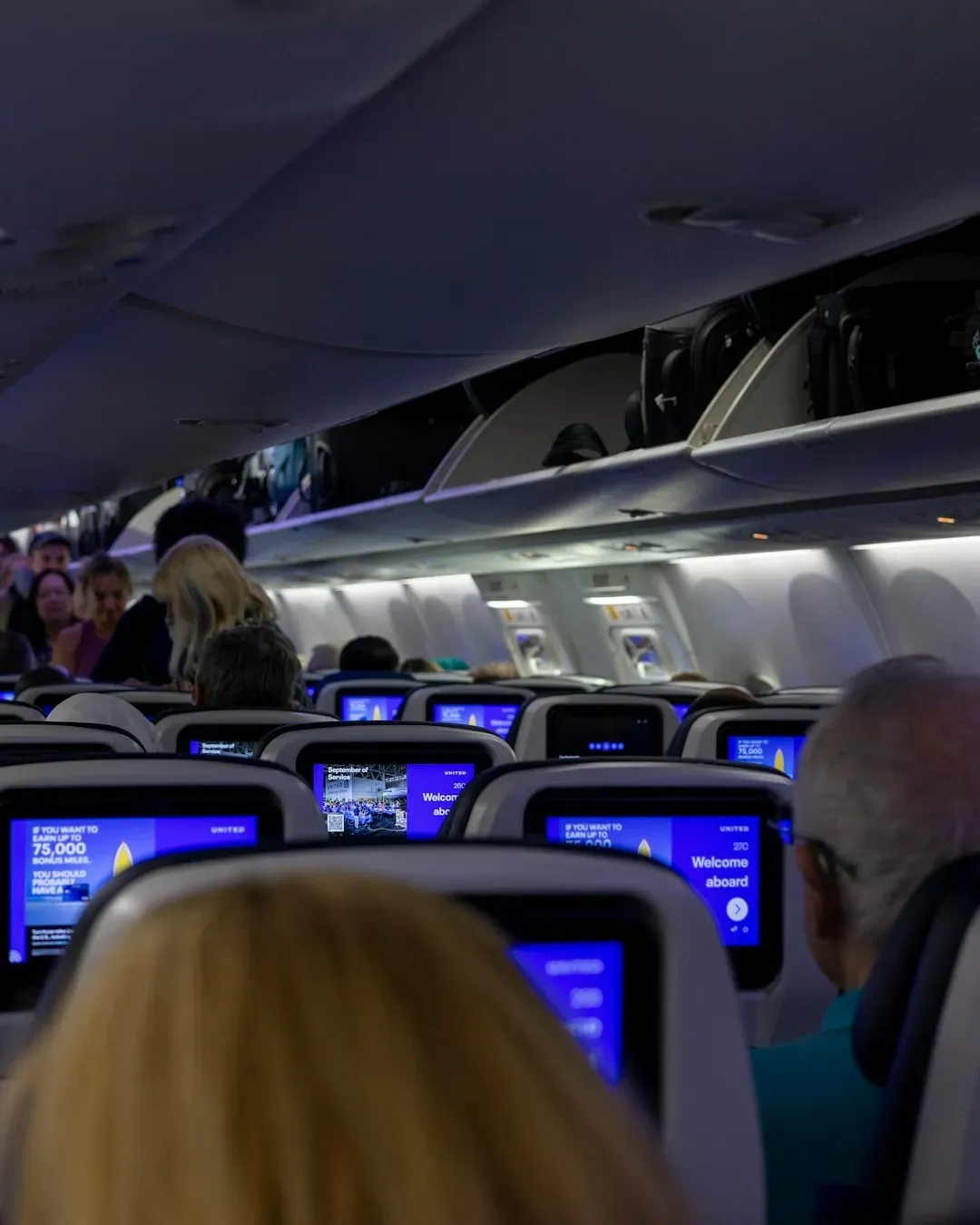
Bags tell a story. A passenger who gently adjusts their luggage to give room to others is immediately stored in the “considerate” category. On the flip side, the person shoving coats, backpacks, and duty-free bags into the overhead with no regard for anyone else is quietly logged as a likely complainer.
Flight attendants are not required to lift bags for passengers, and if a bag is too heavy, they risk injury. Stowing your own bag or asking politely for help – rather than just dumping it on the nearest crew member – signals real self-awareness. It’s the kind of thing that gets noticed instantly, and in the right way.
3. Pay Attention During Safety Demonstrations
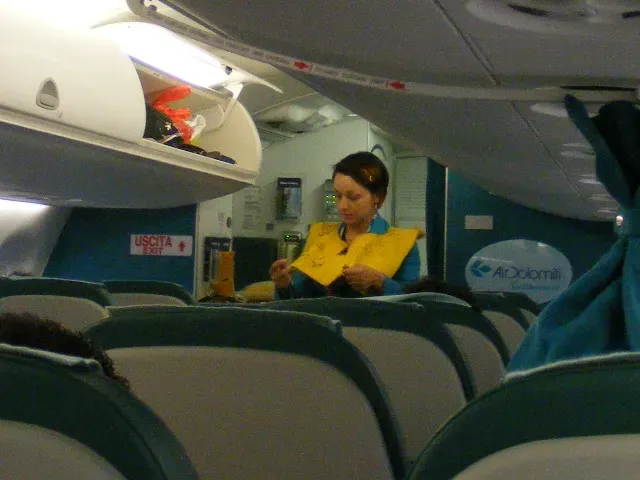
Let’s be real: most people have mentally switched off before the life vest demonstration even begins. About four in ten Americans always pay attention during safety presentations, while a nearly equal percentage say they do only occasionally. That’s a shockingly low number given that those instructions exist for a reason.
Flight attendants really appreciate it when you take off your headphones or AirPods during the preflight safety instructions. Because their first concern is safety, what they notice includes your ability to keep yourself and others safe. Removing your earbuds for those few minutes costs you nothing. To the crew, it signals volumes.
Emergencies don’t announce themselves. The one time you zone out scrolling could be the one time you actually need that information. Remove your headphones, put down your phone, and give them those few minutes. They’ll notice, and they’ll appreciate it more than you realize.
4. Respect the Seatbelt Sign
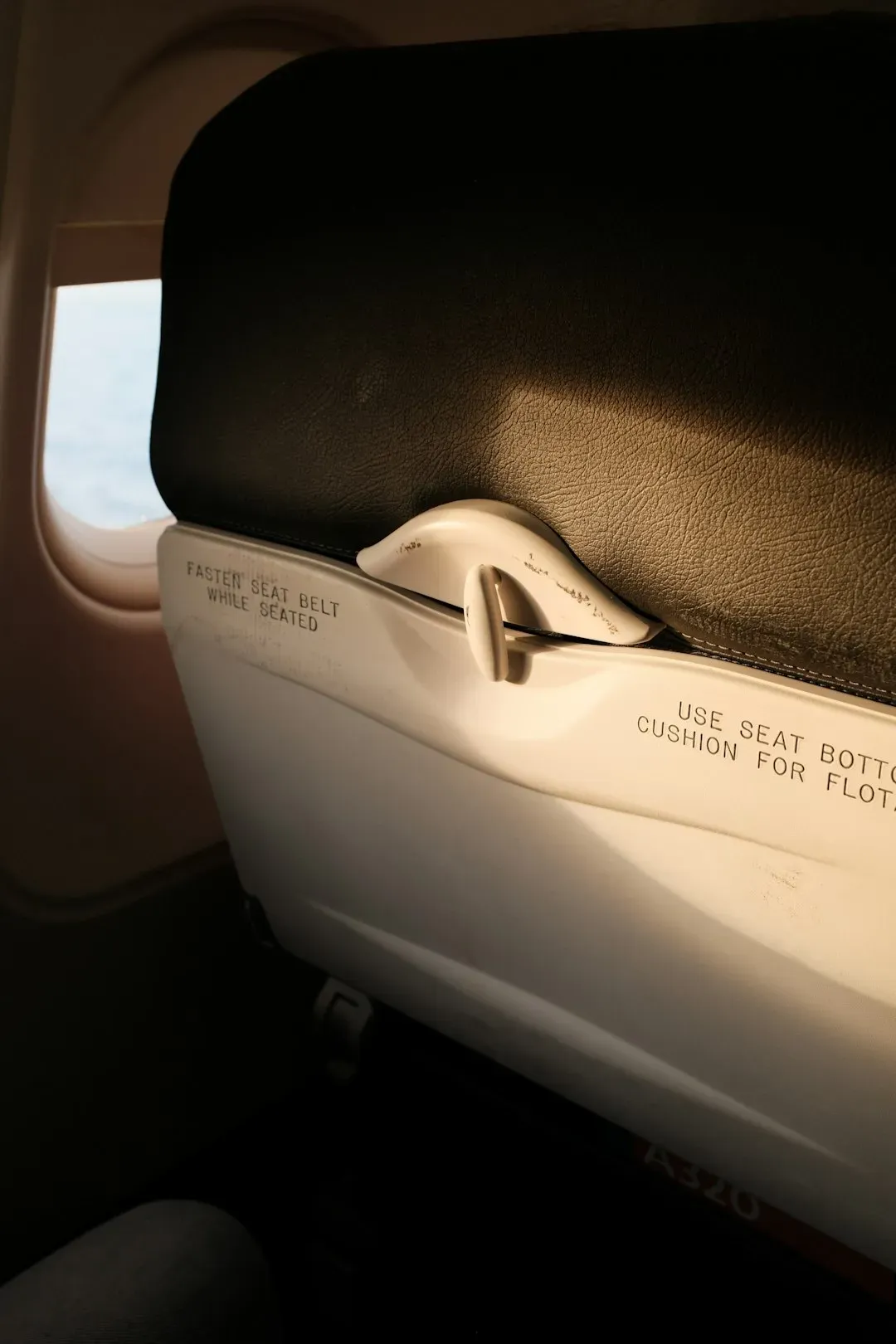
This one sounds obvious, yet it remains one of the most frequently ignored rules in commercial aviation. If there’s one rule passengers constantly overlook, it’s adhering to the fasten seat belt sign. Flight attendants joke it’s “the most ignored sign in the world.”
Pilots have better intel about turbulence. Flight attendants don’t always know when they’re going to hit a pocket of rough air like pilots do. A good rule of thumb is to leave your seat belt buckled whenever you’re seated to avoid any unpleasant mishaps.
Leave your seat during turbulence? You may want to reconsider – roughly four out of five respondents in a YouGov survey say it’s unacceptable. Staying buckled isn’t about being uptight. When the plane drops suddenly, unsecured objects – including humans – become projectiles. Staying buckled isn’t just following rules; it’s basic self-preservation.
5. Keep Your Requests Consolidated
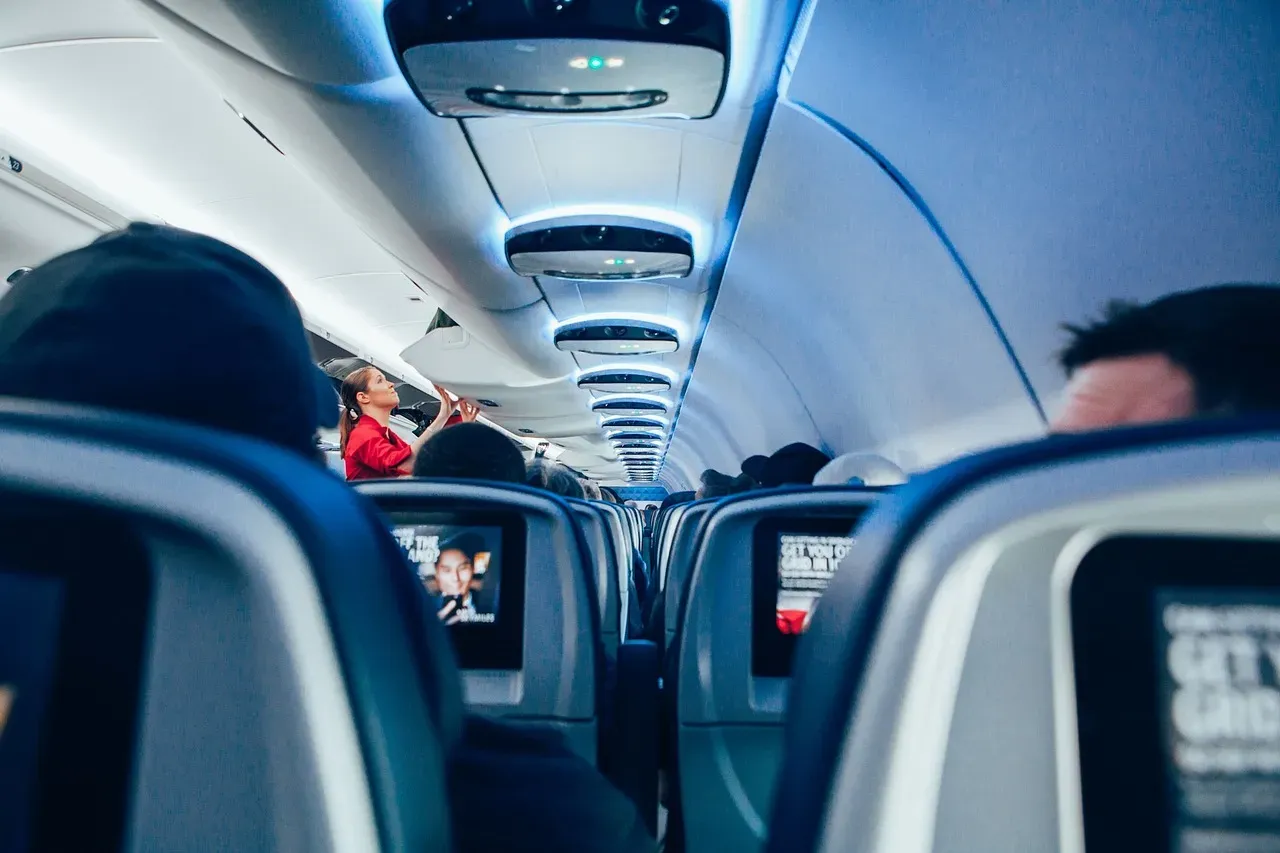
Picture this: a passenger calls a flight attendant over and asks for ice. Then, thirty seconds later, asks for a drink mixer. Then the spirit. Then a napkin. Then a lemon. There are often only a few crew members for hundreds of passengers, so flight attendants could be running up and down the aisle all flight if everyone made piecemeal requests. They’ll respond much more positively if you simply walk to the galley and ask for everything you need at once.
Flight attendants genuinely beg passengers to ask for everything they want all at once. It sounds simple. Honestly, it is simple. Yet it’s one of the behaviors that separates genuinely considerate passengers from those who unknowingly run crew ragged. Think of it the way you’d order at a restaurant – one clear, complete order, not a drip-feed of demands.
6. Stay Out of the Galley
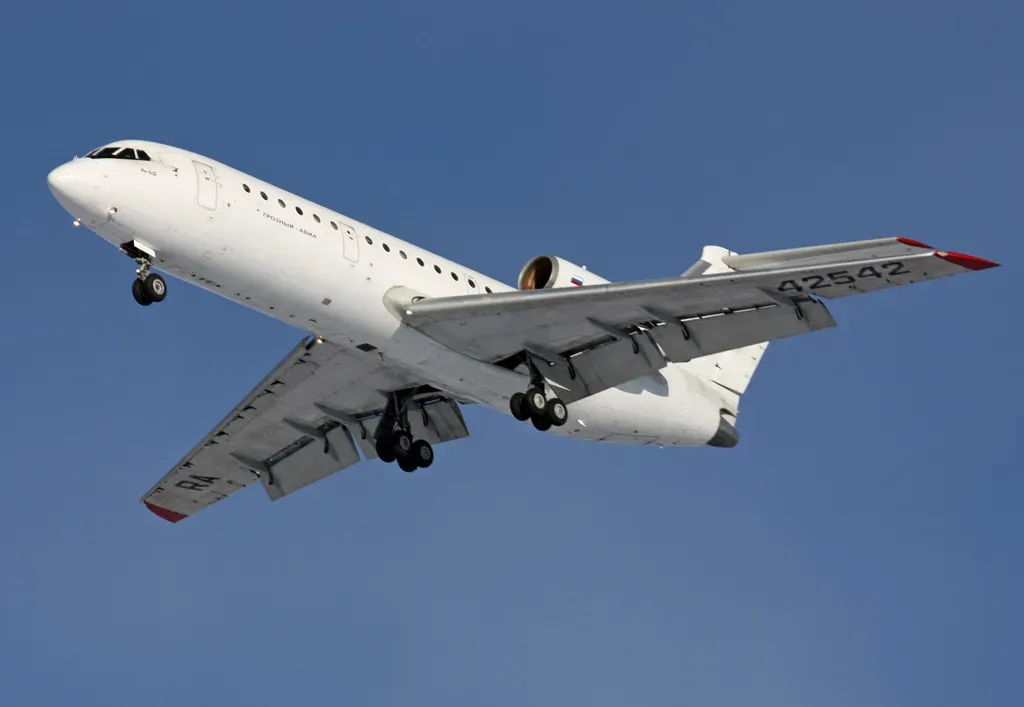
With how many people airlines are cramming onto planes these days, there are very few places for flight attendants to escape. The galley is like their own little safe space. You will annoy any flight attendants you encounter if you head to the galley and start stretching. It invades their space.
The galley is a workspace for the crew, and passengers don’t need to enter it. If you need assistance, you can ask from outside the galley rather than crossing into this restricted area. Think of it the same way you’d think about walking into a restaurant kitchen uninvited. That back-of-house territory belongs to the people doing the work, and respecting that boundary immediately marks you as someone who understands how things operate up there.
7. Avoid Strong-Smelling Food
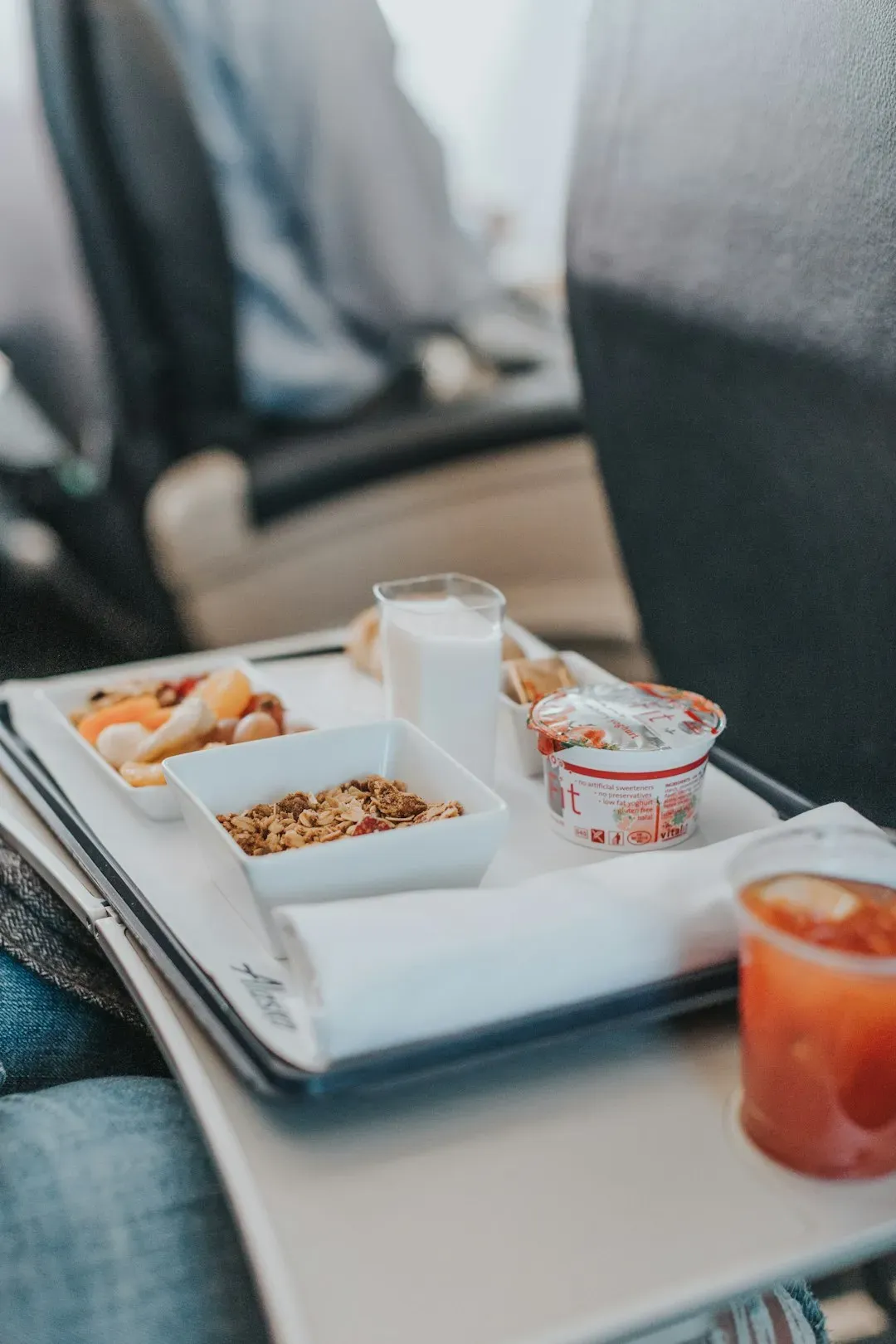
The numbers here are hard to argue with. Eating strong-smelling food is discouraged by more than two thirds of respondents in a YouGov survey on airplane etiquette. A plane cabin is a sealed, recirculated-air environment. That tuna salad or pungent curry you packed for the flight? Everyone around you will experience it in full, including the crew.
Treat your fellow passengers like your temporary neighbors: wear headphones if you’re watching a show, don’t eat strong-smelling foods, and try to keep your limbs in your own little bubble. This advice comes from a flight attendant with over ten years of in-cabin experience. Bringing something neutral and odor-free is one of those small gestures that makes a surprisingly large difference to everyone’s comfort, crew included.
8. Say Thank You – and Mean It
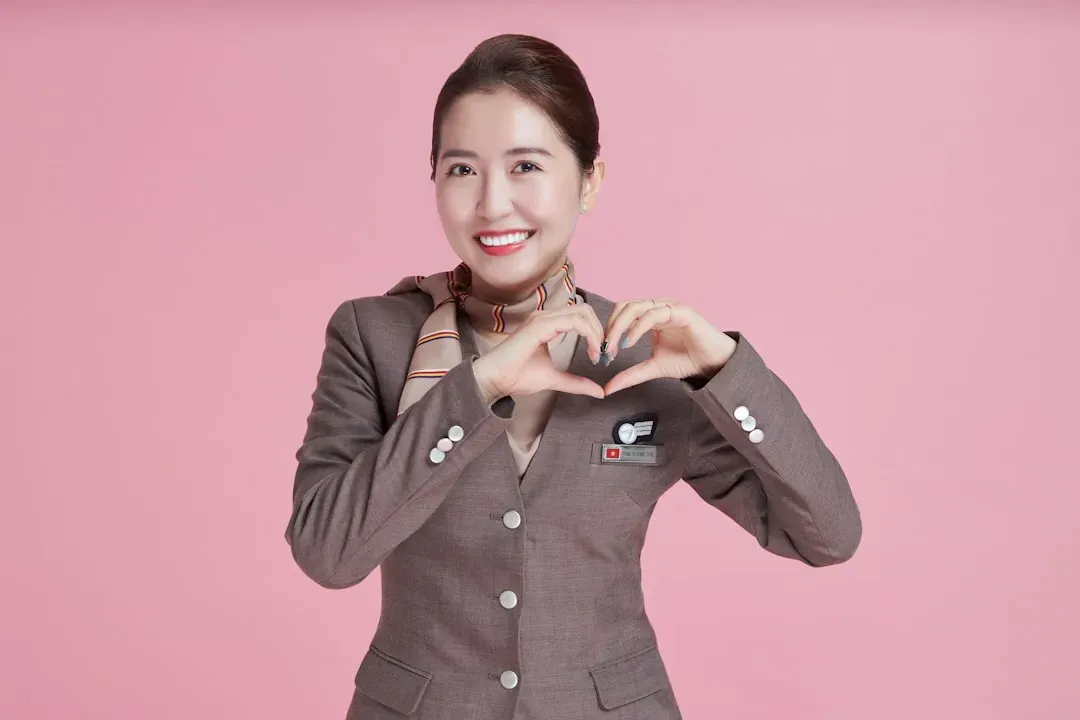
Even a simple “thank you” can mean a lot. Flight attendants work long hours and appreciate when passengers recognize their effort to provide a comfortable experience. The role is demanding in ways most passengers never pause to consider. According to the U.S. Bureau of Labor Statistics, the median annual wage for flight attendants was $67,130 in May 2024 – for a job that involves long stretches away from home, irregular schedules, and managing everything from medical emergencies to unruly passengers.
Flight attendants often spend up to 14 hours in the air. A small treat or just knowing they’re appreciated makes the job feel different. A small bag of chocolates or some cookies isn’t about bribery – it’s a tangible way to say “I see you, I appreciate you.” You’re not obligated to bring anything. Still, a heartfelt “thank you” as you deplane costs absolutely nothing and is remembered far longer than you’d expect.
9. Dress Appropriately
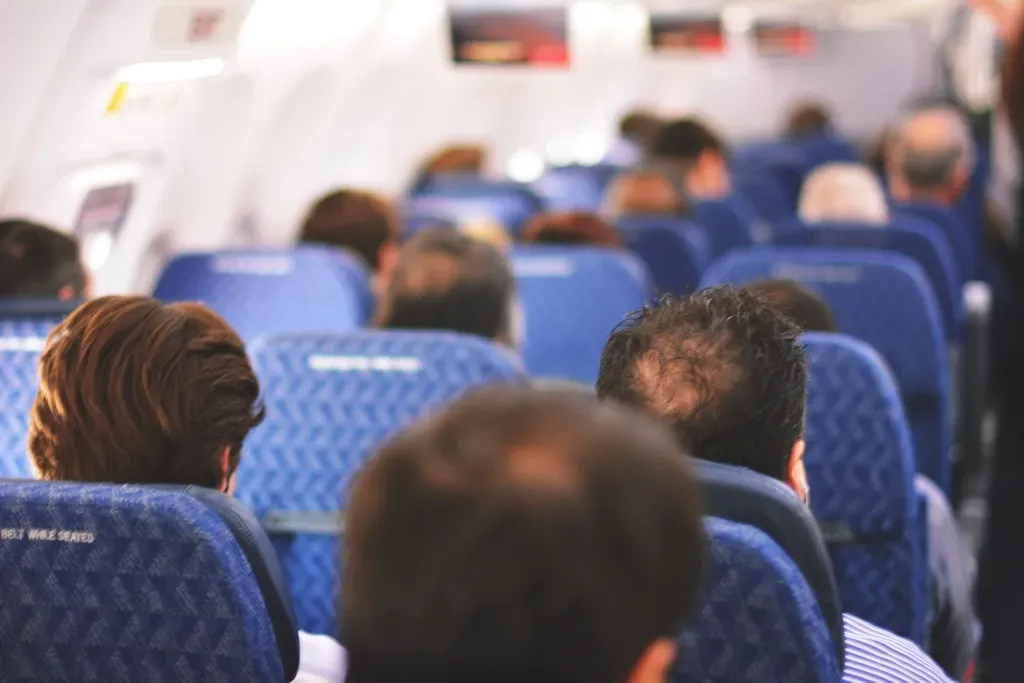
This one carries more weight than most people realize. Dressing well for a flight can be a bonus. If there are upgrades available in business class or the flight is oversold and crew can upgrade, they will choose passengers who are well-dressed. It’s not about fashion – it’s about presenting yourself as someone who takes the experience seriously.
While scoring a free upgrade might seem like a thing of the past, flight attendants insist there are still ways to increase your chances. Dress well, be unfailingly polite, and consider joining airline loyalty programs. I think most people underestimate just how much this matters. It signals not only respect for the environment but also that you’re the kind of passenger who won’t create chaos if something goes sideways at 35,000 feet.
10. Be Mindful of Your Cabin Noise Level
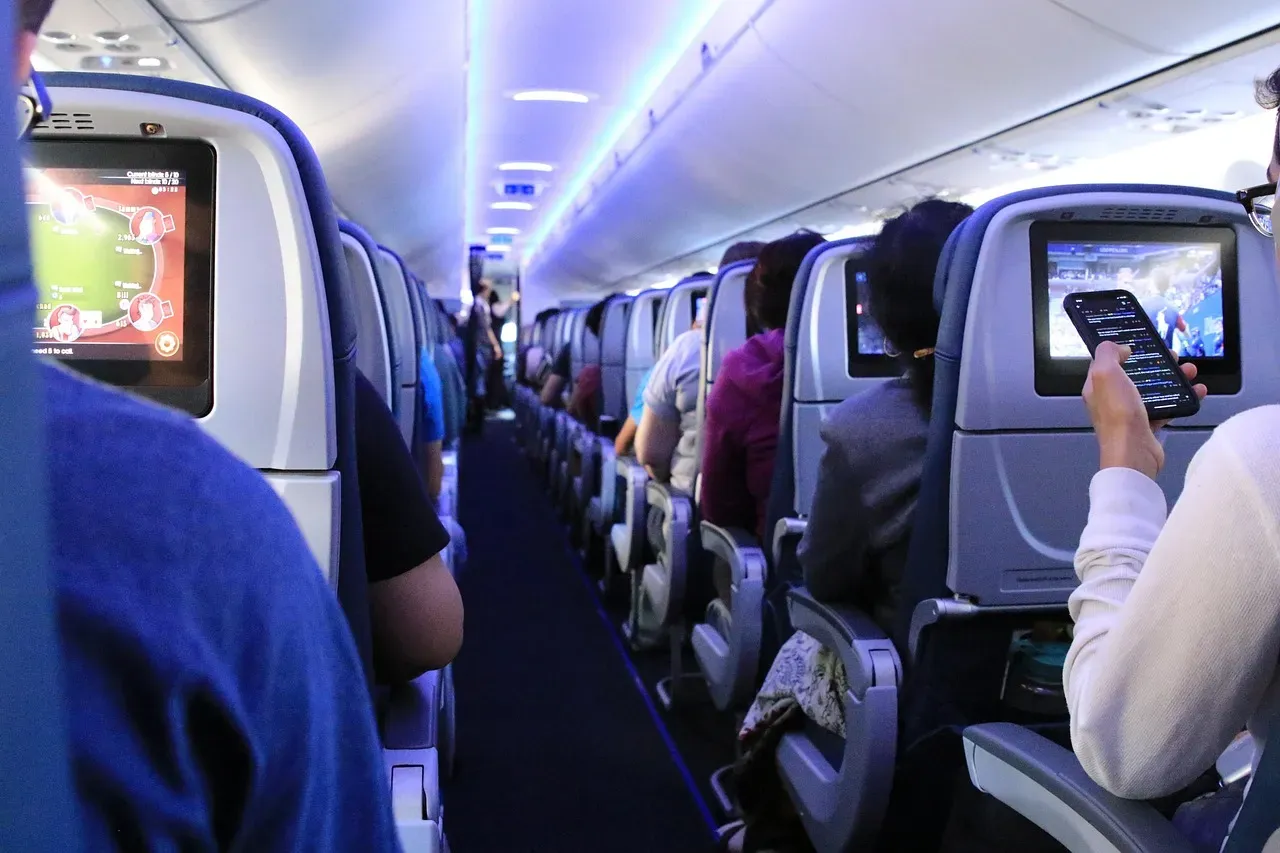
Between the constant white noise, chatty passengers, and the occasional crying baby, it’s already a challenge to hear each other on board. So help crew out: make eye contact, take out your earbuds, and speak clearly. It’s a small gesture that makes a big difference. This goes double when a flight attendant is speaking to you – whether about your meal choice, safety instructions, or asking you to fasten your seatbelt, being fully present shows respect and ensures you don’t miss something important.
At least four out of five Americans agree that it’s unacceptable for commercial airline passengers to watch a movie or show without headphones. Keeping your audio to yourself is one of those baseline courtesies that makes the whole cabin function better. It’s the audio equivalent of keeping your elbows to yourself – basic, but genuinely appreciated.
11. Clean Up After Yourself
Leaving trash in the seatback pocket is disapproved of by nearly four out of five travelers, according to YouGov’s 2024 survey on airplane etiquette. Despite that widespread disapproval, flight attendants still regularly deal with passengers leaving wrappers, cups, and used tissues stuffed into every available nook at the end of a flight.
One of the best things you can do to help a flight attendant is to clean up your own mess by gathering all your trash and disposing of it properly. It seems small. It is small. Yet it takes real pressure off the crew, especially on back-to-back flights where turnaround time is brutally tight. Think of the cabin as a shared hotel room – leave it how you’d want to find it.
12. Follow Instructions Promptly
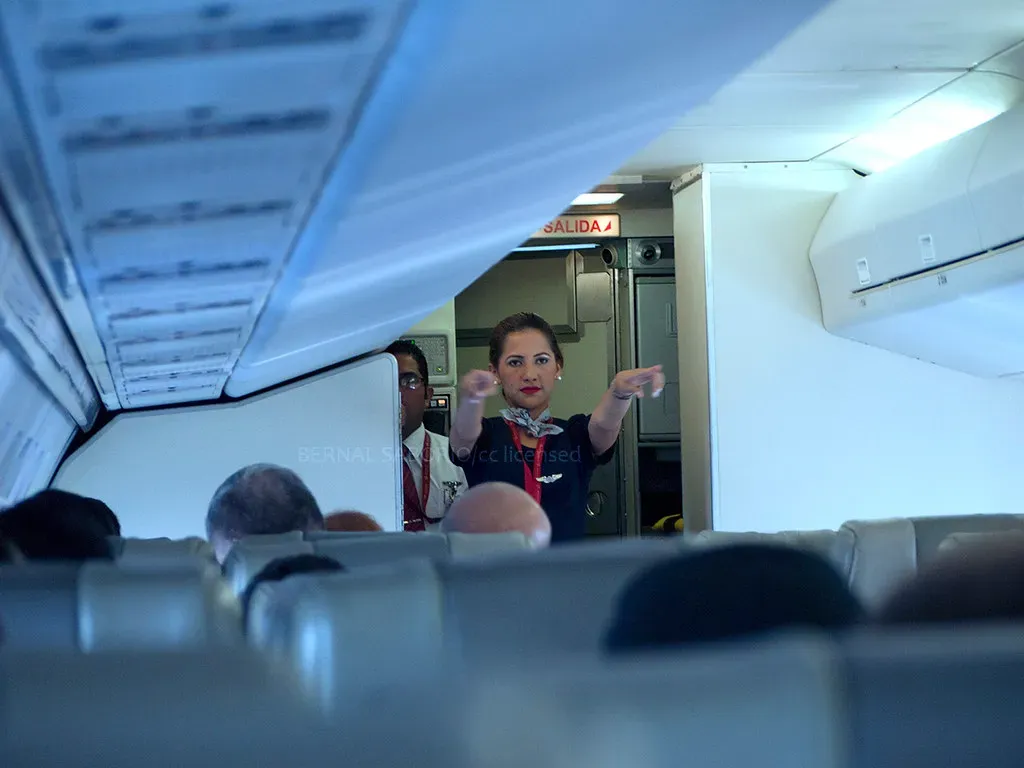
Flight attendants are responsible for everyone’s safety, so please follow their directions without delay. Simple things like fastening your seatbelt and stowing items during takeoff and landing keep everyone safe. The crew aren’t issuing instructions because they enjoy being authoritative – every single directive is rooted in aviation safety regulations and years of training.
Paying attention signals something important: you respect the crew’s primary responsibility, which is your safety. Flight attendants take their duties very seriously, and it is very important to follow crew instructions at all times. In fact, it is illegal not to, and can result in fines or even being banned from an airline. Complying swiftly and without drama is, without exaggeration, one of the most effective ways to earn the instant approval of every flight attendant on board.
13. Don’t Snap or Wave to Get Attention
Here’s the thing – flight attendants are people, not on-demand appliances. A polite wave, raising your hand, or a simple “excuse me, ma’am” works like a charm. Crew members are trained to watch for those kinds of signals. If that fails, there’s always the call attendant button above your head or on your screen.
The difference between snapping your fingers or jabbing the call button repeatedly versus making calm, respectful eye contact is enormous from the crew’s perspective. Exceptional customer service is the cornerstone of a flight attendant’s role, encompassing attentiveness to passenger needs and the ability to manage difficult situations with grace and professionalism. When passengers treat that service relationship with mutual respect, things go smoothly. When they treat it like a transaction, everyone suffers – especially the passenger.
14. Don’t Play Behavior Policeman
It can feel tempting or even righteous to ensure everyone is following the rules of flying, especially if another passenger is doing something irritating or dangerous. You may think that by stepping in, you’ll be protecting the flight attendants. You should resist the urge to intervene.
Regardless of what rule you think another passenger is breaking, it isn’t your job to call them out on it, and doing so can cause conflict and fights. Instead, politely and discreetly alert the flight attendant to the situation and let them choose how they want to deal with the infraction. Crew members are trained mediators. Handing the situation to them is not weakness – it’s exactly what they prefer, and what keeps the cabin calm.
15. Bring a Small Treat for the Crew
This last one surprises people. It sounds almost too simple. On your way to the airport, pick up a bag of your favorite candy, pack it in your carry-on, and hand it to the flight attendant at the very beginning of the flight. Crew members are always in constant communication with each other, so everyone on board will know who you are and what you did.
If you’re headed to duty-free before your flight, picking up a bag of candy for your flight crew is a great way to make friends with them. It doesn’t need to be elaborate or expensive. A small bag of chocolates, some gummy bears, even a pack of mints – the gesture itself is what lands. When you get a really nice rapport going with your crew, flight attendants are usually happy to sneak you extra snacks, extra drinks, or maybe even a cheeky leg room seat or row with spare seats. Kindness begets kindness.
The Bigger Picture
Every single behavior on this list has one thing in common: it’s rooted in basic human decency rather than strategy. A survey of nearly 5,000 flight attendants by the Association of Flight Attendants found that over 85 percent had dealt with unruly passengers in a single six-month period. Against that backdrop, being a calm, considerate, respectful passenger isn’t just nice – it genuinely stands out.
Global air passenger demand increased by more than ten percent in 2024 compared to the previous year, exceeding pre-pandemic levels, according to the International Air Transport Association. More people in the sky means more pressure on cabin crew every single day. The passengers who make that pressure feel lighter are the ones who get remembered, looked after, and genuinely appreciated.
None of this takes effort in the grand sense. It takes awareness. The next time you board a flight, think about the impression you’re making before you’ve even reached your seat. It turns out that becoming a crew favorite isn’t about luck or loyalty status – it’s about how you show up as a human being at 30,000 feet.
What do you think? Which of these behaviors do you already practice, and which ones surprised you? Share your thoughts in the comments.