7 Animals Hollywood Often Portrays as Dangerous – But Really Aren’t
Think about the last time a movie made you genuinely terrified of an animal. A great white shark circling beneath a summer swimmer. A pack of wolves bearing their teeth in a snowy forest. A swarm of bats bursting from a cave in a horror film. Hollywood has a gift for turning nature’s creatures into monsters. The problem is, most of those portrayals are dramatically, almost embarrassingly, wrong.
The gap between cinematic fear and biological reality is wider than most people realize. Some of these animals are endangered. Some are shy. Some would genuinely rather swim away from you than even look in your direction. Let’s dive in.
1. Sharks – The Original Villains of the Silver Screen
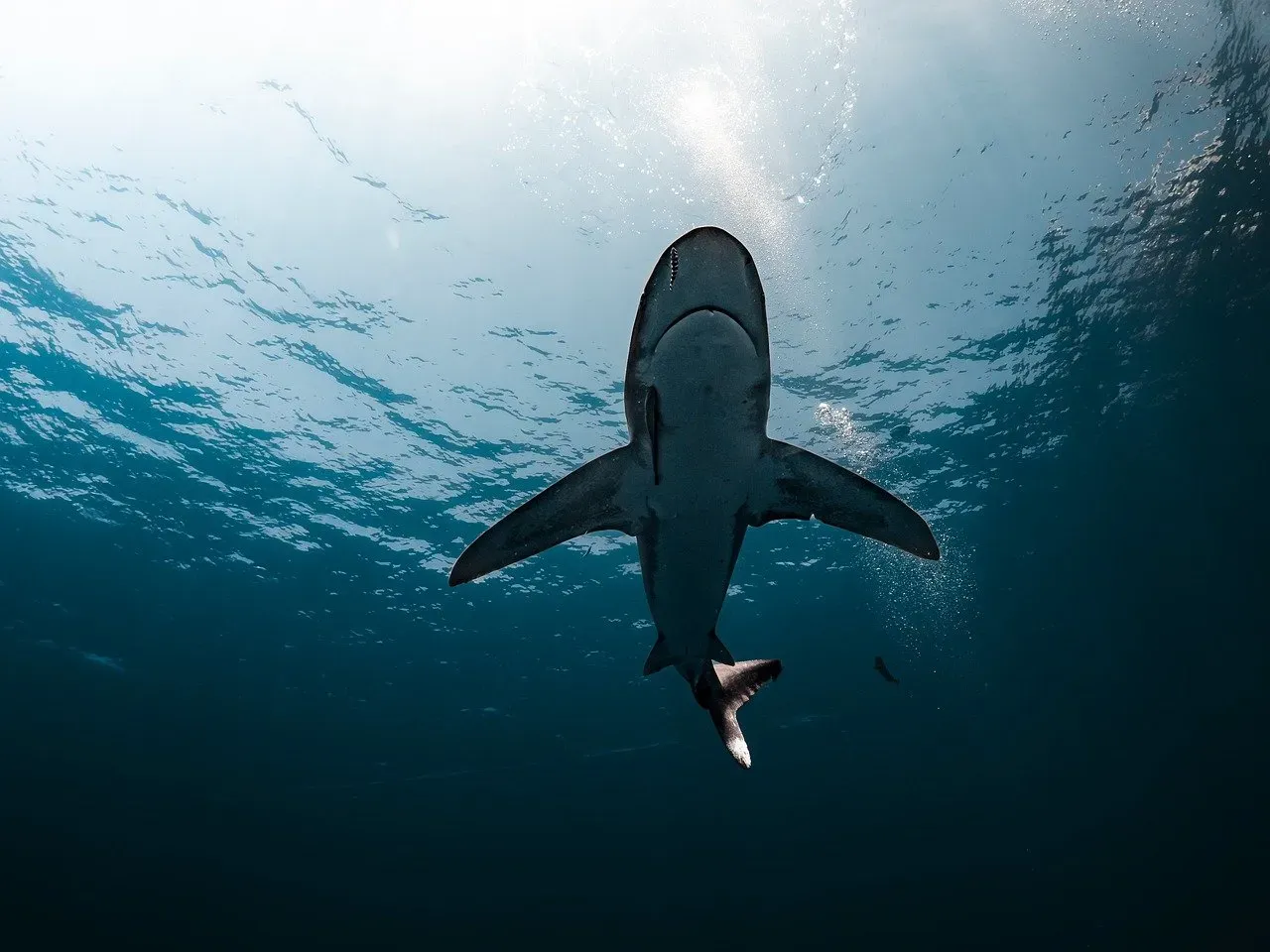
Few animals have suffered more from Hollywood’s imagination than the shark. Since 1975, when Spielberg’s “Jaws” splashed onto screens worldwide, sharks have been cast as relentless, human-hunting predators. The reality? In 2024, just 47 people were hurt in unprovoked shark attacks, the lowest level in almost 30 years. That’s the whole planet, the entire year.
In the U.S., where the risk of shark attacks is at its highest, the chance of someone being killed by a shark during their own lifetime is around one in four million. For comparison, Americans are much more likely to be killed by other animals instead – the chance of being stung to death by hornets, bees, and wasps is around one in 41,000, while fatal dog attacks happen to around one in 45,000.
There is no objective evidence to suggest that sharks actively hunt humans in the water. Most sharks do “test bites” first when they can’t tell what something is, which is why most shark attacks aren’t fatal – as soon as a shark gets a mouthful of a surfboard, person, or swimsuit, it realizes it isn’t a fish or a seal, and swims away.
Out of more than 500 shark species, only 13 are known to bite humans “frequently,” which the ISAF defines as biting humans 10 or more times. Meanwhile, every year, an estimated 80 million sharks are killed by fisheries alone. So honestly, who’s the real predator in this story?
2. Wolves – The Fairy Tale Monsters That Fear Us More Than We Fear Them
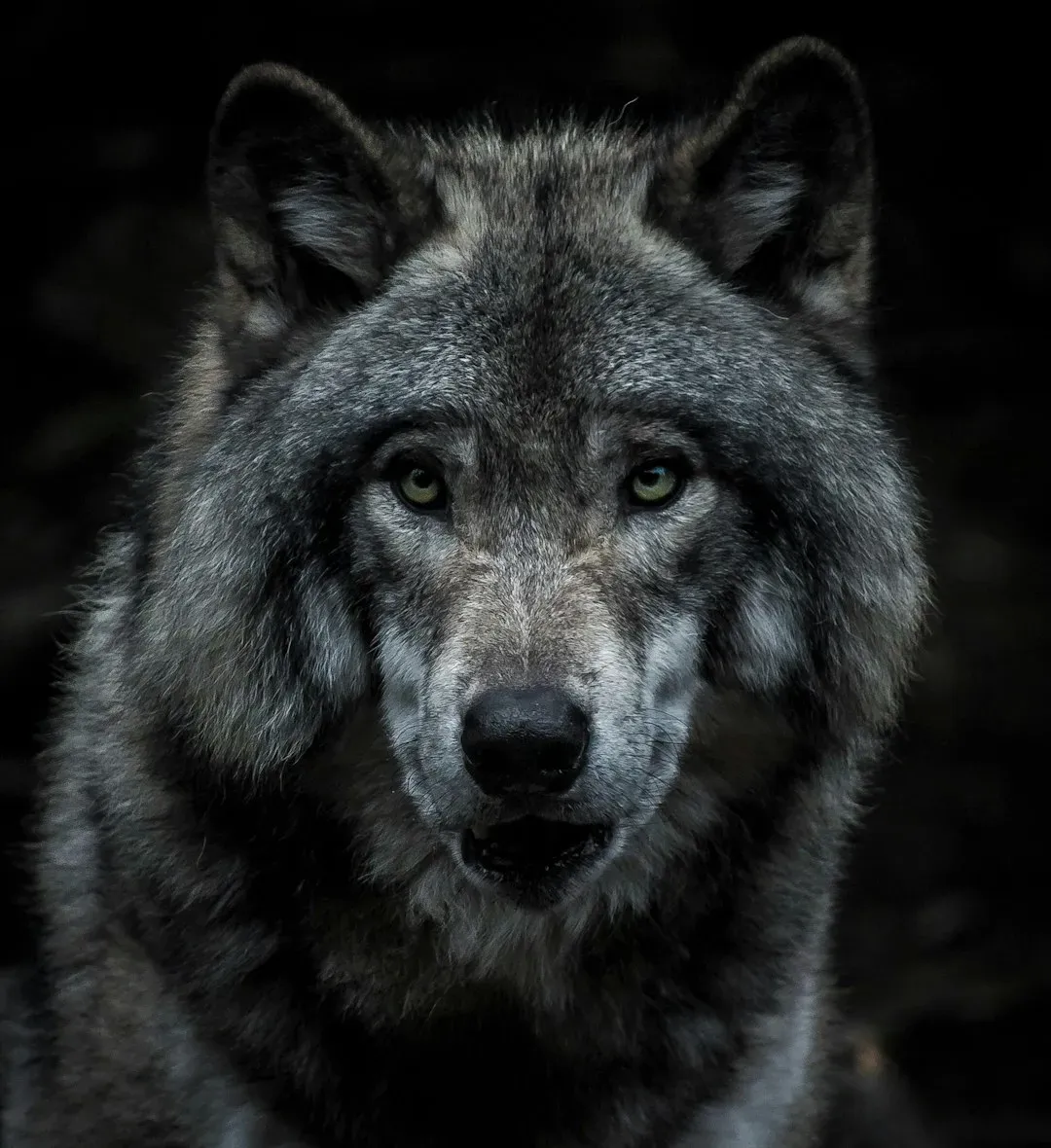
From “Little Red Riding Hood” to films like “The Grey,” wolves have been cast as cunning, bloodthirsty killers for centuries. The image of the “big bad wolf” has been perpetuated through countless stories, movies, and television shows – from fairy tales to modern thrillers – and this portrayal has contributed to the misconception that wolves are inherently dangerous to humans.
Here’s the thing – the data simply doesn’t back the fear. According to the latest research, which studied worldwide data from 2002 to 2020, the risks associated with a wolf attack are “above zero, but far too low to calculate.” There have been only two confirmed cases of wolf-related fatalities in North America over the past 50 years, despite a population of approximately 70,000 wolves spread across North America.
Wolves tend to fear and avoid humans, especially in North America. Of the 489 victims of wolf attacks worldwide from 2002 to 2020, 380, or about three quarters, were rabid attacks, 67 were predatory attacks, and 42 were provoked or defensive attacks.
By comparison, domestic dogs in the United States are responsible for 4.7 million bites, resulting in 500,000 to 800,000 hospital visits and 15 to 20 fatalities per year. Your neighbor’s labrador is statistically far more dangerous than any wild wolf. Let that sink in.
3. Bats – Creatures of the Night, But Not the Villains They Seem
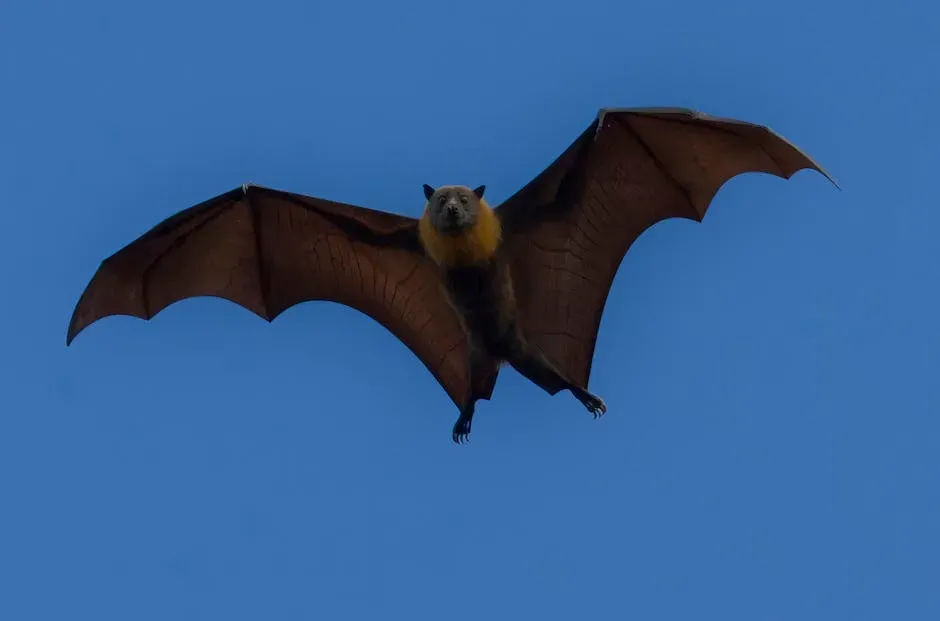
Bats flapping through a darkened hallway in a horror film is practically a genre cliché. In real life, bats are fascinating, ecologically essential animals that eat enormous quantities of insects and pollinate plants. The number of rabies-related human deaths in the U.S. has declined from more than 100 annually in the early 1900s to fewer than five cases annually in recent years.
The legitimate concern with bats is specifically about rabies – and it deserves honest context. Among the 42 U.S.-acquired human rabies cases reported during 2000 to 2024, bat contact was the cause in 35, or about 83 percent. The CDC confirmed two deaths of U.S. residents from rabies virus infection after bat encounters in 2024. Both patients recognized their bat interaction, but might not have been aware of the potential rabies risk, and neither sought health care consultation or treatment.
Currently in the U.S., only one to three cases of rabies in humans are reported annually. The key takeaway is this: bats themselves are not aggressive predators. It’s important to be aware of the risk, especially with bat bites, which can be easy to ignore because they don’t always leave obvious marks. Respect them, don’t handle them, and they present virtually no threat to you.
Globally, bats provide critical ecosystem services. They are not monsters. They are pollinators and pest controllers that happen to carry a serious virus. That’s a very different story than what cinema tells us.
4. Piranhas – The Fish That Terrified a President (And the Rest of Us)
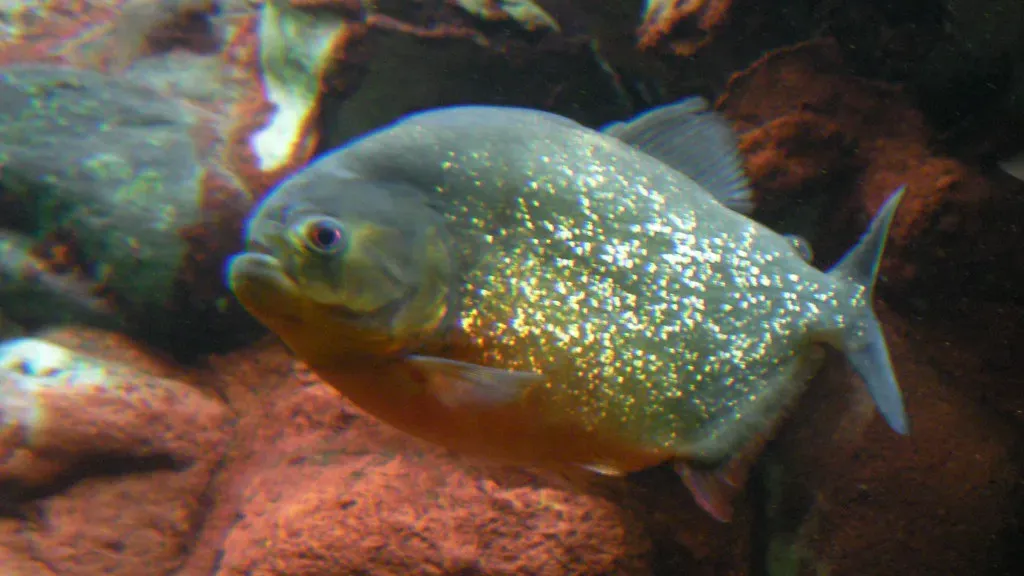
If you’ve ever feared swimming in an Amazon river because a shoal of tiny fish might reduce you to bones in seconds, you can probably thank Hollywood – and, interestingly enough, a U.S. president. The 26th President Theodore Roosevelt is the main culprit in creating a bad reputation for piranhas. Roosevelt was a lover of the outdoors, and he went exploring in South America in 1913. He wrote a best-selling book about his travels published as “Through the Brazilian Wilderness” in 1914, where he described piranhas as ferocious creatures that can bite a finger off a human and eat large animals rapidly.
There are an estimated 30 to 60 species of piranha, but most of them aren’t remotely dangerous to humans, and some only eat fruit. Fatal piranha attacks on healthy humans are extremely rare, and the Hollywood depiction of piranhas instantly devouring people is false. Indigenous accounts and some documented incidents suggest that under certain circumstances, such as drought conditions or victims who are already injured or drowning, piranhas can inflict injuries or consume human tissue – but such situations are very rare.
Piranha will happily scavenge on a mortally wounded animal, though there are few if any confirmed reports of humans being killed by them. Dogs and bees kill more people than piranhas do. So the next time a movie shows a shoal of piranhas skeletonizing a person in thirty seconds, just know that’s pure cinema fantasy.
5. Crocodiles – Genuinely Dangerous, But Nowhere Near the Hollywood Monster
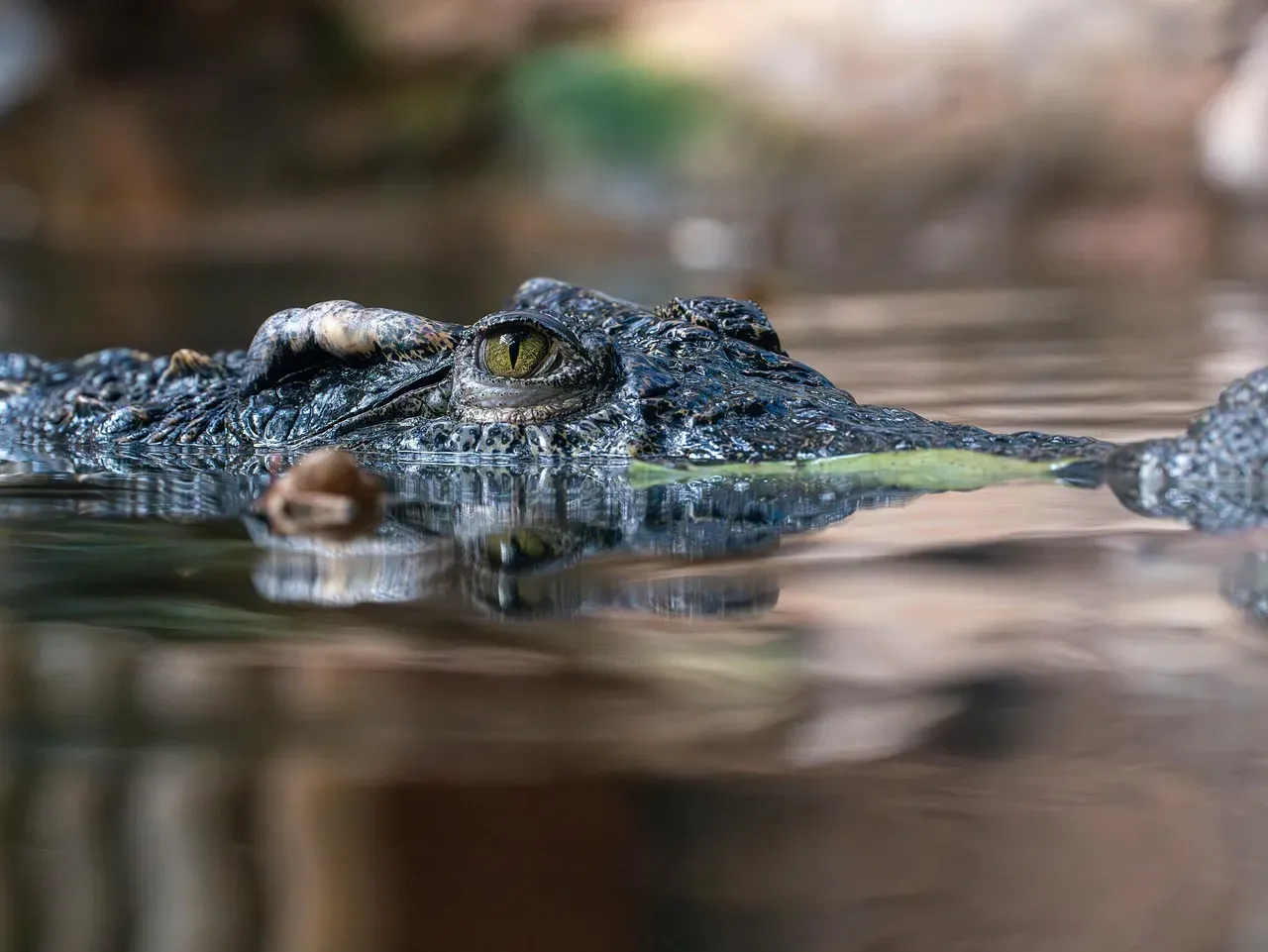
I’ll be honest – crocodiles are the one animal on this list that deserves a real asterisk. They are genuinely powerful predators. However, the way Hollywood portrays them – as relentless, omnipresent, man-eating machines lurking in every tropical waterway – is still a major exaggeration of typical crocodile behavior.
Crocodiles as a group are quite deadly, killing around a thousand people a year, but they do not generally set out to hunt humans, and kills are opportunistic. Despite their reputations, many wild saltwater crocodiles are normally quite wary of humans and will go out of their way to submerge and swim away from them, even large adult males, if previously subject to harassment or persecution.
There has never been a report of any humans killed by an American crocodile in the wild. That’s remarkable given how many people live in Florida, where American crocs do exist. Some attacks on humans appear to be territorial rather than predatory in nature, since crocodiles over two years of age often attack anything that comes into their area including boats. Although humans can usually escape alive from such encounters, it is highly recommended to completely avoid their habitat whenever possible.
6. Hippos – Africa’s Most Misunderstood Heavyweight
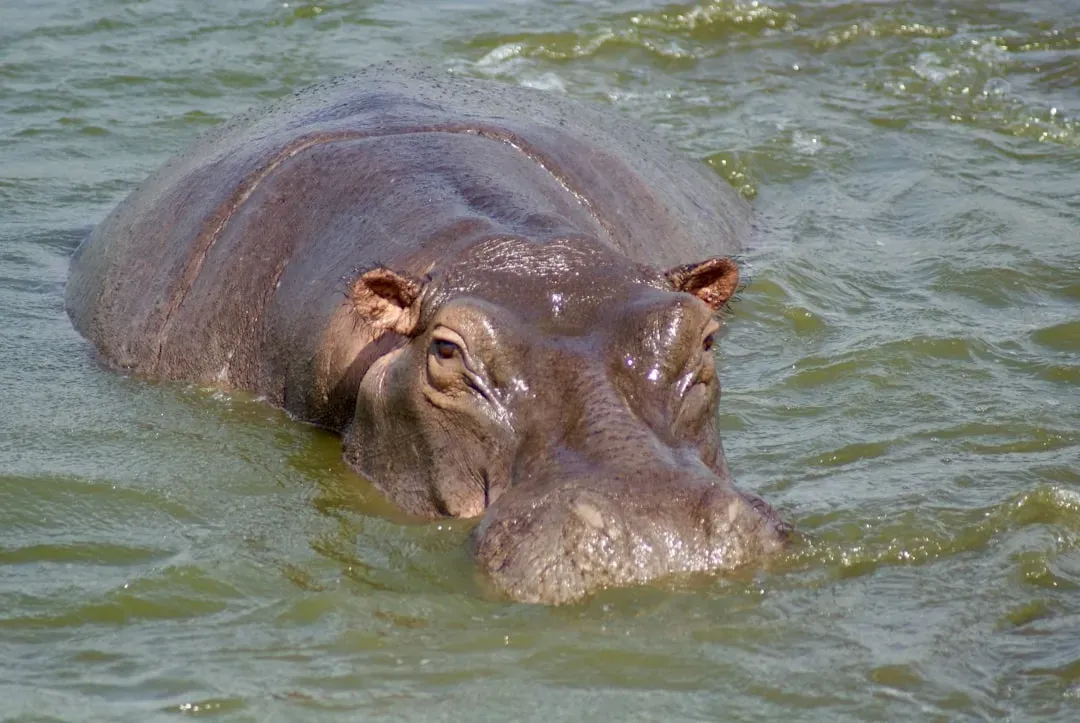
Hollywood tends to show hippos as slow, lumbering creatures that are almost comically harmless. In reality, they are one of Africa’s most dangerous large mammals – but not in the way films depict. Causing an estimated 500 deaths annually, as compared to only 22 for lions, hippos are deadly land mammals. Yet those deaths are almost exclusively the result of territorial aggression near water, not the kind of dramatic Hollywood predator hunt most people imagine.
Fiercely territorial, hippos can attack a human when one approaches their habitat, and they are known to attack and tip over boats in defense, mistaking them for predators. A hippo weighs a mighty three tonnes and can run at up to 19 mph. They are not pursuing humans across landscapes or hunting them down. Almost every hippo attack happens because a person ventured into or too near the water where hippos were resting.
Hippo-human conflicts are expected to increase, according to a 2023 study that looked at hippos’ impact on farmers in Ethiopia. A separate 2024 study found that the loss of habitat and growing human populations posed an increasing threat to hippos. The real story here is that both species are increasingly sharing shrinking space – and that rarely ends well for either side.
7. Wolves in Sheep’s Clothing – Why the “Jaws Effect” Affects All These Animals
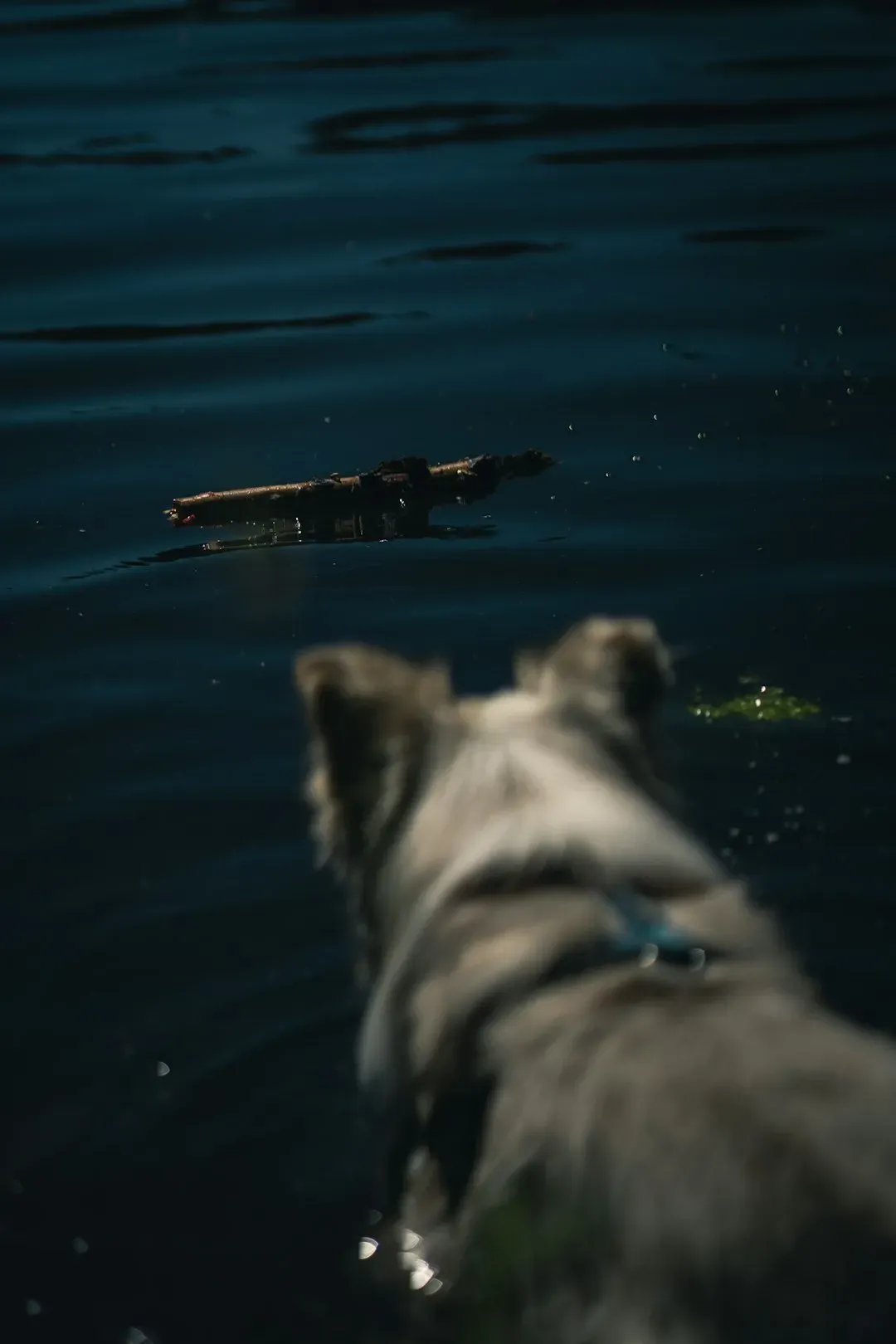
There’s a broader pattern worth naming. Scientists actually have a term for it. The “Jaws effect” refers to the way cinematic portrayals of animals systematically skew public perception of their danger, leading to fear, persecution, and in many cases, devastating population declines. The great white shark is improperly vilified – for all the negative publicity caused by the “Jaws” movies, the great white shark isn’t responsible for many human deaths at all.
The data keeps telling the same story. Between 2011 and 2017, 259 people died while taking a selfie, as opposed to just 50 shark-related deaths in the same time span. An average of more than 38 people die annually from lightning strikes in coastal states, while fewer than one person per year is killed by a shark in Florida. The numbers are almost absurd when you lay them side by side.
Every one of the animals on this list plays a crucial ecological role. Sharks regulate marine ecosystems. Wolves balance ungulate populations and, according to research from Yellowstone, can even reduce Lyme disease cases by keeping deer in check. Globally, bats provide critical ecosystem services. When we fear these animals out of proportion to the actual threat they pose, we make conservation harder. We make coexistence harder. We make the planet worse.
The real question isn’t whether these animals are dangerous. It’s whether our fear of them – largely constructed by filmmakers – is costing us more than it’s protecting us. What do you think? Have any of these facts genuinely surprised you? Drop your thoughts in the comments.