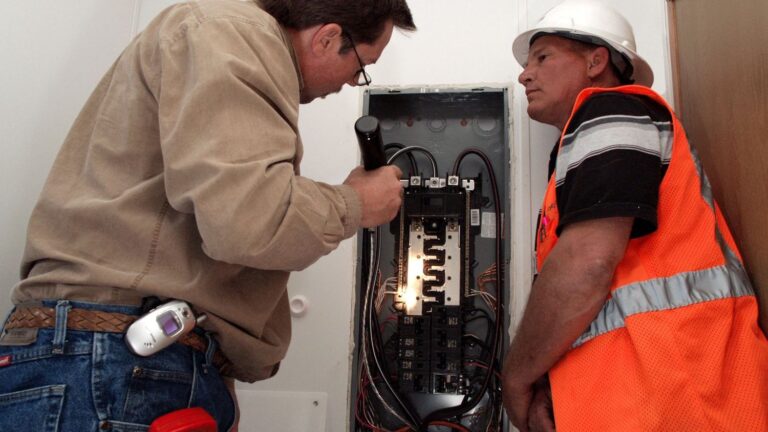
12 Electrical Upgrades Inspectors Say May Break Code
You think you’re improving your home. You buy the parts, watch a few tutorials, maybe hire a handyman instead of a licensed electrician. Everything looks neat, everything works. Then the inspector shows up – and suddenly nothing is right. It happens constantly, in every state, in every type of home. The gap between “it works” and “it’s code compliant” is wider than most homeowners ever expect.
One of the most common homeowner assumptions is that if something works, it must be fine. The electrical code focuses on safety margins rather than just functionality. Wiring can carry power even when undersized, improperly protected, or installed in a way that increases risk over time. That’s the trap. Let’s break down exactly which upgrades inspectors flag the most – and why some of them might be hiding inside your walls right now.
1. Adding Outlets Without GFCI Protection in Required Locations
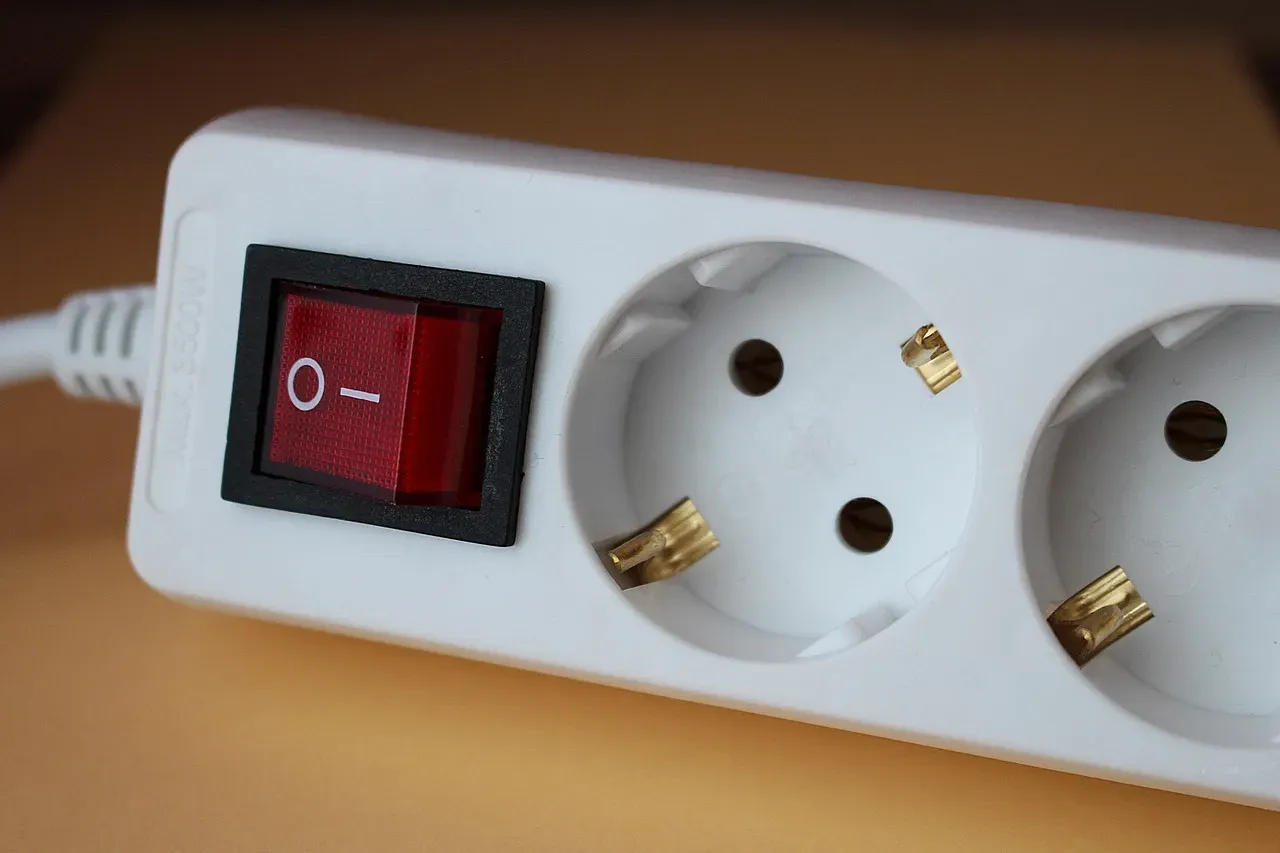
Installing new outlets sounds like a simple upgrade. More power where you need it. Clean, useful, practical. The problem is where those outlets end up – and whether they carry the right protection for that location.
If you’ve upgraded your kitchen, bathroom, or garage, you’ve probably had an inspector flag a missing ground fault circuit interrupter, especially if your home is older. GFCIs protect you from electric shock, and they’re required in multiple places around your home where water is present.
Under the current NEC, GFCI protection is required for all 125-volt through 250-volt receptacles in bathrooms, garages, outdoors, basements, and kitchens – every receptacle installed in a kitchen, regardless of its location or what it serves, now requires GFCI protection.
Another issue is installing hard-to-reach GFCIs. NEC code 210.8 requires ground fault circuit interrupters to be placed in a “readily accessible location.” If a GFCI is stuck behind a heavy appliance, users won’t be able to reset the GFCI receptacles when they trip.
2. Upgrading to a Larger Panel Without Proper Permits
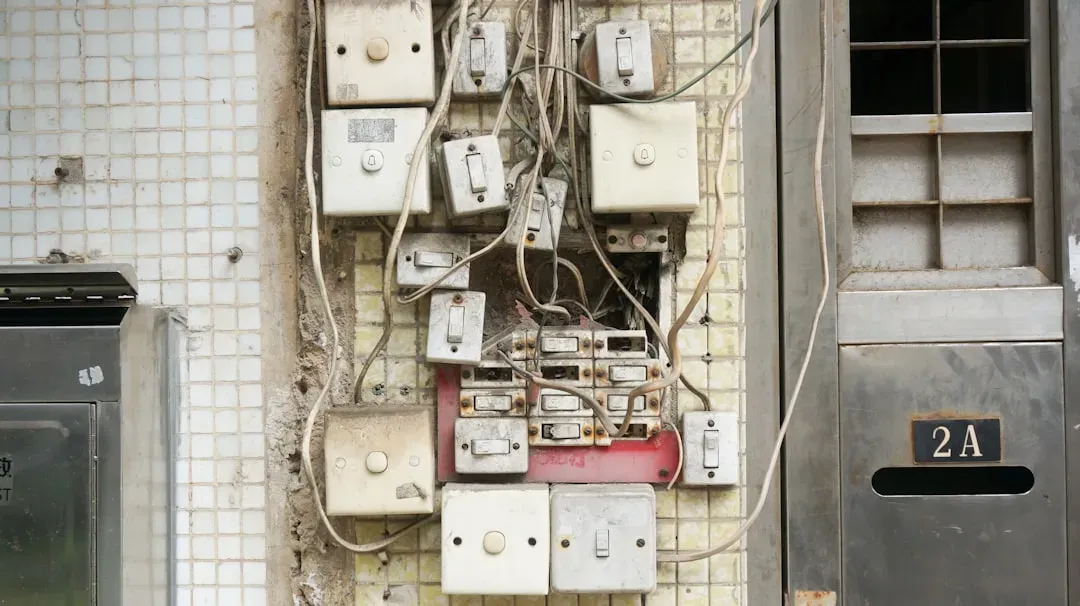
Panel upgrades feel like serious, legitimate improvements. More circuits, more capacity, future-proofed for a growing home. Homeowners invest real money in this. Inspectors, though, see the full picture – and they often don’t like what they find.
Issues with electrical panels are among the most critical violations. Common problems include overcrowded panels, incorrectly sized circuit breakers, and the use of outdated panels that can’t handle modern energy demands.
Code updates matter for more than just new construction. Any remodel, addition, or major electrical upgrade must meet the version of the code that’s active in your jurisdiction at the time the permit is issued. Ignoring or being unaware of the latest rules can result in failed inspections, project delays, and even fines.
Permits and inspections are required for most electrical work in most jurisdictions. Skipping this process may not only violate code but could also void homeowners’ insurance if something goes wrong. Honestly, that last part is the one most people overlook entirely.
3. Installing AFCI Breakers Incorrectly – or Not at All
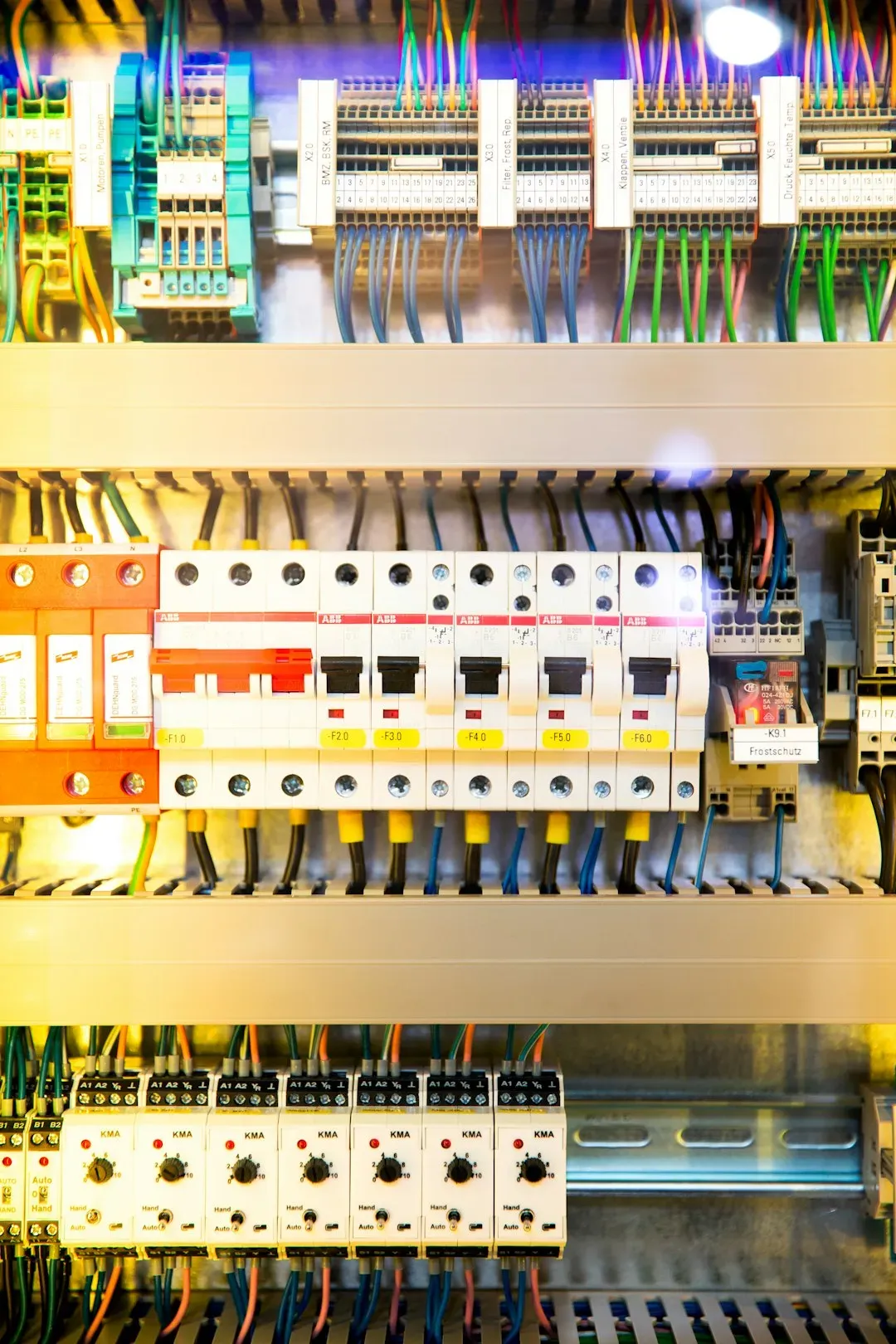
This is one of the sneakiest violations out there. Homeowners and even some contractors assume AFCI breakers are only needed in bedrooms. That assumption is very wrong in 2026, and inspectors know it.
AFCI violations are one of the top five reasons jobs fail inspection – especially when electricians assume “bedroom only.” The scope of where these breakers are required has grown substantially with each new NEC cycle.
The 2023 National Electrical Code requires arc-fault circuit-interrupter protection in multiple areas of a dwelling unit. All 120-volt, single-phase, 15- and 20-ampere branch circuits supplying all outlets must be AFCI protected in kitchens, family rooms, dining rooms, living rooms, bedrooms, sunrooms, recreation rooms, closets, hallways, laundry areas, and similar rooms including finished basements.
When it comes to residential fire safety, few code sections are as critical. An AFCI is a sophisticated device designed to detect a dangerous, unintended electrical arc and de-energize the circuit before a fire can start. The code has evolved significantly over the years, progressively expanding the locations where this protection is mandatory.
4. Skipping Whole-Home Surge Protection on Panel Replacements
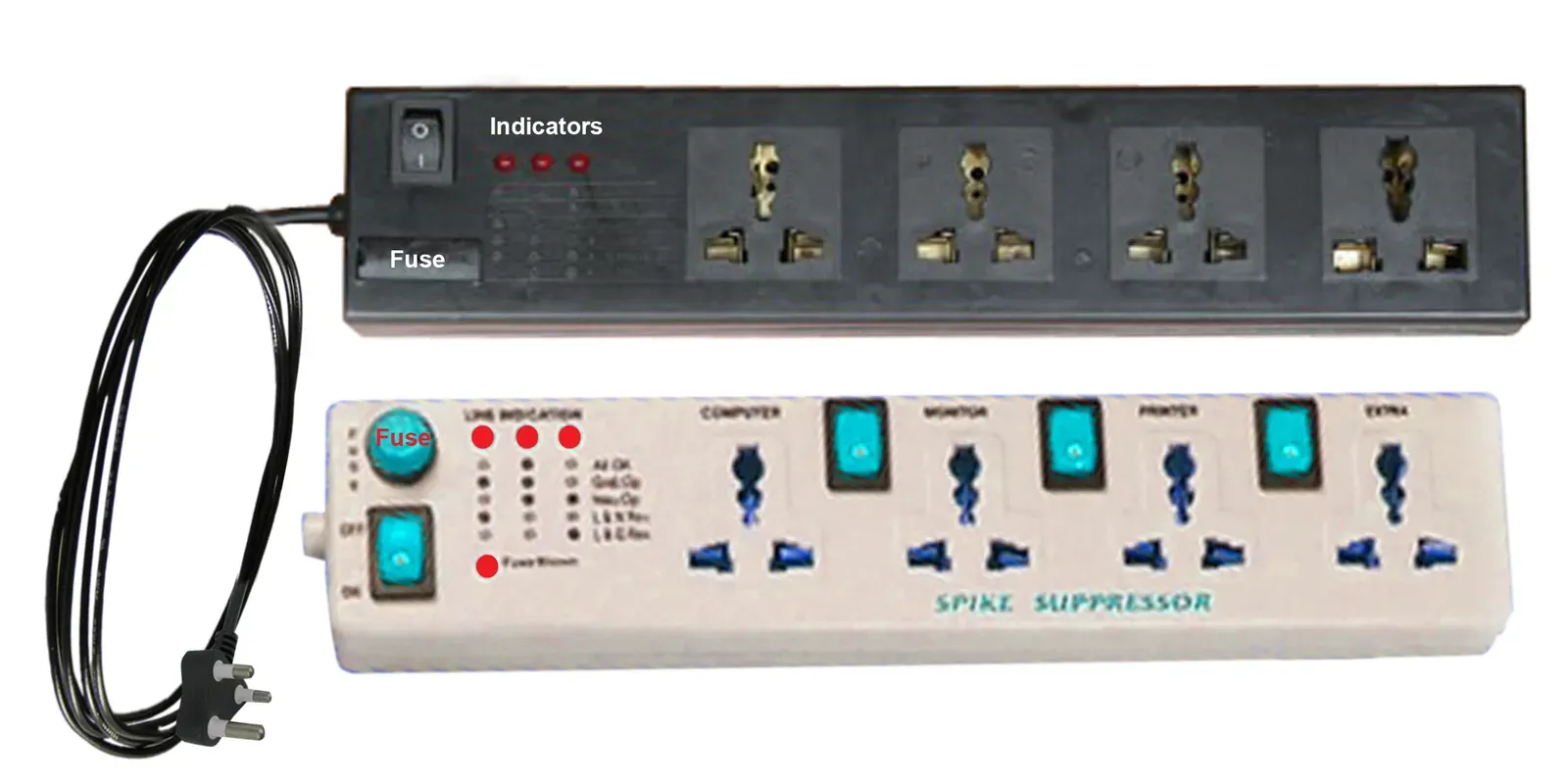
This is a newer requirement that catches a surprising number of homeowners and contractors off guard. Replace your panel and forget the surge device, and you’ve already failed before you flip a single breaker.
Article 230.67 now requires all services supplying dwelling units to be provided with a surge protective device, as an integral part of equipment or located immediately adjacent. The SPD must be a Type 1 or Type 2 SPD. This requirement applies to residential service equipment being replaced as well.
The world is shifting to more sensitive electronics in everyday products. Consider the electronic chips now common in your refrigerator, laundry equipment, entertainment equipment, and even LED lighting. The standard life of these products can be extended when an SPD is allowed to knock down large and small electrical surges.
It’s also worth noting that the required SPD’s nominal discharge rating must be at least 10 kA. This is a new and significant change from the previous 2020 NEC language. Many older installations used lower-rated devices that no longer meet current standards.
5. Double-Tapping Breakers to Add Circuits
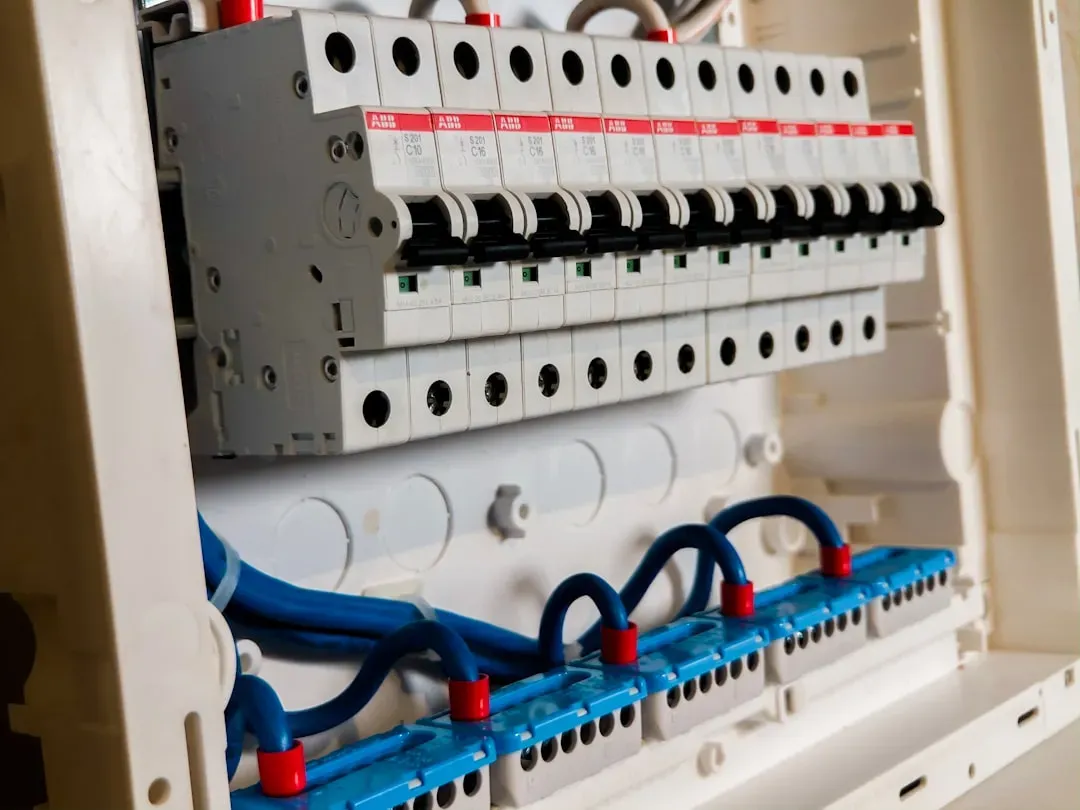
Space runs out in a panel faster than anyone expects. The temptation to squeeze two wires onto one breaker terminal – what electricians call double-tapping – is very real. It also regularly earns a red tag from inspectors.
Electrical panels generate a significant number of violations during inspections. Overcrowded panels, double-tapped breakers, missing labeling, and outdated equipment are all common findings. As homes add appliances, air conditioning upgrades, pool equipment, and smart technology, panels fill up. Homeowners or contractors sometimes squeeze additional circuits into existing breakers rather than expanding capacity properly. That shortcut often works temporarily, but violates code and increases heat buildup inside the panel.
Violating electrical panel code violations can result in overloaded circuits and increased fire risks. Think of it like a highway with too many cars forced into one lane – eventually, something crashes.
6. Using Romex Cable in Outdoor or Exposed Locations
Romex is familiar. It’s what most people picture when they think of house wiring. The mistake is assuming it works everywhere, including outside or in areas where it’s exposed to physical damage.
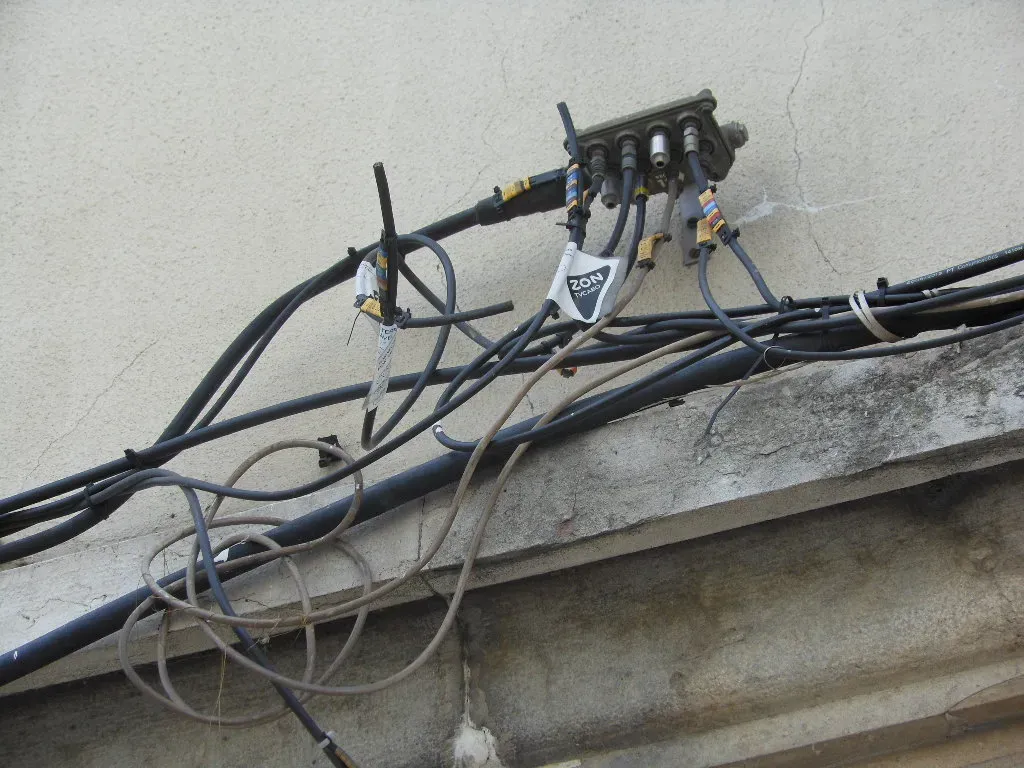
Romex is for indoor use only. Using it outside, under decks, across yards, or along fences exposes it to weather and physical damage, violating code. Outdoor wiring must use approved weather-resistant conduit and cable types designed to withstand moisture and UV exposure.
Cables running across walls, ceilings, or floors without proper protection are a known issue. Exposed wiring is easily damaged by pets, furniture, or foot traffic, leading to dangerous shorts or electrocution risks. Wires must be properly secured, stapled, or run through conduit to prevent damage.
Here’s a useful way to think about it: using Romex outdoors is like wearing a cotton t-shirt in a rainstorm and expecting it to keep you dry. It was never built for that environment, full stop.
7. Making Wire Splices Outside of Junction Boxes
Sometimes a wire is too short, or a connection needs to be extended. The quick fix is to twist the wires together and wrap them in electrical tape. Inspectors see this constantly. It is one of the most cited violations – and one of the most dangerous.
Twisting wires together in a wall cavity and covering them with tape is strictly prohibited. U.S. electrical code requires all splices to be enclosed in approved boxes to reduce the risk of arcing, short circuits, and overheating. Electrical inspectors flag open splices as immediate fire hazards.
Wire splices made outside of approved junction boxes are a recognized violation. Open splices can overheat, spark, and cause fires. They are also difficult to inspect and maintain. All splices must be contained within approved, accessible junction boxes with proper covers.
Hiding a junction box behind drywall, cabinetry, or insulation prevents future inspections and increases the risk of unnoticed overheating or arcing. Electricians warn that concealed boxes are a leading cause of electrical fires because loose connections can’t be serviced.
8. Overstuffing Electrical Conductor Boxes
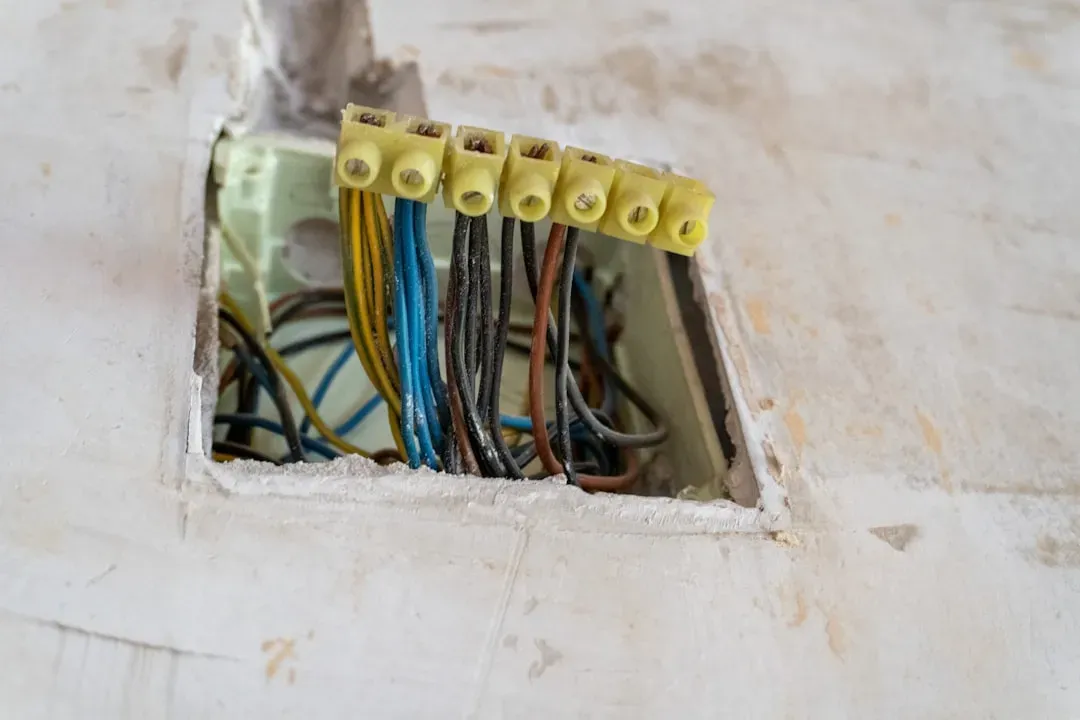
More wires going into a box doesn’t seem like a catastrophic problem. It is. Boxes have strict volume limits, and cramming wires together creates heat – exactly the conditions that start fires inside walls.
Electrical inspectors across the U.S. report that overstuffing electrical conductor boxes is a repeat violation. According to NEC code 314.16, electricians must calculate the maximum volume of conductors they can safely fit into boxes. Table 314.16(A) covers the fill volume and total number of conductors based on size. However, many electricians don’t appear to consult this table; inspectors said crowded conductor boxes are a common NEC violation.
Too much wiring in an electrical box violates NEC code, and every connection must be made within an approved box. An excessive number of wires may result in overheating, which will melt insulation and ignite a fire. It’s a slow-burn risk that hides perfectly until it doesn’t.
9. Installing Smart Switches Without a Neutral Wire
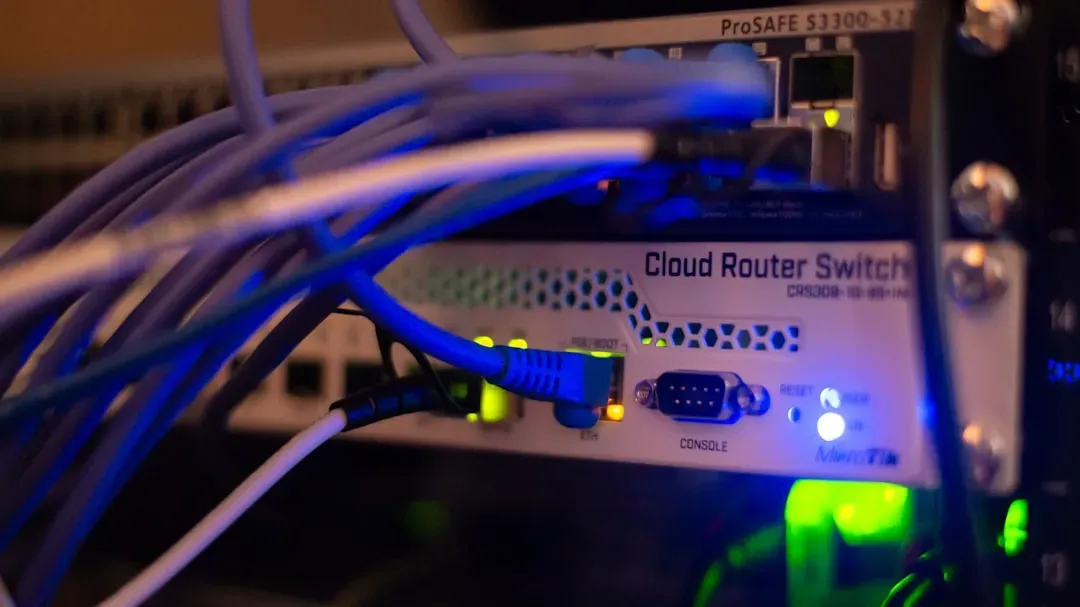
Smart home upgrades are everywhere in 2026. Smart dimmers, voice-controlled switches, app-linked lighting. Homeowners swap out old switches without realizing that modern smart devices have different wiring requirements than their dumb predecessors.
Today’s smart switches and dimmers have electronics, and most of them do need a neutral wire. The NEC now requires neutrals at switch boxes, or there must be a way to easily pull one later.
Even something as simple as relocating a few outlets or lights might trigger inspection and require bringing the modified portion of the system up to code. That’s why hiring a licensed, local electrician who understands the NEC is critical.
It’s hard to say for sure how many homeowners have done this swap without knowing – but inspectors consistently flag it during kitchen and living area remodels. The fix isn’t always simple, especially in older homes without conduit.
10. Ceiling Fan Installation Using a Non-Fan-Rated Box
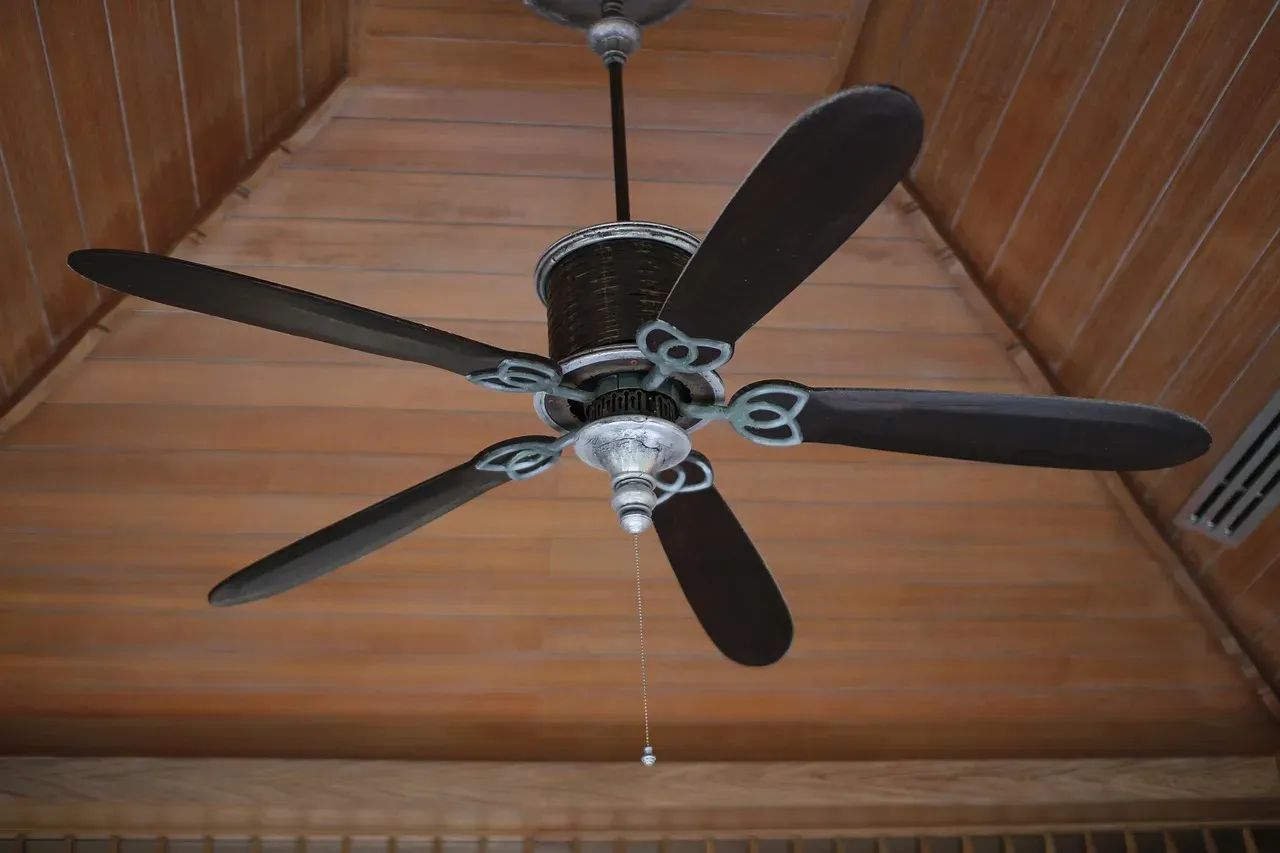
Swapping a ceiling light for a ceiling fan feels like a weekend project. The wiring already exists. The box is right there. The problem is that the box designed to hold a light fixture is not built to handle a rotating motor.
Some homeowners mount heavy ceiling fans to boxes designed only for light fixtures. Electricians warn that these boxes cannot handle the weight or vibration of fans, and failures have caused injuries and structural damage. U.S. building codes specify fan-rated boxes for any overhead fan installation.
Many homeowners try to modernize or improve their electrical systems without realizing that some common DIY practices violate the National Electrical Code and local U.S. regulations. These illegal upgrades can void insurance coverage, create fire hazards, and lead to serious penalties if discovered during inspections. A ceiling fan falling mid-dinner is the kind of inspection failure no report can fully describe.
11. Installing Three-Prong Outlets on Ungrounded Circuits
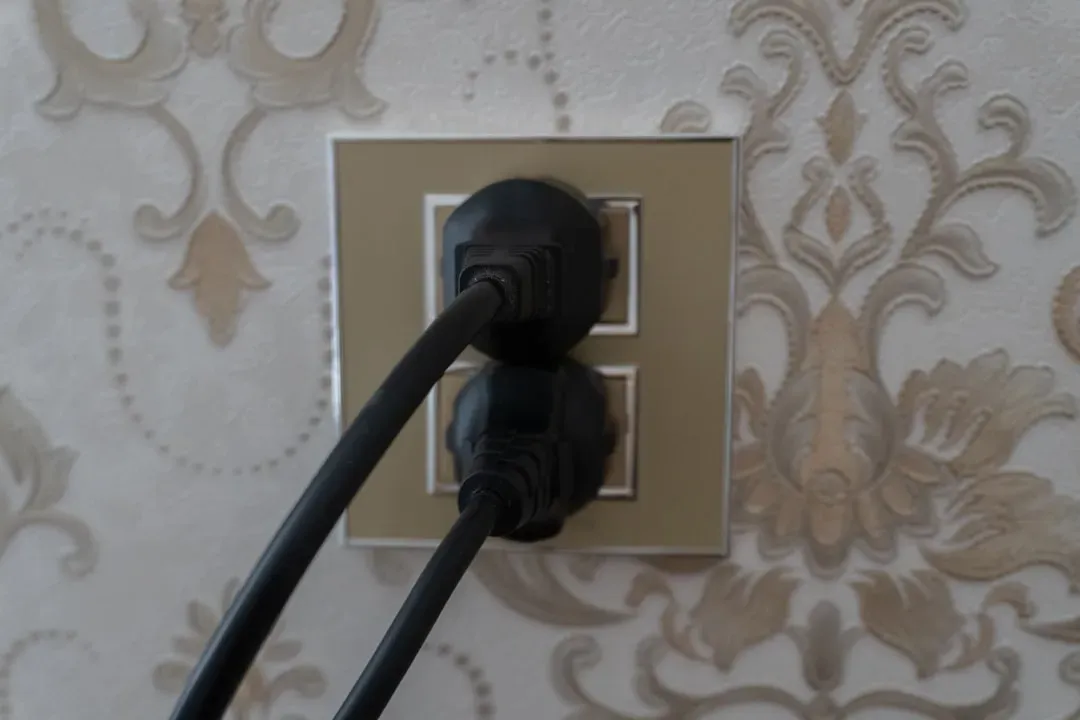
Older homes often have two-slot outlets. Homeowners get fed up with not being able to plug in modern three-prong appliances and simply replace the outlet with a grounded-style one. It looks right. It is not right.
A previous homeowner got sick of having nowhere to plug in a three-prong plug and swapped out the two-slot, non-grounding type receptacles for three-slot, grounding-type ones. That was a code violation.
Some homeowners add outlets without connecting them to a grounded system, especially in older houses. Ungrounded outlets violate electrical code and put users at risk of shock, especially when plugging in metal-cased appliances or electronics.
Grounding provides a safe path for electricity to flow back into the earth during a fault. Without it, electricity can take unintended paths, creating shock or fire hazards. Ungrounded outlets, particularly in older homes, leave appliances and electronics vulnerable. The correct fix involves a GFCI outlet or breaker – not a three-prong swap job.
12. Failing to Label the Breaker Panel After Upgrades
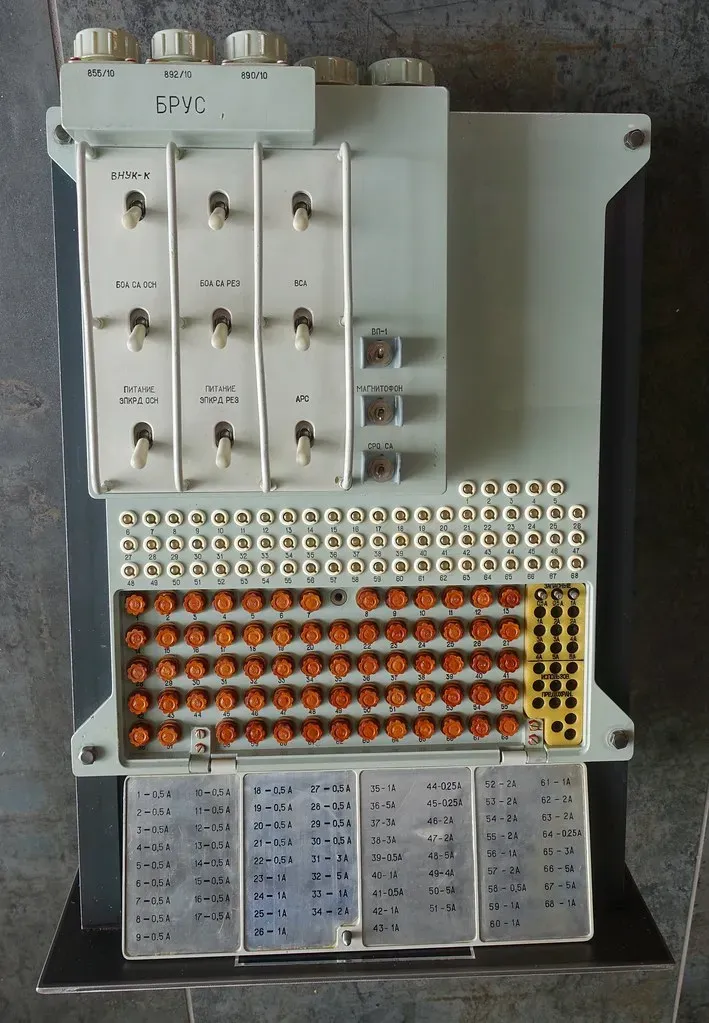
This one feels almost too simple to be a real violation. Yet inspectors flag it constantly across every type of home and renovation project. After adding circuits, upgrading panels, or rewiring rooms, the directory inside the panel door often goes untouched or gets scribbled with codes that only the electrician understands.
The NEC requires that circuit breakers be legibly marked so you know exactly what they do. Many homes have panels that are never labeled correctly. That’s a problem if you’re doing electrical work or if you need to shut off a circuit quickly when there’s a problem.
Failing to properly label circuits on panelboards is a cited violation. When wiring a new electrical panel, don’t forget to fill out the directory in a way that non-electricians can easily understand. Many electricians use trade symbols on panelboard directories; occupants won’t understand these. Circuits should be described by the rooms they feed, per NEC code 408.4.
Improper labeling also causes broader issues. Panels must clearly identify which circuits serve which areas. Poor labeling slows emergency response and complicates maintenance. In a real emergency, a mislabeled panel isn’t just an inconvenience. It can be the difference between control and catastrophe.