Longevity Experts Caution Against These 6 “Poisonous Ps”
Most people chasing a longer life focus on what to add – more supplements, more exercise routines, more biohacking gadgets. But some of the world’s leading longevity researchers say the real enemy is already sitting on your plate, or in your daily habits. Valter Longo, a professor of gerontology and director of the USC Longevity Institute in California, has spent decades studying what actually cuts human life short. His findings point to a surprisingly familiar list of culprits, starting with five dietary offenders, and expanding into lifestyle patterns that researchers now recognize as quietly lethal. This gallery walks through the six “poisonous Ps” that experts warn against.
1. Pizza – The Crowd-Pleaser With a Hidden Cost

The crowd-pleasing pizza is one of longevity scientist Valter Longo’s “poisonous P’s” for longevity. It may seem unfair to blame a beloved staple, but the science behind the concern is hard to ignore. Pizza and pasta, often high in refined carbohydrates and processed ingredients, have been associated with weight gain, inflammation, and increased risk of chronic diseases such as diabetes and heart disease. The problem is not just one ingredient either. It is the entire combination of processed meats, excessive cheese, and refined flour working together to create what researchers call a perfect storm of inflammation-promoting ingredients.
Italy’s youth are facing obesity because of what Longo calls the “poisonous five P’s – pizza, pasta, protein, potatoes, and pane (or bread),” and Longo fears Italians will live long but not healthfully if this pattern continues to dominate the culture. This is particularly striking given that the Italian lifestyle has long been considered the gold standard for longevity, with the focus on the Mediterranean diet, walkability, and community – and Sardinia, Italy, is one of the five original Blue Zones, regions where people live the longest, healthiest lives. The shift away from traditional eating is, in Longo’s view, one of the most dangerous dietary trends happening in the world today.
2. Pasta – A Cultural Icon Turned Health Concern

Unfortunately, the original Mediterranean diet has been lost in recent years, according to Dr. Longo. “Almost nobody in Italy eats the Mediterranean diet,” he told the New York Times. Pasta, once prepared simply with olive oil, legumes, and seasonal vegetables, has morphed into heavy, refined-flour dishes loaded with processed meats and saturated fats. The refined carbohydrates in modern pasta preparations trigger rapid blood sugar spikes, which over time are strongly linked to metabolic dysfunction and chronic disease. Pizza and pasta, often high in refined carbohydrates and processed ingredients, have been associated with weight gain, inflammation, and increased risk of chronic diseases such as diabetes and heart disease.
The broader picture of ultra-processed food – which many modern pasta dishes fall into – is alarming. Eating too much ultra-processed food could speed up the biological ageing process, according to Monash University-led research published in the journal Age and Ageing. The study showed an association between increased consumption of ultra-processed foods and biological ageing – and for every 10 percent increase in ultra-processed food consumption, the gap between biological and chronological age rose by 2.4 months. That is a real, measurable cost to your body’s clock – not a theoretical risk.
3. Protein (Excess Animal Protein) – The Double-Edged Sword
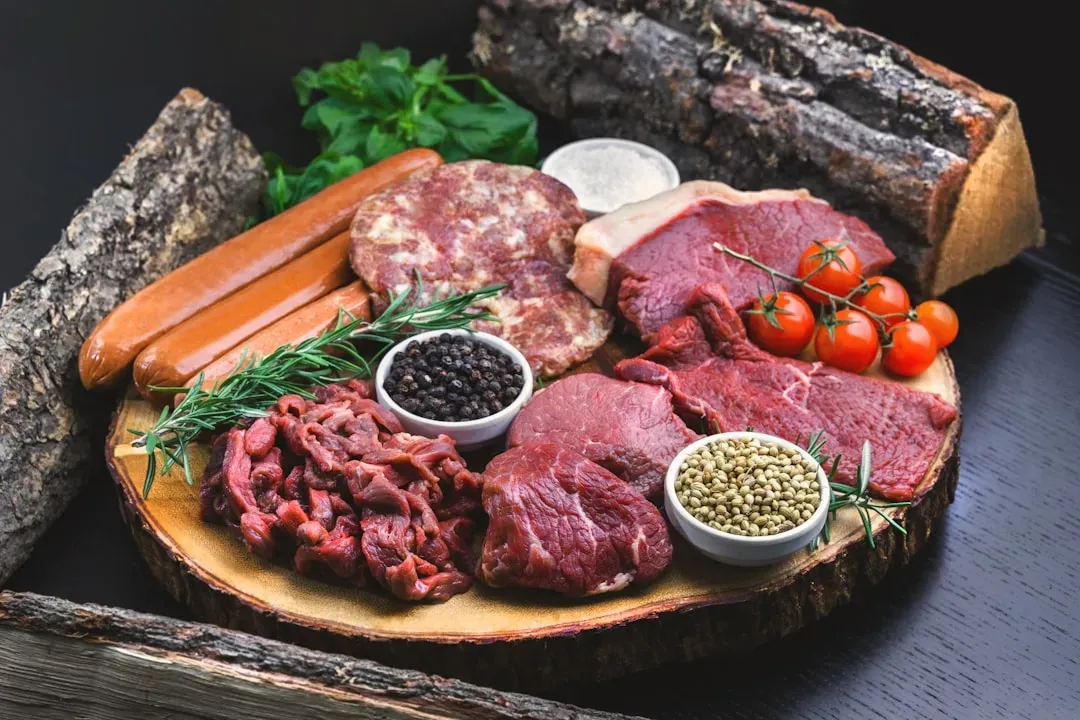
Protein is essential for life, and no serious researcher argues otherwise. The debate is about how much, and what kind. Protein, while essential for health, can become problematic when consumed excessively or in the form of processed meats. Dr. Longo isn’t advocating for zero protein consumption – he’s warning against the Western tendency to overconsume animal proteins while neglecting plant-based alternatives. His recommended approach includes legumes, chickpeas, and green peas as primary protein sources rather than red meat or processed meat products.
The research on excessive animal protein intake and mortality is striking. Epidemiological studies show that a high intake of animal protein, particularly red meat, which contains high levels of methionine and branched-chain amino acids, may be related to the promotion of age-related diseases. A major review published in Annual Reviews of Nutrition in 2025 confirmed that while public health recommendations often emphasize high protein intake, human epidemiological data and work on model organisms suggest that excessive protein consumption correlates with increased mortality. The nuance matters – it is the source and quantity of protein that determines whether it protects or harms.
4. Potatoes – The Starchy Trap
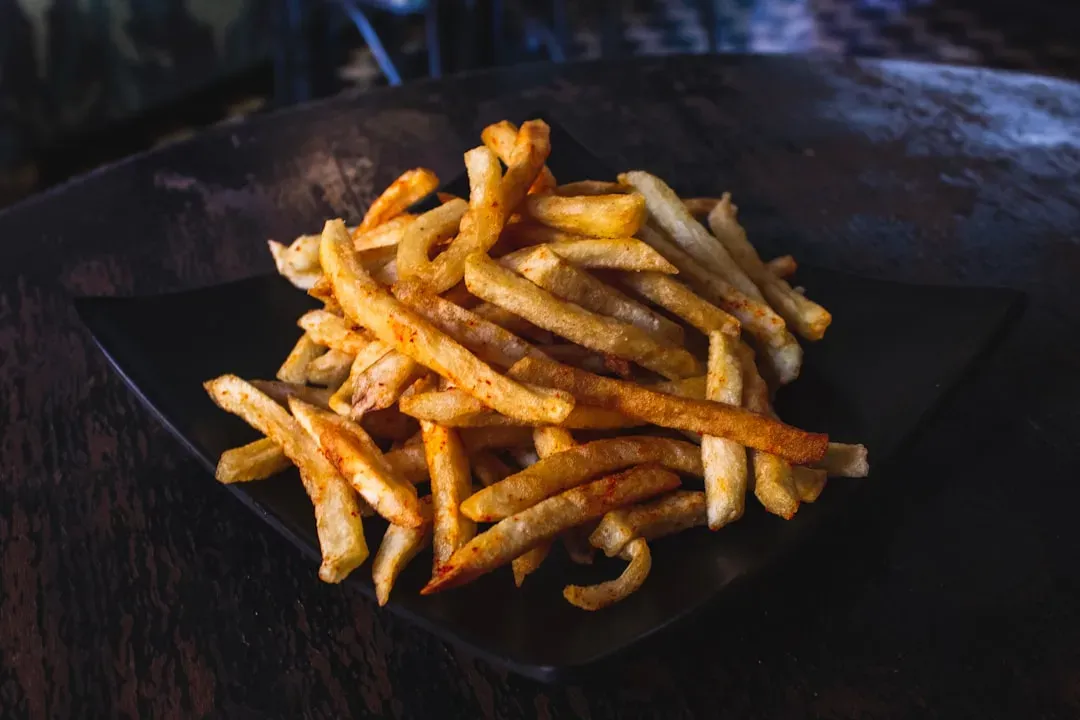
Potatoes, particularly when prepared in fried or processed forms, can contribute to weight gain and metabolic issues due to their high starch content and association with unhealthy cooking methods. This is not a blanket condemnation of every potato ever grown – a boiled potato with its skin on is a very different food from a bag of ultra-processed chips. The issue isn’t necessarily the potato itself but how it has been transformed into french fries, chips, and other processed forms loaded with unhealthy fats. In modern Western diets, potatoes almost never show up in their simplest, least-processed form.
The ultra-processed food connection is key here. Higher consumption of most ultra-processed foods is linked to a slightly higher risk of death, with ready-to-eat meat, poultry, and seafood-based products, sugary drinks, dairy-based desserts, and highly processed breakfast foods showing the strongest associations, according to a 30-year US study in The BMJ. Ultra-processed food consumption has likely doubled since earlier large-scale studies were conducted, experts say – meaning the population-wide risk from heavily processed potato products, among other foods, is growing steadily. The problem is systemic, not just personal.
5. Pane (Bread) – The Refined Flour Problem

Pane (bread), especially when made from refined flour, lacks essential nutrients and may spike blood sugar levels, contributing to insulin resistance and metabolic dysfunction over time. White bread is a prime offender in the modern diet – stripped of fiber, vitamins, and minerals during processing, it delivers calories with minimal nutritional return. Studies show that diets including whole-grain bread do not promote weight gain and may help with BMI. However, findings on refined bread are concerning, with most well-designed cohort studies demonstrating a possible relationship with excess abdominal fat. The distinction between artisan whole-grain sourdough and industrial white loaves could genuinely affect how long and how well you live.
The larger body of research on ultra-processed food – a category that industrial bread firmly belongs to – paints a consistent picture. Across 18 studies involving over 1.1 million participants with more than 173,000 deaths recorded, participants with the highest ultra-processed food consumption had a 15 percent increased risk of all-cause mortality compared to those with the lowest consumption. Research presented at NUTRITION 2024 supports a larger body of literature, including both observational and experimental studies, which indicate that ultra-processed food intake adversely impacts health and longevity. Bread may seem harmless, but its industrial version is part of a dietary pattern with serious consequences.
6. Passivity (Sedentary Lifestyle) – The Silent Poison

The sixth “poisonous P” is not a food at all – it is inaction. A growing body of evidence now confirms that sitting still for most of the day is one of the most underappreciated threats to lifespan. In 2024, the World Health Organization cited physical inactivity as a leading risk factor for death around the world. According to the WHO, people who do not get enough physical activity have a 20 to 30 percent higher risk of death than those who do. That is a staggering gap in mortality risk for a factor that costs nothing to change. The WHO reported that roughly a third of the world’s adults were getting less than the recommended 150 minutes of moderate-intensity physical activity each week in 2022.
The link between sedentary behavior and accelerated biological aging is now confirmed at a cellular level. Sedentary behavior can raise the risk of death from cardiovascular disease – a 2024 study in JAMA Network Open found that people who sat at work faced a 34 percent higher risk of death from cardiovascular disease than those who did not. Even more alarming, a 2025 study in Alzheimer’s and Dementia reported that a sedentary lifestyle in aging adults was an independent risk factor for Alzheimer’s, and study participants who were more sedentary showed more cognitive decline, even if they met recommended exercise guidelines. Movement, it turns out, is not optional for those hoping to add years – and quality – to their lives.