Property Tax Surprises: 10 States Where Seniors Are Being Priced Out of Their Own Homes
Property taxes have become one of the most serious financial threats facing older Americans. While seniors celebrate paying off their mortgages after decades of sacrifice, many are discovering that homeownership doesn’t end with the final mortgage payment. Property taxes nationwide have increased 30 percent between 2019 and 2024, creating an affordability crisis that’s forcing retirees from homes they thought they’d own forever. Rising property taxes may be particularly burdensome to elderly homeowners, as elderly homeowners tend to be housing-rich but income-poor, which may make them vulnerable to increases in property taxes.
Reports of seniors losing homes due to property taxes are sobering, with retirees in some communities forced to sell houses they owned for decades because tax bills doubled or tripled. The problem spans coast to coast, hitting hardest in states where property values have soared while retirement incomes remain stubbornly flat. Let’s explore the ten states where this crisis hits seniors hardest.
1. Illinois: Where Property Taxes Eat Retirement Dreams
Illinois had the highest effective property tax rate at $17.93 per $1,000 of home value for the second consecutive year. It’s honestly hard to overstate how devastating this is for retirees. Illinois has the second-highest property taxes in the nation at more than double the national average, and many senior citizens without unsubsidized income struggle to manage rising tax burdens.
For retirees who don’t plan to sell their home for a profit and move somewhere else, these taxes could price them out of being able to afford their forever homes. The Homestead program allows seniors in Illinois to freeze their property tax rate, but that exemption only applies to people who earned $65,000 or less a year, though a bill would increase that exemption to $80,000. The gap between what relief programs offer and what seniors actually need keeps widening.
2. New Jersey: The Garden State’s Crushing Tax Burden
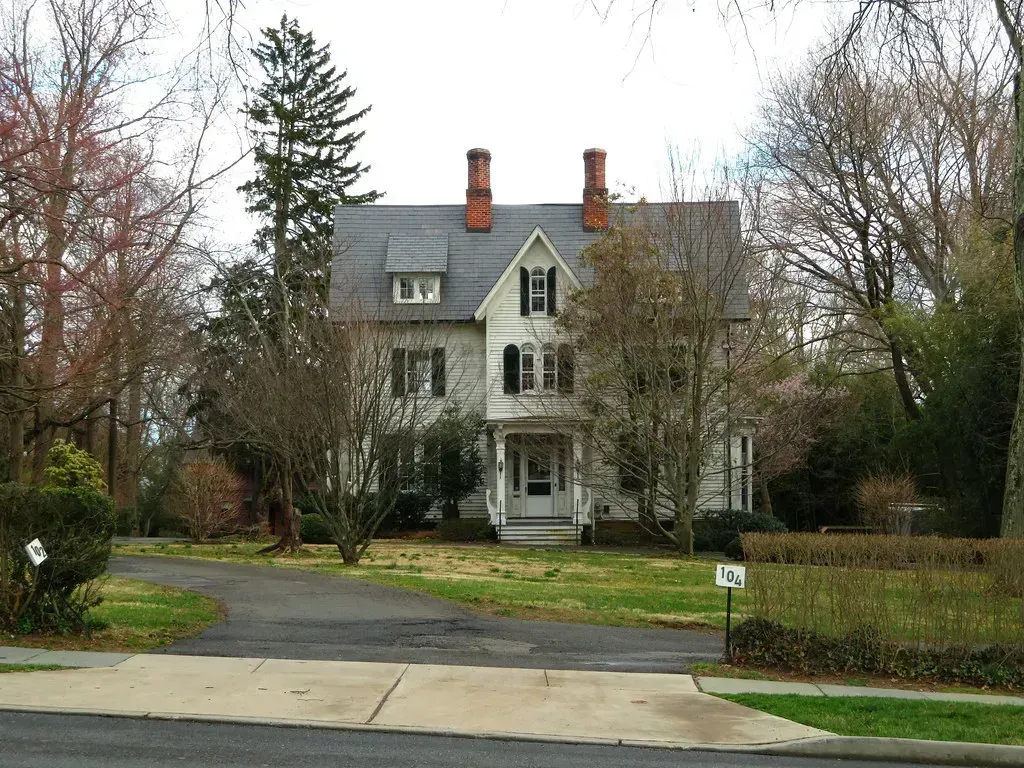
The Garden State has the highest tax rate in the nation. Homeowners in New Jersey continued to pay the highest real estate taxes, paying an average of $9,767. Think about that for a moment. Nearly ten thousand dollars annually just to keep a home you already own.
New Jersey recognizes the crisis it’s created. The Stay NJ program offers property tax benefits to eligible homeowners aged 65 and older, reimbursing applicants for 50% of their property tax bills up to a maximum of $13,000, with a 2025 benefit cap of $6,500. Still, these programs only patch over a fundamentally broken system where seniors face impossible choices between medication and property taxes.
3. Connecticut: Small State, Massive Tax Bills
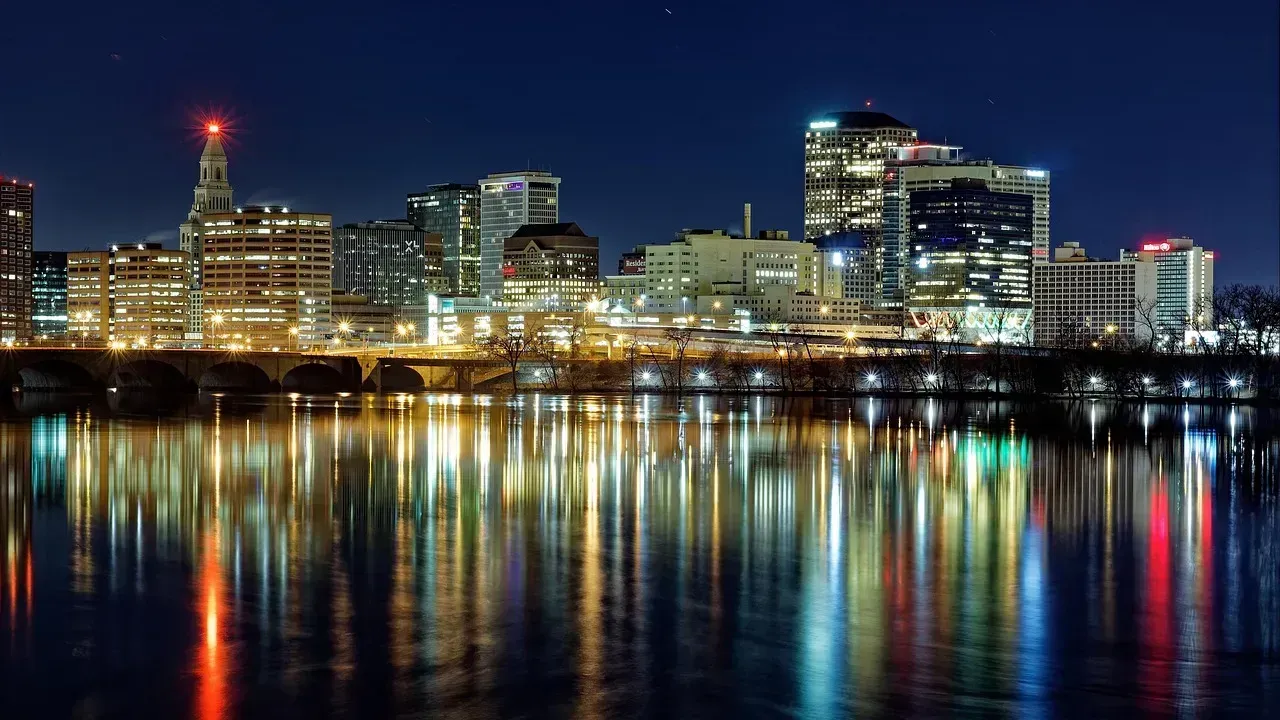
New Jersey has the highest effective property tax rate, followed by Illinois and Connecticut. In 2023, Connecticut had median property taxes of $6,575, placing it firmly among the nation’s most expensive states for homeowners.
Connecticut’s high property taxes reflect years of relying on local funding for schools and services. Seniors who raised their children in these well-funded districts now find themselves subsidizing education for other families while living on fixed Social Security checks. The irony is bitter. They paid into the system for decades, and now the system is pushing them out.
4. New Hampshire: Live Free or Pay Dearly
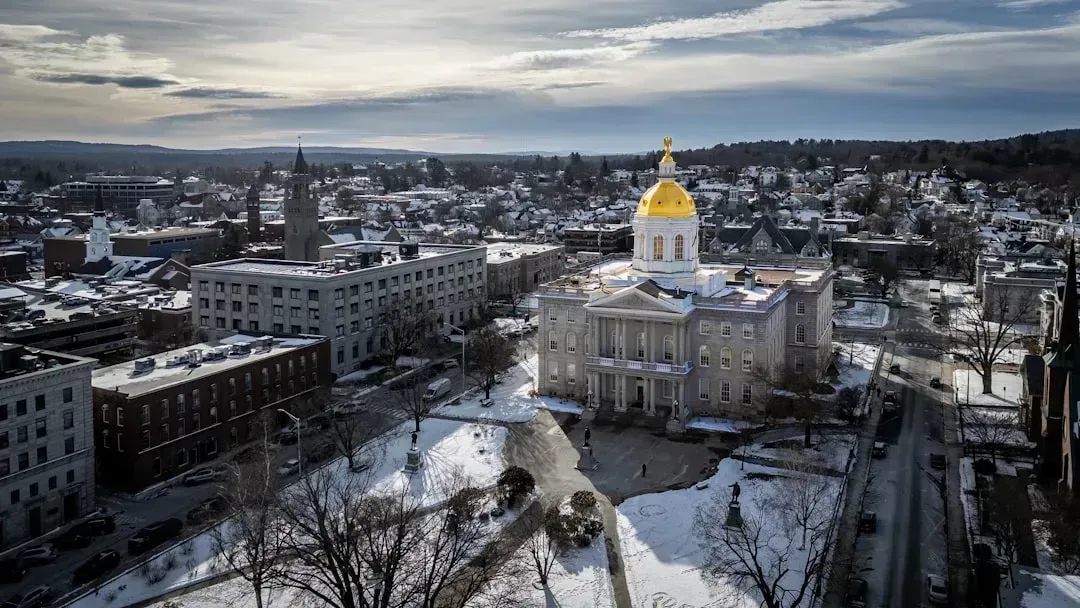
New Hampshire had median property taxes of $6,505 in 2023. Some states with high property taxes like New Hampshire and Texas rely heavily on them in lieu of other major tax categories. The state has no income tax, which sounds great until you realize property owners shoulder nearly the entire burden.
New Hampshire’s effective property tax rate is 1.77%. For seniors who moved to New Hampshire decades ago for its tax-free reputation, this reality comes as a shock. The state takes with one hand what it promises to leave alone with the other.
5. New York: Empire State, Empire-Sized Tax Bills

New York homeowners paid an average of $7,573 in property taxes. New York had the highest overall tax burden at 12.28% when considering all state and local taxes. Seniors in New York face a perfect storm of high costs across multiple categories.
Recent changes offer some hope. Under new legislation signed by Governor Kathy Hochul, localities in New York now have the option to offer eligible senior homeowners a property tax exemption of up to 65% of their home’s assessed value, up from the previous maximum of 50%, which could save the average qualifying senior roughly $300 per year. Yet even with these exemptions, many New York seniors remain one bad year away from losing their homes.
6. Texas: Everything’s Bigger, Including Property Taxes

Property taxes nearing 2 percent on average make homeownership in Texas a more expensive ongoing proposition. Texas has an effective property tax rate of 1.58%. States like Texas rely heavily on property taxes in lieu of other major tax categories.
Texas lawmakers have recognized the problem. Texas is pursuing major changes aimed at expanding property tax relief for older homeowners. Texas lawmakers have been on a multiyear mission to lower some of the nation’s highest property taxes and especially to lessen the burden on older adults. Whether these efforts will arrive in time for seniors already drowning in bills remains uncertain.
7. Vermont: Scenic Beauty, Ugly Tax Reality
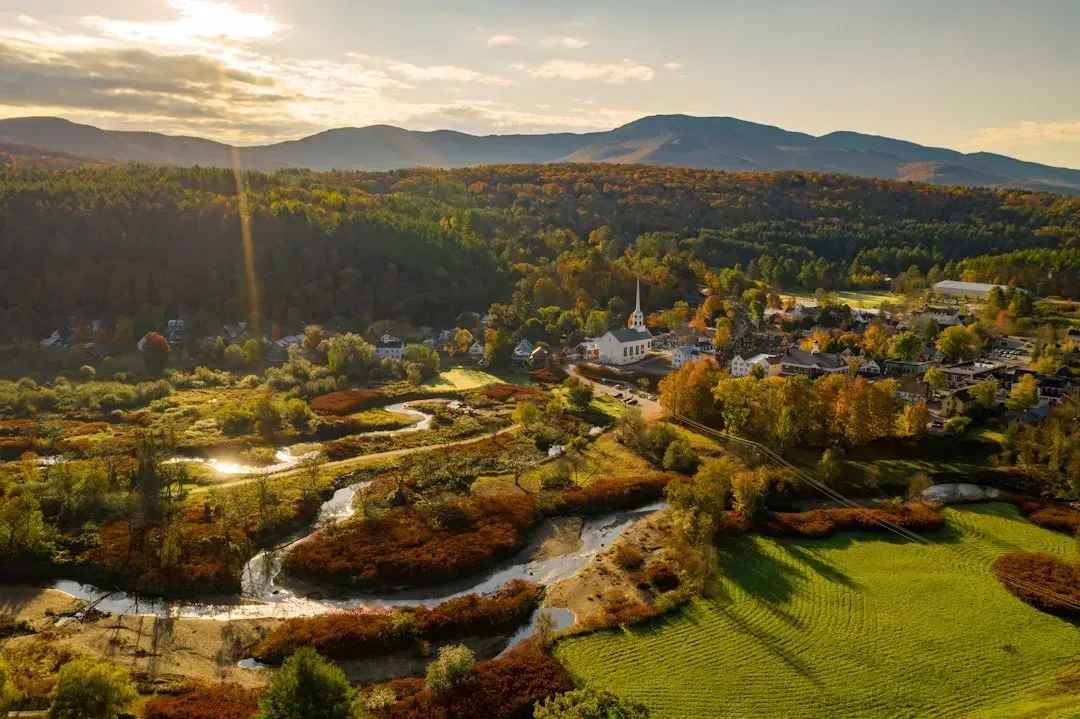
Vermont falls in the top six states for property taxes alongside northeastern neighbors. Vermont’s small population and rural character mean fewer taxpayers support extensive infrastructure needs. Seniors drawn to Vermont’s natural beauty for retirement discover that mountain views come with mountainous tax bills.
The state’s aging population compounds the problem. As more residents retire and move to fixed incomes, the tax base shrinks while service needs increase. It’s a vicious cycle with seniors caught in the middle.
8. Wisconsin: America’s Dairyland Squeezes Seniors
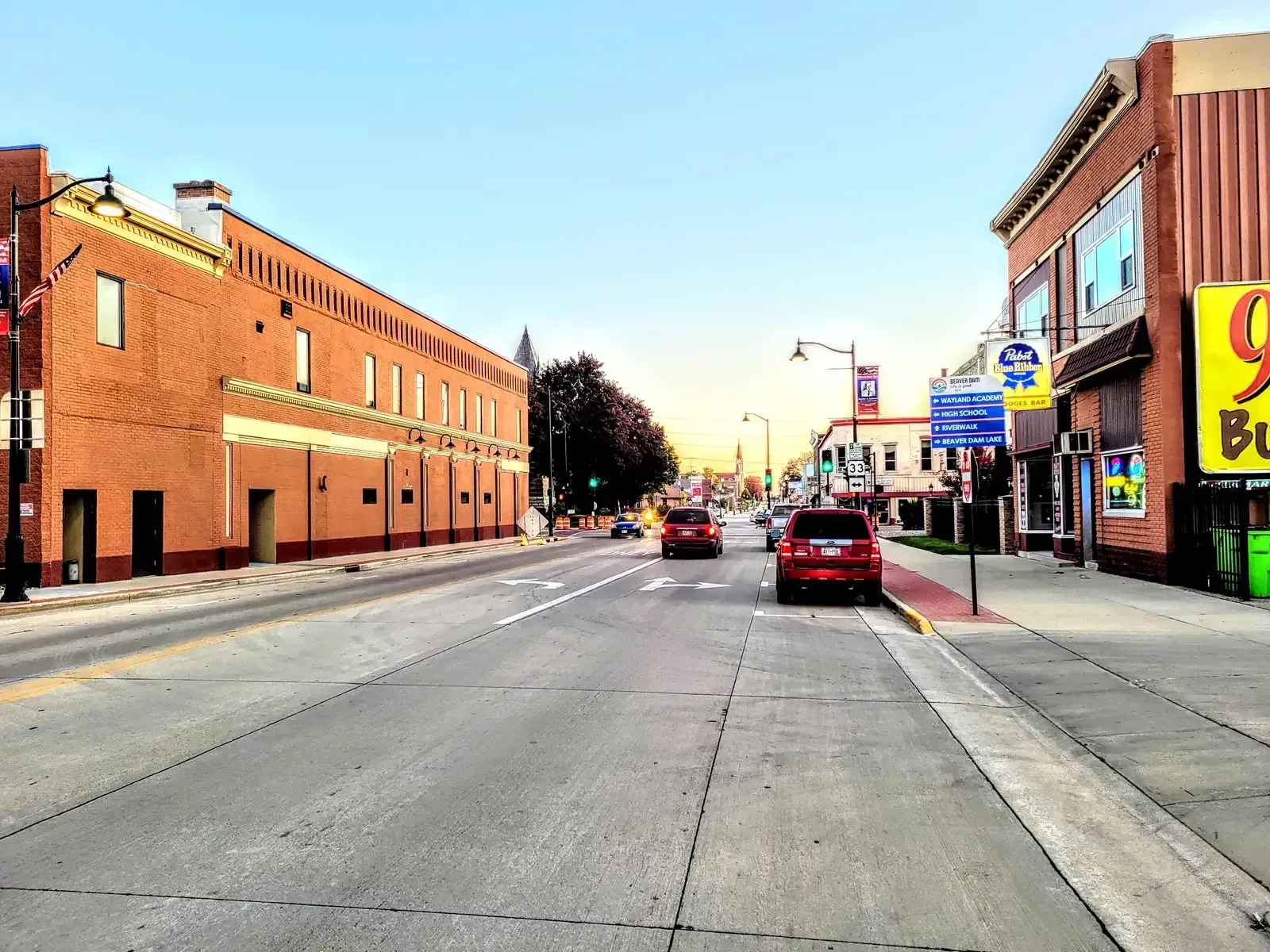
High property taxes in Wisconsin represent about 3.5% of personal income, with Milwaukee residents paying $2,581 per $100,000 assessed value. Wisconsin property taxes saw the largest percentage increase in K-12 since 1992, putting additional pressure on older homeowners.
Wisconsin seniors without school-age children still fund expanding education budgets. Even seniors without children in school contribute to education funding through property taxes. The lack of exemptions for empty-nesters creates genuine hardship for retirees who already raised their families.
9. Massachusetts: Bay State Blues for Older Residents
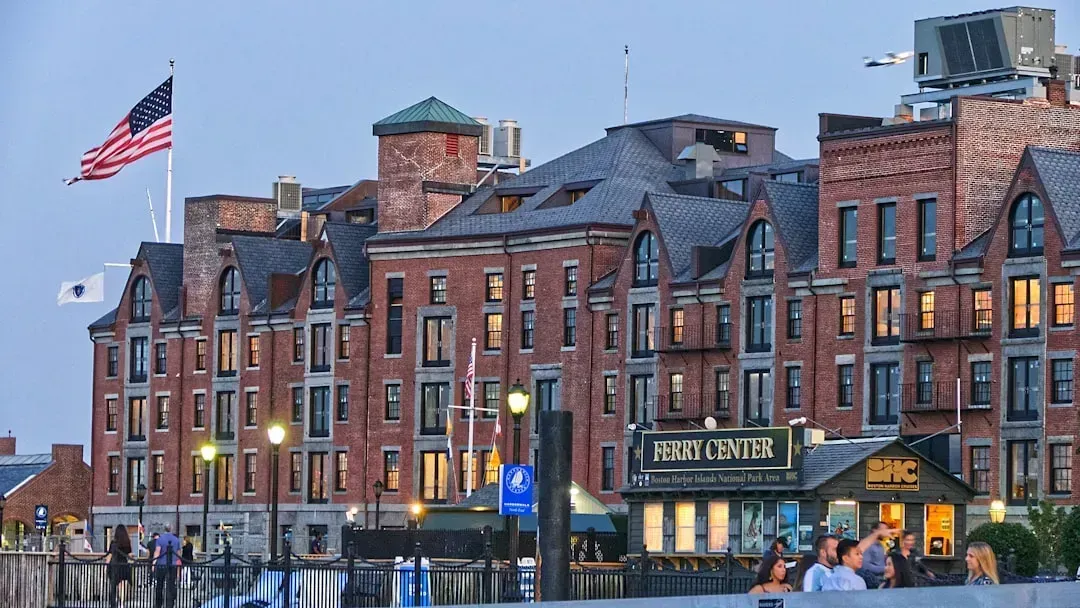
Massachusetts had median property taxes of $5,813 in 2023. Massachusetts represents a paradox. The state offers excellent healthcare and services that seniors need, but property taxes price many out of accessing those benefits.
In Massachusetts, Proposition 2½ led many communities to lay off teachers, police officers, firefighters, and other public employees when property tax limits were implemented. The tension between controlling taxes and maintaining services creates impossible choices for communities and homeowners alike.
10. California: Golden State, Gilded Tax Assessments

Seniors in California face some of the steepest property tax increases due to high housing demand. California’s Proposition 13 supposedly protects homeowners by limiting assessment increases, yet California’s low property taxes place home purchases out of reach for young families while creating a two-tier system.
California’s median home price is $660,000. Long-term California residents benefit from Proposition 13’s protections, yet seniors who purchased homes more recently or moved within the state face crushing bills. The system protects some while abandoning others.