6 Destinations Tourists Say No Longer Feel Welcoming
Something has shifted in the world of travel. The warm welcome that tourists once took for granted in some of the planet’s most iconic destinations has cooled dramatically, and in many cases, it has given way to open frustration, protests, and policy crackdowns that visitors feel the moment they arrive. In 2024, with travel rebounding globally, overtourism hit harder than ever, and famous destinations like Venice, Bali, and Barcelona were already grappling with overcrowding, with effects ranging from environmental damage to overwhelmed local services and the displacement of residents. This is not just background noise. Overtourism can fray the social fabric, long-time residents move away, those remaining grow frustrated or hostile to visitors, and in 2024 that tension was being voiced louder than ever through protests, graffiti, and local political movements demanding change. These are six destinations where travelers are now reporting that something fundamental no longer feels the same.
1. Barcelona, Spain
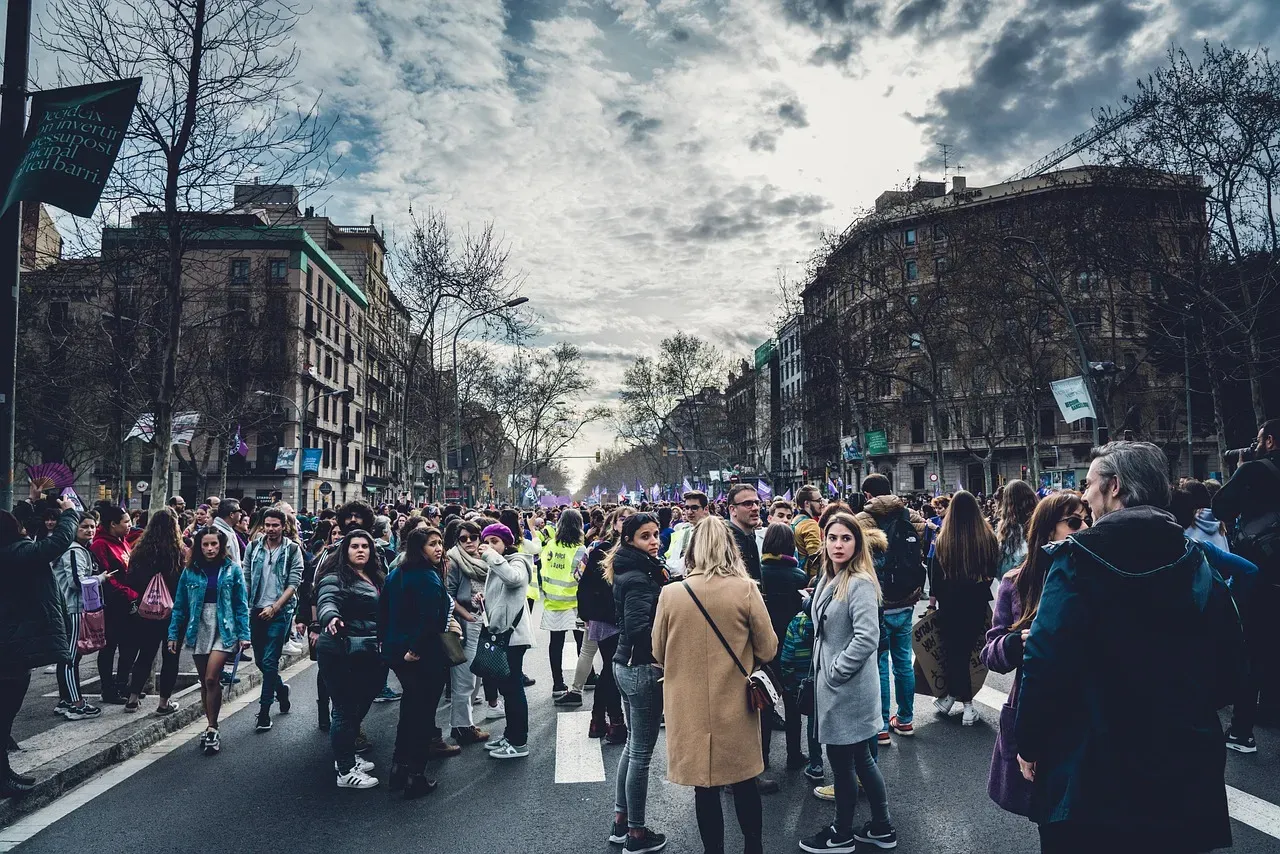
In the summer of 2024, after years of enduring the pressures of overtourism, locals in Barcelona ramped up their protest, with thousands gathering to chant “tourists go home,” and it was a small group armed with toy water pistols who made headlines by squirting them at visitors seated in outdoor cafes. The image spread around the world and became a symbol of something much larger. Over the course of 2024, 94 million tourists visited Spain, compared to its 48 million population, with international tourist expenditure reaching around 126 billion euros.
The protests reflect deeper frustrations where residents report rent increases of over 30% as more apartments are converted to tourist rentals. The city of just 1.6 million residents welcomed over 26 million tourists in 2024, with more than 15.6 million staying overnight, according to local tourism authorities – over ten times the local population, not counting cruise ship day-trippers, which add another 1.6 million visitors a year. In June 2024, Mayor Jaume Collboni announced that he would end short-term rentals in Barcelona by 2028, aiming to reduce the impact on the housing market of landlords renting properties at inflated rates intended for tourists.
2. Venice, Italy
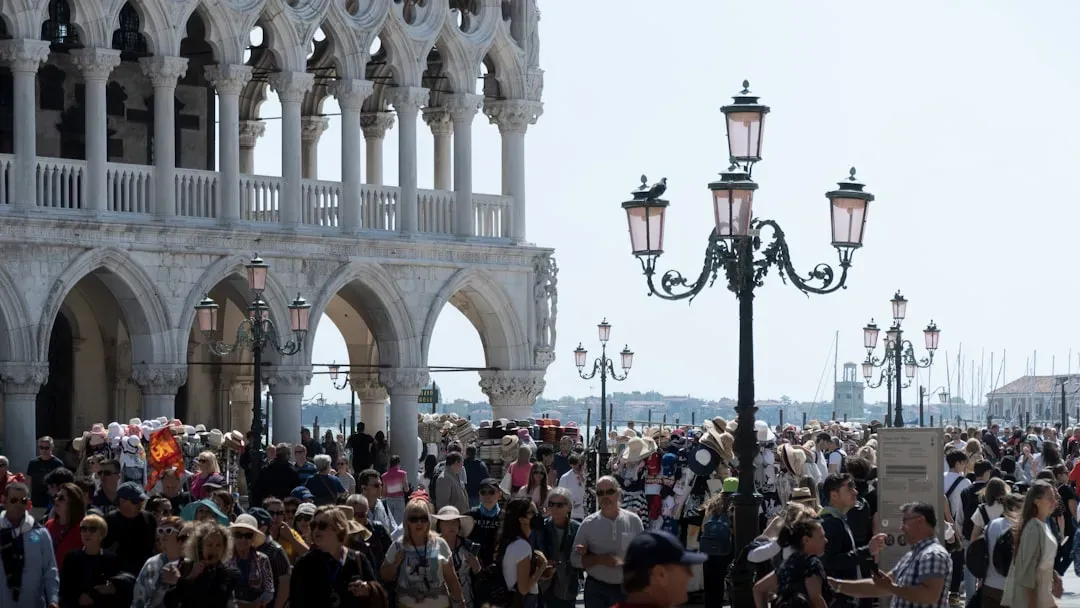
In April 2024, Venice made headlines as the first city in the world to impose a €5 entry fee for day visitors. As Italy’s most visited destination, inbound arrivals reached 4.9 million in 2023, dwarfing the resident population of 49,000. Critics warned the fee risks turning Venice into a “theme park,” stripping away authenticity and offering little benefit to locals. Protest groups marched through the narrow streets holding banners reading “Welcome to Veniceland” and “No to the ticket.”
The city’s struggle has even led to a term: “Venice Syndrome,” used to describe the decline of the city’s permanent population as citizens feel forced to leave. Venice’s population is around 50,000 and has been consistently falling from a peak of 175,000, and if it falls below 40,000, there is concern that Venice will cease to be a viable living city. Venice doubled the number of days tourists must pay an entrance fee in 2025, from 29 days to 54 days, covering every Friday to Sunday and public holidays between April 18 and July 27, 2025, with the fee set at €5 if booked more than four days in advance and €10 if booked less than four days ahead.
3. Kyoto, Japan
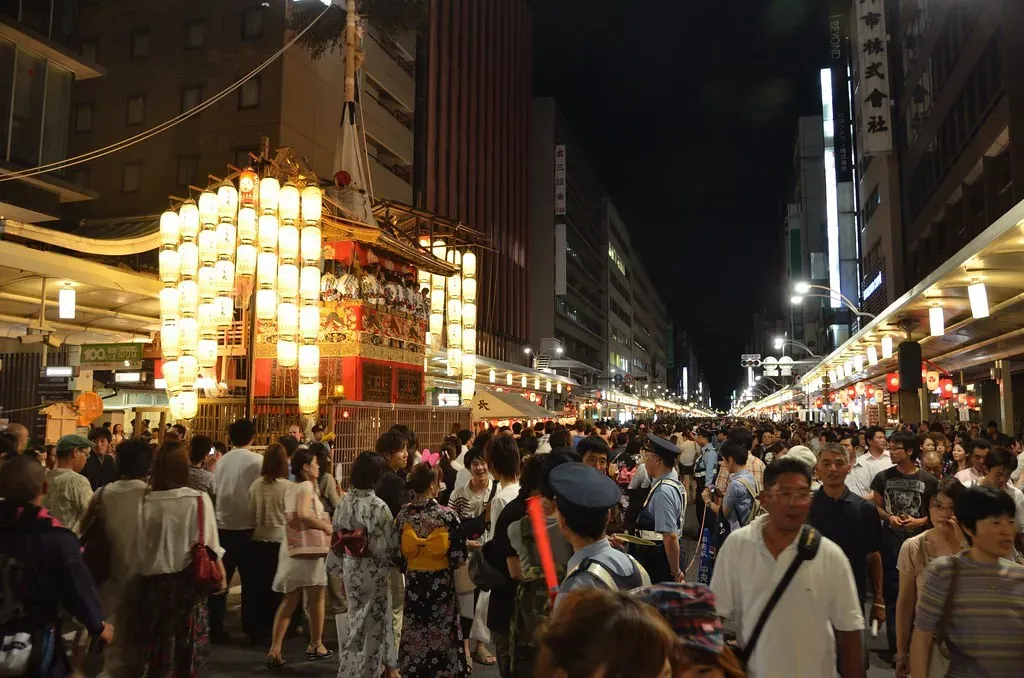
In 2024, Japan saw a record approximately 36.87 million inbound visitors, surpassing the pre-pandemic high of 2019. Kyoto bore the brunt of this surge more intensely than almost anywhere else. According to Kyoto City officials, a combined total of more than 56 million international and domestic tourists visited the historic city in 2024. In addition to the tourist experience being lowered, it is having a negative impact on local life, with residents in the city of around 1.5 million especially annoyed by swarms of tourists clogging narrow streets and overcrowding public trains and buses.
Roughly 90% of the Kyoto residents surveyed by Japan’s Yomiuri Shimbun newspaper complained about overtourism. Besides crowding, one of the biggest grievances was rude or disrespectful behavior by foreign tourists who seem to treat Kyoto like a theme park rather than an old, venerable, and very spiritual city. The city banned tourists from venturing down private lanes in the Gion area and taking unauthorized images after local geisha complained they were being harassed by photo-seeking foreigners, with violators facing fines of up to 10,000 yen ($65). In October 2025, Japan’s Ministry of Internal Affairs and Communications confirmed that a new hotel levy for Kyoto will come into effect, marking the first increase since the tax was introduced in 2018, and slated to boost the city’s accommodation tax revenue from ¥5.2 billion to ¥12.6 billion.
4. Bali, Indonesia
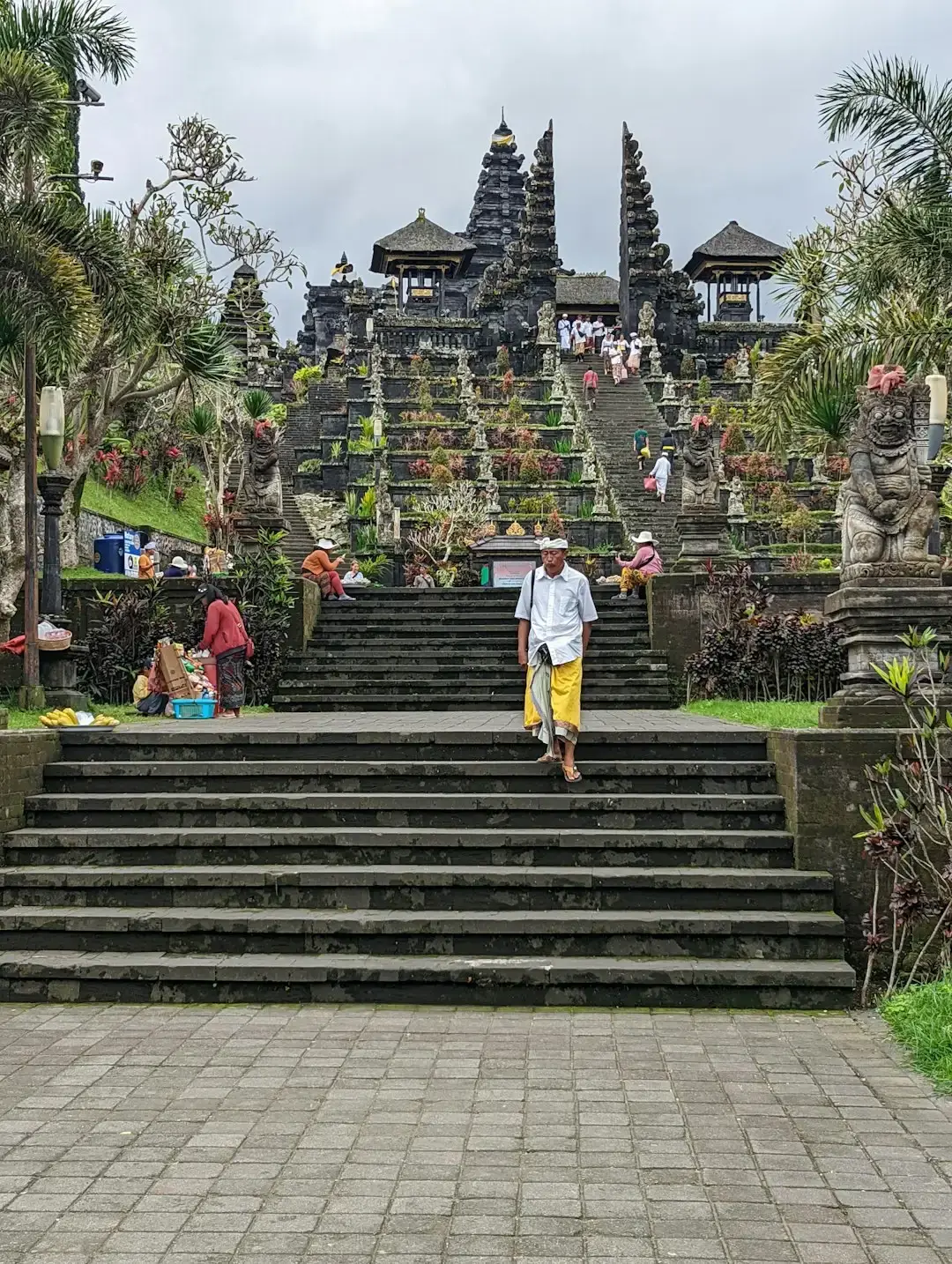
Bali’s tourism in 2024 saw over 6.3 million international tourists, a milestone that has become a stark indicator that this beloved tropical escape is straining under the weight of its own popularity. From the moment you arrive in Denpasar, the issues are obvious: lengthy traffic delays, beaches marred by plastic and endless rows of sunbeds, rice terraces suffering under the feet of Instagram seekers, and at revered temples, selfie sticks seem to outnumber actual offerings.
Nearly 15 million tourists arrived in Bali in 2024, and many local communities have protested against rapid, unchecked development. The replacement of sacred sites and traditional rice paddies with resorts and beach clubs has sparked widespread concern among residents and activists. The Indonesian government has initiated a crackdown on illegal construction and is promoting eco-tourism as part of an effort to balance economic development with environmental and cultural preservation. The 150,000 rupiah ($10) levy introduced in February 2024 was intended to fund conservation and cultural projects, however only roughly 35% of international visitors paid it in 2024, according to Bali’s tourism office head.
5. Amsterdam, Netherlands
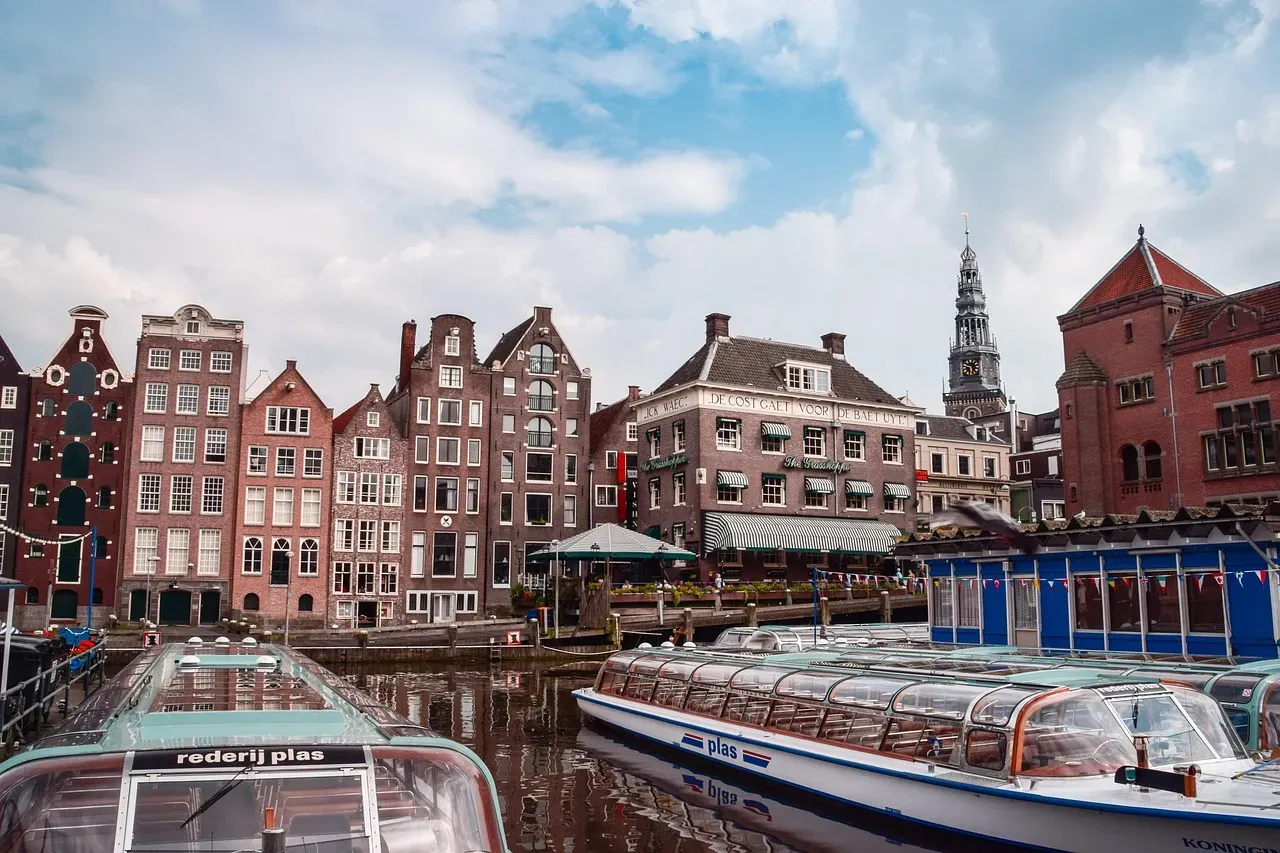
Amsterdam’s historic canals and cultural heritage attracted over 20 million visitors in 2023, leading to significant challenges for residents. Daily life has been affected by overcrowded public transport, rising rents, and noise pollution in residential neighborhoods. Grassroots movements have formed to represent local frustrations, and in 2024, the city enacted a new tourist tax aimed at funding infrastructure improvements and cleanliness initiatives. According to the 2025 Overtourism Report by Wellness Retreats Magazine, Amsterdam ranks among the most over-touristed cities globally, with 29 tourists per resident.
Amsterdam has been blunt about protecting livability, and that bluntness can land as unwelcoming. The city’s “City in Balance” approach includes restrictions on holiday rentals and limits on new hotels, and Reuters reported a ban on building new hotels unless another closes, tied to a goal of capping hotel overnight stays. Over the past years, Amsterdam has implemented more than 75 measures to combat the negative effects of overtourism, from rules to regulate the capacity of bed-and-breakfasts and vacation rentals to relocating and reducing sea and river cruises and banning coaches in the city centre.
6. Lisbon, Portugal

Portugal saw a 26% increase in tourist arrivals in 2024, and its popularity shows no signs of waning, as the country continues to rank high on lists of best countries to visit. Yet the surge has come at a severe cost for those who call Lisbon home. Lisbon has been part of a broader Southern Europe conversation about “touristification,” with protests highlighting housing and quality-of-life concerns. Reuters reported demonstrations across the region, including a planned action in Lisbon on June 15, 2025, while The Guardian also covered coordinated protests and the themes behind them.
The housing crisis in Lisbon has reached critical levels. An activist highlighted that in some neighborhoods, more than half of the properties are used for short-term tourist rentals, and argued that the city must prioritize housing for its residents to address the escalating housing shortage and restore the social function of homes. Lisbon was on the verge of a referendum to restrict the rental of residential apartments to tourists, following the submission of a petition with 11,000 signatures to the city council. The proposal sought to ban tourist rentals in buildings designated for residential use, requiring visitors to stay in hotels or guesthouses instead. When a city is tense about rent and displacement, visitors can interpret the mood as a cooler reception.