Inspectors Warn: 10 Electrical Add-Ons That Are Illegal – Yet Still Commonly Installed
Walking into a home improvement store, it’s tempting to think you can tackle just about any electrical project yourself. After all, how hard can it be to swap out an outlet or add a new circuit? The truth is more complicated than most people realize. Inspectors across the country continue to flag the same dangerous violations over and over, many of which stem from well-intentioned DIY projects or corner-cutting by unlicensed installers. Some of these electrical add-ons might seem harmless or even standard, yet they violate the National Electrical Code and local regulations in ways that put homes at serious risk.
Let’s be real here: electrical work isn’t like painting a room or installing a shelf. One small mistake can lead to house fires, electrocution, hefty fines, or insurance headaches down the road. Yet homeowners continue installing certain electrical add-ons that inspectors consider illegal or dangerous. The scariest part? Many of these violations hide behind walls or inside panels, quietly creating hazards for years before anything goes wrong.
Extension Cords as Permanent Wiring
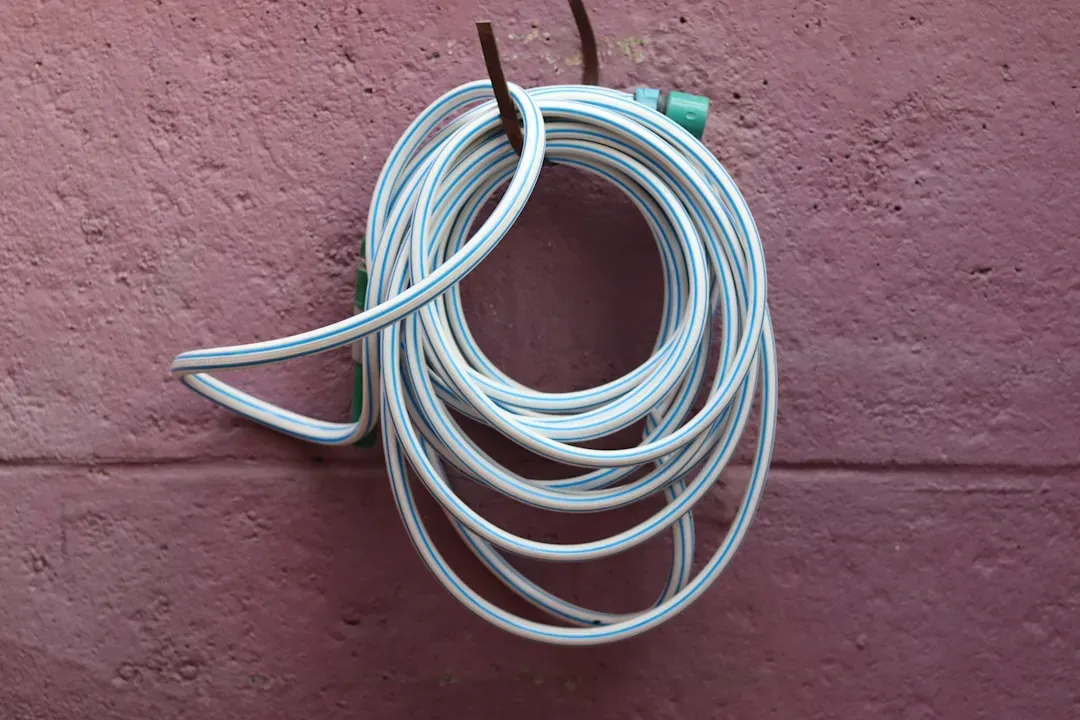
According to the U.S. Consumer Product Safety Commission, extension cords are involved in more than 3,000 home fires annually. These cords lack the insulation and durability needed for long-term use, yet people routinely run them behind furniture, under rugs, or along baseboards as if they’re legitimate wiring. Fire investigators have repeatedly linked permanent extension-cord setups to overheating and house fires, since U.S. codes require fixed wiring to be installed in approved conduit, raceways, or walls.
Think about your garage or workshop for a second. Are you constantly stepping over the same extension cords that have been there for months or even years? The NEC doesn’t allow extension cords to be used as a substitute for permanent wiring, and inspectors flag this violation immediately during home sales or renovations. Honestly, it’s hard to say for sure when these cords will fail, but the risk increases dramatically with age and continuous use.
Backstabbed Outlets and Switches
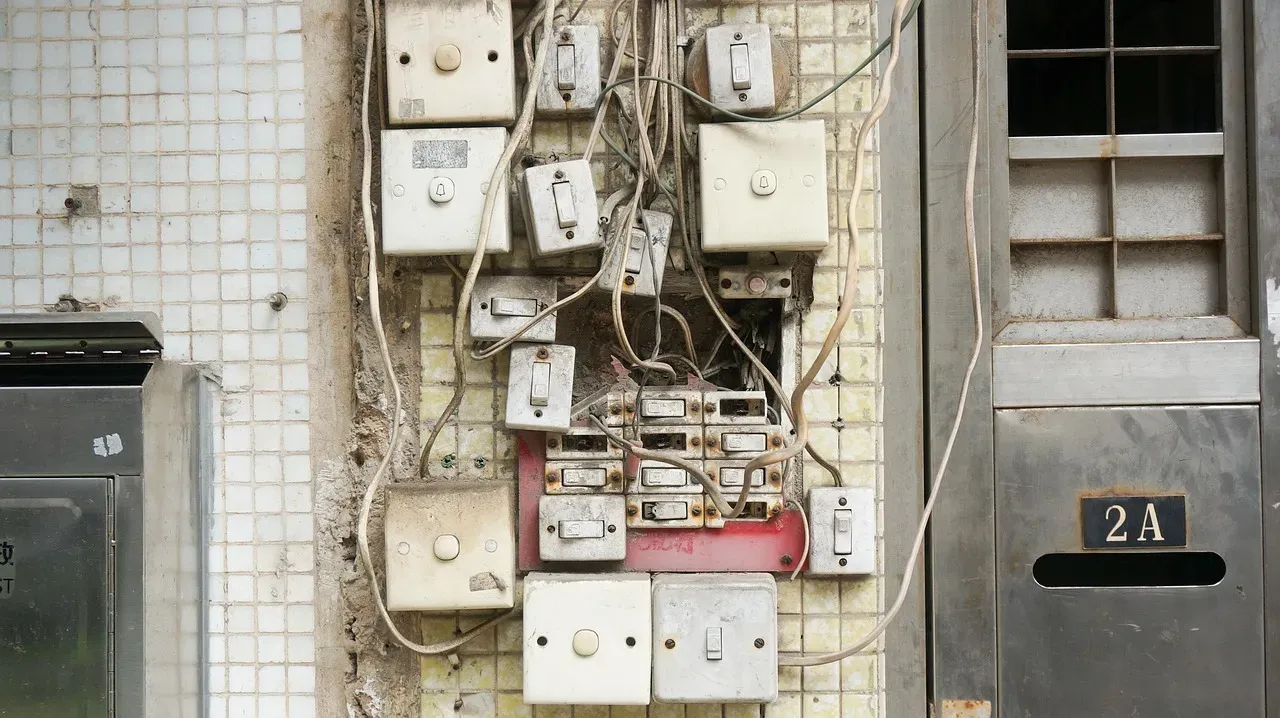
Here’s something that might shock you: backstabbing outlets, where wires are stripped and pushed into connectors on the back held only by a small metal blade, can loosen over time and the wire may eventually fall out. Fire investigators have documented a particularly dangerous failure mode called the “glowing connection” where backstabs become loose enough to allow oxygen into the connection, causing copper oxide to form. This method was common in homes built during the seventies and eighties.
Most outlets in homes built between 1970-1990 use backstab connections with spring clips that lose tension over time, turning what starts as an annoyance into a fire hazard. The really troubling part? They have caused hundreds of fires, no doubt about it. While technically code-compliant in some cases, professional electricians increasingly refuse to use this shortcut because screw terminals provide far more reliable connections.
Ungrounded Three-Prong Outlets
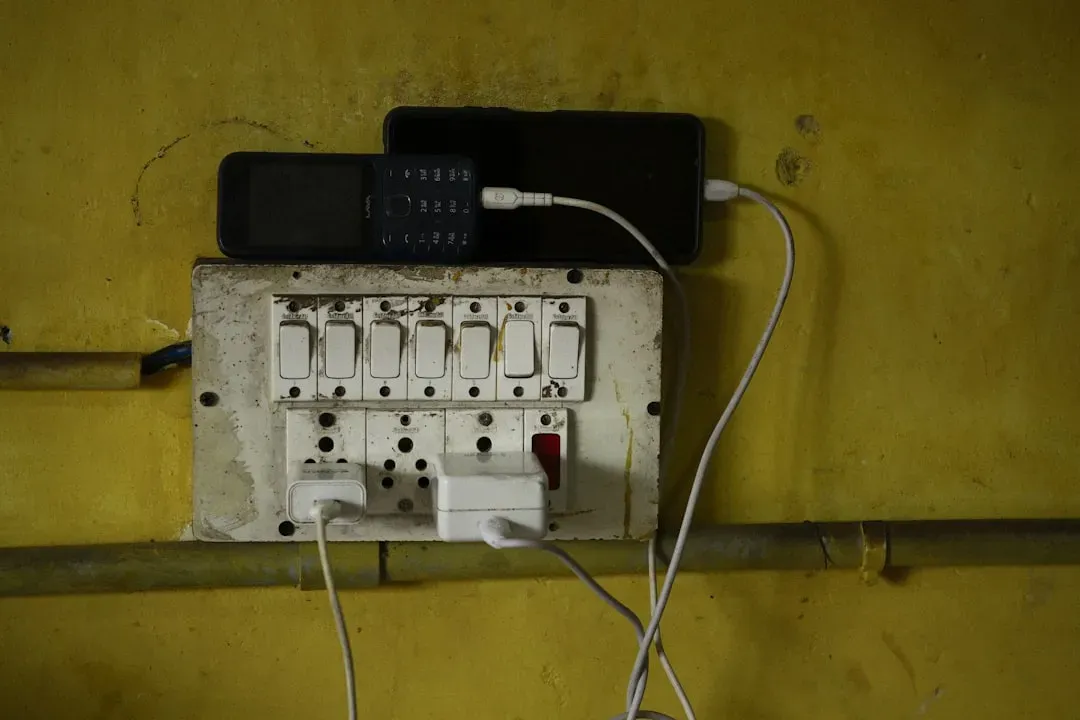
Installing three-prong outlets without a grounded wire is dangerous because the third prong provides a safety path for stray electricity, preventing electrocution or appliance damage, and replacing two-prong outlets without proper grounding is one of the most common code violations according to the Electrical Safety Foundation International. It looks modern and convenient, but without that crucial ground connection, you’re fooling yourself into thinking your electronics are protected.
Some homeowners add outlets without connecting them to a grounded system, especially in older houses, creating un-grounded outlets that violate electrical code and put users at risk of shock, especially when plugging in metal-cased appliances or electronics, while certified electricians emphasize grounding as essential for both surge protection and personal safety. Insurance companies may deny claims if fires or accidents occur from this type of installation.
Oversized Circuit Breakers
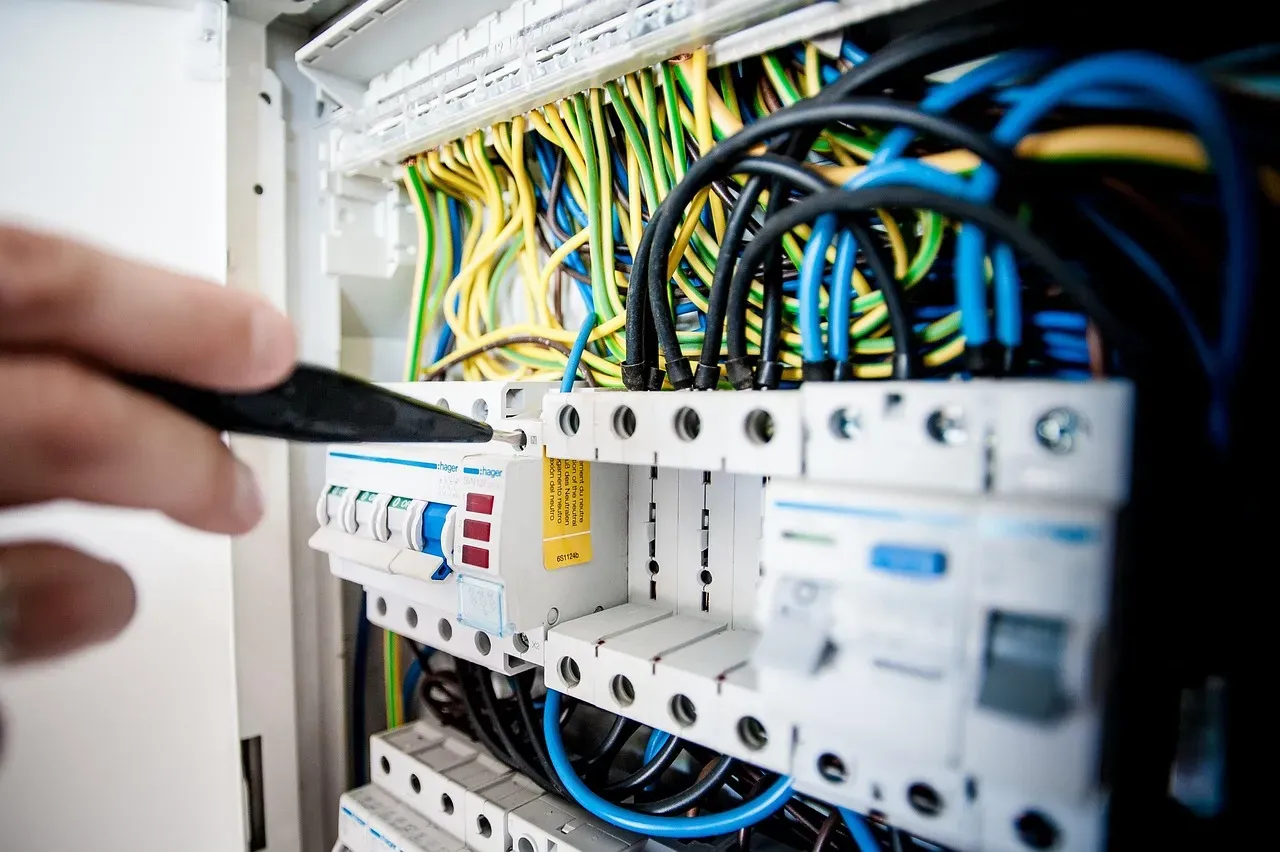
Replacing a 15-amp breaker with a 20- or 30-amp breaker to “stop tripping” is illegal and extremely dangerous because this allows wiring to carry more current than it was designed for, dramatically increasing fire risk. I know it sounds crazy, but people do this all the time when they’re frustrated with breakers that keep tripping instead of addressing the real problem: too much demand on the circuit.
The wiring behind your walls is rated for specific amperage levels. When you upsize the breaker without upgrading the wire, you’re essentially removing the safety mechanism designed to prevent the wire from overheating and igniting surrounding materials. It’s like removing the safety valve from a pressure cooker and hoping for the best.
Ceiling Fans on Light-Fixture Boxes
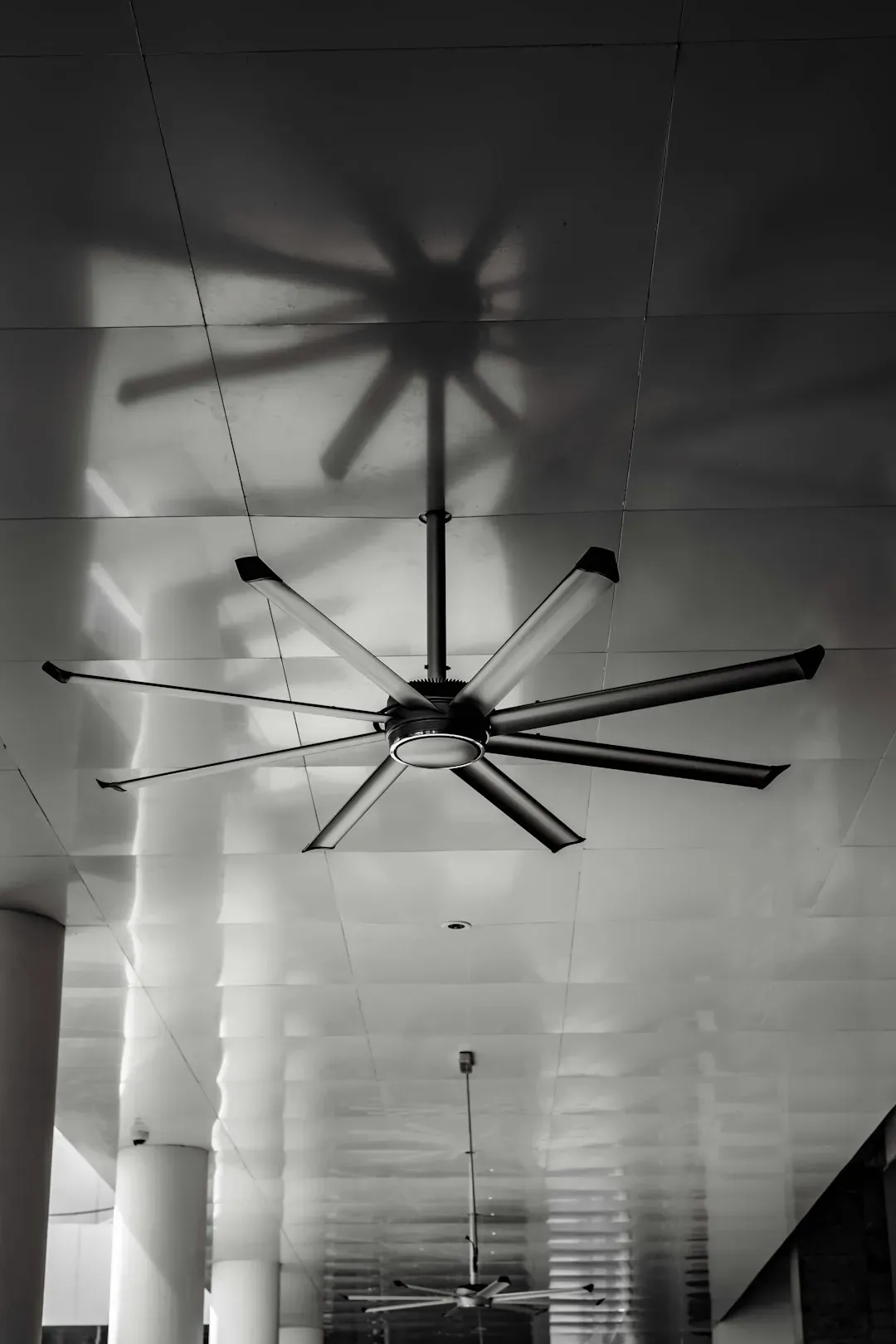
Some homeowners mount heavy ceiling fans to boxes designed only for light fixtures, but electricians warn that these boxes cannot handle the weight or vibration of fans, and failures have caused injuries and structural damage, as U.S. building codes specify fan-rated boxes for any overhead fan installation. Standard electrical boxes simply aren’t engineered to support the dynamic load and constant motion of a spinning fan.
The vibration from an improperly mounted fan gradually loosens connections and mounting hardware. Eventually, the box fails, and the fan comes crashing down. This isn’t just a theoretical risk; inspectors regularly encounter homes where ceiling fans are dangling precariously from inadequate mounting systems.
Buried or Covered Junction Boxes
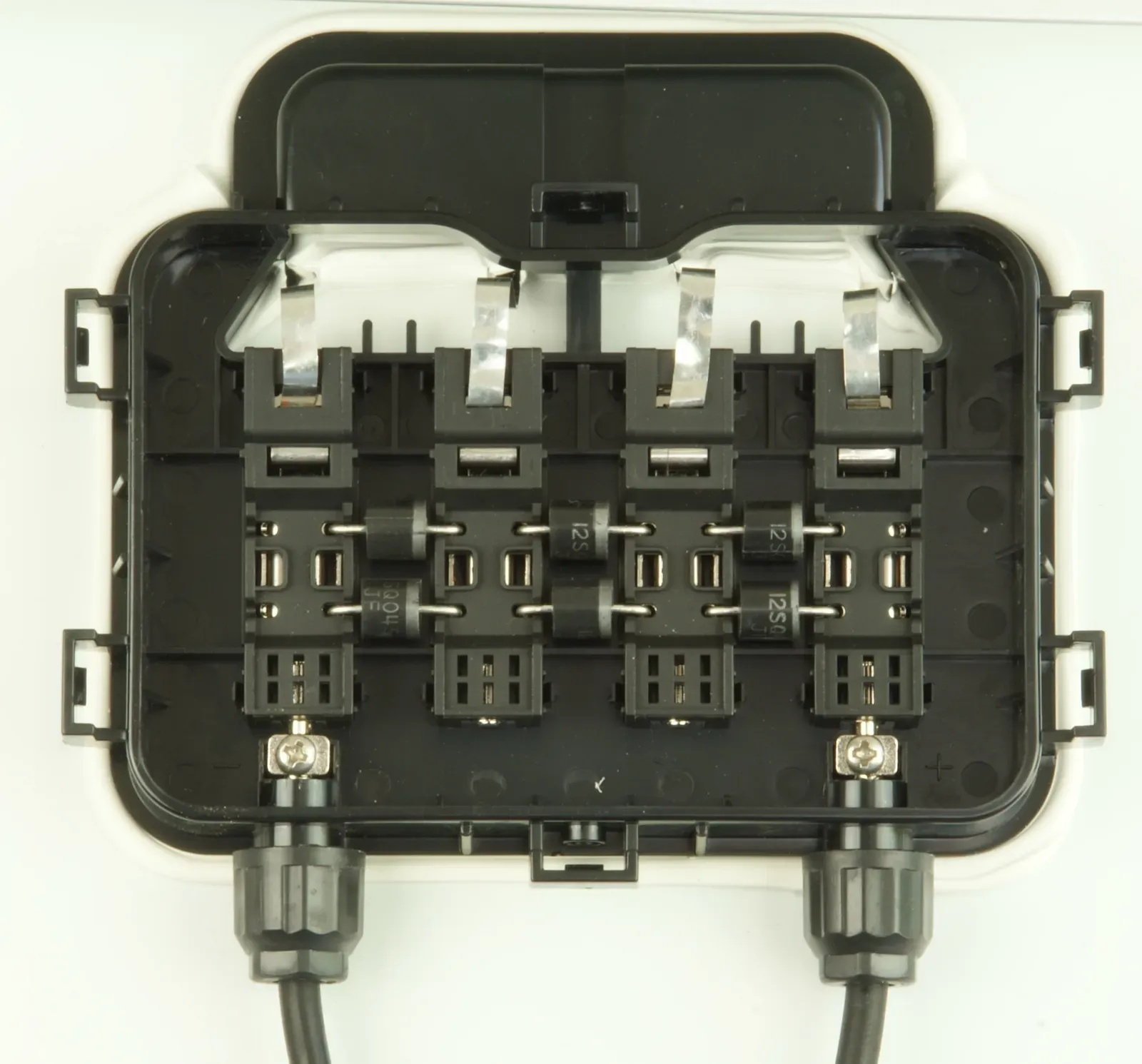
According to the NFPA, exposed or buried connections are a top cause of electrical fires in older homes because every splice or wire connection must be housed inside a visible, covered box for safety inspections and maintenance, and the NEC strictly prohibits any wiring enclosure that is inaccessible as it makes future repairs hazardous and prevents proper heat dissipation from active circuits. Covering a junction box with drywall or insulation might create a cleaner look, but it creates a hidden time bomb.
Electrical connections generate heat, and they occasionally fail. When junction boxes are accessible, problems can be detected early and repaired safely. When they’re buried behind walls or ceilings, failures go unnoticed until smoke starts pouring out or worse. Inspectors consider this one of the worst violations because it combines immediate danger with long-term inaccessibility.
Adding Circuits Without Permits or Proper Load Calculations
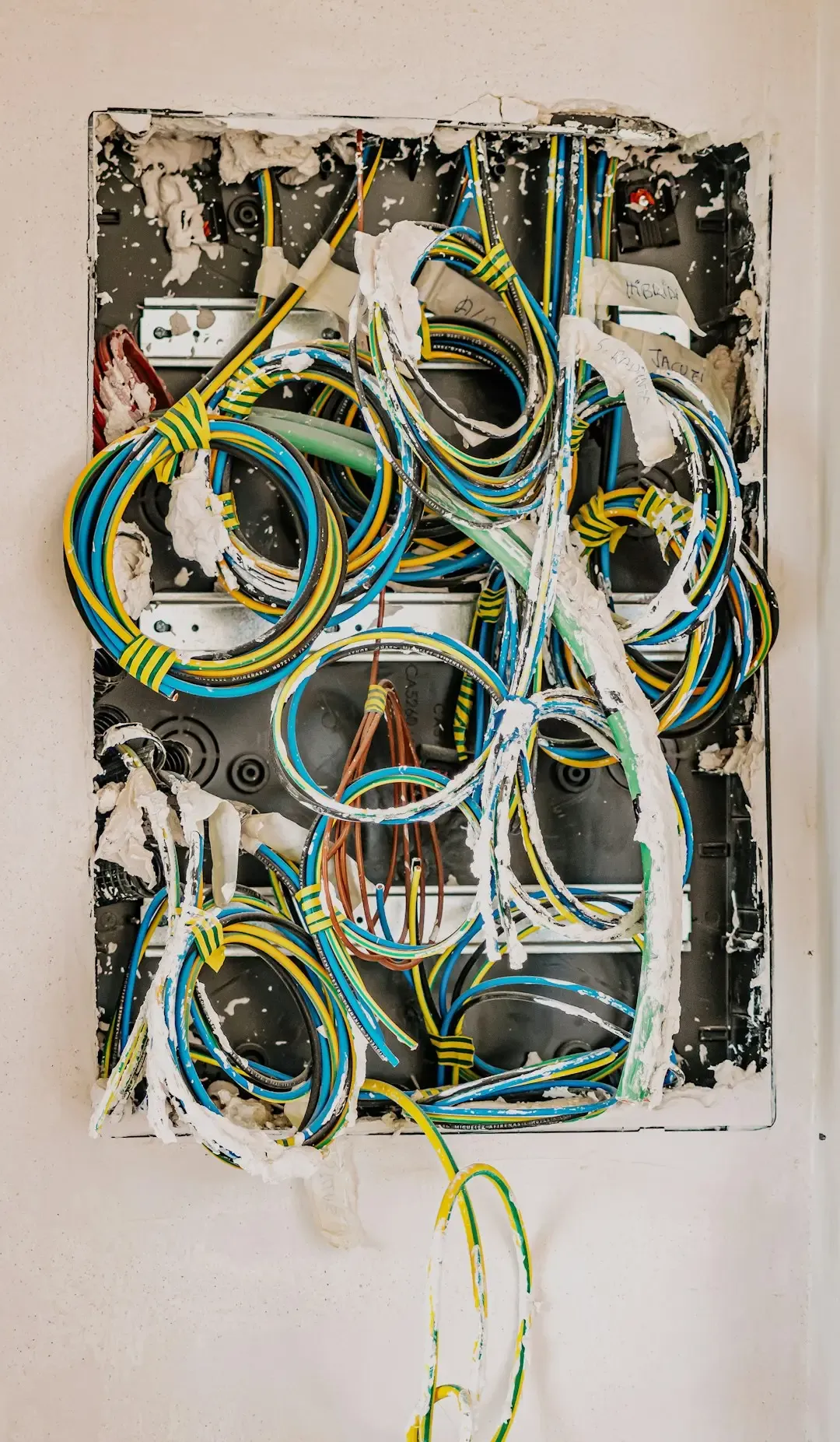
Electrical panels must be evaluated for available capacity before adding circuits, as unpermitted additions often overload panels, create unsafe heat buildup, and violate local codes, while home inspectors frequently flag these illegal upgrades when homes are sold, sometimes requiring expensive corrections. Tapping into existing circuits or adding new breakers without understanding panel capacity is remarkably common among DIY enthusiasts.
Many jurisdictions impose heavy fines and legal penalties for unlicensed electrical work, and being caught can result in significant financial burdens and even criminal charges. The real problem isn’t just the legal risk; it’s that amateur installations frequently miscalculate electrical loads, leading to chronic overheating that slowly degrades insulation and connections throughout the system.
Disabled GFCI and AFCI Protection
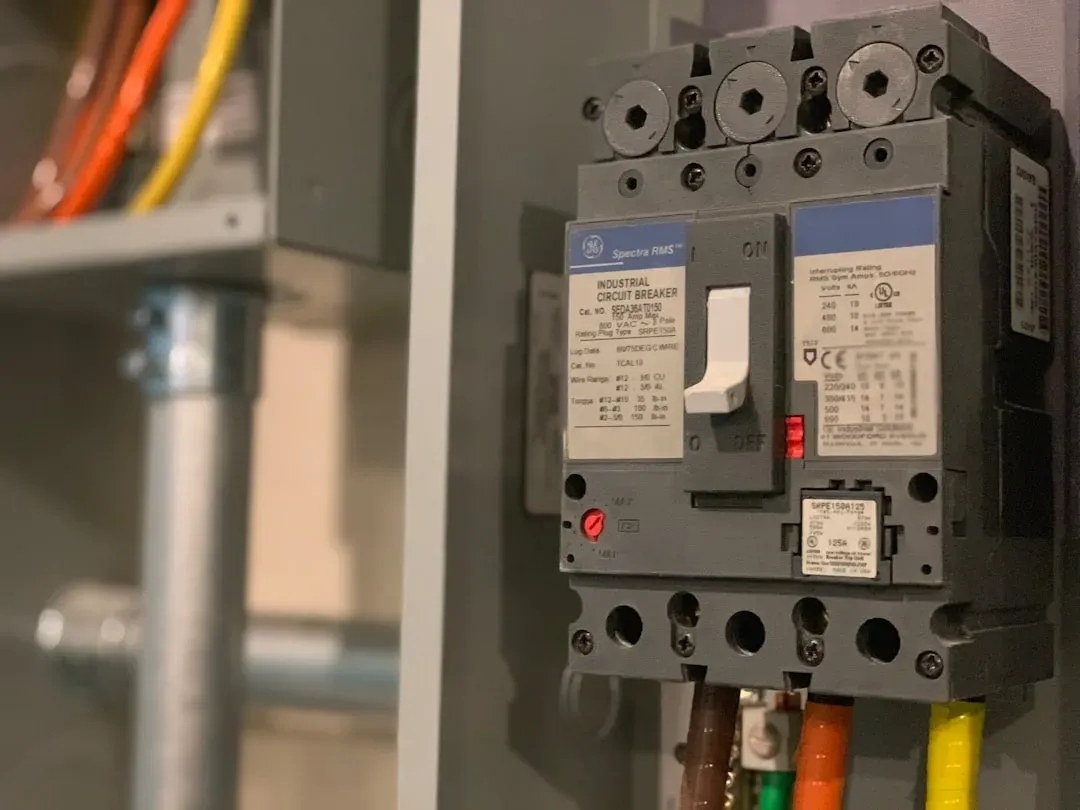
Some homeowners disable ground-fault or arc-fault protection because of nuisance tripping, but both devices are required by modern U.S. code in areas where shock or arc hazards are high, such as kitchens, bathrooms, and bedrooms, and disabling them removes critical safety layers that prevent electrocution and electrical fires. I’ve seen people bypass these protective devices by replacing GFCI outlets with standard ones or wiring around AFCI breakers entirely.
Yes, GFCI and AFCI devices can trip occasionally, which frustrates homeowners. The solution isn’t to remove the protection; it’s to identify why the devices are tripping in the first place. Often, nuisance tripping indicates genuine electrical problems that need attention, not protective devices that need removal.
Indoor Extension Cords Used Outdoors
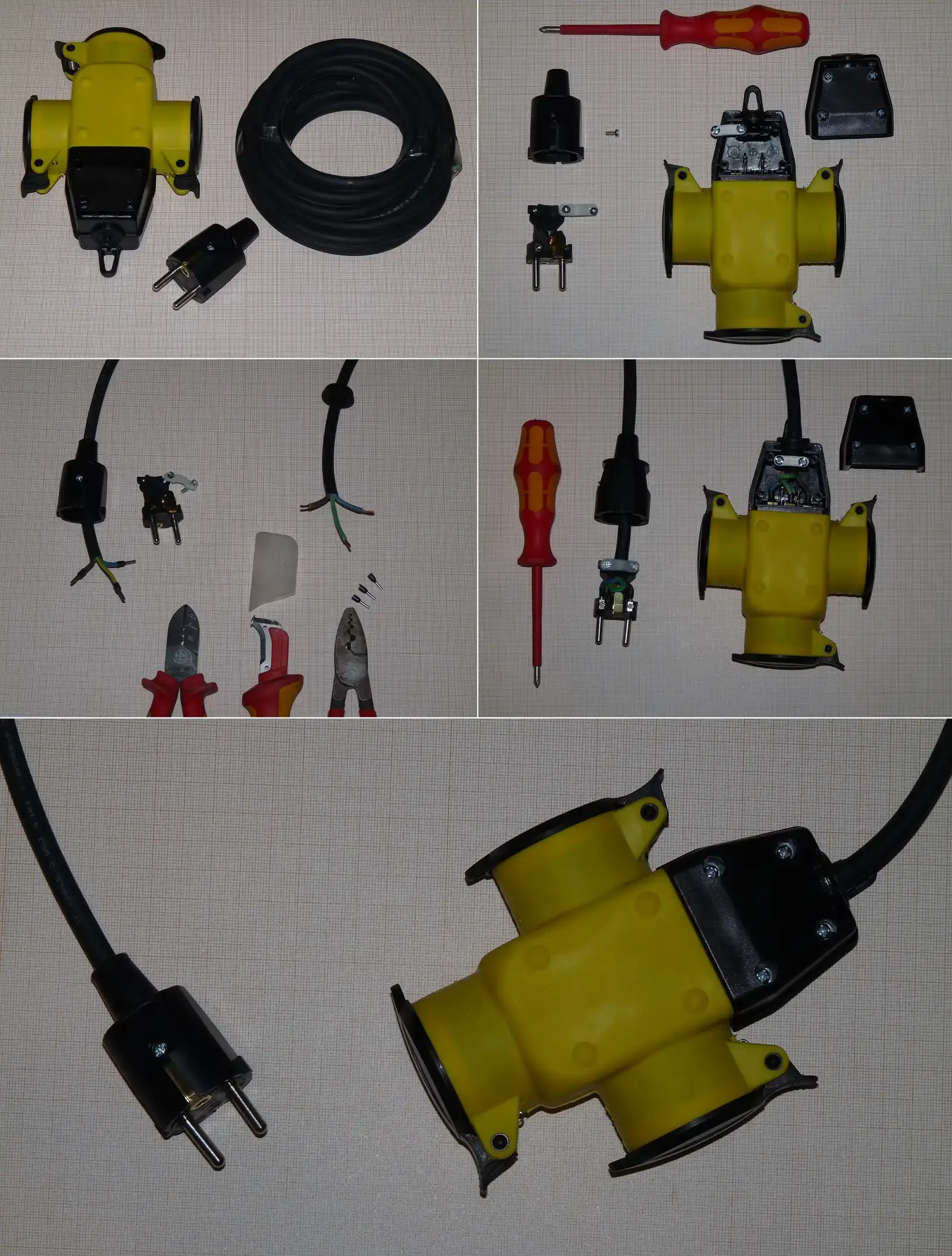
Indoor cords are not built to handle weather or moisture, yet many people use them for outdoor lighting or tools, and according to the U.S. Consumer Product Safety Commission, using the wrong cord type can lead to insulation breakdown and serious electric shocks, as outdoor cords are rated for UV resistance and heavy-duty insulation unlike their indoor counterparts, and the NEC specifically requires cords marked “W” for outdoor use.
Breaking this rule could render insurance claims following electrical accidents void. Look around your yard next time you’re outside. How many of those extension cords powering landscape lights, power tools, or holiday decorations are actually rated for outdoor use? Most people assume all cords are basically the same, but the rating difference exists for critical safety reasons.
Overstuffed Electrical Boxes
When too many wires are stuffed into a single junction box, heat builds up, and the insulation can melt, which according to the NFPA is one of the leading hidden causes of household electrical fires, as each box has a capacity limit based on its size and wire gauge stated in NEC Article 314, and overcrowding makes inspection and maintenance impossible, increasing the risk of short circuits.
However, many electricians don’t appear to consult the volume calculation table, and inspectors said crowded conductor boxes are a common NEC violation. The box fill calculation isn’t complicated, yet it’s routinely ignored during installations. When inspectors open electrical boxes and find them crammed with conductors, they know immediately that the installer either didn’t understand the requirements or simply didn’t care.