8 Popular OTC Medications Doctors Are Now Warning Against
Phenylephrine: The Decongestant That Doesn’t Actually Work

In November 2024, the FDA proposed ending the use of oral phenylephrine as an active ingredient in over-the-counter nasal decongestants because it determined the drug is not effective. This came after an FDA advisory committee in September 2023 concluded that evidence was clear phenylephrine is ineffective at its typical oral dosage. Phenylephrine, found in products like Sudafed PE, Vicks DayQuil and Mucinex Sinus-Max, has been widely used as a nasal decongestant for decades. Based on existing scientific data, oral formulations of phenylephrine are ineffective at both standard and higher doses.
Proton Pump Inhibitors: Long-Term Heartburn Relief With Hidden Risks
Observational studies link chronic PPI use to a myriad of adverse outcomes such as enteric infections (e.g., Clostridioides difficile), nutrient deficiencies (magnesium, vitamin B12), osteoporotic fractures, chronic kidney disease, dementia, and gastric and colorectal cancer. The FDA has flagged long-term OTC use of these drugs due to their interference with calcium and magnesium absorption, leading to increased bone fracture risk, and prolonged use has been linked to a higher incidence of C. difficile infections and potentially even kidney disease in the elderly. Many patients don’t realize these were originally intended for short-term burst therapy of 14 days, not as a permanent lifestyle fix. Analyzing over 2 million participants from five prospective cohorts from the US, the UK, and China, researchers found that PPI use correlated with increased risk of 15 leading global diseases, such as ischemic heart disease, diabetes, respiratory infections, and chronic kidney disease.
Diphenhydramine: The Sleep Aid With Memory Concerns
First-generation antihistamines like diphenhydramine, commonly found in Benadryl and various PM pain relievers, have drawn significant warnings, as for seniors, this drug acts as a potent anticholinergic, which can cause severe confusion, dry mouth, and urinary retention. Taking an anticholinergic for the equivalent of three years or more was associated with a 54% higher dementia risk than taking the same dose for three months or less. A 2015 study in JAMA Internal Medicine observed adults 65 years or older who had been taking various kinds and amounts of anticholinergic drugs for 10 years, and the group reporting the highest amount of such use had a 54 percent increased risk of developing dementia. The truly concerning thing? This common ingredient lurks in countless everyday products most people never suspect.
NSAIDs: The Pain Relievers That Might Hurt Your Heart

NSAIDs, including ibuprofen and naproxen, have been linked to elevated blood pressure and cardiovascular risks. Certain common OTC painkillers have been linked to an increased risk of high blood pressure, stroke and heart attacks, with non-steroidal anti-inflammatory drugs (NSAIDs) pinpointed as the class of medicines most linked to elevated cardiovascular risk. The overall risk is very low for people taking OTC pain relievers on a short-term basis, but it rises with long-term, high-dose use. Let’s be real, most folks pop ibuprofen like candy for aches and pains without thinking twice. Yet doctors now understand the risks accumulate over time, especially for anyone with existing heart conditions or high blood pressure.
Bismuth Subsalicylate: The Pink Stomach Remedy With Bleeding Risks
Bismuth subsalicylate contains a chemical cousin of aspirin that can be problematic for older adults, and the FDA warns that seniors taking blood thinners or those with a history of ulcers should be extremely cautious, as it can increase the risk of internal bleeding, and the salicylate component can cause tinnitus (ringing in the ears) or even toxicity if taken in large doses or over a long period. Many geriatricians are steering patients toward simpler antacids or lifestyle changes to manage upset stomachs, and if you find yourself reaching for the pink stuff more than once a week, it’s a signal that an underlying issue needs professional medical attention.
Chlorpheniramine: The Old-School Allergy Pill Clouding Minds

Commonly found in many multi-symptom allergy and cold tablets, chlorpheniramine is another anticholinergic that the FDA recommends avoiding in the 60-plus population, as it can cause significant cognitive clouding, making it dangerous for anyone already dealing with mild cognitive impairment. The push is toward second-generation antihistamines like loratadine or cetirizine, which do not cross the blood-brain barrier as easily and carry a much lower risk of sedation. Many seniors take chlorpheniramine because it’s what they’ve always used, but the 2026 safety profile suggests it’s time for an upgrade, and switching to a non-drowsy alternative can help keep your mind sharp and your body steady.
Magnesium Citrate Laxatives: The Quick Fix With Electrolyte Dangers
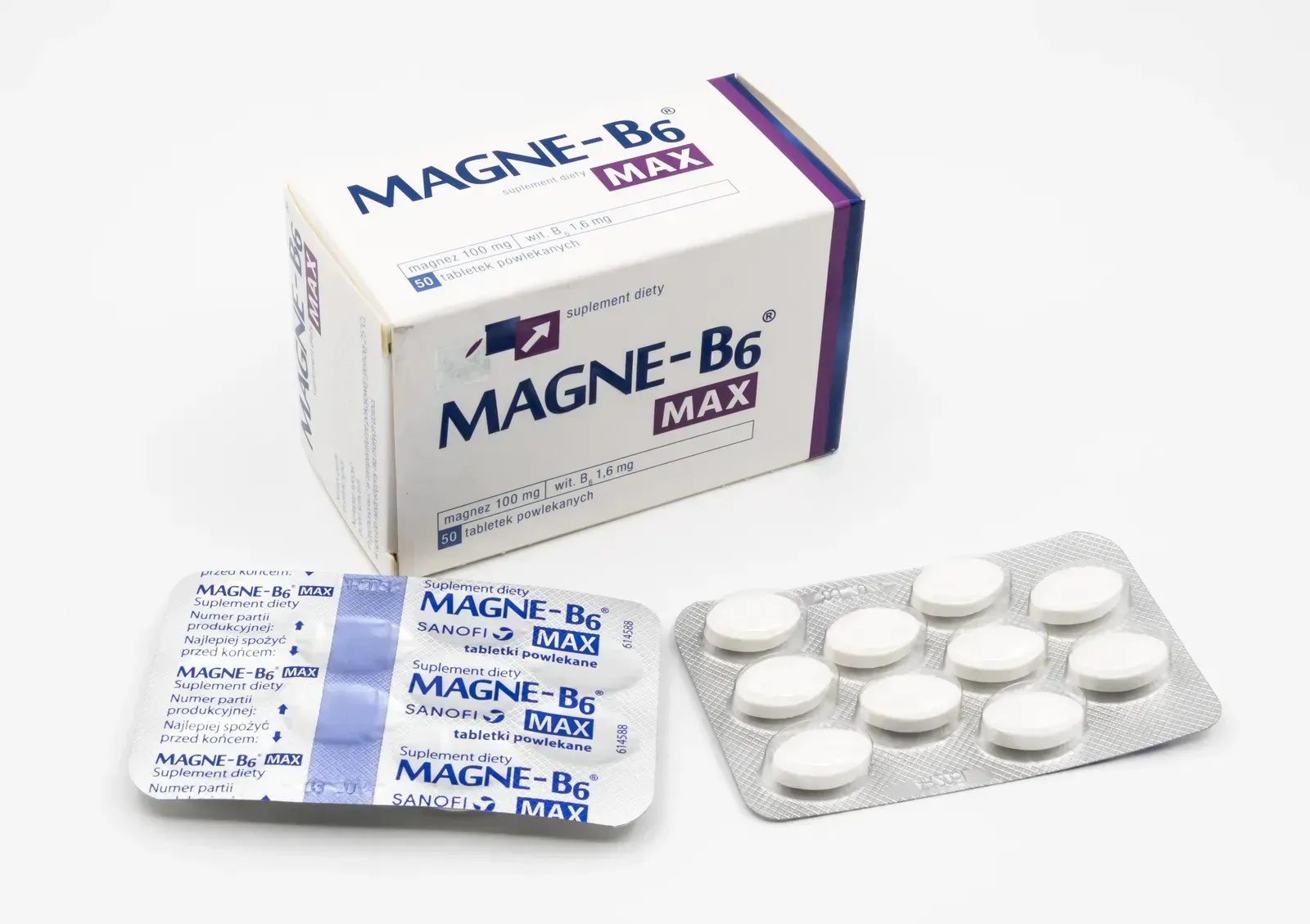
For seniors dealing with chronic constipation, magnesium citrate is often used as a quick fix for irregularity, however, the FDA has flagged the risk of electrolyte imbalances and dehydration in older adults who use these saline laxatives frequently. What seems like a simple solution for digestive discomfort can actually create far more serious problems. The body’s delicate electrolyte balance becomes increasingly fragile as we age, making frequent use of these powerful laxatives particularly risky for anyone over sixty.
Oral Decongestants Containing Pseudoephedrine: The Blood Pressure Spikes Nobody Mentions
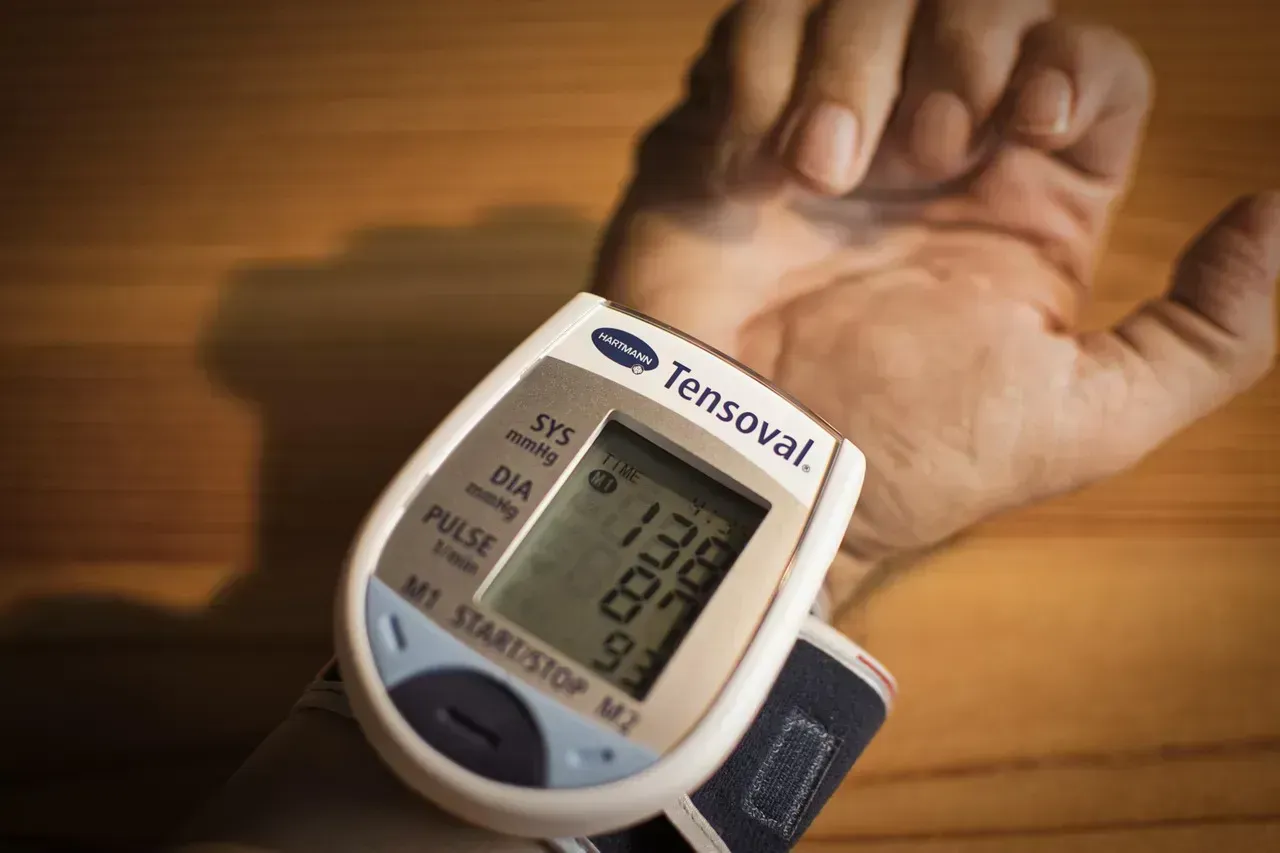
If you have high blood pressure, the FDA warnings against OTC decongestants are particularly relevant to your heart health, as pseudoephedrine and phenylephrine, found in many Sinus and Cold formulas, work by constricting blood vessels, which can cause a dangerous spike in heart rate and blood pressure. Here’s the thing most people don’t realize: these medications do their job by narrowing blood vessels throughout your entire body, not just in your nose. For someone already managing hypertension, that mechanism can create genuine cardiovascular danger. Honestly, the risk just isn’t worth the temporary relief for many individuals.
The landscape of over-the-counter medications is shifting as we are now in 2026. The FDA and leading geriatric researchers are sounding a louder alarm about the hidden dangers of common non-prescription pills, as what worked in your 40s can be a recipe for disaster once you cross the age 60 threshold due to changes in liver and kidney function, with recent updates to the Beers Criteria highlighting how certain chemicals now linger in the senior bloodstream longer, increasing the risk of life-altering side effects. What do you think about these warnings? Have you been taking any of these medications regularly without knowing the risks?