The Retirement Boredom Myth: Why 40% of Retirees Are Secretly Going Back to Work
Picture the typical retirement fantasy. Mornings filled with coffee and crossword puzzles. Golf courses. Maybe some light gardening. The golden years are supposed to be about slowing down, right? Here’s the thing: that vision is rapidly becoming outdated.
A surprising number of Americans are trading their retirement dreams for something unexpected. They’re heading right back into the workforce. Some people call it strange. Others call it necessary. What’s happening behind the scenes tells a story far more complex than anyone imagined.
The Numbers Tell a Story Nobody Expected

By the end of 2024, between 20 and 25 percent of retirees were working either part-time or full-time jobs, with an additional 7 percent actively seeking employment, according to the National Conference of State Legislatures. That’s nearly a third of retirees either working or actively hunting for jobs. Boredom ranks as the second leading reason seniors return to work, cited by 40 percent of those who have unretired, based on a September 2024 ResumeBuilder survey. The cost of living increase tops the list at over half of respondents. Still, the boredom factor is staggering when you really think about it.
Let’s be real: decades of building your identity around work doesn’t just vanish the moment you clock out for the last time. In 2024, roughly one in five people age 65 and older participated in the labor force, with 38.3 percent of employed older Americans working part time. These aren’t just statistics on paper. They represent real people discovering that endless leisure isn’t what they thought it would be.
The Money Problem Nobody Wants to Talk About
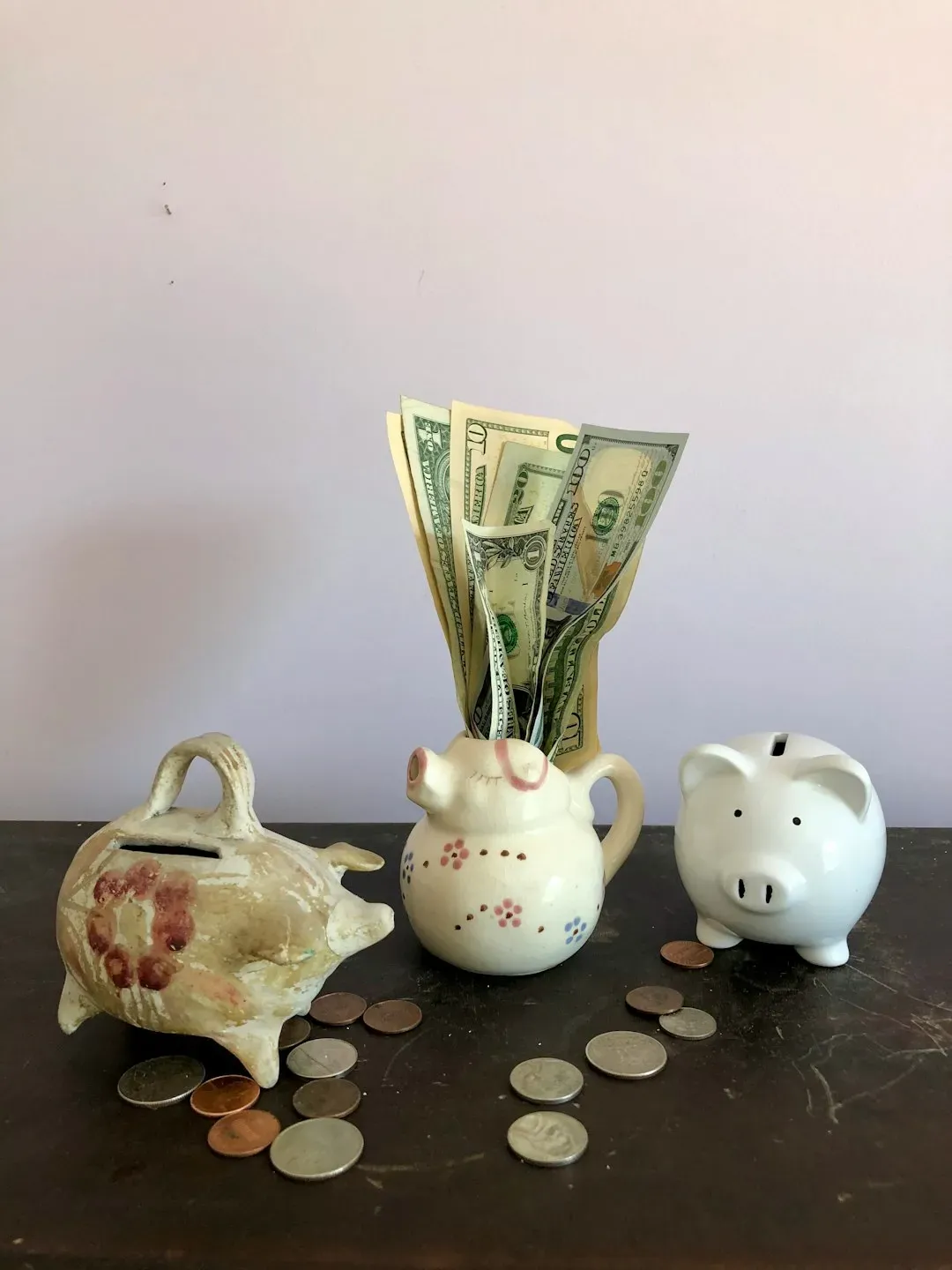
The top reason for unretiring, with 48 percent, was that people need money or have a poor economic outlook, according to a recent AARP survey from late 2025. Inflation keeps climbing. Grocery bills shock even the most prepared retirees. Housing costs devour budgets faster than anticipated.
Honestly, it’s hard to say for sure how many people truly planned for today’s economic reality when they retired five or ten years ago. More than half of those who unretired reported the cost of living increased more than expected, at 51 percent. Social Security doesn’t stretch like it used to, especially when a trip to the gas station feels like a luxury expense. Many retirees find themselves doing the math and realizing they need a cushion, not just for emergencies but for basic living.
When Your Identity Walks Out the Door With You
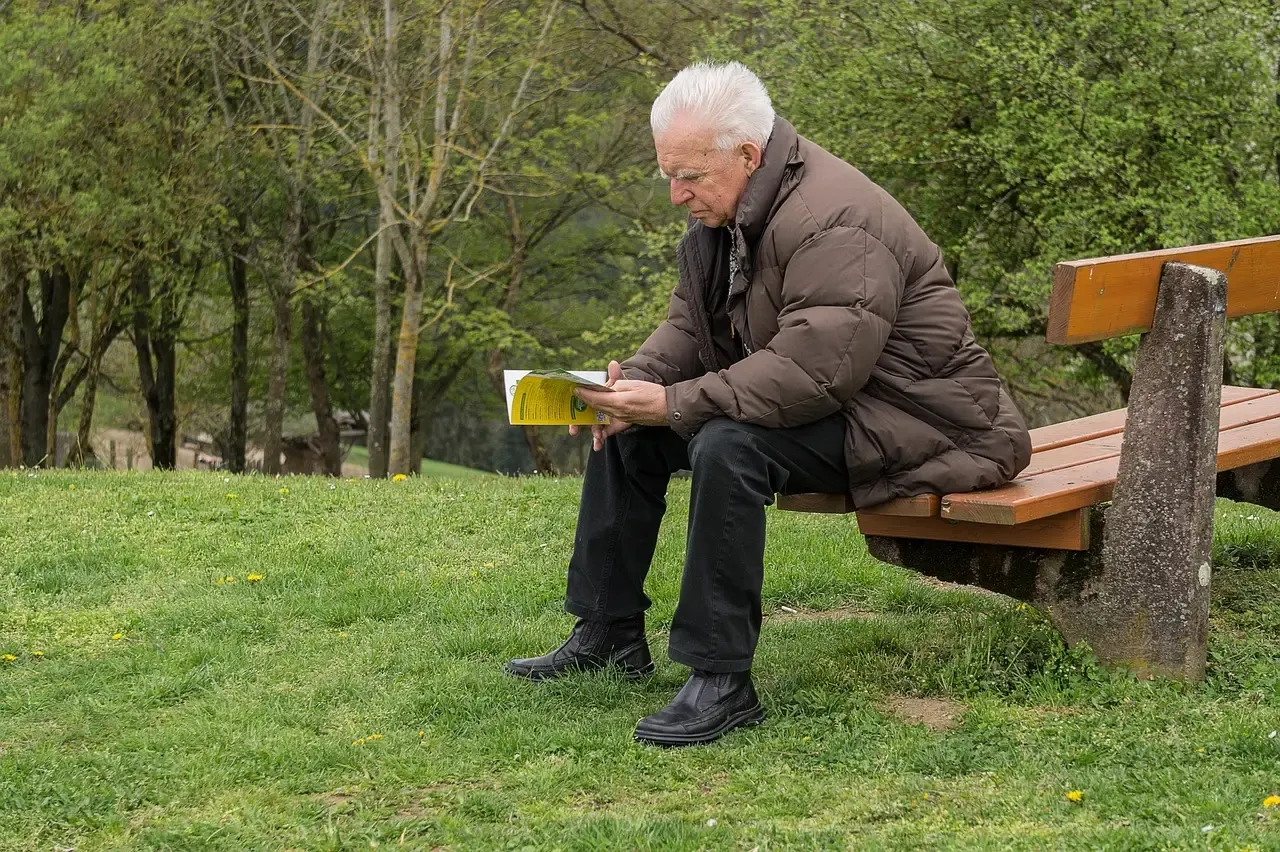
Men are more susceptible to depression in retirement, partly because their identity is more closely tied to their careers compared to women, according to clinical psychologist Marnin Heisel from the University of Western Ontario. Work gives you purpose. It gives you structure. Take that away, and some people feel completely adrift.
Social and emotional fulfillment came in close at second place, with 45 percent of survey participants indicating this was their primary reason for rejoining the workforce. You miss the camaraderie. The watercooler chats. Even the annoying meetings start to feel less annoying when your alternative is staring at the same four walls every day. I think what surprises people most is how quickly boredom sets in once the initial excitement of freedom wears off.
The Gender Gap in Going Back

Single retirees and women are much more likely to cite income as their primary motivator for returning to work after retirement, while men are more likely to cite the need for social connections, according to research presented at the National Conference of State Legislatures. The differences matter because they reveal deeper issues about retirement security and social structures.
Women and single retirees are more likely than men or married couples to cite income as the primary motivator for working in retirement, while many single people also found work to be a good use of time. Financial necessity hits different demographics differently. Women still face wage gaps that follow them into retirement, leaving smaller nest eggs. Single people lack the dual-income cushion that married couples enjoy. These aren’t just trends. They’re warnings about who struggles most in our current retirement system.
The Forgotten Joy of Being Needed

Here’s something nobody mentions in retirement planning seminars: people like feeling useful. Many retirees want more than free time; they want to make a difference. Whether it’s helping customers at a hardware store or mentoring younger colleagues, there’s something deeply satisfying about contributing.
A 74-year-old hardware store employee retired from a computer job nearly 10 years ago, but after a couple of years at home decided retirement wasn’t for him, and he’s loving his 30-hour-a-week role. He found his perfect fit. Some retirees discover that work on their own terms, without the pressure of climbing corporate ladders, brings unexpected fulfillment. It’s no pressure yet still challenging, which turns out to be exactly what many people crave.
The Health Benefits You Don’t See Coming

Working after retirement affects more than your bank account. Working part-time provides cognitive benefits that go beyond the paycheck, and research confirms that working in older age has positive effects on mental health. Your brain needs stimulation. Solving problems, learning new systems, interacting with diverse people – all of this keeps your mind sharp.
People who continue working part-time tend to live longer and experience better health with less disability. The data backs up what many unretired folks already feel: staying active and engaged makes them feel younger. That said, it’s hard to say for sure whether healthier people choose to work or whether work keeps them healthier. Probably a bit of both. Either way, the connection between continued employment and wellbeing is striking.
The Social Security Trap
If you haven’t yet reached full retirement age and are drawing Social Security, in 2025 you can earn up to roughly 1,950 dollars per month without impacting your benefits, but for earnings exceeding that threshold, Social Security benefits are reduced by one dollar for every two dollars in excess earned income. This trips up so many people. They return to work thinking they’ll supplement their income, only to watch their benefits shrink.
The rules get complicated fast. Once you reach full retirement age, the earnings test no longer applies, so you can work freely. Still, many retirees find themselves caught in a frustrating middle ground where working seems to penalize them financially. Understanding these rules before jumping back into the workforce saves a lot of headaches later.
Industries That Welcome the Unretired

Unretirement is reshaping industries such as healthcare, education, and retail, which are popular sectors for older workers offering part-time roles and opportunities to connect with others. These fields value experience. They need reliability. Older workers bring exactly that.
Nearly 20 percent of Americans aged 65 to 74 were part of the workforce in 2023, and the number is projected to grow, according to the Bureau of Labor Statistics. Employers are starting to recognize that age brings advantages: lower turnover, better customer service skills, and a steadier work ethic. Remote work options have exploded too, making it easier for retirees to work from home in flexible arrangements that suit their lifestyle.
When Retirement Planning Meets Reality

Let’s be honest: most people don’t save enough for retirement. More than half, at 57 percent, of Americans working full-time, part-time, or temporarily unemployed feel behind on their retirement savings, with 35 percent thinking they’re significantly behind, according to a 2024 Bankrate survey. Those numbers should worry everyone.
Seventy-six percent of retirees agree they wish they would have saved more and on a consistent basis. Hindsight stings. The gap between what people thought they needed and what they actually need grows wider as inflation and healthcare costs climb. Working in retirement becomes less of a choice and more of a necessity for those who didn’t – or couldn’t – save enough during their working years.
Looking Ahead: The New Definition of Retirement

Bureau of Labor Statistics projections show that adults ages 65 and older are expected to be 8.6 percent of the labor force in 2032, up from 6.6 percent in 2022, and older adults are projected to account for 57 percent of labor force growth over this period. This isn’t a temporary blip. It’s the future.
Retirement as our grandparents knew it is fading. The new model looks more fluid, with people phasing in and out of work as their needs and desires change. Some embrace this flexibility. Others wish they had the financial freedom to truly stop working. What remains clear is that the traditional gold watch and permanent exit from the workforce no longer represents the American retirement experience. The unretirement trend forces us to rethink what those golden years should really look like – and whether we’re prepared for a reality that looks nothing like the retirement brochures promised.