The Early Exit Mistake: 5 Reasons Boomers Now Regret Their Retirement Buyouts
That early retirement package seemed perfect. Maybe you’d been feeling exhausted, or the company was downsizing, or you thought it was time to finally start that next chapter. When the buyout came across your desk, taking it felt like common sense. In 2025, 40% of retirees said they left the workforce earlier than planned, according to the Employee Benefit Research Institute’s Retirement Confidence Survey. Yet something strange is happening across America right now. Baby boomer workforce re-entry jumped 24% in 2023, with many discovering that what looked like freedom turned into financial quicksand. Let’s talk about why so many people who grabbed those golden handshakes now wish they’d held on just a bit longer.
The Money Runs Out Faster Than You Think

More than half – 52.5 percent – have less than $250,000 in retirement assets and will have to rely primarily on Social Security as a source of income, and another 14.6 percent of this group, with assets between $250,000 and $500,000, will strain to meet their financial needs over the course of retirement, according to research released in 2024. The math simply doesn’t work out for most people. Some 58% of those near retirement wished they had saved more, revealing they fell short of where they wanted to be financially. What you thought would last fifteen years might only stretch for eight or nine, especially when you factor in rising costs and unexpected expenses.
The reality hits hard once that regular paycheck stops. The rising cost of living and insufficient retirement funds are pushing many seniors back into the workforce, reflecting broader economic challenges. For many, there was a financial motivation spurred by inflation and the rising cost of living. However, some wanted to return to the workforce for additional social interaction. Here’s the thing people don’t realize until it’s too late: retirement isn’t cheaper than working life in the ways you’d hope.
Healthcare Costs Will Destroy Your Budget

According to the 2025 Fidelity Retiree Health Care Cost Estimate, a 65-year-old individual may need $172,500 in after-tax savings to cover health care expenses in retirement. This amount is up nearly 4% from 2024. Let that sink in for a moment. If you retired at 58 or 60 expecting Medicare to handle everything at 65, you’ve got a serious gap to fill. Future healthcare costs for an average 65-year-old with traditional Medicare could run as much as $281,000 for men and $320,000 for women over their remaining lifetimes, according to Milliman’s 2025 projections.
The historical trend that healthcare costs rise 2 to 2.5 times faster than overall U.S. inflation is expected to continue. Nobody warned you about that when you signed the buyout papers, did they? About half of retirees told Schroders they thought Medicare would cover more of their health care expenses than it does. The shock comes when you realize Medicare Part B costs nearly $175 monthly per person, and that’s just the beginning of your medical expenses, not the end.
You Left Right Before Your Peak Earning Years
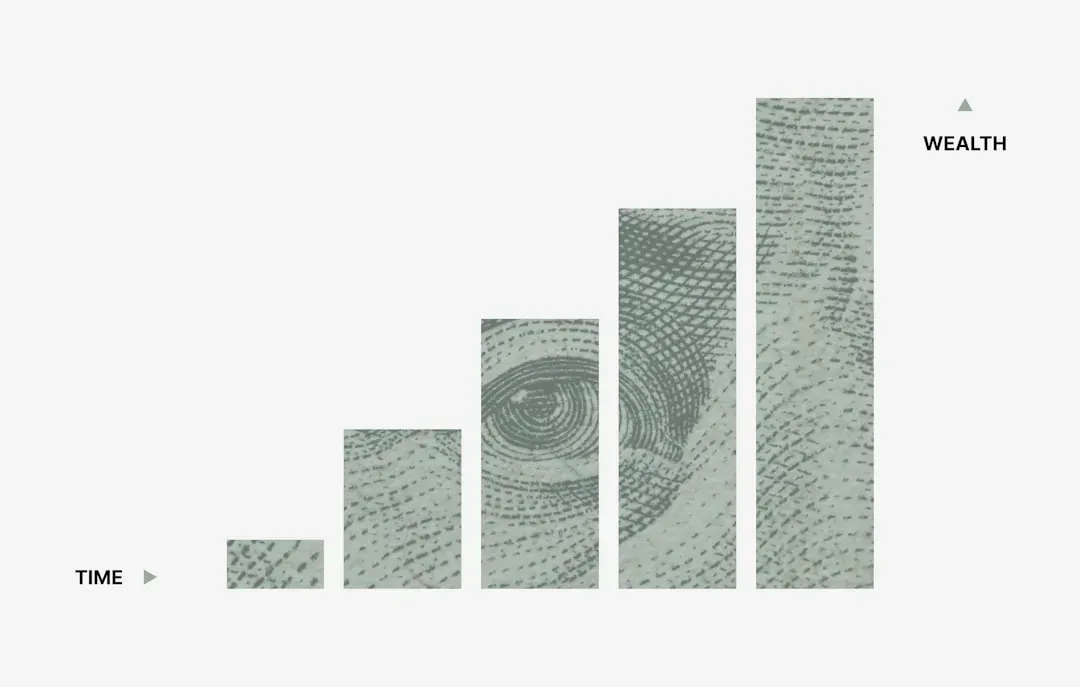
According to the research firm Payscale, full-time employees tend to hit their peak earning years in their 40s and 50s. So, if you choose to retire at age 35, there’s a chance you could look back with some regret. Leaving the workforce too soon was the No. 1 financial regret uncovered by researchers. Of those surveyed, 34% wished they had worked longer, while only 6% said they regretted working too long, according to data compiled for a National Bureau of Economic Research working paper.
Those final working years represent your highest salary, your best 401(k) contribution potential, and the most leverage for Social Security benefits down the road. Social Security’s average benefit – $18,000 per year – could be far higher, but 94% of retirees take Social Security retirement benefits well before its benefit peaks, at age 70. In fact, roughly 85% should be waiting until 70 to collect. The age-70 retirement benefit is 76% higher, adjusted for inflation, than the age-62 benefit. Walking away early costs you in ways that compound for decades. Every year you work past 60 builds not just your savings but also your future monthly income stream.
The Loneliness Hits Like a Freight Train
Work gave you more than money. It gave you structure, purpose, and daily human contact. In 2024, 33% of older adults felt lonely some of the time or often in the past year. During the years in between, as many as 42% of older adults had this level of loneliness, according to a University of Michigan study. Newly retired individuals frequently report heightened feelings of loneliness during this period. Loneliness, particularly emotional loneliness, spikes after retirement, while social loneliness increases more gradually.
Honestly, nobody prepares you for how isolating retirement can be. One in three seniors reported distance from family and friends as the primary cause of their loneliness. 75% of seniors who have a family wish they saw their family more, and 66% often feel forgotten about by their family. Financial challenges of all stripes account for a large segment of Boomers returning to work. Others are discovering what generations of retirees learned before them – retirement can leave you feeling bored and lacking purpose. That office you couldn’t wait to escape? It turns out those water cooler conversations and project deadlines kept you connected to the world in ways you didn’t appreciate until they were gone.
The Forced Retirement Wasn’t Really Your Choice

You could be forced to stop working and retire early for any number of reasons. Health-related issues – either your own or those of a loved one – are a major factor. So, too, are employer-related issues such as downsizing, layoffs and buyouts. Here’s what really stings: many people who took buyouts felt they had no other option at the time. The pressure was real, the atmosphere uncertain. Maybe you saw colleagues getting pushed out less gracefully, so you took the package while it was still decent.
In 2025, 40% of retirees said they left the workforce earlier than planned. That share has been roughly similar for the past two decades, hovering around 40% to 50%. Some of the reasons for an unexpectedly early exit include health problems and layoffs. The bitter truth is that accepting that buyout might have felt voluntary, but was it really? Looking back, you might realize the decision was made under duress, with incomplete information about what retirement would actually cost and feel like. Of those who retired early, 20% regret that decision, according to a 2024 survey.
The retirement dream you were sold doesn’t match reality for most people who left early. Travel gets expensive quickly. Hobbies only fill so many hours. What are you going to do now? The good news is that roughly one in five Americans over 65 is still employed, more than double the rate from the mid-1980s. Some people are going back, finding part-time work or consulting gigs that give them income, structure, and connection without the stress of their old careers. The early exit doesn’t have to be permanent, though getting back in isn’t always easy. What would you have done differently if you could go back?