These 4 Dishes Are Actually Cheaper to Eat Out Than Make at Home
Let’s be honest here. Most of us have heard it a thousand times: cooking at home saves money. It’s the golden rule of budgeting, right? Your grandma said it, finance experts preach it, and every personal finance blog out there hammers it home. According to recent Consumer Price Index data from November 2023 to November 2024, the cost of eating food away from home rose by roughly double the rate of food at home – climbing about twice as fast at 3.6% compared to 1.6% for groceries. Generally speaking, yeah, home cooking wins the money battle.
Here’s the thing though. There are exceptions. Some dishes cost so much in specialty ingredients, require such specific equipment, or demand so much oil and effort that grabbing takeout or hitting up a restaurant actually makes more financial sense. I know it sounds crazy, but stick with me here. We’re about to break down four dishes where your wallet might thank you for NOT turning on the stove.
Fried Chicken: The Oil Guzzler That’ll Break Your Budget
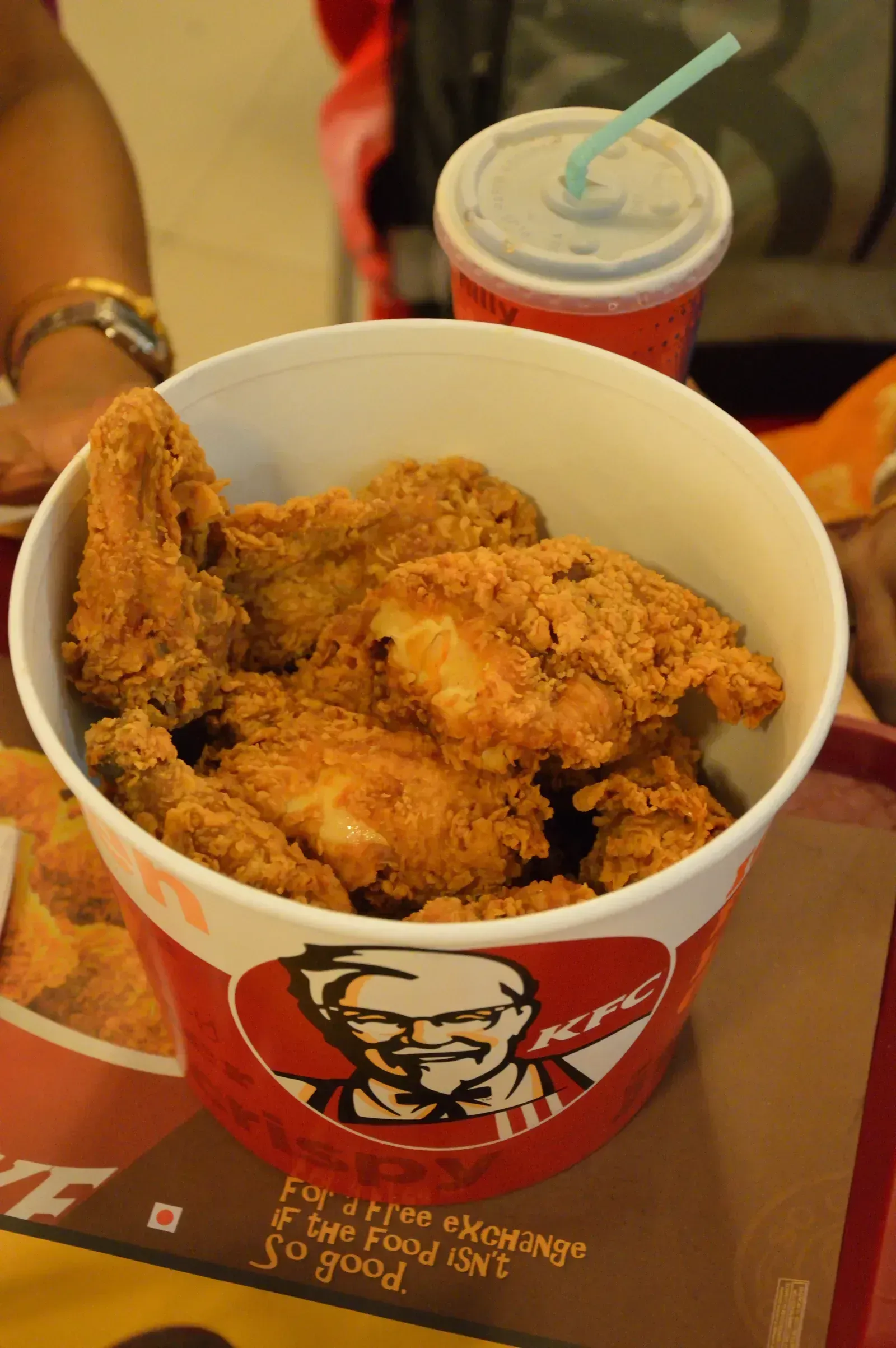
You’d think fried chicken would be easy to make cheaper at home. After all, chicken is chicken, flour is cheap, and how hard can it be? Turns out, pretty hard when you factor in everything.
The reality is that fried chicken isn’t as cheap or easy as people assume – between buying quality chicken, flour, buttermilk, various spices, and the significant amount of oil needed for deep frying, homemade fried chicken rarely proves financially worthwhile, and a bucket of crispy chicken from your favorite restaurant is often cheaper per piece. While a homemade batch for a family of four might run between ten and fifteen dollars compared to roughly twenty-five to thirty-five for takeout, you need to think about the oil situation. That gallon of frying oil you just bought? You’ll use a good chunk of it for one batch, and reusing oil gets sketchy fast.
Plus, let’s talk about the mess. Oil splatters everywhere, your kitchen smells like a fast-food joint for days, and you’ve got to figure out how to dispose of all that used oil responsibly. When you can grab a ten-piece bucket from a local spot for around twenty bucks, sometimes convenience and sanity are worth the extra few dollars. The restaurants have commercial fryers that maintain perfect temperature, they buy chicken and oil in bulk at wholesale prices, and they’ve mastered the recipe through thousands of batches.
Sushi Rolls: When Specialty Ingredients Cost More Than the Restaurant
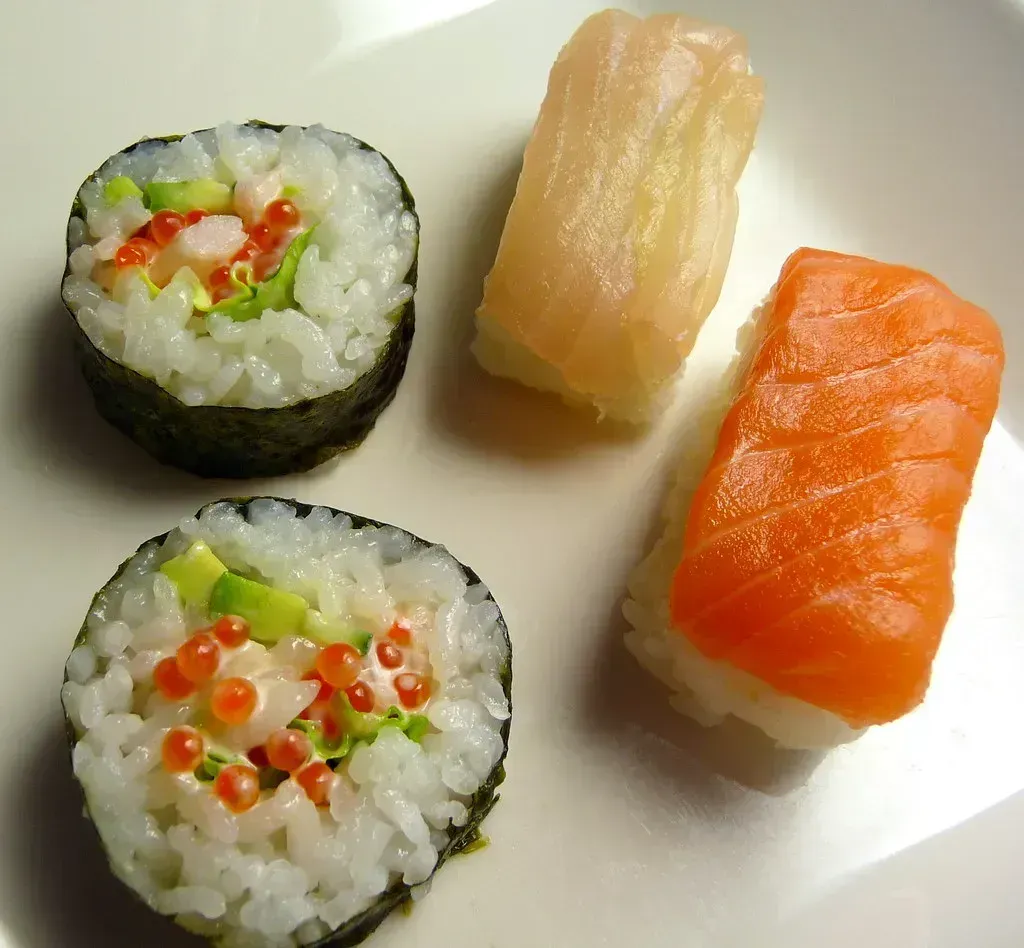
Sushi seems like it should be pricey no matter where you get it. The thing is, making it at home can actually cost MORE than ordering from your local sushi spot, especially if you’re flying solo or cooking for just two people.
One food blogger in Los Angeles noted that while a spicy tuna avocado roll at a restaurant costs around eight dollars and a satisfying meal for two runs about fifty dollars, you can actually make approximately five delicious homemade sushi rolls for less than ten dollars – or roughly twenty-five rolls for that same fifty-dollar restaurant bill. Wait, that sounds like home cooking wins, right? Not so fast. Restaurant sushi can run up to twenty dollars per roll at high-end places, but ready-made sushi at grocery stores costs between nine and twelve dollars for one roll, while homemade versions came out to about one dollar forty per roll.
Here’s where it gets tricky. To make sushi at home, you need sushi-grade fish (which isn’t available everywhere and costs a premium), short-grain sushi rice, rice vinegar, nori sheets, a bamboo rolling mat, wasabi, pickled ginger, and whatever fillings you want. If you’re just making sushi once in a blue moon, you’ll end up with leftover ingredients that go bad before you use them again. The fish especially has a short window of freshness. For occasional sushi cravings, hitting up a restaurant or even grabbing supermarket sushi makes more sense than investing in all those specialty items that’ll sit in your fridge unused.
Pizza: The Surprising Cost of “Simple” Ingredients

Pizza feels like it should be dirt cheap to make at home. Dough, sauce, cheese – how expensive could that be? Surprisingly expensive, actually, depending on how you slice it.
Restaurant pizza orders can easily reach twenty to twenty-five dollars for two people, while the basic ingredients like flour, oil, yeast, cheese, and tomato sauce can come in at under six dollars for a homemade twelve to fourteen-inch pizza. Okay, so homemade wins by a landslide, right? Well, sort of. The ingredients for one ten-inch homemade pizza might cost around four dollars total – roughly seventy cents for flour, sixty-eight cents for pizza sauce, fifty cents for oil and yeast and salt, and about two dollars for mozzarella – making it about the same cost as a single slice at a pizzeria.
But here’s the reality check. If you’re ordering from a pizza chain running a special – say, a large pizza for ten dollars or those famous five-dollar deals – and you’re feeding more than just yourself, the restaurant option suddenly becomes competitive. Factor in your time making dough (which needs to rise), preheating your oven for ages to get it hot enough, and the learning curve to actually make decent pizza, and sometimes that delivery deal looks pretty good. Sure, if you’re a regular pizza maker with all the ingredients on hand and you’ve perfected your technique, homemade wins. For everyone else? That Tuesday night two-for-one special might be your best bet.
Pad Thai: The Specialty Ingredient Nightmare
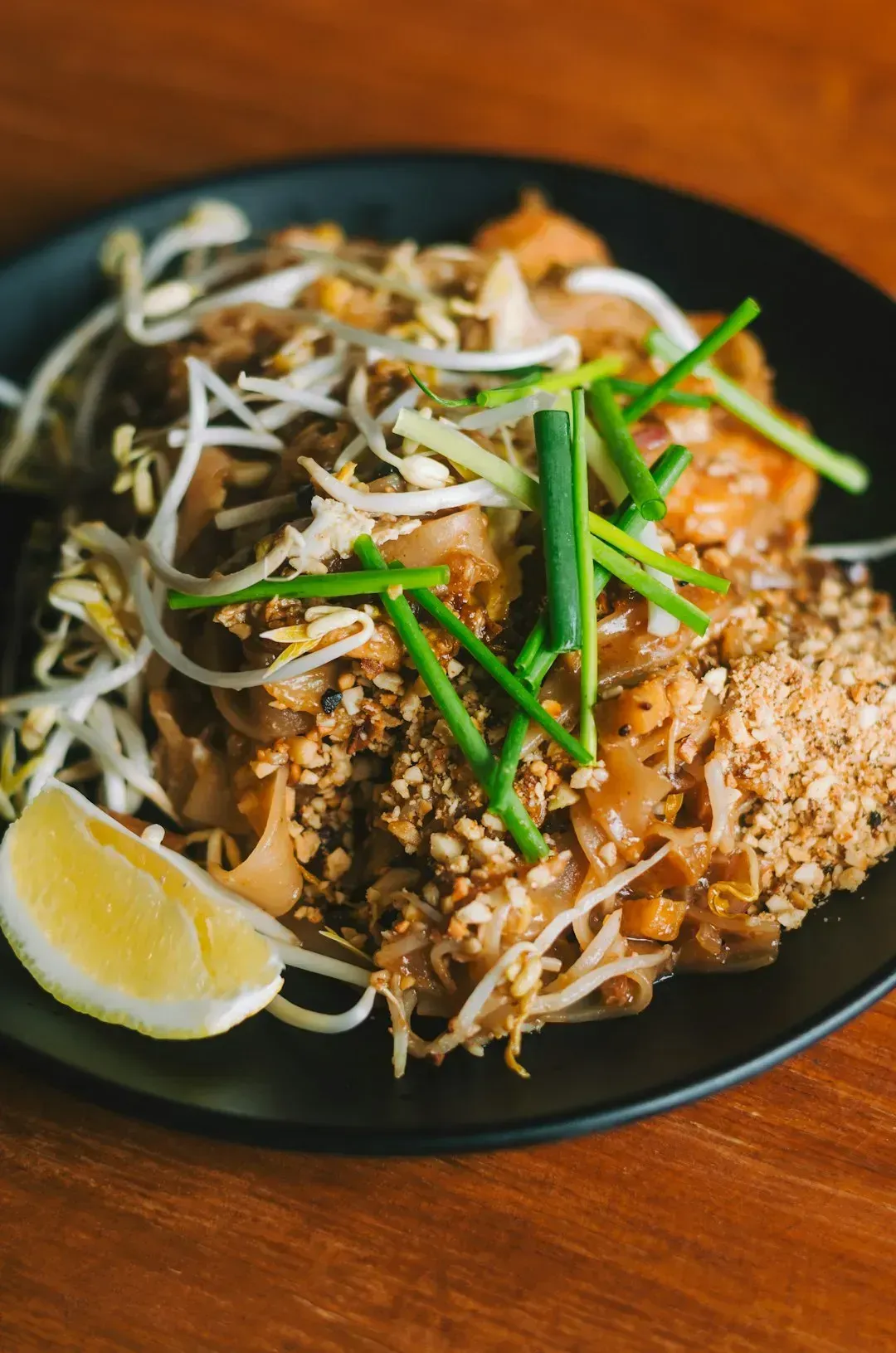
Pad Thai is one of those dishes that looks deceptively simple when it arrives at your table. Rice noodles, some veggies, peanuts, maybe shrimp or chicken. How hard could it be?
Authentic pad Thai requires a lengthy combination of specific ingredients including tamarind paste, fish sauce, rice noodles, dried shrimp, tofu, bean sprouts, peanuts, and more – and some of those specialty ingredients can be difficult to find, plus even if you skip some traditional components, the specialized sauces alone make it a costly dish to prepare at home. Unless you live near an Asian grocery store and cook Thai food regularly, you’re looking at buying full bottles and packages of ingredients you’ll use once and never touch again.
That bottle of tamarind paste? It’ll cost you several dollars and you’ll use maybe two tablespoons. Same goes for the fish sauce, the special rice noodles, the dried shrimp if you want authentic flavor. By the time you’ve hunted down all these ingredients and paid for them, you’ve easily spent fifteen to twenty dollars for the components to make pad Thai that serves maybe two to four people. Meanwhile, ordering a made-to-order portion from a Thai restaurant gives you authentic flavor at a bargain by comparison. Most Thai restaurants offer generous portions of pad Thai for around ten to twelve dollars per dish, and it actually tastes like the real deal because they make it every single day.
Sometimes the smarter financial move is knowing when NOT to cook. These four dishes prove that the “always cook at home” rule has its exceptions. Between specialty ingredients that go to waste, equipment you’ll rarely use, time-consuming techniques that take practice to master, and restaurants leveraging bulk purchasing power, there are moments when eating out genuinely saves money.
That doesn’t mean you should abandon home cooking entirely. Recent USDA data shows that in 2024, the cost of food at home rose just 1.2% while food away from home jumped 4.1%, making dining out more expensive overall than the typical annual rate. The key is being strategic about which meals you tackle at home and which ones you outsource. Save your home cooking energy for dishes where you’ll actually save money and get better results.
What do you think? Have you ever calculated the real cost of making these dishes at home versus ordering them? Which restaurant meals do you think are secretly cheaper than cooking yourself?