4 Steakhouse Dishes Chefs Love – and 2 They Say Are Overrated
Bone-In Ribeye: The Chef’s Favorite For Good Reason
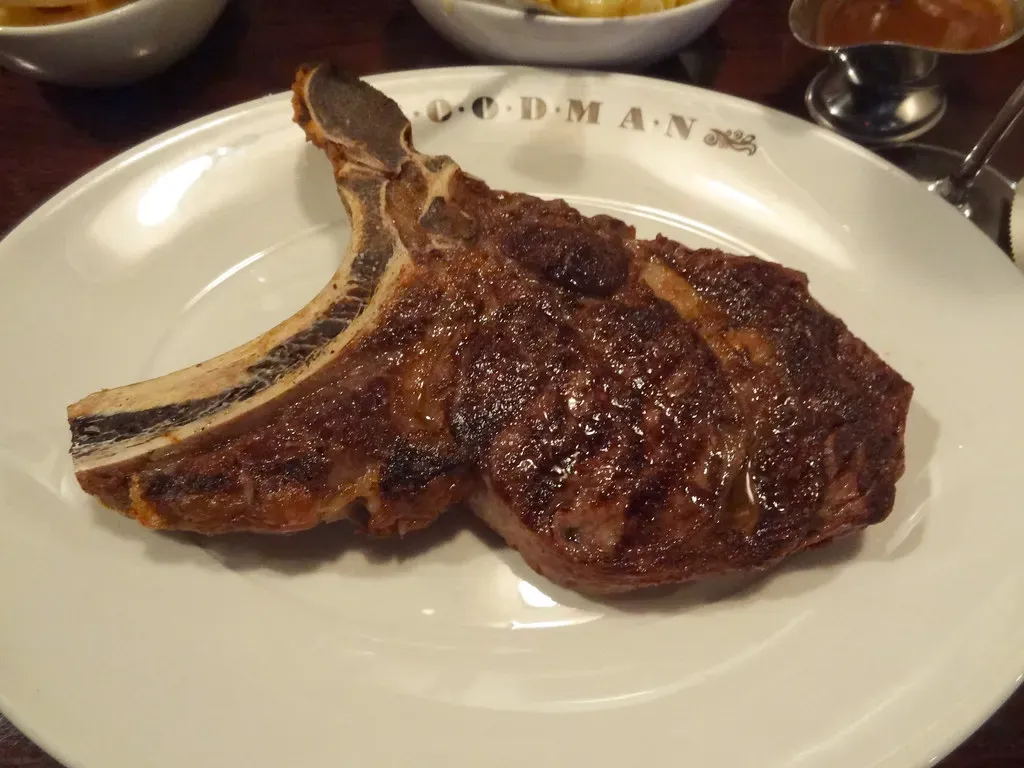
The bone-in ribeye stands out because it’s nicely marbled with interior fat, and the fat melts during cooking and bathes the entire cut in rich, beefy goodness. Honestly, there’s something almost magical about watching a skilled chef handle this cut. Because this Prime steak is bone-in, it holds its shape better during the cooking process, and the meat near the bone comes out five to ten degrees cooler than the rest of the steak, resulting in pieces that are extra juicy and tender. Let’s be real, this is the cut that separates the amateurs from the pros.
High-end chains dry-age their ribeyes in-house, which concentrates the flavor and creates that rich, nutty taste you can’t get otherwise. Chefs seek out a buttery crust and a gentle pull that speaks to finely-controlled temperature rather than following the over-char trend.
Dry-Aged Steak (Within Reason): A Smart Splurge
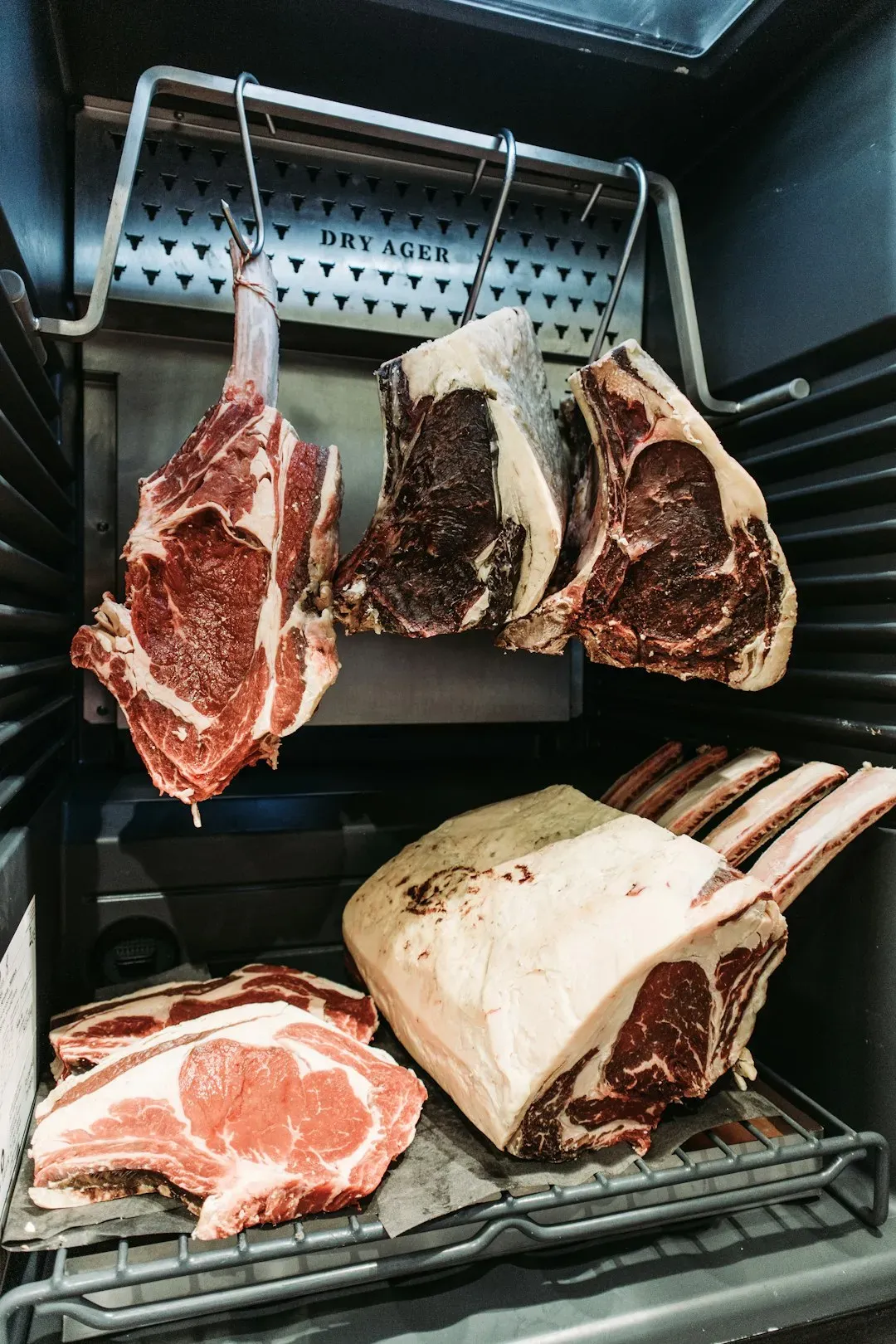
Here’s the thing about dry-aged beef: it genuinely transforms the meat, but there’s a point where you’re just throwing money away. Anything that is dry aged over twenty-eight days max is overrated, because after twenty-eight days, you don’t really taste the flavor of the meat but rather too much funk. That advice comes straight from a steakhouse corporate executive chef, so it’s worth listening to.
The longer the meat is aged, the more volume it loses as moisture evaporates and shrinks, and longer aging times can also cause mold to form on the outside of the meat, which has to be trimmed away. Experts agree that the sweet spot for dry aging beef is right around twenty-one to thirty days. I know those one hundred day aged steaks sound impressive, but you’re paying for marketing more than anything else.
Porterhouse: Two Steaks In One Spectacular Package
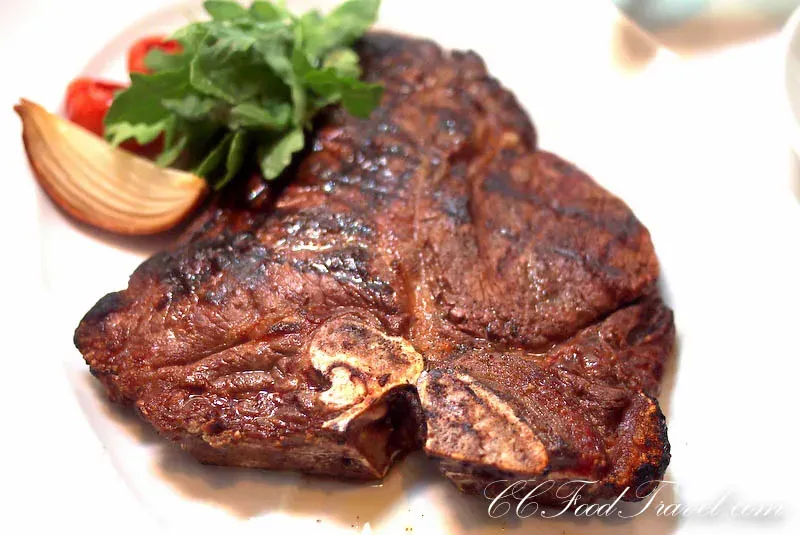
The porterhouse for two is a chef favorite because steak on the bone has much better flavor, and the creamed spinach becomes a substitute for sauce while paired with a classic baked potato with all the fixings, creating a simple dish that tastes great. It’s hard to say for sure, but this cut might be the ultimate steakhouse experience. You’re getting both tenderloin and strip steak in one massive presentation.
The sheer size of this cut makes it perfect for sharing, which honestly adds to the whole steakhouse vibe. The Porterhouse looks a lot like a T-bone but much larger at forty ounces, and it’s cut from nearly the same area – just slightly closer to the legs – so it has the same tenderloin and strip on either side of the bone.
Prime Rib (Off The Menu): The Underappreciated Star
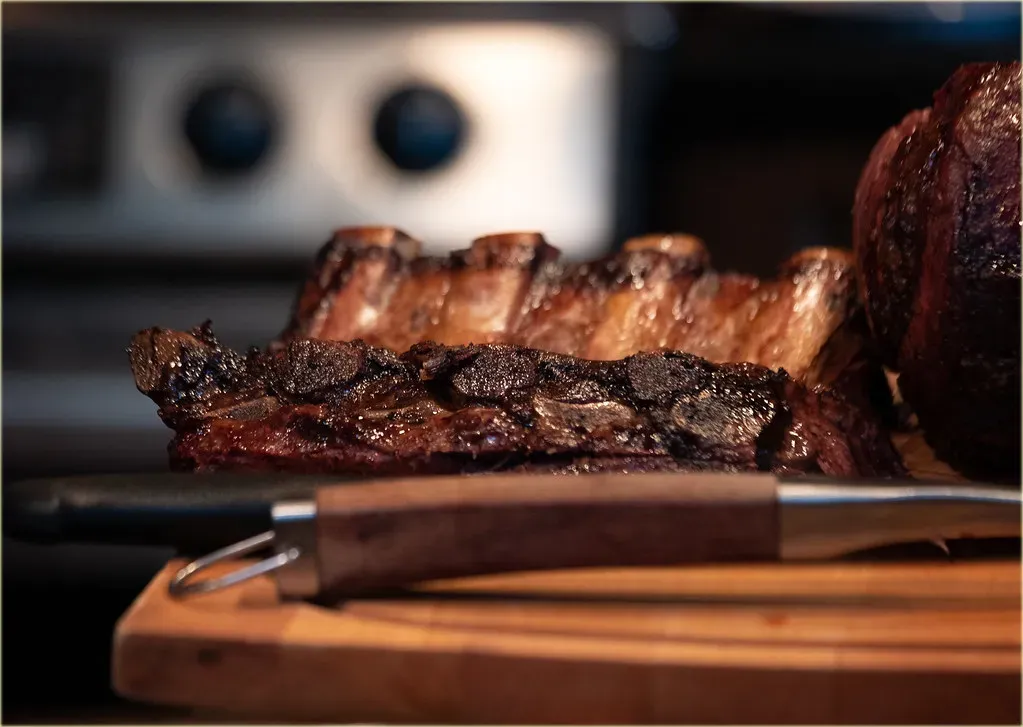
Folks should order things they can’t get themselves at the supermarket, because most stores don’t stock true prime beef, and if you’re lucky enough to find actual prime beef, it is usually cut into thin steaks to offset the high price per pound. That’s exactly why prime rib deserves more attention than it typically gets. When a steakhouse offers this cut as a special, jump on it.
A custom-designed grill sears steaks from edge to edge and chars a lengthy roster of vegetable sides as well, while generously portioned desserts set a new standard for steakhouse sweets. The preparation method matters enormously, and skilled chefs know how to coax maximum flavor from these larger roasted cuts. They’re usually reserved for special menu features, which makes them all the more worth ordering when you spot them.
Filet Mignon: Beautiful But Boring
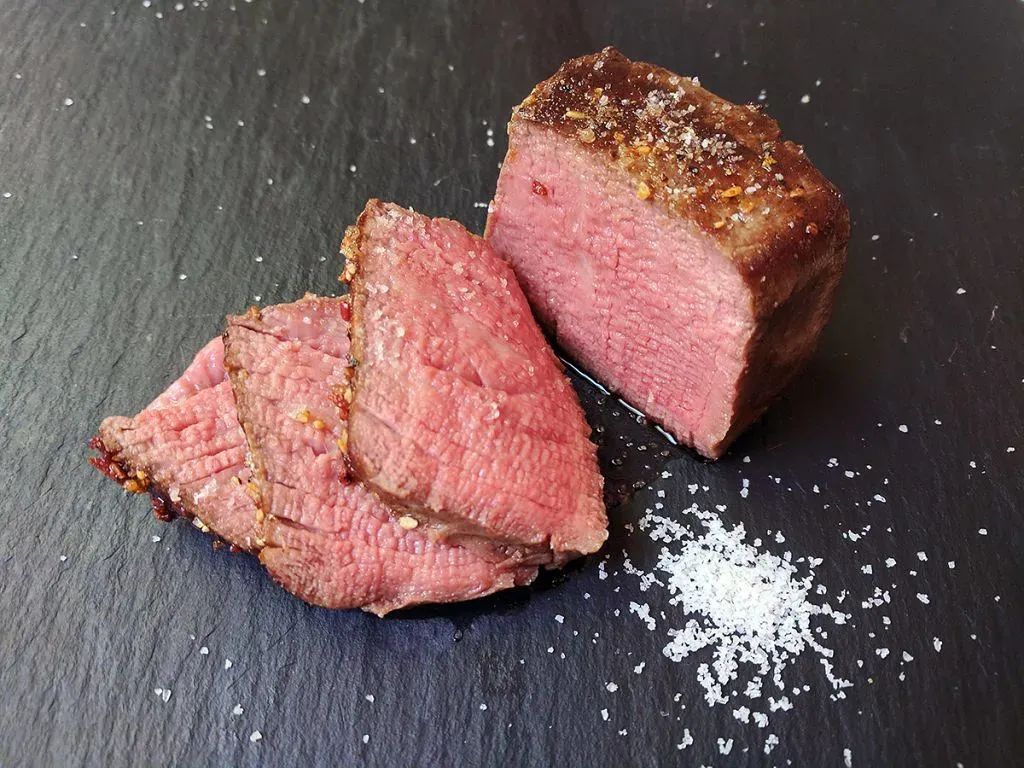
This lean cut, often the most high-priced on the menu, came up over and over when chefs were asked about overrated steaks, and while many love this often smaller-sized cut, many chefs aren’t the biggest fans, preferring more flavorful cuts because you can get far more flavor for the price. I think it’s the ultimate trap for people who don’t know steak well.
The downside to this cut is its lack of fat content, resulting in a less robust taste profile that often requires additional sauces or toppings to enhance its flavor, and the filet mignon is often viewed as an overrated cut due to its limited flavor profile and high cost resulting from its scarcity. A James Beard Semifinalist chef declared it’s far too expensive for how boring and limiting it is. That’s pretty harsh, but totally fair when you consider what else is available.
Well-Done Anything: The Cardinal Sin
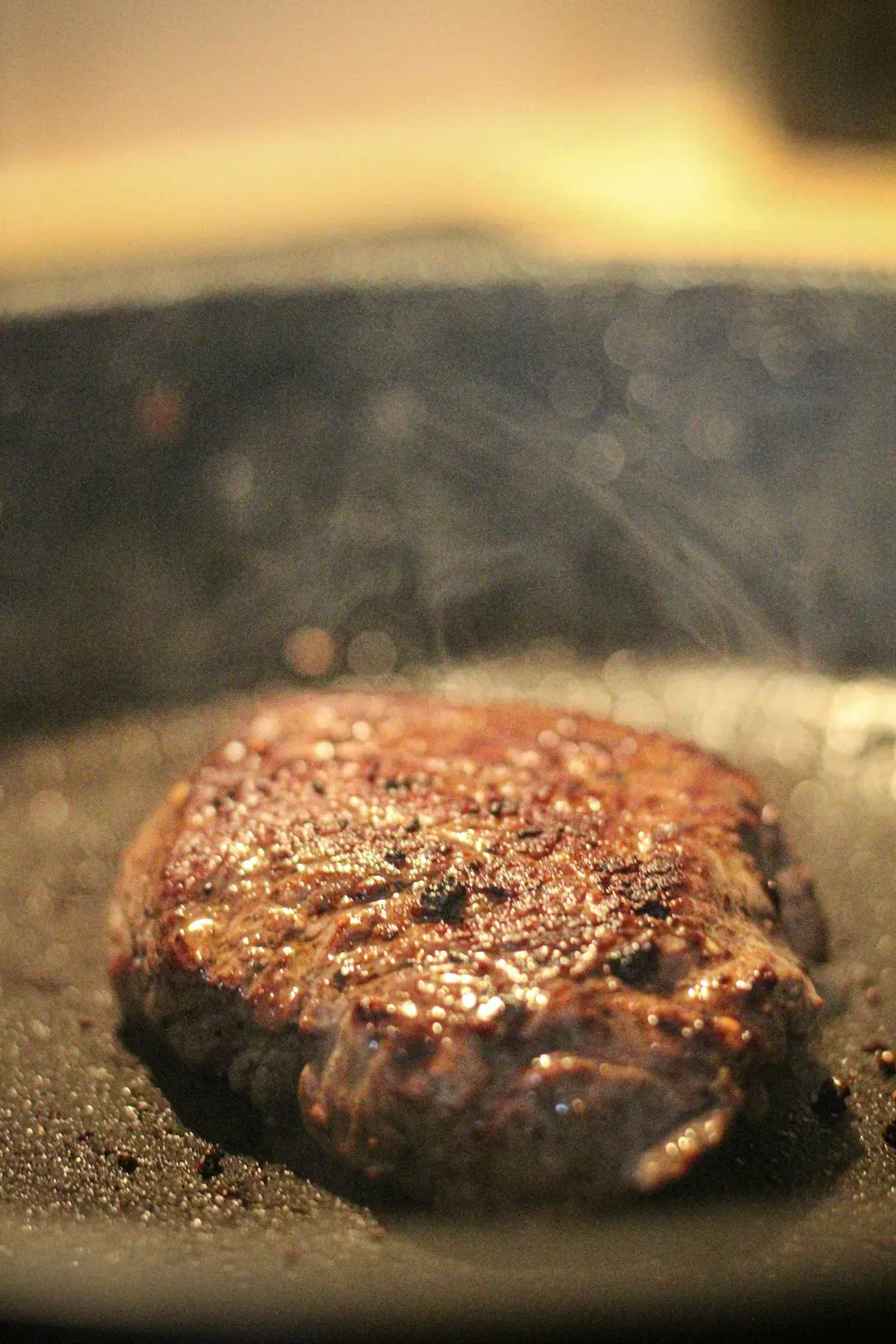
Cooking a steak to well-done robs it of its natural juices and flavors, leaving you with a tough, dry piece of meat. Listen, if you genuinely prefer your steak cooked through, no judgment. Still, you need to know that nearly every chef interviewed for articles about steakhouse ordering specifically called this out as the thing to avoid.
Well-done is not the greatest because of all the loss of flavor, fat, juice, and the promotion of tough dry texture after it gets cooked past around one hundred forty degrees. Even at casual chains, the kitchen crew will collectively sigh when a well-done order comes through. You’re literally cooking out everything that makes an expensive steak worth the money. What do you think about ordering steak this way? Tell us in the comments.