9 Red Flags in a Rental Deal – Walk Away Immediately If You See Number 4
Finding a rental feels like a second job these days. You’re scanning listings, sending messages, scheduling tours – and somewhere in that exhausting process, a fraudster might be patiently waiting for you to let your guard down. Rental scams have quietly become one of the most costly and emotionally devastating forms of consumer fraud in the country, and they’re only getting more sophisticated. The tactics are sharper, the fake listings are more convincing, and the money lost often doesn’t come back.
With losses averaging around a thousand dollars per incident and millions of Americans falling victim each year, rental fraud has become one of the most financially devastating scams targeting everyday people pursuing the basic human need for housing. The scary part is that many victims never saw it coming. So before you sign anything, read this. You might be surprised by what you find.
1. The Rent Is Way Too Cheap for the Area
Here’s the thing – when you’re exhausted from searching and finally spot a listing that fits your budget, your brain wants it to be real. That emotional pull is exactly what scammers count on. Scammers often attract attention by offering properties at prices significantly lower than the neighborhood average, and this tactic is especially effective in competitive housing markets where renters feel pressure to jump on a “deal” before someone else does.
Rental prices in scam listings are often set at 40 to 50 percent below comparable properties in the same area. Think about that for a second. A three-bedroom that should cost $2,000 a month being advertised at $900 is not a bargain – it’s a trap. If the advertised rent is a lot cheaper than most rents in the area, it could be a sign of a scam.
When it comes to rental prices, it probably is a scam if the listing price is too good to be true. If any property listing price is well below the going market rate, you should consider this a red flag. Scammers use these properties in a “bait and switch” scenario. Always pull up comparable listings in the same zip code before getting emotionally invested in any deal.
2. The Listing Photos Look Too Perfect – or Are Stolen

Rental scams don’t start with forged paperwork. They start with irresistible photos – gorgeous kitchens, flooded with natural light, pristine hardwood floors. It’s aspirational bait, designed to make you emotionally commit before your logic kicks in. In late 2024, the UK advocacy group Generation Rent reviewed 300 Facebook Marketplace listings and found that 56 percent had images lifted from other platforms. The study flagged 74 percent of all listings as “likely scams,” with reused imagery being the most common red flag.
Doing a reverse image search of the photos in a listing can reveal whether scammers have stolen the images from a legitimate listing. Photos with MLS watermarks are also a warning sign, as they could indicate someone created a fake listing using stolen photos from properties that are currently on the real estate market.
If a listing doesn’t contain photos at all or they seem unprofessional or pulled from other websites, that should raise red flags. Google Reverse Image Search is an invaluable tool that allows you to search if photos appear elsewhere – an indication that they may have been stolen from another source. Honestly, the sixty seconds it takes to do a reverse image search could save you thousands of dollars.
3. The “Landlord” Refuses to Meet In Person

Legitimate landlords want to meet their tenants. That’s just basic reality. If the person you’re communicating with keeps manufacturing reasons why an in-person meeting is impossible – they’re overseas, they’re sick, they’re perpetually “out of town” – something is very wrong. If the person who replies to a listing claims to be out of town, sick, or simply unavailable to meet, yet still demands a security deposit, the listing could very well be a scam. Scammers avoid meeting so victims are unable to report them, and they escape with the deposit.
Scammers often avoid in-person meetings to prevent renters from verifying the property’s legitimacy. They may claim to be out of the country or use other excuses. If a landlord refuses to meet in person or show the property, consider it a strong warning sign of a scam.
Requesting a property tour from the inside helps verify if they’re the actual property owner. Many scammers will suggest you walk around the outside and refuse an interior tour. If this happens, it’s best to cut your ties and look for a different place. No tour means no deal. Full stop.
4. They Demand Money Before You’ve Seen Anything
Stop right here. This is the one. If you remember nothing else from this article, remember this: no legitimate landlord will ever ask you to send money before you have physically seen the property and signed a lease. Ever. This is arguably the single biggest warning sign of them all. No legitimate landlord in any housing market – tight or not – should ever ask you to send money before you have physically seen the space.
Scammers pressure you for money upfront before you’ve even seen the place in person. These figures are based on fraud reports to the Consumer Sentinel Network filed from January 2020 through June 2025 that were identified as rental scams. The median reported loss amount during this period was $1,000. That’s a thousand dollars gone, often in a single transfer, with almost no chance of recovery.
Before discovering that they were scammed, roughly seventy percent of victims had already paid their security deposit. The psychology here is brutal – by the time people realize something is wrong, they’ve already handed over money and feel too embarrassed or confused to act quickly. The FTC warns against paying a security deposit or first month’s rent before you’ve signed a lease and met the landlord in person. If anyone pushes for upfront payment before a tour, walk away immediately.
5. Communication Happens Only Through Text or Email – Never a Real Call

Real landlords pick up the phone. They schedule viewings, answer questions, and generally behave like actual human beings running a business. Scammers, on the other hand, are often running multiple fake listings simultaneously and prefer to keep everything in writing so they can copy-paste responses quickly. Scammers often communicate only via email or text, avoiding personal interaction.
Pay attention to communication methods. Scammers often communicate only via email or text, avoiding personal interaction. When you do get a response, it often feels slightly off – generic, vague, and not quite addressing what you actually asked. Scam messages often contain spelling errors, awkward phrasing, and vague responses. You might receive emails that contain non-specific information about the apartment, or use unnatural English. These scammers may operate internationally, and the lack of professionalism can be a giveaway.
Think of it like this: if you were renting out your own property, you’d want to talk to your future tenant. You’d ask questions, have a real conversation, feel them out. A landlord who ghostly communicates only via typed messages and never offers a live phone call is showing you exactly who they are. Trust that signal.
6. The Listing Appears on Multiple Sites With Different Details
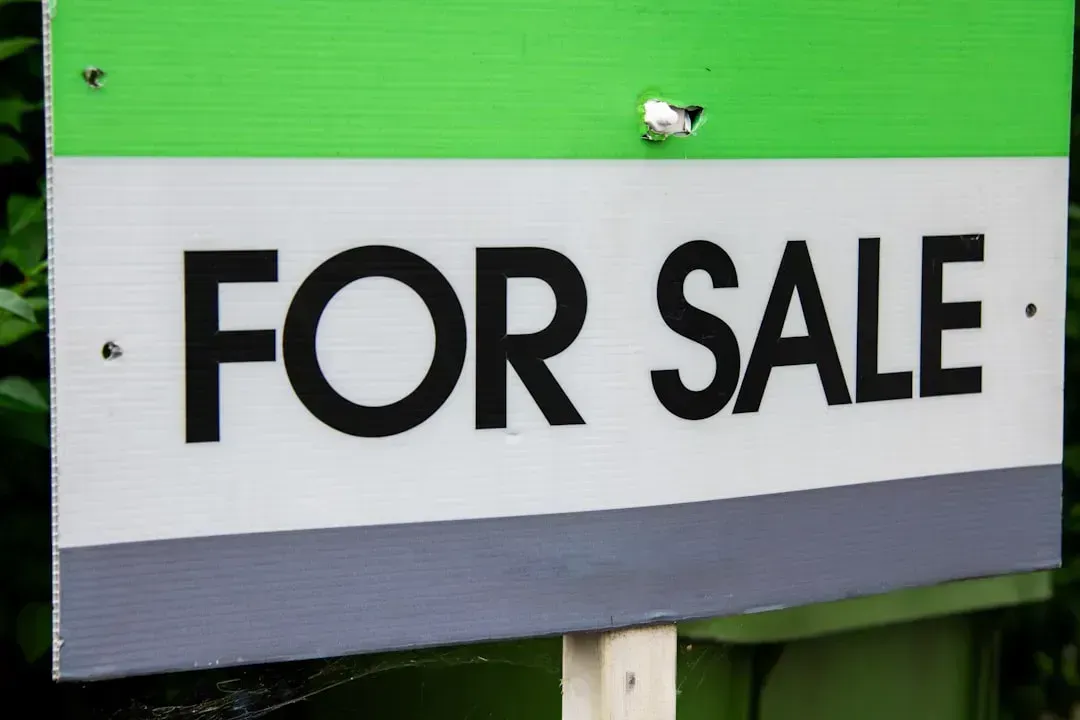
One listing. Multiple versions. Different prices. Different contact names. This is one of the clearest signs you’re looking at a hijacked or fabricated rental ad. Scammers without actual rentals to tour may hijack a real rental or real estate listing and change the email address or other contact information. They’ll then place the modified ad on another listing site to attract renters.
If you find the same property listed with different prices or different contact information, it’s likely a scam. And if you find the home listed for sale instead of for rent, that is a big red flag. Scammers have a well-documented habit of copying legitimate for-sale listings and relisting them as rentals at suspiciously low prices. The property is real; the “landlord” offering to rent it to you is not.
Scammers often do this by copying legit listings, changing the contact information so you reach them instead of the real landlord, and posting their fake listing on a different site. In fact, many would-be renters report discovering that the scammer copied an ad for a property that was really for sale, not for rent. Other scammers create fake listings from scratch, complete with attractive photos and below-market rent to grab your attention. Always cross-reference the address on multiple platforms before proceeding.
7. Untraceable Payment Methods Are Requested

Wire transfer. Gift cards. Cryptocurrency. Cash sent through an app. These aren’t just unusual payment methods – they are tools specifically chosen by fraudsters because the money is nearly impossible to trace or recover once it’s sent. These are not just unusual payment methods – they are scammer favorites precisely because they are nearly impossible to recover once sent. If a so-called landlord or listing agent requests payment through a wire transfer, a gift card, or through cryptocurrency, that is described by fraud experts as “a huge red flag.”
If you send money by wire transfer, gift card, or cryptocurrency, it’s like sending cash. Once it’s gone, you probably can’t get it back. If you can’t see the apartment or sign a lease before you pay, keep looking.
Many con artists request unusual payment methods – wire transfers, gift cards, Zelle, cryptocurrency – hoping tenants will panic or rush to secure a rental without questioning the legitimacy. These transactions are hard to trace and almost impossible to recover. Many of the recent rental scams in 2025 involve requesting gift cards or cryptocurrency, which are nearly impossible to trace. Always use a traceable payment method and only after you’ve toured the property and signed a legitimate lease.
8. Personal Information Is Requested Way Too Early

There’s a version of the rental scam that isn’t about stealing a deposit – it’s about stealing your identity. Fraudsters pose as landlords and use the rental application process as a cover to harvest Social Security numbers, bank account details, driver’s license images, and pay stubs. Scammers collect personal information to steal your identity. They tell you to complete an application with information like your Social Security number, a picture of your driver’s license, paystubs, and other personal details that they can use to steal your identity.
Until you’ve agreed to rent a place, a landlord doesn’t need your Social Security number, credit score or other sensitive information. Legit landlords normally pull your credit score themselves – they don’t tell you to get it for them. If someone asks you to screenshot your credit score and send it to them, that alone should end the conversation immediately.
Before disclosing sensitive personal data such as your Social Security number, bank account details, or credit card info to a landlord, make sure it’s legitimate and trustworthy. Scammers sometimes request this type of sensitive data under the pretense of running background or credit checks before using it for identity theft. The rule of thumb is simple: verify the landlord first, share your information second – not the other way around.
9. There’s No Proper Lease Agreement – or It’s Full of Vague, One-Sided Language
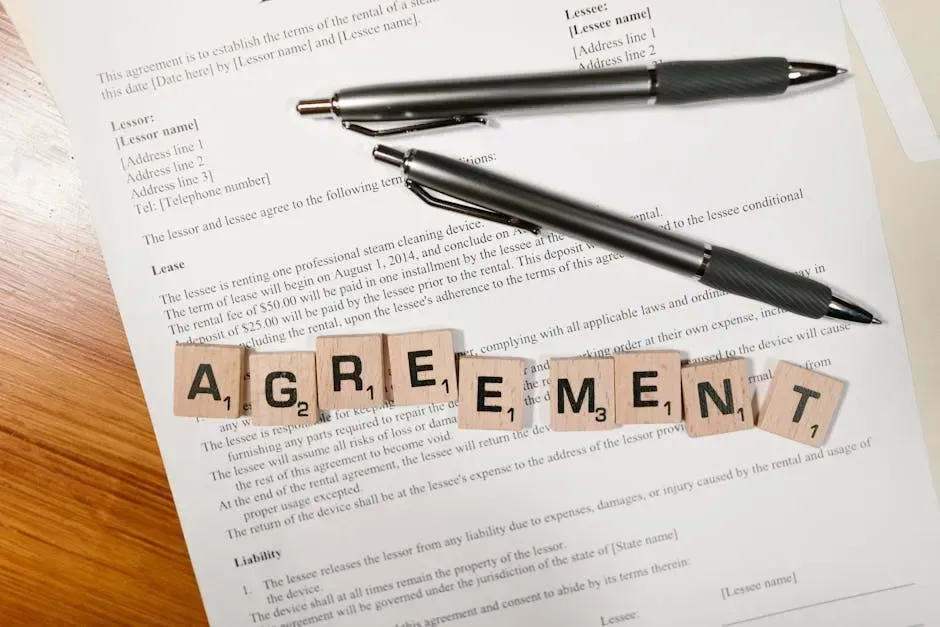
Honestly, this one gets overlooked more than any other warning sign, and it can cost you not just money but months of legal misery. In 2025, vague, one-sided, or improperly written lease agreements are one of the most common and most dangerous rental red flags. Every clause, every sentence in that lease holds legal weight.
If a landlord includes hidden application fees, a disproportionate security deposit, vague clauses, or refuses to provide a written lease agreement, it could be a sign of potential issues or a rental scam. Before signing a lease, make sure to read it carefully and ask for clarification on any terms or policies that you do not understand. A responsible landlord should be transparent and upfront about their policies, and any vague or confusing language in the lease could be a red flag.
A rental agreement should clearly state how much the security deposit is, where it will be held, and under what conditions it will be returned. If the contract is vague or skips these details, that’s a problem. You need to know exactly what you’re paying and how you’ll get it back. Some landlords try to keep deposits for minor issues or normal wear and tear, which isn’t legal in many states. Think of your lease like the rules of a game – if they aren’t written clearly before you play, someone’s going to cheat you after the fact.
Stay Sharp, Stay Safe

Rental fraud is a real, growing crisis. According to a 2024 survey from Rently, nearly all renters believe scams are common, and the vast majority worry about falling victim themselves. The rental market is competitive enough without having to battle fraudsters who have sharpened their tactics to near perfection. The good news is that every single red flag on this list is detectable – if you know what to look for.
The core rule is simple: verify before you pay, tour before you sign, and trust your gut when something feels off. Avoiding rental fraud requires a proactive strategy – checking who owns the property, setting up in-person viewings, and knowing your rights as a renter. If someone pressures you to skip any of those steps, that pressure itself is the red flag.
Of all nine warning signs covered here, it’s the demand for upfront payment that should stop you in your tracks every single time. It’s the scammer’s favorite move for a reason – it works fast and it works well. Don’t let it work on you. Have you ever encountered any of these warning signs in a rental deal? Drop your experience in the comments below.